
Off-site Renewable Energy: A Sustainable Solution for Modern Energy Needs
Introduction
Off-site renewable energy refers to the generation of clean energy at a location separate from where the energy is consumed. Instead of installing renewable energy systems directly on a company’s premises, organizations purchase electricity or renewable energy credits from external renewable energy projects such as solar farms, wind farms, and hydroelectric facilities. This approach enables businesses, institutions, and governments to achieve sustainability goals while accessing renewable power without significant on-site infrastructure investments.
With increasing concerns about climate change, rising energy costs, and the global transition toward cleaner energy sources, off-site renewable energy has become an important strategy for reducing carbon emissions and improving energy security.
How Off-site Renewable Energy Works
In a typical off-site renewable energy arrangement, a renewable energy developer builds and operates a large-scale energy project in a suitable location. The generated electricity is then supplied to the power grid. Organizations can participate through agreements such as Power Purchase Agreements (PPAs), where they commit to purchasing renewable electricity for a fixed period.
For example, a manufacturing company located in an urban area may not have enough rooftop space for solar panels. Instead, it can purchase electricity from a remote solar farm located in another region. The company receives the environmental benefits associated with renewable energy while supporting the expansion of clean energy infrastructure.
More information about renewable energy systems can be found through the International Renewable Energy Agency (IRENA):
https://www.irena.org/
Types of Off-site Renewable Energy
Several renewable energy sources can support off-site energy procurement:
Solar Energy
Large-scale solar farms generate electricity using photovoltaic panels installed across extensive land areas. These projects benefit from economies of scale, making solar power more affordable and efficient.
Wind Energy
Wind farms located in areas with strong wind resources can generate significant amounts of electricity. Many organizations use wind energy contracts to meet renewable energy targets.
Hydropower
Hydroelectric projects use flowing water to generate electricity. Although they require suitable geographical conditions, hydropower remains one of the largest sources of renewable electricity globally.
Biomass and Other Renewable Sources
Some organizations also invest in biomass, geothermal, and emerging renewable technologies depending on regional availability and sustainability objectives.
Benefits of Off-site Renewable Energy
One of the primary advantages of off-site renewable energy is scalability. Large renewable projects can produce substantial amounts of electricity, helping organizations reduce their dependence on fossil fuels.
Another major benefit is cost stability. Long-term renewable energy agreements can protect businesses from fluctuations in traditional energy prices. This allows companies to forecast energy expenses more accurately.
Off-site renewable energy also supports corporate sustainability commitments. Many organizations are setting net-zero carbon targets and using renewable energy procurement as a key step toward reducing greenhouse gas emissions.
The U.S. Environmental Protection Agency provides additional information about renewable electricity purchasing options:
https://www.epa.gov/green-power-markets
Challenges and Considerations
Although off-site renewable energy provides many advantages, there are challenges to consider. Renewable projects often require significant initial investment, regulatory approvals, and suitable locations. Transmission infrastructure may also be needed to deliver electricity from remote generation sites to consumers.
Organizations must carefully evaluate contract terms, renewable energy certifications, and the credibility of project developers before entering agreements.
Future of Off-site Renewable Energy
The demand for off-site renewable energy is expected to continue growing as governments and businesses accelerate their transition toward sustainable energy systems. Advances in energy storage, smart grids, and renewable technologies will further improve the reliability and accessibility of clean energy.
Companies that adopt off-site renewable energy strategies can contribute to global climate goals while improving operational resilience and demonstrating environmental responsibility.
Conclusion
Off-site renewable energy provides an effective pathway for organizations to access clean electricity without relying solely on on-site renewable installations. Through solar, wind, hydro, and other renewable projects, businesses can reduce carbon emissions, manage energy costs, and support the development of a sustainable energy future. As renewable energy adoption expands worldwide, off-site solutions will play a crucial role in building a cleaner and more resilient energy system.
What is off-site renewable energy and how does it work?
Introduction
Off-site renewable energy is a method of sourcing clean electricity from renewable energy projects located away from the place where the energy is consumed. Unlike on-site renewable systems, such as rooftop solar panels installed on a company building, off-site renewable energy allows organizations to purchase renewable power generated from large-scale projects located in different areas.
This approach has become increasingly popular among businesses, governments, and institutions that want to reduce carbon emissions, achieve sustainability targets, and transition away from fossil fuel-based electricity. Off-site renewable energy enables organizations that may not have suitable space, resources, or conditions for installing their own renewable systems to still participate in the clean energy transition.
According to the International Energy Agency (IEA), renewable energy plays a major role in reducing global greenhouse gas emissions and improving energy security. More information is available at:
https://www.iea.org/topics/renewables
How Does Off-site Renewable Energy Work?
Off-site renewable energy typically works through large-scale renewable energy projects, such as solar farms, wind farms, or hydroelectric facilities. These projects are usually developed in locations with favorable natural conditions, such as high sunlight exposure or strong wind resources.
The process generally involves four main steps:
1. Renewable Energy Generation
A renewable energy developer builds and operates a clean energy facility. For example, a solar company may construct a large solar farm in an area with abundant sunlight. The solar panels generate electricity, which is then delivered into the electrical grid.
Similarly, wind farms use turbines to convert wind energy into electricity, while hydroelectric plants generate power using flowing water.
2. Connection to the Power Grid
The electricity produced by the renewable energy project is fed into the regional power grid. The grid distributes electricity to homes, businesses, and industries, including organizations that have purchased renewable energy.
Since electricity from different sources mixes within the grid, companies usually cannot receive physically separate renewable electricity. Instead, they receive renewable energy certificates or contractual benefits that represent their contribution to renewable energy generation.
3. Renewable Energy Purchase Agreements
Many organizations use a Power Purchase Agreement (PPA) to access off-site renewable energy. A PPA is a long-term contract between an energy producer and an electricity buyer.
Under this agreement, a company commits to purchasing electricity or renewable energy attributes from a renewable energy project for a specific period, often 10 to 25 years. This provides financial support for renewable projects while giving businesses more predictable energy costs.
The U.S. Department of Energy provides information about renewable energy purchasing and corporate clean energy strategies:
https://www.energy.gov/
4. Renewable Energy Credits (RECs)
Renewable Energy Credits (RECs) are certificates that represent the environmental benefits of renewable electricity generation. Organizations can purchase RECs to support renewable energy production and account for their renewable electricity consumption.
RECs help companies track progress toward sustainability goals, including carbon reduction targets and net-zero commitments.
More information about renewable energy certificates is available through the U.S. Environmental Protection Agency:
https://www.epa.gov/green-power-markets
Examples of Off-site Renewable Energy
A technology company operating in a large city may not have enough rooftop space to install solar panels. Instead, the company can sign a PPA with a solar farm located in another region. The solar farm generates electricity, supplies power to the grid, and provides renewable energy credits to the company.
Similarly, a manufacturing facility with high electricity demand may purchase wind energy from a remote wind farm to reduce its reliance on conventional energy sources.
Benefits of Off-site Renewable Energy
Reduced Carbon Emissions
The primary advantage of off-site renewable energy is the reduction of greenhouse gas emissions. By supporting renewable energy projects, organizations can decrease their dependence on coal, natural gas, and other fossil fuels.
Access to Large-scale Renewable Projects
Large renewable energy facilities often produce electricity more efficiently and at a lower cost compared with smaller installations. Off-site agreements allow organizations to benefit from these projects without owning or managing the infrastructure.
Cost Management
Long-term renewable energy contracts can provide protection against changing electricity prices. Businesses can better predict future energy expenses while supporting sustainable energy development.
Meeting Sustainability Goals
Many companies have established environmental goals, such as achieving carbon neutrality or using 100% renewable electricity. Off-site renewable energy is an effective tool for meeting these commitments.
Challenges of Off-site Renewable Energy
Despite its advantages, off-site renewable energy also presents certain challenges. Developing renewable energy projects requires significant investment, land availability, and regulatory approval. Transmission limitations can also affect how easily electricity moves from remote renewable facilities to consumers.
Organizations must also carefully evaluate renewable energy contracts, project credibility, and certification systems to ensure their investments create genuine environmental benefits.
The Future of Off-site Renewable Energy
As global demand for clean energy increases, off-site renewable energy is expected to become a key part of corporate and government sustainability strategies. Advances in battery storage, smart grid technology, and renewable energy infrastructure will make these systems more reliable and accessible.
Companies that adopt off-site renewable energy solutions can reduce their environmental impact while supporting the expansion of global clean energy capacity.
Conclusion
Off-site renewable energy allows organizations to access clean electricity generated from renewable projects located away from their facilities. Through methods such as Power Purchase Agreements and Renewable Energy Certificates, businesses can support solar, wind, and other renewable energy developments while reducing carbon emissions and improving energy sustainability.
What Are the Common Sources of Off-site Renewable Energy?
Introduction
Off-site renewable energy refers to electricity generated from renewable energy projects located away from the consumer’s facility. Instead of producing energy directly at their own locations, organizations purchase electricity or renewable energy credits from external renewable power projects. These projects are usually large-scale installations designed to generate significant amounts of clean electricity and supply it to the power grid.
As companies and governments focus on reducing carbon emissions and achieving sustainability targets, off-site renewable energy has become an important solution. It allows organizations to access clean energy even when they do not have enough space, resources, or suitable conditions for installing renewable systems on-site.
The most common sources of off-site renewable energy include solar, wind, hydropower, biomass, and geothermal energy.
1. Solar Energy
Solar energy is one of the most widely used sources of off-site renewable power. Large-scale solar farms, also known as utility-scale solar projects, use thousands or millions of photovoltaic (PV) panels installed across large areas of land to convert sunlight into electricity.
These solar farms are typically built in regions with high levels of sunlight exposure and available land. The electricity generated is supplied to the electrical grid, where organizations can access renewable energy through agreements such as Power Purchase Agreements (PPAs).
A major advantage of off-site solar energy is scalability. Large solar farms can generate enough electricity to supply multiple businesses, industries, or communities. Solar energy also has low operational emissions, making it an effective solution for reducing dependence on fossil fuels.
More information about solar energy is available from the National Renewable Energy Laboratory (NREL):
https://www.nrel.gov/solar/
2. Wind Energy
Wind energy is another major source of off-site renewable electricity. Wind farms use large turbines to convert the kinetic energy of moving air into electrical power.
Wind projects are often located in areas with consistent and strong wind conditions, such as open plains, coastal regions, and offshore locations. Offshore wind farms are becoming increasingly popular because ocean areas generally provide stronger and more reliable wind resources.
Businesses often invest in wind energy through long-term contracts that support the development of new wind farms. These agreements help companies reduce their carbon footprint while providing financial stability for renewable energy developers.
The Global Wind Energy Council provides industry information and statistics about wind power development:
https://www.gwec.net/
3. Hydropower Energy
Hydropower generates electricity by using the movement of water, usually from rivers, reservoirs, or dams. It is one of the oldest and most established forms of renewable energy.
Large hydroelectric power plants can produce significant amounts of electricity continuously, making them a reliable renewable energy source. Unlike solar and wind energy, which depend on weather conditions, hydropower can often provide a more consistent electricity supply.
However, hydropower projects require specific geographical conditions and careful environmental planning to minimize impacts on ecosystems and local communities.
The International Hydropower Association provides additional information about sustainable hydropower:
https://www.hydropower.org/
4. Biomass Energy
Biomass energy is produced from organic materials such as agricultural waste, wood residues, and other biological materials. These materials can be converted into electricity through processes such as combustion, gasification, or anaerobic digestion.
Off-site biomass power plants collect renewable organic resources from different locations and convert them into usable electricity. This approach can help reduce waste while generating renewable power.
Biomass energy is particularly useful in regions with strong agricultural industries where organic waste materials are readily available.
5. Geothermal Energy
Geothermal energy uses heat stored beneath the Earth’s surface to generate electricity. Geothermal power plants are usually located in areas with significant underground heat activity, such as regions near volcanic zones.
Unlike solar and wind energy, geothermal power can provide continuous electricity production regardless of weather conditions. This makes it a valuable renewable energy source for improving grid reliability.
Information about geothermal energy development is available through the U.S. Department of Energy:
https://www.energy.gov/eere/geothermal
6. Offshore Renewable Energy
Offshore renewable energy includes technologies such as offshore wind farms and emerging marine energy systems that use ocean waves and tides to generate electricity.
Offshore wind has become a rapidly growing sector because oceans provide large available spaces and strong wind conditions. These projects can generate substantial amounts of electricity while reducing pressure on land resources.
Conclusion
Off-site renewable energy provides organizations with access to clean electricity through large-scale renewable projects located away from their facilities. The most common sources include solar, wind, hydropower, biomass, geothermal, and offshore renewable energy.
Each energy source offers unique advantages depending on geography, availability, and energy requirements. By investing in off-site renewable energy, businesses and governments can reduce greenhouse gas emissions, support clean energy development, and contribute to a more sustainable global energy system. As renewable technologies continue to advance, these energy sources will play an increasingly important role in meeting future electricity demands.
How Can Businesses and Organizations Benefit from Off-site Renewable Energy?
Introduction
Businesses and organizations around the world are increasingly adopting off-site renewable energy as part of their sustainability and energy management strategies. Off-site renewable energy allows companies to access clean electricity generated from external renewable energy projects, such as solar farms, wind farms, and hydroelectric facilities, without needing to install renewable systems at their own locations.
This approach is especially valuable for organizations that have limited space, operate in urban areas, or require large amounts of electricity that cannot be generated through on-site solutions. By investing in off-site renewable energy, companies can reduce their environmental impact while gaining financial and operational benefits.
1. Reducing Carbon Emissions and Environmental Impact
One of the most significant benefits of off-site renewable energy is the ability to reduce greenhouse gas emissions. Traditional electricity generation often depends on fossil fuels such as coal, oil, and natural gas, which contribute to climate change through carbon dioxide emissions.
By purchasing renewable electricity from external projects, businesses support the development of clean energy infrastructure and decrease their reliance on fossil fuel-based power sources. This helps organizations achieve sustainability goals, reduce their carbon footprint, and contribute to global climate action.
Many companies use renewable energy procurement strategies to meet net-zero targets and environmental commitments.
The United Nations provides information about climate action and sustainable energy initiatives:
https://www.un.org/en/climatechange
2. Achieving Renewable Energy and Sustainability Goals
Many organizations have established ambitious sustainability targets, including commitments to use 100% renewable electricity or achieve carbon neutrality. Off-site renewable energy provides a practical way to meet these objectives.
For companies that cannot install solar panels or wind turbines at their facilities, purchasing renewable energy from external projects provides access to clean power without major infrastructure changes.
Through Power Purchase Agreements (PPAs) and Renewable Energy Certificates (RECs), organizations can demonstrate their commitment to renewable energy adoption and report progress toward sustainability goals.
The Renewable Energy Buyers Alliance (REBA) provides resources for organizations interested in renewable energy procurement:
https://rebuyers.org/
3. Improving Energy Cost Predictability
Energy prices can fluctuate due to changes in fuel costs, market conditions, and supply-demand factors. Off-site renewable energy agreements can help businesses achieve greater financial stability by providing predictable electricity pricing.
Through long-term contracts such as PPAs, organizations can secure renewable electricity at agreed prices for several years. This reduces exposure to unpredictable energy market changes and helps businesses plan their future operating expenses more effectively.
For large energy consumers, stable electricity costs can provide significant financial advantages over time.
4. Accessing Large-scale Renewable Energy Projects
Large renewable energy projects often provide electricity more efficiently than smaller installations. Off-site renewable energy allows businesses to benefit from these large-scale developments without investing in construction, maintenance, and operation.
For example, a company operating in a city may not have enough rooftop space for solar panels. Instead, it can purchase electricity from a large solar farm located in a region with better sunlight conditions.
This approach enables organizations of all sizes to participate in renewable energy markets.
5. Enhancing Corporate Reputation
Consumers, investors, and employees increasingly value organizations that demonstrate environmental responsibility. Companies that invest in renewable energy can strengthen their brand reputation and show commitment to sustainable business practices.
Renewable energy adoption can also improve relationships with customers and investors who prioritize environmental, social, and governance (ESG) performance.
Organizations that actively reduce emissions often gain a competitive advantage in industries where sustainability is becoming an important factor in decision-making.
6. Supporting Renewable Energy Development
When businesses purchase electricity from renewable energy projects, they create demand for additional clean energy generation. This financial support encourages developers to build new solar farms, wind projects, and other renewable facilities.
As more organizations participate in renewable energy markets, investment in clean energy infrastructure increases, accelerating the transition toward a low-carbon energy system.
7. Meeting Regulatory and Reporting Requirements
Governments and industry organizations are introducing stricter environmental regulations and reporting standards. Off-site renewable energy can help businesses comply with sustainability requirements and improve transparency in their environmental reporting.
Renewable energy certificates and verified renewable energy contracts provide documentation that organizations can use when measuring and reporting emissions reductions.
Challenges Businesses Should Consider
Although off-site renewable energy offers many advantages, businesses should carefully evaluate factors such as contract terms, project reliability, renewable energy certification standards, and regulatory requirements.
Organizations should work with experienced renewable energy providers to select solutions that align with their operational needs and sustainability objectives.
Conclusion
Off-site renewable energy provides businesses and organizations with an effective pathway to access clean electricity, reduce carbon emissions, control energy costs, and achieve sustainability targets. Through renewable energy contracts, companies can support large-scale solar, wind, hydro, and other clean energy projects without installing their own renewable infrastructure.
What Is the Difference Between On-site and Off-site Renewable Energy Systems?
Introduction
Renewable energy systems help businesses, organizations, and individuals reduce their dependence on fossil fuels and transition toward cleaner sources of electricity. Two common approaches for adopting renewable energy are on-site renewable energy systems and off-site renewable energy systems.
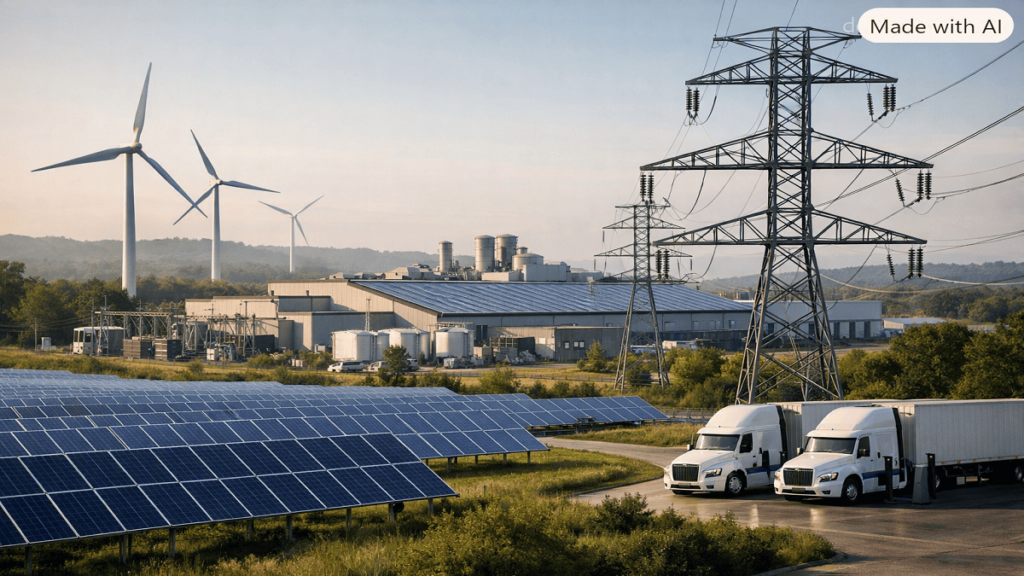
Although both methods use renewable sources such as solar, wind, and hydropower, the main difference lies in where the energy is generated and how it is delivered to the user. On-site systems generate electricity at the location where it is consumed, while off-site systems generate electricity at external facilities and supply energy through the electrical grid or contractual agreements.
Understanding the differences between these two approaches helps organizations choose the right renewable energy strategy based on their energy requirements, available space, budget, and sustainability goals.
What Are On-site Renewable Energy Systems?
On-site renewable energy systems are renewable energy installations located directly at the facility where electricity is used. These systems allow organizations to generate their own clean power and consume it immediately.
Common examples of on-site renewable energy systems include:
- Rooftop solar panels installed on commercial buildings
- Solar carports in parking areas
- Small-scale wind turbines located on company property
- On-site battery storage systems connected to renewable generators
For example, a factory may install solar panels on its warehouse roof to generate electricity for manufacturing operations. The electricity produced is consumed directly by the facility, reducing the amount of power purchased from the grid.
The National Renewable Energy Laboratory provides research and information about renewable energy technologies:
https://www.nrel.gov/
What Are Off-site Renewable Energy Systems?
Off-site renewable energy systems generate electricity at locations separate from the organization using the energy. These projects are usually large-scale renewable facilities, such as solar farms, wind farms, or hydroelectric plants.
Instead of owning a renewable energy system on their property, organizations purchase renewable electricity through agreements such as Power Purchase Agreements (PPAs) or Renewable Energy Certificates (RECs).
For example, a company located in a city may not have enough rooftop space for solar panels. Instead, it can purchase electricity generated from a large solar farm located in another region.
The electricity produced by the renewable project enters the power grid, and the organization receives the financial and environmental benefits associated with renewable energy generation.
More information about renewable energy purchasing is available through the U.S. Environmental Protection Agency:
https://www.epa.gov/green-power-markets
Key Differences Between On-site and Off-site Renewable Energy
| Feature | On-site Renewable Energy | Off-site Renewable Energy |
|---|---|---|
| Location | Installed at the energy consumer’s facility | Located at a separate renewable energy project |
| Ownership | Usually owned or leased by the organization | Often owned by renewable energy developers |
| Energy Delivery | Used directly at the facility | Delivered through the electrical grid |
| Project Size | Usually small to medium-scale | Often large-scale projects |
| Space Requirement | Requires available land or building space | Does not require space at the consumer location |
| Investment | Requires installation and maintenance costs | Typically involves purchasing energy through contracts |
| Energy Control | Provides direct control over generation | Depends on external energy providers |
Advantages of On-site Renewable Energy
Direct Energy Generation
One of the biggest advantages of on-site systems is that organizations generate electricity directly where it is needed. This reduces transmission losses and provides greater control over energy production.
Energy Independence
On-site renewable systems can reduce dependence on external electricity suppliers. When combined with battery storage, they can provide backup power during grid interruptions.
Long-term Savings
Although installation requires an initial investment, on-site systems can reduce electricity bills over time by lowering the amount of energy purchased from the grid.
Advantages of Off-site Renewable Energy
Access to Large-scale Projects
Off-site systems allow organizations to benefit from large renewable energy projects without owning or maintaining infrastructure.
Suitable for Organizations with Limited Space
Companies operating in urban areas or rented facilities may not have suitable locations for renewable installations. Off-site energy provides an alternative solution.
Supports Sustainability Commitments
Off-site renewable energy enables organizations to achieve renewable energy targets and reduce their carbon emissions through verified clean energy purchases.
Choosing Between On-site and Off-site Renewable Energy
The best option depends on an organization’s specific circumstances.
On-site renewable energy may be more suitable for businesses that:
- Own their buildings or land
- Have sufficient installation space
- Want direct control over energy production
- Prefer reducing electricity bills immediately
Off-site renewable energy may be better for organizations that:
- Have limited space for renewable installations
- Operate multiple facilities
- Need large amounts of electricity
- Want to meet sustainability goals through renewable energy procurement
Many organizations choose a combination of both approaches. For example, a company may install rooftop solar panels at its headquarters while purchasing additional renewable electricity from an off-site wind farm.
Conclusion
The primary difference between on-site and off-site renewable energy systems is the location of electricity generation. On-site systems produce renewable energy directly at the place of consumption, offering greater control and energy independence. Off-site systems rely on large external renewable energy projects, providing access to clean electricity without requiring physical installations at the user’s location.
Both approaches play an important role in accelerating renewable energy adoption. By selecting the right combination of on-site and off-site solutions, businesses and organizations can reduce carbon emissions, manage energy costs, and contribute to a more sustainable energy future.
What are the challenges and future opportunities of off-site renewable energy adoption?
Introduction
Off-site renewable energy adoption has become an important strategy for businesses, governments, and organizations seeking to reduce carbon emissions and transition toward sustainable energy systems. Unlike on-site renewable energy installations, off-site renewable energy allows organizations to purchase electricity generated from large-scale renewable projects located away from their facilities.
Through solutions such as Power Purchase Agreements (PPAs), virtual PPAs, and Renewable Energy Certificates (RECs), organizations can support renewable energy development without directly owning or operating renewable energy infrastructure.
While off-site renewable energy provides significant environmental and financial benefits, its adoption also involves challenges related to cost, infrastructure, regulation, and market complexity. At the same time, advancements in technology, energy storage, and policy support are creating new opportunities for wider adoption.
Challenges of Off-site Renewable Energy Adoption
1. High Initial Investment and Financial Complexity
Developing large-scale renewable energy projects requires substantial capital investment. Solar farms, wind farms, and other renewable facilities involve costs related to land acquisition, equipment, construction, grid connection, and maintenance.
Although businesses can avoid direct infrastructure costs by purchasing renewable energy through contracts, understanding pricing structures and long-term agreements can be complex. Organizations must carefully evaluate factors such as contract duration, electricity prices, market risks, and expected energy demand.
Long-term agreements such as PPAs can provide price stability, but they also require organizations to make commitments that may extend for many years.
The International Renewable Energy Agency provides research on renewable energy investment and market development:
https://www.irena.org/
2. Grid Infrastructure and Transmission Limitations
One of the major challenges of off-site renewable energy is the availability of reliable electricity transmission infrastructure.
Large renewable projects are often located in areas with abundant natural resources, such as sunny regions for solar farms or windy coastal areas for wind farms. However, these locations may be far from major energy consumers.
Moving electricity over long distances requires strong transmission networks. Inadequate grid infrastructure can delay renewable energy projects and limit the amount of clean electricity that can reach consumers.
Modernizing electricity grids and improving transmission capacity will be essential for expanding off-site renewable energy adoption.
3. Regulatory and Policy Barriers
Renewable energy markets are influenced by government policies, regulations, and energy market structures. Different countries and regions have different rules regarding renewable energy procurement, electricity trading, and carbon reporting.
Changes in government policies can affect the financial attractiveness of renewable energy projects. Organizations operating across multiple regions may also face difficulties navigating different regulatory requirements.
Clear and stable renewable energy policies are important for encouraging long-term investment.
4. Renewable Energy Supply Variability
Many renewable energy sources depend on natural conditions. Solar power generation varies with sunlight availability, while wind energy depends on weather patterns.
This variability can create challenges for maintaining a consistent electricity supply. Energy storage technologies, flexible grid systems, and improved forecasting methods are increasingly important for managing renewable energy fluctuations.
5. Complexity of Renewable Energy Certification
Organizations often rely on Renewable Energy Certificates (RECs) or similar tracking systems to verify renewable energy purchases. However, understanding certification standards and ensuring that renewable energy claims are accurate can be challenging.
Companies must ensure that their renewable energy investments provide genuine environmental benefits and align with recognized sustainability reporting frameworks.
Future Opportunities for Off-site Renewable Energy
1. Growth of Large-scale Renewable Energy Projects
The demand for clean electricity is expected to increase significantly as businesses pursue sustainability and governments introduce stronger climate policies.
Large-scale solar and wind projects are becoming more efficient and affordable due to improvements in technology, manufacturing, and project development. This creates greater opportunities for organizations to access renewable energy through off-site agreements.
2. Advancements in Energy Storage Technology
Energy storage is one of the most important developments supporting renewable energy growth. Battery storage systems can store excess electricity generated during periods of high renewable production and release it when demand increases.
Improved storage technologies will help overcome renewable energy variability and make off-site renewable systems more reliable.
The U.S. Department of Energy provides information about energy storage technologies:
https://www.energy.gov/oe/energy-storage
3. Expansion of Corporate Renewable Energy Purchasing
More companies are committing to renewable energy targets and net-zero emissions goals. This trend is driving increased demand for renewable energy procurement options.
Technology companies, manufacturers, financial institutions, and retail organizations are increasingly using renewable energy agreements to reduce emissions and demonstrate environmental responsibility.
4. Digital Technologies and Smart Grids
Digital technologies such as artificial intelligence, advanced monitoring systems, and smart grid solutions are improving renewable energy management.
These technologies help optimize electricity generation, predict renewable energy availability, and improve coordination between energy producers and consumers.
Smart grids will allow renewable energy systems to become more flexible, efficient, and reliable.
5. Emerging Markets and Global Renewable Expansion
Developing economies are creating new opportunities for renewable energy investment as electricity demand increases. Countries with strong solar, wind, and hydro resources can attract investment in large renewable projects.
International cooperation, improved financing models, and technology transfer will help accelerate renewable energy adoption worldwide.
6. Integration with Corporate Sustainability Strategies
Off-site renewable energy is becoming a central component of corporate Environmental, Social, and Governance (ESG) strategies. Organizations are using renewable energy investments to improve sustainability performance, meet climate commitments, and strengthen relationships with customers and investors.
As sustainability reporting requirements become more common, renewable energy adoption will become increasingly important for businesses.
Conclusion
Off-site renewable energy adoption offers a powerful solution for organizations seeking to reduce emissions, improve energy security, and achieve sustainability goals. However, challenges such as infrastructure limitations, regulatory complexity, financial considerations, and renewable energy variability must be addressed to accelerate growth.
Case Study of Off-site Renewable Energy
Introduction
Off-site renewable energy has become a widely adopted strategy among global organizations seeking to reduce carbon emissions, improve energy sustainability, and achieve renewable energy targets. Many large companies cannot generate all required electricity through on-site systems because of limited space, high energy demand, or operational constraints. In such cases, off-site renewable energy projects provide an effective solution.
A notable example is Google’s renewable energy procurement strategy, which demonstrates how a global organization can use large-scale renewable energy agreements to support clean energy development and reduce its environmental impact.
Google has invested significantly in renewable energy projects through long-term agreements with solar and wind farms around the world. These initiatives demonstrate how off-site renewable energy can help companies move toward carbon-free operations.
More information about Google’s sustainability initiatives is available at:
https://sustainability.google/
Background of the Case Study
Google operates energy-intensive facilities, including data centers that require continuous electricity to support services such as search, cloud computing, artificial intelligence, and digital platforms.
Data centers consume large amounts of electricity, making energy sourcing a critical part of Google’s sustainability strategy. While some facilities use on-site renewable energy solutions, the company relies heavily on off-site renewable energy projects to meet its electricity needs.
Because data centers require reliable and constant power, purchasing renewable electricity from large-scale solar and wind projects allows Google to support clean energy generation while maintaining operational reliability.
Implementation of Off-site Renewable Energy
Google has used long-term Power Purchase Agreements (PPAs) as a primary method for accessing renewable energy. Through these agreements, Google commits to purchasing electricity generated from renewable energy projects over extended periods.
The process involves:
1. Partnering with Renewable Energy Developers
Google works with renewable energy developers that construct and operate large-scale solar and wind farms. These projects are typically located in regions with strong renewable energy resources.
For example, a wind farm in an area with consistent wind conditions can generate electricity that is supplied to the regional power grid.
2. Purchasing Renewable Electricity
Through PPAs, Google purchases renewable electricity or the associated environmental benefits from these projects. These agreements provide financial security for renewable energy developers and encourage further investment in clean energy infrastructure.
3. Supporting Grid Decarbonization
The renewable energy generated through these projects enters the electricity grid, increasing the overall supply of clean power. By supporting additional renewable generation capacity, companies like Google help reduce dependence on fossil fuel-based electricity.
The International Renewable Energy Agency provides information about renewable energy deployment and corporate clean energy strategies:
https://www.irena.org/
Key Achievements and Benefits
1. Reduction of Carbon Emissions
One of the primary benefits of Google’s off-site renewable energy strategy is the reduction of greenhouse gas emissions associated with electricity consumption.
By purchasing renewable energy from solar and wind projects, Google has been able to significantly reduce the environmental impact of its global operations.
This approach supports the company’s long-term goal of operating entirely on carbon-free energy.
2. Supporting Renewable Energy Market Growth
Google’s renewable energy investments create demand for new clean energy projects. The company’s long-term commitments provide financial confidence to renewable energy developers, helping accelerate the construction of additional solar and wind facilities.
This contributes to broader renewable energy expansion beyond Google’s own operations.
3. Energy Cost Management
Renewable energy agreements can provide greater electricity price predictability. Long-term PPAs allow companies to manage future energy costs by reducing exposure to fluctuations in traditional energy markets.
This financial stability is particularly valuable for organizations with high electricity consumption.
4. Strengthening Sustainability Leadership
Google’s renewable energy investments demonstrate corporate environmental responsibility. By publicly committing to renewable energy goals, the company has strengthened its reputation among customers, investors, and employees.
Sustainability leadership has become an important factor in corporate competitiveness as stakeholders increasingly prioritize environmental performance.
Challenges Faced
Although Google’s approach has been successful, off-site renewable energy adoption involves several challenges.
Grid Limitations
Renewable projects are often located far from energy consumers. Expanding transmission infrastructure is necessary to deliver renewable electricity efficiently.
Renewable Energy Availability
Solar and wind energy production depends on weather conditions. Maintaining a reliable electricity supply requires advanced grid management and energy storage solutions.
Complex Energy Markets
Different countries and regions have different regulations, electricity markets, and renewable energy policies. Managing renewable energy procurement across multiple locations requires careful planning.
Lessons Learned from the Case Study
Google’s renewable energy strategy provides several important lessons for other organizations:
1. Long-term Planning Is Essential
Successful renewable energy adoption requires clear sustainability goals and long-term investment strategies.
2. Partnerships Accelerate Renewable Growth
Collaboration between companies, renewable energy developers, governments, and energy providers is essential for expanding clean energy infrastructure.
3. Off-site Renewable Energy Enables Large-scale Impact
Organizations with significant energy requirements can achieve meaningful emissions reductions by investing in large renewable projects rather than relying only on small-scale installations.
Future Opportunities
The future of off-site renewable energy is expected to grow as more organizations establish climate targets. Emerging technologies such as battery storage, artificial intelligence-based energy management, and advanced grid systems will improve reliability and efficiency.
Companies can also explore innovative solutions such as:
- Virtual Power Purchase Agreements
- Renewable energy marketplaces
- Offshore wind investments
- Hybrid renewable energy systems combining solar, wind, and storage
These developments will make renewable energy procurement more accessible for organizations of different sizes.
Conclusion
Google’s renewable energy procurement strategy demonstrates the potential of off-site renewable energy as a tool for corporate sustainability. Through long-term renewable energy agreements, the company has supported large-scale solar and wind projects while reducing emissions associated with its electricity consumption.
White Paper: Off-site Renewable Energy — Accelerating the Transition Toward Sustainable Power Systems
Executive Summary
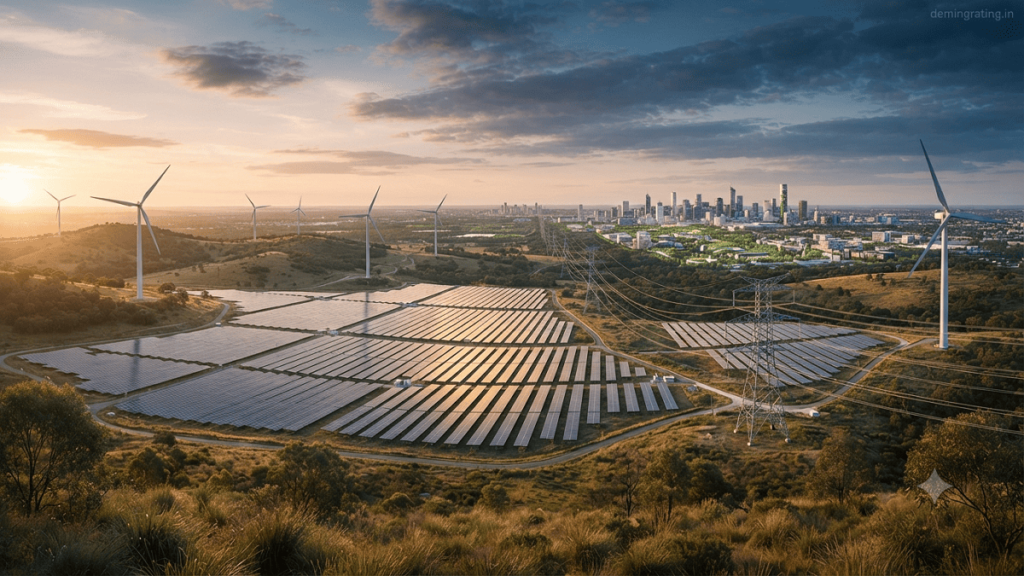
The global energy sector is undergoing a significant transformation as businesses, governments, and institutions move toward cleaner and more sustainable energy solutions. Off-site renewable energy has emerged as a strategic approach that enables organizations to access renewable electricity generated from large-scale projects located away from their operational facilities.
Unlike on-site renewable systems, which require physical installations at the consumer’s location, off-site renewable energy allows organizations to support renewable energy generation through mechanisms such as Power Purchase Agreements (PPAs), virtual PPAs, and Renewable Energy Certificates (RECs). This approach provides access to clean electricity while helping organizations reduce carbon emissions, manage energy costs, and achieve sustainability objectives.
This white paper explores the concept of off-site renewable energy, its working mechanisms, benefits, challenges, market opportunities, and future potential in creating a low-carbon energy ecosystem.
1. Introduction to Off-site Renewable Energy
The increasing impact of climate change, rising energy costs, and growing regulatory pressure have encouraged organizations to rethink their energy strategies. Renewable energy has become a critical component of corporate sustainability planning, with many companies committing to ambitious targets such as carbon neutrality and 100% renewable electricity usage.
However, not every organization has the ability to install renewable energy systems directly at its facilities. Limitations such as insufficient rooftop space, unsuitable locations, building ownership issues, and high energy requirements can restrict on-site renewable adoption.
Off-site renewable energy addresses these limitations by allowing organizations to purchase clean energy generated from external renewable energy projects.
Examples of off-site renewable energy sources include:
- Utility-scale solar farms
- Large wind energy projects
- Hydroelectric power plants
- Geothermal energy facilities
- Biomass energy projects
These projects generate renewable electricity that is supplied to the electrical grid, allowing multiple consumers to benefit from clean energy production.
The International Energy Agency provides global research and analysis on renewable energy development:
https://www.iea.org/topics/renewables
2. How Off-site Renewable Energy Works
Off-site renewable energy systems operate through a combination of renewable energy generation, electricity markets, and contractual agreements.
2.1 Renewable Energy Generation
Renewable energy developers build large-scale projects in locations with favorable natural conditions.
Examples include:
- Solar farms located in areas with high solar radiation
- Wind farms built in regions with strong wind resources
- Hydropower plants developed near suitable water sources
These facilities generate electricity and transfer it into the regional electricity grid.
2.2 Electricity Grid Integration
Once renewable electricity enters the grid, it becomes part of the overall electricity supply system. Since electricity from different sources mixes within the grid, organizations typically do not receive physically separate renewable electricity.
Instead, they receive financial and environmental benefits associated with renewable energy generation through contractual mechanisms.
2.3 Power Purchase Agreements (PPAs)
A Power Purchase Agreement is one of the most common methods organizations use to access off-site renewable energy.
Under a PPA:
- A renewable energy developer builds and operates a project.
- An organization agrees to purchase electricity generated by the project.
- The developer receives financial stability for project operations.
- The organization receives renewable energy benefits and price certainty.
PPAs are commonly structured over long periods, often ranging from 10 to 25 years.
The U.S. Department of Energy provides information about renewable energy purchasing strategies:
https://www.energy.gov/
2.4 Renewable Energy Certificates (RECs)
Renewable Energy Certificates represent the environmental attributes of renewable electricity generation. One REC generally represents proof that one megawatt-hour of renewable electricity has been generated and delivered to the grid.
Organizations use RECs to track renewable energy usage and support sustainability reporting.
The U.S. Environmental Protection Agency provides guidance on renewable energy certificates and green power markets:
https://www.epa.gov/green-power-markets
3. Key Benefits of Off-site Renewable Energy
3.1 Reduction in Carbon Emissions
The primary advantage of off-site renewable energy is the reduction of greenhouse gas emissions. By supporting renewable electricity generation, organizations can decrease their dependence on fossil fuel-based electricity.
This contributes to global climate objectives and supports corporate environmental commitments.
3.2 Access to Large-scale Renewable Projects
Large renewable energy facilities benefit from economies of scale, making electricity generation more efficient and cost-effective.
Organizations can participate in these projects without investing directly in construction, maintenance, or operation.
3.3 Energy Cost Stability
Electricity prices can fluctuate due to fuel costs, market conditions, and supply disruptions. Long-term renewable energy agreements can provide predictable pricing structures.
This allows organizations to improve financial planning and reduce exposure to energy price volatility.
3.4 Achievement of Sustainability Goals
Many organizations have established environmental targets, including:
- Net-zero carbon emissions
- Renewable electricity commitments
- Science-based climate targets
Off-site renewable energy provides a practical pathway for achieving these objectives.
3.5 Improved Corporate Reputation
Investing in renewable energy demonstrates environmental responsibility. Organizations that adopt renewable energy strategies often strengthen relationships with customers, investors, employees, and stakeholders.
4. Challenges of Off-site Renewable Energy Adoption
Despite its advantages, several challenges must be addressed to expand adoption.
4.1 Grid Infrastructure Limitations
Many renewable projects are located far from major electricity consumers. Limited transmission infrastructure can restrict the movement of renewable electricity.
Investment in modern grid networks is essential for supporting renewable energy growth.
4.2 Regulatory Complexity
Energy regulations vary significantly between regions and countries. Organizations operating internationally must navigate different policies, market structures, and renewable energy certification requirements.
4.3 Renewable Energy Variability
Solar and wind energy generation depends on weather conditions. Variability can create challenges for maintaining consistent electricity supply.
Energy storage technologies and advanced grid management systems are becoming increasingly important solutions.
4.4 Contract Management Complexity
Renewable energy agreements often involve complex financial and technical considerations, including:
- Contract duration
- Pricing mechanisms
- Renewable energy verification
- Market risks
Organizations require specialized expertise to design effective renewable procurement strategies.
5. Emerging Opportunities in Off-site Renewable Energy
5.1 Growth of Corporate Renewable Energy Procurement
More organizations are committing to renewable energy targets, increasing demand for off-site renewable solutions.
Technology companies, manufacturers, financial institutions, and retailers are among the leading adopters of renewable energy agreements.
5.2 Energy Storage Integration
Battery storage technologies are improving renewable energy reliability by storing excess electricity and providing power during periods of low renewable generation.
Future renewable projects are expected to increasingly combine generation with storage systems.
5.3 Digital Energy Management
Artificial intelligence, data analytics, and smart grid technologies are improving renewable energy forecasting and management.
These technologies help optimize electricity generation, consumption, and grid stability.
5.4 Expansion of Offshore Renewable Energy
Offshore wind energy represents a significant growth opportunity due to strong ocean wind resources and large available development areas.
5.5 Renewable Energy Access for Smaller Organizations
Innovative financing models and renewable energy marketplaces are making off-site renewable energy more accessible to smaller businesses.
6. Role of Off-site Renewable Energy in Corporate Sustainability
Off-site renewable energy is becoming a major component of Environmental, Social, and Governance (ESG) strategies. Organizations use renewable energy procurement to:
- Reduce operational emissions
- Improve sustainability reporting
- Meet regulatory requirements
- Demonstrate environmental leadership
As climate-related regulations become stricter, renewable energy adoption will become increasingly important for business competitiveness.
7. Future Outlook
The future of off-site renewable energy is expected to be shaped by technological innovation, policy support, and increasing corporate demand.
Key future developments include:
- Expansion of utility-scale solar and wind projects
- Advanced battery storage solutions
- Smart grid integration
- Improved renewable energy trading systems
- Greater global investment in clean energy infrastructure
According to the International Renewable Energy Agency, continued investment in renewable energy infrastructure will be essential for achieving global climate and energy security objectives.
Source:
https://www.irena.org/
Conclusion
Off-site renewable energy represents a powerful solution for organizations seeking to transition toward sustainable electricity systems. By enabling access to large-scale renewable projects through PPAs, RECs, and other procurement models, it removes many barriers associated with traditional on-site renewable installations.
Industry Applications of Off-site Renewable Energy
Introduction
The global transition toward clean energy has encouraged industries to adopt innovative approaches for reducing carbon emissions and improving energy sustainability. Off-site renewable energy has become a key solution for organizations that require large amounts of electricity but may not have sufficient space or resources to install renewable energy systems directly at their facilities.
Off-site renewable energy allows industries to purchase electricity generated from external renewable energy projects such as solar farms, wind farms, hydroelectric plants, and other clean energy facilities. Through mechanisms such as Power Purchase Agreements (PPAs) and Renewable Energy Certificates (RECs), industries can access renewable power while supporting the development of large-scale clean energy infrastructure.
This approach is increasingly being adopted across sectors including manufacturing, technology, healthcare, retail, transportation, and financial services.
1. Manufacturing Industry
The manufacturing sector is one of the largest consumers of electricity due to energy-intensive operations such as production lines, machinery, heating, cooling, and processing systems.
Off-site renewable energy helps manufacturers reduce their dependence on fossil fuel-based electricity and lower operational emissions. Large industrial companies often enter long-term renewable energy agreements with solar and wind energy developers to secure clean electricity at predictable prices.
For example, an automotive manufacturer may purchase electricity from a large wind farm to power its factories. This enables the company to reduce its carbon footprint while maintaining reliable energy supply.
Key benefits for manufacturing:
- Reduction in greenhouse gas emissions
- Improved energy cost predictability
- Support for corporate sustainability targets
- Compliance with environmental regulations
- Improved brand reputation among customers and investors
The International Renewable Energy Agency provides insights into renewable energy adoption across industries:
https://www.irena.org/
2. Technology and Data Center Industry
Technology companies and data centers consume significant amounts of electricity because of continuous server operations, cloud computing, artificial intelligence applications, and digital services.
Since data centers require reliable electricity around the clock, many technology companies use off-site renewable energy agreements to balance their energy consumption with renewable generation.
Companies often invest in large-scale solar and wind projects through Power Purchase Agreements. These agreements allow them to support renewable energy development while reducing emissions associated with electricity use.
Applications include:
- Cloud computing facilities
- Data centers
- Artificial intelligence infrastructure
- Software companies
- Digital service providers
Off-site renewable energy enables technology companies to achieve sustainability commitments while meeting growing electricity demand.
3. Commercial and Retail Industry
Retail businesses often operate multiple locations, including shopping centers, warehouses, and distribution facilities. Many retail companies cannot install renewable systems at every location because of limited rooftop space or leased properties.
Off-site renewable energy provides a flexible solution by allowing retailers to purchase clean electricity from external renewable projects.
Applications include:
- Supermarket chains
- Shopping malls
- Online retail warehouses
- Distribution centers
Benefits include:
- Reduced electricity costs
- Lower operational emissions
- Stronger environmental reputation
- Support for sustainable supply chains
Retail companies can use renewable energy investments as part of their broader Environmental, Social, and Governance (ESG) strategies.
4. Healthcare Industry
Hospitals and healthcare facilities require continuous electricity for critical operations, including medical equipment, lighting, heating, cooling, and emergency systems.
While reliability is essential, healthcare organizations are also focusing on reducing their environmental impact. Off-site renewable energy allows hospitals and healthcare networks to support clean energy generation without disrupting daily operations.
Applications include:
- Hospitals
- Medical research centers
- Healthcare networks
- Pharmaceutical facilities
Benefits include:
- Reduction of carbon emissions
- Long-term energy cost management
- Contribution to sustainable healthcare practices
Renewable energy adoption in healthcare also supports broader efforts to create environmentally responsible healthcare systems.
5. Transportation and Logistics Industry
The transportation sector is increasingly adopting renewable energy to support electrification and reduce emissions.
Logistics companies, shipping organizations, and transportation operators use off-site renewable energy to power:
- Electric vehicle charging networks
- Warehouses
- Distribution centers
- Transportation infrastructure
For example, a logistics company may purchase renewable electricity from a solar farm to support its electric delivery vehicle charging operations.
As electric transportation expands, demand for renewable electricity will continue to increase.
Information about renewable energy and transportation solutions is available through the U.S. Department of Energy:
https://www.energy.gov/transportation
6. Financial Services Industry
Banks, insurance companies, and financial institutions are increasingly investing in renewable energy to support sustainability goals and reduce operational emissions.
Many financial organizations operate large office networks and technology infrastructure that require significant electricity.
Off-site renewable energy helps financial institutions:
- Reduce carbon emissions from operations
- Meet sustainability commitments
- Demonstrate environmental leadership
- Support renewable energy markets
Some financial institutions also provide funding and investment for renewable energy projects, helping accelerate clean energy development.
7. Pharmaceutical and Chemical Industry
Pharmaceutical and chemical industries often require continuous energy for research facilities, manufacturing plants, laboratories, and controlled environments.
Because these industries have high energy requirements, renewable energy procurement can significantly reduce their environmental impact.
Applications include:
- Manufacturing facilities
- Research laboratories
- Production plants
- Storage facilities
Off-site renewable energy helps companies meet sustainability targets while maintaining reliable energy access.
8. Education Sector
Universities, colleges, and research institutions are increasingly adopting renewable energy strategies to reduce emissions and promote sustainability.
Many educational institutions use off-site renewable energy because campus facilities may not have enough space for large renewable installations.
Applications include:
- University campuses
- Research centers
- Educational buildings
Benefits include:
- Lower environmental impact
- Sustainability education opportunities
- Long-term energy planning
- Community leadership in climate action
9. Agriculture and Food Processing Industry
Agriculture and food processing require significant energy for irrigation, refrigeration, processing, and storage.
Off-site renewable energy can help agricultural organizations reduce emissions while improving energy security.
Applications include:
- Food processing plants
- Cold storage facilities
- Agricultural operations
- Supply chain networks
Renewable energy adoption supports sustainable food production and reduces the environmental impact of agricultural operations.
Future Opportunities Across Industries
The use of off-site renewable energy is expected to grow as industries increase their focus on sustainability and carbon reduction. Several developments will accelerate adoption:
1. Expansion of Corporate Renewable Energy Agreements
More companies are expected to use PPAs and renewable energy contracts to secure clean electricity.
2. Integration with Energy Storage
Battery storage technologies will improve renewable energy reliability by storing electricity during periods of high generation.
3. Smart Grid Development
Advanced grid technologies will improve the management and distribution of renewable electricity.
4. Increased Government Support
Policies, incentives, and renewable energy targets will encourage more industries to transition toward clean power.
Conclusion
Off-site renewable energy has become an important strategy for industries seeking to reduce emissions, manage energy costs, and achieve sustainability goals. From manufacturing and technology to healthcare, transportation, retail, and finance, organizations across sectors are using renewable energy procurement to support cleaner energy systems.
By investing in large-scale solar, wind, hydro, and other renewable projects, industries can overcome the limitations of on-site installations while contributing to the global transition toward a low-carbon future. As technology improves and renewable energy markets expand, off-site renewable energy will continue to play a critical role in shaping sustainable industrial growth.
Ask FAQs
What is off-site renewable energy?
Off-site renewable energy refers to electricity generated from renewable energy projects located away from the organization or facility that uses the energy. Instead of installing renewable energy systems directly on their own property, businesses purchase clean electricity or renewable energy attributes from external projects such as solar farms, wind farms, and hydroelectric facilities.
How does off-site renewable energy work?
Off-site renewable energy works through large-scale renewable energy projects that generate electricity and supply it to the electrical grid. Renewable energy developers build facilities such as solar farms or wind farms in locations with suitable natural resources.
What are the main benefits of off-site renewable energy for businesses?
Off-site renewable energy provides several advantages for businesses and organizations. The most important benefit is the reduction of greenhouse gas emissions by replacing fossil fuel-based electricity with renewable power.
What is the difference between on-site and off-site renewable energy?
The main difference between on-site and off-site renewable energy is the location where electricity is generated.
On-site renewable energy is produced directly at the location where it is consumed. Examples include rooftop solar panels installed on a company building or a small wind turbine located on company property.
Off-site renewable energy is generated at a separate location, usually through large-scale renewable projects such as solar farms or wind farms. The electricity is delivered through the power grid, while organizations receive renewable energy benefits through agreements and certificates.
Which industries can benefit from off-site renewable energy?
Almost every industry with significant electricity consumption can benefit from off-site renewable energy. It is particularly valuable for organizations that have limited space for installing renewable systems or require large amounts of electricity.
Table of Contents
Disclaimer:
The information provided in this article is for general informational purposes only and should not be considered professional, financial, legal, or energy consulting advice. Renewable energy regulations, policies, costs, and availability may vary by location and project. Organizations should consult qualified experts before making renewable energy investment or procurement decisions.