
On-site Renewable Energy: A Sustainable Solution for Local Energy Generation
On-site renewable energy refers to the generation of electricity from renewable sources directly at the location where the energy is consumed. Unlike off-site renewable energy, where electricity is produced at remote renewable projects and delivered through the grid, on-site renewable energy systems are installed within or near a business, organization, or residential property.
With increasing concerns about climate change, rising energy costs, and the need for energy independence, on-site renewable energy has become an important strategy for reducing reliance on conventional power sources. Organizations are adopting technologies such as rooftop solar panels, small-scale wind turbines, and battery storage systems to generate clean electricity while improving energy efficiency.
On-site renewable energy allows users to have greater control over their energy production, reduce electricity expenses, and contribute directly to a cleaner energy future.
The International Renewable Energy Agency provides global information and research on renewable energy development:
https://www.irena.org/
How Does On-site Renewable Energy Work?
On-site renewable energy systems operate by generating electricity at the same location where it is required. The electricity produced can be used immediately by the facility, stored in batteries for later use, or supplied back to the electricity grid when excess power is available.
The process typically includes:
1. Renewable Energy Installation
A renewable energy system is installed at the consumer’s property. Common installations include:
- Rooftop solar photovoltaic (PV) panels
- Ground-mounted solar systems
- Small wind turbines
- Geothermal heating and cooling systems
- Biomass energy systems
The selected technology depends on factors such as available space, climate conditions, energy requirements, and budget.
2. Electricity Generation
Renewable systems convert natural resources into usable electricity.
For example:
- Solar panels convert sunlight into electrical energy.
- Wind turbines convert wind movement into electricity.
- Geothermal systems use underground heat for energy production.
The generated electricity directly supports the energy needs of the facility.
3. Energy Storage and Grid Integration
Many on-site renewable systems are combined with battery storage technology. Batteries store excess electricity generated during periods of high production and provide power when renewable generation is low.
If the system produces more electricity than required, the excess power can often be exported to the grid depending on local regulations.
Information about renewable energy technologies is available through the U.S. Department of Energy:
https://www.energy.gov/
Common Sources of On-site Renewable Energy
1. Solar Energy
Solar photovoltaic systems are the most common type of on-site renewable energy solution. Businesses, homes, schools, and industrial facilities often install solar panels on rooftops or available land areas.
Solar energy provides several advantages, including:
- Low operating costs
- Minimal maintenance requirements
- Long-term electricity savings
- Reduced carbon emissions
2. Wind Energy
Small-scale wind turbines can generate electricity for facilities located in areas with consistent wind resources. These systems are commonly used in rural locations, farms, and industrial properties.
3. Geothermal Energy
Geothermal systems use heat from beneath the Earth’s surface for electricity generation or heating and cooling applications. These systems provide reliable energy performance with minimal environmental impact.
4. Biomass Energy
Biomass systems generate energy from organic materials such as agricultural waste, wood residues, and other biological resources. They are particularly useful for industries that produce organic waste as part of their operations.
Benefits of On-site Renewable Energy
1. Reduced Electricity Costs
One of the biggest advantages of on-site renewable energy is the potential reduction in electricity expenses. By generating their own electricity, organizations can decrease dependence on grid-supplied power.
Over time, energy savings can help recover the initial investment cost of renewable energy installations.
2. Greater Energy Independence
On-site renewable systems provide organizations with more control over their energy supply. When combined with energy storage, these systems can provide backup power during grid disruptions.
This is especially valuable for critical facilities such as hospitals, data centers, and manufacturing plants.
3. Lower Carbon Emissions
Generating electricity from renewable sources reduces dependence on fossil fuels and decreases greenhouse gas emissions.
Organizations using on-site renewable energy can make significant progress toward environmental sustainability goals and carbon reduction commitments.
4. Better Energy Management
On-site systems allow organizations to monitor and manage their energy consumption more effectively. Advanced monitoring technologies help identify energy usage patterns and improve efficiency.
5. Improved Sustainability Reputation
Companies that invest in renewable energy demonstrate environmental responsibility. This can strengthen relationships with customers, employees, investors, and stakeholders who value sustainable business practices.
Applications of On-site Renewable Energy
Commercial Buildings
Offices, shopping centers, and commercial properties often install rooftop solar systems to reduce electricity expenses and improve sustainability performance.
Manufacturing Facilities
Factories use on-site renewable energy to support energy-intensive operations while reducing operational emissions.
Educational Institutions
Schools and universities adopt renewable systems to reduce energy costs and promote environmental awareness among students.
Healthcare Facilities
Hospitals use renewable energy solutions to improve energy resilience while maintaining reliable operations.
Residential Properties
Homeowners install solar panels and battery systems to reduce electricity bills and increase energy independence.
Challenges of On-site Renewable Energy
Although on-site renewable energy provides many benefits, some challenges must be considered.
Limited Space Availability
Not all locations have enough suitable space for renewable installations. Buildings with limited rooftop areas may not generate sufficient electricity for their needs.
Initial Installation Costs
The upfront cost of purchasing and installing renewable energy equipment can be significant. However, government incentives, financing options, and long-term savings can improve economic feasibility.
Weather Dependence
Solar and wind systems depend on natural conditions. Energy production may vary depending on sunlight availability, wind speed, and seasonal changes.
Maintenance Requirements
Although renewable systems generally require limited maintenance, regular inspections and equipment monitoring are necessary to maintain performance.
Future Opportunities for On-site Renewable Energy
The future of on-site renewable energy is expected to grow due to advancements in technology and increasing demand for sustainable energy solutions.
Key opportunities include:
Advanced Battery Storage
Improved battery technologies will allow organizations to store more renewable electricity and use it when needed.
Smart Energy Management Systems
Artificial intelligence and digital monitoring tools will improve energy optimization and system efficiency.
Integration with Electric Vehicles
On-site renewable systems can support electric vehicle charging infrastructure, creating cleaner transportation solutions.
Microgrid Development
Organizations are increasingly exploring microgrids that combine renewable generation, storage, and intelligent energy management to improve reliability.
Conclusion
On-site renewable energy provides organizations and individuals with a practical way to generate clean electricity directly where it is needed. Through technologies such as solar panels, wind turbines, geothermal systems, and biomass solutions, users can reduce energy costs, improve energy independence, and lower carbon emissions.
What Is On-site Renewable Energy and How Does It Work?
On-site renewable energy refers to the generation of electricity from renewable sources directly at the location where the energy is consumed. Instead of purchasing electricity from external power providers or remote renewable energy projects, organizations, businesses, and individuals generate their own clean energy using renewable technologies installed on their property.
Common examples of on-site renewable energy systems include rooftop solar panels, ground-mounted solar systems, small wind turbines, geothermal systems, and biomass energy solutions. These systems help reduce dependence on conventional electricity sources, lower carbon emissions, and improve energy independence.
As energy costs increase and sustainability becomes a priority for organizations worldwide, on-site renewable energy has become an effective approach for achieving cleaner and more efficient energy management.
The International Renewable Energy Agency provides global research and information on renewable energy technologies and adoption:
https://www.irena.org/
How Does On-site Renewable Energy Work?
On-site renewable energy works by converting naturally available renewable resources into electricity or usable energy directly at the consumer’s location. The generated energy is used immediately by the facility, stored for future use, or exported to the electrical grid if excess energy is produced.
The process generally involves the following steps:
1. Installation of Renewable Energy Systems
The first step is installing renewable energy equipment at the location where energy is needed. The type of system depends on the available resources, property conditions, and energy requirements.
Common on-site renewable installations include:
- Solar photovoltaic (PV) panels: Installed on rooftops, parking structures, or open land to capture sunlight and convert it into electricity.
- Small wind turbines: Installed in areas with suitable wind conditions to generate electricity from wind movement.
- Geothermal systems: Use heat from beneath the Earth’s surface for heating, cooling, or electricity generation.
- Biomass systems: Convert organic materials such as agricultural waste into usable energy.
For example, a commercial building may install rooftop solar panels that generate electricity throughout the day to power lighting, cooling systems, and office equipment.
2. Renewable Energy Generation
Once installed, renewable energy systems convert natural resources into electricity.
Solar Energy Generation
Solar panels use photovoltaic cells to convert sunlight into direct current (DC) electricity. An inverter then converts this electricity into alternating current (AC) power that can be used by buildings and electrical equipment.
Wind Energy Generation
Wind turbines capture the movement of air through turbine blades. The mechanical energy created by the rotating blades is converted into electrical energy through a generator.
Geothermal and Biomass Energy Generation
Geothermal systems use underground heat sources, while biomass systems use organic materials to produce energy through processes such as combustion or anaerobic digestion.
The U.S. Department of Energy provides detailed information about renewable energy technologies:
https://www.energy.gov/
3. Energy Consumption at the Site
The electricity generated through on-site renewable systems is supplied directly to the facility. This reduces the amount of electricity that needs to be purchased from the grid.
For example:
- A factory can use solar-generated electricity to operate manufacturing equipment.
- A university can power classrooms and laboratories using rooftop solar energy.
- A home can use solar electricity for household appliances.
By producing electricity where it is consumed, on-site renewable energy reduces transmission losses and improves energy efficiency.
4. Energy Storage and Grid Connection
Many on-site renewable systems are combined with battery storage solutions. Energy storage allows users to save excess electricity generated during high production periods and use it when renewable generation decreases.
For example, solar panels generate the most electricity during daylight hours. A battery system can store extra energy and provide power during nighttime or cloudy conditions.
If the system generates more electricity than required, excess energy may be sent back to the grid through arrangements such as net metering, depending on local regulations.
Examples of On-site Renewable Energy Applications
Residential Buildings
Homeowners commonly install rooftop solar panels to reduce electricity bills and improve energy independence.
Commercial Buildings
Businesses use solar systems and energy storage solutions to reduce operating costs and demonstrate sustainability commitments.
Manufacturing Facilities
Industrial organizations install renewable systems to support energy-intensive operations while reducing carbon emissions.
Schools and Universities
Educational institutions adopt on-site renewable energy to lower energy expenses and promote environmental awareness.
Healthcare Facilities
Hospitals use renewable energy systems to improve energy reliability while reducing environmental impact.
Benefits of On-site Renewable Energy
Reduced Energy Costs
Generating electricity on-site can significantly reduce dependence on purchased grid electricity and lower long-term energy expenses.
Greater Energy Independence
Organizations gain more control over their energy supply and can reduce exposure to electricity price fluctuations.
Lower Carbon Emissions
Renewable energy systems produce electricity with minimal greenhouse gas emissions compared with fossil fuel-based power generation.
Improved Energy Resilience
When combined with battery storage, on-site renewable systems can provide backup power during grid outages.
Better Sustainability Performance
Businesses can improve their environmental performance and demonstrate commitment to clean energy adoption.
Challenges of On-site Renewable Energy
Despite its advantages, on-site renewable energy also has certain limitations:
Limited Installation Space
Some buildings may not have enough rooftop or land area to install sufficient renewable energy capacity.
Initial Investment Costs
Purchasing and installing renewable energy equipment requires upfront investment, although long-term savings can offset these costs.
Weather Dependence
Solar and wind systems depend on natural conditions, which can affect energy generation levels.
Maintenance Requirements
Regular inspections, monitoring, and maintenance are needed to ensure systems operate efficiently.
Future of On-site Renewable Energy
The future of on-site renewable energy is expected to grow as technology improves and organizations seek greater energy independence. Advances in battery storage, smart energy management systems, and artificial intelligence-based monitoring will make renewable systems more efficient and reliable.
Future developments include:
- Advanced solar panel technologies
- Improved energy storage solutions
- Smart building energy systems
- Renewable energy integration with electric vehicles
- Development of local microgrids
These innovations will allow more homes, businesses, and industries to generate and manage their own clean energy.
Conclusion
On-site renewable energy enables organizations and individuals to generate clean electricity directly at the location where it is needed. Through technologies such as solar panels, wind turbines, geothermal systems, and biomass solutions, users can reduce energy costs, improve energy independence, and lower environmental impact.
What Are the Common Types of On-site Renewable Energy Systems?
On-site renewable energy systems allow businesses, organizations, and individuals to generate clean electricity directly at the location where it is consumed. These systems use naturally available renewable resources such as sunlight, wind, heat, and organic materials to produce energy while reducing dependence on traditional fossil fuel-based electricity.
Unlike off-site renewable energy projects, which generate electricity at remote locations, on-site systems are installed within the property boundaries of the energy user. They provide greater control over energy production, improve energy independence, and help reduce electricity costs and carbon emissions.
The most common types of on-site renewable energy systems include solar photovoltaic systems, small wind turbines, geothermal energy systems, biomass energy systems, and micro-hydropower systems.
1. Solar Photovoltaic (PV) Systems
Solar photovoltaic systems are the most widely adopted type of on-site renewable energy system. These systems use solar panels installed on rooftops, parking structures, or available land areas to convert sunlight into electricity.
Solar PV systems contain photovoltaic cells that generate direct current (DC) electricity when exposed to sunlight. An inverter then converts this electricity into alternating current (AC) power that can be used by buildings and electrical equipment.
Common applications:
- Residential rooftop solar systems
- Commercial building solar installations
- Industrial rooftop solar projects
- Solar carports
- Ground-mounted solar systems
Benefits:
- Low maintenance requirements
- Reduction in electricity bills
- Long operational lifespan
- Suitable for different building types
- Helps reduce greenhouse gas emissions
Solar energy is particularly popular because it can be installed on existing structures without requiring additional land.
More information about solar energy technologies is available through the National Renewable Energy Laboratory:
https://www.nrel.gov/solar/
2. Small Wind Energy Systems
Small wind energy systems use wind turbines installed on-site to generate electricity from wind movement. These systems are commonly used in areas with consistent wind resources, such as rural properties, farms, industrial sites, and remote facilities.
A wind turbine converts the kinetic energy of moving air into mechanical energy, which is then converted into electricity through a generator.
Common applications:
- Agricultural facilities
- Remote communities
- Industrial properties
- Commercial buildings in suitable locations
Benefits:
- Generates electricity without fuel consumption
- Works well in areas with strong wind conditions
- Can complement solar energy systems
- Reduces dependence on grid electricity
Wind energy systems are often combined with solar panels to create hybrid renewable energy solutions that provide more consistent power generation.
The Global Wind Energy Council provides information about wind energy development:
https://www.gwec.net/
3. Geothermal Energy Systems
Geothermal energy systems use heat stored beneath the Earth’s surface to provide heating, cooling, or electricity generation. These systems rely on underground temperature differences to transfer heat efficiently.
For buildings, geothermal heat pumps are a common on-site application. They use underground heat exchange systems to regulate indoor temperatures with lower energy consumption compared with conventional heating and cooling systems.
Common applications:
- Commercial buildings
- Schools and universities
- Residential properties
- Healthcare facilities
Benefits:
- Reliable year-round performance
- Lower heating and cooling costs
- Reduced environmental impact
- Long system lifespan
Geothermal systems are especially valuable in regions with suitable underground conditions.
4. Biomass Energy Systems
Biomass energy systems generate power using organic materials such as agricultural waste, wood residues, food waste, and other biological materials.
These materials can be converted into energy through processes such as combustion, gasification, or anaerobic digestion.
Common applications:
- Farms
- Food processing facilities
- Manufacturing plants
- Waste management facilities
Benefits:
- Converts waste into useful energy
- Reduces waste disposal challenges
- Supports circular economy practices
- Provides a renewable fuel source
For industries that produce organic waste, biomass systems can provide both energy generation and waste management benefits.
5. Micro-hydropower Systems
Micro-hydropower systems generate electricity by using flowing water from streams, rivers, or small water sources. These systems are typically used in locations with suitable water flow conditions.
Unlike large hydroelectric plants, micro-hydropower systems are designed for smaller-scale electricity generation.
Common applications:
- Rural communities
- Farms
- Remote facilities
- Small commercial operations
Benefits:
- Provides continuous electricity generation
- Requires minimal fuel input
- Can operate for long periods
- Supports energy independence in remote areas
Micro-hydropower is most effective in areas with consistent water availability.
6. Battery Storage Integration with Renewable Systems
Although battery storage does not generate renewable energy by itself, it is an important component of many on-site renewable energy systems.
Energy storage systems store excess electricity generated from renewable sources and provide power when renewable generation is unavailable.
For example:
- Solar panels generate electricity during the day.
- Excess energy is stored in batteries.
- Stored energy is used during nighttime or power interruptions.
Benefits:
- Improves energy reliability
- Reduces dependence on grid electricity
- Provides backup power
- Helps manage renewable energy fluctuations
Battery storage is becoming increasingly important as businesses seek greater energy resilience.
7. Hybrid On-site Renewable Energy Systems
Many organizations combine multiple renewable technologies to improve energy reliability and efficiency.
Examples include:
- Solar + battery storage
- Solar + wind systems
- Biomass + solar systems
- Renewable energy + smart energy management systems
Hybrid systems allow organizations to balance different energy sources and maintain more consistent electricity supply.
Conclusion
On-site renewable energy systems provide organizations and individuals with the ability to generate clean electricity directly where it is needed. The most common types include solar photovoltaic systems, small wind turbines, geothermal systems, biomass energy systems, micro-hydropower systems, and renewable energy storage solutions.
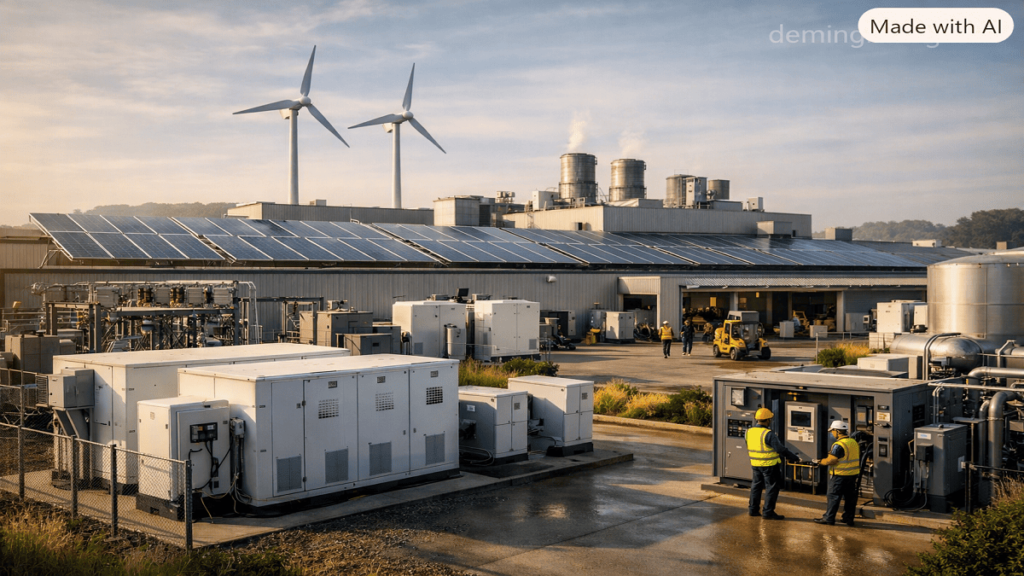
How Can Businesses and Buildings Benefit from Generating Renewable Energy On-site?
Businesses and commercial buildings are among the largest consumers of electricity, using energy for lighting, heating, cooling, machinery, data systems, and daily operations. As energy costs rise and sustainability becomes a key business priority, many organizations are turning to on-site renewable energy systems to generate their own clean electricity.
On-site renewable energy allows businesses and buildings to produce power directly at their locations using technologies such as solar photovoltaic (PV) panels, small wind turbines, geothermal systems, and biomass solutions. By generating electricity locally, organizations can reduce dependence on the traditional power grid, lower operating expenses, and improve environmental performance.
For companies seeking to achieve carbon reduction goals and improve energy resilience, on-site renewable energy provides a practical pathway toward a more sustainable future.
The International Renewable Energy Agency provides global research on renewable energy adoption and sustainable energy solutions:
https://www.irena.org/
1. Reduction in Electricity Costs
One of the primary benefits of generating renewable energy on-site is the potential reduction in electricity expenses. Businesses that produce their own electricity need to purchase less power from utility providers, helping lower monthly energy bills.
For example, a commercial building with rooftop solar panels can generate electricity during daylight hours and use that power for lighting, air conditioning, office equipment, and other operations.
Over time, the savings generated from reduced electricity purchases can help recover the initial investment cost of installing renewable energy systems.
Cost-related benefits include:
- Lower electricity bills
- Reduced exposure to energy price increases
- Improved long-term financial planning
- Greater control over energy expenses
2. Improved Energy Independence
On-site renewable energy gives businesses greater control over their energy supply. Instead of relying entirely on external electricity providers, organizations can generate a portion or all of their required electricity locally.
This is especially valuable for businesses operating in areas with unreliable grid infrastructure or frequent power interruptions.
When combined with battery storage systems, on-site renewable energy can provide backup electricity during outages, improving operational continuity.
Industries that benefit from energy independence include:
- Manufacturing facilities
- Hospitals
- Data centers
- Warehouses
- Educational institutions
3. Lower Carbon Emissions
Generating electricity from renewable sources helps businesses reduce their environmental impact. Traditional electricity generation often relies on fossil fuels, which release greenhouse gases into the atmosphere.
On-site renewable systems produce electricity with significantly lower emissions, helping organizations reduce their carbon footprint.
This supports corporate sustainability goals such as:
- Net-zero emission targets
- Renewable energy commitments
- Environmental, Social, and Governance (ESG) objectives
By adopting clean energy solutions, businesses can contribute to global efforts to address climate change.
The United Nations provides information about climate action and sustainable development initiatives:
https://www.un.org/en/climatechange
4. Enhanced Corporate Sustainability Image
Consumers, investors, employees, and business partners increasingly value organizations that demonstrate environmental responsibility.
Installing renewable energy systems on company properties shows a visible commitment to sustainability and clean energy adoption.
Businesses can use renewable energy investments to:
- Strengthen brand reputation
- Improve customer trust
- Attract environmentally conscious investors
- Support sustainability reporting
A solar-powered office building or manufacturing facility can serve as a visible example of the organization’s environmental commitment.
5. Protection Against Energy Price Fluctuations
Energy prices can change due to fuel costs, market conditions, supply disruptions, and economic factors. Businesses that depend entirely on grid electricity may face unpredictable operating expenses.
On-site renewable energy provides a more stable energy cost structure because renewable resources such as sunlight and wind are freely available.
By generating their own electricity, organizations can reduce exposure to changing utility prices and improve financial predictability.
6. Better Use of Available Building Space
Many commercial buildings have unused rooftop areas, parking spaces, or surrounding land that can be used for renewable energy generation.
Examples include:
- Rooftop solar installations
- Solar parking canopies
- Ground-mounted renewable systems
- Building-integrated solar technologies
Using existing spaces for renewable energy production allows businesses to maximize property value while generating clean electricity.
7. Compliance with Environmental Regulations
Governments and regulatory bodies worldwide are introducing stricter environmental standards and carbon reduction requirements.
Generating renewable energy on-site can help businesses:
- Meet emissions reduction targets
- Improve sustainability reporting
- Prepare for future regulations
- Demonstrate compliance with environmental policies
Organizations that adopt renewable energy early may have an advantage as sustainability requirements continue to expand.
8. Increased Property Value
Buildings equipped with renewable energy systems may become more attractive to buyers, tenants, and investors.
Energy-efficient buildings often offer:
- Lower operating costs
- Improved sustainability performance
- Modern infrastructure
- Better market appeal
Commercial properties with renewable energy features can stand out in competitive real estate markets.
9. Support for Energy-Efficient Operations
On-site renewable energy systems can be integrated with smart building technologies to improve overall energy management.
Smart energy systems can monitor:
- Electricity generation
- Energy consumption patterns
- Storage levels
- Equipment efficiency
This allows organizations to optimize energy use and reduce unnecessary consumption.
10. Long-term Business Resilience
Energy reliability is becoming increasingly important as businesses face challenges such as extreme weather events, grid instability, and changing energy markets.
On-site renewable energy combined with storage solutions can create a more resilient energy system.
Benefits include:
- Reduced dependence on external energy sources
- Improved operational reliability
- Better preparation for power disruptions
- Greater control over future energy needs
Challenges Businesses Should Consider
Although on-site renewable energy provides many benefits, organizations should evaluate several factors before implementation.
Initial Investment
The upfront cost of renewable energy equipment, installation, and maintenance planning can be significant.
Space Availability
Buildings with limited rooftop or land availability may have restrictions on renewable energy capacity.
Maintenance and Performance Monitoring
Regular inspections and monitoring are required to ensure systems operate efficiently.
Local Regulations
Permits, grid connection requirements, and renewable energy policies vary by location.
Future Opportunities
The future of on-site renewable energy is expected to expand through advancements in technology and energy management.
Emerging opportunities include:
- More efficient solar panels
- Advanced battery storage systems
- Artificial intelligence-based energy optimization
- Smart building integration
- Renewable energy microgrids
- Electric vehicle charging integration
These developments will make on-site renewable energy more reliable, affordable, and accessible for businesses of all sizes.
Conclusion
Generating renewable energy on-site provides businesses and buildings with significant advantages, including lower electricity costs, improved energy independence, reduced carbon emissions, and stronger sustainability performance.
What are the challenges involved in implementing on-site renewable energy solutions?
On-site renewable energy solutions provide businesses, organizations, and buildings with the ability to generate clean electricity directly at their locations. Technologies such as solar photovoltaic (PV) systems, small wind turbines, geothermal systems, and biomass energy solutions help reduce dependence on traditional energy sources while supporting sustainability goals.
Despite their advantages, implementing on-site renewable energy systems involves several challenges. Organizations must consider factors such as initial investment costs, site suitability, technical requirements, maintenance needs, regulatory compliance, and energy management complexities.
Understanding these challenges helps businesses develop effective renewable energy strategies and make informed decisions before investing in on-site clean energy infrastructure.
The International Renewable Energy Agency provides global research and resources on renewable energy development:
https://www.irena.org/
1. High Initial Investment Costs
One of the biggest challenges of implementing on-site renewable energy solutions is the upfront financial investment required.
Installing renewable energy systems involves expenses related to:
- Equipment purchase
- Site assessment
- Installation and construction
- Electrical upgrades
- Energy storage systems
- Maintenance infrastructure
For example, a commercial building installing a large solar PV system may need significant capital for panels, inverters, mounting structures, wiring, and installation services.
Although renewable energy systems can provide long-term savings through reduced electricity costs, the initial investment can be a barrier, especially for small businesses and organizations with limited budgets.
Possible solutions include:
- Government incentives and subsidies
- Renewable energy financing programs
- Leasing models
- Power purchase agreements
- Energy-as-a-service models
2. Limited Space Availability
On-site renewable energy systems require suitable physical space for installation. However, many buildings may have limited rooftop areas, restricted land availability, or structural limitations.
For example:
- High-rise buildings may have insufficient rooftop space for large solar installations.
- Urban facilities may lack open areas for renewable infrastructure.
- Older buildings may require structural improvements before installation.
The available space directly affects the amount of renewable energy that can be generated.
Businesses must conduct detailed site assessments to determine whether their location can support renewable energy installations effectively.
3. Variable Energy Generation
Many renewable energy sources depend on natural conditions, which can create challenges in maintaining consistent electricity production.
Examples:
- Solar panels generate electricity mainly during daylight hours.
- Wind turbines depend on wind availability.
- Biomass systems depend on consistent fuel supply.
Weather changes, seasonal variations, and environmental conditions can affect energy output.
To overcome this challenge, many organizations combine renewable energy systems with:
- Battery storage technologies
- Smart energy management systems
- Backup power solutions
- Hybrid renewable systems
The U.S. Department of Energy provides information about renewable energy integration and energy storage technologies:
https://www.energy.gov/
4. Energy Storage Requirements
Energy storage is becoming increasingly important for on-site renewable energy systems. Since renewable energy generation does not always match energy demand, storage systems help balance supply and consumption.
For example:
- Solar panels may generate excess electricity during the afternoon.
- Buildings may require more electricity during evening hours.
- Battery systems store extra energy for later use.
However, battery storage introduces additional challenges, including:
- Higher installation costs
- Battery lifespan limitations
- Maintenance requirements
- Recycling and disposal considerations
Advancements in battery technology are expected to improve storage efficiency and affordability in the future.
5. Technical and Installation Complexity
Implementing on-site renewable energy requires technical expertise in system design, installation, and operation.
Organizations must consider:
- Electrical system compatibility
- Equipment sizing
- Energy demand analysis
- Grid connection requirements
- Safety standards
- Performance monitoring
Poor system design can reduce efficiency and limit the expected benefits of renewable energy investments.
Working with experienced renewable energy professionals is essential to ensure proper installation and long-term performance.
6. Regulatory and Permitting Challenges
Renewable energy projects often require approval from local authorities, utility companies, and regulatory agencies.
Organizations may need to manage:
- Building permits
- Electrical approvals
- Grid connection permissions
- Environmental requirements
- Safety regulations
Regulatory processes can vary significantly depending on location and project size.
Delays in obtaining approvals can increase project timelines and costs.
7. Maintenance and System Management
Although renewable energy systems generally require less maintenance than conventional power plants, regular monitoring and servicing are still necessary.
Maintenance activities may include:
- Cleaning solar panels
- Inspecting electrical components
- Monitoring system performance
- Repairing damaged equipment
- Updating energy management software
Failure to maintain systems properly can reduce energy production and shorten equipment lifespan.
8. Integration with Existing Energy Infrastructure
Many buildings already have complex electrical systems designed around traditional grid electricity.
Integrating renewable energy requires careful planning to ensure compatibility with existing infrastructure.
Challenges may include:
- Electrical system upgrades
- Power management adjustments
- Grid synchronization
- Integration with building automation systems
Large facilities may require advanced energy management solutions to optimize renewable energy usage.
9. Limited Technical Knowledge and Skilled Workforce
The successful implementation of on-site renewable energy requires professionals with expertise in renewable technologies, electrical engineering, and energy management.
Some organizations face challenges due to:
- Lack of internal technical knowledge
- Limited access to qualified installers
- Difficulty evaluating renewable energy options
Developing workforce skills and providing renewable energy training will be important for supporting wider adoption.
10. Return on Investment Uncertainty
Although renewable energy systems can provide long-term savings, the financial benefits depend on several factors, including:
- Electricity prices
- System performance
- Installation costs
- Available incentives
- Maintenance expenses
Businesses may find it challenging to accurately predict payback periods and long-term returns.
Detailed feasibility studies and financial assessments help organizations evaluate whether an on-site renewable energy project is economically suitable.
Future Solutions to Overcome These Challenges
Technological advancements and improved renewable energy strategies are helping address many implementation barriers.
Future developments include:
Advanced Energy Storage
Better battery technologies will improve reliability and allow renewable energy to be used whenever needed.
Smart Energy Management
Artificial intelligence and automation will help organizations optimize energy generation and consumption.
Improved Financing Models
New investment approaches will make renewable energy more accessible to businesses of different sizes.
More Efficient Renewable Technologies
Advancements in solar panels, wind systems, and energy conversion technologies will improve performance and reduce costs.
Conclusion
Implementing on-site renewable energy solutions provides significant benefits, including lower energy costs, reduced carbon emissions, and improved energy independence. However, organizations must overcome several challenges, including high initial costs, limited space, technical complexity, energy variability, regulatory requirements, and maintenance needs.
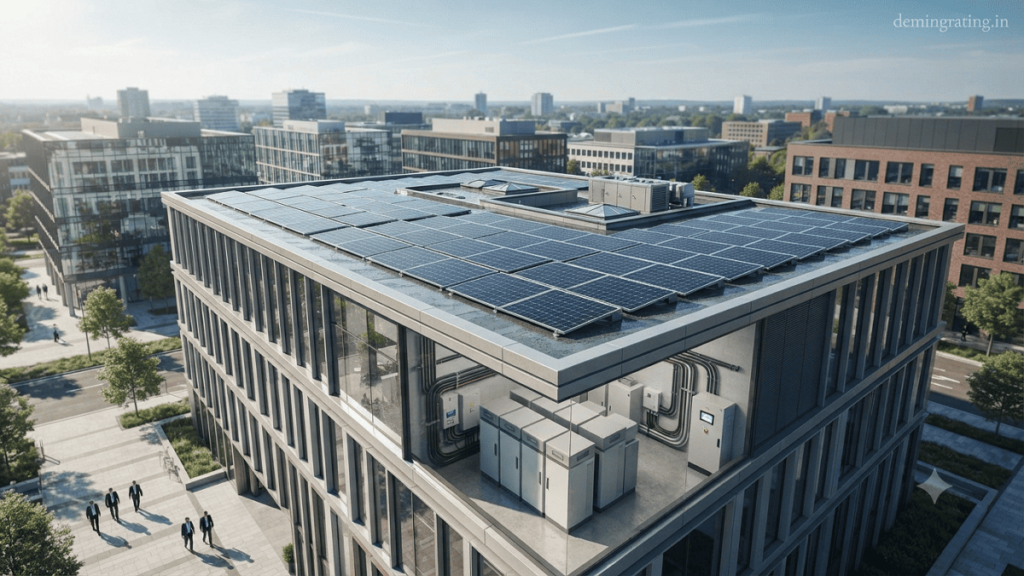
What is the future potential of on-site renewable energy in sustainable development?
On-site renewable energy is expected to play a significant role in the future of sustainable development by enabling businesses, communities, and individuals to generate clean electricity directly where it is consumed. As global energy demand continues to increase and climate change concerns become more urgent, organizations are seeking solutions that reduce carbon emissions, improve energy security, and support long-term environmental goals.
Technologies such as solar photovoltaic (PV) systems, small wind turbines, geothermal energy, biomass systems, and battery storage are making it easier for buildings and industries to produce their own renewable energy. The future potential of on-site renewable energy extends beyond electricity generation, supporting sustainable cities, resilient infrastructure, energy independence, and a low-carbon economy.
The International Renewable Energy Agency provides research and insights into the global transition toward renewable energy systems:
https://www.irena.org/
1. Accelerating the Transition Toward Clean Energy
One of the biggest future opportunities for on-site renewable energy is its ability to accelerate the global transition from fossil fuels to cleaner energy sources.
Traditional electricity systems often depend on centralized power plants that use coal, oil, or natural gas. On-site renewable energy creates a more decentralized energy model where buildings, businesses, and communities can generate electricity locally.
This shift can help:
- Reduce greenhouse gas emissions
- Decrease dependence on fossil fuels
- Improve energy sustainability
- Support global climate targets
As renewable technologies become more affordable, more organizations are expected to adopt on-site energy solutions as part of their sustainability strategies.
2. Supporting Sustainable Buildings and Smart Cities
The future of sustainable development depends heavily on creating energy-efficient buildings and smart cities. On-site renewable energy will become an important component of future urban infrastructure.
Modern buildings are increasingly integrating:
- Rooftop solar systems
- Battery storage
- Smart energy management platforms
- Electric vehicle charging stations
- Energy-efficient building technologies
Smart buildings equipped with renewable energy systems can automatically manage energy generation, storage, and consumption to improve efficiency.
In future cities, buildings may become not only energy consumers but also energy producers, creating interconnected local energy networks.
3. Growth of Solar Energy Adoption
Solar energy is expected to remain one of the fastest-growing forms of on-site renewable energy. Improvements in solar panel efficiency, reduced manufacturing costs, and innovative installation methods are making solar systems more accessible.
Future developments may include:
- Building-integrated solar panels
- Solar windows
- Flexible solar materials
- More efficient photovoltaic technologies
These innovations will allow renewable energy generation in locations where traditional solar installations were previously difficult.
Commercial buildings, residential properties, schools, and industrial facilities are expected to increase solar adoption as part of their sustainable development plans.
4. Integration with Advanced Energy Storage
Energy storage will be a major factor in expanding the potential of on-site renewable energy. Renewable sources such as solar and wind do not always generate electricity when demand is highest.
Battery storage systems help solve this challenge by storing excess renewable electricity and making it available when needed.
Future energy storage improvements will provide:
- Higher storage capacity
- Longer battery lifespan
- Faster charging capability
- Lower costs
The combination of renewable generation and energy storage will allow buildings and businesses to operate with greater energy independence.
The U.S. Department of Energy provides information about energy storage technologies and renewable energy integration:
https://www.energy.gov/
5. Development of Renewable Energy Microgrids
Microgrids represent an important future opportunity for on-site renewable energy systems. A microgrid combines renewable energy generation, storage, and energy management technologies into a localized power network.
Applications include:
- University campuses
- Industrial parks
- Hospitals
- Residential communities
- Remote locations
Microgrids can operate independently during power outages, improving energy resilience and reliability.
As extreme weather events and grid challenges increase, renewable-powered microgrids will become an important solution for sustainable infrastructure.
6. Supporting Energy Independence
Energy independence is becoming increasingly important for businesses, governments, and communities. On-site renewable energy allows users to reduce dependence on external electricity suppliers.
Future benefits include:
- Greater control over energy supply
- Protection against electricity price increases
- Improved resilience during grid disruptions
- Reduced exposure to energy market uncertainty
For remote communities and developing regions, on-site renewable energy can provide access to reliable electricity without requiring large centralized energy infrastructure.
7. Enabling Sustainable Industrial Growth
Industries consume large amounts of electricity for manufacturing, processing, and operations. On-site renewable energy can help industries reduce emissions while maintaining competitiveness.
Future industrial applications may include:
- Renewable-powered factories
- Solar-powered manufacturing facilities
- Renewable energy-based warehouses
- Clean energy production centers
As global supply chains focus more on sustainability, companies using renewable energy will have advantages in meeting environmental requirements and customer expectations.
8. Supporting Electric Vehicle Integration
The growth of electric vehicles (EVs) creates new opportunities for on-site renewable energy systems.
Businesses and buildings can combine renewable energy generation with EV charging infrastructure to create cleaner transportation solutions.
Examples include:
- Solar-powered EV charging stations
- Workplace charging facilities
- Renewable-powered fleet operations
This integration can reduce emissions from transportation while increasing the value of renewable energy investments.
9. Creating Economic and Employment Opportunities
The expansion of on-site renewable energy will create new economic opportunities across multiple sectors.
Future growth areas include:
- Renewable energy installation services
- Equipment manufacturing
- System maintenance
- Energy management software
- Renewable energy consulting
The renewable energy sector is expected to create skilled employment opportunities while supporting sustainable economic development.
10. Advancing Sustainable Development Goals
On-site renewable energy contributes to several global sustainability objectives by supporting:
- Affordable and clean energy access
- Climate action
- Sustainable cities
- Responsible resource use
- Energy security
By enabling cleaner energy production at the local level, on-site renewable systems help communities and organizations participate directly in the transition toward sustainable development.
Future Challenges to Address
Although the potential of on-site renewable energy is significant, some challenges must still be addressed:
Technology Costs
Although prices have decreased, renewable energy systems and storage technologies still require investment.
Grid Integration
Better coordination between renewable systems and existing electricity networks will be necessary.
Recycling and Material Management
Future renewable energy growth will require sustainable approaches for equipment recycling and resource management.
Policy Support
Clear regulations, incentives, and renewable energy policies will help accelerate adoption.
Conclusion
The future potential of on-site renewable energy in sustainable development is significant. By allowing buildings, businesses, and communities to generate clean electricity locally, these systems support carbon reduction, energy independence, and resilient infrastructure.
Case Study of On-site Renewable Energy: Apple’s Solar Energy and Clean Energy Infrastructure
Introduction
On-site renewable energy has become an important strategy for organizations seeking to reduce carbon emissions, improve energy efficiency, and increase energy independence. Unlike off-site renewable energy projects, which generate electricity at remote locations, on-site renewable energy systems are installed directly at the facility where energy is consumed.
A leading example of successful on-site renewable energy adoption is Apple’s clean energy infrastructure strategy, where the company has implemented solar power systems and other renewable energy technologies across its facilities worldwide. These initiatives demonstrate how large organizations can use on-site renewable energy to support sustainable operations while reducing their environmental impact.
Apple’s approach highlights the role of renewable energy in corporate sustainability, energy management, and the transition toward low-carbon business operations.
More information about Apple’s environmental initiatives is available at:
https://www.apple.com/environment/
Background of the Case Study
Apple operates a wide range of facilities, including corporate offices, retail stores, research centers, and data centers that require significant amounts of electricity.
As part of its environmental strategy, Apple has focused on reducing greenhouse gas emissions throughout its operations and increasing the use of renewable energy. The company has invested in on-site renewable energy systems, particularly solar installations, to generate clean electricity directly at its facilities.
One of the most recognized examples is Apple Park, the company’s headquarters in Cupertino, California. The campus incorporates one of the largest rooftop solar installations at a corporate facility, allowing Apple to generate renewable electricity directly where energy is consumed.
Implementation of On-site Renewable Energy
1. Solar Power Installation
Apple Park uses extensive rooftop solar panels integrated into the building’s design. These solar panels generate electricity from sunlight and supply power directly to campus operations.
The installation demonstrates how large commercial buildings can transform unused rooftop areas into renewable energy generation spaces.
The system helps provide clean electricity for:
- Office operations
- Lighting systems
- Heating and cooling systems
- Technology infrastructure
- Daily campus activities
By generating electricity on-site, Apple reduces its dependence on conventional grid electricity.
2. Energy Storage Integration
A major component of Apple’s renewable energy approach is the integration of energy storage technology.
Solar energy generation is naturally variable because electricity production depends on sunlight availability. Battery storage helps manage this challenge by storing excess renewable electricity and making it available when required.
Energy storage provides several benefits:
- Improved energy reliability
- Better management of renewable generation
- Reduced electricity demand during peak periods
- Increased energy independence
This combination of solar generation and storage creates a more flexible and efficient energy system.
3. Smart Energy Management
Apple uses advanced energy management technologies to optimize energy consumption across its facilities.
Smart energy systems help monitor:
- Renewable energy generation
- Electricity demand
- Building efficiency
- Energy storage performance
These technologies allow the company to maximize renewable energy usage while improving overall operational efficiency.
Key Benefits Achieved
1. Reduction in Carbon Emissions
The primary benefit of Apple’s on-site renewable energy systems is the reduction of greenhouse gas emissions associated with electricity consumption.
By producing clean electricity directly at its facilities, Apple reduces reliance on electricity generated from fossil fuels.
This supports the company’s broader environmental goals and contributes to global climate action efforts.
2. Improved Energy Independence
On-site renewable energy gives Apple greater control over its electricity supply.
Generating electricity directly at facilities helps reduce dependence on external energy sources and improves resilience against energy market changes.
This approach is especially valuable for large organizations with continuous energy requirements.
3. Efficient Use of Infrastructure
Apple’s renewable energy systems demonstrate how existing building spaces can be used effectively for clean energy generation.
Large rooftops, parking areas, and surrounding spaces can become valuable renewable energy assets.
This approach allows organizations to maximize their property value while supporting sustainability goals.
4. Corporate Sustainability Leadership
Apple’s renewable energy investments have strengthened its position as a sustainability-focused organization.
By demonstrating large-scale renewable energy adoption, the company encourages suppliers, partners, and other businesses to adopt similar clean energy strategies.
Sustainability leadership can improve:
- Brand reputation
- Customer confidence
- Investor interest
- Employee engagement
Challenges in Implementing On-site Renewable Energy
Although Apple’s renewable energy projects have been successful, implementing on-site renewable systems involves several challenges.
1. High Initial Investment
Large renewable energy installations require significant investment in:
- Solar equipment
- Energy storage systems
- Electrical infrastructure
- Installation and maintenance
However, long-term energy savings and environmental benefits can justify these investments.
2. Space and Design Limitations
Not every organization has access to large areas suitable for renewable installations.
Factors such as:
- Building design
- Location
- Roof structure
- Local climate conditions
can influence renewable energy potential.
3. Renewable Energy Variability
Solar energy generation changes depending on weather conditions and daylight availability.
Energy storage and intelligent energy management systems are required to maintain reliable electricity supply.
Lessons Learned from the Case Study
Apple’s on-site renewable energy strategy provides several important lessons for businesses and organizations.
1. Buildings Can Become Energy Producers
Modern buildings can generate their own electricity by integrating renewable energy systems into their design.
2. Combining Solar and Storage Improves Reliability
Renewable generation becomes more effective when combined with advanced energy storage solutions.
3. Sustainability Requires Long-term Planning
Successful renewable energy adoption requires clear goals, investment strategies, and continuous improvement.
4. Technology Plays a Critical Role
Smart energy management systems help organizations maximize renewable energy benefits and improve efficiency.
Future Opportunities
The success of Apple’s renewable energy approach highlights future opportunities for organizations worldwide.
Emerging trends include:
- Building-integrated solar technology
- Advanced battery storage systems
- AI-based energy management
- Renewable-powered smart buildings
- Microgrid development
As renewable technologies become more efficient and affordable, more businesses will be able to generate clean energy directly at their facilities.
Conclusion
Apple’s on-site renewable energy strategy demonstrates how organizations can successfully integrate clean energy generation into their existing infrastructure. Through solar power installations, energy storage, and advanced energy management systems, Apple has reduced emissions, improved energy efficiency, and strengthened its sustainability efforts.
White Paper: On-site Renewable Energy — Empowering Sustainable and Decentralized Energy Generation
Executive Summary
The global energy landscape is experiencing a significant transformation as businesses, governments, and communities seek cleaner, more reliable, and cost-effective energy solutions. On-site renewable energy has emerged as a powerful approach that enables organizations to generate electricity directly at the location where it is consumed.
Unlike traditional centralized energy systems that depend on large power plants and extensive transmission networks, on-site renewable energy creates a decentralized energy model. Technologies such as solar photovoltaic (PV), small wind turbines, geothermal systems, biomass energy, and battery storage allow facilities to produce, manage, and optimize their own renewable power.
On-site renewable energy helps organizations reduce electricity costs, lower greenhouse gas emissions, improve energy independence, and strengthen operational resilience. It plays an important role in sustainable development by supporting cleaner cities, energy-efficient buildings, and climate action initiatives.
This white paper explores the concept of on-site renewable energy, its working mechanisms, applications, benefits, challenges, and future opportunities in creating a sustainable energy future.
1. Introduction to On-site Renewable Energy
Energy consumption continues to increase due to population growth, industrial expansion, digital transformation, and urban development. At the same time, concerns related to climate change, energy security, and rising electricity costs are encouraging organizations to adopt renewable energy solutions.
On-site renewable energy refers to renewable energy systems installed directly at or near the location where electricity is used. These systems generate clean power from renewable resources and supply energy directly to buildings, facilities, or operations.
Common examples include:
- Rooftop solar panels on commercial buildings
- Solar carports in parking areas
- Small wind turbines at industrial sites
- Geothermal heating and cooling systems
- Biomass energy facilities
- Battery-integrated renewable energy systems
The primary objective of on-site renewable energy is to reduce dependence on external electricity sources while creating a more sustainable and resilient energy infrastructure.
The International Renewable Energy Agency provides global research and analysis on renewable energy adoption:
https://www.irena.org/
2. How On-site Renewable Energy Works
On-site renewable energy systems operate by converting naturally available resources into usable electricity or thermal energy directly at the consumer’s location.
2.1 Renewable Energy Generation
The first stage involves installing renewable energy technologies based on available resources and site conditions.
Examples:
Solar Photovoltaic Systems
Solar panels capture sunlight and convert it into electricity through photovoltaic cells. Solar PV is the most widely used on-site renewable energy technology because it can be installed on rooftops, parking structures, and unused land.
Small Wind Systems
Wind turbines convert the movement of air into electricity through mechanical and electrical conversion processes.
Geothermal Systems
Geothermal technologies use underground heat sources for heating, cooling, or electricity production.
Biomass Systems
Biomass systems generate energy from organic materials such as agricultural waste, wood residues, and biological resources.
2.2 Electricity Consumption and Management
The electricity generated by on-site renewable systems is supplied directly to the facility.
Applications include:
- Building lighting
- Heating and cooling systems
- Industrial equipment
- Data infrastructure
- Electric vehicle charging
Energy management systems monitor electricity production and consumption to improve efficiency.
2.3 Energy Storage Integration
Battery storage has become an essential part of modern on-site renewable energy systems.
Storage solutions allow organizations to:
- Store excess renewable electricity
- Use stored energy during low-generation periods
- Reduce dependence on grid electricity
- Improve energy reliability
For example, solar panels generate electricity during daylight hours, while stored energy can support operations during nighttime or cloudy conditions.
The U.S. Department of Energy provides information about renewable energy and storage technologies:
https://www.energy.gov/
3. Major Applications of On-site Renewable Energy
3.1 Commercial Buildings
Office buildings, shopping centers, and commercial facilities use rooftop solar and energy storage systems to reduce electricity costs and improve sustainability performance.
Applications include:
- Rooftop solar installations
- Smart building energy systems
- Renewable-powered lighting and cooling
3.2 Industrial Facilities
Manufacturing plants and industrial operations require large amounts of electricity. On-site renewable energy allows industries to reduce emissions while improving energy efficiency.
Applications include:
- Factory rooftop solar systems
- Renewable-powered production processes
- Energy storage solutions
3.3 Healthcare Facilities
Hospitals require continuous electricity for critical operations. Renewable energy combined with storage can improve energy resilience while reducing environmental impact.
Benefits include:
- Backup power support
- Reduced energy costs
- Lower carbon emissions
3.4 Educational Institutions
Schools and universities are adopting on-site renewable energy to reduce operational expenses and promote sustainability education.
Applications include:
- Campus solar systems
- Renewable energy research projects
- Energy-efficient buildings
3.5 Residential Buildings
Homeowners use on-site renewable energy systems to reduce electricity bills and improve energy independence.
Common solutions include:
- Rooftop solar panels
- Home battery storage
- Smart energy management systems
4. Benefits of On-site Renewable Energy
4.1 Reduced Energy Costs
Generating electricity locally reduces dependence on purchased grid electricity. Over time, renewable energy systems can provide significant financial savings.
Benefits include:
- Lower electricity bills
- Reduced exposure to energy price increases
- Improved long-term financial planning
4.2 Lower Carbon Emissions
Renewable energy generation produces significantly fewer greenhouse gas emissions compared with fossil fuel-based electricity.
Organizations can use on-site renewable energy to support:
- Carbon reduction strategies
- Net-zero targets
- Sustainability commitments
4.3 Improved Energy Independence
On-site renewable energy gives organizations greater control over their energy supply.
Benefits include:
- Reduced dependence on external suppliers
- Better protection from energy price volatility
- Improved operational resilience
4.4 Enhanced Energy Security
When combined with battery storage and microgrid technologies, on-site renewable systems can provide reliable power during grid interruptions.
This is particularly important for:
- Hospitals
- Data centers
- Manufacturing facilities
- Emergency services
4.5 Support for Sustainable Development
On-site renewable energy contributes to sustainable development by promoting:
- Cleaner energy production
- Reduced environmental impact
- Efficient resource use
- Sustainable communities
5. Challenges of On-site Renewable Energy Adoption
Despite its benefits, organizations must address several challenges when implementing on-site renewable energy solutions.
5.1 High Initial Investment
The installation of renewable energy systems requires significant upfront capital.
Costs include:
- Equipment purchase
- Installation services
- Electrical upgrades
- Storage systems
However, financing options, incentives, and long-term savings can improve economic feasibility.
5.2 Limited Space Availability
Not every building has sufficient space for renewable energy installations.
Challenges include:
- Small rooftops
- Building design limitations
- Urban space restrictions
Site assessment is necessary to determine renewable energy potential.
5.3 Weather and Resource Dependence
Solar and wind energy generation depends on natural conditions.
Energy output can vary due to:
- Weather changes
- Seasonal variations
- Resource availability
Energy storage and hybrid systems help manage these challenges.
5.4 Maintenance Requirements
Although renewable systems generally require limited maintenance, regular monitoring and servicing are necessary.
Maintenance activities include:
- Equipment inspections
- Performance monitoring
- Component replacement
5.5 Regulatory and Grid Integration Challenges
Organizations must comply with local regulations related to:
- Permits
- Electrical standards
- Grid connections
- Renewable energy policies
Regulatory complexity can affect project timelines and implementation costs.
6. Future Opportunities of On-site Renewable Energy
The future of on-site renewable energy is expected to expand due to technological advancements and increasing sustainability requirements.
6.1 Advanced Battery Storage
Improved storage technologies will increase renewable energy reliability and allow greater energy independence.
6.2 Smart Energy Management Systems
Artificial intelligence and digital monitoring tools will optimize energy generation, storage, and consumption.
Future systems will automatically adjust energy usage based on:
- Electricity demand
- Renewable generation levels
- Energy prices
6.3 Renewable Energy Microgrids
Microgrids combining renewable generation, storage, and intelligent controls will support resilient energy networks.
Applications include:
- Smart cities
- Industrial parks
- University campuses
- Remote communities
6.4 Integration with Electric Vehicles
Renewable-powered electric vehicle charging infrastructure will become increasingly common.
Businesses can use on-site renewable energy to support:
- Employee charging stations
- Commercial vehicle fleets
- Sustainable transportation systems
7. Role of On-site Renewable Energy in Corporate Sustainability
Businesses are increasingly using renewable energy as part of their Environmental, Social, and Governance (ESG) strategies.
On-site renewable energy helps organizations:
- Reduce operational emissions
- Improve sustainability reporting
- Meet environmental targets
- Strengthen stakeholder confidence
As sustainability expectations increase, renewable energy adoption will become a key factor in business competitiveness.
8. Conclusion
On-site renewable energy represents a major step toward creating cleaner, decentralized, and more resilient energy systems. By generating electricity directly where it is consumed, organizations can reduce costs, lower emissions, and improve energy independence.
Industry Application of On-site Renewable Energy
Introduction
Industries across the world are increasingly adopting on-site renewable energy solutions to reduce carbon emissions, improve energy efficiency, and achieve long-term sustainability goals. As energy costs continue to rise and environmental regulations become stricter, organizations are looking for ways to generate clean electricity directly at their operational facilities.
On-site renewable energy allows industries to produce electricity within their own premises using technologies such as solar photovoltaic (PV) systems, small wind turbines, biomass energy systems, geothermal solutions, and battery storage. Unlike traditional energy models that depend heavily on centralized power generation, on-site renewable energy provides industries with greater control over their energy supply.
From manufacturing plants and data centers to healthcare facilities and agricultural operations, on-site renewable energy is transforming how industries manage power consumption while supporting global efforts toward a low-carbon economy.
The International Renewable Energy Agency provides global insights into renewable energy adoption and industry applications:
https://www.irena.org/
1. Manufacturing Industry
The manufacturing sector is one of the largest consumers of electricity due to energy-intensive processes such as production, machinery operation, heating, cooling, and automation systems.
On-site renewable energy helps manufacturers generate a portion of their electricity directly at production facilities. Rooftop solar panels, ground-mounted solar systems, and biomass energy solutions are commonly used to support industrial operations.
Applications include:
- Factory rooftop solar installations
- Renewable-powered production lines
- Battery storage systems
- Biomass energy from industrial waste
Benefits for manufacturing:
- Lower electricity expenses
- Reduced carbon emissions
- Improved energy reliability
- Support for sustainability certifications
- Better compliance with environmental regulations
For example, a manufacturing facility can install solar panels on unused rooftop areas to generate electricity for machinery and reduce dependence on grid power.
2. Automotive Industry
The automotive industry is increasingly investing in on-site renewable energy to support cleaner manufacturing processes and electric vehicle (EV) production.
Automotive plants require large amounts of electricity for:
- Vehicle assembly
- Robotics
- Painting operations
- Battery manufacturing
- Testing facilities
On-site renewable energy systems help automotive companies reduce emissions from manufacturing operations.
Common renewable solutions:
- Large-scale rooftop solar systems
- Solar parking structures
- Energy storage solutions
- Renewable-powered EV charging stations
By integrating renewable energy into production facilities, automotive companies can move toward cleaner manufacturing and sustainable mobility.
3. Technology and Data Center Industry
Data centers and technology companies consume significant electricity due to continuous operation of servers, cooling systems, and digital infrastructure.
On-site renewable energy provides an opportunity for technology companies to reduce their environmental impact while maintaining reliable operations.
Applications include:
- Solar-powered data centers
- Renewable-powered office campuses
- Battery backup systems
- Smart energy management platforms
Key advantages:
- Reduced operational emissions
- Improved energy efficiency
- Better sustainability performance
- Greater control over electricity costs
Energy-efficient renewable-powered data centers are becoming increasingly important as demand for cloud computing and artificial intelligence services grows.
4. Healthcare Industry
Hospitals and healthcare facilities require uninterrupted electricity for medical equipment, lighting, cooling systems, laboratories, and emergency operations.
On-site renewable energy helps healthcare organizations improve energy resilience while reducing environmental impact.
Applications include:
- Rooftop solar systems
- Solar-powered medical facilities
- Battery storage systems
- Renewable energy backup solutions
Benefits:
- Reliable energy supply
- Lower operational costs
- Reduced greenhouse gas emissions
- Improved emergency preparedness
For hospitals, combining renewable energy with battery storage can provide additional support during grid outages.
5. Commercial Buildings and Real Estate
Commercial buildings such as offices, shopping centers, hotels, and business parks are adopting on-site renewable energy to improve operational efficiency.
Many commercial properties have unused rooftop and parking spaces that can be converted into renewable energy generation areas.
Applications include:
- Rooftop solar panels
- Solar carports
- Smart building energy systems
- Renewable-powered lighting and cooling
Benefits:
- Reduced electricity bills
- Increased property value
- Improved building sustainability ratings
- Enhanced corporate reputation
Green buildings with renewable energy systems are becoming increasingly attractive to tenants and investors.
6. Agriculture and Food Processing Industry
Agriculture and food processing industries often have significant energy requirements for irrigation, refrigeration, storage, and processing activities.
On-site renewable energy helps these industries reduce costs and improve sustainability.
Applications include:
- Solar-powered irrigation systems
- Biomass energy from agricultural waste
- Solar-powered cold storage
- Renewable-powered processing facilities
Benefits:
- Reduced energy expenses
- Better waste management
- Improved energy independence
- Support for sustainable farming practices
Biomass systems are particularly useful for agricultural businesses because they convert organic waste into valuable energy.
7. Logistics and Warehousing Industry
Warehouses and logistics centers require electricity for lighting, refrigeration, automation systems, and charging electric delivery vehicles.
Large warehouse rooftops provide suitable space for solar energy installations.
Applications include:
- Warehouse rooftop solar
- Renewable-powered distribution centers
- EV charging infrastructure
- Battery storage systems
Benefits:
- Lower operating costs
- Reduced transportation-related emissions
- Support for electric vehicle adoption
- Improved supply chain sustainability
As logistics companies transition toward electric fleets, renewable energy will become increasingly important.
8. Educational Institutions
Schools, universities, and research centers are adopting on-site renewable energy to reduce operating costs and promote sustainability awareness.
Applications include:
- Campus solar installations
- Renewable energy research projects
- Smart energy monitoring systems
- Solar-powered laboratories
Benefits:
- Reduced energy expenses
- Sustainability education opportunities
- Lower environmental impact
- Improved campus resilience
Educational institutions can also use renewable energy projects as practical learning tools for students.
9. Hospitality Industry
Hotels and resorts consume large amounts of electricity for lighting, air conditioning, water heating, and guest services.
On-site renewable energy allows hospitality businesses to reduce operational expenses while improving environmental performance.
Applications include:
- Rooftop solar systems
- Solar water heating
- Renewable-powered facilities
- Energy-efficient building systems
Benefits:
- Lower utility costs
- Improved sustainability ratings
- Increased customer appeal
- Reduced carbon footprint
Sustainable hotels are becoming more attractive to environmentally conscious travelers.
10. Mining and Heavy Industries
Mining and heavy industries operate in remote areas where electricity access can be expensive and challenging.
On-site renewable energy provides an opportunity to reduce fuel consumption and improve energy security.
Applications include:
- Solar power systems
- Wind energy installations
- Hybrid renewable systems
- Battery storage solutions
Benefits:
- Reduced dependence on diesel generators
- Lower operating costs
- Improved remote energy access
- Reduced environmental impact
Future Opportunities of On-site Renewable Energy Across Industries
The adoption of on-site renewable energy is expected to grow due to technological improvements and increasing sustainability requirements.
Future developments include:
Advanced Battery Storage
Improved batteries will help industries store renewable electricity and maintain reliable power supply.
Artificial Intelligence Energy Management
AI-powered systems will optimize energy production, storage, and consumption.
Renewable-Powered Electric Mobility
Industries will increasingly combine renewable energy with electric vehicle charging infrastructure.
Smart Industrial Energy Systems
Digital technologies will allow industries to monitor and control energy usage more efficiently.
Microgrid Development
Industrial microgrids will enable facilities to operate with greater energy independence and resilience.
Conclusion
On-site renewable energy is becoming a valuable solution for industries seeking cleaner, more reliable, and cost-effective energy systems. Manufacturing, automotive, technology, healthcare, agriculture, logistics, education, hospitality, and heavy industries are using renewable technologies to reduce emissions and improve operational efficiency.
By generating electricity directly at their facilities, industries can gain greater energy independence, lower costs, and support global sustainability objectives. As renewable technologies continue to advance, on-site renewable energy will become an essential component of modern industrial development and the transition toward a low-carbon future.
Ask FAQs
What is on-site renewable energy?
On-site renewable energy refers to the generation of electricity from renewable sources directly at the location where the energy is consumed. Instead of relying completely on electricity supplied from the grid, businesses, buildings, and individuals install renewable energy systems on their own properties to produce clean power.
What are the most common types of on-site renewable energy systems?
The most common types of on-site renewable energy systems include:
Solar photovoltaic (PV) systems: Solar panels installed on rooftops, parking structures, or land areas convert sunlight into electricity. These are the most widely adopted on-site renewable energy solutions.
Small wind energy systems: Wind turbines generate electricity from wind movement and are suitable for locations with consistent wind resources.
Geothermal energy systems: These systems use underground heat for heating, cooling, or electricity generation.
Biomass energy systems: Organic materials such as agricultural waste and plant residues are converted into usable energy.
Micro-hydropower systems: Small-scale water-based systems generate electricity in locations with suitable water flow.
Many organizations also combine renewable energy generation with battery storage systems to improve reliability and manage energy supply.
How can businesses benefit from on-site renewable energy?
Businesses can gain several advantages by generating renewable energy on-site. The most significant benefit is the reduction of electricity costs because organizations can produce a portion of their own power instead of purchasing all electricity from utility providers.
What are the challenges of implementing on-site renewable energy?
Although on-site renewable energy provides many benefits, organizations may face several challenges during implementation.
Common challenges include:
High initial investment: Renewable energy systems require upfront costs for equipment, installation, and infrastructure improvements.
Limited space availability: Some buildings may not have enough rooftop or land area for large installations.
Weather dependency: Solar and wind energy production can vary based on environmental conditions.
Maintenance requirements: Regular monitoring and maintenance are needed to maintain system performance.
Regulatory requirements: Organizations may need permits, approvals, and compliance with local energy regulations.
Proper planning, financial analysis, and expert guidance can help businesses overcome these challenges and maximize the benefits of renewable energy investments.
What is the future potential of on-site renewable energy?
The future potential of on-site renewable energy is significant as businesses, governments, and communities continue moving toward cleaner and more sustainable energy systems.
Future developments are expected to include:
Advanced battery storage technologies for improved energy reliability
Smart energy management systems using artificial intelligence
Renewable-powered electric vehicle charging infrastructure
Building-integrated solar technologies
Renewable energy microgrids for communities and industries
As renewable energy costs decrease and technology improves, more organizations will adopt on-site renewable energy to reduce emissions, improve energy security, and support sustainable development goals.
Table of Contents
Disclaimer:
This content is for general informational purposes only and does not constitute professional, financial, or energy consulting advice. Renewable energy solutions, costs, and regulations may vary by location. Organizations should consult qualified experts before implementing on-site renewable energy systems.