
Minimum Energy Performance: Definition, Standards, Benefits, and Building Requirements
Minimum energy performance refers to the baseline level of energy efficiency that a building, building component, or technical system is required to achieve under applicable energy codes, regulations, or performance standards. These requirements are designed to ensure that buildings use energy efficiently while maintaining acceptable levels of occupant comfort, indoor environmental quality, safety, and functionality. In practical terms, minimum energy performance establishes a threshold that buildings must meet rather than allowing inefficient construction or equipment to become the norm.
What Does Minimum Energy Performance Mean?
Minimum energy performance requirements can apply to several aspects of a building, including the building envelope, heating and cooling systems, ventilation, lighting, hot-water systems, electrical equipment, and renewable-energy integration. Performance may be evaluated through calculated or measured energy consumption, often expressed as energy use per square metre per year.
For example, India’s Bureau of Energy Efficiency (BEE) uses the Energy Performance Index (EPI) to evaluate building energy consumption. The EPI is generally expressed as annual energy consumption divided by the relevant built-up area. India’s building energy codes also establish requirements for building envelopes, HVAC systems, lighting, and other energy-consuming systems.
Why Is Minimum Energy Performance Important?
Minimum energy performance standards help reduce unnecessary energy consumption throughout a building’s operating life. Efficient buildings can lower electricity and fuel costs, reduce peak energy demand, and contribute to lower greenhouse-gas emissions.
These standards are particularly important because decisions made during building design and construction can influence energy consumption for decades. Improving insulation, glazing, shading, ventilation, air-conditioning efficiency, lighting controls, and equipment performance at the design stage can often be more cost-effective than attempting to correct inefficiencies after construction.
Minimum performance requirements also help create a consistent baseline across the construction industry. Architects, engineers, developers, contractors, and building owners can use these requirements as a common reference when designing or assessing buildings.
Minimum Energy Performance in India
In India, the Bureau of Energy Efficiency has developed building energy-efficiency frameworks, including the Energy Conservation Building Code (ECBC) and the newer Energy Conservation and Sustainable Building Code (ECSBC). The ECSBC 2024 establishes mandatory requirements and compliance pathways for buildings within its scope, while also providing enhanced performance levels.
For residential buildings, the Eco Niwas Samhita focuses on improving building-envelope performance, including measures intended to reduce unwanted heat gain and heat loss while supporting daylight and ventilation.
How Is Compliance Achieved?
Compliance can involve prescriptive requirements for individual building components or performance-based approaches that assess the building as a whole. Depending on the applicable code, designers may use energy modelling, equipment-efficiency calculations, envelope assessments, or measured energy data.
Internationally, approaches vary by jurisdiction. For example, the European Union’s Energy Performance of Buildings Directive establishes minimum energy performance requirements and requires energy performance to be expressed using a numerical indicator of primary energy use per unit of floor area per year.
Conclusion
Minimum energy performance provides an essential foundation for energy-efficient and sustainable buildings. By establishing measurable requirements for building design, construction, equipment, and operation, these standards help reduce energy costs while improving environmental performance and occupant comfort. As governments strengthen building-energy regulations, meeting minimum performance requirements is increasingly becoming an essential part of responsible building design and long-term asset management.
Relevant resources:
- Bureau of Energy Efficiency – Building Energy Efficiency Programs
- BEE – Energy Conservation Building Code
- BEE – Eco Niwas Samhita
- EU Energy Performance of Buildings Directive – EUR-Lex
#SustainableConstruction
What Is Minimum Energy Performance and Why Is It a Fundamental Requirement for Green Buildings?
Minimum energy performance refers to the lowest acceptable level of energy efficiency that a building must achieve to comply with applicable building codes, regulations, or performance standards. It establishes a baseline for how efficiently a building should use energy for essential functions such as heating, cooling, ventilation, lighting, hot-water production, and equipment operation. In green building design, minimum energy performance is particularly important because it ensures that sustainability begins with reducing unnecessary energy demand rather than relying only on renewable energy or other environmental measures.
A building with good minimum energy performance is designed to provide the required level of comfort and functionality while consuming less energy. This can be achieved through measures such as an efficient building envelope, appropriate insulation, high-performance glazing, shading devices, energy-efficient HVAC systems, efficient lighting, automatic controls, and energy-conscious design strategies.
Why Is Minimum Energy Performance Important?
Energy efficiency is one of the foundations of sustainable building because buildings require significant amounts of energy throughout their operational life. The World Green Building Council identifies energy efficiency as a fundamental requirement for achieving net-zero-carbon buildings and as an important first step toward decarbonisation.
Minimum energy performance creates a measurable baseline that prevents buildings from being designed or operated at unnecessarily high energy consumption levels. It also provides architects, engineers, developers, and building owners with clear performance targets during design and construction.
In India, the Bureau of Energy Efficiency (BEE) has developed building energy-efficiency requirements through frameworks such as the Energy Conservation Building Code (ECBC). ECBC establishes minimum requirements for energy-efficient building design and construction and addresses areas including the building envelope, HVAC systems, lighting, electrical systems, and renewable energy.
How Does It Support Green Buildings?
Minimum energy performance reduces operational energy demand, which can lower electricity consumption, operating costs, and associated greenhouse-gas emissions. It can also improve occupant comfort by encouraging better thermal performance, daylight integration, ventilation, and efficient mechanical systems.
For example, BEE’s residential building framework establishes minimum building-envelope performance standards intended to limit unwanted heat gain in cooling-dominated climates and heat loss in heating-dominated climates while maintaining opportunities for natural ventilation and daylight.
Energy performance can also be measured using indicators such as the Energy Performance Index (EPI), which expresses annual energy consumption in kilowatt-hours per square metre. A lower EPI generally indicates lower energy use and better energy performance.
Minimum Performance Is the Starting Point, Not the Final Goal
Meeting minimum energy performance requirements does not necessarily mean that a building is highly sustainable. It establishes the basic threshold that a project must achieve. Green buildings can go further by incorporating passive design, renewable energy, smart controls, efficient equipment, energy monitoring, and strategies aimed at reducing whole-life environmental impacts.
Therefore, minimum energy performance is fundamental because it creates the essential energy-efficiency foundation on which higher levels of green building performance can be developed.
Relevant External Resources
- Bureau of Energy Efficiency – Energy Efficiency in Buildings
- BEE – Energy Conservation Building Code
- BEE – ECBC Users’ Manual
- World Green Building Council – Sustainable Built Environments
#EnergyManagement
What Minimum Energy-Efficiency Standards Should a Building’s Systems and Equipment Meet?
A building’s systems and equipment should meet the minimum energy-efficiency requirements established by the applicable building energy code, product standards, and local regulations. These requirements are designed to ensure that essential systems operate efficiently without compromising occupant comfort, safety, indoor air quality, or building functionality. In India, the Bureau of Energy Efficiency (BEE) provides important guidance through the Energy Conservation and Sustainable Building Code (ECSBC) 2024 and its Standards & Labelling programme.
HVAC and Cooling Systems
Heating, ventilation, and air-conditioning systems are among the most significant energy-consuming systems in many buildings. Therefore, HVAC equipment should meet specified minimum efficiency ratings based on equipment type and capacity.
Under ECSBC 2024, for example, minimum efficiency requirements apply to chillers, air conditioners, packaged systems, and variable refrigerant flow (VRF) systems. For ECSBC-compliant buildings, chillers must meet at least the specified BEE 3-Star efficiency level. Certain split and packaged air-conditioning systems must also meet minimum efficiency requirements based on their cooling capacity.
Ventilation systems should also be designed efficiently. ECSBC 2024 includes requirements for outdoor-air ventilation and, in applicable mechanically ventilated spaces, demand-controlled ventilation using measures such as CO₂ sensors or air-side economizers.
Lighting Systems
Lighting systems should use energy-efficient lamps and luminaires with appropriate efficacy, together with controls that prevent unnecessary operation. Depending on the building and applicable code, requirements may include automatic shut-off controls, occupancy sensors, daylight-responsive controls, and efficient exterior lighting.
The ECSBC specifically requires lighting information such as lamp type, wattage, lighting controls, and exterior lamp efficacy to be documented for compliance.
Fans, Motors, Pumps, and Electrical Equipment
Fans, pumps, motors, and other electrical equipment should meet applicable minimum efficiency standards and should be correctly sized for their intended loads. Variable-speed drives can also be used where appropriate to reduce energy consumption during part-load operation.
Electrical systems should address transformer efficiency, motor efficiency, power-factor correction, and energy monitoring. These factors are specifically included within the ECSBC compliance documentation requirements.
Energy-Efficient Appliances and Equipment
Building equipment and appliances should comply with applicable Bureau of Energy Efficiency Standards & Labelling requirements. BEE’s programme establishes minimum energy performance standards (MEPS) for covered products and uses a 1-to-5-star rating system, with 5-Star products representing the highest efficiency within the applicable rating system.
However, the exact minimum rating should not be assumed to be the same for every product. Requirements depend on the equipment category, capacity, applicable code, and project compliance level.
Why These Standards Matter
Meeting minimum efficiency standards reduces energy consumption, operating costs, and associated environmental impacts while establishing a reliable baseline for building performance. India’s BEE explains that building energy codes establish minimum requirements across areas such as HVAC, lighting, electrical systems, and the building envelope.
Therefore, a green building should not simply purchase efficient equipment; it should ensure that every major energy-consuming system meets or exceeds the applicable minimum performance requirement. Going beyond the minimum through higher-rated equipment, efficient controls, energy monitoring, passive design, and renewable-energy integration can further improve the building’s overall performance.
Relevant External Resources
- BEE – Energy Conservation and Sustainable Building Code 2024
- BEE – Commercial Building Energy Efficiency
- BEE – Standards & Labelling Programme
- BEE – Check Testing and Minimum Energy Performance Standards
#GreenBuildingDesign
How Can the Building Envelope, HVAC, Lighting, and Electrical Systems Help Achieve Minimum Energy Performance?
Achieving minimum energy performance in a building requires an integrated approach in which the building envelope, HVAC, lighting, and electrical systems work together to reduce energy consumption without compromising occupant comfort, health, or functionality. In India, the Energy Conservation and Sustainable Building Code (ECSBC) 2024 addresses these major building systems and establishes energy-performance requirements for applicable commercial and office buildings.
1. Building Envelope
The building envelope, including walls, roofs, windows, doors, and other external elements, is the first line of defence against outdoor heat. A well-designed envelope can reduce unwanted heat gain in hot conditions and heat loss where heating is required.
Energy performance can be improved through appropriate insulation, high-performance glazing, suitable window-to-wall ratios, external shading, reflective roofs, and effective air sealing. Window properties such as U-factor, solar heat gain coefficient (SHGC), and visible light transmittance are important considerations when assessing envelope performance. ECSBC 2024 specifically requires these thermal and optical properties to be documented for compliance.
For residential buildings, India’s Eco Niwas Samhita focuses on minimum envelope performance to reduce heat gain or heat loss while supporting natural ventilation and daylight.
2. HVAC Systems
Heating, ventilation, and air-conditioning systems can represent a major portion of building energy consumption. HVAC efficiency can therefore have a substantial impact on overall energy performance.
Buildings can reduce HVAC energy demand by selecting high-efficiency chillers, air conditioners, heat pumps, fans, and pumps; correctly sizing equipment; insulating ducts and pipes; using variable-speed drives; and implementing effective controls. Demand-controlled ventilation and economizers can also reduce unnecessary conditioning of outdoor air where appropriate.
ECSBC 2024 requires information about HVAC equipment efficiency, system sizing, controls, economizers, variable-speed drives, duct sealing, and insulation as part of compliance documentation.
3. Lighting Systems
Efficient lighting reduces electricity consumption while maintaining appropriate illumination. LED lighting, efficient luminaires, good daylight integration, occupancy sensors, timers, and automatic daylight controls can prevent lighting energy from being wasted.
The design should also avoid excessive lighting levels and unnecessary fixtures. ECSBC 2024 addresses lighting power, lamp and ballast information, automatic shut-off controls, occupancy sensors, and exterior lighting efficacy.
4. Electrical Systems
Efficient electrical infrastructure helps reduce distribution losses and improves the way energy is monitored and managed. High-efficiency transformers, efficient motors, appropriate power-factor correction, properly sized electrical equipment, and energy sub-metering can contribute to better performance.
ECSBC 2024 specifically includes transformer losses, motor efficiencies, power-factor correction devices, and electric check-metering and monitoring systems within its compliance documentation.
Integrated Performance
The most effective approach is to treat these systems as interconnected rather than as separate components. A well-insulated building envelope reduces cooling loads, allowing HVAC equipment to be smaller and more efficient. Effective daylighting reduces the need for artificial lighting, while efficient lighting also reduces internal heat gains and consequently lowers cooling demand.
Commissioning is another important step. ECSBC 2024 describes commissioning as a structured process for ensuring that building systems, subsystems, and equipment perform according to design requirements.
Ultimately, minimum energy performance is achieved when the building’s design, equipment, controls, and operation collectively meet the applicable energy code requirements. Going beyond these minimum requirements can provide additional energy savings, lower operating costs, and stronger environmental performance.
Relevant External Resources
- BEE – Energy Conservation and Sustainable Building Code 2024
- BEE – ECSBC Commercial Buildings
- BEE – ECSBC Residential / Eco Niwas Samhita
- BEE – Building Energy Efficiency Programmes
#EnergyConservation
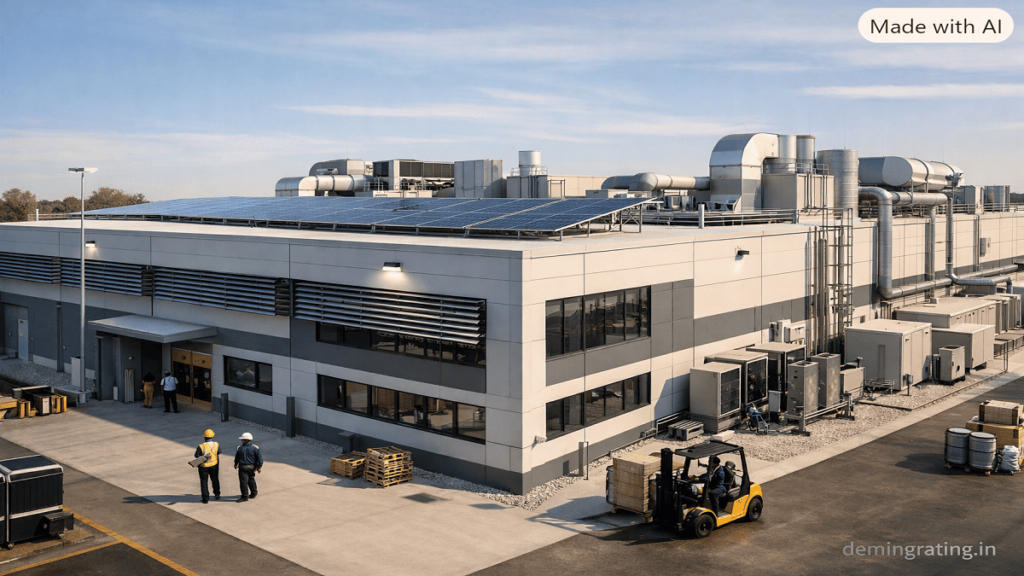
How Can Energy Modelling, Metering, and Monitoring Be Used to Verify Compliance?
Energy modelling, metering, and monitoring are essential tools for demonstrating that a building meets minimum energy-performance requirements and continues to perform efficiently after construction. While energy modelling is primarily used during the design and compliance stage, metering and monitoring provide evidence of actual building performance during operation. Together, these approaches create a continuous process for predicting, verifying, and improving energy efficiency.
Energy Modelling During Design
Energy modelling uses computer-based simulation to estimate how much energy a building is expected to consume under defined operating conditions. The model considers factors such as building orientation, envelope construction, glazing, occupancy, lighting, equipment loads, HVAC systems, schedules, and local weather conditions.
Under India’s Energy Conservation and Sustainable Building Code (ECSBC) 2024, the Whole Building Performance method requires the proposed building to be compared with a baseline building. The simulation must calculate annual energy consumption and provide energy-use information for major end uses. The software must also model hourly energy flows throughout the 8,760 hours of a year and account for factors such as occupancy, lighting, HVAC operation, thermal mass, and equipment performance.
This allows designers and authorities to determine whether the proposed design satisfies the applicable energy-performance criteria before construction is completed.
Metering for Actual Performance
Energy meters provide measured data rather than predictions. A building can use meters and submeters to record electricity consumption for major systems such as HVAC, lighting, pumps, domestic hot water, plug loads, and renewable-energy systems.
ECSBC 2024 specifies requirements for building-level metering and service-level submetering. Depending on the electrical service size, meters can record parameters such as energy consumption, demand, and power factor at defined intervals. The code also specifies accuracy and communication requirements for installed meters.
This data helps building operators identify which systems are consuming the most energy and determine whether equipment is operating as intended.
Monitoring and Measurement & Verification
Monitoring converts meter readings into useful performance information. Energy-management systems can track consumption trends, compare actual performance against targets, identify abnormal energy use, and alert facility managers when systems operate outside expected conditions.
For higher-performance buildings, monitoring-based commissioning and measurement and verification (M&V) can provide a structured process for assessing whether energy systems continue to perform according to their design intent. ECSBC provisions include energy monitoring and M&V-related infrastructure for different performance levels.
Closing the Performance Gap
The greatest value comes from combining all three approaches. Energy modelling establishes the expected performance, metering measures actual consumption, and monitoring helps explain differences and identify corrective actions.
For example, if a model predicts relatively low HVAC energy consumption but meters show significantly higher use, facility managers can investigate causes such as incorrect temperature settings, excessive operating hours, poor controls, equipment faults, or inadequate maintenance.
Therefore, energy modelling, metering, and monitoring do more than demonstrate code compliance. They create an evidence-based framework for ensuring that a building achieves its intended energy performance throughout its operational life.
Relevant External Resources
- BEE – Energy Conservation and Sustainable Building Code 2024
- BEE – Commercial Building Energy Efficiency
- BEE – Building Energy Efficiency Programmes
- BEE – Monitoring & Verification Resources
#BuildingEnergyEfficiency
What Are the Environmental, Operational, and Cost Benefits of Meeting or Exceeding Minimum Energy Performance Requirements?
Meeting minimum energy performance requirements is an important foundation for creating efficient, resilient, and sustainable buildings. However, designing a building to exceed these minimum requirements can deliver additional environmental, operational, and financial benefits over its entire life cycle. Energy-efficient design reduces the amount of energy required to operate a building while maintaining occupant comfort, functionality, and indoor environmental quality.
Environmental Benefits
The most direct environmental benefit is reduced energy consumption. When buildings use less electricity and fuel, the associated greenhouse-gas emissions can also decrease, particularly where electricity generation relies on fossil fuels. This helps reduce a building’s contribution to climate change and supports broader decarbonisation objectives.
Energy efficiency can also reduce peak electricity demand and the environmental impacts associated with producing and distributing additional energy. This is particularly important in rapidly developing markets such as India, where the building sector already accounts for more than 30% of the country’s electricity consumption, according to the Bureau of Energy Efficiency (BEE).
The benefits can be significant at scale. BEE reported that 227 ECBC-compliant buildings had generated approximately 141.65 million units of energy savings by March 2021. The agency’s assessment also recorded associated reductions in carbon emissions from energy-efficient buildings.
Operational Benefits
Energy-efficient buildings are generally easier and less expensive to operate because their major energy-consuming systems work more efficiently. A high-performance building envelope can reduce unwanted heat gain, lowering cooling loads. Efficient HVAC systems can provide required thermal comfort while consuming less energy, while efficient lighting and controls can reduce unnecessary electricity use.
Better energy performance can also improve occupant comfort and system reliability. Advanced controls, sub-metering, energy management systems, and regular monitoring help facility managers identify unusual consumption patterns and correct operational problems before they become expensive.
Exceeding minimum requirements can also make buildings more resilient to future changes in energy prices, regulations, climate conditions, and performance expectations.
Cost Benefits
The financial benefits of energy efficiency extend beyond lower monthly utility bills. Although high-performance equipment, improved insulation, efficient glazing, controls, and other measures may require additional upfront investment, these costs can often be recovered through reduced operating expenses over the building’s lifetime.
BEE’s building-energy programme specifically promotes life-cycle-cost considerations and recognizes progressively higher performance levels beyond basic ECBC compliance. Under the earlier ECBC 2017 framework, ECBC, ECBC+, and Super ECBC levels represented progressively greater energy savings compared with conventional buildings.
Lower energy consumption can also reduce exposure to future electricity-price increases. In addition, efficient equipment may reduce system loads, potentially lowering maintenance requirements and extending equipment life when systems are properly designed and operated.
Long-Term Value of Exceeding the Minimum
Meeting minimum requirements establishes a necessary baseline, but exceeding them can provide a stronger long-term performance advantage. Higher efficiency can improve building value, reduce operational risk, support green-building certifications, and help owners prepare for increasingly stringent energy and carbon regulations.
Ultimately, minimum energy performance should be viewed as the starting point rather than the final objective. A building that goes beyond the minimum can achieve lower energy consumption, reduced environmental impact, improved operational performance, and potentially lower life-cycle costs, making energy efficiency beneficial for both building owners and occupants.
Relevant External Resources
- Bureau of Energy Efficiency – Energy Efficiency in Buildings
- BEE – Commercial Building Energy Efficiency and ECBC
- BEE – Impact Assessment of Energy Efficiency Measures
- BEE – Residential Energy Efficiency and Eco Niwas Samhita
#SustainableBuildings
Case Study of Minimum Energy Performance: Centre for Environmental Science and Engineering, IIT Kanpur
A practical example of minimum energy performance can be seen in the Centre for Environmental Science and Engineering (CESE) at IIT Kanpur, a building designed with energy efficiency and environmental sustainability as key objectives. The project demonstrates how minimum energy-performance requirements can be incorporated into building design through the combined use of passive strategies, an efficient building envelope, daylighting, and high-performance HVAC systems.
According to a case study published by India’s Bureau of Energy Efficiency (BEE), CESE is a 5-star GRIHA-rated green building located on the IIT Kanpur campus. The facility was planned as a sustainable “building in the garden” and incorporates several strategies intended to reduce energy consumption while maintaining a comfortable indoor environment.
Building Envelope and Passive Design
One of the most important aspects of the project is its climate-responsive architectural design. The building orientation was optimized using climate and sun-path analysis, helping designers control solar heat gain and improve the building’s environmental performance.
The project also uses Low-E glass and external shading as part of its window design. These measures can reduce unwanted solar heat entering the building, thereby lowering cooling requirements. Reducing cooling loads at the envelope level is particularly valuable in warm climates because it allows mechanical cooling systems to operate less intensively.
Energy-Efficient HVAC
The HVAC system was designed with energy efficiency in mind and incorporates controls intended to reduce annual energy consumption. One notable feature is the use of an earth-air tunnel as a passive strategy to reduce cooling loads. Instead of depending entirely on mechanical air-conditioning, this approach uses the relatively stable temperature of the ground to help pre-condition air before it enters the building.
This illustrates an important principle of minimum energy performance: reducing energy demand should begin with passive design before relying solely on high-efficiency mechanical equipment.
Lighting and Daylight Integration
The building also incorporates energy-efficient artificial lighting together with daylight integration. Making effective use of natural daylight can reduce dependence on electric lighting during suitable periods. Efficient lighting further reduces electricity consumption and can reduce internal heat gains, which may subsequently lower cooling demand.
Compliance and Broader Significance
The BEE case study states that CESE is fully compliant with the Energy Conservation Building Code (ECBC). This is significant because ECBC establishes minimum energy-performance requirements for applicable commercial buildings in India, covering areas such as the building envelope, HVAC systems, lighting, electrical systems, and renewable energy. BEE explains that the code is intended to reduce building energy requirements without compromising occupant comfort, health, productivity, or functionality.
The case demonstrates that minimum energy performance is most effective when treated as an integrated design objective. Rather than relying on one technology, the project combines orientation, shading, efficient glazing, daylighting, efficient HVAC, and passive cooling.
Key Lessons
The CESE case study highlights five important lessons:
- Passive design should reduce energy demand before mechanical systems are selected.
- The building envelope plays a major role in controlling solar heat gain.
- Efficient HVAC systems and controls can significantly improve operational performance.
- Daylight integration can reduce artificial-lighting requirements.
- Compliance with energy codes provides a measurable baseline for green-building performance.
Therefore, CESE demonstrates how minimum energy-performance requirements can become part of a broader green-building strategy. It shows that code compliance is not simply a regulatory exercise; when integrated into architectural and engineering decisions from the beginning, it can contribute to lower energy consumption, improved occupant comfort, and better long-term building performance.
Relevant External Resources
- Bureau of Energy Efficiency – Building Energy Efficiency
- BEE – ECSBC Commercial Buildings
- BEE – Case Study and Green Building Resources
- U.S. Green Building Council – Green Building Project Database
#GreenBuildings

White Paper on Minimum Energy Performance in Green Buildings
Executive Summary
Minimum energy performance is a fundamental principle of sustainable building design because it establishes the baseline level of energy efficiency that a building must achieve. It provides measurable requirements for reducing energy consumption while maintaining occupant comfort, health, safety, and functionality. In India, the Energy Conservation and Sustainable Building Code (ECSBC) 2024, developed by the Bureau of Energy Efficiency (BEE), provides a contemporary framework for energy performance in commercial and office buildings. The code addresses building components and systems including the envelope, HVAC, lighting, electrical systems, renewable energy, and energy monitoring.
Minimum energy performance should not be viewed simply as a regulatory obligation. It is the starting point for creating buildings that consume less energy, have lower operating costs, reduce environmental impacts, and remain resilient to changing energy prices and increasingly stringent environmental regulations.
1. Introduction
The building sector is a major consumer of energy worldwide. Energy is required for cooling, heating, ventilation, lighting, water heating, appliances, elevators, pumps, and other building services. Consequently, improving the efficiency of buildings is an important strategy for reducing energy demand and greenhouse-gas emissions.
The World Green Building Council notes that the built environment accounts for a substantial share of global energy use and emissions, making energy reduction a central component of the transition toward sustainable buildings.
Minimum energy performance establishes a threshold below which a building should not fall. Depending on the applicable regulation, compliance may be demonstrated through prescriptive requirements, performance calculations, energy modelling, or a combination of approaches.
2. Building Envelope Performance
The building envelope includes walls, roofs, windows, doors, and other elements separating conditioned spaces from the outdoor environment. Its performance has a direct influence on cooling and heating demand.
Effective envelope design can include appropriate insulation, efficient glazing, external shading, reflective roofing, controlled window areas, and suitable orientation. In residential buildings, BEE’s Eco Niwas Samhita framework specifically establishes minimum envelope-performance requirements intended to reduce unwanted heat gain or heat loss while supporting daylight and natural ventilation.
A high-performing envelope reduces the amount of work required from mechanical systems. This demonstrates an important principle: the most efficient energy is often energy that the building does not need to consume.
3. HVAC and Mechanical Systems
Heating, ventilation, and air-conditioning systems are major energy consumers, particularly in climates with substantial cooling requirements. Minimum performance requirements therefore need to address equipment efficiency, system sizing, controls, ventilation, pumps, fans, ductwork, and thermal distribution.
Efficient chillers, air-conditioning equipment, variable-speed drives, appropriate controls, and demand-responsive ventilation can reduce unnecessary energy consumption. However, equipment efficiency should be considered alongside load reduction. Installing highly efficient HVAC equipment in a poorly designed building envelope may still result in excessive energy consumption.
ECSBC 2024 provides mandatory requirements as well as performance-based compliance pathways.
4. Lighting and Electrical Efficiency
Lighting efficiency can be improved through high-efficacy LED systems, daylight integration, occupancy controls, timers, and automatic shut-off systems. Good lighting design should provide adequate illumination without excessive installed lighting power.
Electrical efficiency also involves transformers, motors, pumps, power-factor correction, distribution systems, and energy monitoring. Submetering allows building operators to identify major energy-consuming systems and investigate abnormal consumption.
The objective is not simply to install efficient equipment but to ensure that equipment operates efficiently under real operating conditions.
5. Energy Modelling and Compliance Verification
Energy modelling provides a method of estimating building energy performance before construction. Under the Whole Building Performance method in ECSBC 2024, a proposed design can be compared with a baseline design using approved simulation software. The model considers annual energy consumption and provides energy-use breakdowns for systems such as lighting, equipment, water heating, heating, cooling, fans, pumps, and other HVAC equipment.
This approach allows design teams to compare alternatives and identify opportunities for improving performance before construction decisions become difficult or expensive to change.
However, modelling should not be treated as a guarantee of actual operational energy consumption. BEE explicitly notes that actual performance can be affected by weather, occupant behaviour, equipment performance, and maintenance.
6. Metering, Monitoring, and Operational Performance
Minimum energy performance must continue beyond design and construction. Building-level meters and system-level submeters can provide data on actual energy consumption. Monitoring systems can identify unusual consumption patterns, inefficient operating schedules, equipment problems, and control failures.
This creates a performance-feedback loop: modelling establishes expected performance, meters measure actual consumption, and monitoring helps identify opportunities for corrective action.
Commissioning is also important because it verifies that building systems operate according to their design intent. Without effective commissioning and monitoring, even a well-designed building may fail to achieve its expected energy performance.
7. Benefits of Meeting and Exceeding Minimum Requirements
Meeting minimum energy-performance requirements can provide several benefits. Environmentally, lower energy consumption can reduce associated greenhouse-gas emissions. Operationally, efficient buildings can provide improved control, reduced energy demand, and better system performance. Financially, lower energy consumption can reduce utility expenses and potentially improve long-term asset value.
Exceeding minimum requirements can provide additional benefits. India’s building-energy framework has historically recognized progressively higher performance levels beyond basic compliance. BEE’s earlier ECBC framework identified ECBC, ECBC+, and Super ECBC performance levels, encouraging buildings to move beyond minimum standards.
Internationally, Minimum Energy Performance Standards (MEPS) are also being used as a policy mechanism to improve the performance of existing buildings. The World Green Building Council identifies MEPS as an important component of the European Union’s updated building-performance framework.
8. Recommendations
A robust minimum energy-performance strategy should begin during the earliest stages of planning rather than after architectural and engineering decisions have already been finalized. The following principles are recommended:
- Establish applicable energy-code requirements at project inception.
- Use climate-responsive architectural design to reduce energy loads.
- Optimize the building envelope before sizing HVAC equipment.
- Specify equipment that meets or exceeds applicable efficiency requirements.
- Integrate daylighting and efficient lighting controls.
- Provide appropriate energy metering and monitoring.
- Use energy modelling to compare design alternatives and verify compliance.
- Commission major building systems before occupancy.
- Monitor actual energy performance throughout the building’s operational life.
- Establish performance targets that go beyond minimum compliance where economically and technically feasible.
Conclusion
Minimum energy performance is the foundation upon which high-performance and green buildings are developed. It establishes a measurable baseline for energy efficiency and encourages better decisions concerning building envelopes, HVAC systems, lighting, electrical infrastructure, controls, and renewable-energy integration.
For India, ECSBC 2024 provides an important framework for improving the energy performance of applicable commercial and office buildings, while BEE’s residential energy-efficiency framework addresses envelope performance in homes.
The most effective approach is to regard compliance as the beginning rather than the end of sustainable building design. By combining passive design, efficient systems, energy modelling, metering, commissioning, and continuous monitoring, buildings can move beyond minimum requirements toward lower operating costs, reduced environmental impact, greater resilience, and long-term performance.
Recommended External Resources
- Bureau of Energy Efficiency – Energy Conservation and Sustainable Building Code 2024
- BEE – ECSBC Commercial Buildings
- BEE – Eco Niwas Samhita / Residential Energy Efficiency
- BEE – Building Energy-Efficiency Resources and Reports
- World Green Building Council – Minimum Energy Performance Standards
#EnergyEfficiency
Industry Application of Minimum Energy Performance
Minimum energy performance is not limited to green buildings; it has important applications across industries where energy consumption directly affects operating costs, productivity, resource efficiency, and environmental performance. In industrial facilities, minimum energy-performance principles are applied to buildings, production equipment, motors, pumps, compressors, boilers, HVAC systems, lighting, electrical infrastructure, and process systems. The objective is to ensure that energy-consuming equipment and systems operate at an acceptable level of efficiency and that avoidable energy losses are minimized.
Application in Manufacturing Industries
Manufacturing facilities are among the most important areas for energy-efficiency improvements because production processes often require substantial amounts of electricity and thermal energy. Industries such as steel, cement, aluminium, fertilizers, textiles, chemicals, paper, and pulp can apply minimum performance requirements to major energy-consuming equipment and processes.
In India, the Bureau of Energy Efficiency (BEE) identifies energy-intensive sectors such as aluminium, cement, chlor-alkali, fertilizer, iron and steel, pulp and paper, railways, textiles, and thermal power as designated-consumer sectors under the Perform, Achieve and Trade (PAT) framework. These industries are subject to energy-efficiency requirements and, where applicable, mandatory energy audits to identify opportunities for reducing energy consumption.
HVAC and Industrial Building Systems
Factories, warehouses, laboratories, data centres, and industrial offices can apply minimum energy-performance requirements to air-conditioning, ventilation, refrigeration, and heating systems. High-efficiency chillers, motors, fans, pumps, variable-speed drives, efficient controls, and properly insulated ducts and pipes can reduce energy consumption.
For commercial and industrial buildings covered by applicable building regulations, India’s Energy Conservation and Sustainable Building Code provides requirements relating to the building envelope, mechanical systems, HVAC, lighting, electrical systems, and renewable energy.
Motors, Pumps, Compressors, and Process Equipment
Electric motors are widely used throughout industry. Minimum efficiency requirements can help organizations avoid installing inefficient motors and reduce electricity losses over their operating life. Similar principles apply to pumps, compressors, fans, boilers, furnaces, and refrigeration equipment.
Equipment should also be correctly sized. An oversized motor or compressor may operate inefficiently under normal loads, while poor controls can cause equipment to run when production demand is low.
Energy Monitoring and Management
Minimum performance requirements become more effective when industries continuously measure actual energy consumption. Energy meters, submeters, sensors, and energy-management systems can track consumption by production line, department, machine, or process.
Energy performance indicators can then be established, such as kilowatt-hours per tonne of product, energy per unit of output, or fuel consumption per production cycle. Comparing these indicators over time helps identify abnormal consumption, equipment degradation, and opportunities for improvement.
BEE also provides resources covering energy-efficiency solutions for existing commercial buildings, industrial energy efficiency, energy audits, and monitoring and verification.
Financial and Environmental Benefits
Applying minimum energy-performance principles can reduce electricity and fuel costs while improving operational reliability. Lower energy consumption also reduces associated greenhouse-gas emissions and can improve an organization’s environmental performance.
Importantly, minimum performance should be considered a baseline rather than a final target. Industries can achieve greater savings by combining efficient equipment with process optimization, waste-heat recovery, automation, renewable energy, preventive maintenance, and continuous energy monitoring.
Conclusion
Industry application of minimum energy performance provides a structured approach to controlling energy consumption across both production processes and supporting infrastructure. By specifying efficient equipment, optimizing systems, measuring actual performance, and continuously improving operations, industrial organizations can reduce operating costs while strengthening environmental performance.
For Indian industries, these principles complement BEE’s wider energy-efficiency initiatives, including PAT, energy audits, equipment standards, and building-energy codes. Ultimately, the successful application of minimum energy performance transforms energy efficiency from a compliance requirement into a measurable component of industrial productivity and long-term competitiveness.
Relevant External Resources
- Bureau of Energy Efficiency – Commercial Building Energy Efficiency
- BEE – Building Energy Efficiency Programmes
- BEE – Designated Consumers and PAT Programme
- BEE – Reports and Energy-Efficiency Resources
- BEE – Energy Conservation and Sustainable Building Code 2024
#MinimumEnergyPerformance
Ask FAQs
What is minimum energy performance?
Minimum energy performance is the lowest level of energy efficiency that a building, system, or piece of equipment is expected to achieve under applicable standards, codes, or regulations. It establishes a baseline for controlling energy consumption while maintaining required levels of comfort, safety, productivity, and functionality. In buildings, minimum energy performance can apply to the building envelope, HVAC systems, lighting, electrical systems, equipment, and energy monitoring. In India, the Bureau of Energy Efficiency (BEE) provides building energy-efficiency requirements through frameworks such as the Energy Conservation and Sustainable Building Code (ECSBC) 2024. These requirements help ensure that buildings do not consume more energy than necessary for their intended use. (BEE)
Why is minimum energy performance important for green buildings?
Minimum energy performance is a fundamental component of green building because energy efficiency reduces unnecessary energy consumption and associated environmental impacts. Efficient buildings generally require less electricity or fuel to provide cooling, ventilation, lighting, hot water, and other essential services. This can reduce operational costs and greenhouse-gas emissions while improving the building’s long-term performance. Minimum requirements also create a consistent baseline that architects, engineers, developers, and building owners can use when designing and evaluating projects. However, meeting the minimum requirement should be considered the starting point for sustainability. High-performance green buildings can go beyond minimum standards through passive design, efficient equipment, renewable energy, advanced controls, and continuous monitoring.
Which building systems contribute to minimum energy performance?
Several major building systems contribute to overall energy performance. The building envelope is important because insulation, glazing, shading, roofs, walls, and windows influence heat gain and heat loss. HVAC systems affect energy use through equipment efficiency, ventilation, controls, pumps, fans, and distribution systems. Lighting contributes through lamp and luminaire efficiency, lighting power density, daylighting, occupancy sensors, and automatic controls. Electrical systems also influence performance through transformers, motors, power-factor correction, distribution equipment, and energy monitoring. An integrated approach is essential because improvements in one system can influence another. For example, a well-designed envelope can reduce cooling loads and allow HVAC systems to operate more efficiently.
How can compliance with minimum energy performance be verified?
Compliance can be verified using a combination of energy modelling, calculations, inspections, commissioning, metering, and monitoring. During design, energy modelling can estimate annual energy consumption and compare a proposed building with an applicable baseline. During construction, inspections and documentation can verify that specified materials and equipment have been installed correctly. After completion, commissioning can confirm that building systems operate according to their design intent. Energy meters and submeters can then measure actual consumption and identify abnormal performance. Continuous monitoring provides useful information for facility managers and helps identify opportunities for corrective action and further energy savings.
What are the benefits of exceeding minimum energy-performance requirements?
Exceeding minimum requirements can provide benefits beyond basic regulatory compliance. Higher energy efficiency can reduce electricity and fuel consumption, lower operating expenses, decrease greenhouse-gas emissions, and improve occupant comfort. Efficient systems may also reduce operating stress and improve long-term reliability when properly designed and maintained. Higher-performance buildings can be better prepared for future energy-price increases, stricter environmental regulations, and changing market expectations. For businesses and building owners, improved energy performance can also contribute to stronger asset value and corporate sustainability objectives. Therefore, minimum energy performance should be treated as a baseline, while exceeding the baseline can create additional environmental, operational, and financial value.
Table of Contents
Disclaimer: The information provided in this article is for general informational and educational purposes only. Energy-performance requirements may vary by building type, location, applicable codes, and regulatory updates. Readers should consult relevant authorities, qualified professionals, and current regulations before making design, compliance, or investment decisions.