
Enhanced Energy Performance
Enhanced Energy Performance refers to the systematic improvement of how efficiently energy is consumed to deliver a required service, product, or level of comfort. It involves reducing unnecessary energy use, improving equipment efficiency, optimizing operating conditions, and continuously monitoring performance. For residential, commercial, and industrial facilities, enhanced energy performance can help reduce operating costs while improving reliability, productivity, and environmental performance.
Modern energy management increasingly focuses on achieving better results from the same or lower energy input. This can involve upgrading inefficient appliances, improving HVAC systems, optimizing motors and pumps, introducing smart controls, improving maintenance practices, Enhanced Energy Performance and using energy metering to identify consumption patterns.
Importance of Enhanced Energy Performance
Energy performance is an important indicator of how effectively a facility uses its available energy resources. Poor performance can result from outdated equipment, inefficient operating practices, equipment oversizing, poor maintenance, energy losses, or unnecessary operating hours.
Improving energy performance can reduce electricity consumption without necessarily reducing productivity or service quality. The International Energy Agency identifies energy efficiency as an important component of reducing energy demand, lowering emissions, Enhanced Energy Performance and improving energy security.
Efficient Equipment and Technology
One of the most effective approaches is replacing inefficient appliances and equipment with high-efficiency alternatives. Examples include high-efficiency motors, LED lighting, efficient air-conditioning systems, energy-efficient refrigeration equipment, and advanced pumps and compressors.
Variable-speed drives can further improve performance by allowing motors to operate according to actual demand rather than continuously running at full speed. This can be particularly useful for pumps, fans, and other variable-load applications.
Smart Controls and Automation
Automation can significantly enhance energy performance by ensuring that equipment operates only when required. Occupancy sensors, timers, programmable controls, building management systems, and smart thermostats can adjust equipment operation based on occupancy, temperature, production schedules, Enhanced Energy Performance or other conditions.
For example, an HVAC system can automatically reduce output when a building is unoccupied, while lighting controls can switch off lights in unused areas.
Monitoring and Measurement
Energy monitoring is essential for measuring improvements and identifying additional opportunities. Smart meters and submeters can provide consumption data for individual systems, departments, production lines, or equipment.
Organizations can establish a baseline, implement efficiency measures, and compare subsequent energy consumption against the baseline. This makes energy performance measurable rather than relying solely on assumptions.
The U.S. Department of Energy’s Energy Saver provides guidance on technologies and practices that can improve energy efficiency in buildings and equipment.
Maintenance and Operational Practices
Even highly efficient equipment can lose performance if it is poorly maintained. Preventive maintenance should include cleaning, inspection, lubrication, calibration, filter replacement, electrical checks, Enhanced Energy Performance and performance testing where appropriate.
Proper scheduling is equally important. Equipment should operate according to actual demand, occupancy, and production requirements. Reducing unnecessary operating hours can produce savings without major capital expenditure.
Role of Energy Management Systems
A structured energy-management system can help organizations establish energy objectives, measure performance, implement improvements, and maintain continuous progress. ISO 50001 provides a framework for organizations to establish, implement, maintain, and improve an energy-management system.
The International Organization for Standardization describes ISO 50001 as a framework for continual improvement of energy performance, including energy efficiency, energy use, and energy consumption.
Benefits of Enhanced Energy Performance
Improved energy performance can provide several benefits:
- Lower electricity and fuel costs
- Reduced energy waste
- Improved equipment reliability
- Lower maintenance and operating expenses
- Better productivity and process control
- Reduced energy-related emissions
- Improved sustainability performance
- Better decision-making through energy data
- Greater resilience to changing energy costs
Conclusion
Enhanced Energy Performance is achieved through a combination of efficient technology, optimized operation, preventive maintenance, intelligent controls, energy monitoring, and continuous improvement. It is not simply about consuming less energy; it is about obtaining the required output, comfort, or productivity with the most efficient use of energy possible.
For organizations seeking long-term improvements, the most effective strategy is to measure current performance, identify major energy-consuming systems, prioritize improvement opportunities, implement appropriate technologies, and continuously verify results. By adopting this systematic approach, businesses and facilities can reduce costs, improve operational performance, and strengthen their contribution to sustainability goals.
#IndustrialEnergyEfficiency
What Is Enhanced Energy Performance and Why Is It Important in Green Building Design?
Enhanced energy performance refers to improving a building’s ability to provide required comfort, lighting, ventilation, heating, cooling, and other services while using less energy. In green building design, it involves combining efficient building materials, high-performance equipment, intelligent controls, renewable energy, effective maintenance, and energy monitoring to minimize unnecessary energy consumption.
Rather than focusing only on installing energy-efficient equipment, enhanced energy performance considers the building as an integrated system. The objective is to achieve the required level of performance with lower energy demand throughout the building’s operational life.
Why Is Enhanced Energy Performance Important?
1. Reduces Energy Consumption
Green buildings are designed to minimize unnecessary energy use. High-performance insulation, efficient windows, LED lighting, energy-efficient HVAC systems, efficient motors, and smart controls can reduce the energy required for daily building operations.
Building orientation and passive design strategies can also reduce cooling and heating requirements before mechanical systems are even considered.
2. Lowers Operating Costs
Energy-efficient buildings generally require less electricity and fuel to operate. This can reduce utility expenses and improve the long-term economic performance of a building.
Although some energy-efficiency measures may involve higher initial investment, lifecycle analysis can demonstrate whether reduced operating costs provide an attractive long-term return.
3. Reduces Environmental Impact
Lower energy consumption can reduce greenhouse-gas emissions associated with energy generation, particularly where fossil fuels contribute to the electricity supply. Enhanced energy performance therefore supports broader climate and sustainability objectives.
The International Energy Agency identifies energy efficiency as an important way to reduce energy demand, emissions, and energy-system costs.
4. Improves Building Comfort
Energy performance is not simply about reducing energy use. A well-designed green building should maintain appropriate indoor temperature, air quality, lighting, and ventilation.
For example, an efficient HVAC system combined with smart controls can maintain comfortable conditions while avoiding unnecessary heating or cooling.
5. Supports Smart Building Management
Modern green buildings can use sensors, building management systems, smart meters, and automated controls to continuously monitor and optimize energy consumption.
Occupancy sensors can adjust lighting and HVAC systems according to actual building use. Energy meters can identify abnormal consumption and help facility managers evaluate the effectiveness of efficiency measures.
6. Supports Green Building Certification
Energy performance is an important consideration in several green building certification systems. Frameworks such as LEED, BREEAM, and EDGE incorporate energy efficiency and building performance into their assessment approaches.
The U.S. Green Building Council describes LEED as a green building rating system that addresses energy efficiency and other aspects of sustainable building design and operation.
Key Strategies for Enhanced Energy Performance
A green building can improve energy performance through:
- Passive solar design and appropriate building orientation
- High-performance insulation and glazing
- Energy-efficient HVAC systems
- LED and high-efficiency lighting
- Efficient pumps, fans, and motors
- Variable-speed drives
- Occupancy and daylight sensors
- Building automation systems
- Energy metering and sub-metering
- Renewable-energy integration
- Preventive maintenance
- Continuous energy-performance monitoring
Conclusion
Enhanced energy performance is a fundamental component of green building design because it enables buildings to deliver required services with less energy. It can reduce operating costs, improve occupant comfort, lower environmental impact, and support sustainability and green-building certification objectives.
The most effective approach begins during the design stage, when building orientation, envelope performance, HVAC capacity, lighting, equipment efficiency, and controls can be considered as an integrated system. After construction, energy monitoring, commissioning, proper operation, and preventive maintenance help ensure that the building continues to perform as intended.
#SmartEnergy
What Strategies Can Be Implemented to Achieve Energy Performance Beyond Minimum Code Requirements?
Achieving energy performance beyond minimum building-code requirements requires moving from basic compliance to a high-performance building strategy. Building codes establish minimum requirements for aspects such as insulation, lighting, HVAC efficiency, and energy use. However, organizations seeking stronger energy savings can adopt more ambitious design targets, integrated systems, advanced controls, and continuous performance monitoring.
1. Improve the Building Envelope
A high-performance building should minimize unwanted heat gain and heat loss through its envelope. Strategies include higher-performance insulation, low-emissivity glazing, efficient windows, improved air sealing, external shading, and appropriate building orientation.
Reducing heat transfer lowers the heating and cooling load, allowing HVAC equipment to operate less frequently and potentially at smaller capacities.
2. Use High-Efficiency HVAC Systems
HVAC systems are often among the largest energy consumers in buildings. Designers can exceed minimum requirements by selecting high-efficiency chillers, heat pumps, air-handling units, fans, and pumps.
Variable-speed drives can allow motors to adjust output according to actual demand. Proper equipment sizing is also essential because oversized HVAC equipment can increase energy consumption and reduce operating efficiency.
3. Adopt Advanced Lighting Strategies
LED lighting can significantly improve lighting efficiency. Beyond replacing conventional lamps, high-performance buildings can combine LEDs with daylight sensors, occupancy sensors, dimming controls, and automated scheduling.
Daylight-responsive controls can reduce artificial lighting when sufficient natural light is available, while occupancy controls prevent lighting from operating unnecessarily.
4. Integrate Smart Building Controls
Building automation systems can coordinate HVAC, lighting, ventilation, shading, and other systems. Instead of controlling each system independently, integrated controls can optimize building performance according to occupancy, temperature, time of day, and energy demand.
Smart controls can also identify abnormal operating conditions and provide facility managers with useful performance data.
5. Optimize Energy Through Building Simulation
Energy modelling during design allows architects and engineers to compare different combinations of envelope materials, glazing, HVAC systems, lighting, orientation, and controls before construction.
The objective should be to optimize the entire building rather than simply selecting the most efficient individual component. A highly efficient HVAC system, for example, may provide less benefit if the building envelope creates excessive cooling loads.
6. Incorporate Renewable Energy
After reducing unnecessary energy demand, buildings can incorporate renewable-energy technologies such as rooftop solar photovoltaic systems. Energy efficiency should generally be considered alongside renewable generation because reducing demand can decrease the size of the renewable-energy system required to meet a given energy target.
7. Use Energy Metering and Continuous Monitoring
Sub-metering and building-level energy monitoring allow facility managers to understand how energy is being consumed. Data can be used to identify inefficient equipment, unexpected consumption, and opportunities for improvement.
The U.S. Department of Energy provides guidance on energy-efficient building technologies and operational practices.
8. Commission and Maintain Building Systems
Commissioning verifies that building systems have been installed and configured to operate as intended. It can identify control problems, incorrect settings, equipment deficiencies, and other issues that may prevent a building from achieving its design performance.
After occupancy, regular maintenance and recommissioning can help preserve efficiency as equipment, occupancy patterns, and operating requirements change.
9. Set Performance Targets Above Compliance
Organizations should establish measurable targets that go beyond minimum code requirements. These could include reductions in energy-use intensity, peak demand, or annual energy consumption.
Green-building frameworks such as LEED provide structured approaches for evaluating energy performance and other sustainability characteristics.
10. Apply an Integrated Design Approach
The strongest results come when architects, engineers, energy consultants, facility managers, and owners collaborate from the early design stage. Decisions about orientation, envelope, glazing, HVAC, lighting, controls, renewable energy, and operations should be evaluated together.
Conclusion
Achieving energy performance beyond minimum code requirements requires a whole-building approach rather than isolated equipment upgrades. High-performance envelopes, efficient HVAC and lighting, smart controls, renewable energy, energy modelling, commissioning, and continuous monitoring can work together to reduce energy demand substantially.
#EnergyOptimization
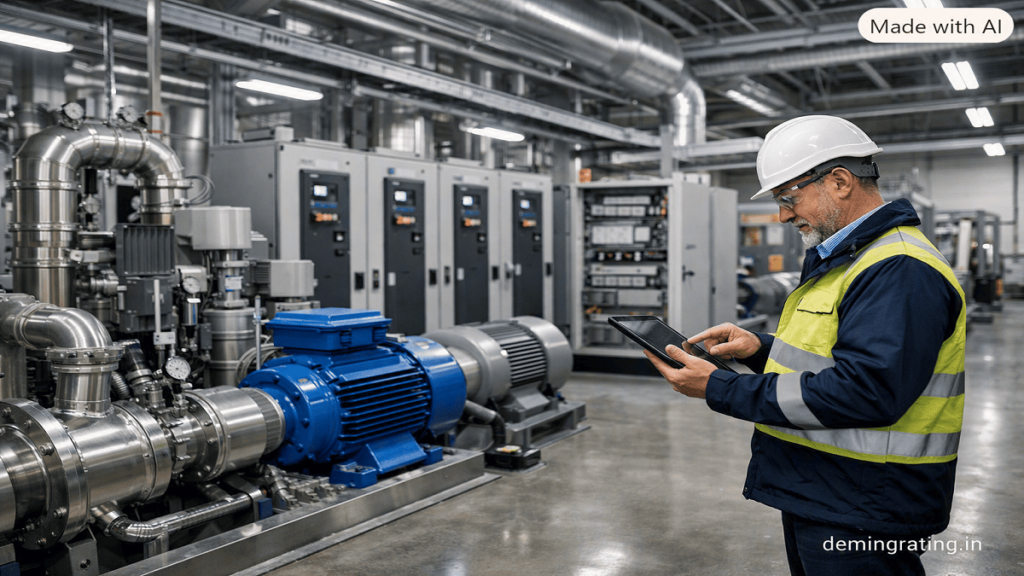
How Can Efficient HVAC Systems, Lighting, Appliances, Controls, and Building Envelopes Improve Energy Performance?
Efficient HVAC systems, lighting, appliances, controls, and building envelopes work together to reduce energy demand while maintaining occupant comfort, indoor environmental quality, and building functionality. In a high-performance or green building, energy efficiency is most effective when these components are treated as an integrated system rather than as separate technologies.
1. Efficient HVAC Systems
Heating, ventilation, and air-conditioning systems can account for a significant portion of building energy consumption. High-efficiency chillers, heat pumps, boilers, air-handling units, fans, and pumps can deliver the required thermal conditions using less energy.
Variable-speed drives allow motors to adjust their output according to actual demand. For example, a ventilation fan does not always need to operate at maximum speed. Reducing its speed during periods of lower occupancy can decrease electricity consumption.
Proper HVAC sizing is equally important. Oversized systems may cycle inefficiently and consume more energy than necessary. Regular maintenance, including filter replacement and equipment inspection, helps preserve performance.
2. Energy-Efficient Lighting
Lighting efficiency can be improved through LED technology, daylight utilization, occupancy sensors, dimming, and automated scheduling.
LED lighting generally provides more useful light per unit of electricity than many conventional lighting technologies. However, simply installing efficient lamps is only one part of the strategy.
Daylight sensors can reduce artificial lighting when sufficient natural light is available, while occupancy sensors can switch or dim lights when spaces are unoccupied. These controls reduce operating hours and unnecessary energy consumption.
3. Efficient Appliances and Equipment
Office equipment, refrigerators, water heaters, cooking appliances, elevators, pumps, and other electrical equipment can contribute significantly to building energy use.
Selecting products with strong energy-performance ratings can reduce consumption over their operating lives. In India, the Bureau of Energy Efficiency’s Standards & Labelling Programme helps consumers compare the energy performance of covered appliances.
Lifecycle cost should be considered when selecting equipment. A product with a higher initial price may provide greater long-term value if its lower energy consumption produces sufficient operating savings.
4. Smart Controls and Automation
Controls connect building systems with actual operating requirements. Building automation systems, occupancy sensors, smart thermostats, timers, and energy-management platforms can adjust HVAC, lighting, ventilation, and other equipment according to occupancy, temperature, schedules, and demand.
For example, an office building can automatically reduce HVAC output and lighting during unoccupied periods. This avoids energy consumption that provides no useful service.
The U.S. Department of Energy provides guidance on energy-efficient technologies and practices for buildings and equipment.
5. High-Performance Building Envelopes
The building envelope separates conditioned indoor spaces from outdoor conditions. Walls, roofs, windows, doors, insulation, shading, and air barriers all influence how much heating or cooling a building requires.
High-performance insulation reduces unwanted heat transfer, while efficient glazing can reduce solar heat gain and thermal losses. External shading can further control direct solar radiation.
A better envelope reduces the workload on HVAC equipment. This means efficiency gains are not limited to the envelope itself; they can also reduce the size and operating requirements of mechanical systems.
6. Integration Produces Greater Benefits
The greatest energy savings occur when these measures are coordinated. For example, improved insulation and solar shading can reduce cooling loads. Lower cooling demand allows HVAC equipment to operate less frequently. Smart controls can then optimize HVAC operation according to occupancy and indoor conditions.
Similarly, daylight-responsive lighting controls can reduce artificial lighting energy while also reducing the amount of heat generated by lighting fixtures, potentially reducing cooling demand.
This interaction demonstrates why whole-building energy design is more effective than evaluating individual technologies in isolation.
7. Monitoring and Verification
Energy meters, submeters, sensors, and building-management systems allow owners and facility managers to track actual performance. Energy-use data can establish baselines, identify abnormal consumption, and verify whether efficiency measures are delivering expected savings.
The International Organization for Standardization provides the ISO 50001 framework for establishing and continually improving energy-management systems.
Conclusion
Efficient HVAC systems, lighting, appliances, controls, and building envelopes each reduce energy consumption in different ways, but their benefits become more powerful when they operate together. The building envelope reduces energy demand, efficient equipment uses less energy to meet that demand, and smart controls ensure equipment operates only when and where it is needed.
#SustainableBuildings
How Can Renewable Energy and Energy Management Systems Further Enhance Overall Building Performance?
Renewable energy and energy management systems can significantly enhance building performance by reducing dependence on conventional energy, optimizing how energy is consumed, and improving the interaction between building systems and the electricity grid. When combined with energy-efficient envelopes, HVAC systems, lighting, and appliances, these technologies can help buildings achieve lower operating costs, reduced emissions, greater resilience, and improved long-term energy performance.
1. Integrating On-Site Renewable Energy
Renewable technologies such as rooftop solar photovoltaic (PV) systems can generate electricity directly at the building site. This electricity can be used to supply lighting, HVAC systems, appliances, pumps, office equipment, and other electrical loads.
On-site generation can reduce electricity purchased from the grid, particularly when solar production coincides with daytime building demand. The International Energy Agency (IEA) identifies on-site solar PV, energy storage, and smart controls as important technologies for creating more efficient and flexible buildings.
Renewable energy should generally be considered after reducing unnecessary building energy demand. A well-insulated building with efficient equipment requires less energy, allowing renewable systems to meet a larger proportion of the remaining demand.
2. Using Energy Storage
Battery energy storage can complement renewable generation by storing excess electricity and making it available when renewable output is lower or building demand is higher.
For example, excess solar electricity generated during the afternoon can be stored and used during evening periods. Storage can also help reduce peak electricity demand and provide backup capability for selected loads.
The IEA notes that integrating renewable generation with storage and smart controls can help buildings respond to variations in renewable electricity production.
3. Improving Energy Management
An Energy Management System (EMS) or Energy Management Information System (EMIS) provides a structured way to monitor, analyze, and optimize building energy consumption.
According to the U.S. Department of Energy, EMIS technologies can integrate energy data, analyze meter information, verify energy savings, detect equipment faults, and support automated control and operational improvements.
This transforms energy management from periodic manual checking into a continuous performance-improvement process.
4. Coordinating Building Systems
An energy management system can connect HVAC, lighting, appliances, meters, renewable-energy systems, batteries, and other building equipment.
For example, an EMS can reduce HVAC demand during periods of high electricity prices, adjust lighting according to occupancy, or schedule flexible equipment to operate when solar generation is available.
This coordination is particularly valuable because building systems interact with one another. The U.S. Department of Energy notes that high-performance building controls can respond to both occupant and grid needs.
5. Matching Energy Demand With Renewable Generation
Smart energy management can help align electricity consumption with renewable generation. If a building has substantial daytime solar production, flexible loads such as water heating, battery charging, or certain equipment can be scheduled to operate during periods of high solar output.
This reduces the amount of renewable electricity that may otherwise be exported or unused and increases the building’s ability to consume locally generated clean energy.
6. Reducing Peak Demand
Energy management systems can also manage peak electrical loads. During periods when electricity demand is high, non-critical equipment can be temporarily reduced, delayed, or rescheduled.
The IEA’s 2026 analysis of India highlights the importance of efficient grid-interactive buildings that combine energy efficiency, smart digital technologies, and demand-side flexibility to reduce or shift peak demand and better align building consumption with renewable generation.
7. Improving Resilience
Renewable energy, batteries, smart controls, and efficient equipment can work together to improve building resilience. A building equipped with on-site generation and storage can potentially maintain selected critical loads during grid interruptions, depending on system design.
The DOE identifies grid-interactive efficient buildings as an approach that can coordinate renewable energy, storage, demand management, and critical loads to support resilience.
Conclusion
Renewable energy and energy management systems enhance building performance by addressing both where energy comes from and how efficiently it is used. Solar PV can reduce dependence on grid electricity, batteries can store excess renewable energy, and intelligent energy management systems can monitor and optimize consumption.
The most effective strategy is to combine energy-efficient building design, efficient equipment, renewable generation, storage, smart controls, and continuous monitoring. This integrated approach can lower energy costs, reduce emissions, improve operational efficiency, support renewable-energy integration, and increase building resilience.
#GreenBuilding
What Are the Environmental, Economic, and Operational Benefits of Achieving Enhanced Energy Performance?
Enhanced energy performance provides benefits that extend well beyond reducing electricity consumption. When buildings, facilities, and equipment are designed and operated to use energy efficiently, organizations can achieve environmental improvements, financial savings, and stronger operational performance. These benefits make energy efficiency an important component of modern green building and energy-management strategies.
1. Environmental Benefits
The most immediate environmental benefit of improved energy performance is reduced energy consumption. When a building requires less electricity or fuel to provide heating, cooling, lighting, ventilation, and other services, the associated environmental impacts of energy production can also be reduced.
Lower energy demand can contribute to reduced greenhouse-gas emissions, particularly in electricity systems that rely partly on fossil fuels. Energy efficiency can also reduce pressure on energy resources and infrastructure.
According to the International Energy Agency, energy efficiency is an important tool for reducing energy demand and emissions while improving energy security.
Enhanced energy performance can also support organizations in meeting sustainability objectives, environmental targets, and green-building requirements. Combining efficiency improvements with renewable energy can further reduce a building’s dependence on conventional energy sources.
2. Economic Benefits
Energy efficiency can generate significant financial benefits throughout the operating life of a building or facility. Lower electricity and fuel consumption directly reduces utility costs.
Although some high-performance technologies may require greater initial investment, lifecycle costing can demonstrate their long-term financial value. Efficient HVAC systems, LED lighting, high-efficiency motors, smart controls, and energy-efficient appliances can provide recurring savings throughout their useful lives.
Energy performance improvements can also reduce peak electricity demand. Depending on the applicable electricity tariff, lowering peak demand may reduce demand-related charges in addition to reducing overall energy consumption.
Organizations can evaluate projects using indicators such as payback period, return on investment, lifecycle cost, and annual energy savings.
3. Operational Benefits
Improved energy performance can enhance the reliability and controllability of building systems. Modern equipment and automated controls allow facility managers to operate systems more precisely according to actual demand.
For example, smart HVAC controls can adjust temperature and ventilation according to occupancy, while variable-speed drives can adjust motor output according to system requirements.
Energy monitoring systems can also detect unusual consumption patterns and equipment problems. This allows facility teams to investigate potential issues before they develop into major failures.
The U.S. Department of Energy emphasizes effective operations and maintenance as important contributors to building and equipment performance.
4. Improved Occupant Comfort and Productivity
Energy-efficient design does not have to mean sacrificing comfort. Properly designed HVAC systems, efficient lighting, effective insulation, high-performance windows, and intelligent controls can improve indoor environmental conditions.
Stable temperatures, appropriate lighting, and adequate ventilation can contribute to a more comfortable working environment. In commercial buildings, this can potentially support occupant satisfaction and productivity.
5. Reduced Maintenance and Equipment Stress
Efficient systems can also benefit maintenance programmes. Smart controls and monitoring can help identify abnormal operating conditions, while preventive maintenance can keep equipment operating near its intended performance level.
Avoiding excessive equipment operation can reduce unnecessary wear and potentially extend equipment service life. Regular maintenance of filters, motors, pumps, fans, HVAC components, and control systems can further preserve efficiency.
6. Better Energy Management and Decision-Making
Enhanced energy performance creates opportunities for data-driven management. Smart meters, submeters, sensors, and energy-management platforms provide information about where, when, and how energy is being consumed.
Facility managers can use this information to establish energy baselines, identify inefficient systems, prioritize improvement projects, and verify savings after implementation.
The ISO 50001 energy management system provides a structured framework for organizations seeking continual improvement in energy performance.
Conclusion
Enhanced energy performance provides a triple benefit across environmental, economic, and operational areas. Environmentally, it can reduce energy demand, emissions, and resource consumption. Economically, it can lower utility bills, reduce operating costs, and improve the lifecycle value of equipment and buildings. Operationally, it can improve reliability, controllability, maintenance, and occupant comfort.
The greatest benefits occur when energy efficiency is approached as a continuous process rather than a one-time project. By combining efficient building design, high-performance equipment, smart controls, preventive maintenance, renewable energy, and continuous energy monitoring, organizations can create buildings that are more economical, environmentally responsible, reliable, and resilient over their entire operational life.
#EnergyConservation
Case Study of Enhanced Energy Performance
Enhanced energy performance is most effective when energy-efficient building design, equipment upgrades, smart controls, operational improvements, and continuous monitoring are implemented as an integrated strategy. A well-known example is the Empire State Building energy-efficiency retrofit in New York, which demonstrates how an existing building can substantially improve energy performance without relying on a single technology.
Case Study: Empire State Building Energy Retrofit
The Empire State Building is a landmark commercial building that underwent a comprehensive energy-efficiency retrofit beginning in 2009. The project was developed as a whole-building initiative involving the building owner, energy specialists, tenants, and technology partners.
Rather than focusing only on replacing individual pieces of equipment, the retrofit addressed multiple sources of energy consumption, including windows, lighting, HVAC systems, tenant spaces, and building controls.
According to the U.S. Department of Energy’s Better Buildings Solution Center, the project was designed to reduce energy consumption while achieving an attractive financial return.
1. Improving the Building Envelope
One of the notable measures was the refurbishment of the building’s existing windows. Instead of replacing every window, the project incorporated a window retrofit strategy designed to improve thermal performance.
Improving the building envelope helped reduce unwanted heat transfer between the interior and exterior. This lowered the heating and cooling loads placed on the building’s mechanical systems.
This demonstrates an important principle of enhanced energy performance: reducing energy demand at the building-envelope level can improve the performance of downstream HVAC systems.
2. HVAC and Building Controls
HVAC systems were another major focus of the project. Improvements to HVAC controls and building operations helped the systems respond more effectively to actual building conditions.
Advanced control strategies can prevent unnecessary heating and cooling, optimize operating schedules, and improve coordination between different building systems.
This approach is particularly important in large commercial buildings because even relatively small inefficiencies can accumulate into substantial annual energy consumption.
3. Lighting Improvements
The retrofit also included improvements to lighting systems. More efficient lighting reduced electricity consumption while maintaining appropriate illumination levels.
Lighting efficiency can provide additional benefits because reducing lighting electricity consumption can also reduce internal heat gains, potentially lowering cooling requirements.
4. Tenant-Space Improvements
The project also addressed tenant spaces, demonstrating that energy performance cannot be achieved entirely through central building systems.
Efficient lighting, controls, and tenant-related improvements can contribute to overall building performance. Engaging occupants and tenants is therefore an important part of a comprehensive energy-management strategy.
5. Energy Performance Results
The project produced significant measurable results. According to the DOE case study, the Empire State Building achieved approximately 38% energy-use reduction, with substantial annual energy-cost savings. The project was designed around an approximately three-year payback period for the energy-efficiency investment. (betterbuildingssolutioncenter.energy.gov)
These results demonstrate that major improvements in energy performance can be achieved in existing buildings through coordinated efficiency measures.
6. Key Lessons
Several lessons from this case study can be applied to other commercial and institutional buildings.
Whole-building assessment is essential. Energy performance should be evaluated across the building envelope, HVAC, lighting, controls, and tenant areas rather than focusing on isolated equipment.
Existing buildings can achieve substantial improvements. Energy performance upgrades do not necessarily require complete building replacement or reconstruction.
Controls matter. Efficient equipment can still consume excessive energy if it operates unnecessarily or at inappropriate settings.
Measurement supports decision-making. Establishing energy baselines and tracking performance helps organizations identify opportunities and verify results.
Lifecycle economics should guide investment. Energy projects should be evaluated based on energy savings, operating costs, maintenance requirements, equipment life, and investment recovery rather than initial cost alone.
Conclusion
The Empire State Building retrofit provides a strong example of enhanced energy performance in an existing commercial building. Its success came from combining building-envelope improvements, HVAC optimization, efficient lighting, controls, tenant measures, and operational improvements rather than depending on a single energy-saving technology.
The case demonstrates that enhanced energy performance is best achieved through an integrated approach. Buildings should first reduce unnecessary energy demand, then optimize equipment and controls, and finally use monitoring and ongoing management to maintain performance.
For building owners and facility managers, the key lesson is clear: energy efficiency is not a one-time upgrade but a continuous performance-management process. When design improvements, efficient technologies, intelligent controls, maintenance, and measurement work together, buildings can achieve lower energy costs, improved operational performance, and meaningful environmental benefits.
#EnergyManagement
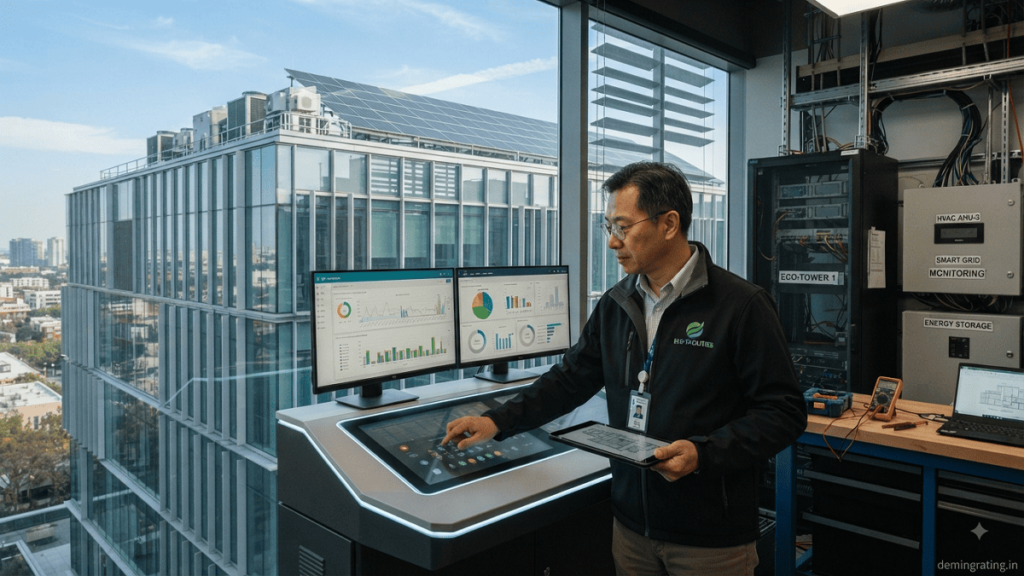
White Paper on Enhanced Energy Performance
Executive Summary
Enhanced energy performance is the systematic improvement of energy efficiency, energy use, and overall energy consumption so that buildings and facilities can deliver required services with less energy. It extends beyond basic compliance with energy codes by combining efficient building design, high-performance equipment, intelligent controls, renewable energy, effective operations, maintenance, and continuous measurement.
For organizations, enhanced energy performance can reduce operating costs, improve equipment reliability, lower energy-related emissions, and strengthen long-term sustainability. A structured energy-management approach is particularly valuable because it transforms energy efficiency from a one-time project into a process of continual improvement.
The ISO 50001:2018 Energy Management System provides an internationally recognized framework for establishing, implementing, maintaining, and improving energy performance through a systematic approach. (ISO)
1. Introduction
Buildings and industrial facilities consume energy for heating, cooling, ventilation, lighting, water heating, manufacturing processes, computing, refrigeration, transportation, and other essential activities. Inefficient equipment, poor operating practices, inadequate controls, and energy losses can increase consumption without providing additional value.
Enhanced energy performance addresses these issues by asking a fundamental question: How can the same or better level of service be achieved using less energy?
This approach is applicable to new construction, existing buildings, industrial facilities, commercial properties, institutions, and infrastructure projects.
2. Beyond Minimum Energy-Code Compliance
Minimum energy codes establish baseline performance requirements. Enhanced energy performance aims to go further by setting measurable performance targets and adopting strategies that reduce energy demand beyond those minimum requirements.
Possible measures include:
- High-performance insulation and glazing
- Efficient HVAC systems
- LED and daylight-responsive lighting
- High-efficiency motors and pumps
- Variable-speed drives
- Smart building controls
- Energy-efficient appliances
- Advanced metering and sub-metering
- Renewable-energy systems
- Battery energy storage
- Energy-management information systems
- Continuous commissioning and optimization
The objective is not simply to install efficient technologies but to optimize how all building and equipment systems work together.
3. High-Performance Building Design
Building-envelope performance has a major influence on energy demand. Insulation, windows, roofs, walls, air sealing, shading, and building orientation can reduce unwanted heat gain and heat loss.
Reducing the heating and cooling load can subsequently reduce the required capacity and operating time of HVAC systems.
Energy modelling can be used during design to evaluate different combinations of envelope materials, HVAC systems, lighting, controls, and renewable-energy options before construction. This integrated approach can help identify the most cost-effective combination of measures.
4. Efficient Equipment and Systems
High-efficiency equipment is a major component of enhanced energy performance. Efficient chillers, heat pumps, boilers, fans, pumps, compressors, motors, lighting systems, and appliances can reduce energy consumption during operation.
However, equipment efficiency must be considered together with sizing and operating conditions. Oversized equipment can operate inefficiently, while equipment operating continuously at full capacity may consume more energy than necessary.
Variable-speed drives and automated controls can allow equipment output to respond to actual demand, improving system efficiency.
5. Smart Controls and Energy Management
Building automation systems and energy-management systems can coordinate HVAC, lighting, ventilation, equipment, and other energy-consuming systems.
An Energy Management Information System can collect and analyze energy data, support fault detection, verify savings, and help facility managers identify opportunities for improvement. The U.S. Department of Energy identifies EMIS as an important tool for using energy data to support operational decisions and performance improvement. (The Department of Energy’s Energy.gov)
Smart controls can also respond to occupancy, temperature, schedules, electricity prices, and renewable-energy availability.
6. Energy Monitoring and Performance Indicators
Measurement is fundamental to enhanced energy performance. Organizations should establish an energy baseline and use appropriate Energy Performance Indicators (EnPIs) to evaluate improvement.
For example, a facility may monitor:
- Energy consumption per square metre
- Electricity consumption per unit of production
- Peak electrical demand
- HVAC energy consumption
- Energy consumption by department
- Renewable-energy generation
- Energy cost per unit of output
ISO 50001 specifically incorporates energy baselines and energy-performance indicators into its approach to monitoring and continual improvement.
7. Renewable Energy Integration
Once energy demand has been reduced through efficiency measures, renewable energy can further improve overall performance. Solar photovoltaic systems are particularly applicable to buildings with suitable roof areas or available land.
Energy storage can complement renewable generation by storing electricity when production is high and making it available when demand increases or renewable output decreases.
The combination of energy efficiency, renewable generation, storage, and smart controls can improve energy resilience and reduce dependence on conventional electricity supplies.
8. Operations and Preventive Maintenance
Energy performance does not end when a building or equipment system is commissioned. Operational practices and maintenance determine whether designed efficiency is maintained throughout the asset’s life.
Preventive maintenance can include:
- Cleaning filters and heat-transfer surfaces
- Inspecting motors and pumps
- Checking HVAC systems
- Correcting compressed-air leaks
- Calibrating sensors
- Inspecting electrical connections
- Maintaining controls
- Reviewing operating schedules
Effective maintenance can prevent performance deterioration and identify problems before they become expensive failures.
9. Energy Management Systems
An Energy Management System provides the organizational structure needed to maintain continuous improvement. ISO 50001 follows a management-system approach that can be integrated with other organizational systems and is based on continual improvement.
The U.S. Department of Energy reports that organizations participating in structured energy-management programmes have achieved recurring energy and cost savings, demonstrating the value of combining technical improvements with management practices.
10. Economic and Environmental Benefits
Enhanced energy performance can provide several economic benefits, including lower utility costs, reduced operating expenses, improved equipment productivity, and potentially lower maintenance costs.
Environmental benefits include reduced energy demand and associated greenhouse-gas emissions. Energy efficiency can also reduce pressure on energy infrastructure and improve resource utilization.
DOE’s Superior Energy Performance 50001 programme provides examples of facilities achieving measurable energy-performance improvements through ISO 50001-based management systems and verified performance improvements.
11. Implementation Framework
Organizations can establish an enhanced energy-performance programme through a structured process:
- Establish leadership commitment and energy objectives.
- Conduct an energy assessment or audit.
- Identify significant energy uses.
- Establish energy baselines and performance indicators.
- Set measurable improvement targets.
- Prioritize cost-effective efficiency measures.
- Upgrade equipment and controls where justified.
- Integrate renewable energy and storage where appropriate.
- Implement preventive maintenance and operational controls.
- Monitor and verify energy performance.
- Review results periodically.
- Identify and implement further improvements.
This approach creates a continuous cycle of measure, analyze, implement, verify, and improve.
12. Challenges and Considerations
Organizations may encounter challenges such as high initial investment, limited technical expertise, aging infrastructure, inadequate energy data, operational disruptions, and difficulty demonstrating actual savings.
These challenges can be addressed through lifecycle-cost analysis, phased implementation, energy audits, staff training, reliable metering, commissioning, and performance verification.
It is also important to evaluate energy-saving measures based on the specific characteristics of the building or facility. A strategy that works well in an office building may not be appropriate for a manufacturing plant or hospital.
Conclusion
Enhanced energy performance represents a comprehensive approach to improving how buildings, equipment, and facilities use energy. It goes beyond minimum compliance by integrating high-performance design, efficient equipment, smart controls, renewable energy, energy monitoring, preventive maintenance, and structured energy management.
The most successful programmes treat energy performance as a continuous organizational objective rather than a single capital project. Measurement provides the evidence needed to identify opportunities, while energy-management systems establish the processes required to maintain improvements.
For organizations seeking long-term results, the combination of technical efficiency and disciplined energy management can provide lower operating costs, improved reliability, reduced environmental impact, and stronger overall building performance.
#EnergyEfficiency
Industry Application of Enhanced Energy Performance
Enhanced energy performance has become an important priority across industries seeking to reduce operating costs, improve productivity, strengthen equipment reliability, and meet sustainability objectives. It involves more than replacing inefficient equipment. Effective implementation combines energy-efficient technologies, process optimization, automation, energy monitoring, preventive maintenance, and renewable energy to improve the amount of useful output obtained from every unit of energy consumed.
1. Manufacturing Industry
Manufacturing facilities often have significant energy demand from motors, pumps, compressors, furnaces, boilers, HVAC systems, conveyors, and production machinery. Enhanced energy performance can be achieved by installing high-efficiency motors, optimizing motor loading, using variable-speed drives, and eliminating unnecessary equipment operation.
Compressed-air systems are another important opportunity. Fixing leaks, reducing excessive pressure, and optimizing compressor sequencing can reduce energy waste while maintaining required production performance.
The U.S. Department of Energy’s Better Plants Program provides industrial organizations with resources and strategies for improving energy performance.
2. Commercial Buildings
Offices, shopping centers, hotels, educational facilities, and institutional buildings can improve energy performance through efficient HVAC systems, LED lighting, smart controls, efficient appliances, and high-performance building envelopes.
Building automation systems can coordinate HVAC, lighting, ventilation, and other systems according to occupancy, temperature, operating schedules, and demand.
Energy meters and submeters can further identify which areas or systems are consuming the most energy, allowing facility managers to prioritize improvement projects.
3. Food and Beverage Industry
Food-processing facilities typically use energy for refrigeration, cooling, heating, compressed air, pumps, motors, and process equipment.
High-efficiency refrigeration compressors, variable-speed drives, improved insulation, efficient boilers, and optimized temperature controls can reduce energy consumption. Preventive maintenance is also important because dirty heat-transfer surfaces, damaged seals, and poorly maintained refrigeration equipment can increase energy use.
4. Healthcare Facilities
Hospitals and healthcare facilities operate continuously and require reliable HVAC, ventilation, lighting, hot-water, refrigeration, and medical equipment.
Energy improvements must therefore be implemented without compromising patient safety or critical environmental conditions. Efficient chillers, heat pumps, motors, pumps, LED lighting, occupancy-based controls, and optimized ventilation can improve energy performance.
Energy monitoring can help identify inefficient systems while maintaining the operational requirements of critical areas.
5. Data Centers
Data centers require continuous electricity for servers, cooling systems, power distribution, networking equipment, and backup infrastructure.
Enhanced energy performance can involve efficient servers, optimized airflow, efficient cooling equipment, variable-speed fans, temperature management, and intelligent controls.
Operators can monitor metrics such as energy consumption and Power Usage Effectiveness (PUE) to evaluate facility performance. Continuous monitoring helps identify unnecessary cooling loads and equipment inefficiencies.
6. Warehousing and Logistics
Warehouses can improve energy performance through LED lighting, occupancy sensors, daylight controls, efficient HVAC systems, automated controls, and energy-efficient material-handling equipment.
Lighting controls are particularly useful because warehouse occupancy can vary significantly throughout the day. Automated systems can reduce lighting levels in unoccupied areas while maintaining required safety conditions.
Electric forklifts and charging systems can also be managed to improve energy utilization and reduce peak demand where appropriate.
7. Process Industries
Industries such as chemicals, steel, cement, paper, textiles, and pharmaceuticals often have energy-intensive processes. Enhanced energy performance may involve process optimization, waste-heat recovery, efficient motors, high-performance boilers, improved insulation, variable-speed drives, and automated process controls.
Waste-heat recovery can be particularly valuable where substantial thermal energy is discharged from furnaces, kilns, boilers, compressors, or other processes.
8. Renewable Energy and Energy Management
Industrial facilities can further improve energy performance by integrating renewable energy, particularly solar photovoltaic systems, where site conditions are suitable.
An Energy Management System can monitor consumption, establish energy baselines, identify significant energy uses, and track improvement. The International Organization for Standardization provides ISO 50001 as a framework for establishing and continually improving energy performance.
9. Preventive Maintenance and Monitoring
Technology alone cannot guarantee sustained energy performance. Equipment must be maintained and operated correctly.
Industrial organizations should regularly inspect motors, pumps, compressors, HVAC systems, electrical connections, filters, controls, and other energy-consuming equipment. Smart meters and monitoring platforms can help identify abnormal energy consumption and equipment deterioration.
Benefits to Industry
Enhanced energy performance can provide:
- Reduced electricity and fuel costs
- Improved production efficiency
- Lower equipment operating costs
- Reduced maintenance requirements
- Improved equipment reliability
- Lower greenhouse-gas emissions
- Better energy-use visibility
- Improved sustainability performance
- Greater resilience to energy-price fluctuations
Conclusion
The application of enhanced energy performance varies by industry, but the fundamental principle remains the same: deliver the required output with the minimum practical energy input.
Manufacturing facilities can optimize motors and processes, commercial buildings can improve HVAC and controls, hospitals can optimize energy-intensive systems without affecting critical operations, and data centers can improve cooling and IT efficiency.
The most successful industrial programmes combine efficient equipment, process optimization, automation, energy monitoring, preventive maintenance, and renewable energy. By treating energy performance as a continuous management process, industries can achieve measurable reductions in energy consumption while maintaining productivity, reliability, safety, and long-term competitiveness.
#EnhancedEnergyPerformance
Ask FAQs
What is enhanced energy performance?
Enhanced energy performance means improving a building or facility’s ability to deliver required services while using less energy. It involves efficient equipment, high-performance building envelopes, smart controls, optimized operations, renewable energy, and continuous energy monitoring.
How can buildings improve energy performance beyond minimum code requirements?
Buildings can exceed minimum requirements by using high-efficiency HVAC systems, advanced insulation and glazing, LED lighting, smart building controls, efficient appliances, renewable energy, energy storage, and continuous commissioning. Energy modelling can also help identify opportunities during the design stage.
What role do energy management systems play in improving energy performance?
Energy management systems collect and analyze energy-use data to identify inefficiencies, establish performance baselines, monitor energy-saving measures, and support continuous improvement. They can also coordinate HVAC, lighting, equipment, and renewable-energy systems.
Can enhanced energy performance reduce operating costs?
Yes. Lower electricity and fuel consumption can reduce utility expenses, while efficient equipment and optimized operation may also reduce maintenance costs and equipment wear. Lifecycle-cost analysis can help determine the financial benefits of proposed improvements.
What are the environmental benefits of enhanced energy performance?
Improved energy performance reduces unnecessary energy consumption and can lower greenhouse-gas emissions associated with energy generation. It can also reduce resource consumption, support renewable-energy integration, and contribute to broader sustainability and green-building objectives.
Table of Contents
Disclaimer: This content is for general informational purposes only and should not be considered professional engineering, energy, or technical advice. Consult a qualified professional before implementing energy-performance measures.