
Firefighting
What Is Firefighting?
Firefighting is the organized process of preventing, controlling, and extinguishing fires to protect people, property, infrastructure, and the environment. It involves trained professionals, specialized equipment, fire protection systems, and carefully planned emergency procedures. Firefighters respond to different types of emergencies, including residential fires, commercial building fires, industrial incidents, vehicle fires, and other situations involving hazardous materials.
The primary objective of firefighting is to save lives. When a fire occurs, firefighters assess the situation, evacuate or rescue people at risk, control the fire, and prevent it from spreading to nearby areas. They also work to protect valuable property and reduce damage to buildings and infrastructure.
Firefighting involves several important stages. Fire prevention is the first line of defense and includes identifying potential fire hazards, maintaining electrical and mechanical systems, following safety regulations, and educating people about fire safety. Fire detection and alarm systems provide early warnings, allowing occupants to evacuate and emergency responders to arrive quickly. Once firefighters reach the scene, they determine the nature and extent of the fire before selecting the appropriate strategy and equipment.
Different fires require different extinguishing methods. For example, water is commonly used for fires involving ordinary combustible materials such as wood and paper, while specialized extinguishing agents may be required for flammable liquids or electrical equipment. Firefighters may use equipment such as fire hoses, extinguishers, breathing apparatus, protective clothing, ladders, thermal imaging cameras, and rescue tools.
Modern firefighting also depends heavily on technology. Fire detection systems, automatic sprinklers, communication equipment, drones, thermal imaging devices, and advanced protective gear help firefighters work more safely and efficiently. Professional firefighters receive extensive training in fire behavior, rescue operations, first aid, hazardous materials, equipment handling, and emergency response.
Firefighting is not limited to extinguishing flames. Firefighters may also respond to road accidents, chemical spills, building collapses, rescue emergencies, and other incidents where specialized emergency skills are required. Their work often involves coordination with police, medical teams, building authorities, and other emergency services.
Effective firefighting requires both emergency response and prevention. Organizations such as the National Fire Protection Association (NFPA) and government fire-safety authorities provide standards, guidance, and educational resources designed to reduce fire risks and improve emergency preparedness.
In conclusion, firefighting is a critical public safety service that combines prevention, detection, rescue, fire suppression, and emergency management. Proper fire safety planning, reliable fire protection systems, and professionally trained firefighters are essential for reducing the devastating effects of fires and protecting communities.
What Are the Different Types of Firefighting Systems and Equipment?
Firefighting systems and equipment are designed to detect fires, provide early warnings, control flames, and support emergency responders in protecting people and property. The appropriate combination depends on factors such as the type of building, occupancy, fire hazards, and applicable safety regulations. Modern fire protection generally combines detection, suppression, firefighting, and emergency response equipment.
1. Fire Detection and Alarm Systems
Fire detection systems are among the first lines of defense during an emergency. Smoke detectors, heat detectors, flame detectors, and manual call points can identify signs of fire and activate an alarm. Fire alarm control panels receive signals from detection devices and notify occupants so they can evacuate quickly. These systems are particularly important in commercial buildings, industrial facilities, hospitals, hotels, and residential properties.
2. Automatic Sprinkler Systems
Automatic sprinkler systems are designed to control or suppress fires before they spread extensively. Common types include wet-pipe, dry-pipe, pre-action, and deluge systems. Wet-pipe systems contain water in the piping and are widely used in buildings where temperatures remain above freezing. Other systems are selected for environments where freezing temperatures, water sensitivity, or specialized fire hazards are concerns.
The National Fire Protection Association (NFPA) publishes widely used standards covering automatic sprinkler systems and other fire protection measures.
3. Fire Extinguishers
Portable fire extinguishers provide a quick response to small fires during their early stages. Different extinguishing agents are suitable for different fire hazards. Common categories include water, foam, dry chemical, carbon dioxide, and wet chemical extinguishers. Selecting the correct extinguisher is essential because using an inappropriate agent can be ineffective or potentially dangerous.
4. Fire Hydrants and Hose Systems
Fire hydrants provide firefighters with access to a reliable water supply during emergencies. Buildings may also have internal hose reels, standpipes, or fire hose systems that allow trained personnel or emergency responders to deliver water to the affected area. These systems are particularly important in large commercial, industrial, and high-rise buildings.
5. Fire Pumps and Water Storage Systems
Fire pumps help provide the pressure and flow required by water-based fire protection systems. Where the available water supply is insufficient or unreliable, dedicated fire water tanks or reservoirs may be installed. Pump arrangements can include electric and diesel-driven pumps, depending on system requirements and local regulations.
6. Firefighting and Personal Protective Equipment
Firefighters use specialized equipment to operate safely in hazardous environments. This can include fire-resistant clothing, helmets, gloves, boots, self-contained breathing apparatus (SCBA), thermal imaging cameras, communication equipment, ladders, rescue tools, and breathing-air equipment.
7. Specialized Fire Suppression Systems
Certain environments require specialized suppression systems. Clean-agent systems may be used to protect sensitive electronic equipment, while foam systems can be designed for particular flammable-liquid hazards. Commercial kitchens may use dedicated wet-chemical suppression systems to address cooking-oil fires.
Overall, effective fire protection requires more than a single piece of equipment. Detection, alarm, suppression, water supply, emergency response, and regular inspection and maintenance must work together as part of a comprehensive fire safety strategy. Building owners should follow applicable local regulations and recognized standards, including guidance from organizations such as NFPA and the International Code Council (ICC).
How Can Organizations Prepare Employees for Effective Fire Emergency Response?
Preparing employees for an effective fire emergency response is an essential part of workplace safety. A well-designed fire emergency plan can help employees understand what to do, where to go, and how to respond calmly when a fire occurs. Organizations should combine employee education, practical training, emergency planning, and regular drills to create a strong culture of fire safety.
Develop a Clear Fire Emergency Plan
The first step is to create a comprehensive fire emergency plan based on the organization’s workplace layout, operations, and potential fire hazards. The plan should clearly identify emergency exits, evacuation routes, assembly points, fire alarm procedures, and responsibilities during an emergency. Employees should know how to report a fire and whom to contact for assistance.
The Occupational Safety and Health Administration (OSHA) recommends that emergency action plans provide employees with clear procedures for reporting emergencies, evacuation, and other critical response activities.
Provide Regular Fire Safety Training
Employees should receive fire safety training when they join an organization and periodically afterward. Training should explain how to recognize common fire hazards, activate fire alarms, contact emergency services, follow evacuation procedures, and use designated escape routes. Employees should also understand that personal safety and evacuation take priority over attempting to protect property.
Where appropriate and permitted by the organization’s emergency procedures, selected employees can receive additional training in the safe use of portable fire extinguishers. Extinguisher training should emphasize that employees should only attempt to fight a small fire when they have been properly trained, have a suitable escape route, and conditions allow them to do so safely.
Conduct Fire Drills
Regular fire drills help employees turn theoretical knowledge into practical action. During drills, organizations can evaluate evacuation times, identify blocked exits, test alarm systems, and determine whether employees understand their responsibilities. After each drill, management should review the results and correct any weaknesses.
Drills should be conducted realistically while avoiding unnecessary risks. Employees should be encouraged to treat alarms seriously and proceed to designated assembly areas rather than returning to collect personal belongings.
Assign Emergency Responsibilities
Organizations should designate employees with specific emergency responsibilities, such as evacuation coordinators, floor wardens, first-aid personnel, or individuals responsible for assisting people who may require additional support. Roles should be clearly communicated and regularly reviewed.
Maintain Emergency Equipment and Signage
Fire alarms, emergency lighting, extinguishers, exit signs, emergency doors, and other safety equipment should be inspected and maintained according to applicable requirements. Evacuation routes must remain unobstructed and clearly marked.
Organizations should also review their plans whenever there are significant changes to staffing, building layout, equipment, or work processes. Resources from OSHA and the National Fire Protection Association (NFPA) can help organizations develop stronger workplace fire safety programs.
Ultimately, effective preparation depends on clear procedures, regular training, practical drills, accessible equipment, and strong employee awareness. When employees know exactly how to respond, organizations can reduce confusion, improve evacuation, and protect lives during a fire emergency.
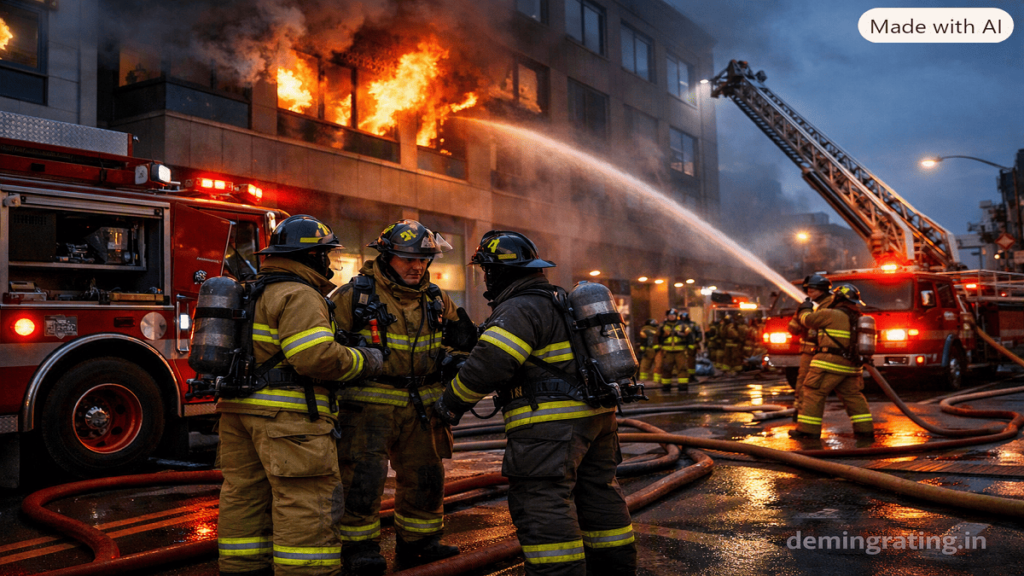
What Role Do Fire Detection, Alarms, and Suppression Systems Play in Firefighting?
Fire detection, alarm, and suppression systems play a vital role in modern fire protection by helping identify fires quickly, alert occupants, and control or suppress flames before they cause extensive damage. These systems work together as part of a comprehensive fire safety strategy and can significantly improve the chances of safe evacuation while reducing risks to buildings, equipment, and emergency responders.
Fire Detection Systems
Fire detection systems provide an early warning that a fire may be developing. Depending on the environment, detection devices can identify smoke, heat, flames, or other indicators associated with a fire. Common devices include smoke detectors, heat detectors, flame detectors, and specialized detection technologies used in industrial environments.
Early detection is particularly important because a fire can grow rapidly. Identifying an incident at an early stage gives occupants more time to evacuate and allows emergency responders to begin intervention sooner. Detection systems can also be integrated with building management and safety systems to initiate predefined emergency actions.
Fire Alarm Systems
Once a fire or potential fire is detected, the alarm system communicates the warning to people inside the building. Fire alarm systems can include audible alarms, visual notification devices, manual call points, alarm control panels, and other notification equipment.
The primary purpose of an alarm is to ensure that occupants receive a timely warning and can begin following the emergency evacuation procedure. In larger buildings, alarm systems can also provide information about the location or nature of the emergency, helping emergency personnel respond more effectively.
According to the National Fire Protection Association (NFPA), fire alarm and signaling systems are an important component of building fire protection and life safety.
Fire Suppression Systems
Suppression systems are designed to control, contain, or extinguish a fire using an appropriate extinguishing agent. Automatic sprinkler systems are among the most widely used suppression technologies. Other systems may use water mist, foam, clean agents, or specialized chemical agents depending on the type of hazard.
For example, specialized suppression systems may be installed in industrial facilities, data centers, commercial kitchens, and areas containing flammable materials. The system must be appropriately designed for the specific fire hazard and building conditions.
How These Systems Work Together
Detection, alarms, and suppression systems are most effective when they operate as an integrated fire protection strategy. Detection identifies the potential fire, alarms warn occupants and initiate emergency procedures, and suppression systems work to control or extinguish the fire. This combination can limit fire growth and provide valuable time for evacuation and emergency response.
Regular inspection, testing, maintenance, and professional system design are essential to ensure these systems remain reliable. Organizations should follow applicable local regulations and recognized standards, including resources from NFPA and the Occupational Safety and Health Administration (OSHA).
What Are the Best Practices for Preventing Fires and Minimizing Fire-Related Risks?
Fire prevention is an essential part of protecting people, property, equipment, and business operations. While not every fire can be predicted, organizations and individuals can significantly reduce fire-related risks by identifying hazards, maintaining safety systems, educating people, and establishing effective emergency procedures. A proactive approach to fire safety focuses on preventing ignition, limiting the spread of fire, and ensuring people can respond quickly if an incident occurs.
Identify and Control Fire Hazards
The first step in fire prevention is identifying potential sources of ignition and combustible materials. Common hazards include overloaded electrical circuits, damaged wiring, flammable liquids, combustible waste, open flames, hot surfaces, and improperly stored chemicals. Regular workplace inspections can help identify these hazards before they lead to an incident.
Flammable and combustible materials should be stored appropriately and kept away from ignition sources. Good housekeeping is equally important because accumulated waste, dust, packaging, or other combustible materials can contribute to fire growth.
Maintain Electrical and Mechanical Equipment
Electrical faults are a common cause of fires. Organizations should regularly inspect electrical installations, cables, sockets, machinery, and other equipment. Damaged or overheating equipment should be removed from service and repaired by qualified personnel.
Equipment should also be operated according to manufacturer instructions. Preventive maintenance can reduce overheating, mechanical failures, and other conditions that may create an ignition source.
Install and Maintain Fire Protection Systems
Buildings should have appropriate fire detection, alarm, and suppression systems based on their occupancy and fire hazards. Depending on the facility, these may include smoke detectors, heat detectors, fire alarms, automatic sprinklers, fire extinguishers, hydrants, emergency lighting, and other protection systems.
These systems must be inspected, tested, and maintained regularly. The National Fire Protection Association (NFPA) provides widely recognized standards and guidance for fire protection and life safety.
Train Employees and Conduct Fire Drills
Employees should understand how to identify fire hazards, report emergencies, activate alarms, and evacuate safely. Organizations should provide regular fire safety training and conduct evacuation drills to ensure employees are familiar with emergency procedures.
Employees should also know the locations of emergency exits and designated assembly points. Firefighting equipment should only be used by people who have received appropriate training and when doing so is safe.
Keep Emergency Routes Clear
Emergency exits, stairways, corridors, fire doors, and evacuation routes must remain accessible and unobstructed. Exit signs and emergency lighting should be maintained so occupants can find their way to safety even when visibility or normal lighting is affected.
Establish and Review an Emergency Plan
A written emergency plan should define evacuation procedures, responsibilities, communication methods, emergency contacts, and procedures for assisting individuals who may need additional support. The plan should be reviewed whenever there are significant changes to the building, workforce, equipment, or operations.
Organizations can also consult the Occupational Safety and Health Administration (OSHA) for guidance on emergency action plans and workplace evacuation procedures.
Ultimately, effective fire prevention depends on hazard identification, proper maintenance, employee awareness, reliable fire protection systems, good housekeeping, and regular emergency training. Combining these measures creates multiple layers of protection and can significantly reduce the likelihood and impact of fire-related incidents.
Case Study of Firefighting: The Grenfell Tower Fire
The Grenfell Tower fire in London on 14 June 2017 is one of the most significant modern case studies in fire safety and emergency response. The incident demonstrated the importance of effective fire prevention, building design, emergency planning, fire detection, evacuation procedures, and coordination between emergency services.
Grenfell Tower was a high-rise residential building in North Kensington, London. A fire began in a fourth-floor apartment during the early hours of the morning and subsequently spread rapidly up the exterior of the building. The incident developed into a major emergency requiring a large-scale response from the London Fire Brigade and other emergency services.
Firefighting and Emergency Response
Firefighters arrived shortly after the fire was reported and immediately began rescue and firefighting operations. Crews entered the building, attempted to locate residents, tackled the fire internally, and worked to evacuate people from the tower. The scale and speed of the fire created extremely challenging conditions for firefighters.
The incident required significant coordination, including the deployment of numerous fire appliances, specialist equipment, command personnel, and other emergency resources. Firefighters also faced difficulties associated with smoke, heat, limited visibility, and the rapidly developing external fire.
The Grenfell Tower Inquiry was established to examine the circumstances surrounding the disaster. Its findings highlighted numerous issues involving the building’s construction, refurbishment, fire safety arrangements, and management.
Key Fire Safety Lessons
One of the most important lessons from the Grenfell Tower fire is that effective firefighting depends on more than the response of emergency crews. Building design, fire-resistant construction, compartmentation, detection systems, evacuation strategies, maintenance, and regulatory compliance all contribute to overall fire safety.
The case also demonstrates the importance of ensuring that residents receive clear and appropriate fire safety information. Emergency plans should reflect the actual characteristics and risks of a building rather than relying solely on generic procedures.
Another important lesson is the need for continuous inspection and risk assessment. Fire safety systems and building materials must be evaluated to ensure they continue to provide the expected level of protection.
Conclusion
The Grenfell Tower fire remains a critical case study for fire safety professionals, building managers, emergency planners, and policymakers. It demonstrates how rapidly a fire can develop and how multiple factors can influence the effectiveness of emergency response.
Organizations can learn from such incidents by conducting comprehensive fire risk assessments, maintaining detection and suppression systems, keeping evacuation routes accessible, training occupants and staff, and ensuring that fire safety responsibilities are clearly defined.
White Paper on Firefighting: Strategies, Technologies, and Best Practices for Fire Safety
Executive Summary
Firefighting is a critical component of public safety, industrial protection, and emergency management. As buildings, infrastructure, and industrial processes become increasingly complex, effective firefighting requires more than conventional fire suppression. Modern fire safety combines prevention, early detection, alarm systems, suppression technologies, emergency response, trained personnel, and continuous risk assessment.
This white paper examines the fundamental principles of firefighting and highlights practical strategies organizations can use to reduce fire-related risks and improve emergency preparedness.
Understanding Firefighting
Firefighting involves preventing, controlling, and extinguishing fires while protecting human life and minimizing damage to property and the environment. Firefighters may respond to residential, commercial, industrial, transportation, and hazardous-material incidents.
Successful firefighting depends on understanding fire behavior, identifying hazards, selecting appropriate extinguishing methods, and maintaining effective communication during emergencies. Because different fires involve different materials and risks, firefighting strategies must be adapted to the specific incident.
Integrated Fire Protection
An effective fire protection strategy begins with prevention. Organizations should conduct regular fire risk assessments to identify potential ignition sources, combustible materials, electrical hazards, chemical risks, and operational weaknesses.
Early detection is another essential layer of protection. Smoke, heat, flame, and other detection technologies can identify developing fires and activate alarm systems. Early warning provides occupants with valuable time to evacuate and allows emergency responders to begin intervention.
Suppression systems provide an additional layer of protection. Automatic sprinklers, water-based systems, foam systems, clean-agent systems, and other specialized technologies can be selected according to the hazards present. Portable fire extinguishers, hydrants, hose systems, and fire pumps also support firefighting operations.
The National Fire Protection Association (NFPA) publishes standards and technical resources covering many areas of fire prevention, detection, suppression, and emergency response.
Emergency Preparedness and Training
Technology alone cannot provide complete protection. Employees, residents, and emergency personnel must understand how to respond when a fire occurs. Organizations should establish emergency action plans, clearly identify evacuation routes and assembly points, provide appropriate training, and conduct regular fire drills.
Firefighters require specialized training in fire behavior, rescue techniques, hazardous materials, breathing apparatus, communication, and the use of firefighting equipment. Organizations can also consult OSHA for workplace emergency planning guidance.
Technology and the Future of Firefighting
Advancements in technology are transforming firefighting. Thermal imaging cameras, improved protective equipment, remote monitoring, drones, advanced communication systems, and intelligent detection technologies can provide firefighters with better information while reducing exposure to dangerous environments.
Data-driven risk assessment and building monitoring can also support preventive measures by identifying potential problems before they develop into emergencies.
Conclusion
Effective firefighting requires a comprehensive and integrated approach. Prevention, early detection, reliable suppression systems, employee training, emergency planning, professional response, and emerging technologies must work together to create multiple layers of protection.
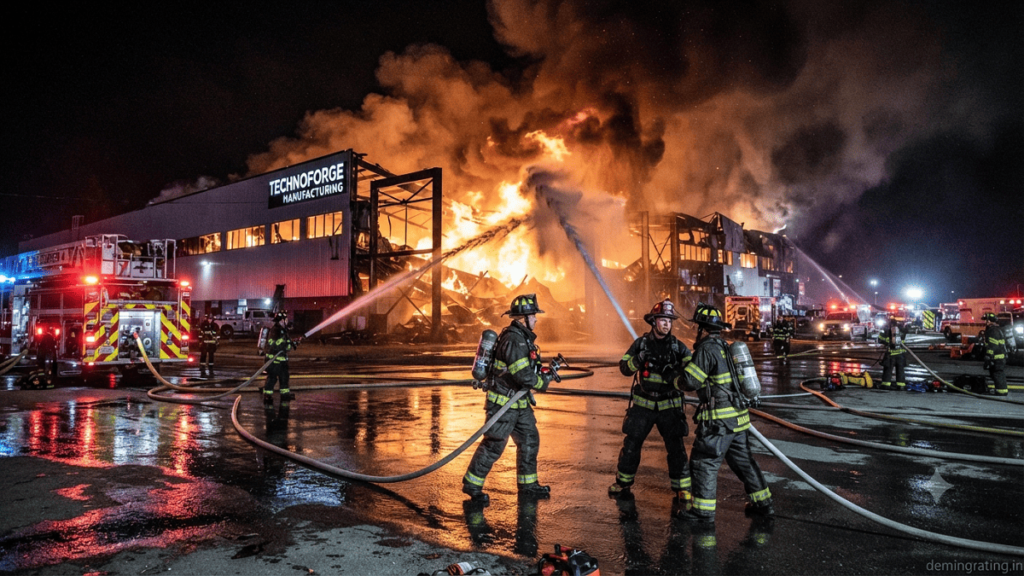
Industry Applications of Firefighting
Firefighting plays a vital role across industries where fire hazards can threaten employees, facilities, equipment, production processes, and business continuity. While the fundamental principles of fire protection remain consistent, each industry requires a customized approach based on its operations, materials, building design, and potential sources of ignition. Effective industrial fire safety combines prevention, detection, suppression, emergency response, and employee training.
Manufacturing and Industrial Facilities
Manufacturing plants may contain machinery, electrical equipment, combustible materials, fuels, chemicals, and high-temperature processes. Fire protection systems can include automatic sprinklers, fire alarms, hydrants, fire pumps, extinguishers, and specialized suppression systems. Regular inspections and preventive maintenance help identify overheating machinery, electrical faults, leaks, and other potential ignition sources.
Oil, Gas, and Petrochemical Industry
The oil and gas sector presents significant fire risks because of flammable liquids, gases, and high-pressure processes. Facilities may use specialized foam fire suppression, water spray systems, gas detection, fire and gas alarm systems, emergency shutdown systems, and fixed firefighting equipment. Emergency response teams also require specialized training for incidents involving hydrocarbons and hazardous materials.
The U.S. Environmental Protection Agency (EPA) provides information and regulatory resources relevant to chemical and industrial emergency management.
Warehousing and Logistics
Warehouses can contain large quantities of packaging, plastics, textiles, chemicals, and other combustible materials. Effective fire protection may include automatic sprinkler systems, smoke detection, fire alarms, emergency lighting, clearly marked exits, and appropriate fire extinguishers. Proper storage practices and maintaining adequate separation between materials can also help reduce fire spread.
Commercial Buildings and Offices
Offices, shopping centers, hotels, and other commercial buildings require systems designed to protect large numbers of occupants. Typical measures include fire detection and alarm systems, emergency lighting, fire doors, sprinklers, extinguishers, evacuation signage, and emergency plans. Employee training and regular evacuation drills are particularly important in buildings with high occupancy.
Healthcare Facilities
Hospitals and healthcare facilities present unique challenges because patients may have limited mobility or require continuous medical support. Fire safety planning must therefore consider evacuation procedures, compartmentation, alarm systems, emergency power, fire-resistant construction, and staff responsibilities. Fire protection systems must be carefully maintained to avoid disrupting essential healthcare operations.
Data Centers and Technology Facilities
Data centers contain sensitive electronic equipment and require carefully selected fire protection systems. Early detection is particularly important because even a small fire can cause substantial operational and financial losses. Depending on the facility’s design and applicable requirements, clean-agent or other specialized suppression technologies may be considered for areas containing critical equipment.
Construction Industry
Construction sites frequently contain temporary electrical systems, combustible materials, hot-work activities, fuel, and partially completed fire protection systems. Fire prevention measures should include hot-work controls, appropriate storage, housekeeping, temporary fire protection, emergency access, and worker training.
Conclusion
Industrial firefighting is not a one-size-fits-all process. Each sector requires a fire protection strategy based on its specific hazards, operations, and regulatory requirements. Organizations should conduct regular fire risk assessments, maintain protection systems, train employees, and establish effective emergency response procedures.
The National Fire Protection Association (NFPA) provides widely recognized standards and resources covering fire prevention, detection, suppression, and life safety across numerous industries. By combining engineering controls, appropriate firefighting equipment, trained personnel, and preventive practices, industries can reduce fire-related risks while protecting people, assets, and business continuity.
Ask FAQs
What is the primary purpose of firefighting?
The primary purpose of firefighting is to protect human life, control or extinguish fires, prevent fire from spreading, and minimize damage to property and the environment. Firefighting also involves rescue operations, emergency response, fire prevention, and risk reduction. Professional firefighters use specialized equipment, training, and established procedures to respond safely and effectively to different types of fire emergencies.
What are the main types of firefighting systems?
Common firefighting and fire protection systems include fire detection and alarm systems, automatic sprinkler systems, fire hydrants, hose reels, fire pumps, portable fire extinguishers, and specialized suppression systems. The appropriate system depends on the building’s size, occupancy, fire hazards, materials present, and applicable regulations. Organizations should have their fire protection systems properly designed, installed, inspected, and maintained.
Why are fire detection and alarm systems important?
Fire detection and alarm systems provide early warning when a fire or signs of fire are detected. Smoke detectors, heat detectors, flame detectors, manual call points, and alarm notification devices can help alert occupants and emergency personnel. Early warning provides valuable time for evacuation and emergency response. Regular testing and maintenance are essential to ensure alarm systems remain operational when needed.
How can businesses prevent workplace fires?
Businesses can reduce workplace fire risks by conducting regular fire risk assessments, maintaining electrical and mechanical equipment, controlling ignition sources, storing flammable materials safely, keeping emergency exits clear, and maintaining appropriate fire protection systems. Employees should also receive regular fire safety training and participate in evacuation drills. Organizations can refer to OSHA’s emergency action plan guidance and resources from the National Fire Protection Association (NFPA) for additional fire safety information.
What should employees do when a fire occurs?
When a fire occurs, employees should remain calm, activate the fire alarm if it has not already been activated, notify emergency services according to workplace procedures, and evacuate using the designated emergency routes. Elevators should generally not be used during a fire unless specifically authorized by emergency personnel. Employees should proceed to the designated assembly point and should not re-enter the building until authorities confirm that it is safe. Only trained personnel should consider using a fire extinguisher, and only when the fire is small, the correct extinguisher is available, and a safe escape route remains accessible.
Table of Contents
Here’s a short, professional disclaimer suitable for a firefighting blog:
Disclaimer: The information provided is for general educational purposes only and should not be considered professional fire safety, engineering, or emergency-response advice. Always follow applicable local regulations, safety standards, and guidance from qualified fire safety professionals and emergency authorities.