
Energy Metering: A Complete Guide to Measuring and Managing Energy Consumption
Energy metering is the process of measuring, recording, and monitoring the amount of energy consumed by a building, facility, industrial plant, or individual electrical equipment. It is an essential component of modern energy management because it provides reliable data that organizations can use to understand consumption patterns, control costs, improve efficiency, and identify opportunities for energy savings.
What Is Energy Metering?
Energy metering involves the use of meters and monitoring systems to measure electricity or other forms of energy. In electrical applications, meters can measure parameters such as energy consumption in kilowatt-hours (kWh), voltage, current, power, power factor, and demand.
Traditional meters generally provide cumulative consumption information, while advanced and smart meters can record energy use at regular intervals and communicate this information remotely. According to the U.S. Department of Energy, advanced metering infrastructure can provide energy data at hourly or shorter intervals, enabling users to analyze consumption and improve facility performance.
Types of Energy Metering
Energy metering systems can range from basic utility meters to sophisticated digital monitoring platforms. Common approaches include:
- Main or building-level metering: Measures the total energy consumed by a facility.
- Submetering: Measures consumption in specific areas, departments, floors, or equipment.
- Interval metering: Records energy consumption at defined intervals, such as 15 minutes or one hour.
- Smart metering: Uses digital meters and communication technologies to transmit consumption information automatically.
- Power-quality metering: Monitors parameters such as voltage fluctuations, harmonics, frequency, and power factor.
Submetering is particularly useful for large commercial and industrial facilities because it allows energy managers to determine which systems or processes are responsible for significant consumption.
Why Is Energy Metering Important?
Accurate metering transforms energy management from estimation into data-driven decision-making. By analyzing consumption data, organizations can identify unusual energy use, establish performance benchmarks, evaluate energy-saving measures, and verify whether efficiency projects are producing the expected results.
The U.S. Department of Energy recommends using metered data to identify energy and cost-saving opportunities and to support building-level, distribution-level, and end-use energy management.
Energy metering can also support better maintenance. An unexpected increase in electricity consumption may indicate equipment malfunction, inefficient operation, or changes in operating conditions. When metering data is integrated with an Energy Management Information System (EMIS), organizations can centralize and analyze data, monitor performance, detect faults, and verify energy savings.
Role of Smart Energy Metering
Smart meters take energy monitoring further by enabling automated data collection and, in many systems, two-way communication. This can provide utilities and customers with more timely information about electricity consumption while supporting demand management and improved grid operations.
Smart metering is increasingly important as electricity systems become more digital and incorporate renewable generation, electric vehicles, energy storage, and flexible loads. The International Energy Agency highlights digitalization and smart-meter data as important tools for improving energy efficiency and enabling greater flexibility within energy systems.
Conclusion
Energy metering provides the foundation for effective energy management. Whether implemented through a basic electricity meter, a submetering network, or an advanced smart-metering platform, accurate measurement helps organizations understand where energy is being consumed and where improvements can be made. When metering data is combined with analytics and energy management systems, businesses can reduce unnecessary consumption, control operating costs, improve equipment performance, and make better-informed sustainability decisions.
Relevant resources: U.S. Department of Energy – Metering in Federal Buildings · U.S. Department of Energy – Metering Best Practices · International Energy Agency – Energy Efficiency and Digitalisation
#EnergySavings
What Is Energy Metering and Why Is It Important for Energy Management?
Energy metering is the process of measuring, recording, and monitoring the amount of energy consumed by a building, facility, industrial plant, commercial establishment, or individual piece of equipment. It provides accurate information about how, when, and where energy is being used. This information forms the foundation of effective energy management because organizations cannot identify inefficiencies or measure improvements reliably without accurate consumption data.
What Is Energy Metering?
In electrical systems, energy meters typically measure electricity consumption in kilowatt-hours (kWh). Depending on the application, modern metering systems can also monitor voltage, current, power, maximum demand, power factor, and other electrical parameters.
Energy metering can be implemented at different levels. A main meter can measure the total energy consumed by an entire facility, while submeters can monitor specific areas, production lines, HVAC systems, lighting systems, or individual equipment. Advanced smart meters can record consumption at regular intervals and transmit data automatically to monitoring or energy management platforms.
The U.S. Department of Energy recognizes metering as an important tool for understanding energy use and identifying opportunities for improved efficiency.
Why Is Energy Metering Important for Energy Management?
The primary value of energy metering is that it converts energy consumption into measurable data. Instead of relying on estimated usage or monthly utility bills, energy managers can examine detailed consumption patterns and make informed decisions.
One major benefit is identifying energy inefficiencies. If a particular machine, department, or building consumes more energy than expected, metering data can help identify the problem. For example, an unexpected increase in electricity consumption may indicate inefficient equipment, abnormal operating conditions, or equipment that is operating outside scheduled hours.
Energy metering also supports cost control. By understanding when and where electricity is consumed, businesses can identify high-demand periods, eliminate unnecessary consumption, and optimize operating schedules. In facilities with demand-based electricity tariffs, monitoring peak demand can be particularly valuable.
Another important benefit is measuring the effectiveness of energy-saving projects. Organizations can compare energy consumption before and after installing efficient equipment, improving controls, or modifying operating practices. This helps verify whether an investment is delivering the expected savings.
Role of Smart Metering
Smart energy meters provide more detailed and timely information than traditional meters. When connected to digital monitoring systems, they can support automated data collection, trend analysis, alerts, reporting, and remote monitoring.
The International Energy Agency highlights digital technologies and improved energy data as important enablers of energy efficiency and more flexible energy systems.
Conclusion
Energy metering is a fundamental part of modern energy management. It helps organizations understand consumption, identify waste, control energy costs, improve equipment performance, and verify energy-saving initiatives. When accurate metering is combined with analytics and energy management software, businesses can move from simply monitoring energy bills to actively managing energy performance. As organizations pursue greater efficiency and sustainability, reliable energy metering provides the data needed to make practical, measurable, and cost-effective decisions.
#Sustainability
What Types of Energy Meters Can Be Used to Monitor Electricity and Other Energy Sources?
Energy meters are essential tools for measuring consumption, tracking performance, controlling costs, and improving energy efficiency. Different facilities require different types of meters depending on the energy source being monitored, the level of accuracy required, and whether the data needs to be collected manually or automatically. Modern energy management systems commonly combine several types of meters to provide a complete picture of energy use.
1. Electricity Meters
Electricity meters are the most common type of energy meter and measure electrical energy consumption, typically in kilowatt-hours (kWh). Traditional electromechanical meters have largely been replaced by digital meters because digital technology can provide greater functionality and more detailed measurements.
Digital electricity meters can measure not only energy consumption but also parameters such as voltage, current, power, power factor, frequency, and maximum demand. These meters are widely used in residential buildings, commercial facilities, manufacturing plants, and infrastructure projects.
2. Smart Meters
Smart meters are advanced digital electricity meters capable of recording consumption at regular intervals and communicating data remotely. Depending on the system, communication may occur through cellular networks, radio, Wi-Fi, Ethernet, or other communication technologies.
Smart meters enable organizations and utilities to obtain more timely consumption information without relying entirely on manual meter readings. They can also support demand management, automated billing, consumption analysis, and integration with energy management platforms.
The International Energy Agency identifies digitalization and improved energy data as important tools for enhancing energy efficiency.
3. Submeters
Submeters are installed downstream of the main utility meter to measure energy consumption in specific areas or systems. For example, a manufacturing facility may use separate submeters for production equipment, HVAC systems, lighting, offices, and other major loads.
Submetering is particularly valuable because it shows where energy is actually being consumed. This allows energy managers to compare departments, identify abnormal consumption, and target efficiency improvements more accurately.
4. Power and Power-Quality Meters
Power meters provide detailed information about electrical performance, including real-time power, voltage, current, frequency, and power factor. More advanced power-quality meters can detect issues such as voltage disturbances, harmonics, and other electrical abnormalities.
These meters are especially useful in industrial environments where poor power quality can affect equipment reliability and operating costs.
5. Thermal Energy Meters
Thermal energy meters measure heat energy transferred through heating or cooling systems. They are commonly used in district heating, chilled-water systems, commercial buildings, and industrial processes.
These meters typically determine thermal energy consumption by measuring flow and the temperature difference between supply and return lines.
6. Gas and Fuel Meters
Energy monitoring can also include natural gas, LPG, steam, diesel, and other fuels. Gas meters measure the volume of gas consumed, while fuel meters can measure the quantity of liquid fuel supplied to boilers, generators, vehicles, or industrial equipment.
Converting these measurements into common energy units allows organizations to compare different energy sources and calculate overall energy performance.
7. Renewable Energy Meters
Solar photovoltaic systems and other renewable-energy installations may use specialized meters to measure electricity generation, energy exported to the grid, and energy consumed on-site. Generation metering helps operators evaluate system performance and verify the amount of renewable energy produced.
Conclusion
There is no single energy meter suitable for every application. Electricity meters provide basic consumption information, while smart meters offer automated data collection, submeters provide detailed end-use information, power-quality meters assess electrical performance, and thermal, gas, fuel, and renewable-energy meters monitor other energy sources. When these meters are integrated into a centralized energy management system, organizations can obtain a comprehensive view of energy consumption, identify inefficiencies, verify savings, and make better operational decisions.
#IndustrialEnergy
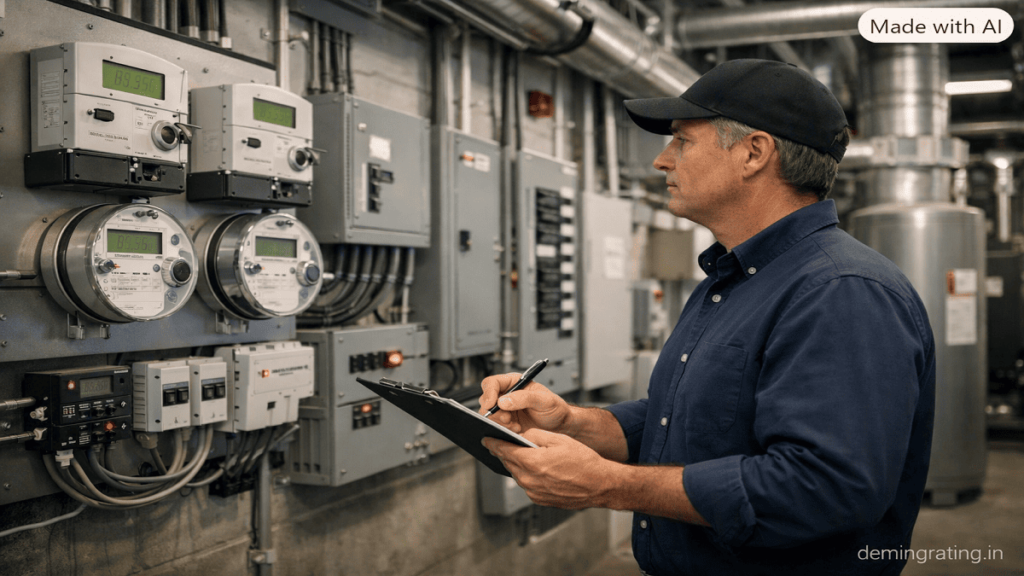
How Does Sub-Metering Help Identify Energy Consumption by Different Systems or Areas?
Sub-metering is an energy monitoring approach in which additional meters are installed downstream of a building’s main utility meter to measure energy consumption for specific systems, departments, floors, tenants, or pieces of equipment. While a main meter shows the total energy consumed by a facility, sub-meters provide a more detailed view of where that energy is being used. This makes sub-metering an important tool for effective energy management, especially in large commercial and industrial facilities.
How Does Sub-Metering Work?
A main electricity meter may show that a facility consumed a certain amount of electricity during a month, but this information alone does not explain which systems were responsible for that consumption. Sub-meters address this limitation by measuring individual loads or areas separately.
For example, a commercial building could have separate sub-meters for HVAC systems, lighting, elevators, data centers, production equipment, and tenant spaces. In an industrial facility, meters could be installed for individual production lines, compressors, pumps, motors, boilers, and other energy-intensive processes.
ENERGY STAR recommends system-level metering for large or complex buildings because building-level data may not be sufficient to determine which systems are consuming resources.
Identifying High-Consumption Areas
One of the primary benefits of sub-metering is the ability to identify which systems or areas consume the most energy. By comparing meter readings, energy managers can determine where the largest energy loads exist and prioritize efficiency improvements accordingly.
For instance, if HVAC equipment accounts for a significant portion of a building’s electricity use, management may investigate temperature settings, operating schedules, controls, maintenance, or equipment efficiency. Similarly, unusually high consumption from a production line may indicate inefficient machinery or operating practices.
The U.S. Environmental Protection Agency notes that the primary objective of building sub-metering is to identify systems or areas with high resource use.
Detecting Abnormal Energy Consumption
Sub-metering is also useful for identifying unusual consumption patterns. If an area normally consumes a predictable amount of electricity but suddenly shows a significant increase, the data can alert facility managers to investigate.
Potential causes may include equipment faults, inefficient operation, extended operating hours, malfunctioning controls, or unnecessary energy use when a space is unoccupied.
Measuring Energy-Saving Improvements
Sub-meters make it easier to evaluate whether energy-efficiency projects are delivering measurable results. Consumption can be compared before and after an improvement, such as replacing inefficient motors, upgrading lighting, improving HVAC controls, or modifying operating schedules.
ENERGY STAR emphasizes measuring and tracking energy use to establish baselines, set improvement goals, and determine whether corrective actions are effective.
Supporting Better Energy Management
Sub-metering also improves accountability. In multi-tenant buildings, separate meters can show the energy consumption associated with individual tenant spaces or common areas. This can support more accurate reporting, benchmarking, and cost allocation. ENERGY STAR’s Portfolio Manager, for example, allows energy data to be associated with different metered areas such as tenant spaces, common areas, heating, cooling, and plug loads.
Conclusion
Sub-metering provides the detailed energy data needed to move beyond simply knowing how much energy a facility consumes. By measuring individual systems and areas, it helps organizations identify major energy users, detect abnormal consumption, compare performance, allocate costs, and verify energy-saving measures. When sub-metering data is collected at regular intervals and integrated with energy management software, facility managers can make faster and more informed decisions about energy efficiency.
#EnergyMonitoring
How Can Automated Energy Metering and Monitoring Systems Improve Energy Efficiency?
Automated energy metering and monitoring systems help organizations improve energy efficiency by continuously collecting, analyzing, and reporting information about energy consumption. Unlike traditional meters that mainly provide periodic or cumulative readings, automated systems can collect interval data and transmit it to centralized software for real-time or near-real-time analysis. This gives facility managers greater visibility into how energy is being consumed and helps them identify opportunities to reduce waste and operating costs.
1. Provides Continuous Visibility Into Energy Use
Automated metering systems collect energy data at regular intervals, such as every 15 minutes, 30 minutes, or hour. This allows organizations to understand consumption patterns throughout the day, week, and year.
The U.S. Department of Energy explains that interval meter analytics can provide much more detailed information than monthly utility bills, helping users understand changes in energy demand over time.
2. Identifies Energy Waste and Abnormal Consumption
Automated monitoring can highlight unusual energy consumption without requiring staff to manually inspect meter readings. For example, a building may continue consuming significant electricity after business hours because HVAC equipment, lighting, or other systems have been left operating.
Advanced energy management information systems can compare actual consumption with expected performance and identify anomalies. This allows facility teams to investigate problems before they result in prolonged energy waste.
3. Supports Automated Fault Detection
Modern monitoring platforms can incorporate automated fault detection and diagnostics. These systems continuously analyze equipment and energy data to identify potential performance problems.
For example, an HVAC system consuming more electricity than expected may indicate incorrect controls, equipment degradation, or inefficient operating conditions. Detecting these issues early can reduce energy waste while also supporting preventive maintenance.
4. Helps Optimize Equipment Operation
Automated monitoring becomes even more valuable when connected with building automation and control systems. Energy data can be used to optimize HVAC, lighting, pumps, fans, and other systems according to occupancy, operating schedules, weather conditions, or demand.
The DOE notes that advanced energy management systems can provide supervisory control that automatically adjusts building systems for improved energy performance.
5. Measures and Verifies Energy Savings
Automated systems also make it easier to determine whether energy-efficiency projects are actually delivering expected results. Consumption data collected before and after an upgrade can be compared to establish performance improvements.
This measurement and verification capability is useful after projects such as lighting upgrades, HVAC improvements, motor replacements, or control-system modifications.
6. Enables Data-Driven Energy Management
Perhaps the greatest advantage is that automated metering changes energy management from periodic review to continuous improvement. Dashboards, alerts, benchmarking, and analytics help energy managers prioritize the areas with the greatest savings potential.
However, automation alone does not guarantee efficiency. The DOE emphasizes that energy management systems require effective operational processes and staff who can turn monitoring data into corrective action.
Conclusion
Automated energy metering and monitoring systems improve energy efficiency by providing continuous visibility, detecting abnormal consumption, identifying equipment faults, optimizing operations, and verifying energy-saving measures. When integrated with an energy management information system and supported by an active operations team, automated metering can help organizations reduce energy waste, control costs, improve equipment performance, and achieve long-term energy management goals.
#SubMetering
What Are the Benefits of Accurate Energy Metering for Cost Control, Performance Tracking, and Sustainability?
Accurate energy metering is a fundamental part of effective energy management. It provides reliable information about how much energy a facility consumes, when that energy is used, and which systems or areas are responsible for consumption. Without accurate data, organizations may struggle to identify energy waste, control utility costs, evaluate efficiency projects, or demonstrate progress toward sustainability targets. The U.S. Department of Energy identifies metered data as an important resource for identifying energy and cost-saving opportunities and supporting informed energy-management investments.
1. Better Cost Control
Accurate metering helps organizations understand the relationship between energy consumption and operating costs. Instead of relying only on monthly utility bills, managers can use detailed meter data to analyze consumption by time, location, system, or equipment.
This can reveal unnecessary consumption, high-demand periods, and inefficient operating schedules. For example, if a facility continues using significant electricity outside normal operating hours, managers can investigate HVAC, lighting, production equipment, or other loads that may be operating unnecessarily.
Advanced metering can also support utility-bill validation and more detailed energy-cost analysis. The DOE notes that energy management information systems can process utility data, track consumption and costs, and analyze interval meter data to identify opportunities for performance improvement.
2. Improved Performance Tracking
Accurate metering provides measurable indicators for tracking energy performance over time. Organizations can establish an energy baseline and compare current consumption against historical performance, operational conditions, or established targets.
Submetering can provide even greater detail by measuring individual systems such as HVAC, lighting, production equipment, or specific building areas. This allows managers to determine which systems are performing efficiently and which require attention.
Energy performance indicators can also help organizations detect changes in consumption and respond to deviations. The DOE identifies benchmarking, interval-data analysis, key performance indicators, and measurement and verification as important capabilities of energy management information systems.
3. Verification of Energy-Saving Projects
Accurate metering is particularly important when organizations invest in energy-efficiency improvements. Metered data can be used to compare energy consumption before and after an upgrade and determine whether expected savings have actually been achieved.
For example, after installing efficient lighting, upgrading HVAC equipment, or improving automated controls, energy managers can compare measured performance against the established baseline. This measurement and verification process reduces uncertainty and helps demonstrate the financial value of efficiency investments.
4. Supporting Sustainability Goals
Energy consumption is closely connected with an organization’s environmental performance. Accurate metering helps organizations measure reductions in energy use, track efficiency targets, and evaluate the impact of renewable-energy installations and other sustainability initiatives.
Reliable data also makes sustainability reporting more credible because reported improvements can be supported by actual consumption records rather than estimates. The DOE notes that energy management information systems can support sustainability, renewable-energy deployment, and long-term energy-performance improvements.
Conclusion
Accurate energy metering gives organizations the information needed to control costs, track performance, verify savings, and support sustainability objectives. When metering is combined with automated monitoring, analytics, benchmarking, and effective energy-management processes, it becomes more than a measurement tool—it becomes a foundation for continuous improvement. By turning energy consumption into reliable, actionable data, organizations can make better investment decisions, reduce waste, improve operational efficiency, and demonstrate measurable progress toward their energy and sustainability goals.
#SmartMetering
Case Study of Energy Metering: How Sub-Metering Delivered Measurable Energy Savings
Energy metering becomes particularly valuable when it moves beyond simply recording total electricity consumption and provides detailed information about individual systems, equipment, and operating conditions. A practical example is the AstraZeneca research and manufacturing campus in Gaithersburg, Maryland, where continuous monitoring and virtual sub-metering were implemented to identify energy-saving opportunities across a large, complex facility.
Background
AstraZeneca operates a 1.24-million-square-foot campus consisting of nine buildings containing offices, laboratories, and manufacturing areas. Because HVAC systems represented a significant energy-consuming system across the campus, the organization recognized that better monitoring and analysis could help identify inefficiencies.
The company implemented a continuous energy-monitoring approach using virtual sub-metering, building-management-system data, dashboards, and advanced analytics. The system used information from more than 8,000 sensors and over 250 control points to provide detailed information about equipment and system performance.
How the Energy Metering System Worked
The system collected operational information at approximately five- to ten-minute intervals and transferred the data to cloud-based servers for analysis. The monitoring platform created virtual sub-meters that provided equipment-level information without requiring a physical meter for every individual load.
Facility operators could view energy performance through dashboards and receive alerts when equipment operated outside expected conditions. This helped the team identify problems quickly rather than waiting for monthly utility bills or manual inspections.
One important application was identifying equipment that continued operating during periods when it was not scheduled to run. Such issues can create significant energy waste in large facilities because equipment may operate unnecessarily for thousands of hours over a year.
Energy Savings Achieved
The monitoring program identified several low-cost opportunities, including improvements to the start-up schedules of air-handling units. The optimal-start controls project alone produced annual savings of approximately 732,465 kWh of electricity and 22,028 therms of natural gas, equivalent to approximately $96,435 in annual cost savings.
The broader monitoring initiative was expected to generate more than 6.9 million kWh of annual electricity savings and 170,000 therms of natural-gas savings, representing approximately $851,000 in annual savings. The projected environmental benefit was approximately 6,133 tons of avoided carbon emissions per year.
Key Lessons from the Case Study
The AstraZeneca example demonstrates that energy metering is most effective when collected data is actively analyzed and connected to operational decision-making. Simply installing meters does not automatically reduce consumption. The real value comes from using the information to identify abnormal conditions, optimize controls, verify improvements, and respond quickly.
Another useful example comes from Saint-Gobain’s Soddy-Daisy facility, where wireless sub-metering was used to monitor individual equipment loads. The facility identified four energy-saving projects through energy visualization and monitoring, with those projects offering approximately 15% annual electricity savings.
Conclusion
These case studies show how energy metering can transform energy management from a reactive process into a data-driven strategy. Detailed metering and monitoring help organizations identify hidden energy waste, optimize equipment operation, reduce costs, and verify the results of efficiency projects. For large commercial and industrial facilities, integrating sub-metering with dashboards, automation, and analytics can provide a strong foundation for continuous energy-performance improvement.
#EnergyEfficiency
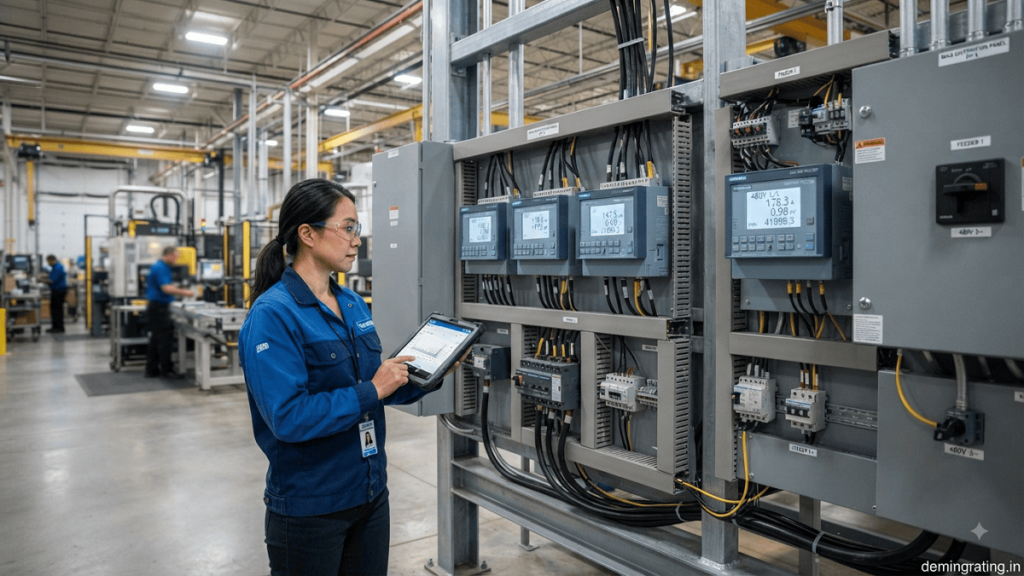
White Paper on Energy Metering: Building the Foundation for Smarter Energy Management
Executive Summary
Energy metering is a critical component of modern energy management. It involves measuring, recording, and analyzing energy consumption across buildings, industrial facilities, commercial operations, and individual systems. While traditional utility meters provide information about overall consumption, modern metering solutions can deliver detailed data at building, distribution, equipment, and end-use levels.
The U.S. Department of Energy (DOE) identifies metering as an important tool for using measured data to identify energy and cost-saving opportunities and improve energy-management decisions. Its metering guidance covers electricity, natural gas, steam, water, advanced meters, communications, and data applications.
The Role of Energy Metering
Effective energy management begins with understanding where and when energy is consumed. A facility-level meter can establish total consumption, while sub-metering can divide consumption among HVAC systems, lighting, production equipment, offices, data centers, or individual tenants.
This level of visibility allows organizations to establish energy baselines, compare performance, identify abnormal consumption, and prioritize efficiency projects. Metering can therefore transform energy management from a largely reactive process into a data-driven and continuous improvement program.
The U.S. Department of Energy’s Metering Best Practices Guide discusses building-level, distribution-level, and end-use metering, along with metering technologies, communications, and applications for energy and cost savings.
Key Technologies
Modern energy-metering systems can include digital electricity meters, smart meters, power-quality meters, thermal-energy meters, gas meters, and submeters. These devices may communicate through wired or wireless networks and transfer information to centralized energy management platforms.
When connected to an Energy Management Information System (EMIS), metering devices can become part of a larger platform that monitors, analyzes, and potentially controls energy use. DOE describes an EMIS as a combination of devices, data services, and software applications that monitor, analyze, and control metered energy use and system performance. (The Department of Energy’s Energy.gov)
Benefits for Organizations
Accurate energy metering provides several important benefits:
Cost control: Detailed consumption data can reveal unnecessary energy use, excessive demand, inefficient operating schedules, and equipment that operates outside required hours.
Performance tracking: Metering allows organizations to compare current consumption with historical data, baselines, benchmarks, or defined energy-performance indicators.
Fault detection: Unusual consumption patterns can indicate equipment problems, control failures, or operational inefficiencies that require investigation.
Measurement and verification: Metering provides evidence for evaluating whether energy-efficiency projects have achieved their expected results. ISO 50015 provides general principles and guidance for measuring and verifying energy performance. (ISO)
Sustainability: Reliable energy data supports energy-reduction targets, carbon-management programs, renewable-energy assessments, and sustainability reporting.
Energy Metering and ISO 50001
Energy metering also supports the structured approach promoted by ISO 50001:2018, the international standard for energy management systems. ISO 50001 provides a framework for organizations to improve energy performance through systematic planning, measurement, monitoring, review, and continual improvement. (ISO)
The standard emphasizes using data to understand energy use, measure results, establish objectives, and continually improve energy performance. Consequently, a reliable metering infrastructure can serve as an important foundation for organizations implementing an ISO 50001-based energy management system.
Implementation Considerations
A successful energy-metering program should begin with clear objectives. Organizations should determine which energy sources and systems need to be measured, the required measurement frequency, the accuracy needed, communication requirements, and how the collected data will be analyzed.
Meter placement should be prioritized according to energy significance and potential savings rather than simply installing meters everywhere. Data quality is equally important. Incorrect meter configuration, missing data, poor calibration, or inconsistent units can undermine the value of an otherwise sophisticated monitoring system.
Cybersecurity and data management should also be considered when meters are connected to networks or cloud-based platforms. DOE’s updated federal metering guidance specifically addresses metering implementation, cybersecurity, data management, and analysis.
Conclusion
Energy metering is more than a method of recording utility consumption. It is a strategic information system that enables organizations to understand energy performance, control costs, detect inefficiencies, verify savings, and support sustainability objectives.
The greatest value comes when accurate meters are combined with sub-metering, automated data collection, analytics, dashboards, and an established energy-management process. Organizations that treat energy data as a management resource can make better operational and investment decisions while building a measurable pathway toward improved energy performance.
#EnergyManagement
Industry Application of Energy Metering
Energy metering has become an essential part of modern industrial energy management. In manufacturing plants, commercial facilities, data centers, utilities, and process industries, metering provides detailed information about how energy is consumed and where efficiency improvements can be achieved. Rather than treating energy as a fixed operating expense, organizations can use metered data to monitor performance, identify waste, control costs, and support sustainability objectives.
Energy Metering in Manufacturing
Manufacturing facilities are among the most important applications of industrial energy metering because production equipment can consume substantial amounts of electricity, natural gas, steam, compressed air, and other energy sources. Submeters can be installed on production lines, motors, compressors, pumps, furnaces, HVAC systems, and other significant energy users.
The U.S. Department of Energy notes that equipment- and process-level metering can provide more detailed analysis and reveal deviations from expected energy performance at an early stage.
For example, manufacturers can compare the energy consumed by individual production lines against production output. This allows them to calculate energy-performance indicators such as energy consumed per unit produced. If energy consumption increases without a corresponding increase in production, engineers can investigate equipment condition, operating procedures, or process inefficiencies.
Commercial Buildings
In offices, shopping centers, hotels, hospitals, and other commercial buildings, energy metering is commonly applied to HVAC systems, lighting, elevators, kitchens, data rooms, and tenant areas.
Submetering allows facility managers to determine which systems consume the most energy and whether equipment is operating outside scheduled hours. Automated monitoring can also help identify unusual consumption and provide early warnings of equipment or control problems.
The DOE recommends building-level, distribution-level, and end-use metering as ways to use measured data to identify energy and cost-saving opportunities.
Data Centers
Data centers require continuous energy monitoring because electricity consumption is closely connected with both IT equipment and cooling infrastructure. Metering can be used to monitor servers, cooling systems, power distribution equipment, and other infrastructure.
A key performance metric is Power Usage Effectiveness (PUE), which helps organizations assess the relationship between total data-center energy consumption and the energy used by IT equipment. ISO identifies PUE as a leading data-center energy-efficiency metric and recommends consistent measurement to support systematic performance improvement.
Process and Energy-Intensive Industries
Industries such as chemicals, steel, cement, food processing, pharmaceuticals, and paper manufacturing can use metering to monitor electricity as well as thermal energy, steam, natural gas, and other fuels. Detailed measurement enables organizations to develop energy balances and identify processes with the greatest improvement potential.
The DOE states that accurate metering is a critical element of benchmarking and measurement and verification, while continuous monitoring can help organizations evaluate energy-saving investments and identify additional opportunities.
Supporting ISO 50001 Energy Management
Energy metering also supports organizations implementing ISO 50001 energy management systems. The standard provides a structured framework for improving energy performance through measurement, monitoring, analysis, and continual improvement.
Reliable metering data can establish energy baselines, track Energy Performance Indicators, verify efficiency improvements, and support management decisions.
Conclusion
The industrial application of energy metering extends far beyond measuring electricity bills. By providing detailed information at building, system, equipment, and process levels, metering enables organizations to identify inefficient operations, optimize equipment, reduce energy costs, improve maintenance, and verify energy-saving projects. When integrated with automated monitoring and energy management software, it becomes a powerful tool for continuous performance improvement.
#EnergyMetering
Ask FAQs
What is energy metering?
Energy metering is the process of measuring and recording energy consumption. It helps organizations understand how much energy is being used, when it is being used, and which systems or equipment are responsible for consumption.
Why is energy metering important for industries?
Energy metering helps industries identify energy-intensive processes, detect waste, control utility costs, improve equipment performance, and measure the results of energy-efficiency initiatives.
What is sub-metering?
Sub-metering involves installing additional meters to measure energy consumption in specific areas, systems, departments, production lines, or equipment. It provides more detailed information than a single main utility meter.
How does smart energy metering improve efficiency?
Smart meters can automatically collect and transmit energy data at regular intervals. When connected to monitoring software, they can help identify abnormal consumption, track performance, generate alerts, and support faster corrective actions.
Can energy metering support sustainability goals?
Yes. Accurate energy metering helps organizations measure energy-reduction initiatives, track efficiency targets, evaluate renewable-energy performance, and provide reliable data for sustainability and energy-management programs.
Table of Contents
Disclaimer: The information provided is for general informational purposes only and should not be considered professional, technical, or legal advice. Always consult a qualified energy professional before making energy-management or metering decisions.