
Structural Audits: Ensuring the Safety, Stability, and Longevity of Buildings
A structural audit is a systematic assessment of a building’s structural integrity, safety, and overall condition. It is conducted by qualified structural engineers to identify defects, deterioration, or weaknesses that may compromise the stability of a structure. Structural audits are essential for residential, commercial, industrial, and institutional buildings, particularly those that have aged, undergone modifications, or been exposed to environmental stressors such as earthquakes, floods, or corrosion. The primary objective is to ensure that a building remains safe for occupants while extending its service life through timely maintenance and repairs.
During a structural audit, engineers inspect critical components such as foundations, columns, beams, slabs, walls, roofs, and load-bearing elements. Advanced techniques like non-destructive testing (NDT), crack analysis, reinforcement detection, and material strength evaluation may be used to identify hidden structural issues without causing damage. The findings are documented in a detailed report, highlighting defects, risk levels, and recommendations for repairs, retrofitting, or preventive maintenance.
Regular structural audits help property owners comply with local building regulations, reduce the risk of structural failures, and avoid costly emergency repairs. They are particularly important for older buildings, structures located in seismic zones, and properties with visible signs of distress such as cracks, water seepage, or foundation settlement. By addressing potential issues early, building owners can enhance occupant safety, preserve property value, and ensure long-term durability.
For more information about structural assessments and building safety, refer to these authoritative resources:
- American Society of Civil Engineers (ASCE): https://www.asce.org/
- International Code Council (ICC): https://www.iccsafe.org/
- National Institute of Standards and Technology (NIST) – Building and Fire Research: https://www.nist.gov/el/building-and-fire-research-laboratory
- World Federation of Engineering Organizations (WFEO): https://www.wfeo.org/
What Is a Structural Audit and Why Is It Important?
A structural audit is a comprehensive evaluation of a building’s structural health, stability, and overall safety. Conducted by qualified structural engineers, the audit assesses the condition of key load-bearing components such as foundations, columns, beams, slabs, walls, and roofs. The primary objective is to identify structural defects, deterioration, material degradation, or potential risks that could compromise the building’s integrity. Structural audits are commonly performed on residential, commercial, industrial, and institutional buildings, especially those that are aging, have undergone renovations, or have been exposed to natural disasters or environmental factors.
The importance of a structural audit lies in its ability to detect problems before they become serious safety hazards. Over time, buildings are subjected to wear and tear caused by weather conditions, moisture infiltration, corrosion of reinforcement, seismic activity, excessive loading, and poor maintenance. A structural audit helps identify issues such as cracks, settlement, water damage, concrete deterioration, and steel corrosion, allowing timely repairs and preventive maintenance. This proactive approach not only ensures the safety of occupants but also minimizes the risk of structural failures and expensive emergency repairs.
In many regions, structural audits are required by local authorities for older buildings to ensure compliance with building safety regulations. They also play a crucial role in extending a building’s lifespan, maintaining property value, and supporting informed decisions regarding renovation, retrofitting, or redevelopment. Modern structural audits often incorporate advanced diagnostic techniques such as non-destructive testing (NDT), rebound hammer testing, ultrasonic pulse velocity testing, and reinforcement scanning to evaluate structural components without causing damage.
For building owners, property managers, housing societies, and developers, investing in regular structural audits is a responsible and cost-effective strategy. Early identification of structural concerns allows maintenance work to be planned efficiently, reducing long-term repair costs while safeguarding occupants and assets. Whether for regulatory compliance or preventive maintenance, a structural audit is an essential practice that ensures buildings remain safe, durable, and functional throughout their intended service life.
Authoritative Resources
- American Society of Civil Engineers (ASCE): https://www.asce.org/
- International Code Council (ICC): https://www.iccsafe.org/
- National Institute of Standards and Technology (NIST) – Building Research: https://www.nist.gov/
- World Federation of Engineering Organizations (WFEO): https://www.wfeo.org/
What Are the Key Components Inspected During a Structural Audit?
A structural audit involves a detailed examination of a building’s critical structural elements to evaluate its safety, stability, and long-term performance. The inspection is carried out by experienced structural engineers who assess the condition of load-bearing components, identify signs of deterioration, and recommend necessary repairs or strengthening measures. By thoroughly evaluating each structural element, a structural audit helps detect hidden defects before they develop into serious safety concerns.
One of the primary areas inspected is the foundation, which supports the entire structure. Engineers look for signs of settlement, uneven movement, soil erosion, and foundation cracks that could affect the building’s stability. Columns and beams are also carefully examined for cracks, deformation, corrosion of reinforcement, and structural damage, as these components transfer loads throughout the building.
The audit also includes a detailed assessment of slabs and floors to identify excessive deflection, surface cracks, water damage, or signs of overloading. Load-bearing and non-load-bearing walls are inspected for vertical, horizontal, or diagonal cracks, moisture penetration, and structural displacement. In addition, roof structures are evaluated for leakage, deterioration, waterproofing failures, and damage caused by weather exposure.
Structural engineers also inspect staircases, balconies, parapet walls, and cantilever projections, as these areas are often exposed to environmental stress and may develop cracks or reinforcement corrosion over time. The condition of steel reinforcement within reinforced concrete members is assessed using specialized equipment to detect corrosion, inadequate concrete cover, or material degradation.
Modern structural audits frequently utilize Non-Destructive Testing (NDT) methods to evaluate the condition of structural components without causing damage. Common techniques include rebound hammer testing to estimate concrete strength, ultrasonic pulse velocity testing to detect internal cracks or voids, cover meter surveys to locate reinforcement bars, and half-cell potential testing to assess the likelihood of steel corrosion.
The audit also examines water seepage, dampness, drainage systems, expansion joints, and waterproofing, as prolonged moisture exposure is one of the leading causes of structural deterioration. Engineers review previous repair work, maintenance records, and any structural modifications that may have altered the building’s original load path or performance.
After completing the inspection, the engineer prepares a comprehensive report outlining observed defects, the severity of structural issues, recommended repairs, retrofitting requirements, and preventive maintenance measures. This detailed assessment enables property owners, facility managers, and housing societies to prioritize repairs, comply with safety regulations, and extend the building’s service life while ensuring the safety of occupants.
Authoritative Resources
- American Society of Civil Engineers (ASCE): https://www.asce.org/
- International Code Council (ICC): https://www.iccsafe.org/
- National Institute of Standards and Technology (NIST): https://www.nist.gov/
- American Concrete Institute (ACI): https://www.concrete.org/
- International Association for Bridge and Structural Engineering (IABSE): https://www.iabse.org/
How Is a Structural Audit Conducted?
A structural audit is a systematic process carried out by qualified structural engineers to evaluate the safety, stability, and overall condition of a building. The objective is to identify structural deficiencies, assess the extent of deterioration, and recommend appropriate repair or strengthening measures. Whether for residential, commercial, industrial, or institutional buildings, a well-executed structural audit helps ensure compliance with safety standards while extending the structure’s service life.
The audit begins with a preliminary assessment, during which engineers review available building documents, including structural drawings, design calculations, maintenance records, and previous repair reports. They also gather information about the building’s age, construction materials, occupancy, and any history of structural modifications or environmental exposure.
The next step is a detailed visual inspection of the building. Engineers examine key structural components such as foundations, columns, beams, slabs, walls, roofs, staircases, balconies, and other load-bearing elements. During this inspection, they look for visible signs of distress, including cracks, corrosion, concrete spalling, water seepage, deflection, settlement, and deformation. The severity and location of these defects are carefully documented for further analysis.
If visual observations indicate potential structural issues, engineers conduct Non-Destructive Testing (NDT) to evaluate the condition of structural materials without causing damage. Common NDT methods include rebound hammer testing to estimate concrete strength, ultrasonic pulse velocity testing to detect internal cracks or voids, cover meter surveys to locate reinforcement bars, and half-cell potential testing to assess the likelihood of steel reinforcement corrosion. In some cases, limited destructive tests or laboratory analysis of material samples may also be performed when more detailed information is required.
Following the inspection and testing, engineers analyze the collected data to determine the structural health of the building. They evaluate whether the structure meets current safety standards and identify any areas requiring immediate attention. This analysis may include load calculations, structural modeling, and assessment of the building’s capacity to withstand present and future loads.
The final stage is the preparation of a comprehensive structural audit report. This report summarizes inspection findings, test results, identified defects, risk assessments, photographs, and recommended corrective actions. Recommendations may include routine maintenance, crack repairs, waterproofing, corrosion treatment, structural strengthening, retrofitting, or, in severe cases, partial reconstruction. The report also provides guidance on maintenance schedules and future inspections to help preserve the building’s structural integrity.
A professionally conducted structural audit enables property owners, housing societies, facility managers, and developers to make informed maintenance decisions, reduce long-term repair costs, and ensure the continued safety of occupants. Regular structural audits are an essential part of responsible building management, helping structures remain durable, compliant, and resilient throughout their operational lifespan.
Authoritative Resources
- American Society of Civil Engineers (ASCE): https://www.asce.org/
- International Code Council (ICC): https://www.iccsafe.org/
- National Institute of Standards and Technology (NIST): https://www.nist.gov/
- American Concrete Institute (ACI): https://www.concrete.org/
- International Organization for Standardization (ISO): https://www.iso.org/standards.html
What Are the Common Issues Identified Through Structural Audits?
A structural audit is designed to identify defects and weaknesses that may affect a building’s safety, stability, and long-term performance. Over time, structures are exposed to environmental conditions, material aging, excessive loads, poor construction practices, and inadequate maintenance, all of which can contribute to structural deterioration. By detecting these issues early, structural audits enable timely repairs and preventive maintenance, reducing the risk of costly damage and ensuring occupant safety.
One of the most common issues identified during a structural audit is cracking in concrete and masonry. Cracks may appear due to thermal expansion, foundation settlement, shrinkage, overloading, or seismic activity. While some hairline cracks are cosmetic, wider or progressive cracks can indicate significant structural problems that require immediate attention. Engineers assess the type, size, and location of cracks to determine their severity and underlying cause.
Another frequently observed problem is corrosion of steel reinforcement within reinforced concrete structures. Moisture, chloride exposure, and carbonation can cause embedded steel bars to rust, leading to expansion, concrete spalling, and a reduction in structural strength. Structural audits often use Non-Destructive Testing (NDT) methods to evaluate the extent of corrosion and recommend suitable repair techniques.
Concrete deterioration is also a major concern, particularly in older buildings. Factors such as poor-quality construction materials, weather exposure, freeze-thaw cycles, and chemical attacks can weaken concrete over time. Engineers inspect for honeycombing, delamination, surface scaling, and loss of compressive strength, which may compromise the building’s load-bearing capacity.
Structural audits commonly reveal water seepage and moisture-related damage, especially in basements, roofs, balconies, and exterior walls. Persistent water infiltration can damage concrete, accelerate reinforcement corrosion, weaken masonry, and promote mold growth. Identifying the source of moisture and improving waterproofing systems are essential steps in preventing further deterioration.
Foundation-related issues, including settlement, soil movement, and differential foundation displacement, are also carefully evaluated. Uneven settlement may cause walls to crack, floors to become uneven, and doors or windows to misalign. If left unresolved, foundation problems can significantly affect the building’s structural stability.
Additional issues identified during structural audits include excessive deflection of beams or slabs, overloaded structural members, damaged expansion joints, deteriorated roofing systems, poor drainage, unauthorized structural alterations, inadequate maintenance, and signs of earthquake or fire damage. Engineers also assess whether previous repair work was performed correctly and whether the structure complies with current building codes and safety standards.
After identifying these issues, structural engineers prepare a detailed report outlining the severity of each defect and recommending corrective measures such as crack repairs, waterproofing, corrosion treatment, structural strengthening, retrofitting, or preventive maintenance. Addressing these problems promptly not only extends the building’s lifespan but also improves safety, enhances property value, and minimizes the risk of unexpected structural failures. Regular structural audits are therefore an essential investment for maintaining durable, reliable, and code-compliant buildings.
Authoritative Resources
- American Society of Civil Engineers (ASCE): https://www.asce.org/
- International Code Council (ICC): https://www.iccsafe.org/
- National Institute of Standards and Technology (NIST): https://www.nist.gov/
- American Concrete Institute (ACI): https://www.concrete.org/
- International Federation for Structural Concrete (fib): https://fib-international.org/
What Are the Benefits of Regular Structural Audits for Buildings and Infrastructure?
Regular structural audits play a vital role in maintaining the safety, durability, and functionality of buildings and infrastructure. A structural audit is a detailed assessment conducted by qualified structural engineers to evaluate the condition of a structure, identify potential defects, and recommend appropriate maintenance or repair measures. Whether for residential buildings, commercial complexes, industrial facilities, bridges, or public infrastructure, periodic structural audits help ensure that structures remain safe and compliant with modern engineering standards.
One of the primary benefits of regular structural audits is the early detection of structural problems. Over time, buildings are exposed to environmental factors such as moisture, temperature fluctuations, corrosion, seismic activity, and heavy loads. These conditions can lead to cracks, concrete deterioration, reinforcement corrosion, foundation settlement, and other forms of structural damage. Identifying these issues at an early stage allows property owners to carry out timely repairs before minor defects develop into major structural failures.
Structural audits also enhance occupant safety by ensuring that critical structural components, including foundations, columns, beams, slabs, and load-bearing walls, remain capable of supporting the intended loads. This significantly reduces the risk of accidents caused by structural instability or material deterioration. For public infrastructure such as bridges and transportation facilities, regular audits are essential for protecting public safety and ensuring uninterrupted service.
Another significant advantage is cost savings through preventive maintenance. Routine inspections help identify maintenance needs before extensive damage occurs, reducing the likelihood of expensive emergency repairs or complete structural rehabilitation. Planned maintenance programs are generally more cost-effective than reactive repairs and help extend the overall lifespan of the structure.
Regular structural audits also contribute to regulatory compliance. Many local authorities require periodic inspections of aging buildings and infrastructure to ensure adherence to building codes and safety regulations. Compliance not only helps avoid legal issues and penalties but also provides confidence to occupants, investors, insurers, and regulatory agencies that the property is being responsibly maintained.
Structural audits are particularly valuable when planning renovations, expansions, or changes in building usage. Before additional floors, heavy machinery, or new structural elements are introduced, engineers assess whether the existing structure can safely accommodate the increased loads. This minimizes construction risks and ensures that modifications do not compromise structural integrity.
Furthermore, regular structural audits help preserve property value and improve asset management. Well-maintained buildings typically retain higher market value, attract potential buyers or tenants, and require fewer unexpected repair expenses. Detailed audit reports also provide valuable documentation for maintenance planning, insurance assessments, and long-term facility management strategies.
Advancements in engineering technology have further improved the effectiveness of structural audits through the use of Non-Destructive Testing (NDT) methods, drone inspections, laser scanning, and digital structural monitoring systems. These technologies allow engineers to detect hidden defects accurately without causing damage to the structure, enabling more informed maintenance decisions.
In conclusion, regular structural audits are an essential component of responsible building and infrastructure management. They improve safety, reduce maintenance costs, ensure regulatory compliance, extend the service life of structures, and support informed decision-making for repairs and future development. By investing in periodic structural assessments, property owners and infrastructure managers can protect both human lives and valuable assets while ensuring long-term structural reliability.
Authoritative Resources
- American Society of Civil Engineers (ASCE): https://www.asce.org/
- International Code Council (ICC): https://www.iccsafe.org/
- National Institute of Standards and Technology (NIST): https://www.nist.gov/
- American Concrete Institute (ACI): https://www.concrete.org/
- World Federation of Engineering Organizations (WFEO): https://www.wfeo.org/
Case Study of Structural Audits: Restoring the Safety and Longevity of an Aging Commercial Building
Structural audits play a crucial role in identifying hidden defects and ensuring the long-term safety of buildings. The following case study illustrates how a comprehensive structural audit helped prevent major structural failures and significantly extended the service life of an aging commercial building.
A 25-year-old, five-story commercial office building located in a high-traffic urban area began showing signs of deterioration, including cracks in walls, water seepage from the roof, and corrosion stains on reinforced concrete columns. Building management also received complaints about uneven flooring and difficulty operating doors and windows. Concerned about occupant safety and regulatory compliance, the property owner commissioned a structural audit conducted by a team of certified structural engineers.
The audit began with a review of the building’s original structural drawings, maintenance records, and renovation history. Engineers then performed a detailed visual inspection of structural elements, including the foundation, columns, beams, slabs, staircases, balconies, and roof. Several non-destructive testing (NDT) techniques were employed, including rebound hammer testing to estimate concrete strength, ultrasonic pulse velocity testing to detect internal voids, and cover meter surveys to locate reinforcement and assess concrete cover.
The investigation revealed multiple structural issues. Engineers identified moderate reinforcement corrosion in several exterior columns caused by prolonged water infiltration, concrete spalling in balcony slabs, and hairline cracks resulting from thermal expansion and concrete shrinkage. The audit also detected localized roof waterproofing failures, inadequate drainage, and minor foundation settlement that had contributed to uneven floor levels. Fortunately, the building’s primary structural framework remained stable and capable of supporting design loads.
Based on the audit findings, engineers recommended a phased rehabilitation program. Damaged concrete was removed and repaired using polymer-modified repair mortar, corroded reinforcement was cleaned and treated with anti-corrosion coatings, waterproofing systems were replaced, drainage improvements were implemented, and structural cracks were sealed using epoxy injection techniques. Preventive maintenance schedules and periodic inspections were also introduced to monitor future structural performance.
Following the completion of repairs, the building successfully passed a follow-up structural assessment and met all applicable safety requirements. The rehabilitation significantly improved structural durability, eliminated water infiltration problems, restored occupant confidence, and extended the building’s expected service life by many years. Most importantly, the audit enabled the property owner to address developing structural issues before they evolved into major safety hazards or required costly reconstruction.
This case study demonstrates that regular structural audits are not merely regulatory requirements but valuable preventive maintenance tools. By identifying hidden defects early and providing data-driven repair recommendations, structural audits help protect occupants, preserve property value, reduce long-term maintenance costs, and ensure the continued safety and reliability of buildings and infrastructure.
Authoritative Resources
- American Society of Civil Engineers (ASCE): https://www.asce.org/
- International Code Council (ICC): https://www.iccsafe.org/
- National Institute of Standards and Technology (NIST): https://www.nist.gov/
- American Concrete Institute (ACI): https://www.concrete.org/
- International Federation for Structural Concrete (fib): https://fib-international.org/
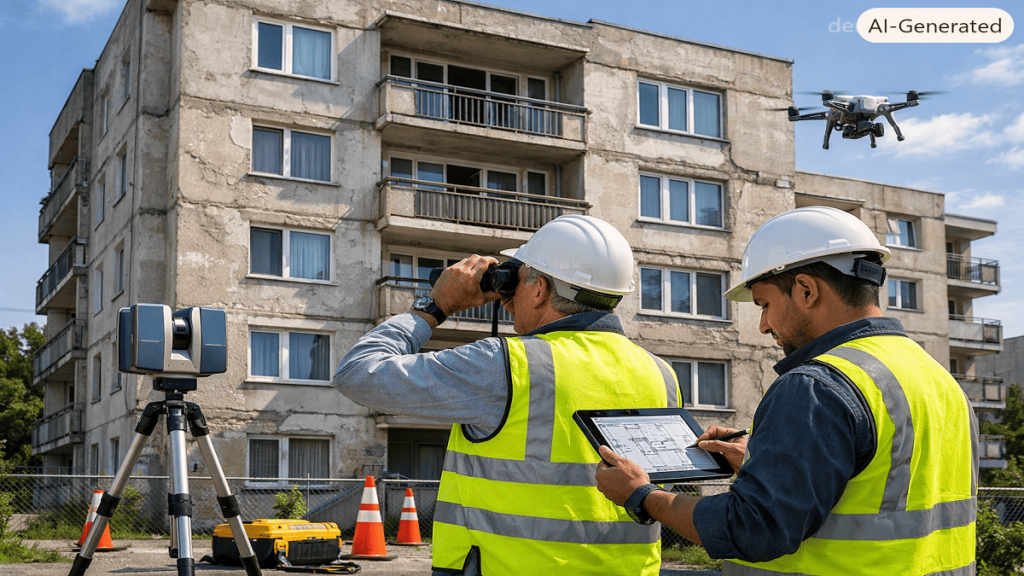
White Paper on Structural Audits: Enhancing Building Safety, Performance, and Asset Longevity
Executive Summary
Structural audits are an essential component of modern building management, providing a comprehensive evaluation of a structure’s safety, stability, and long-term performance. As buildings and infrastructure age, they become increasingly susceptible to deterioration caused by environmental exposure, material degradation, excessive loading, and inadequate maintenance. A structural audit helps identify these issues before they develop into serious safety hazards or costly structural failures.
This white paper explores the purpose, methodology, benefits, challenges, and future trends of structural audits. It also highlights the importance of periodic inspections, advanced diagnostic technologies, and preventive maintenance strategies in extending the lifespan of buildings and infrastructure. Whether for residential complexes, commercial properties, industrial facilities, or public infrastructure, structural audits are a critical investment in ensuring safety, regulatory compliance, and sustainable asset management.
Introduction
Buildings are long-term assets designed to provide safe and functional spaces for occupants over several decades. However, continuous exposure to environmental conditions, natural aging, construction defects, and changing usage patterns can gradually weaken structural components. Without regular inspections, hidden defects may remain undetected until they pose significant safety risks.
A structural audit is a systematic engineering assessment that evaluates the condition of a building’s structural framework. It identifies deterioration, assesses structural capacity, and recommends corrective actions to maintain safety and operational efficiency. Unlike routine visual inspections, structural audits often incorporate advanced testing techniques and engineering analysis to provide an accurate assessment of a structure’s health.
Understanding Structural Audits
A structural audit is a comprehensive examination performed by qualified structural engineers to determine the structural integrity of a building or infrastructure asset. The audit focuses on identifying damage, material degradation, structural weaknesses, and potential safety concerns.
The primary objectives of a structural audit include:
- Evaluating structural safety
- Identifying deterioration and defects
- Assessing remaining service life
- Recommending repair or retrofitting solutions
- Ensuring compliance with building regulations
- Supporting preventive maintenance planning
Structural audits are applicable to residential buildings, commercial properties, industrial plants, bridges, educational institutions, hospitals, warehouses, parking structures, and public infrastructure.
Why Structural Audits Are Necessary
Several factors contribute to the need for structural audits, including:
Aging Infrastructure
Concrete, steel, and masonry naturally deteriorate over time due to weather exposure, carbonation, corrosion, and fatigue.
Environmental Factors
Heavy rainfall, flooding, earthquakes, extreme temperatures, coastal environments, and pollution accelerate structural deterioration.
Increased Loading
Changes in occupancy, additional floors, heavy machinery, or renovations may introduce loads beyond the building’s original design capacity.
Poor Maintenance
Neglected maintenance often leads to moisture infiltration, reinforcement corrosion, and progressive structural damage.
Regulatory Compliance
Many municipalities require periodic structural audits for older buildings to ensure public safety and compliance with updated building codes.
Components Evaluated During a Structural Audit
A comprehensive structural audit examines all critical structural components, including:
- Foundations
- Columns
- Beams
- Slabs
- Load-bearing walls
- Roof structures
- Staircases
- Balconies
- Parapet walls
- Retaining walls
- Expansion joints
- Structural steel members
- Reinforcement condition
- Waterproofing systems
- Drainage systems
Each component is assessed for structural performance, deterioration, serviceability, and compliance with engineering standards.
Structural Audit Methodology
A professional structural audit generally follows a structured process.
1. Document Review
Engineers review:
- Structural drawings
- Design calculations
- Maintenance records
- Previous inspection reports
- Renovation history
2. Visual Inspection
The building is inspected for:
- Cracks
- Concrete spalling
- Corrosion
- Water seepage
- Structural deformation
- Settlement
- Deflection
- Material deterioration
3. Non-Destructive Testing (NDT)
Common testing methods include:
- Rebound Hammer Test
- Ultrasonic Pulse Velocity (UPV) Test
- Cover Meter Survey
- Half-Cell Potential Test
- Ground Penetrating Radar (GPR)
- Carbonation Test
- Core Sampling (when required)
These techniques evaluate structural conditions without causing significant damage.
4. Structural Analysis
Engineers analyze:
- Load-bearing capacity
- Material strength
- Structural stability
- Serviceability
- Code compliance
5. Reporting
The final report includes:
- Inspection findings
- Test results
- Structural condition assessment
- Risk evaluation
- Repair recommendations
- Maintenance schedule
Common Structural Defects Identified
Structural audits frequently identify:
- Concrete cracking
- Reinforcement corrosion
- Concrete spalling
- Foundation settlement
- Water infiltration
- Roof leakage
- Deflected beams
- Slab deterioration
- Masonry damage
- Corrosion of steel structures
- Expansion joint failure
- Poor drainage
- Unauthorized structural alterations
- Fire-related damage
- Earthquake-induced distress
Early identification allows timely intervention before defects become severe.
Benefits of Structural Audits
Regular structural audits provide numerous advantages.
Improved Safety
The most important benefit is protecting occupants by identifying structural hazards before they become dangerous.
Extended Building Life
Timely repairs significantly increase the operational lifespan of buildings.
Reduced Repair Costs
Preventive maintenance is substantially more economical than emergency structural repairs.
Regulatory Compliance
Structural audits help ensure buildings meet local building codes and safety regulations.
Higher Property Value
Well-maintained buildings retain greater market value and attract buyers, tenants, and investors.
Better Asset Management
Audit reports assist property owners in planning maintenance budgets and long-term capital improvements.
Insurance Support
Insurance companies often consider structural condition when evaluating property risk.
Challenges in Conducting Structural Audits
Despite their benefits, structural audits face several challenges.
Limited Documentation
Older buildings often lack complete structural drawings.
Accessibility Constraints
Some structural components may be difficult to inspect without specialized equipment.
Hidden Damage
Internal corrosion and concealed deterioration require advanced diagnostic techniques.
Budget Limitations
Property owners may delay recommended repairs due to financial constraints.
Environmental Conditions
Weather and occupancy restrictions may limit inspection activities.
Emerging Technologies
Technological advancements are transforming structural auditing.
Modern innovations include:
- Building Information Modeling (BIM)
- Digital Twin technology
- Drone-based inspections
- Laser scanning
- Artificial Intelligence (AI)-based crack detection
- Internet of Things (IoT) structural monitoring
- Remote sensors
- Cloud-based inspection management
- Predictive maintenance analytics
These technologies improve inspection accuracy while reducing costs and downtime.
Best Practices for Property Owners
To maximize structural performance, building owners should:
- Schedule periodic structural audits.
- Address defects immediately.
- Maintain accurate maintenance records.
- Repair water leakage promptly.
- Prevent reinforcement corrosion.
- Avoid unauthorized structural modifications.
- Conduct inspections after earthquakes, floods, or fires.
- Implement preventive maintenance programs.
- Hire licensed structural engineers for assessments.
- Follow recommended repair schedules.
These practices help ensure long-term structural reliability.
Future Outlook
Rapid urbanization and aging infrastructure are increasing the importance of structural audits worldwide. Governments are strengthening safety regulations, while advances in engineering technologies enable faster, more accurate, and less intrusive inspections. AI-powered diagnostics, continuous structural health monitoring, and predictive maintenance will play an increasingly important role in identifying risks before they become critical.
As sustainability becomes a greater priority, structural audits will also support the reuse, rehabilitation, and life-cycle management of existing buildings, reducing the environmental impact associated with demolition and new construction.
Conclusion
Structural audits are a cornerstone of responsible building and infrastructure management. They provide a systematic assessment of structural integrity, helping identify defects, evaluate safety, and guide maintenance decisions before problems escalate. Regular audits not only improve occupant safety but also reduce repair costs, extend asset life, support regulatory compliance, and preserve property value.
With the adoption of advanced inspection technologies and proactive maintenance strategies, structural audits are becoming more efficient and reliable than ever before. Property owners, facility managers, engineers, and public authorities should view structural audits as an essential investment in the long-term safety, resilience, and sustainability of the built environment.
References
- American Society of Civil Engineers (ASCE): https://www.asce.org/
- International Code Council (ICC): https://www.iccsafe.org/
- National Institute of Standards and Technology (NIST): https://www.nist.gov/
- American Concrete Institute (ACI): https://www.concrete.org/
- International Federation for Structural Concrete (fib): https://fib-international.org/
- International Organization for Standardization (ISO): https://www.iso.org/
- ASTM International: https://www.astm.org/
- World Federation of Engineering Organizations (WFEO): https://www.wfeo.org/
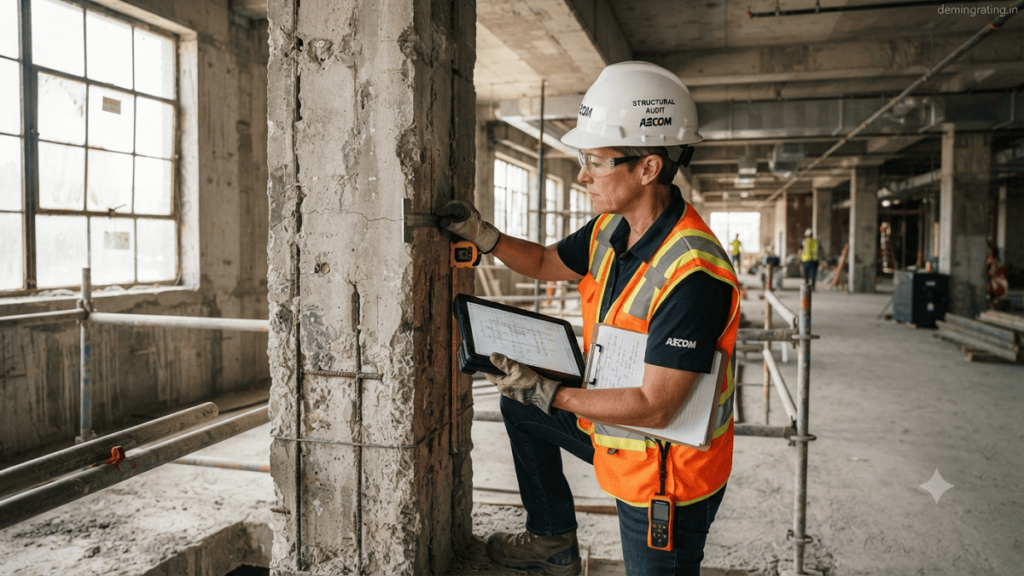
Industry Applications of Structural Audits
Structural audits are widely used across industries to ensure the safety, stability, and long-term performance of buildings and infrastructure. As structures age and operational demands increase, periodic structural assessments become essential for identifying defects, maintaining regulatory compliance, and minimizing the risk of structural failures. Different industries have unique structural requirements, making structural audits an integral part of asset management, preventive maintenance, and risk mitigation strategies. By evaluating the condition of critical structural components, organizations can make informed decisions regarding repairs, retrofitting, renovations, and future development while ensuring the safety of occupants and operational continuity.
Residential Buildings
In the residential sector, structural audits are commonly conducted for apartment complexes, housing societies, villas, and high-rise buildings. Older residential structures are particularly vulnerable to concrete deterioration, reinforcement corrosion, water seepage, and foundation settlement. Structural audits help identify these issues before they pose safety risks to residents. Many local authorities require periodic structural inspections for aging residential buildings to ensure compliance with safety regulations. Audit reports also assist housing societies in planning maintenance budgets, scheduling repairs, and extending the lifespan of residential properties.
Commercial Buildings
Commercial properties such as office buildings, shopping malls, hotels, and business centers experience high occupancy and continuous operational loads. Structural audits evaluate the condition of columns, beams, slabs, façades, parking structures, and roofing systems to ensure they can safely support daily activities. Audits are especially important before building expansions, renovations, or changes in occupancy that may increase structural loading. Regular inspections also reduce liability risks, protect business continuity, and improve investor confidence by demonstrating responsible asset management.
Industrial Facilities
Factories, manufacturing plants, warehouses, and processing facilities often contain heavy machinery, cranes, storage systems, and equipment that impose significant structural loads. Structural audits assess whether industrial buildings can safely withstand operational stresses, vibrations, and environmental conditions. Engineers inspect structural steel, reinforced concrete, foundations, crane girders, and equipment supports for signs of fatigue, corrosion, or deformation. These assessments help prevent production disruptions, improve workplace safety, and reduce maintenance costs through proactive repairs and strengthening measures.
Healthcare Facilities
Hospitals, medical centers, and healthcare institutions require structurally sound buildings to ensure uninterrupted patient care and emergency services. Structural audits verify the integrity of critical facilities that must remain operational during natural disasters such as earthquakes or severe storms. Engineers inspect structural systems, emergency exits, utility support structures, and specialized medical equipment foundations to ensure compliance with healthcare construction standards. Preventive structural maintenance minimizes the risk of service interruptions and enhances patient safety.
Educational Institutions
Schools, colleges, universities, and research facilities accommodate large numbers of students, faculty, and visitors every day. Structural audits help educational institutions maintain safe learning environments by identifying deterioration in classrooms, laboratories, auditoriums, libraries, hostels, and sports facilities. Regular assessments are particularly important for older campus buildings and structures located in earthquake-prone regions. Audit findings support long-term campus maintenance planning and regulatory compliance.
Transportation Infrastructure
Structural audits play a vital role in maintaining bridges, flyovers, tunnels, railway stations, airports, and parking structures. Transportation infrastructure is subjected to constant traffic loads, environmental exposure, and material fatigue, making periodic inspections essential. Engineers assess concrete deterioration, steel corrosion, expansion joints, bearings, deck conditions, and foundation stability using advanced inspection technologies such as drone surveys, laser scanning, and non-destructive testing (NDT). Timely maintenance based on structural audit findings helps prevent service disruptions, improve public safety, and extend infrastructure lifespan.
Energy and Utility Infrastructure
Power plants, substations, wind farms, solar installations, oil and gas facilities, and water treatment plants rely on structurally sound buildings and support systems to maintain continuous operations. Structural audits evaluate equipment foundations, storage tanks, chimneys, cooling towers, pipelines, and support structures for signs of deterioration, corrosion, settlement, or excessive vibration. These inspections help utility providers minimize operational risks, improve equipment reliability, and comply with industry safety regulations.
Heritage and Historic Structures
Historic buildings, monuments, museums, and cultural landmarks require specialized structural audits that preserve their architectural significance while ensuring public safety. Engineers use non-invasive inspection methods to assess masonry, timber, stone, and traditional construction materials without causing damage. Structural audits guide restoration efforts by identifying deterioration, moisture damage, structural movement, and material degradation while preserving the building’s historical integrity.
Hospitality and Recreational Facilities
Hotels, resorts, convention centers, stadiums, theaters, and sports complexes accommodate large numbers of visitors and must meet strict safety standards. Structural audits evaluate seating structures, roofs, balconies, pedestrian walkways, parking facilities, and recreational amenities to ensure safe occupancy. Regular inspections also help operators maintain compliance with safety regulations and enhance customer confidence by demonstrating a commitment to well-maintained facilities.
Government and Public Buildings
Government offices, municipal buildings, courts, police stations, fire stations, and administrative facilities must remain structurally reliable to support essential public services. Structural audits assess these facilities for aging, seismic resilience, water damage, and compliance with current building codes. Public agencies use audit findings to prioritize infrastructure investments, schedule maintenance, and improve emergency preparedness while ensuring uninterrupted public operations.
Conclusion
Structural audits have become an indispensable practice across virtually every industry where buildings and infrastructure play a critical role. By identifying structural deficiencies early, organizations can improve safety, extend asset life, reduce maintenance costs, and ensure compliance with regulatory requirements. Advances in technologies such as Building Information Modeling (BIM), drone inspections, laser scanning, Internet of Things (IoT) sensors, and Artificial Intelligence (AI)-based structural monitoring are further enhancing the accuracy and efficiency of structural audits. As infrastructure continues to age and sustainability becomes increasingly important, regular structural audits will remain a cornerstone of responsible asset management and long-term infrastructure resilience.
Authoritative Resources
- American Society of Civil Engineers (ASCE): https://www.asce.org/
- International Code Council (ICC): https://www.iccsafe.org/
- National Institute of Standards and Technology (NIST): https://www.nist.gov/
- American Concrete Institute (ACI): https://www.concrete.org/
- International Organization for Standardization (ISO): https://www.iso.org/
- ASTM International: https://www.astm.org/
- International Federation for Structural Concrete (fib): https://fib-international.org/
- World Federation of Engineering Organizations (WFEO): https://www.wfeo.org/
Ask FAQs
How often should a structural audit be conducted?
The frequency of structural audits depends on the building’s age, type, location, and local regulations. Many authorities recommend periodic audits for buildings that are more than 15–30 years old, while commercial and industrial facilities may require more frequent inspections due to higher operational loads. Structures located in earthquake-prone, coastal, or flood-prone areas should also undergo regular assessments. Additionally, a structural audit is recommended after major events such as earthquakes, floods, fires, or significant renovations to verify the building’s structural integrity.
Who is qualified to perform a structural audit?
A structural audit should only be conducted by a licensed structural engineer or a qualified engineering consultancy with expertise in structural assessment and building diagnostics. These professionals possess the knowledge and tools required to inspect structural components, perform Non-Destructive Testing (NDT), analyze structural performance, and recommend appropriate repair or strengthening solutions. Hiring certified experts ensures that the audit complies with engineering standards and local building regulations.
What is the difference between a structural audit and a building inspection?
A building inspection generally focuses on the overall condition of a property, including architectural finishes, plumbing, electrical systems, roofing, and visible maintenance issues. In contrast, a structural audit specifically evaluates the building’s structural integrity by examining foundations, columns, beams, slabs, load-bearing walls, and other critical components. Structural audits often include engineering calculations and advanced testing methods to identify hidden defects and assess the building’s ability to safely support design loads.
What happens if a structural audit identifies serious defects?
If a structural audit reveals significant structural issues, the engineer prepares a detailed report outlining the severity of the defects and recommending corrective actions. Depending on the findings, recommendations may include crack repairs, waterproofing, reinforcement corrosion treatment, structural strengthening, retrofitting, or temporary evacuation of affected areas if there is an immediate safety risk. Prompt implementation of these recommendations helps restore structural stability, prevent further deterioration, and ensure the safety of occupants.
Can a structural audit increase the lifespan of a building?
Yes. Regular structural audits significantly contribute to extending a building’s service life by identifying deterioration at an early stage and enabling timely maintenance. Addressing issues such as corrosion, water seepage, concrete damage, and foundation settlement before they become severe helps preserve structural integrity, reduce long-term repair costs, and maintain property value. Preventive maintenance based on structural audit findings ensures that buildings remain safe, durable, and compliant with current engineering standards for many years.
Table of Contents
Disclaimer: The information provided in this article is for general educational and informational purposes only. Structural audits should always be conducted by qualified structural engineers, and any repair or maintenance decisions should be based on a professional on-site assessment and applicable local building codes and regulations.