
Energy Sub-metering
What Is Energy Sub-Metering and Why Is It Important for Effective Energy Management?
Energy sub-metering is the practice of installing additional meters downstream of a building’s main utility meter to measure energy consumption for specific areas, systems, equipment, tenants, or electrical circuits. Instead of providing only a single figure for an entire building, a sub-metering system provides detailed information about where, when, Energy Sub-metering and how energy is being consumed. This additional level of visibility makes sub-metering an important tool for effective energy management, particularly in commercial buildings, industrial facilities, campuses, and multi-tenant properties.
According to the U.S. General Services Administration (GSA), submeters can measure energy use at different levels, including individual floors, tenant spaces, electrical circuits, building systems, and equipment such as chillers, boilers, pumps, and motors. This detailed information can help facility managers identify inefficiencies, optimize operations, and allocate utility costs more accurately.
How Energy Sub-Metering Works
A main utility meter records the total energy consumed by a building or property. Submeters are installed at selected points behind that main meter to measure specific energy loads. For example, a commercial building may use submeters to separately monitor HVAC systems, lighting, elevators, tenant areas, data centers, or manufacturing equipment.
The collected data can be transmitted to an energy management information system, building management system, or online monitoring platform. Facility teams can then analyze consumption patterns, compare performance between areas, and identify unusual energy use.
Why Sub-Metering Matters
One of the primary benefits of sub-metering is greater visibility. A monthly utility bill may show that a building consumed a certain amount of electricity, but it does not necessarily explain which systems caused the consumption. Sub-metering provides more granular information, allowing managers to identify energy-intensive equipment or areas Energy Sub-metering and prioritize corrective action.
Sub-metering can also support energy-efficiency projects and measurement and verification. By measuring a system before and after an efficiency improvement, organizations can evaluate whether the project delivered the expected savings. The U.S. Department of Energy identifies interval meter data as an important resource for verifying energy performance and savings.
Another benefit is accurate cost allocation. In multi-tenant buildings, individual submeters can help property owners allocate electricity costs according to actual consumption rather than using Energy Sub-metering estimates or proportional calculations.
Sub-metering can also support fault detection and preventive maintenance. Unexpected changes in energy consumption may indicate equipment malfunction, inefficient operation, or abnormal operating conditions. Identifying these changes early can help facility teams investigate problems before they become more expensive.
Importantly, a submeter does not automatically save energy. The value comes from using the information it provides to make informed operational, maintenance, and efficiency decisions. The GSA emphasizes that submetering data can support improved asset management, energy efficiency, reliability, cost allocation, Energy Sub-metering and occupant awareness.
For further guidance, organizations can consult the U.S. General Services Administration’s submetering resources and the U.S. Department of Energy’s energy management information system guidance.
Overall, energy sub-metering transforms energy management from a system based on total consumption into a data-driven approach based on detailed usage information. By identifying where energy is being consumed, when demand occurs, and which systems require attention, sub-metering enables organizations to make targeted improvements, reduce energy waste, control operating costs, and measure the effectiveness of energy-efficiency initiatives.
#EnergySavings
Which Building Systems or Areas Should Be Separately Sub-Metered?
Effective energy sub-metering depends on identifying the building systems and areas that provide the most useful information for energy management, cost allocation, fault detection, and performance improvement. Rather than installing meters on every individual circuit, building owners should prioritize major energy-consuming systems, separately occupied areas, and loads where detailed consumption data can support specific management decisions. The U.S. General Services Administration (GSA) recommends focusing sub-metering on targeted or high-use areas and systems, including chiller plants, renewable energy systems, and detailed plug loads.
HVAC Systems
HVAC is one of the most important systems to sub-meter because heating, ventilation, and cooling can represent a substantial portion of building energy consumption. Separate meters can be installed for central chillers, cooling towers, boilers, pumps, air-handling units, and major ventilation equipment. Monitoring these systems independently helps facility managers compare energy consumption with operating schedules and building demand.
For large facilities, metering individual chillers or major HVAC equipment can provide detailed information for commissioning, maintenance, efficiency analysis, Energy Sub-metering and replacement decisions. GSA specifically identifies individual chillers, boilers, cooling towers, pumps, and motors as suitable examples of end-use equipment that can be separately metered.
Lighting Systems
Lighting should also be considered for separate sub-metering, particularly in large commercial buildings, campuses, warehouses, and facilities where lighting represents a significant energy load. Lighting panels or dedicated circuits can be metered to determine how much electricity is used for illumination and evaluate the effectiveness of LED upgrades, scheduling, occupancy sensors, and daylight controls.
System-level metering of lighting can also support measurement and verification after an efficiency project.
Lifts and Elevators
Elevators and lifts can be separately monitored in high-rise buildings, hospitals, hotels, commercial complexes, and other facilities with significant vertical transportation requirements. Although their consumption may be smaller than central HVAC loads, dedicated metering can help identify operating patterns and unusual energy use. GSA includes elevators among equipment that can be monitored through sub-metering.
Plug and Process Loads
Plug loads include computers, monitors, printers, appliances, office equipment, and other devices connected to electrical outlets. Process loads can include equipment such as industrial machinery, commercial kitchen equipment, medical equipment, and data-center systems. These loads should receive particular attention because they can represent a significant and growing share of electricity consumption in efficient buildings.
Tenant Spaces and Floors
In multi-tenant buildings, separate sub-metering for individual tenants, floors, or departments can provide accurate consumption information and support fair cost allocation. Panel-level or circuit-level meters can be used where detailed information is required.
Other Priority Loads
Depending on the building, additional metering may be appropriate for data centers, renewable energy systems, electric-vehicle charging, refrigeration, pumps, water heating, Energy Sub-metering and other high-energy equipment.
The best approach is to create a metering plan based on the building’s energy objectives rather than installing meters indiscriminately. The U.S. Department of Energy’s metering guidance recommends prioritizing metering according to expected benefits and the intended use of the data.
Ultimately, HVAC, lighting, lifts, plug loads, process equipment, and tenant areas are among the most useful categories for separate sub-metering. The appropriate configuration depends on building size, energy profile, operating patterns, and management objectives. When meters are connected to an energy management or building automation system, the resulting data can help organizations identify inefficiencies, detect abnormal consumption, allocate costs accurately, Energy Sub-metering and verify energy-saving improvements.
#EnergyData
How Does Sub-Metering Help Identify Energy Consumption Patterns and Areas of Excessive Energy Use?
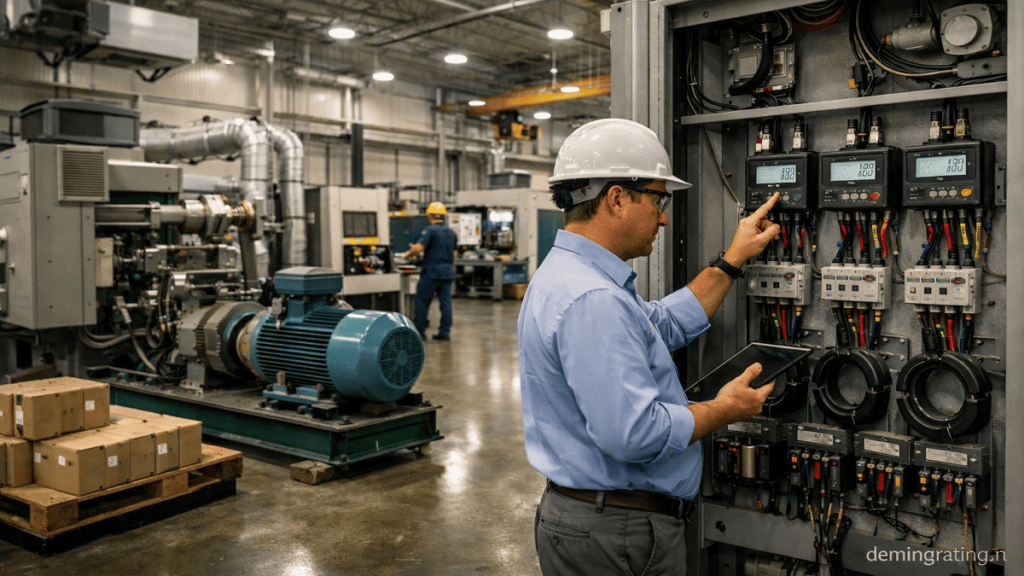
Energy sub-metering provides building owners and facility managers with detailed information about how electricity and other forms of energy are consumed within a facility. A main utility meter shows the building’s total consumption, but it does not reveal which systems or areas are responsible for that demand. Sub-metering divides consumption into meaningful categories, such as HVAC, lighting, lifts, tenant spaces, plug loads, or industrial equipment. Energy Sub-metering This detailed data makes it easier to recognize normal consumption patterns, detect unusual demand, and identify opportunities to reduce energy waste.
Creating a Detailed Energy Profile
Sub-metering creates an energy profile for individual systems or areas. For example, a commercial building may have separate meters for air-conditioning equipment, lighting circuits, elevators, Energy Sub-metering and tenant floors. Managers can compare the consumption of these systems to determine which loads contribute most significantly to total energy use.
The U.S. General Services Administration (GSA) explains that submetering can provide data for individual floors, tenant spaces, electrical circuits, building systems, and equipment. This allows organizations to understand energy use at a much more detailed level than a whole-building meter can provide.
Identifying Normal Consumption Patterns
Energy consumption often follows predictable patterns. An office building may have high electricity demand during working hours and lower demand overnight. A manufacturing facility may show increased consumption during production shifts, while HVAC demand may rise during periods of extreme outdoor temperatures.
Sub-metering allows managers to establish these normal patterns using hourly, daily, weekly, or monthly data. Once a baseline is established, unusual changes become easier to recognize.
For example, if an office’s lighting consumption remains high throughout the night, the data may indicate that lights are being left on unnecessarily. Similarly, unusually high HVAC consumption during unoccupied periods could indicate incorrect schedules, control problems, or equipment inefficiency.
Detecting Excessive Energy Consumption
Sub-metering is particularly valuable for identifying systems that consume more energy than expected. Comparing similar areas can reveal performance differences. For instance, if two similar office floors have comparable occupancy and operating hours but one uses substantially more electricity, facility managers can investigate lighting, HVAC operation, plug loads, Energy Sub-metering or equipment.
Sudden increases can also provide an early warning of equipment problems. A motor, pump, chiller, Energy Sub-metering or ventilation system that begins consuming more electricity than its normal operating range may require inspection or maintenance.
The U.S. Department of Energy identifies metering and energy-management information as important tools for monitoring building performance and supporting energy-efficiency improvements.
Supporting Data-Driven Decisions
Sub-metering transforms energy management from an assumption-based process into a data-driven process. Facility managers can prioritize improvements according to actual consumption rather than relying solely on estimates. For example, if data shows that HVAC accounts for the largest share of energy use, resources can be directed toward HVAC optimization before investing heavily in smaller loads.
Sub-metering data can also be used to measure the results of efficiency projects. If an inefficient chiller is replaced with a high-efficiency model, Energy Sub-metering its sub-meter can provide before-and-after consumption data to evaluate the project’s performance.
Using Automated Monitoring
Modern submeters can transmit data to energy management information systems and building-management platforms. Automated dashboards can display consumption trends, demand peaks, Energy Sub-metering system comparisons, and abnormal conditions. Some systems can generate alerts when consumption exceeds predefined thresholds.
The GSA submetering guidance provides additional information on how submetering can support energy efficiency, asset management, cost allocation, and operational decision-making.
Ultimately, sub-metering provides the visibility required to understand where energy is being consumed, when consumption occurs, and whether usage is normal or excessive. By analyzing this information, building operators can identify energy waste, investigate abnormal performance, optimize equipment schedules, prioritize efficiency projects, and verify actual savings. In this way, sub-metering becomes a foundation for continuous energy management rather than simply a method of recording electricity consumption.
#IndustrialEnergyManagement
How Can Automated Meters, Sensors, and Energy Management Systems Support Real-Time Monitoring and Analysis?
Automated meters, sensors, Energy Sub-metering and energy management systems work together to provide continuous visibility into how energy is being consumed throughout a building or facility. Traditional utility bills provide information about total energy consumption over a billing period, but they do not show precisely when energy was used or which systems were responsible. By combining automated metering with sensors and energy management information systems (EMIS), building operators can collect detailed data, identify abnormal consumption, and make faster, data-driven decisions.
Automated Meters Provide Continuous Energy Data
Automated meters and submeters measure electricity or other energy sources at regular intervals and transmit the information to a central monitoring platform. Instead of manually recording meter readings, facility managers can access current and historical consumption data remotely.
Interval data can provide much greater detail than monthly utility bills. The U.S. Department of Energy explains that EMIS platforms can analyze meter data at intervals of one hour or less, allowing users to examine daily and weekly energy profiles and identify significant changes in consumption.
Sensors Add Operational Context
Meters show how much energy is being consumed, while sensors can help explain why consumption changes. Temperature, humidity, occupancy, pressure, light levels, equipment status, Energy Sub-metering and other operating conditions can be monitored through connected sensors.
For example, if an HVAC system consumes unusually high amounts of electricity, temperature and occupancy data can help determine whether the increased demand is related to weather conditions, building occupancy, incorrect scheduling, or equipment performance.
NIST highlights the importance of integrated sensors and building control systems for optimizing building performance, detecting faults, and improving energy efficiency.
Energy Management Systems Centralize the Data
An energy management information system brings data from meters, sensors, building automation systems, weather information, and other sources into a common platform. DOE describes EMIS as a combination of devices, data services, Energy Sub-metering and software applications that monitor, analyze, and control building energy use and system performance.
Dashboards can display energy consumption, demand, equipment performance, and key performance indicators in an easily understandable format. Facility managers can compare current performance with historical data, targets, or expected operating conditions.
Detecting Abnormal Energy Use
Automated analytics can identify consumption patterns that differ from normal operation. For example, an energy management system may detect that a building is using excessive electricity overnight, that an air-conditioning system is operating outside its scheduled hours, or that a piece of equipment is consuming more energy than expected.
DOE identifies automated fault detection and diagnostics as an EMIS capability that can continuously analyze data, Energy Sub-metering and identify equipment- or system-level problems.
Supporting Predictive Maintenance and Optimization
Real-time monitoring can also support proactive maintenance. Changes in energy consumption or equipment operating conditions may indicate developing faults before equipment fails completely. Maintenance teams can investigate these warnings and address problems earlier.
Advanced systems can also support automated control. For example, an energy management system may adjust HVAC operation based on occupancy, outdoor temperature, or electricity demand. This allows the building to respond dynamically rather than relying exclusively on fixed schedules.
Improving Measurement and Verification
Automated data collection is valuable when evaluating energy-efficiency projects. Energy managers can compare consumption before and after installing efficient equipment, improving the accuracy of savings calculations. DOE notes that EMIS can support more accurate baselines and measurement and verification by integrating advanced metering Energy Sub-metering and building automation data.
For further information, organizations can consult the DOE EMIS resources and the DOE metering guidance.
Overall, automated meters provide the energy data, sensors provide operational context, and energy management systems convert these data streams into actionable information. Together, they enable continuous monitoring, anomaly detection, equipment optimization, predictive maintenance, and more accurate measurement of energy-saving initiatives. This transforms sub-metering from simple data collection into an active energy-management strategy capable of supporting lower costs, improved efficiency, Energy Sub-metering and better building performance.
#EnergyMonitoring
What Are the Benefits of Energy Sub-Metering for Energy Savings, Cost Control, Performance Verification, and Sustainability Reporting?
Energy sub-metering provides detailed information about how energy is consumed within individual building systems, areas, equipment, and tenant spaces. Unlike a main utility meter, which records total consumption, submeters can show the energy performance of specific loads such as HVAC systems, lighting, lifts, plug loads, production equipment, or individual floors. This detailed visibility makes sub-metering an important tool for energy savings, cost management, performance verification, and sustainability reporting.
Energy Savings
One of the most important benefits of sub-metering is its ability to identify energy waste. When energy consumption is measured separately, facility managers can determine which systems use the most electricity and identify unusual consumption patterns. For example, excessive overnight consumption may indicate that lighting, HVAC, or equipment is operating unnecessarily.
The U.S. General Services Administration (GSA) states that submetering can help identify energy-efficiency opportunities and provide information for better asset management and operational decision-making.
Sub-metering also supports continuous improvement because managers can track consumption after operational changes, equipment upgrades, Energy Sub-metering or control-system adjustments.
Cost Control and Accurate Allocation
Sub-metering can improve control over energy costs by showing exactly where electricity is being consumed. This is particularly valuable in multi-tenant properties, campuses, and facilities with separate departments or business units.
For example, individual tenant submeters can provide consumption data that allows electricity costs to be allocated according to actual usage rather than estimates or floor area. GSA identifies cost allocation as one of the important applications of submetering.
Detailed consumption information can also help organizations identify high-cost operations Energy Sub-metering and prioritize energy-efficiency investments where they are likely to have the greatest financial impact.
Performance Verification
Sub-metering provides measurable evidence of whether an energy-efficiency project has achieved its expected results. Before an upgrade, energy consumption data can establish a baseline. After implementation, the same meter can measure the system’s actual performance.
For example, if an organization replaces an inefficient chiller, a dedicated submeter can measure the chiller’s electricity consumption before Energy Sub-metering and after the upgrade. This provides stronger evidence of actual energy savings than relying solely on whole-building utility data.
The U.S. Department of Energy identifies metering and energy-management information systems as important tools for monitoring building performance and supporting measurement and verification activities.
Sustainability Reporting
Reliable energy data is increasingly important for organizations reporting environmental performance. Sub-metering can provide more detailed and traceable consumption information for internal sustainability programs, energy-performance assessments, carbon accounting, and environmental reporting.
Detailed data can help organizations distinguish between different energy uses, identify reduction opportunities, and demonstrate progress against energy-reduction targets. When combined with appropriate emissions factors, measured energy consumption can also support calculations of associated greenhouse-gas emissions.
The U.S. Department of Energy’s Federal Energy Management Program provides resources for organizations seeking to improve energy data collection, management, Energy Sub-metering and reporting.
Supporting Long-Term Energy Management
The greatest value of sub-metering comes from using the data continuously. Automated meters connected to energy management information systems can provide dashboards, alerts, trend analysis, and performance comparisons. This allows facility teams to move from periodic reviews of utility bills toward ongoing performance management.
For further guidance, organizations can explore the GSA submetering guidance and DOE energy management information system resources.
Overall, energy sub-metering creates a strong foundation for energy savings, cost control, performance verification, and sustainability reporting. By providing accurate, system-level information, it enables organizations to identify waste, allocate costs fairly, verify efficiency improvements, and demonstrate measurable progress toward energy and sustainability objectives.
#SmartMetering
Case Study of Energy Sub-Metering
Energy sub-metering can provide building owners and facility managers with detailed information that is not available from a single main utility meter. A strong example is the Legrand sub-metering initiative, documented by the U.S. Department of Energy’s Better Buildings program. The project demonstrates how installing submeters and presenting the resulting information through energy dashboards can reveal hidden energy waste and support measurable operational improvements.
Project Background
Legrand, an electrical equipment and components manufacturer, installed submeters across its 14 largest U.S. facilities to obtain more detailed information about energy consumption. Before the initiative, facility teams did not always have sufficient visibility into how individual systems and areas were using electricity. The company therefore used sub-metering to collect facility-level energy data and energy dashboards to make that information accessible to employees and energy-management teams.
The project also illustrates an important principle of energy management: collecting energy data is only the first step. The information must be presented in a way that allows facility personnel to identify problems and take corrective action.
Identifying Hidden Energy Waste
One of the key findings from the Legrand project was that some equipment scheduled to shut down was not actually turning off completely. At different facilities, sub-metering revealed issues such as mechanical systems continuing to operate and lighting remaining on during unoccupied periods. These problems could have remained hidden when managers relied primarily on whole-building utility consumption.
At Legrand’s corporate headquarters, sub-meter data was used to modify the HVAC operating schedule and adjust building occupancy sensors. Within three months, these changes reduced the building’s base-load power from 18.5% of peak load to 4.5%. This demonstrates how detailed energy information can translate into practical operational improvements.
Encouraging Employee Engagement
Legrand also used energy dashboards and employee engagement initiatives to make energy consumption more visible. During a 26.2-day Energy Marathon in 2014, the company reported saving 588,540 kWh of electricity, representing approximately $46,732 in savings. Although this initiative involved behavioral and organizational measures in addition to sub-metering, the detailed energy information helped employees understand facility performance and identify opportunities for improvement.
Lessons for Other Buildings
The case demonstrates several important lessons. First, sub-metering should focus on meaningful energy loads and systems where data can support specific decisions. Second, dashboards and analytics can make large volumes of meter data easier to interpret. Third, energy managers should use sub-metering data to investigate unexpected consumption rather than simply collecting readings.
Research examining multiple building case studies has also found that deeper sub-metering generally appears to enable greater energy savings when combined with energy information and analytics systems.
Another documented example comes from a large New York commercial tenant. According to a U.S. government sub-metering business-case report, hourly energy data allowed the tenant to adjust temperature settings and reduce the number of active HVAC units in a server room. The resulting changes reduced weekday energy consumption by more than 2,000 kWh per day, equivalent to approximately 730,000 kWh of annual energy avoidance.
For additional information, readers can explore the U.S. Department of Energy Better Buildings sub-metering case study and the DOE sub-metering business-case guidance.
Overall, these examples show that energy sub-metering is more than a method of measuring electricity. When connected to dashboards, analytics, and effective facility-management practices, it can reveal hidden energy waste, improve operating schedules, support employee engagement, reduce costs, and provide measurable evidence of energy-performance improvements.
#EnergyEfficiency
White Paper on Energy Sub-Metering
Executive Summary
Energy sub-metering is an important component of modern energy management because it provides detailed information about how energy is consumed within a building or facility. While a main utility meter measures total energy consumption, sub-meters can measure individual systems, equipment, floors, tenant spaces, or end uses such as HVAC, lighting, lifts, and plug loads. This greater visibility allows organizations to identify energy waste, control operating costs, verify efficiency improvements, and support sustainability objectives.
The U.S. Department of Energy (DOE) identifies metered data as a valuable resource for identifying energy and cost-saving opportunities and supporting effective energy-management practices. Its Federal Energy Management Program also provides guidance covering building-level, distribution-level, and end-use metering.
1. Introduction
Energy costs and sustainability requirements have increased the importance of understanding how buildings consume electricity and other energy resources. A traditional utility bill provides information about total consumption, but this information is often insufficient for identifying the systems responsible for high demand or abnormal consumption.
Energy sub-metering addresses this limitation by dividing energy consumption into measurable categories. A facility can install separate meters for HVAC equipment, lighting systems, elevators, production machinery, data centers, tenant areas, or individual floors. These meters provide more granular data that can be analyzed alongside operating schedules, occupancy, weather, and equipment performance.
The National Science and Technology Council has identified advanced instrumentation and sub-metering as tools for real-time measurement of building energy and water use, supporting energy-efficiency strategies, improved building management, and behavioral changes. (ENERGY STAR)
2. What Is Energy Sub-Metering?
Energy sub-metering is the measurement of energy consumption downstream from a primary utility meter. The main meter records the total energy entering a building, while submeters measure selected portions of that consumption.
For example, a commercial building might have one main electricity meter and separate submeters for:
- HVAC systems
- Lighting
- Elevators and lifts
- Plug loads
- Data centers
- Tenant areas
- Manufacturing equipment
- Electric-vehicle charging
- Renewable-energy systems
Sub-metering can be implemented at building, floor, panel, circuit, equipment, or end-use levels depending on the objectives of the energy-management program.
The DOE notes that advanced metering infrastructure can provide data for whole buildings, downstream equipment and loads, subsystems, floor-level applications, equipment-level applications, and branch-circuit submetering. (U.S. Department of Energy)
3. Why Sub-Metering Is Important
The primary value of sub-metering is visibility. Without detailed measurement, facility managers may know that a building is consuming too much electricity but may not know why.
Sub-metering can reveal:
- Which systems consume the most energy
- When energy demand is highest
- Whether equipment operates outside scheduled hours
- Differences between similar areas or systems
- Unexpected increases in consumption
- Opportunities for operational improvements
- The results of energy-efficiency projects
The GSA explains that sub-metering can provide information that supports energy efficiency, asset management, cost allocation, and improved operational decision-making.
4. Energy Savings and Efficiency Improvement
Sub-metering supports energy savings by helping organizations identify specific sources of waste. For example, a facility may discover that HVAC equipment continues operating during periods when a building is unoccupied. Similarly, lighting submeters may reveal that large areas remain illuminated outside operating hours.
Once these issues are identified, managers can adjust schedules, improve controls, repair equipment, replace inefficient systems, or change operating practices.
Sub-metering can also support continuous commissioning. By monitoring energy performance over time, facility teams can determine whether equipment continues to operate efficiently after an initial optimization.
DOE research on low-cost sub-metering highlights the value of detailed equipment and plug-load information for verifying savings, monitoring equipment usage, supporting fault detection, and optimizing control strategies.
5. Cost Control and Tenant Billing
Sub-metering can provide more accurate information for managing energy costs. In multi-tenant buildings, separate meters can measure actual consumption for individual tenants or departments.
Without submeters, utility costs may be allocated using floor area, occupancy, or other estimates. With actual consumption data, organizations can develop more accurate cost-allocation or chargeback systems.
Sub-metering can also identify energy-intensive departments and equipment. Facility managers can use this information to prioritize investments where energy savings and financial returns are likely to be greatest.
6. Automated Monitoring and Data Analytics
Modern sub-metering systems can collect interval data automatically and transmit it to centralized energy management platforms. This eliminates much of the need for manual meter reading and enables continuous performance analysis.
Energy Management Information Systems (EMIS) can centralize, normalize, and visualize data from meters and other building systems. DOE identifies interval-meter analytics, automated fault detection and diagnostics, measurement and verification, supervisory control, and operations and maintenance optimization as key EMIS capabilities. (U.S. Department of Energy)
Automated dashboards can display energy trends, demand profiles, system performance, and key performance indicators. More advanced systems can identify abnormal operating conditions and generate alerts for facility teams.
7. Performance Verification and Measurement
Sub-metering is particularly valuable for measuring the performance of energy-efficiency projects.
For example, if a facility replaces an inefficient chiller, a dedicated electricity submeter can measure the chiller’s energy consumption before and after the upgrade. This creates a stronger basis for determining whether the expected savings were achieved.
DOE states that EMIS can support more accurate baselining and measurement and verification by integrating advanced metering and building automation data. Automated measurement and verification can also reduce the labor required to assess energy-saving measures. (U.S. Department of Energy)
8. Sustainability and Environmental Reporting
Reliable energy data is increasingly important for sustainability programs. Sub-metering provides more detailed information that can support internal energy targets, environmental reporting, carbon accounting, and sustainability performance assessments.
Organizations can use measured energy consumption to identify high-impact reduction opportunities and track progress toward energy-efficiency targets. When appropriate emissions factors are applied, energy data can also support calculations of associated greenhouse-gas emissions.
More detailed energy information can strengthen the credibility of sustainability reporting because performance can be supported by measured operational data rather than broad estimates.
9. Designing an Effective Sub-Metering System
A successful sub-metering program should begin with clear objectives. Organizations should determine whether the primary purpose is energy conservation, tenant billing, equipment monitoring, performance verification, sustainability reporting, or a combination of these goals.
Meters should then be prioritized according to energy significance and potential management value. High-consumption systems such as HVAC plants, major production equipment, data centers, and large tenant areas often provide greater value than attempting to meter every individual circuit.
The DOE recommends that metering programs include prioritization, implementation planning, data management, analysis, communications, and performance evaluation.
Data quality should also be considered. Meters must be appropriately specified, installed, commissioned, maintained, and connected to systems that can store and analyze the resulting information.
10. Integration With Building Management Systems
Sub-metering becomes more powerful when integrated with building automation systems and EMIS platforms. Energy data can be combined with occupancy, weather, temperature, equipment status, and operational schedules.
This integration allows facility teams to understand not only how much energy is being consumed but also the conditions driving that consumption.
For example, an unusually high HVAC load can be evaluated against outdoor temperature and occupancy data. If the building is lightly occupied but HVAC consumption remains high, the system may indicate a scheduling, controls, or equipment issue.
DOE describes EMIS as a combination of devices, data services, and software applications that monitor, analyze, and control building energy use and system performance.
11. Challenges and Considerations
Although sub-metering provides significant benefits, successful implementation requires careful planning. Initial costs may include meters, current transformers, communications infrastructure, installation, software, commissioning, and ongoing maintenance.
Data management is another consideration. Collecting large amounts of data does not automatically produce energy savings. Organizations need appropriate analytical tools and trained personnel who can interpret the information and take corrective action.
Cybersecurity and system interoperability should also be addressed, particularly when meters are connected to building networks or cloud-based platforms. DOE’s updated federal metering guidance includes recommendations related to cybersecurity, data management, and analysis as part of comprehensive metering planning.
12. Future of Energy Sub-Metering
The future of sub-metering is moving toward connected, automated, and increasingly intelligent energy-management systems. Wireless meters, Internet of Things devices, advanced analytics, automated fault detection, virtual metering, and machine-learning technologies can provide deeper insight into building performance.
GSA’s current energy-management technology program includes evaluations of low-cost submetering, wireless current transformers, full-panel metering, single-circuit meters, and automated system optimization. These developments demonstrate the growing focus on accessible and data-driven energy-management technologies. (GSA)
As the cost and complexity of monitoring technologies continue to evolve, organizations can increasingly deploy targeted sub-metering systems and expand them as their energy-management capabilities mature.
Conclusion
Energy sub-metering provides the detailed information required to move from basic energy monitoring toward active, data-driven energy management. By measuring individual systems, equipment, areas, and end uses, organizations can identify energy waste, understand consumption patterns, control costs, verify efficiency improvements, and support sustainability objectives.
Organizations planning a sub-metering program can explore the DOE metering guidance, DOE EMIS resources, and GSA sub-metering resources for additional technical guidance.
Ultimately, effective energy sub-metering transforms energy data into actionable information. When properly designed, implemented, and managed, it can help organizations reduce consumption, improve operational performance, strengthen financial control, and make measurable progress toward long-term sustainability goals.
#EnergyManagement
Industry Application of Energy Sub-Metering
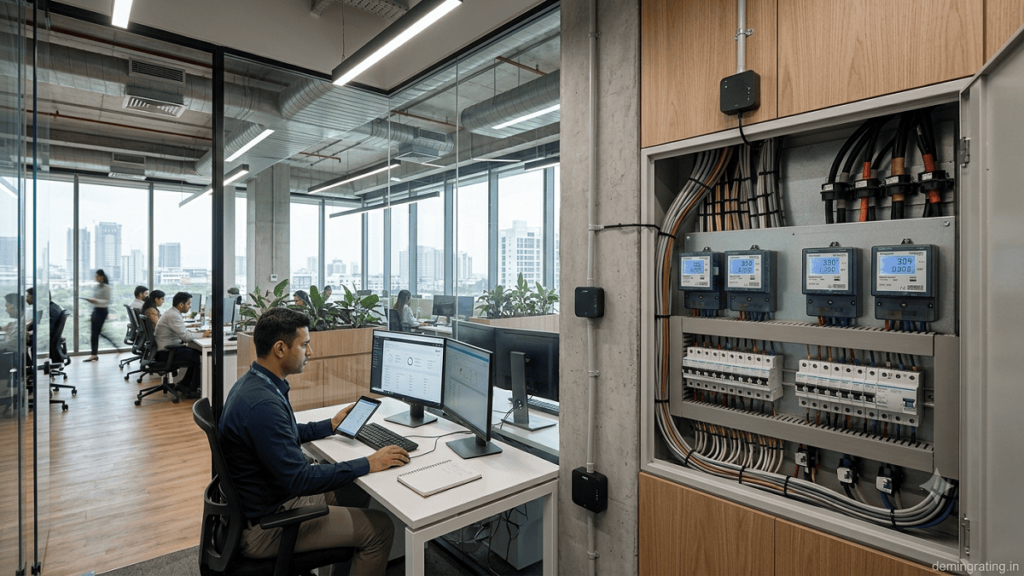
Energy sub-metering has become an important technology for industries seeking greater control over energy consumption, operating costs, equipment performance, and sustainability. Unlike a main utility meter that records total facility consumption, sub-meters provide detailed information about individual systems, production lines, equipment, buildings, or processes. This enables industrial organizations to understand where energy is being consumed and identify opportunities for measurable improvements.
The U.S. Department of Energy (DOE) recognizes building-level, distribution-level, and end-use metering as important approaches for identifying energy and cost-saving opportunities. Industrial facilities can use this information to develop more effective energy-management programs and prioritize investments.
Manufacturing and Production Facilities
Manufacturing plants are among the most valuable applications for energy sub-metering because production equipment can account for a significant portion of total energy consumption. Sub-meters can be installed on production lines, motors, compressors, furnaces, pumps, conveyors, and other major equipment.
Monitoring these loads separately allows energy managers to compare consumption with production output. For example, if two similar production lines manufacture comparable quantities but one consistently consumes more electricity, the data can indicate an opportunity to investigate equipment efficiency, operating conditions, maintenance, or process settings.
General Mills provides an example of large-scale industrial sub-metering. The company developed an extensive metering strategy covering electricity, gas, compressed air, refrigeration, and water, eventually installing more than 1,500 submeters across 25 U.S. plants. The information was used to understand energy consumption throughout manufacturing operations. (Better Buildings)
HVAC and Building Services
Industrial facilities also use significant energy for heating, ventilation, and air-conditioning. Sub-metering chillers, air-handling units, cooling towers, pumps, and ventilation systems allows facility teams to identify inefficient schedules and abnormal operating conditions.
Separate HVAC metering can also support energy-performance comparisons and help determine whether equipment is consuming excessive energy relative to building conditions.
Compressed Air Systems
Compressed air is widely used in manufacturing but can be an expensive utility when systems are poorly maintained or operated inefficiently. Sub-metering can help organizations understand compressor electricity consumption, operating schedules, and demand patterns.
Energy managers can compare compressor operation with actual production requirements and investigate unnecessary operation, pressure losses, leaks, or inefficient sequencing. This can reduce both energy consumption and operating costs.
Warehouses and Distribution Centers
Warehouses use sub-metering to monitor lighting, HVAC, refrigeration, material-handling equipment, charging stations, and other electrical loads. Automated data can reveal energy consumption during periods when facilities are unoccupied or operating at reduced capacity.
Sub-metering can also help warehouse operators evaluate LED lighting upgrades, occupancy controls, and equipment scheduling by comparing energy use before and after improvements.
Data Centers and High-Energy Facilities
Data centers require continuous monitoring because servers, cooling systems, power infrastructure, and auxiliary equipment can consume substantial amounts of electricity. Sub-metering can help distinguish between IT loads and supporting infrastructure, allowing operators to identify efficiency opportunities and monitor performance.
The DOE identifies data centers among energy-intensive building types because their computing and infrastructure loads can significantly exceed conventional building energy requirements.
Process Industries
Chemical, pharmaceutical, food-processing, and other process industries can use sub-metering to monitor electricity, steam, natural gas, chilled water, compressed air, and other utilities at specific process stages.
Saint-Gobain’s Ceramics NorPro manufacturing facility in Tennessee used wireless sub-metering to obtain more granular information about individual equipment and energy loads. The project helped identify opportunities involving equipment operation, batch processes, dryer usage, and predictive maintenance. The company reported 14% energy-use savings within one year and a 15% reduction in energy costs.
Supporting Predictive Maintenance
Sub-metering can provide useful indicators of equipment condition. Changes in the electricity consumption or operating hours of motors, pumps, compressors, and other equipment may indicate developing problems.
Saint-Gobain reported using equipment-level energy data to monitor run hours and trends, helping its facilities move toward more predictive maintenance practices.
Sustainability and Energy Management
Industrial companies increasingly use sub-metering to support energy-intensity targets, carbon-reduction programs, and sustainability reporting. Detailed data allows organizations to measure energy consumption against production output and identify the processes responsible for the greatest energy demand.
Sub-metering is particularly valuable when integrated with an Energy Management System or Energy Management Information System. Automated dashboards can display consumption trends, identify abnormal demand, and support continuous improvement.
Legrand, for example, installed submeters across its 14 largest U.S. facilities and used energy dashboards to identify anomalies and energy-saving opportunities.
Conclusion
Energy sub-metering has broad industrial applications across manufacturing plants, warehouses, process facilities, data centers, commercial operations, and utility systems. It provides detailed information that can be used to identify energy waste, optimize production processes, improve equipment maintenance, control operating costs, and verify energy-efficiency projects.
For additional guidance, organizations can consult the DOE metering resources and DOE manufacturing energy-management guidance.
Ultimately, the value of industrial sub-metering comes from connecting measurement with action. When accurate meter data is combined with energy analytics, operational expertise, and continuous improvement practices, industries can transform energy consumption data into measurable improvements in efficiency, productivity, cost control, and sustainability.
#EnergySubMetering
Ask FAQs
What is energy sub-metering?
Energy sub-metering is the measurement of energy consumption for specific areas, systems, equipment, floors, departments, or tenants within a facility. It provides more detailed information than a main utility meter.
Which systems should be separately sub-metered?
Common applications include HVAC systems, lighting, lifts, plug loads, production equipment, compressed-air systems, data centers, refrigeration, and individual tenant or departmental areas.
How does energy sub-metering help reduce energy consumption?
Sub-metering identifies where and when energy is being consumed. By analyzing this data, facility managers can detect excessive consumption, inefficient equipment, abnormal operating patterns, and unnecessary energy use.
Can sub-metering help control energy costs?
Yes. Detailed consumption data helps organizations identify high-energy systems, prioritize efficiency improvements, and allocate energy costs more accurately. In multi-tenant buildings, it can support billing based on actual consumption.
Can energy sub-metering support sustainability reporting?
Yes. Accurate, system-level energy data can help organizations track energy-reduction targets, calculate energy performance, verify efficiency projects, and support sustainability and carbon-reporting activities.
Table of Contents
Disclaimer: The information provided is for general informational purposes only. Actual sub-metering benefits and savings may vary based on the building, equipment, metering system, and operating conditions.