
Energy Efficiency-Traction
Energy efficiency in traction systems refers to the ability to achieve maximum transportation performance while using minimum energy consumption. Traction systems are the driving force behind various modes of transportation, including railways, metros, electric vehicles, and industrial vehicles. As global demand for sustainable mobility increases, improving the energy efficiency of traction systems has become a major focus for transportation operators, manufacturers, Energy Efficiency and governments.
Traditional traction systems often consume significant amounts of electrical energy, especially in heavy-duty applications such as trains and urban transit networks. Rising energy costs, environmental concerns, Energy Efficiency and the need to reduce carbon emissions have accelerated the development of advanced energy-efficient traction technologies. Modern systems are designed to optimize power usage, reduce energy losses, and improve overall operational performance.
One of the most important advancements in energy-efficient traction is the adoption of regenerative braking technology. Unlike conventional braking systems that convert kinetic energy into heat and waste it, regenerative braking captures this Energy Efficiency and converts it back into electrical Energy Efficiency. This recovered energy can be reused by the same vehicle or supplied back to the power network, significantly improving efficiency.
Another key factor in efficient traction systems is the use of high-efficiency electric motors, power electronics, and intelligent control systems. Modern traction inverters, variable frequency drives, Energy Efficiency and advanced energy management software help regulate power delivery according to operating conditions. These technologies reduce unnecessary energy consumption while maintaining speed, reliability, and passenger comfort.
Railway and metro systems are among the largest beneficiaries of energy-efficient traction solutions. Electric trains equipped with advanced traction systems can achieve lower energy consumption per passenger kilometer compared with conventional diesel-powered transportation. Smart scheduling, optimized acceleration Energy Efficiency and braking strategies, and lightweight vehicle designs further contribute to energy savings.
Energy-efficient traction also plays a significant role in reducing environmental impact. Lower electricity consumption leads to reduced greenhouse gas emissions, especially when combined with renewable energy sources such as solar and wind power. This supports global sustainability initiatives Energy Efficiency and helps transportation industries meet carbon reduction targets.
The future of traction energy efficiency is expected to focus on technologies such as artificial intelligence-based energy management, battery-electric traction, hydrogen-powered systems, and improved energy storage solutions. These innovations will enable cleaner, smarter, Energy Efficiency and more cost-effective transportation networks.
In conclusion, energy efficiency in traction systems is a critical element of modern sustainable transportation. Through regenerative braking, advanced motor technologies, intelligent control systems, Energy Efficiency and renewable energy integration, traction systems are becoming more efficient, environmentally friendly, and economically sustainable. As transportation demand continues to grow, energy-efficient traction solutions will play a vital role in shaping the future of mobility.
What is traction energy efficiency and why is it important?
Traction energy efficiency refers to the ability of a traction system to convert electrical or mechanical energy into useful motion with minimum energy loss. Traction systems are responsible for powering vehicles such as electric trains, metro systems, trams, electric buses, Energy Efficiency and industrial transport equipment. Improving their energy efficiency helps reduce power consumption, operating costs, and environmental impact while maintaining reliable transportation performance.
In a traction system, energy is supplied to electric motors that generate the force required to move a vehicle. During this conversion process, some energy is lost through electrical resistance, mechanical friction, heat generation, and inefficient control methods. Energy-efficient traction technologies focus on reducing these losses through advanced motors, intelligent control systems, regenerative braking, and optimized energy management.
One of the most significant technologies improving traction energy efficiency is regenerative braking. In conventional braking systems, kinetic energy produced during vehicle movement is converted into heat and released into the environment. Regenerative braking captures this energy and converts it back into electrical energy, which can either be reused by the vehicle or returned to the power grid. This process significantly improves overall system efficiency, especially in rail and urban transportation networks.
Modern traction systems also use advanced components such as high-efficiency traction motors, power electronic converters, and digital monitoring systems. These technologies allow precise control of energy flow, ensuring that power is delivered only when required. Variable frequency drives and intelligent control algorithms help optimize acceleration, speed regulation, and braking performance, reducing unnecessary energy consumption.
Traction energy efficiency is important because transportation is one of the largest contributors to global energy demand and carbon emissions. More efficient traction systems reduce electricity usage and support the transition toward sustainable mobility. When combined with renewable energy sources such as solar and wind power, efficient electric traction can significantly lower greenhouse gas emissions.
From an economic perspective, energy-efficient traction systems provide long-term cost savings. Lower electricity consumption reduces operational expenses for railway operators, metro networks, and fleet owners. Improved system efficiency also reduces equipment stress, leading to longer component life and lower maintenance requirements.
Energy efficiency in traction is also essential for meeting government sustainability targets and environmental regulations. Many countries are investing in electrified transportation infrastructure to reduce dependence on fossil fuels and achieve carbon reduction goals.
In conclusion, traction energy efficiency plays a crucial role in creating cleaner, smarter, and more economical transportation systems. Through regenerative braking, advanced motor technologies, and intelligent energy management, modern traction solutions help reduce energy waste, lower emissions, and improve the overall performance of electric transportation networks.
How do traction systems reduce energy consumption in transportation?
Traction systems play a critical role in reducing energy consumption across modern transportation networks by improving the efficiency of power conversion, optimizing vehicle movement, and minimizing energy losses. Used in electric trains, metro systems, trams, electric buses, and industrial vehicles, advanced traction technologies help deliver better performance while using less energy. As transportation becomes increasingly electrified, energy-efficient traction systems are essential for reducing operational costs and environmental impact.
One of the primary ways traction systems reduce energy consumption is through the use of high-efficiency electric motors. Traditional motors can lose energy through heat, friction, and electrical resistance. Modern traction motors, including permanent magnet synchronous motors (PMSM) and advanced induction motors, are designed to convert electrical energy into mechanical motion more efficiently. This allows vehicles to achieve the required speed and power while consuming less electricity.
Another major energy-saving technology is regenerative braking. In conventional braking systems, the kinetic energy generated during deceleration is converted into heat and wasted. Regenerative braking captures this energy and converts it back into electrical energy. The recovered power can be reused by the same vehicle, shared with other vehicles operating on the network, or returned to the electrical grid. This is especially effective in rail and metro systems where frequent acceleration and braking occur.
Traction systems also reduce energy consumption through advanced power electronics and intelligent control systems. Modern traction converters and inverters regulate the amount of electricity supplied to motors based on operating conditions. Smart control algorithms optimize acceleration, cruising speed, and braking, ensuring that energy is used only when necessary. This prevents unnecessary power consumption and improves overall efficiency.
Lightweight vehicle design and improved aerodynamics further enhance traction efficiency. Reducing vehicle weight lowers the amount of energy required for acceleration, while aerodynamic improvements decrease air resistance at higher speeds. Combined with efficient traction systems, these design approaches significantly reduce energy demand in transportation.
Energy management systems also contribute to improved performance by monitoring real-time conditions such as passenger load, route profile, speed, and energy usage. Data-driven optimization helps operators identify energy-saving opportunities and improve operational strategies.
The benefits of efficient traction systems extend beyond energy savings. Lower electricity consumption reduces greenhouse gas emissions, decreases operating expenses, and supports sustainable transportation goals. When powered by renewable energy sources, efficient electric traction systems can provide a cleaner alternative to fossil-fuel-based transportation.
In conclusion, traction systems reduce energy consumption through efficient motors, regenerative braking, intelligent power management, lightweight design, and advanced control technologies. These innovations are transforming transportation into a more sustainable, cost-effective, and environmentally responsible sector while supporting global efforts toward energy conservation and carbon reduction.
What technologies improve the efficiency of electric traction systems?
Electric traction systems are becoming increasingly important in modern transportation due to their ability to reduce energy consumption, lower emissions, and improve operational performance. Used in railways, metro networks, electric buses, and industrial vehicles, these systems rely on advanced technologies that optimize energy conversion, reduce losses, and improve overall efficiency. Several innovations are contributing to the development of smarter and more sustainable electric traction solutions.
1. High-Efficiency Traction Motors
Advanced electric motors are one of the most important technologies improving traction efficiency. Modern systems use permanent magnet synchronous motors (PMSM), high-efficiency induction motors, and synchronous reluctance motors. These motors provide better energy conversion, reduced heat losses, and improved torque control compared with older motor designs.
Permanent magnet motors are particularly effective because they deliver high power density and efficiency while reducing energy waste. They are widely used in electric vehicles, metro trains, and high-speed rail applications.
2. Regenerative Braking Technology
Regenerative braking is a key energy-saving technology in electric traction systems. Instead of converting braking energy into heat, regenerative systems recover kinetic energy and convert it into electrical energy. This recovered power can be reused by the vehicle or transferred back to the electrical network.
This technology is especially beneficial in urban rail systems where frequent acceleration and braking occur. It can significantly reduce overall energy consumption and improve network efficiency.
3. Advanced Power Electronics
Modern traction systems depend on advanced power electronic components such as traction inverters, converters, and semiconductor devices. These components control the flow of electricity between the power supply and the motor.
Technologies such as silicon carbide (SiC) and gallium nitride (GaN) semiconductors provide lower electrical losses, faster switching speeds, and improved thermal performance. As a result, traction systems become lighter, more efficient, and more reliable.
4. Intelligent Energy Management Systems
Digital control systems and artificial intelligence are improving how traction systems use energy. Intelligent energy management platforms analyze factors such as speed, passenger load, route conditions, and power demand to optimize operation.
Smart control algorithms help reduce unnecessary acceleration, improve braking strategies, and maintain efficient driving patterns. These systems are increasingly used in modern railway networks and automated transportation systems.
5. Lightweight Materials and Aerodynamic Design
Reducing vehicle weight directly improves traction efficiency because less energy is required for acceleration. Manufacturers use lightweight materials such as aluminum alloys, composite materials, and advanced structural designs to reduce vehicle mass.
Improved aerodynamics also lowers air resistance, particularly at high speeds, helping electric trains and vehicles operate with reduced energy consumption.
6. Energy Storage Integration
Battery systems, supercapacitors, and hybrid energy storage technologies are being integrated into traction systems to improve efficiency. These solutions store excess energy from regenerative braking and provide additional power during acceleration.
Energy storage systems are especially useful for electric buses, trams, and railway systems operating in areas with limited grid capacity.
Conclusion
Electric traction system efficiency is being improved through a combination of advanced motors, regenerative braking, intelligent controls, efficient power electronics, lightweight materials, and energy storage technologies. These innovations help reduce energy consumption, lower operating costs, and support cleaner transportation networks. As electrification continues to expand, these technologies will play a vital role in creating sustainable and energy-efficient mobility solutions.
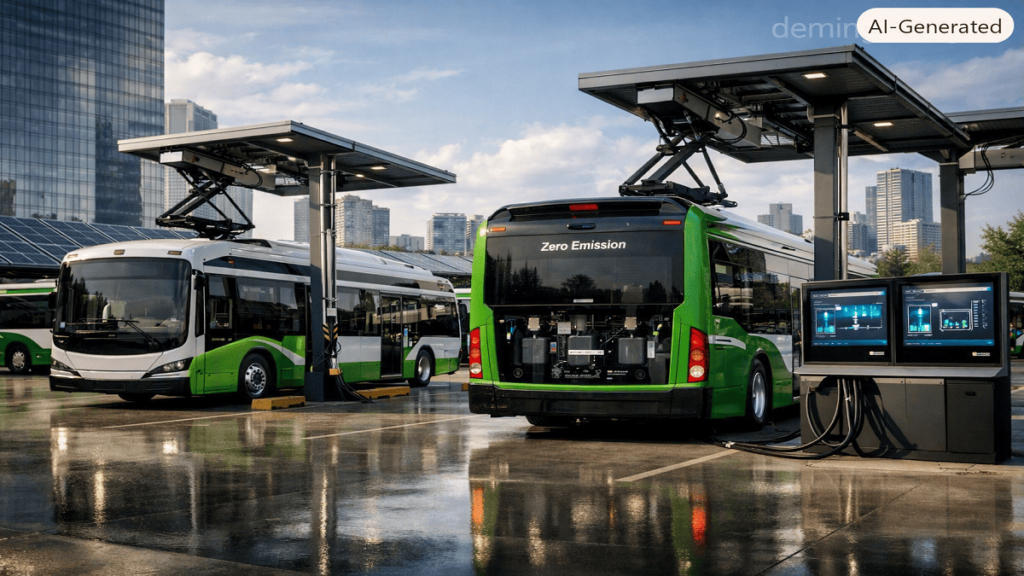
What are the environmental and economic benefits of energy-efficient traction?
Energy-efficient traction systems provide significant environmental and economic advantages by reducing energy consumption, lowering emissions, Energy Efficiency and improving the overall performance of transportation networks. As railways, metros, electric buses, and industrial vehicles increasingly shift toward electrification, efficient traction technologies are becoming essential for achieving sustainable mobility goals while reducing operational expenses.
Environmental Benefits of Energy-Efficient Traction
1. Reduction in Greenhouse Gas Emissions
One of the biggest environmental benefits of energy-efficient traction is the reduction of carbon emissions. Transportation is a major contributor to global greenhouse gas emissions, particularly when powered by fossil fuels. Electric traction systems with high efficiency consume less electricity and generate fewer indirect emissions, especially when electricity is produced from renewable sources such as solar, wind, and hydropower.
Technologies such as regenerative braking, energy-efficient motors, and intelligent power management systems help reduce wasted energy and improve the environmental performance of transportation networks.
2. Lower Energy Consumption
Efficient traction systems optimize the conversion of electrical energy into mechanical movement. Advanced traction motors, power electronics, and automated control systems reduce energy losses during acceleration, braking, and operation.
Reduced energy demand helps conserve natural resources and decreases pressure on electricity generation systems. This is particularly important for large-scale railway and metro networks that operate continuously and consume significant amounts of power.
3. Improved Air Quality
Electric traction systems produce no direct exhaust emissions, unlike diesel-powered transportation systems. By replacing conventional engines with efficient electric traction solutions, cities can reduce pollutants such as nitrogen oxides (NOx) and particulate matter, contributing to cleaner urban environments.
4. Support for Sustainable Transportation Goals
Energy-efficient traction supports global climate initiatives by helping transportation sectors reduce their environmental footprint. Many governments and organizations are investing in electrified rail networks and energy-efficient mobility solutions to achieve long-term carbon reduction targets.
Economic Benefits of Energy-Efficient Traction
1. Reduced Operating Costs
Lower energy consumption directly translates into reduced electricity expenses. Railway operators, metro authorities, and fleet managers can achieve significant cost savings by implementing efficient traction technologies. Over the operational life of a vehicle or infrastructure system, these savings can offset the initial investment in advanced equipment.
2. Lower Maintenance Requirements
Modern traction systems equipped with efficient motors, digital monitoring, and advanced control systems experience reduced mechanical stress and wear. Regenerative braking also reduces dependence on traditional friction brakes, extending component life and lowering maintenance costs.
3. Improved System Reliability
Energy-efficient traction technologies enhance operational reliability by providing better control over power delivery and vehicle performance. Predictive maintenance systems can identify potential issues before failures occur, reducing downtime and improving service availability.
4. Long-Term Investment Benefits
Although advanced traction systems may require higher initial investment, they provide long-term financial benefits through reduced energy bills, fewer repairs, and improved asset lifespan. Organizations adopting these technologies can achieve better return on investment while supporting sustainability objectives.
Conclusion
Energy-efficient traction systems deliver both environmental and economic advantages by reducing energy consumption, lowering emissions, improving air quality, and decreasing operational costs. Through innovations such as regenerative braking, advanced electric motors, intelligent energy management, and renewable energy integration, modern traction technologies are helping create cleaner, more efficient, and financially sustainable transportation systems. As global demand for electric mobility continues to grow, energy-efficient traction will remain a key driver of sustainable transportation development.
What Are the Future Trends and Challenges in Traction Energy Efficiency?
Traction energy efficiency is becoming a major focus in the transportation sector as industries move toward electrification, sustainability, and smarter mobility solutions. Railways, metros, electric vehicles, and industrial transportation systems are adopting advanced technologies to reduce energy consumption and improve performance. However, achieving higher efficiency also involves several technical, economic, and infrastructure-related challenges.
Future Trends in Traction Energy Efficiency
1. Integration of Artificial Intelligence and Smart Energy Management
Artificial intelligence (AI) and machine learning are expected to play a major role in improving traction efficiency. Smart systems can analyze real-time information such as vehicle speed, passenger load, route conditions, and energy demand to optimize power usage.
AI-based control systems can improve driving strategies, reduce unnecessary acceleration, and enhance regenerative braking performance. Predictive analytics will also help operators identify energy-saving opportunities and improve system reliability.
2. Advanced Energy Storage Solutions
Energy storage technologies such as high-capacity batteries, supercapacitors, and hybrid storage systems are becoming increasingly important in traction applications. These systems capture energy generated during regenerative braking and store it for later use.
Future developments in battery technology, including solid-state batteries, are expected to provide higher energy density, faster charging, and longer operational life for electric buses, trains, and other traction-powered vehicles.
3. Wider Adoption of Renewable Energy Integration
The combination of electric traction systems with renewable energy sources will become a key sustainability trend. Railway networks and charging infrastructure are increasingly using solar, wind, and other renewable energy sources to reduce dependence on fossil fuels.
This integration will help lower carbon emissions and support global decarbonization goals.
4. Development of More Efficient Motors and Power Electronics
Future traction systems will continue to benefit from improvements in electric motors, semiconductor technology, and power converters. Silicon carbide (SiC) and gallium nitride (GaN) components offer lower energy losses, higher efficiency, and better thermal performance.
These advancements will allow traction systems to become lighter, more compact, and more energy efficient.
Challenges in Traction Energy Efficiency
1. High Initial Investment Costs
One of the biggest challenges is the cost of upgrading existing transportation infrastructure. Advanced traction motors, energy storage systems, and smart control technologies require significant investment. Many operators must balance upfront costs with long-term energy savings.
2. Infrastructure Limitations
Efficient electric traction systems require reliable power supply networks, charging infrastructure, and modern energy management systems. Upgrading older railway and transit infrastructure can be complex and expensive.
3. Battery Performance and Recycling Issues
For battery-powered traction systems, challenges remain in improving battery lifespan, charging speed, safety, and recycling processes. Sustainable battery production and disposal will become increasingly important as adoption grows.
4. Technical Complexity and Maintenance Requirements
Advanced traction systems involve complex electronics, software, and energy management technologies. Skilled professionals are required for installation, operation, and maintenance. Training and workforce development will be essential for successful implementation.
Conclusion
The future of traction energy efficiency will be shaped by artificial intelligence, renewable energy integration, advanced storage systems, and next-generation power electronics. While challenges such as high costs, infrastructure requirements, and technical complexity remain, continuous innovation is driving the transportation sector toward cleaner and more efficient mobility solutions. Energy-efficient traction technologies will play a crucial role in reducing emissions, lowering operating costs, and creating sustainable transportation networks worldwide.
Case Study of Energy Efficiency in Traction: Delhi Metro’s Regenerative Braking System
Introduction
The Delhi Metro Rail Corporation (DMRC) is a strong example of how energy-efficient traction technologies can transform urban transportation. As one of the largest metro networks in the world, Delhi Metro operates thousands of train services daily, requiring significant amounts of electrical energy. To reduce energy consumption, operating costs, and environmental impact, DMRC implemented advanced traction technologies, including regenerative braking systems.
The case study demonstrates how modern electric traction systems can improve energy efficiency through innovative engineering, intelligent energy management, and sustainable operational practices.
Background and Challenge
Metro systems require frequent acceleration and braking because trains operate with multiple stops across urban routes. During braking, a large amount of kinetic energy is normally converted into heat and wasted through conventional braking systems. With increasing passenger demand and rising energy costs, reducing power consumption became a major operational objective for Delhi Metro.
The challenge was to maintain high-speed, reliable passenger services while lowering electricity consumption and reducing carbon emissions.
Implementation of Regenerative Braking Technology
Delhi Metro introduced regenerative braking technology in its electric traction systems. Unlike traditional braking methods, regenerative braking allows traction motors to operate as generators during deceleration.
When a train slows down, the kinetic energy generated by movement is converted into electrical energy. This recovered energy is then supplied back to the traction power network, where it can be reused by other trains operating nearby or consumed by station systems.
The technology works alongside advanced traction converters, energy management systems, and efficient electric motors to optimize power usage throughout train operations.
Energy and Environmental Benefits
The implementation of regenerative braking has resulted in significant energy savings for Delhi Metro. A considerable portion of the energy used during train operation can be recovered during braking, reducing the overall electricity demand of the network.
The benefits include:
- Lower electricity consumption for train operations
- Reduced greenhouse gas emissions
- Improved traction system efficiency
- Lower operational expenses
- Reduced dependency on external power supply
By improving energy efficiency, Delhi Metro has strengthened its commitment to sustainable urban transportation.
Economic Impact
Energy-efficient traction systems provide long-term financial advantages. Although regenerative braking requires investment in advanced equipment and control systems, the reduction in electricity costs creates substantial savings over the operational life of the infrastructure.
Lower energy consumption also reduces pressure on power distribution systems and improves the overall reliability of metro operations.
Future Expansion and Lessons
The success of energy-efficient traction technologies in Delhi Metro highlights the importance of adopting sustainable transportation solutions. Future developments are expected to include artificial intelligence-based energy optimization, advanced battery storage integration, and improved power electronics.
Other metro networks and railway operators can adopt similar approaches to achieve energy savings and reduce environmental impact.
Conclusion
The Delhi Metro regenerative braking project demonstrates the practical benefits of energy-efficient traction systems in large-scale transportation. By recovering braking energy and improving power management, the system reduces energy waste, lowers operating costs, and supports cleaner mobility. This case study highlights how innovative traction technologies can contribute to sustainable transportation development worldwide.
White Paper on Energy Efficiency in Traction Systems
Executive Summary
Energy efficiency in traction systems has become a critical focus area in the global transportation sector as industries aim to reduce energy consumption, lower operational costs, and minimize environmental impact. Traction systems provide the driving force for electric trains, metros, trams, electric buses, and industrial vehicles. With increasing urbanization and the growing demand for sustainable mobility, improving traction efficiency has become essential for developing cleaner and smarter transportation networks.
This white paper explores the principles of traction energy efficiency, key technologies, benefits, challenges, and future trends shaping the evolution of modern electric transportation systems.
1. Introduction to Traction Energy Efficiency
Traction energy efficiency refers to the ability of a transportation system to convert electrical energy into mechanical movement with minimum losses. In conventional traction systems, energy is lost through electrical resistance, mechanical friction, heat generation, and inefficient power management.
Modern energy-efficient traction systems use advanced motors, regenerative braking, intelligent control systems, and improved power electronics to optimize energy usage. These technologies help transportation operators achieve higher performance while reducing electricity consumption.
The International Energy Agency (IEA) highlights that improving energy efficiency in transportation is a key strategy for reducing global energy demand and carbon emissions.
Reference: https://www.iea.org/topics/energy-efficiency
2. Importance of Energy-Efficient Traction Systems
Transportation is one of the largest consumers of global energy. Railway networks, metro systems, and electric fleets require significant amounts of electricity to operate. Improving traction efficiency provides several advantages:
Reduced Energy Consumption
Efficient traction technologies minimize energy losses during acceleration, cruising, and braking. Lower electricity demand helps reduce operational expenses and improves overall system performance.
Lower Carbon Emissions
Electric traction systems produce fewer emissions compared with fossil-fuel-based transportation. When powered by renewable energy, efficient traction solutions contribute significantly to decarbonization.
Improved Operational Efficiency
Advanced traction technologies provide better control over speed, acceleration, and braking, resulting in smoother operation and improved passenger comfort.
3. Key Technologies Improving Traction Efficiency
Regenerative Braking Systems
Regenerative braking is one of the most important energy-saving technologies in electric traction. Instead of converting braking energy into waste heat, the system converts kinetic energy into electrical energy.
The recovered energy can be reused by other vehicles or returned to the electrical network, improving overall system efficiency.
High-Efficiency Traction Motors
Modern traction systems use advanced motors such as:
- Permanent Magnet Synchronous Motors (PMSM)
- High-efficiency induction motors
- Synchronous reluctance motors
These motors provide improved energy conversion and reduced power losses.
Advanced Power Electronics
Traction converters, inverters, and semiconductor technologies such as silicon carbide (SiC) improve electrical efficiency by reducing switching losses and improving thermal performance.
Intelligent Energy Management Systems
Digital monitoring, artificial intelligence, and predictive analytics help optimize energy consumption by analyzing:
- Vehicle speed
- Passenger load
- Route conditions
- Power demand
These systems enable smarter energy usage and improved operational planning.
4. Environmental Benefits
Energy-efficient traction systems provide significant environmental advantages:
- Reduced greenhouse gas emissions
- Lower dependence on fossil fuels
- Improved urban air quality
- Support for renewable energy integration
- Reduced environmental impact of transportation
Electric rail systems and metro networks using efficient traction technologies can significantly reduce emissions compared with diesel-powered alternatives.
5. Economic Benefits
Although advanced traction systems require initial investment, they provide long-term financial advantages.
Lower Operating Costs
Reduced electricity consumption leads to lower energy bills for railway operators and fleet owners.
Reduced Maintenance Expenses
Regenerative braking reduces mechanical brake usage, increasing component lifespan and lowering maintenance requirements.
Improved Asset Performance
Smart monitoring systems help identify faults early, reducing downtime and improving system reliability.
6. Industry Applications
Energy-efficient traction technologies are used across various industries:
Railway Transportation
High-speed trains, commuter rail, and metro systems use regenerative braking and advanced traction motors to improve efficiency.
Electric Vehicles
Electric cars and buses use efficient motors, battery management systems, and regenerative braking to maximize driving range.
Industrial Vehicles
Mining vehicles, automated guided vehicles (AGVs), and warehouse equipment use energy-efficient traction solutions to reduce operating costs.
Urban Mobility Systems
Trams and electric buses benefit from intelligent energy management and renewable energy integration.
7. Challenges in Implementing Energy-Efficient Traction
Despite technological advancements, several challenges remain:
High Initial Investment
Modern traction equipment, energy storage systems, and digital control technologies require significant capital investment.
Infrastructure Limitations
Older railway and transportation infrastructure may require major upgrades to support advanced traction technologies.
Battery Technology Challenges
Battery-powered traction systems face limitations related to charging speed, energy density, lifecycle, and recycling.
Skilled Workforce Requirements
Advanced traction systems require specialized knowledge for installation, operation, and maintenance.
8. Future Trends
The future of traction energy efficiency will be influenced by several emerging technologies:
Artificial Intelligence-Based Optimization
AI systems will enable real-time energy management and autonomous efficiency improvements.
Renewable Energy Integration
Solar, wind, and other renewable sources will increasingly power electric transportation networks.
Advanced Energy Storage
Next-generation batteries, solid-state batteries, and supercapacitors will improve energy recovery and storage capabilities.
Smart Transportation Networks
Connected transportation systems will use real-time data to optimize routes, energy consumption, and operational performance.
Conclusion
Energy efficiency in traction systems is a fundamental component of sustainable transportation development. Through regenerative braking, advanced electric motors, intelligent energy management, and renewable energy integration, modern traction technologies are reducing energy waste and improving operational performance.
Although challenges such as high investment costs and infrastructure requirements remain, continuous innovation is driving the adoption of efficient traction solutions worldwide. As transportation systems become increasingly electrified, energy-efficient traction will play a vital role in achieving cleaner, smarter, and more sustainable mobility.
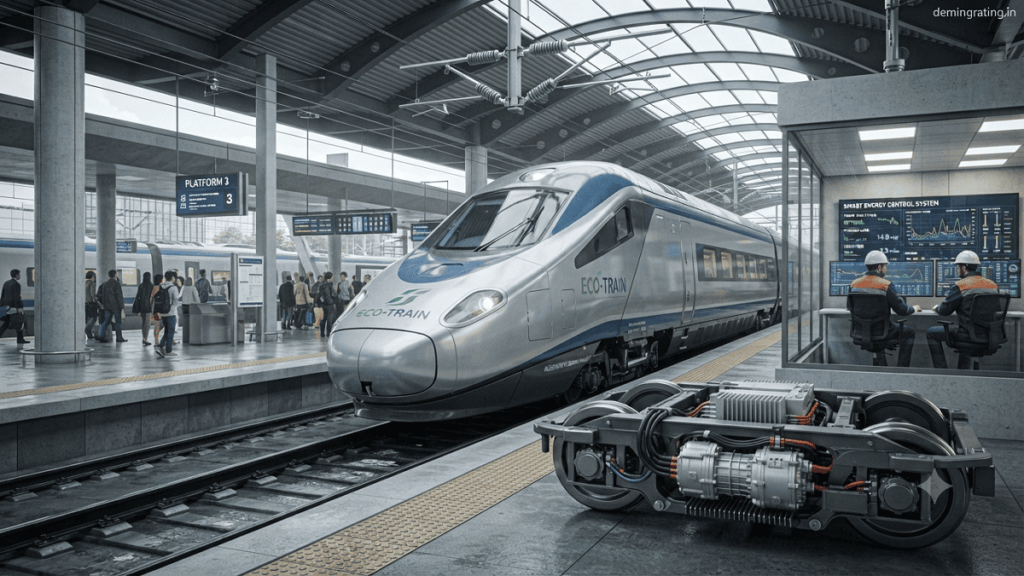
Industry Application of Energy Efficiency in Traction Systems
Energy-efficient traction systems are transforming various industries by reducing energy consumption, improving operational performance, and supporting sustainable transportation goals. From railways and electric vehicles to industrial automation and urban mobility, advanced traction technologies are helping organizations achieve higher efficiency while lowering environmental impact.
As transportation becomes increasingly electrified, industries are adopting solutions such as regenerative braking, high-efficiency motors, intelligent energy management systems, and advanced power electronics. These technologies enable better energy utilization and provide long-term economic and environmental benefits.
1. Railway and Metro Transportation
The railway industry is one of the largest users of electric traction systems. High-speed trains, commuter rail, and metro networks require efficient traction solutions to manage large energy demands.
Modern railway systems use:
- Regenerative braking systems to recover braking energy
- High-efficiency traction motors
- Advanced traction converters
- Smart energy monitoring systems
Metro networks benefit significantly from regenerative braking because frequent acceleration and braking cycles create opportunities for energy recovery. The recovered energy can be reused by other trains or fed back into the power grid, reducing overall electricity consumption.
Energy-efficient railway traction helps operators reduce operating costs, improve reliability, and achieve sustainability targets.
Reference: https://www.uic.org/
2. Electric Vehicles (EVs)
The automotive industry is rapidly adopting energy-efficient traction technologies to improve electric vehicle performance. Electric cars, buses, and commercial vehicles rely on traction motors and battery systems to convert stored energy into movement.
Key efficiency technologies include:
- Permanent Magnet Synchronous Motors (PMSM)
- Regenerative braking
- Battery management systems
- Advanced motor controllers
Regenerative braking improves driving range by recovering energy during deceleration. Efficient traction motors also reduce battery consumption, allowing vehicles to travel longer distances on a single charge.
Electric buses in urban transportation systems benefit from efficient traction systems by lowering operating costs and reducing emissions in densely populated areas.
Reference: https://www.energy.gov/vehicles
3. Industrial Automation and Material Handling
Energy-efficient traction systems are widely used in industrial equipment such as:
- Automated guided vehicles (AGVs)
- Electric forklifts
- Warehouse robots
- Mining vehicles
- Heavy-duty industrial transport systems
These applications require reliable movement with minimal energy usage. Advanced traction controllers optimize power delivery according to load conditions, improving battery life and reducing operational expenses.
In warehouses and manufacturing facilities, efficient electric traction supports automation while reducing dependence on fuel-powered equipment.
4. Urban Public Transportation
Cities worldwide are adopting energy-efficient traction technologies for sustainable public transportation. Electric trams, trolleybuses, and battery-powered buses use advanced traction systems to improve energy performance.
Benefits include:
- Reduced fuel dependency
- Lower emissions
- Quieter operation
- Improved passenger efficiency
Smart transportation systems combine traction technology with real-time monitoring to optimize routes, energy usage, and vehicle performance.
5. Marine and Port Operations
Ports and marine industries are increasingly using electric traction systems for equipment such as automated cranes, electric harbor vehicles, and container handling machines.
Energy-efficient traction helps reduce fuel consumption and emissions in port environments. Regenerative braking and energy recovery systems improve efficiency in heavy lifting and transportation operations.
6. Mining and Heavy Industrial Applications
Mining operations require powerful traction systems for haul trucks, locomotives, and heavy machinery. Electric traction technologies help improve efficiency in these high-energy applications.
Benefits include:
- Reduced energy costs
- Improved equipment performance
- Lower maintenance requirements
- Reduced carbon emissions
Hybrid and electric mining vehicles are increasingly being developed to replace conventional diesel-powered equipment.
Future Industry Adoption
The future of energy-efficient traction will be shaped by:
- Artificial intelligence-based energy optimization
- Renewable energy integration
- Advanced battery technologies
- Smart grid-connected transportation systems
- Next-generation semiconductor technologies
These innovations will enable industries to achieve greater energy savings while improving reliability and sustainability.
Conclusion
Energy-efficient traction systems are becoming essential across industries by improving energy utilization, reducing emissions, and lowering operational costs. Railway networks, electric vehicles, industrial automation, urban transportation, and heavy industries are benefiting from advanced traction technologies such as regenerative braking, intelligent controls, and high-efficiency motors.
As industries continue moving toward electrification and sustainability, energy-efficient traction will play a critical role in building cleaner, smarter, and more economical transportation systems worldwide.
Ask FAQs
What is energy efficiency in traction systems?
Energy efficiency in traction systems refers to the ability of a transportation system to convert electrical energy into mechanical movement while minimizing energy losses. It involves the use of advanced traction motors, regenerative braking, intelligent control systems, and efficient power electronics to reduce energy consumption. Energy-efficient traction systems are widely used in railways, electric vehicles, metros, and industrial transportation equipment to improve performance while lowering operational costs and environmental impact.
How does regenerative braking improve traction energy efficiency?
Regenerative braking improves traction energy efficiency by recovering the kinetic energy produced during vehicle braking. Instead of converting braking energy into heat and wasting it, regenerative systems convert it into electrical energy that can be reused by the vehicle or returned to the power network. This technology is especially effective in trains, metros, and electric vehicles where frequent acceleration and braking occur, helping reduce electricity consumption and improve overall system efficiency.
Which industries benefit from energy-efficient traction systems?
Several industries benefit from energy-efficient traction systems, including railway transportation, electric vehicle manufacturing, public transit, industrial automation, mining, and marine operations. Railways and metro systems use efficient traction technologies to reduce power consumption, while electric vehicles use them to increase driving range. Industrial applications such as automated guided vehicles and electric forklifts use efficient traction systems to improve productivity and reduce energy costs.
What technologies improve the efficiency of electric traction systems?
Key technologies that improve electric traction efficiency include high-efficiency traction motors, permanent magnet synchronous motors (PMSM), advanced power converters, silicon carbide (SiC) semiconductor devices, regenerative braking, battery energy storage systems, and artificial intelligence-based energy management solutions. These technologies optimize power usage, reduce energy losses, and improve the reliability and performance of electric transportation systems.
What are the future trends in traction energy efficiency?
Future trends in traction energy efficiency include the integration of artificial intelligence, renewable energy sources, advanced battery technologies, smart transportation networks, and next-generation power electronics. Transportation systems are expected to become more connected and automated, allowing real-time energy optimization. These developments will help reduce emissions, lower operating costs, and support the transition toward sustainable and energy-efficient mobility solutions.
Table of Contents
Disclaimer: This content is for informational purposes only and does not replace professional engineering advice. Always consult qualified experts and follow applicable standards and regulations before implementing traction energy efficiency solutions.