
Eco-friendly Refrigerants and Halon-free Systems
As environmental regulations become stricter and sustainability becomes a priority across industries, the demand for eco-friendly refrigerants and halon-free systems has grown significantly. These technologies are helping businesses reduce their environmental impact while maintaining high standards of cooling, refrigeration, and fire protection. From commercial buildings and data centers to industrial facilities and transportation systems, the transition away from harmful substances is now considered both an environmental and economic necessity.
Traditional refrigerants such as chlorofluorocarbons (CFCs) and hydrochlorofluorocarbons (HCFCs) were widely used for decades, but they were found to contribute to ozone depletion and global warming. International agreements such as the Montreal Protocol have accelerated the phase-out of these substances. In response, industries have adopted alternatives with lower ozone depletion potential (ODP) and lower global warming potential (GWP).
Modern eco-friendly refrigerants include hydrofluoroolefins (HFOs), natural refrigerants such as carbon dioxide (CO₂ or R-744), ammonia (R-717), and hydrocarbons like propane (R-290). These options offer improved environmental performance and, in many cases, higher energy efficiency. For example, CO₂ refrigeration systems are increasingly used in supermarkets and cold-storage facilities because they have a GWP of 1, making them one of the most climate-friendly choices available. Detailed information on refrigerant alternatives is available from the U.S. Environmental Protection Agency SNAP Program .
Halon-based fire suppression systems were once the preferred solution for protecting sensitive equipment because they extinguished fires quickly without leaving residue. However, halons are potent ozone-depleting substances, and their production has been phased out under international environmental agreements. Today, halon-free systems use clean agents such as FK-5-1-12 (Novec 1230), HFC-227ea (FM-200), inert gas systems, and water mist technologies. These alternatives provide effective fire protection while significantly reducing environmental harm. The National Fire Protection Association (NFPA) provides standards and guidance on modern fire suppression technologies.
The benefits of adopting eco-friendly refrigerants and halon-free systems extend beyond regulatory compliance. Organizations can reduce greenhouse gas emissions, improve energy efficiency, lower operating costs over time, and enhance their sustainability credentials. Customers, investors, and regulators increasingly expect companies to demonstrate responsible environmental practices.
In conclusion, eco-friendly refrigerants and halon-free systems represent a critical step toward a more sustainable future. By replacing ozone-depleting and high-GWP substances with environmentally responsible alternatives, industries can protect both operational assets and the planet while preparing for evolving global regulations and market expectations.
What are eco-friendly refrigerants and why are they important?
Eco-friendly refrigerants are cooling substances used in air conditioning, refrigeration, and heat pump systems that have a lower environmental impact than traditional refrigerants. They are designed to minimize damage to the ozone layer and reduce contributions to global warming. These refrigerants have become increasingly important as governments and industries work to address climate change and comply with international environmental regulations.
Historically, many cooling systems relied on chlorofluorocarbons (CFCs) and hydrochlorofluorocarbons (HCFCs). While these chemicals were effective for refrigeration, they were later found to cause significant ozone depletion. The ozone layer protects the Earth from harmful ultraviolet radiation, and its depletion can increase risks such as skin cancer, cataracts, and damage to ecosystems. The global phase-out of these substances was initiated through the Montreal Protocol , Eco-friendly Refrigerants one of the most successful international environmental agreements.
Modern eco-friendly refrigerants include hydrofluoroolefins (HFOs), carbon dioxide (CO₂ or R-744), ammonia (R-717), and hydrocarbons such as propane (R-290) and isobutane (R-600a). These alternatives generally have zero ozone depletion potential (ODP) and much lower global warming potential (GWP) compared with older refrigerants. For example, CO₂ has a GWP of 1, making it one of the most environmentally responsible refrigerant options available. The U.S. Environmental Protection Agency SNAP Program provides detailed information on approved refrigerant alternatives and their environmental characteristics.
The importance of eco-friendly refrigerants goes beyond environmental protection. Many of these refrigerants also improve energy efficiency, which reduces electricity consumption and operating costs. In commercial buildings, supermarkets, cold-storage facilities, and residential air conditioners, higher efficiency can lead to substantial savings over the life of the system. Lower energy use also means fewer greenhouse gas emissions from power generation, especially in regions that still rely heavily on fossil fuels.
Regulatory compliance is another key factor. Many countries have introduced restrictions on high-GWP refrigerants through policies aligned with the Kigali Amendment to the Montreal Protocol. Businesses that adopt eco-friendly refrigerants are better prepared for future regulations and avoid the costs associated with replacing non-compliant equipment.
In conclusion, eco-friendly refrigerants are essential for creating sustainable cooling systems. They help protect the ozone layer, reduce greenhouse gas emissions, improve energy efficiency, Eco-friendly Refrigerants and support compliance with evolving environmental standards. As demand for cooling continues to grow worldwide, the transition to environmentally responsible refrigerants will play a crucial role in achieving global climate and sustainability goals.
How do halon-free systems contribute to environmental protection?
Halon-free systems contribute to environmental protection by replacing halon-based fire suppression agents that are harmful to the ozone layer and have significant climate impacts. These modern systems are widely used in data centers, telecommunications facilities, aircraft, industrial plants, museums, and other environments where rapid and clean fire suppression is essential. Their adoption represents an important step toward reducing the environmental footprint of fire protection technologies.
Halon compounds, particularly Halon 1211 and Halon 1301, were once popular because they extinguished fires quickly and left no residue. However, scientific research showed that halons are potent ozone-depleting substances. When released into the atmosphere, they break down ozone molecules that protect the Earth from harmful ultraviolet radiation. Increased UV exposure can contribute to skin cancer, eye damage, reduced agricultural productivity, and disruption of marine ecosystems. To address these risks, the production of new halons was phased out under the Montreal Protocol .
Halon-free systems use alternative suppression agents with zero ozone depletion potential. Common options include FK-5-1-12 (marketed as Novec 1230), HFC-227ea (FM-200), inert gas systems such as IG-541 and IG-55, and water mist technologies. These systems are designed to suppress fires effectively while minimizing environmental harm. Information on environmentally preferable fire suppression alternatives is available from the U.S. Environmental Protection Agency .
One of the most important environmental benefits of halon-free systems is the protection of the ozone layer. By eliminating ozone-depleting chemicals, these systems help preserve the atmospheric shield that filters ultraviolet radiation. Some newer clean agents also have a much lower global warming impact than older halon and hydrofluorocarbon-based products. For example, FK-5-1-12 has an extremely low atmospheric lifetime and a very low global warming potential compared with many conventional fire suppression agents.
Inert gas systems provide another environmentally responsible option because they use naturally occurring gases such as nitrogen, argon, and carbon dioxide in carefully balanced mixtures. These gases do not deplete ozone and have minimal long-term environmental effects when discharged. Water mist systems can further reduce chemical use by suppressing fires with very small droplets that cool the flame and displace oxygen locally.
Beyond direct environmental benefits, halon-free systems support sustainable building design and regulatory compliance. Organizations that install these systems can align with green building standards, reduce environmental liability, and demonstrate responsible environmental management.
In conclusion, halon-free systems protect the environment by eliminating ozone-depleting substances, reducing climate impacts, supporting sustainable fire protection practices, and helping organizations meet modern environmental and safety standards without compromising fire suppression performance.
What are the common types of eco-friendly refrigerants used today?
Eco-friendly refrigerants are becoming the preferred choice in air conditioning, refrigeration, and heat pump systems because they offer lower environmental impact than traditional refrigerants. The most common types used today are hydrofluoroolefins (HFOs), carbon dioxide (CO₂), ammonia, and hydrocarbon refrigerants such as propane and isobutane. These alternatives are selected based on factors such as global warming potential (GWP), energy efficiency, safety, and application requirements.
Hydrofluoroolefins (HFOs) are among the newest synthetic refrigerants. Examples include R-1234yf and R-1234ze. They have zero ozone depletion potential and very low GWP compared with older hydrofluorocarbons (HFCs). R-1234yf is widely used in automotive air conditioning systems, while R-1234ze is increasingly used in commercial chillers and heat pumps. The U.S. Environmental Protection Agency provides detailed information on acceptable refrigerant alternatives through its SNAP Program .
Carbon dioxide (CO₂ or R-744) is a natural refrigerant that has gained significant popularity in supermarkets, cold-storage facilities, and heat pump applications. Its GWP is 1, which is the baseline value used for comparison with other greenhouse gases. CO₂ systems can achieve excellent energy performance in many climates, although they operate at much higher pressures than conventional refrigerants.
Ammonia (R-717) has been used for more than a century, especially in industrial refrigeration. It has zero ozone depletion potential and zero direct global warming potential. Ammonia is highly energy efficient and is commonly found in food processing plants, ice rinks, and large cold-storage warehouses. However, because it is toxic and mildly flammable, it requires specialized system design and safety measures.
Hydrocarbon refrigerants include propane (R-290), isobutane (R-600a), and propylene (R-1270). These refrigerants have very low GWP and excellent thermodynamic efficiency. R-600a is widely used in domestic refrigerators, while R-290 is increasingly used in small commercial refrigeration units and some air conditioners. Their main limitation is flammability, which is managed through charge-size restrictions and safety standards.
The transition to these refrigerants is being driven by international agreements such as the Kigali Amendment to the Montreal Protocol , which aims to reduce the use of high-GWP HFCs. Manufacturers are redesigning equipment to accommodate these environmentally responsible alternatives.
In conclusion, the most common eco-friendly refrigerants used today are HFOs, CO₂, ammonia, and hydrocarbons. Each offers specific advantages in terms of environmental performance and energy efficiency, and together they are helping the cooling industry move toward a more sustainable and climate-friendly future.
What are the benefits of replacing traditional refrigerants and halon systems?
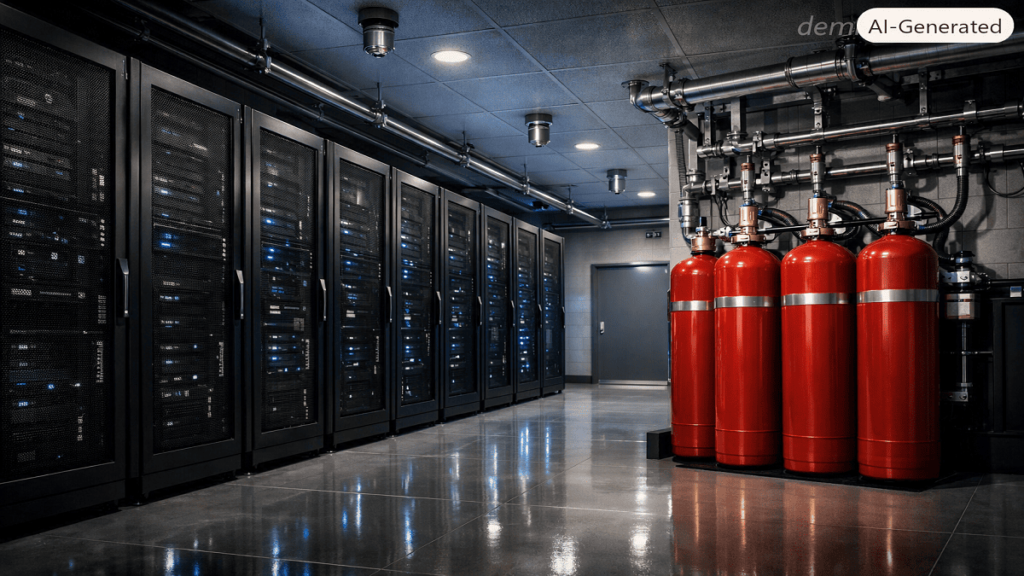
Replacing traditional refrigerants and halon-based fire suppression systems offers significant environmental, economic, and operational benefits. As industries face increasing pressure to reduce emissions and comply with international regulations, the transition to modern alternatives has become an essential part of sustainable building and industrial management.
One of the most important benefits is environmental protection. Traditional refrigerants such as chlorofluorocarbons (CFCs) and hydrochlorofluorocarbons (HCFCs) contribute to ozone layer depletion, while many older hydrofluorocarbons (HFCs) have a very high global warming potential (GWP). Modern alternatives, including hydrofluoroolefins (HFOs), carbon dioxide (R-744), ammonia (R-717), and hydrocarbons such as propane (R-290), have zero ozone depletion potential and significantly lower GWP. This helps reduce greenhouse gas emissions and supports global climate goals. The Montreal Protocol and the Kigali Amendment are key international frameworks driving this transition.
Replacing halon systems provides similar environmental advantages. Halons are highly effective fire suppression agents, but they are also potent ozone-depleting substances. Modern halon-free systems use clean agents, inert gases, or water mist technologies that protect sensitive equipment without causing ozone damage. Guidance on these alternatives is available from the National Fire Protection Association (NFPA) .
Another major benefit is improved energy efficiency. Many eco-friendly refrigerants offer better thermodynamic performance, allowing cooling systems to consume less electricity. Lower energy use reduces operating costs over the life of the equipment and decreases indirect carbon emissions from power generation. In commercial buildings, supermarkets, and industrial facilities, these savings can be substantial.
Regulatory compliance is also a critical advantage. Many countries have introduced restrictions on high-GWP refrigerants and ozone-depleting substances. Organizations that upgrade their refrigeration and fire protection systems are better prepared for future regulations and avoid potential penalties, supply shortages, and costly emergency replacements.
Modern systems often provide enhanced safety and reliability. Advances in equipment design, leak detection, ventilation, and control technologies have made newer refrigerant and fire suppression systems more dependable. Halon-free systems can protect valuable assets such as servers, electrical equipment, archives, and medical facilities while minimizing environmental risk.
Finally, replacing outdated systems can improve an organization’s sustainability reputation. Customers, investors, and regulatory bodies increasingly value environmentally responsible practices. Upgrading to eco-friendly refrigerants and halon-free fire protection demonstrates a commitment to sustainability, corporate responsibility, and long-term operational resilience.
In conclusion, replacing traditional refrigerants and halon systems delivers lower environmental impact, better energy efficiency, regulatory compliance, improved safety, reduced operating costs, and stronger sustainability performance, making it a strategic investment for both businesses and public institutions.
What challenges and future trends are associated with eco-friendly refrigerants and halon-free technologies?
The transition to eco-friendly refrigerants and halon-free technologies is essential for reducing environmental impact, but it also presents several technical, economic, and regulatory challenges. As industries move away from ozone-depleting and high-global-warming substances, manufacturers, facility operators, and policymakers must address issues related to safety, cost, infrastructure, and long-term performance.
One of the primary challenges is system compatibility. Many older refrigeration and air-conditioning systems were designed for refrigerants such as HCFCs and HFCs. Replacing them with low-GWP alternatives often requires modifications to compressors, heat exchangers, piping, lubricants, and control systems. In some cases, complete equipment replacement is more practical than retrofitting, which can increase capital costs.
Safety considerations are another important challenge. Natural refrigerants such as propane (R-290) and isobutane (R-600a) are flammable, while ammonia (R-717) is toxic and mildly flammable. Although these refrigerants offer excellent environmental performance, they require strict adherence to safety standards, proper ventilation, leak detection, and technician training. The ASHRAE provides guidance on refrigerant classification and safety requirements.
For halon-free fire suppression systems, challenges include higher initial investment and application-specific limitations. Clean agents, inert gas systems, and water mist technologies may require larger storage space, pressure-resistant enclosures, or specialized discharge systems. Ensuring effective protection for sensitive environments such as data centers, aircraft, and industrial facilities requires careful engineering and testing. Standards from the National Fire Protection Association (NFPA) help address these design considerations.
Another concern is the availability and cost of new refrigerants. Some HFOs remain more expensive than conventional HFCs, and supply chains are still developing in certain regions. Developing countries may face additional barriers related to affordability, technical expertise, and regulatory implementation.
Despite these challenges, several future trends are shaping the industry. The most significant is the growing adoption of natural refrigerants, especially CO₂, ammonia, and hydrocarbons, due to their ultra-low GWP and strong energy efficiency. Supermarkets, cold-storage facilities, and heat pump manufacturers are increasingly investing in these technologies.
A second trend is the rapid expansion of heat pumps for residential, commercial, and industrial heating. Governments are promoting heat pumps as a key decarbonization strategy, which is accelerating research into refrigerants with even lower climate impact.
In fire protection, future systems are expected to focus on sustainable clean agents with very short atmospheric lifetimes, advanced detection technologies, and integrated building management systems that optimize both safety and environmental performance.
International policies such as the Kigali Amendment to the Montreal Protocol will continue to drive innovation and phase down high-GWP substances.
In conclusion, eco-friendly refrigerants and halon-free technologies face challenges related to compatibility, safety, cost, and infrastructure, but future trends strongly favor natural refrigerants, advanced heat pumps, sustainable fire suppression agents, and smarter integrated systems that support long-term environmental and energy goals.
Case Study of Eco-friendly Refrigerants and Halon-free Systems
A practical case study of eco-friendly refrigerants and halon-free systems can be seen in the modernization of a large commercial supermarket and data center complex. The facility management team aimed to reduce greenhouse gas emissions, improve energy efficiency, and comply with evolving environmental regulations. The project involved replacing a conventional HFC-based refrigeration system and an aging halon fire suppression system with sustainable alternatives.
The supermarket originally used R-404A, a refrigerant with a very high global warming potential (GWP). Frequent leakage and rising maintenance costs made the system increasingly inefficient. After an engineering assessment, the facility adopted a transcritical CO₂ (R-744) refrigeration system. CO₂ has a GWP of 1 and zero ozone depletion potential, making it one of the most environmentally responsible refrigerants available. The new system was designed with heat recovery technology, allowing waste heat from refrigeration to be reused for water heating and space heating.
According to guidance from the U.S. EPA SNAP Program , CO₂ is an approved low-impact refrigerant for many commercial applications. After installation, the supermarket reported a significant reduction in refrigerant leakage and improved energy performance, particularly during moderate outdoor temperatures. The project also reduced the facility’s direct greenhouse gas emissions by several hundred tons of CO₂-equivalent annually.
The data center portion of the facility presented a different challenge. It was protected by an older halon-based suppression system that could no longer be expanded and posed environmental concerns. The management team replaced it with an FK-5-1-12 clean agent system (Novec 1230). This agent has zero ozone depletion potential, a very low global warming potential, and a short atmospheric lifetime. The system was integrated with advanced smoke detection and automatic shutdown controls to minimize discharge events.
The design followed standards published by the National Fire Protection Association (NFPA) for clean agent fire extinguishing systems. Unlike water sprinklers, the clean agent protected servers and electrical equipment without causing residue or water damage.
The combined project delivered several measurable benefits. Energy consumption decreased, maintenance costs were reduced, environmental compliance improved, and the organization strengthened its sustainability reporting. Although the initial investment was higher than simply repairing the old systems, the expected payback period was estimated at five to seven years through energy savings, lower refrigerant losses, and reduced regulatory risk.
This case study demonstrates that eco-friendly refrigerants and halon-free systems are not only environmentally beneficial but also economically viable when applied through careful engineering and lifecycle analysis. By adopting CO₂ refrigeration and modern clean-agent fire protection, the facility achieved a substantial reduction in environmental impact while maintaining high standards of operational reliability, safety, and long-term performance.
White Paper on Eco-friendly Refrigerants and Halon-free Systems
Executive Summary
The global transition toward sustainable cooling and fire protection technologies is accelerating due to environmental concerns, regulatory requirements, and corporate sustainability goals. Traditional refrigerants such as chlorofluorocarbons (CFCs), hydrochlorofluorocarbons (HCFCs), and some hydrofluorocarbons (HFCs) have been associated with ozone depletion and high global warming potential (GWP). Similarly, halon-based fire suppression systems, once widely used in critical facilities, are being phased out because of their severe impact on the ozone layer. This white paper examines the role of eco-friendly refrigerants and halon-free systems, their benefits, challenges, and future opportunities.
Background
International agreements such as the Montreal Protocol and the Kigali Amendment have driven the phase-out of ozone-depleting substances and the reduction of high-GWP refrigerants. Industries including commercial refrigeration, HVAC, data centers, healthcare, and manufacturing are adopting environmentally responsible alternatives.
Eco-friendly Refrigerants
The most widely adopted low-impact refrigerants include:
- Hydrofluoroolefins (HFOs): R-1234yf and R-1234ze offer very low GWP and zero ozone depletion potential.
- Carbon dioxide (R-744): Natural refrigerant with GWP of 1 and strong performance in commercial refrigeration.
- Ammonia (R-717): Highly efficient for industrial refrigeration with zero direct GWP.
- Hydrocarbons: Propane (R-290) and isobutane (R-600a) provide excellent energy efficiency and very low GWP.
The U.S. EPA SNAP Program provides guidance on approved refrigerant alternatives and their environmental characteristics.
Halon-free Fire Protection Systems
Modern halon-free systems include clean agents, inert gases, and water mist technologies. Common solutions are FK-5-1-12, HFC-227ea, IG-541, and IG-55. These systems protect sensitive equipment without causing ozone depletion and are widely used in data centers, telecommunications facilities, museums, and industrial plants.
Design and installation are governed by standards from the National Fire Protection Association (NFPA) .
Benefits
| Area | Benefit |
|---|---|
| Environment | Reduced ozone depletion and lower greenhouse gas emissions |
| Energy | Improved system efficiency and lower electricity consumption |
| Compliance | Alignment with international and national regulations |
| Operations | Lower leakage rates and reduced maintenance costs |
| Reputation | Stronger sustainability and ESG performance |
Challenges
Despite the advantages, organizations face several barriers:
- Higher initial capital investment
- Equipment compatibility issues
- Safety requirements for flammable or toxic refrigerants
- Need for technician training and certification
- Regional differences in regulations and supply chains
Future Trends
Key trends shaping the market include the expansion of natural refrigerants, rapid growth of heat pump technology, development of ultra-low-GWP refrigerants, and integration of smart monitoring systems for leak detection and fire protection.
Conclusion
Eco-friendly refrigerants and halon-free systems are essential components of sustainable infrastructure. They enable organizations to reduce environmental impact, improve energy efficiency, and comply with evolving regulations. Although technical and economic challenges remain, continued innovation and supportive policy frameworks are accelerating adoption. Companies that invest in these technologies today will be better positioned to meet future environmental standards while achieving long-term operational and financial benefits.
Industry Application of Eco-friendly Refrigerants and Halon-free Systems
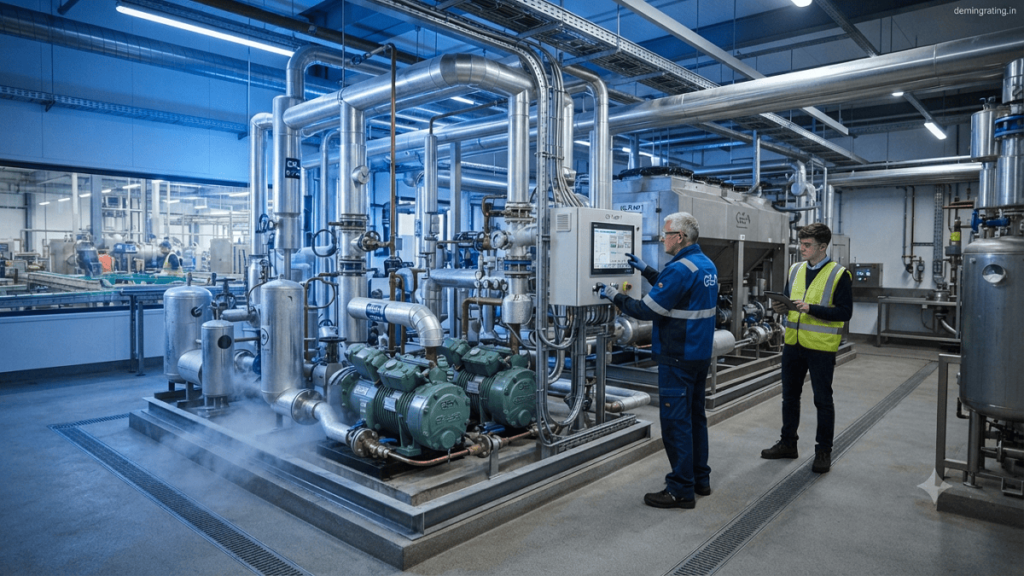
Eco-friendly refrigerants and halon-free fire protection systems are now widely applied across multiple industries as organizations pursue sustainability, regulatory compliance, energy efficiency, and operational reliability. The shift away from ozone-depleting and high-global-warming substances is transforming how cooling and fire suppression systems are designed, installed, and maintained.
Commercial Refrigeration
Supermarkets, convenience stores, and cold-storage facilities are among the largest users of refrigerants. Many companies are replacing high-GWP refrigerants such as R-404A with carbon dioxide (R-744), propane (R-290), or HFO blends. CO₂ transcritical systems are increasingly common in large retail chains because they offer low environmental impact and good energy performance. The U.S. EPA SNAP Program identifies approved low-impact refrigerants for commercial refrigeration applications.
Heating, Ventilation, and Air Conditioning (HVAC)
In residential and commercial HVAC systems, manufacturers are transitioning to refrigerants with lower GWP, including R-32 and R-454B. These refrigerants support higher energy efficiency and help meet evolving environmental regulations. Green building programs such as LEED encourage the use of environmentally preferable refrigerants and efficient mechanical systems.
Industrial Refrigeration
Food processing plants, breweries, pharmaceutical facilities, and chemical industries frequently use ammonia (R-717) because of its excellent thermodynamic efficiency and zero direct global warming potential. Modern ammonia systems incorporate advanced safety controls, leak detection, and ventilation to address toxicity concerns.
Data Centers and Telecommunications
Data centers require both reliable cooling and effective fire protection. Many facilities use low-GWP chillers and heat recovery systems to reduce energy consumption. For fire suppression, halon systems have largely been replaced by FK-5-1-12 clean agents, HFC-227ea, or inert gas systems. These technologies protect servers and electronic equipment without leaving residue or causing water damage. Standards from the National Fire Protection Association (NFPA) guide the design of these systems.
Healthcare and Laboratories
Hospitals, research laboratories, and pharmaceutical manufacturing facilities require precise temperature control and contamination-free fire protection. Clean-agent halon-free systems are preferred because they minimize damage to sensitive medical and laboratory equipment while meeting strict safety requirements.
Transportation Sector
Automotive manufacturers have widely adopted R-1234yf for vehicle air conditioning systems, replacing R-134a due to its much lower GWP. Refrigerated trucks, containers, and marine refrigeration systems are also moving toward CO₂ and other low-impact refrigerants.
Aviation and Defense
Aircraft and defense facilities historically relied heavily on halons. Today, new platforms increasingly use halon-free suppression technologies and alternative refrigerants that comply with international environmental standards while maintaining high safety performance.
Conclusion
The industry application of eco-friendly refrigerants and halon-free systems is expanding rapidly across commercial, industrial, healthcare, transportation, and technology sectors. These solutions help organizations reduce greenhouse gas emissions, protect the ozone layer, improve energy efficiency, and comply with global environmental regulations, making them a cornerstone of modern sustainable infrastructure.
Ask FAQs
What is an eco-friendly refrigerant?
An eco-friendly refrigerant is a cooling substance that has zero ozone depletion potential (ODP) and low global warming potential (GWP) compared with traditional refrigerants such as CFCs, HCFCs, and some HFCs. Common examples include R-744 (CO₂), R-717 (ammonia), R-290 (propane), and HFO refrigerants such as R-1234yf. These refrigerants help reduce environmental damage while maintaining efficient cooling performance.
Why are halon systems being replaced?
Halon systems are being replaced because halons are potent ozone-depleting substances. International agreements such as the Montreal Protocol phased out the production of new halons due to their harmful impact on the ozone layer. Modern alternatives, including FK-5-1-12, FM-200, inert gas systems, and water mist systems, provide effective fire suppression with significantly lower environmental impact.
Are eco-friendly refrigerants more energy efficient?
In many applications, yes. Refrigerants such as CO₂, ammonia, and propane can deliver excellent thermodynamic performance, which may reduce electricity consumption and operating costs. However, actual efficiency depends on system design, climate conditions, maintenance, and the specific application. Properly engineered systems often achieve both environmental and energy benefits.
Are halon-free fire suppression systems safe for electronic equipment?
Yes. Halon-free clean-agent systems and inert gas systems are specifically designed for environments containing servers, telecommunications equipment, medical devices, and other sensitive electronics. They extinguish fires without leaving residue and without causing the water damage associated with traditional sprinkler systems. System design must follow recognized fire protection standards.
What is the future of eco-friendly refrigerants and halon-free technologies?
The future is focused on natural refrigerants, ultra-low-GWP refrigerants, high-efficiency heat pumps, smart leak detection, and sustainable clean-agent fire protection systems. Governments and industries are accelerating adoption through regulations, incentives, and sustainability initiatives. These technologies are expected to become the standard for new cooling and fire protection installations worldwide.
Table of Contents
Disclaimer: This article is intended for informational and educational purposes only. While every effort has been made to ensure accuracy, readers should consult qualified HVAC, refrigeration, or fire protection professionals and refer to applicable local regulations and manufacturer guidelines before making technical, safety, or compliance-related decisions.