
Eco-Friendly Wood-Based Materials: Sustainable Solutions for a Greener Future
Eco-friendly wood-based materials are becoming increasingly important as industries and consumers look for sustainable alternatives to conventional products. These materials are developed from responsibly sourced wood, recycled wood, and innovative wood-based technologies that help reduce environmental impact while maintaining strength, durability, and functionality.
Wood is a renewable natural resource, but its environmental benefits depend on responsible sourcing and sustainable forest management. When harvested and processed responsibly, wood-based materials can support carbon storage, reduce reliance on non-renewable resources, and contribute to sustainable construction, furniture, education, packaging, Eco-Friendly Wood-Based Materials and interior design industries.
Organizations such as the Forest Stewardship Council (FSC) promote responsible forest management Eco-Friendly Wood-Based Materials and certification systems that ensure wood products come from sustainably managed forests:
https://fsc.org/
What Are Eco-Friendly Wood-Based Materials?
Eco-friendly wood-based materials are products manufactured using sustainable wood resources, recycled wood fibers, or engineered wood technologies that minimize environmental impact. These materials are designed to use resources efficiently while reducing waste during production.
Common examples include:
- Reclaimed wood
- Bamboo-based materials
- Cross-laminated timber (CLT)
- Wood fiber boards
- Recycled wood composites
- FSC-certified wood products
- Low-formaldehyde engineered wood
These materials are widely used in construction, furniture manufacturing, education infrastructure, packaging, Eco-Friendly Wood-Based Materials and interior applications.
Types of Eco-Friendly Wood-Based Materials
1. Reclaimed Wood
Reclaimed wood is recovered from old buildings, warehouses, bridges, and other structures. Instead of being discarded, the wood is reused to create new products such as furniture, flooring, decorative panels, Eco-Friendly Wood-Based Materials and architectural features.
The use of reclaimed wood reduces the demand for newly harvested timber and helps minimize construction waste. It also gives products a unique appearance due to its natural texture and history.
2. Bamboo-Based Materials
Although technically a grass, bamboo is often used as a wood alternative because of its strength, fast growth rate, and renewable nature. Bamboo-based panels, flooring, furniture, Eco-Friendly Wood-Based Materials and school products are becoming increasingly popular.
Bamboo requires fewer resources to grow compared with many traditional timber sources, making it a sustainable option for various applications.
3. Cross-Laminated Timber (CLT)
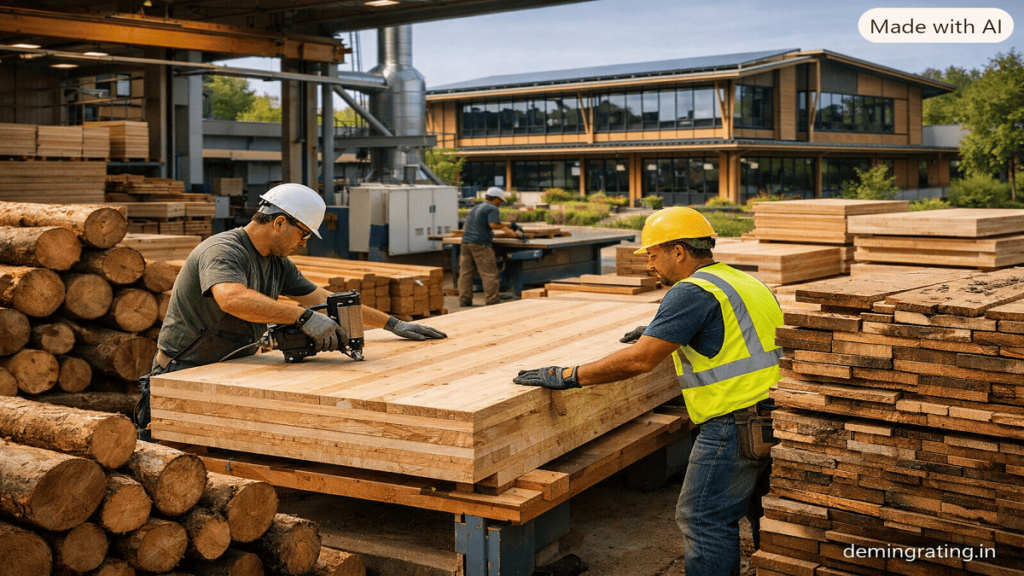
Cross-laminated timber is an engineered wood product created by layering wooden boards in different directions and bonding them together. It provides high strength and stability, making it suitable for sustainable building construction.
CLT can replace some carbon-intensive construction materials such as concrete and steel in certain applications, helping reduce the carbon footprint of buildings.
4. Wood Fiber Boards
Wood fiber boards are produced using compressed wood fibers Eco-Friendly Wood-Based Materials and are commonly used in furniture, insulation, and interior applications. Sustainable production methods can help maximize the use of wood resources and reduce waste.
5. Recycled Wood Composites
Recycled wood composites combine wood fibers with recycled materials to create durable products. These materials are used in furniture, decking, panels, Eco-Friendly Wood-Based Materials and outdoor applications.
They help extend the lifecycle of wood resources and reduce landfill waste.
Benefits of Eco-Friendly Wood-Based Materials
1. Renewable Resource Usage
Wood is a renewable resource when forests are managed responsibly. Sustainable forestry practices ensure that trees are replanted and ecosystems are protected.
2. Lower Carbon Footprint
Trees naturally absorb carbon dioxide during growth. Wood products can store carbon throughout their useful life, making them valuable for reducing greenhouse gas emissions when compared with some high-energy materials.
3. Waste Reduction
Reclaimed wood and recycled wood products help reduce waste by giving existing materials a second life. This supports circular economy principles and reduces pressure on natural resources.
4. Improved Indoor Environments
Natural wood products can contribute to healthier indoor spaces when produced with low-emission adhesives and finishes. They provide aesthetic benefits while supporting comfortable environments.
5. Durability and Versatility
Eco-friendly wood materials offer excellent durability and can be used across multiple industries, including construction, furniture, education, Eco-Friendly Wood-Based Materials and interior design.
Applications of Eco-Friendly Wood-Based Materials
Sustainable Construction
Wood-based materials are increasingly used for:
- Green building structures
- Flooring
- Wall panels
- Roofing systems
- Interior finishes
Furniture Manufacturing
Eco-friendly wood is used to produce:
- Office furniture
- School desks and chairs
- Home furniture
- Storage solutions
Education Sector
Schools are adopting sustainable wood-based materials for:
- Classroom furniture
- Learning spaces
- Storage units
- Eco-friendly campus infrastructure
Packaging Industry
Wood fibers and recycled wood materials are used to create sustainable packaging solutions that reduce dependence on plastic.
Challenges of Eco-Friendly Wood-Based Materials
Despite their advantages, some challenges remain:
- Higher initial costs compared with conventional materials
- Limited availability of certified sustainable wood
- Need for responsible forest management
- Consumer awareness gaps
- Processing requirements for engineered wood products
Addressing these challenges requires collaboration between manufacturers, governments, certification organizations, and consumers.
Future Trends in Wood-Based Sustainable Materials
The future of eco-friendly wood materials is expected to focus on advanced technologies and circular economy approaches. Innovations include:
- Bio-based wood composites
- Carbon-storing building materials
- Smart engineered wood products
- Improved recycling technologies
- Sustainable forest management systems
As industries continue to prioritize sustainability, wood-based materials are expected to play a major role in creating environmentally responsible products and infrastructure.
Conclusion
Eco-friendly wood-based materials provide a sustainable alternative to many traditional materials by combining renewable resources, durability, Eco-Friendly Wood-Based Materials and environmental responsibility. From construction and furniture to education and packaging, these materials support a greener economy while reducing waste and carbon emissions.
What Are Eco-Friendly Wood-Based Materials and Why Are They Important?
Eco-friendly wood-based materials are sustainable products created from responsibly sourced wood, recycled wood, or renewable wood alternatives that minimize environmental impact while providing durability and functionality. These materials are designed to reduce waste, conserve natural resources, and support sustainable production practices across industries such as construction, furniture, education, packaging, and interior design.
Unlike conventional wood products that may contribute to deforestation and resource depletion when poorly managed, eco-friendly wood materials focus on responsible sourcing, efficient resource use, and environmentally conscious manufacturing. They help balance the need for wood-based products with the importance of protecting forests and ecosystems.
Organizations such as the Forest Stewardship Council (FSC) promote responsible forest management by certifying wood products sourced from sustainably managed forests:
https://fsc.org/
Types of Eco-Friendly Wood-Based Materials
There are several types of sustainable wood-based materials available today:
1. Reclaimed Wood
Reclaimed wood is recovered from old buildings, bridges, warehouses, and other structures. Instead of being discarded, this wood is reused to create new furniture, Eco-Friendly Wood-Based Materials flooring, wall panels, and decorative products.
Using reclaimed wood reduces the demand for newly harvested timber and helps minimize construction waste.
2. FSC-Certified Wood
FSC-certified wood comes from forests managed according to strict environmental and social standards. These forests are maintained to protect biodiversity, support local communities, and ensure long-term resource availability.
3. Bamboo-Based Materials
Bamboo is a rapidly renewable material commonly used as an alternative to traditional wood. It grows quickly, requires fewer resources, and can be used for flooring, furniture, panels, and household products.
4. Engineered Wood Products
Engineered wood materials such as cross-laminated timber (CLT), wood fiber boards, and recycled wood composites are manufactured by combining wood fibers or layers to improve strength and efficiency.
These materials help maximize the use of available wood resources while reducing waste.
Why Are Eco-Friendly Wood-Based Materials Important?
1. They Help Protect Forests
Forests play an essential role in maintaining biodiversity, regulating climate, and supporting ecosystems. Eco-friendly wood materials encourage responsible harvesting practices and reduce pressure on natural forests.
Sustainable forestry ensures that trees are harvested responsibly while allowing forests to regenerate over time.
2. They Reduce Environmental Impact
The production of some traditional construction and manufacturing materials requires large amounts of energy and creates significant carbon emissions. Wood-based sustainable materials generally require fewer resources and can store carbon throughout their lifecycle.
Using renewable wood alternatives can help industries reduce their overall environmental footprint.
3. They Support Waste Reduction
Reclaimed wood and recycled wood composites contribute to a circular economy by extending the useful life of materials. Instead of sending wood waste to landfills, these resources can be transformed into valuable products.
This approach reduces waste generation and improves resource efficiency.
4. They Provide Sustainable Construction Solutions
Eco-friendly wood materials are increasingly used in green buildings due to their strength, natural appearance, and environmental benefits. Engineered wood products can provide alternatives to certain carbon-intensive construction materials.
The United States Green Building Council highlights the importance of sustainable building practices and environmentally responsible materials:
https://www.usgbc.org/
5. They Create Healthier Indoor Spaces
Natural wood products can contribute to comfortable indoor environments when produced with environmentally responsible adhesives, coatings, and finishes. Sustainable wood furniture, flooring, and interiors can improve the aesthetic and functional quality of living and working spaces.
6. They Encourage Sustainable Consumer Choices
Using eco-friendly wood-based products helps consumers and businesses make environmentally responsible decisions. Choosing certified and recycled wood products supports sustainable industries and encourages manufacturers to adopt greener practices.
Conclusion
Eco-friendly wood-based materials are an important solution for reducing environmental impact while meeting the growing demand for durable and renewable products. Materials such as reclaimed wood, bamboo, FSC-certified wood, and engineered wood products help conserve forests, reduce waste, and support sustainable development.
What Types of Sustainable Wood-Based Materials Are Commonly Used in Construction and Design?
Sustainable wood-based materials are becoming increasingly popular in construction and interior design as industries seek environmentally responsible alternatives to traditional building materials. These materials are created from responsibly sourced timber, recycled wood, renewable resources, and advanced engineered wood technologies. They help reduce environmental impact while offering strength, durability, aesthetic appeal, and functional performance.
The use of sustainable wood materials supports responsible forest management, reduces construction waste, and contributes to greener building practices. From structural systems to furniture and interior finishes, wood-based materials are now being integrated into residential, commercial, educational, and industrial projects worldwide.
Organizations such as the Forest Stewardship Council (FSC) promote responsible forestry practices and provide certification for wood products sourced from sustainably managed forests:
https://fsc.org/
1. FSC-Certified Wood
FSC-certified wood is one of the most widely recognized sustainable wood materials used in construction and design. It comes from forests managed according to environmental, social, and economic standards.
Applications include:
- Structural framing
- Flooring
- Doors and windows
- Furniture
- Interior panels
FSC certification helps ensure that forests are not illegally harvested and that biodiversity and ecosystem protection are considered during production.
2. Reclaimed Wood
Reclaimed wood is recovered from older structures such as buildings, barns, warehouses, and bridges. Instead of being discarded, the wood is processed and reused for new applications.
Common uses include:
- Flooring
- Wall coverings
- Decorative panels
- Tables and furniture
- Architectural features
Reclaimed wood reduces the need for new timber harvesting and helps minimize construction waste. It also provides unique textures and appearances that are valued in modern interior design.
3. Cross-Laminated Timber (CLT)
Cross-laminated timber is an engineered wood product made by stacking layers of timber boards in different directions and bonding them together. It provides high strength, stability, and durability.
CLT is commonly used for:
- Building structures
- Walls
- Floors
- Roof systems
- Multi-story sustainable buildings
It is gaining attention as an alternative to some traditional construction materials because it can reduce the carbon footprint of building projects.
4. Glued Laminated Timber (Glulam)
Glulam is created by bonding multiple layers of wood together to form strong structural beams and columns. It allows architects to design large open spaces while maintaining sustainability goals.
Applications include:
- Commercial buildings
- Sports facilities
- Bridges
- Large architectural structures
Glulam uses smaller pieces of wood efficiently, helping maximize the value of harvested timber.
5. Bamboo-Based Materials
Although bamboo is technically a grass, it is widely used as a wood alternative because of its rapid growth and strength. Bamboo-based materials are increasingly used in sustainable design projects.
Applications include:
- Flooring
- Furniture
- Wall panels
- Decorative elements
- Interior accessories
Bamboo grows quickly compared with many traditional timber species, making it a renewable material option.
6. Wood Fiber Boards
Wood fiber boards are produced by compressing wood fibers into panels. They are commonly used for insulation, furniture, and interior applications.
Benefits include:
- Efficient use of wood resources
- Reduced material waste
- Good thermal and acoustic performance
- Sustainable interior solutions
These boards are often used in green building projects where energy efficiency and responsible material selection are priorities.
7. Recycled Wood Composite Materials
Recycled wood composites combine wood fibers with recycled materials to create durable products. These materials help extend the life cycle of wood resources.
Applications include:
- Outdoor decking
- Furniture
- Wall panels
- Landscaping products
They reduce landfill waste by transforming discarded wood into useful products.
8. Wood-Based Insulation Materials
Natural wood fiber insulation is gaining popularity in sustainable construction due to its renewable properties and thermal performance.
Applications include:
- Walls
- Roof insulation
- Energy-efficient buildings
These materials help improve energy efficiency by reducing heat loss and maintaining comfortable indoor temperatures.
Benefits of Sustainable Wood-Based Materials in Construction and Design
Sustainable wood materials provide several advantages:
- Reduced carbon emissions
- Lower dependence on non-renewable resources
- Improved waste management
- Enhanced indoor aesthetics
- Support for responsible forestry
- Long-term durability and performance
The United States Green Building Council promotes the use of sustainable materials and green building strategies to improve environmental performance in construction:
https://www.usgbc.org/
Conclusion
Sustainable wood-based materials such as FSC-certified wood, reclaimed wood, cross-laminated timber, glulam, bamboo, wood fiber boards, and recycled composites are transforming modern construction and design. These materials provide environmentally responsible alternatives while maintaining strength, beauty, and functionality.
How Do Eco-Friendly Wood Materials Help Reduce Environmental Impact and Support Sustainability?
Eco-friendly wood materials play an important role in reducing environmental damage and supporting sustainable development across industries such as construction, furniture, interior design, packaging, and education. These materials are produced using responsibly sourced timber, recycled wood, renewable alternatives, and efficient manufacturing processes that minimize waste and conserve natural resources.
Unlike conventional materials that may contribute to high carbon emissions, excessive resource consumption, and environmental degradation, sustainable wood-based materials provide a renewable solution when forests are managed responsibly. They help create a balance between human needs and ecosystem protection by promoting responsible resource use throughout the product lifecycle.
1. Supporting Responsible Forest Management
One of the most significant ways eco-friendly wood materials contribute to sustainability is by encouraging responsible forestry practices. Certified sustainable wood ensures that forests are managed in ways that protect biodiversity, maintain ecosystems, and support natural regeneration.
Organizations such as the Forest Stewardship Council (FSC) provide certification systems that help consumers and industries identify wood products sourced from responsibly managed forests:
https://fsc.org/
By choosing certified wood, businesses and consumers support forestry practices that reduce illegal logging and encourage long-term forest conservation.
2. Reducing Carbon Emissions
Wood is a natural carbon-storing material. During their growth, trees absorb carbon dioxide from the atmosphere and store carbon within their structure. When wood is used in long-lasting products such as buildings and furniture, this stored carbon remains captured for the product’s useful life.
Sustainable wood materials can also reduce dependence on carbon-intensive materials such as certain metals and concrete products. For example, engineered wood products like cross-laminated timber (CLT) can provide alternatives for some construction applications while lowering the overall environmental impact of buildings.
The United States Green Building Council highlights the role of sustainable materials in reducing environmental impacts within the construction sector:
https://www.usgbc.org/
3. Minimizing Waste Through Recycling and Reuse
Eco-friendly wood materials support waste reduction by extending the life cycle of wood resources. Reclaimed wood and recycled wood composites transform discarded materials into valuable products instead of sending them to landfills.
Examples include:
- Reclaimed wood flooring
- Recycled wood furniture
- Wood fiber panels
- Composite decking materials
These solutions support the circular economy by keeping materials in use for longer periods and reducing demand for new resources.
The Ellen MacArthur Foundation provides research on circular economy principles and sustainable resource management:
https://www.ellenmacarthurfoundation.org/
4. Improving Resource Efficiency
Sustainable wood production focuses on using resources efficiently. Engineered wood products are designed to maximize the use of timber by combining smaller wood pieces or fibers into strong, durable materials.
Examples include:
- Cross-laminated timber (CLT)
- Glued laminated timber (Glulam)
- Wood fiber boards
- Recycled wood composites
These technologies help reduce material waste during manufacturing while improving product performance.
5. Reducing Dependence on Non-Renewable Materials
Many traditional construction and manufacturing materials require large amounts of energy and rely on non-renewable resources. Eco-friendly wood materials provide renewable alternatives that can reduce dependence on fossil-based materials.
Applications include:
- Sustainable building structures
- Eco-friendly furniture
- Interior finishes
- Packaging solutions
By replacing less sustainable materials with responsibly sourced wood products, industries can move toward greener production systems.
6. Supporting Energy-Efficient Buildings
Wood-based materials can contribute to energy-efficient construction due to their natural insulation properties. Wood fiber insulation, sustainable flooring, and engineered wood systems can help regulate indoor temperatures and reduce energy consumption.
Energy-efficient buildings require less heating and cooling, which can lower operational emissions and reduce long-term environmental impact.
7. Promoting Sustainable Design and Innovation
Eco-friendly wood materials encourage designers, architects, and manufacturers to develop innovative solutions that combine sustainability with functionality. Modern sustainable design focuses on creating products that are durable, repairable, recyclable, and environmentally responsible.
From minimalist furniture designs to green architectural structures, wood-based materials provide flexibility while supporting environmental goals.
Conclusion
Eco-friendly wood materials help reduce environmental impact by supporting responsible forestry, lowering carbon emissions, reducing waste, improving resource efficiency, and replacing non-renewable materials. Sustainable options such as FSC-certified wood, reclaimed wood, bamboo, and engineered wood products demonstrate how natural resources can be used responsibly.
What Are the Benefits of Using Recycled and Responsibly Sourced Wood-Based Materials?
Recycled and responsibly sourced wood-based materials are becoming essential components of sustainable construction, furniture manufacturing, interior design, and various industrial applications. These materials help reduce environmental impact by promoting efficient resource use, minimizing waste, and supporting responsible forest management practices.
Unlike conventional wood products that may contribute to deforestation and resource depletion when improperly sourced, recycled and certified sustainable wood materials provide a more environmentally responsible alternative. They combine the natural advantages of wood with sustainability principles, helping industries move toward greener and more circular production systems.
1. Reducing Deforestation and Protecting Forests
One of the major benefits of responsibly sourced wood is its contribution to forest conservation. Certified wood products come from forests managed according to environmental standards that promote biodiversity protection, responsible harvesting, and forest regeneration.
Organizations such as the Forest Stewardship Council (FSC) provide certification systems that help ensure wood products are sourced from responsibly managed forests:
https://fsc.org/
By choosing responsibly sourced wood, businesses support sustainable forestry practices and reduce the risk of illegal logging and uncontrolled forest destruction.
2. Minimizing Waste Through Recycling
Recycled wood-based materials help reduce the amount of wood waste sent to landfills. Materials from old buildings, furniture, and industrial processes can be recovered and transformed into new products.
Examples include:
- Reclaimed wood flooring
- Recycled wood furniture
- Wood fiber panels
- Composite wood products
- Decorative interior materials
This approach extends the useful life of wood resources and supports the principles of a circular economy, where materials are reused rather than discarded.
The Ellen MacArthur Foundation highlights the importance of circular economy practices in reducing waste and improving resource efficiency:
https://www.ellenmacarthurfoundation.org/
3. Lowering Carbon Footprint
Wood naturally stores carbon absorbed by trees during growth. When wood is reused or incorporated into long-lasting products, the stored carbon remains contained for an extended period.
Recycled and responsibly sourced wood can also reduce the need for energy-intensive materials such as certain metals and synthetic products. This helps industries lower greenhouse gas emissions and improve their overall environmental performance.
4. Conserving Natural Resources
Using recycled wood reduces the demand for newly harvested timber, helping conserve forests and natural ecosystems. Responsible sourcing ensures that new wood production follows sustainable practices, allowing forests to continue providing ecological benefits.
These materials support efficient resource management by maximizing the value of available wood resources.
5. Supporting Sustainable Construction
The construction industry is one of the largest users of wood-based materials. Recycled and responsibly sourced wood products are increasingly used in green building projects due to their durability, natural appearance, and environmental advantages.
Applications include:
- Structural components
- Flooring
- Wall panels
- Ceiling designs
- Doors and furniture
Sustainable construction practices help create energy-efficient buildings while reducing environmental impact.
The United States Green Building Council promotes sustainable building strategies and responsible material selection through green building programs:
https://www.usgbc.org/
6. Improving Product Quality and Design Value
Recycled wood often has unique textures, patterns, and natural characteristics that make it valuable for interior design and furniture applications. Designers use reclaimed wood to create distinctive products with aesthetic appeal and environmental benefits.
Responsibly sourced wood also provides durability and reliability, making it suitable for long-term use.
7. Supporting the Circular Economy
Recycled wood materials contribute to a circular economy by keeping resources in use for longer periods. Instead of following a traditional “produce, use, dispose” model, circular systems focus on reuse, recycling, and regeneration.
This approach reduces pressure on natural resources and encourages sustainable manufacturing practices.
8. Encouraging Responsible Consumer Choices
Choosing recycled and responsibly sourced wood products allows consumers, businesses, and organizations to actively support sustainability. Demand for these materials encourages manufacturers to adopt greener supply chains and environmentally responsible production methods.
Conclusion
Recycled and responsibly sourced wood-based materials offer numerous environmental, economic, and social benefits. They help reduce deforestation, minimize waste, lower carbon emissions, conserve resources, and support sustainable construction and design practices.
What Are the Challenges and Future Trends in Eco-Friendly Wood-Based Material Development?
Eco-friendly wood-based materials are becoming increasingly important as industries seek sustainable alternatives to traditional materials. From green construction and furniture manufacturing to packaging and interior design, sustainable wood products offer opportunities to reduce environmental impact while maintaining performance and aesthetic value.
However, the development and widespread adoption of eco-friendly wood-based materials face several challenges related to sourcing, cost, technology, durability, and market acceptance. At the same time, advancements in material science, recycling technologies, and sustainable forestry practices are creating new opportunities for the future of wood-based innovation.
Challenges in Eco-Friendly Wood-Based Material Development
1. Limited Availability of Responsibly Sourced Wood
One of the biggest challenges in sustainable wood material development is ensuring a consistent supply of responsibly sourced timber. Forest resources are affected by deforestation, climate change, illegal logging, and land-use changes.
Manufacturers need reliable access to certified wood sources to maintain sustainability standards. Certification systems, such as those provided by the Forest Stewardship Council (FSC), help verify responsible forest management practices:
https://fsc.org/
However, sustainable wood certification can be difficult to implement in regions where forest management systems are limited.
2. Higher Production Costs
Eco-friendly wood materials often involve advanced processing techniques, certified raw materials, and environmentally responsible manufacturing methods. These factors can increase production costs compared with conventional wood products.
For example, engineered wood products, recycled composites, and low-emission wood panels may require specialized technology and quality control processes. The higher initial cost can sometimes limit adoption among small businesses and consumers.
3. Maintaining Durability and Performance
A major challenge for manufacturers is ensuring that sustainable wood materials provide the same or better performance compared with traditional alternatives.
Products must meet requirements for:
- Strength
- Moisture resistance
- Fire safety
- Long-term durability
- Structural performance
Continuous research is required to improve the quality and reliability of recycled wood composites and engineered wood products.
4. Processing and Manufacturing Challenges
Transforming recycled wood and natural fibers into high-quality materials requires advanced manufacturing processes. Challenges include removing contaminants, improving bonding technologies, and maintaining consistent material quality.
Manufacturers must develop efficient production methods that minimize energy use and waste generation.
5. Lack of Awareness and Market Adoption
Although awareness of sustainability is increasing, many consumers and industries are still unfamiliar with the benefits of eco-friendly wood materials. Some buyers may prioritize lower-cost conventional products without considering long-term environmental impacts.
Education, certification systems, and government policies are important for increasing acceptance of sustainable wood solutions.
Future Trends in Eco-Friendly Wood-Based Material Development
1. Growth of Engineered Wood Technologies
Engineered wood products such as cross-laminated timber (CLT), glued laminated timber (Glulam), and advanced wood composites are expected to grow significantly in sustainable construction.
These materials allow efficient use of wood resources while providing strength and flexibility for modern building designs.
The United States Green Building Council highlights the importance of sustainable materials and innovative construction approaches in reducing environmental impact:
https://www.usgbc.org/
2. Development of Bio-Based Wood Composites
Future research is expected to focus on advanced composites made from wood fibers, agricultural waste, and natural binders.
These materials aim to:
- Improve durability
- Reduce chemical usage
- Increase recyclability
- Replace petroleum-based materials
Bio-based composites could expand the use of sustainable materials in furniture, automotive, packaging, and construction industries.
3. Increased Use of Recycled Wood Materials
The future of wood-based materials will strongly focus on recycling and reuse. Technologies that improve the recovery and processing of waste wood will help create higher-quality recycled products.
Applications may include:
- Recycled furniture materials
- Sustainable flooring
- Interior panels
- Packaging products
These developments support circular economy principles by keeping wood resources in use for longer periods.
The Ellen MacArthur Foundation provides research on circular economy models and sustainable resource management:
https://www.ellenmacarthurfoundation.org/
4. Carbon-Storing Building Materials
As industries work toward reducing carbon emissions, wood-based materials are gaining attention for their ability to store carbon. Future construction projects may increasingly use engineered wood systems that contribute to lower-carbon buildings.
Wood-based structures can support climate goals when combined with responsible forestry and efficient lifecycle management.
5. Smart and High-Performance Wood Materials
Advancements in technology are leading to the development of smart wood materials with improved properties, including:
- Enhanced strength
- Better moisture resistance
- Improved insulation
- Greater fire protection
These innovations will allow sustainable wood materials to compete with conventional materials in more demanding applications.
6. Digital Technologies in Sustainable Manufacturing
Artificial intelligence, automation, and digital manufacturing technologies are expected to improve wood processing efficiency. These technologies can reduce material waste, optimize production, and improve quality control.
7. Stronger Sustainability Regulations and Certifications
Governments and industries are expected to introduce stricter environmental standards for material sourcing and production. Sustainability certifications will become increasingly important for ensuring transparency and consumer trust.
Conclusion
Eco-friendly wood-based materials offer significant potential for creating sustainable products and reducing environmental impact. However, challenges such as cost, supply limitations, performance requirements, and market awareness must be addressed to achieve wider adoption.
Future trends, including engineered wood innovation, recycled materials, bio-based composites, smart technologies, and sustainable manufacturing, will continue to transform the wood materials industry. With ongoing research and responsible resource management, eco-friendly wood-based materials can play a major role in building a more sustainable and low-carbon future.

Case Study of Eco-Friendly Wood-Based Materials: Sustainable Construction at The Edge, Amsterdam
Introduction
The increasing demand for sustainable buildings has encouraged architects, developers, and industries to explore eco-friendly wood-based materials as alternatives to traditional construction resources. Wood-based materials offer environmental advantages such as carbon storage, renewable sourcing, reduced waste, and improved energy efficiency when produced through responsible forestry practices.
A leading example of sustainable construction using innovative wood-based materials is The Edge office building in Amsterdam, Netherlands. This case study demonstrates how responsible material selection, sustainable design, and advanced building technologies can work together to create environmentally efficient spaces.
Project Overview: The Edge, Amsterdam
The Edge is recognized as one of the world’s most sustainable office buildings. Developed by OVG Real Estate and designed with sustainability-focused principles, the building integrates energy efficiency, smart technologies, and environmentally responsible materials.
The project demonstrates how modern buildings can reduce environmental impact while improving occupant comfort and operational efficiency.
More information about sustainable building practices can be explored through the United States Green Building Council:
https://www.usgbc.org/
Use of Sustainable Wood-Based Materials
Wood-based materials played an important role in creating a natural and environmentally responsible workspace. Sustainable wood products were selected for interior applications, including:
- Wooden flooring elements
- Interior finishes
- Furniture components
- Decorative architectural features
The use of responsibly sourced wood helped reduce dependence on synthetic materials while creating a warmer and healthier indoor environment.
Certified wood products, such as FSC-certified materials, support responsible forest management by ensuring that timber comes from sources where forests are protected and regenerated.
The Forest Stewardship Council provides global standards for responsible forestry and sustainable wood certification:
https://fsc.org/
Sustainable Design Approach
The Edge combines sustainable materials with advanced building technologies to maximize environmental performance. The building incorporates:
- Energy-efficient systems
- Solar energy generation
- Smart lighting controls
- Efficient climate management
- Data-driven resource monitoring
The combination of sustainable materials and intelligent systems demonstrates that eco-friendly design is not limited to material selection but includes the entire building lifecycle.
Environmental Benefits
1. Reduced Carbon Impact
Wood-based materials contribute to sustainability because trees absorb carbon dioxide during growth and store carbon throughout the life of wood products. Using responsibly sourced wood can support lower-carbon construction strategies.
2. Improved Indoor Environment
Natural wood materials can improve the visual and emotional quality of indoor spaces. Their natural appearance creates comfortable environments that support productivity and well-being.
3. Resource Efficiency
The use of sustainable wood products encourages efficient resource management. Certified and recycled wood materials reduce pressure on forests and support responsible production systems.
4. Waste Reduction
Reclaimed and engineered wood products help minimize construction waste by maximizing the use of available resources.
Key Lessons from the Case Study
The Edge provides several important lessons for future sustainable projects:
Sustainable Materials Should Be Combined With Smart Design
Eco-friendly materials create the greatest impact when combined with energy-efficient technologies and responsible building strategies.
Certification Ensures Responsible Sourcing
Using certified wood materials helps ensure that sustainability claims are supported by responsible forestry practices.
Natural Materials Improve Human-Centered Design
Wood-based materials contribute to visually appealing and comfortable spaces, supporting the connection between people and nature.
Future Impact of Wood-Based Sustainable Construction
The success of projects like The Edge demonstrates the growing role of eco-friendly wood-based materials in modern construction. Future buildings are expected to use more engineered wood products, recycled materials, and carbon-storing solutions to reduce environmental impact.
Organizations such as the Ellen MacArthur Foundation promote circular economy approaches that encourage reuse, recycling, and sustainable material management:
https://www.ellenmacarthurfoundation.org/
Conclusion
The case study of The Edge in Amsterdam highlights the potential of eco-friendly wood-based materials in creating sustainable and efficient buildings. Through responsible sourcing, innovative design, and smart technology integration, wood-based materials can contribute to reduced carbon emissions, healthier indoor environments, and improved resource management.
White Paper on Eco-Friendly Wood-Based Materials
Executive Summary
Eco-friendly wood-based materials are emerging as sustainable alternatives to conventional materials across industries such as construction, furniture, interior design, packaging, and education. With growing concerns about climate change, deforestation, resource depletion, and waste generation, industries are increasingly adopting renewable and responsibly sourced materials to reduce environmental impact.
Wood is a naturally renewable resource that can support sustainability when harvested and managed responsibly. Advanced technologies have further expanded the potential of wood-based materials through engineered wood products, recycled wood composites, and innovative bio-based solutions. These materials provide durability, aesthetic value, and functional performance while contributing to lower-carbon development.
This white paper explores the importance, applications, benefits, challenges, and future trends of eco-friendly wood-based materials. It highlights how sustainable wood solutions can support environmental protection, circular economy practices, and responsible industrial growth.
1. Introduction
Eco-friendly wood-based materials are products manufactured from responsibly sourced timber, reclaimed wood, recycled wood fibers, and renewable alternatives designed to minimize environmental impact. These materials focus on efficient resource utilization, reduced waste generation, and sustainable production methods.
Traditional wood production can contribute to deforestation and ecosystem damage when forests are poorly managed. However, sustainable forestry practices, certification systems, and modern manufacturing technologies have transformed wood into a valuable renewable material for environmentally responsible development.
The Forest Stewardship Council (FSC) promotes responsible forest management and provides certification standards for sustainable wood products:
https://fsc.org/
2. Importance of Eco-Friendly Wood-Based Materials
2.1 Environmental Protection
Eco-friendly wood materials support forest conservation by encouraging responsible harvesting and sustainable forest management. Certified wood products help ensure that forests are maintained for future generations while protecting biodiversity and ecosystems.
2.2 Carbon Storage and Climate Benefits
Trees naturally absorb carbon dioxide during growth and store carbon within their structure. When wood is used in long-lasting products such as buildings and furniture, the stored carbon remains captured for extended periods.
Sustainable wood materials can contribute to lower-carbon construction strategies by reducing dependence on energy-intensive materials.
2.3 Waste Reduction and Circular Economy
Recycled and reclaimed wood materials support circular economy principles by extending the useful life of resources. Instead of sending wood waste to landfills, discarded materials can be transformed into new products.
Examples include:
- Reclaimed wood furniture
- Recycled wood panels
- Composite decking materials
- Wood fiber insulation products
The Ellen MacArthur Foundation highlights circular economy approaches that promote reuse, recycling, and sustainable resource management:
https://www.ellenmacarthurfoundation.org/
3. Types of Eco-Friendly Wood-Based Materials
3.1 FSC-Certified Wood
FSC-certified wood is sourced from responsibly managed forests. It is widely used in construction, furniture manufacturing, and interior design.
Applications include:
- Structural components
- Flooring
- Doors and windows
- Furniture
3.2 Reclaimed Wood
Reclaimed wood is recovered from old buildings, industrial structures, and discarded products. It reduces demand for new timber and adds unique aesthetic value.
Common applications:
- Flooring
- Wall panels
- Decorative elements
- Custom furniture
3.3 Cross-Laminated Timber (CLT)
Cross-laminated timber is an engineered wood product created by bonding layers of timber together. It provides strength, stability, and versatility for modern construction.
Applications include:
- Building structures
- Walls
- Floors
- Roof systems
3.4 Glued Laminated Timber (Glulam)
Glulam is produced by bonding multiple layers of wood to create strong structural components. It allows architects to design large spaces while using renewable materials.
Applications include:
- Commercial buildings
- Bridges
- Sports facilities
3.5 Bamboo-Based Materials
Bamboo is a rapidly renewable resource often used as a wood alternative. It is applied in:
- Flooring
- Furniture
- Panels
- Decorative products
3.6 Recycled Wood Composites
These materials combine recycled wood fibers with other sustainable components to create durable products.
Applications include:
- Outdoor decking
- Furniture
- Interior panels
- Packaging solutions
4. Industry Applications
4.1 Sustainable Construction
The construction industry is one of the largest users of wood-based materials. Sustainable wood products are used for:
- Green buildings
- Structural systems
- Interior finishes
- Insulation solutions
The United States Green Building Council promotes sustainable building practices and responsible material selection:
https://www.usgbc.org/
4.2 Furniture and Interior Design
Eco-friendly wood materials are widely used in:
- Home furniture
- Office furniture
- School furniture
- Decorative interiors
They provide natural aesthetics while supporting sustainability goals.
4.3 Packaging Industry
Wood fibers and recycled wood materials are increasingly used to create sustainable packaging alternatives that reduce dependence on plastic.
4.4 Education Sector
Schools and universities use sustainable wood materials for:
- Classroom furniture
- Campus infrastructure
- Learning spaces
- Storage systems
These applications also help students understand environmental responsibility.
5. Benefits of Eco-Friendly Wood-Based Materials
5.1 Renewable Resource Utilization
Wood is renewable when forests are responsibly managed. Sustainable harvesting allows continued resource availability while protecting ecosystems.
5.2 Lower Environmental Impact
Eco-friendly wood products reduce waste, conserve resources, and support lower-carbon manufacturing.
5.3 Durability and Performance
Modern engineered wood materials provide excellent strength, stability, and long-term performance.
5.4 Improved Indoor Environment
Natural wood products can create healthier indoor spaces when manufactured using low-emission adhesives and finishes.
5.5 Economic Opportunities
The growth of sustainable wood industries creates opportunities for manufacturers, designers, builders, and technology providers.
6. Challenges in Adoption
Despite their benefits, eco-friendly wood-based materials face several challenges:
Higher Initial Costs
Sustainable sourcing, certification, and advanced manufacturing processes can increase production costs.
Limited Availability
Certified sustainable wood may not be easily accessible in all regions.
Processing Requirements
Recycled and engineered wood products require advanced technologies for quality control and performance improvement.
Consumer Awareness
Many consumers are still unfamiliar with sustainability certifications and the long-term benefits of eco-friendly materials.
7. Future Trends in Eco-Friendly Wood-Based Materials
7.1 Advanced Engineered Wood Technologies
Future construction will likely see increased use of CLT, Glulam, and advanced wood composites for sustainable buildings.
7.2 Bio-Based Composite Development
Researchers are developing new materials using wood fibers combined with natural binders and renewable resources.
7.3 Smart Wood Materials
Future innovations may include wood products with improved:
- Fire resistance
- Moisture protection
- Strength
- Insulation performance
7.4 Increased Recycling and Circular Economy Adoption
Improved recycling technologies will allow more wood waste to be converted into valuable products.
7.5 Sustainable Digital Manufacturing
Automation and artificial intelligence will improve wood processing efficiency, reduce waste, and optimize production.
8. Recommendations for Sustainable Adoption
Industries and organizations should:
- Use certified sustainable wood sources
- Invest in recycling and reuse systems
- Adopt low-emission manufacturing processes
- Educate consumers about sustainable materials
- Support research and innovation in wood technologies
Conclusion
Eco-friendly wood-based materials represent a significant opportunity for sustainable development across construction, design, manufacturing, and other industries. Through responsible sourcing, recycling, and advanced engineering, wood can become a powerful solution for reducing environmental impact while meeting modern performance requirements.
Industry Application of Eco-Friendly Wood-Based Materials: Sustainable Solutions Across Multiple Sectors
Introduction
Eco-friendly wood-based materials are becoming increasingly important across industries as businesses and governments focus on reducing environmental impact and adopting sustainable practices. These materials are produced from responsibly sourced timber, reclaimed wood, recycled wood fibers, bamboo, and advanced engineered wood technologies. They provide renewable alternatives to conventional materials while offering durability, functionality, and aesthetic value.
Industries such as construction, furniture, education, packaging, automotive, and interior design are adopting sustainable wood-based solutions to reduce waste, lower carbon emissions, and support circular economy practices. With growing demand for green products, eco-friendly wood materials are helping organizations achieve sustainability goals while maintaining product quality and performance.
Organizations such as the Forest Stewardship Council (FSC) promote responsible forest management and certification systems to ensure wood products are sourced sustainably:
https://fsc.org/
1. Construction Industry Applications
The construction industry is one of the largest users of wood-based materials. Sustainable wood products are increasingly replacing carbon-intensive materials in various building applications.
Applications include:
- Structural beams and columns
- Flooring systems
- Wall panels
- Roofing components
- Interior finishes
- Sustainable building frameworks
Engineered wood products such as cross-laminated timber (CLT) and glued laminated timber (Glulam) provide strength and stability while reducing environmental impact.
These materials support green building practices by storing carbon, improving energy efficiency, and reducing dependence on non-renewable resources.
The United States Green Building Council promotes sustainable construction methods and responsible material selection through green building initiatives:
https://www.usgbc.org/
2. Furniture Manufacturing Industry
The furniture industry is rapidly adopting eco-friendly wood-based materials to meet consumer demand for sustainable products. Manufacturers are using reclaimed wood, FSC-certified timber, bamboo, and recycled wood composites to create environmentally responsible furniture.
Common applications include:
- Home furniture
- Office desks and chairs
- School furniture
- Storage cabinets
- Decorative furniture pieces
Sustainable wood furniture reduces waste, supports responsible forestry, and provides long-lasting products with natural aesthetic appeal.
3. Interior Design and Architecture
Eco-friendly wood materials are widely used in modern interior design because of their natural appearance, durability, and sustainability benefits.
Applications include:
- Wall cladding
- Ceiling designs
- Decorative panels
- Flooring
- Partitions
- Custom architectural elements
Designers use sustainable wood materials to create warm, comfortable spaces while reducing environmental impact.
Reclaimed wood is especially popular in interior projects because it provides unique textures and reduces the need for newly harvested timber.
4. Education Sector Applications
Schools, colleges, and universities are increasingly incorporating eco-friendly wood materials into sustainable campus development.
Applications include:
- Classroom desks and chairs
- Library furniture
- Storage systems
- Sustainable learning spaces
- Campus infrastructure
Using sustainable wood-based materials helps educational institutions reduce their environmental footprint while teaching students about responsible resource management.
5. Packaging Industry
The packaging industry is exploring wood-based alternatives to reduce dependence on plastic and non-renewable materials.
Applications include:
- Wood fiber packaging
- Paper-based protective packaging
- Biodegradable containers
- Sustainable shipping materials
Recycled wood fibers and cellulose-based materials provide renewable packaging solutions that support waste reduction and recycling.
6. Automotive Industry
The automotive industry is increasingly researching lightweight and sustainable materials to improve fuel efficiency and reduce environmental impact.
Eco-friendly wood-based materials are used in:
- Interior panels
- Decorative components
- Dashboard elements
- Composite materials
Natural wood fibers can be combined with other materials to create lightweight components with improved sustainability performance.
7. Renewable Energy and Insulation Applications
Wood-based materials are also used in energy-efficient building solutions. Wood fiber insulation products help improve thermal performance and reduce energy consumption.
Applications include:
- Wall insulation
- Roof insulation
- Energy-efficient building systems
These materials help maintain indoor comfort while reducing heating and cooling requirements.
8. Consumer Goods Industry
Many consumer product manufacturers are adopting sustainable wood materials for everyday products.
Applications include:
- Kitchen accessories
- Household products
- Toys
- Stationery items
- Decorative products
Bamboo and recycled wood products are becoming popular alternatives to plastic-based consumer goods.
9. Hospitality and Commercial Spaces
Hotels, restaurants, and commercial buildings are using sustainable wood materials to create environmentally responsible spaces.
Applications include:
- Furniture
- Flooring
- Interior decoration
- Reception areas
- Sustainable architecture features
Eco-friendly wood helps businesses achieve green certification goals while creating attractive environments for customers.
10. Future Industrial Opportunities
The future application of eco-friendly wood-based materials is expected to expand due to technological advancements and sustainability requirements.
Emerging opportunities include:
- Advanced wood composites
- Bio-based materials
- Carbon-storing construction systems
- Smart wood technologies
- Recycled wood innovation
The circular economy approach will further increase the use of reclaimed and recycled wood materials across industries.
The Ellen MacArthur Foundation promotes circular economy models that encourage resource reuse and sustainable production systems:
https://www.ellenmacarthurfoundation.org/
Conclusion
Eco-friendly wood-based materials are transforming industries by providing sustainable alternatives to traditional resources. From construction and furniture to packaging, education, automotive, and interior design, these materials help reduce environmental impact while maintaining quality and performance.
Ask FAQs
What are eco-friendly wood-based materials?
Eco-friendly wood-based materials are sustainable products made from responsibly sourced wood, recycled wood, reclaimed timber, bamboo, and engineered wood technologies. These materials are designed to reduce environmental impact by minimizing waste, conserving natural resources, and supporting responsible forestry practices.
Why are eco-friendly wood-based materials important?
Eco-friendly wood-based materials are important because they help reduce deforestation, lower carbon emissions, and support sustainable resource management. Responsibly sourced wood comes from forests that are managed to protect biodiversity and maintain long-term ecological balance.
What industries use eco-friendly wood-based materials?
Eco-friendly wood-based materials are used across various industries, including:
Construction: Sustainable buildings, flooring, structural components, and wall panels
Furniture: Tables, chairs, cabinets, and office furniture
Interior Design: Decorative panels, ceilings, and architectural features
Education: Classroom furniture and sustainable campus infrastructure
Packaging: Recycled wood fiber packaging solutions
Automotive: Interior components and lightweight composite materials
These applications help industries reduce their environmental footprint while maintaining product quality and performance.
Are eco-friendly wood-based materials more expensive than traditional wood products?
Eco-friendly wood-based materials may have higher initial costs due to sustainable sourcing, certification requirements, advanced manufacturing processes, and limited availability. However, they often provide long-term benefits through durability, reduced maintenance, and improved environmental performance.
How do eco-friendly wood-based materials support sustainable construction?
Eco-friendly wood-based materials support sustainable construction by reducing reliance on high-impact materials, improving energy efficiency, and storing carbon throughout their lifecycle. Engineered wood products such as cross-laminated timber (CLT) and glued laminated timber (Glulam) provide strong alternatives for modern building projects.
Table of Contents
Disclaimer:
This content is for informational purposes only. Sustainability benefits may vary depending on material sourcing, manufacturing processes, and certifications. Always verify product specifications and environmental claims from trusted sources before making decisions.