
EC Mandatory Requirement: Essential Guidelines for Sustainable Compliance and Implementation
EC Mandatory Requirement refers to the essential standards, rules, and conditions that organizations, industries, and projects must follow to achieve environmental compliance and sustainable development goals. These requirements ensure that activities are carried out responsibly while minimizing environmental impact, protecting natural resources, and supporting long-term ecological balance.
As environmental concerns continue to increase, governments, regulatory bodies, and industries are placing greater emphasis on mandatory environmental requirements. These requirements help organizations adopt responsible practices related to energy use, waste management, emissions control, resource conservation, and environmental monitoring.
Understanding EC Mandatory Requirement
EC Mandatory Requirements are designed to establish minimum sustainability standards that organizations must meet before operating or implementing projects. They provide a structured approach for managing environmental risks and ensuring compliance with applicable regulations.
These requirements may vary depending on the industry, location, and type of activity but generally focus on:
- Environmental protection
- Resource efficiency
- Pollution prevention
- Sustainable operations
- Compliance reporting
- Risk management
The purpose of EC Mandatory Requirements is not only to prevent environmental damage but also to encourage organizations to adopt sustainable practices that create long-term benefits.
Organizations often align their environmental compliance strategies with international sustainability frameworks such as the United Nations Sustainable Development Goals (SDGs), which provide global guidance for responsible development.
Key Components of EC Mandatory Requirement
1. Environmental Impact Assessment
One of the most important EC Mandatory Requirements is conducting an Environmental Impact Assessment (EIA). This process evaluates the potential environmental effects of a project before implementation.
EIA helps organizations identify risks related to:
- Air pollution
- Water contamination
- Biodiversity loss
- Land degradation
- Resource consumption
By understanding these impacts early, organizations can develop strategies to reduce environmental harm.
2. Emission and Pollution Control
Organizations must follow mandatory standards for controlling emissions and preventing pollution. These requirements may include:
- Monitoring greenhouse gas emissions
- Reducing industrial pollutants
- Managing hazardous substances
- Implementing clean production methods
Emission control requirements help industries reduce their environmental footprint and contribute to climate protection efforts.
3. Waste Management Compliance
Proper waste management is a major component of EC Mandatory Requirements. Organizations must establish systems for:
- Waste reduction
- Recycling
- Safe disposal
- Resource recovery
Circular economy approaches are increasingly encouraged to reduce waste generation and improve material efficiency.
4. Energy Efficiency Standards
Energy consumption is closely linked to environmental impact. EC Mandatory Requirements often encourage or require organizations to improve energy efficiency through:
- Renewable energy adoption
- Energy-saving technologies
- Efficient equipment
- Smart energy management systems
These practices help reduce operational costs while lowering carbon emissions.
5. Water Resource Management
Sustainable water management is another important requirement. Organizations may need to implement:
- Water conservation systems
- Wastewater treatment processes
- Rainwater harvesting
- Water usage monitoring
Responsible water management protects ecosystems and ensures resource availability.
6. Environmental Monitoring and Reporting
Regular monitoring and reporting are essential for maintaining compliance. Organizations may need to track environmental performance through:
- Sustainability reports
- Environmental audits
- Compliance documentation
- Performance measurements
Transparent reporting improves accountability and helps stakeholders understand environmental progress.
Importance of EC Mandatory Requirements
Environmental Protection
Mandatory requirements help prevent environmental damage by ensuring organizations follow responsible practices. They protect ecosystems, reduce pollution, and support biodiversity conservation.
Legal Compliance
Following EC Mandatory Requirements helps organizations avoid legal penalties, operational disruptions, and reputational risks associated with environmental violations.
Sustainable Business Growth
Environmental compliance can improve operational efficiency, reduce costs, and create opportunities for sustainable innovation. Businesses that adopt responsible practices often gain stronger customer trust and market competitiveness.
Improved Risk Management
Mandatory environmental standards help organizations identify potential risks and develop strategies to manage climate-related and operational challenges.
Challenges in Implementing EC Mandatory Requirements
Despite their importance, organizations may face several challenges when implementing EC Mandatory Requirements:
High Compliance Costs
Meeting environmental standards may require investments in new technologies, infrastructure, and monitoring systems.
Lack of Technical Knowledge
Some organizations may lack expertise needed to implement advanced sustainability practices effectively.
Regulatory Complexity
Different regions may have varying environmental regulations, making compliance management challenging for organizations operating across multiple locations.
Resistance to Change
Organizations may hesitate to modify existing processes due to cost concerns or operational difficulties.
Future of EC Mandatory Requirements
Future environmental requirements are expected to become more technology-driven and focused on measurable sustainability outcomes. Organizations may increasingly use artificial intelligence, automated monitoring systems, blockchain-based reporting, and advanced analytics to improve compliance.
Governments and international organizations are also expected to introduce stricter environmental standards to address climate change and resource challenges.
Conclusion
EC Mandatory Requirement plays a crucial role in ensuring responsible environmental management and sustainable development. By establishing clear standards for emissions control, resource conservation, waste management, and environmental monitoring, these requirements help organizations reduce their impact on the planet.
What Are EC Mandatory Requirements and Why Are They Important?
EC Mandatory Requirements refer to the essential environmental compliance standards, regulations, and conditions that organizations, industries, and projects must follow to ensure responsible operations and sustainable development. These requirements are designed to minimize environmental impact, protect natural resources, control pollution, and promote safe and sustainable practices.
The term “EC” can represent environmental compliance or ecological compliance depending on the specific context. In general, EC Mandatory Requirements establish the minimum actions organizations must take to meet environmental responsibilities and maintain compliance with applicable laws, policies, and sustainability frameworks.
These requirements are becoming increasingly important as businesses and governments focus on addressing global challenges such as climate change, pollution, resource depletion, and ecosystem damage. By following EC Mandatory Requirements, organizations can operate more responsibly while supporting long-term environmental protection.
Key Components of EC Mandatory Requirements
1. Environmental Impact Assessment (EIA)
One of the most important EC requirements is conducting an Environmental Impact Assessment before starting major projects. EIA helps identify potential environmental risks and provides strategies to reduce negative impacts.
It evaluates factors such as:
- Air and water pollution risks
- Impact on biodiversity
- Resource consumption
- Waste generation
- Effects on local communities
This process ensures that environmental considerations are included in project planning and decision-making.
2. Pollution Prevention and Emission Control
EC Mandatory Requirements focus on controlling harmful emissions and preventing environmental pollution. Organizations may need to monitor greenhouse gases, manage industrial pollutants, and adopt cleaner production methods.
Emission control helps reduce climate impact and supports global sustainability goals.
3. Waste Management Standards
Proper waste management is a critical requirement for environmental compliance. Organizations must develop systems for reducing waste, recycling materials, safely disposing of hazardous substances, and improving resource recovery.
Sustainable waste management supports circular economy principles by keeping materials in use for longer periods.
4. Resource Conservation
EC requirements encourage efficient use of natural resources, including water, energy, and raw materials. Organizations may implement energy-efficient technologies, water conservation systems, and sustainable resource management practices.
These measures reduce environmental pressure while improving operational efficiency.
5. Environmental Monitoring and Reporting
Regular monitoring and reporting help organizations demonstrate compliance and track sustainability performance. This may include environmental audits, sustainability reports, emission tracking, and compliance documentation.
Transparent reporting improves accountability and builds trust among stakeholders.
Why Are EC Mandatory Requirements Important?
1. Protecting the Environment
The primary purpose of EC Mandatory Requirements is environmental protection. They help prevent pollution, reduce ecosystem damage, and conserve natural resources. By enforcing responsible practices, these requirements support healthier ecosystems and communities.
2. Ensuring Legal Compliance
Organizations must follow environmental regulations to avoid penalties, legal issues, and operational disruptions. EC Mandatory Requirements provide clear guidelines that help businesses meet government and industry standards.
3. Supporting Sustainable Development
EC requirements help organizations balance economic growth with environmental responsibility. They encourage businesses to adopt sustainable technologies, improve efficiency, and reduce their environmental footprint.
The United Nations Sustainable Development Goals (SDGs) emphasize the importance of responsible consumption, climate action, clean energy, and environmental protection, which align with the objectives of EC compliance.
4. Improving Business Reputation
Organizations that follow environmental compliance standards demonstrate commitment to sustainability. This can improve brand reputation, increase customer trust, and create competitive advantages in environmentally conscious markets.
5. Reducing Environmental Risks
EC Mandatory Requirements help organizations identify and manage environmental risks before they become serious problems. Preventive measures reduce the likelihood of pollution incidents, resource shortages, and regulatory challenges.
Challenges in Meeting EC Mandatory Requirements
Although these requirements provide significant benefits, organizations may face challenges such as:
- High implementation costs
- Need for advanced technologies
- Complex environmental regulations
- Limited sustainability expertise
- Difficulty maintaining continuous compliance
To overcome these challenges, organizations need effective planning, employee training, technology investments, and strong environmental management systems.
Conclusion
EC Mandatory Requirements are essential guidelines that ensure organizations operate responsibly while protecting the environment. They support pollution control, resource conservation, sustainable development, and regulatory compliance.
What Are the Key Compliance Criteria Included in EC Mandatory Requirements?
EC Mandatory Requirements include a set of essential compliance criteria that organizations, industries, and projects must meet to ensure responsible environmental management and sustainable operations. These criteria are designed to reduce environmental risks, improve resource efficiency, prevent pollution, and ensure that activities comply with established environmental regulations and sustainability standards.
The specific requirements may vary depending on the industry, location, and regulatory framework, but most EC compliance systems focus on environmental impact assessment, pollution control, resource management, monitoring, and continuous improvement.
1. Environmental Impact Assessment and Risk Evaluation
One of the primary compliance criteria in EC Mandatory Requirements is conducting an Environmental Impact Assessment (EIA). This process evaluates the possible environmental effects of a proposed project or activity before implementation.
Key areas assessed include:
- Impact on air, water, and soil quality
- Effects on biodiversity and ecosystems
- Resource consumption requirements
- Waste generation potential
- Risks to nearby communities
EIA helps organizations identify environmental risks early and develop mitigation strategies to reduce negative impacts.
2. Regulatory and Legal Compliance
Organizations must comply with applicable environmental laws, regulations, permits, and industry standards. This includes obtaining necessary approvals, maintaining required documentation, and following government guidelines related to environmental protection.
Legal compliance ensures that businesses operate within approved environmental limits and avoid penalties or operational disruptions.
3. Pollution Prevention and Emission Control
A major compliance criterion of EC requirements is controlling pollution and reducing harmful emissions. Organizations are expected to monitor and manage environmental pollutants generated through their activities.
Important measures include:
- Monitoring greenhouse gas emissions
- Controlling industrial pollutants
- Reducing air and water contamination
- Implementing cleaner production methods
- Using pollution control technologies
These practices help reduce environmental damage and support climate protection goals.
4. Sustainable Waste Management
Proper waste handling is a critical part of EC compliance. Organizations must establish systems to minimize waste generation and ensure safe disposal.
Key waste management criteria include:
- Waste reduction strategies
- Recycling and reuse programs
- Hazardous waste management
- Responsible disposal practices
- Resource recovery systems
Adopting circular economy approaches helps organizations reduce waste and improve material efficiency.
5. Energy Efficiency and Carbon Management
EC Mandatory Requirements often include criteria related to energy consumption and carbon reduction. Organizations are encouraged to improve energy efficiency and transition toward cleaner energy sources.
Compliance measures may include:
- Renewable energy adoption
- Energy-efficient equipment
- Carbon emission tracking
- Energy management systems
- Reduction of fossil fuel dependence
These actions help organizations lower operational emissions and improve sustainability performance.
6. Water Resource Management
Responsible water management is another important compliance area. Organizations must ensure efficient water use and prevent water pollution.
Key requirements may include:
- Water consumption monitoring
- Wastewater treatment
- Water recycling systems
- Rainwater harvesting
- Protection of water resources
Sustainable water management helps preserve ecosystems and ensure long-term resource availability.
7. Environmental Monitoring and Reporting
Regular monitoring and reporting are essential for demonstrating compliance. Organizations must track environmental performance and maintain accurate records.
Common reporting requirements include:
- Environmental audits
- Sustainability reports
- Emission records
- Waste management reports
- Compliance documentation
Transparent reporting improves accountability and allows organizations to measure progress.
8. Biodiversity and Ecosystem Protection
Projects that may affect natural environments are often required to follow biodiversity protection criteria. Organizations must assess potential impacts on wildlife, habitats, and ecosystems.
Measures may include:
- Habitat conservation plans
- Ecosystem restoration activities
- Sustainable land management
- Protection of endangered species
These requirements help maintain ecological balance.
9. Occupational and Community Environmental Safety
EC compliance also considers the impact of activities on employees and local communities. Organizations must implement safety measures and ensure that environmental risks do not harm public health.
This includes:
- Safe handling of hazardous materials
- Emergency response planning
- Community engagement
- Environmental awareness programs
10. Continuous Improvement and Sustainability Management
Modern EC compliance focuses not only on meeting minimum standards but also on continuous improvement. Organizations are encouraged to develop environmental management systems and regularly improve sustainability performance.
The United Nations Environment Programme (UNEP) promotes sustainable environmental management practices that support pollution reduction, resource efficiency, and responsible development.
Conclusion
The key compliance criteria included in EC Mandatory Requirements focus on environmental impact assessment, legal compliance, pollution control, waste management, resource conservation, monitoring, and continuous improvement. These criteria help organizations operate responsibly while reducing environmental risks and supporting sustainable development.
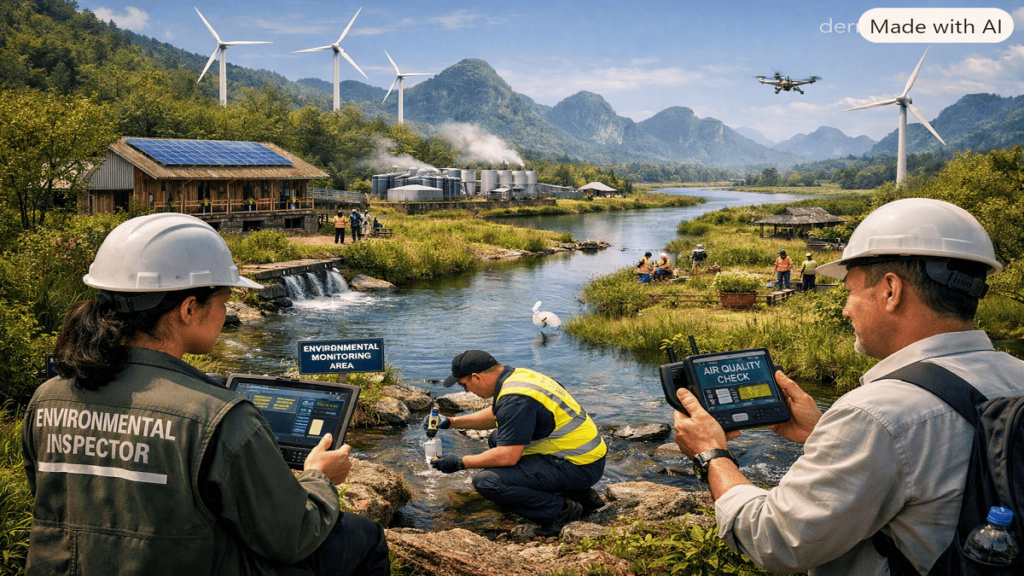
How Do EC Mandatory Requirements Support Environmental and Sustainability Goals?
EC Mandatory Requirements play a crucial role in supporting environmental protection and sustainability goals by establishing clear standards that guide organizations, industries, and projects toward responsible operations. These requirements ensure that environmental considerations are integrated into decision-making processes, helping reduce ecological damage, conserve resources, and promote long-term sustainable development.
As environmental challenges such as climate change, pollution, biodiversity loss, and resource scarcity continue to increase, EC Mandatory Requirements provide a structured approach for managing environmental risks. They encourage organizations to move beyond basic compliance and adopt practices that create positive environmental outcomes.
1. Reducing Environmental Impact
One of the primary ways EC Mandatory Requirements support sustainability goals is by reducing the negative environmental impacts of industrial and commercial activities. Organizations are required to evaluate their environmental footprint, control pollution, and implement measures that minimize damage to ecosystems.
These requirements help reduce:
- Greenhouse gas emissions
- Air and water pollution
- Waste generation
- Resource depletion
- Ecosystem degradation
By controlling environmental impacts at operational levels, EC requirements contribute to cleaner production systems and healthier environments.
2. Promoting Sustainable Resource Management
EC Mandatory Requirements encourage organizations to use natural resources efficiently and responsibly. They promote practices such as resource conservation, recycling, reuse, and waste reduction.
Examples include:
- Improving energy efficiency
- Reducing water consumption
- Using sustainable materials
- Implementing circular economy practices
Efficient resource management helps protect natural resources while ensuring their availability for future generations.
3. Supporting Climate Change Mitigation
Climate action is a major sustainability objective supported by EC compliance frameworks. Organizations are encouraged to reduce carbon emissions through cleaner technologies, renewable energy adoption, and improved operational efficiency.
Actions may include:
- Carbon footprint measurement
- Renewable energy integration
- Energy management systems
- Low-carbon production methods
These efforts support global climate targets and help organizations transition toward more sustainable operations.
4. Encouraging Sustainable Innovation
EC Mandatory Requirements encourage businesses to invest in environmentally friendly technologies and solutions. Compliance requirements often motivate organizations to develop innovative approaches for reducing environmental impact.
Examples include:
- Smart monitoring systems
- Artificial intelligence for resource optimization
- Clean energy technologies
- Sustainable manufacturing processes
Innovation allows industries to achieve sustainability goals while improving efficiency and competitiveness.
5. Protecting Biodiversity and Ecosystems
Environmental compliance requirements help protect biodiversity by ensuring that development activities consider their impact on natural habitats. Organizations may be required to implement conservation measures, ecosystem protection plans, and responsible land management practices.
These actions help maintain ecological balance and protect important natural systems.
6. Improving Environmental Governance and Accountability
EC Mandatory Requirements create accountability by requiring organizations to monitor, document, and report their environmental performance. This improves transparency and allows stakeholders to evaluate sustainability efforts.
Important governance practices include:
- Environmental audits
- Compliance reporting
- Sustainability assessments
- Performance monitoring
Strong environmental governance helps organizations maintain responsible operations and build trust with communities and stakeholders.
7. Supporting Sustainable Business Practices
Meeting EC requirements can encourage organizations to adopt sustainable business models. Companies that integrate environmental responsibility into their strategies can improve efficiency, reduce risks, and create long-term value.
Benefits include:
- Lower operational costs
- Improved resource efficiency
- Stronger brand reputation
- Increased customer trust
- Better market competitiveness
The United Nations Sustainable Development Goals (SDGs) provide a global framework that aligns with many EC objectives, including climate action, responsible consumption, clean energy, and sustainable communities.
8. Strengthening Community and Social Sustainability
EC Mandatory Requirements also support social sustainability by encouraging organizations to consider the impact of their activities on local communities. Environmental protection measures can improve public health, safety, and overall quality of life.
Community engagement, environmental education, and responsible development practices help create stronger relationships between organizations and society.
9. Enabling Long-Term Sustainable Development
By establishing consistent environmental standards, EC Mandatory Requirements help organizations plan for long-term sustainability. They encourage proactive environmental management instead of responding only after environmental problems occur.
This approach supports resilient systems that can adapt to future challenges such as climate change, resource limitations, and evolving environmental regulations.
Conclusion
EC Mandatory Requirements support environmental and sustainability goals by creating a structured framework for responsible resource use, pollution reduction, climate action, innovation, and environmental protection. They help organizations reduce their ecological impact while improving efficiency, accountability, and long-term sustainability performance.
Case Study of EC Mandatory Requirement: Environmental Compliance Implementation in the Construction Industry
Introduction
The construction industry is one of the most important sectors for economic development, but it also creates significant environmental challenges, including resource consumption, waste generation, carbon emissions, and ecosystem disruption. To address these challenges, EC Mandatory Requirements play an important role by ensuring that construction projects follow environmental standards, reduce negative impacts, and adopt sustainable practices.
This case study examines how a large-scale sustainable construction project can implement EC Mandatory Requirements through environmental impact assessment, pollution control, waste management, resource efficiency, and continuous monitoring. It demonstrates how mandatory environmental compliance can support sustainable development while maintaining project efficiency.
Background of the Project
A major urban development project was planned to create a commercial and residential complex in a rapidly growing city. Due to the size of the project and its potential environmental impact, the developers were required to follow strict EC Mandatory Requirements before beginning construction.
The project involved:
- Construction of multiple buildings
- Large-scale material consumption
- Increased energy and water demand
- Potential impact on surrounding ecosystems
- Generation of construction waste
To ensure responsible development, the project team implemented environmental compliance measures aligned with sustainability principles.
1. Environmental Impact Assessment (EIA) Implementation
The first mandatory requirement was conducting a detailed Environmental Impact Assessment. The assessment identified possible environmental risks associated with the construction activities.
The evaluation focused on:
- Air pollution from construction activities
- Noise pollution affecting nearby communities
- Water consumption and wastewater management
- Impact on local biodiversity
- Waste generation levels
Based on the assessment findings, the project team developed an Environmental Management Plan to reduce and control potential environmental impacts.
2. Pollution Control Measures
To meet EC Mandatory Requirements, the construction project introduced several pollution prevention strategies.
Implemented measures included:
- Dust control systems at construction sites
- Regular air quality monitoring
- Noise reduction barriers
- Proper storage of construction materials
- Control of hazardous substances
These practices helped minimize pollution and protect the surrounding environment and communities.
3. Sustainable Waste Management
Construction activities generate large amounts of waste, making waste management a key compliance requirement. The project introduced a structured waste management system.
Key initiatives included:
- Separation of recyclable materials
- Reuse of construction materials
- Safe disposal of hazardous waste
- Waste tracking and reporting
By adopting circular economy principles, the project reduced landfill waste and improved resource efficiency.
4. Energy Efficiency and Renewable Energy Adoption
The project incorporated energy-efficient technologies to reduce environmental impact.
Measures included:
- Energy-efficient lighting systems
- Smart building management systems
- Solar energy integration
- Reduced energy consumption during operations
These solutions helped lower carbon emissions and improve long-term energy performance.
5. Water Conservation Practices
Water management was another important EC Mandatory Requirement. The project implemented systems to reduce water consumption and prevent pollution.
Strategies included:
- Rainwater harvesting systems
- Wastewater treatment facilities
- Water recycling programs
- Efficient plumbing systems
These practices helped conserve water resources and reduce pressure on local water supplies.
6. Environmental Monitoring and Reporting
Continuous monitoring was required to maintain compliance throughout the project lifecycle.
The project team regularly conducted:
- Environmental audits
- Emission monitoring
- Waste management reviews
- Sustainability performance assessments
Reporting helped identify areas for improvement and ensured transparency with regulatory authorities and stakeholders.
7. Community Engagement and Social Responsibility
EC Mandatory Requirements also encouraged consideration of local community impacts. The project team engaged with nearby communities through awareness programs and communication initiatives.
Actions included:
- Informing residents about construction activities
- Addressing environmental concerns
- Supporting local sustainability initiatives
- Maintaining safe working conditions
This improved trust between the project developers and the community.
Results and Benefits
The implementation of EC Mandatory Requirements created several positive outcomes:
Environmental Benefits
- Reduced construction pollution
- Improved waste recycling rates
- Lower resource consumption
- Better protection of surrounding ecosystems
Economic Benefits
- Improved operational efficiency
- Reduced long-term resource costs
- Enhanced project sustainability value
- Better compliance with environmental regulations
Social Benefits
- Improved community relationships
- Safer working conditions
- Increased environmental awareness
Challenges Faced
Despite successful implementation, the project faced several challenges:
Higher Initial Investment
Sustainable technologies and compliance systems required additional financial investment during the early stages.
Technical Requirements
Implementing advanced monitoring systems required specialized knowledge and skilled professionals.
Compliance Management
Maintaining continuous compliance required regular monitoring, documentation, and coordination between multiple stakeholders.
Lessons Learned
This case study highlights that EC Mandatory Requirements are not only regulatory obligations but also tools for achieving sustainable development. Early environmental planning, technology adoption, and stakeholder collaboration are essential for successful implementation.
Organizations that integrate environmental compliance into their strategies can reduce risks, improve efficiency, and create long-term value.
Conclusion
The construction industry case study demonstrates how EC Mandatory Requirements support sustainable development through environmental assessment, pollution control, waste management, energy efficiency, and responsible resource use.
White Paper on EC Mandatory Requirement: A Framework for Environmental Compliance and Sustainable Development
Executive Summary
EC Mandatory Requirement represents a structured framework of environmental standards, compliance obligations, and sustainability practices designed to ensure that organizations operate responsibly while minimizing environmental impact. These requirements establish essential guidelines for managing natural resources, controlling pollution, reducing emissions, and protecting ecosystems.
As industries continue to expand, environmental challenges such as climate change, resource depletion, waste generation, and biodiversity loss have increased the need for mandatory sustainability frameworks. EC Mandatory Requirements help organizations integrate environmental responsibility into their operations while maintaining regulatory compliance and supporting long-term sustainable development.
This white paper explores the importance, principles, compliance criteria, industry applications, challenges, and future opportunities associated with EC Mandatory Requirements.
1. Introduction to EC Mandatory Requirement
Environmental Compliance (EC) Mandatory Requirements are compulsory standards and practices that organizations must follow to reduce environmental risks and ensure responsible operations. These requirements provide a structured approach for managing environmental impacts associated with industrial, commercial, and development activities.
The primary objective of EC Mandatory Requirements is to ensure that economic growth does not compromise environmental stability. They encourage organizations to adopt sustainable practices related to energy use, waste management, pollution prevention, resource conservation, and environmental monitoring.
Global sustainability frameworks such as the United Nations Sustainable Development Goals (SDGs) support similar objectives by promoting climate action, responsible consumption, clean energy, and sustainable communities.
2. Purpose and Importance of EC Mandatory Requirements
EC Mandatory Requirements serve several important purposes:
2.1 Environmental Protection
These requirements help prevent environmental degradation by controlling pollution, reducing emissions, and protecting natural ecosystems. They ensure that organizations consider environmental impacts before implementing projects or operational changes.
2.2 Regulatory Compliance
Mandatory requirements provide clear standards that organizations must follow to meet environmental laws and regulations. Compliance reduces legal risks, penalties, and operational disruptions.
2.3 Sustainable Resource Management
EC requirements encourage efficient use of resources such as water, energy, and raw materials. Sustainable resource management reduces waste and supports long-term availability of essential resources.
2.4 Risk Management
Organizations can identify and manage environmental risks through structured compliance processes. This reduces the possibility of environmental accidents, pollution incidents, and resource-related challenges.
3. Core Principles of EC Mandatory Requirement
3.1 Environmental Responsibility
The foundation of EC compliance is responsible interaction with the environment. Organizations must reduce their ecological footprint and implement practices that protect natural systems.
3.2 Pollution Prevention
Organizations are required to control emissions, manage waste properly, and prevent contamination of air, water, and soil.
3.3 Resource Efficiency
EC Mandatory Requirements promote efficient resource utilization through energy conservation, water management, recycling, and sustainable material usage.
3.4 Transparency and Accountability
Organizations must monitor environmental performance, maintain documentation, and provide accurate reports to demonstrate compliance.
3.5 Continuous Improvement
Environmental compliance is an ongoing process. Organizations are encouraged to continuously improve sustainability performance through innovation and better management practices.
4. Key Compliance Criteria of EC Mandatory Requirement
4.1 Environmental Impact Assessment (EIA)
Environmental Impact Assessment is a critical requirement for identifying potential environmental risks before starting projects.
It evaluates:
- Environmental effects
- Resource requirements
- Pollution risks
- Biodiversity impacts
- Community concerns
EIA allows organizations to develop mitigation strategies and reduce environmental damage.
4.2 Emission Control and Carbon Management
Organizations must monitor and reduce greenhouse gas emissions through:
- Energy efficiency programs
- Renewable energy adoption
- Cleaner technologies
- Carbon reduction strategies
These practices support climate action and sustainability objectives.
4.3 Waste Management Compliance
Effective waste management includes:
- Waste reduction
- Recycling systems
- Safe disposal methods
- Hazardous waste management
- Circular economy practices
Proper waste management reduces environmental pollution and improves resource efficiency.
4.4 Water Conservation and Management
Organizations must implement responsible water management strategies, including:
- Water monitoring
- Wastewater treatment
- Water recycling
- Conservation programs
These measures protect water resources and support ecosystem health.
4.5 Environmental Monitoring and Reporting
Compliance requires organizations to track and report environmental performance through:
- Environmental audits
- Sustainability reports
- Compliance records
- Performance assessments
Transparent reporting improves accountability and stakeholder confidence.
5. Industry Applications of EC Mandatory Requirement
5.1 Manufacturing Industry
Manufacturers apply EC requirements through:
- Cleaner production processes
- Waste reduction systems
- Energy-efficient equipment
- Sustainable materials
These practices reduce industrial emissions and improve efficiency.
5.2 Energy Sector
The energy industry uses EC compliance through:
- Renewable energy projects
- Carbon management systems
- Energy efficiency technologies
- Smart energy solutions
These initiatives support the transition toward cleaner energy systems.
5.3 Construction Industry
Construction companies implement EC requirements through:
- Environmental impact assessments
- Green building practices
- Sustainable materials
- Construction waste management
These approaches reduce environmental impacts during development.
5.4 Tourism Industry
Tourism organizations apply EC principles through:
- Eco-friendly accommodations
- Sustainable transportation
- Conservation programs
- Responsible tourism practices
These measures help protect natural destinations while supporting local economies.
5.5 Agriculture Sector
Agricultural applications include:
- Sustainable farming methods
- Efficient irrigation systems
- Soil conservation
- Reduced chemical usage
These practices support food production while protecting ecosystems.
6. Benefits of EC Mandatory Requirements
Environmental Benefits
- Reduced pollution
- Lower carbon emissions
- Better ecosystem protection
- Improved resource conservation
Business Benefits
- Reduced operational risks
- Improved efficiency
- Stronger reputation
- Increased customer trust
- Better market competitiveness
Social Benefits
- Healthier communities
- Improved environmental awareness
- Safer working environments
- Sustainable development opportunities
7. Challenges in Implementing EC Mandatory Requirements
High Implementation Costs
Organizations may require significant investment in technology, infrastructure, and compliance systems.
Technical Limitations
Some organizations may lack access to advanced sustainability technologies or skilled professionals.
Complex Regulations
Different regions may have different environmental standards, creating challenges for organizations operating across multiple locations.
Compliance Monitoring Difficulties
Maintaining accurate environmental data and continuous monitoring requires effective management systems.
Resistance to Change
Organizations may face internal challenges when transitioning from traditional practices to sustainable approaches.
8. Future Opportunities of EC Mandatory Requirement
The future of EC compliance will be influenced by emerging technologies and stronger sustainability expectations.
Key opportunities include:
- Artificial intelligence-based environmental monitoring
- Automated compliance management systems
- Renewable energy integration
- Carbon-neutral business models
- Advanced recycling technologies
- Digital sustainability reporting
Organizations that adopt proactive EC strategies will be better prepared for future environmental regulations and market expectations.
The United Nations Environment Programme (UNEP) supports global efforts to improve environmental governance, resource efficiency, and sustainable practices.
Conclusion
EC Mandatory Requirement provides a foundation for responsible environmental management and sustainable development. By establishing standards for pollution control, resource conservation, environmental monitoring, and compliance management, these requirements help organizations reduce their environmental impact while improving operational sustainability.

Industry Application of EC Mandatory Requirement: Ensuring Sustainable and Compliant Operations Across Sectors
Introduction
EC Mandatory Requirements play a vital role in helping industries maintain environmental compliance, reduce ecological impact, and achieve sustainable development goals. These requirements provide structured guidelines for managing emissions, waste, energy consumption, resource usage, and environmental risks. By implementing EC standards, industries can operate responsibly while meeting regulatory obligations and improving long-term operational efficiency.
As environmental challenges increase, industries across sectors are adopting EC Mandatory Requirements to improve sustainability performance, enhance resource efficiency, and build environmentally responsible business models. These requirements support organizations in transitioning from traditional operational methods toward cleaner, safer, and more sustainable practices.
The principles of EC compliance align with global sustainability frameworks such as the United Nations Sustainable Development Goals (SDGs), which encourage responsible production, climate action, clean energy adoption, and environmental protection.
1. Manufacturing Industry Application
The manufacturing sector is one of the largest areas where EC Mandatory Requirements are applied due to its significant use of resources and potential environmental impact.
Key Applications:
- Environmental impact assessments before facility development
- Emission monitoring and pollution control systems
- Sustainable production processes
- Waste reduction and recycling programs
- Energy-efficient manufacturing equipment
Manufacturers use EC compliance practices to reduce industrial pollution, improve resource efficiency, and adopt circular economy approaches. Companies are increasingly implementing smart monitoring technologies to track energy consumption, emissions, and waste generation.
Benefits:
- Reduced production waste
- Lower operational costs
- Improved environmental performance
- Better regulatory compliance
2. Construction and Real Estate Industry Application
The construction industry applies EC Mandatory Requirements to reduce environmental impacts caused by building activities, material usage, and land development.
Key Applications:
- Environmental Impact Assessment (EIA)
- Sustainable building design
- Construction waste management
- Dust and noise pollution control
- Energy-efficient building systems
- Water conservation practices
Green construction methods help reduce resource consumption and improve the sustainability of buildings throughout their lifecycle.
Organizations such as the World Green Building Council promote sustainable building practices that support energy efficiency, environmental protection, and responsible construction.
Benefits:
- Reduced construction waste
- Improved building efficiency
- Lower environmental risks
- Healthier indoor environments
3. Energy Industry Application
The energy sector relies heavily on EC Mandatory Requirements because energy production has a direct impact on emissions and climate change.
Key Applications:
- Renewable energy integration
- Carbon emission monitoring
- Energy efficiency programs
- Environmental risk assessments
- Sustainable power generation systems
Energy companies use EC standards to transition from fossil fuel-based systems toward cleaner energy solutions such as solar, wind, and other renewable sources.
Benefits:
- Reduced greenhouse gas emissions
- Improved energy efficiency
- Increased adoption of clean technologies
- Support for climate goals
4. Tourism and Hospitality Industry Application
The tourism industry applies EC Mandatory Requirements to protect natural destinations, reduce waste, and promote responsible travel practices.
Key Applications:
- Eco-friendly hotel operations
- Sustainable resource management
- Waste reduction programs
- Water conservation systems
- Biodiversity protection initiatives
Hotels, resorts, and tourism operators implement environmental compliance measures to reduce their ecological footprint while providing sustainable experiences for travelers.
Benefits:
- Protection of natural destinations
- Improved resource efficiency
- Stronger brand reputation
- Increased customer trust
5. Agriculture Industry Application
Agriculture uses EC Mandatory Requirements to improve environmental sustainability while maintaining productivity.
Key Applications:
- Sustainable farming practices
- Soil and water conservation
- Responsible chemical usage
- Waste management systems
- Precision agriculture technologies
Farmers and agricultural organizations use monitoring technologies and sustainable methods to reduce environmental damage and improve resource efficiency.
Benefits:
- Improved soil health
- Reduced water consumption
- Sustainable food production
- Protection of ecosystems
6. Transportation Industry Application
Transportation is a major contributor to carbon emissions, making EC compliance essential for reducing environmental impact.
Key Applications:
- Emission reduction programs
- Electric vehicle adoption
- Sustainable fuel technologies
- Efficient transportation planning
- Vehicle emission monitoring
Transportation companies use EC requirements to improve fuel efficiency and transition toward cleaner mobility solutions.
Benefits:
- Reduced air pollution
- Lower carbon emissions
- Improved energy efficiency
- Sustainable mobility development
7. Healthcare Industry Application
Healthcare organizations apply EC Mandatory Requirements to manage environmental impacts related to energy use, waste generation, and medical operations.
Key Applications:
- Medical waste management
- Energy-efficient healthcare facilities
- Safe chemical handling
- Sustainable procurement practices
- Water and energy conservation
Hospitals and healthcare facilities use environmental compliance practices to protect public health while reducing their ecological footprint.
Benefits:
- Safer waste disposal
- Improved operational efficiency
- Reduced environmental risks
- Healthier communities
8. Technology and IT Industry Application
The technology sector applies EC Mandatory Requirements through sustainable digital infrastructure and responsible technology management.
Key Applications:
- Energy-efficient data centers
- Electronic waste recycling
- Sustainable hardware design
- Renewable energy-powered operations
- Digital environmental monitoring
Technology companies use EC principles to reduce energy consumption and manage the environmental impact of digital growth.
Benefits:
- Reduced electronic waste
- Improved energy efficiency
- Sustainable digital transformation
- Better resource management
Challenges in Industry Implementation of EC Mandatory Requirements
Although EC compliance provides significant benefits, industries may face challenges such as:
- High investment costs for sustainable technologies
- Lack of technical expertise
- Complex regulatory requirements
- Difficulty maintaining continuous monitoring
- Resistance to operational changes
Organizations can overcome these challenges through employee training, technology investments, strategic planning, and collaboration with sustainability experts.
Future Scope of EC Mandatory Requirements in Industries
Future industrial applications of EC Mandatory Requirements will increasingly focus on:
- Artificial intelligence-based environmental monitoring
- Automated compliance management systems
- Carbon-neutral operations
- Advanced recycling technologies
- Renewable energy integration
- Sustainable supply chain management
Industries that adopt proactive environmental compliance strategies will be better prepared for future regulations and sustainability expectations.
Conclusion
EC Mandatory Requirements provide industries with a structured approach to achieving environmental responsibility and sustainable growth. From manufacturing and construction to energy, agriculture, tourism, healthcare, and technology, these requirements help organizations reduce environmental impact while improving efficiency and compliance.
Ask FAQs
What are EC Mandatory Requirements?
EC Mandatory Requirements are compulsory environmental compliance standards and guidelines that organizations, industries, and projects must follow to reduce environmental impact and operate responsibly. These requirements focus on areas such as pollution control, waste management, resource conservation, emissions reduction, and environmental monitoring.
Why are EC Mandatory Requirements important for industries?
EC Mandatory Requirements are important because they help industries reduce environmental risks, improve resource efficiency, and follow sustainability standards. They ensure that businesses control pollution, manage waste properly, conserve natural resources, and adopt environmentally responsible practices.
Which industries need to follow EC Mandatory Requirements?
EC Mandatory Requirements apply to various industries, including:
Manufacturing
Construction and real estate
Energy and power generation
Tourism and hospitality
Agriculture
Transportation
Healthcare
Technology and IT
Any industry that uses natural resources, generates waste, produces emissions, or impacts the environment may need to follow environmental compliance requirements
What are the key areas covered under EC Mandatory Requirements?
The main areas covered under EC Mandatory Requirements include:
Environmental Impact Assessment (EIA)
Pollution prevention and emission control
Waste management and recycling
Energy efficiency and carbon reduction
Water conservation
Biodiversity protection
Environmental monitoring and reporting
These criteria help organizations measure and improve their environmental performance.
How can organizations successfully implement EC Mandatory Requirements?
Organizations can successfully implement EC Mandatory Requirements by developing strong environmental management systems, investing in sustainable technologies, training employees, and regularly monitoring environmental performance.
Table of Contents
Disclaimer:
This content is for informational purposes only and should not be considered legal or regulatory advice. Organizations should consult applicable environmental laws and qualified professionals for specific compliance requirements.