
De-Carbonization Technology: Advancing a Sustainable Low-Carbon Future
nternational Energy Agency at https://www.iea.org/.
Electrification and Clean Transportation
Transportation is a major source of global carbon emissions. De-carbonization technologies in this sector include electric vehicles (EVs), hydrogen fuel systems, and improved public transportation networks.
Electric vehicles powered by renewable electricity can significantly reduce emissions compared to conventional gasoline and diesel vehicles. Advances in battery technology, charging infrastructure, and alternative fuels are accelerating the transition toward cleaner mobility.
Green Hydrogen Technology
Green hydrogen is produced using renewable electricity to separate hydrogen from water through a process called electrolysis. Unlike conventional hydrogen production methods that rely on fossil fuels, green hydrogen has the potential to provide a low-carbon energy source for industries such as shipping, aviation, steel production, and heavy manufacturing.
Energy Efficiency and Smart Systems
Improving energy efficiency is another essential component of de-carbonization. Smart grids, energy-efficient buildings, advanced industrial processes, and digital monitoring systems help reduce energy consumption while maintaining productivity.
Smart technologies allow businesses and communities to optimize energy use, reduce waste, and improve overall sustainability.
Industrial Applications
De-carbonization technology is being applied across multiple industries, including manufacturing, energy, agriculture, construction, and transportation. Companies are investing in cleaner production methods, sustainable materials, and circular economy models to reduce their environmental impact.
Organizations such as the United Nations support global climate action and sustainable development initiatives. More information is available at https://www.un.org/.
Conclusion
De-carbonization technology is a key solution for addressing climate change and creating a sustainable future. Through renewable energy, carbon capture, clean transportation, green hydrogen, and energy efficiency improvements, industries and societies can reduce emissions while supporting economic growth.
What Is De-Carbonization Technology and Why Is It Important?
De-carbonization technology refers to a collection of innovative methods, systems, and solutions designed to reduce or remove carbon dioxide (CO₂) emissions produced by human activities. These technologies support the transition from carbon-intensive energy sources, such as coal, oil, and natural gas, toward cleaner and more sustainable alternatives. The main objective of de-carbonization is to lower greenhouse gas emissions, reduce the impact of climate change, and create a more sustainable global economy.
De-carbonization technologies are applied across various sectors, including energy, transportation, manufacturing, construction, agriculture, and industrial production. They include renewable energy systems, carbon capture and storage (CCS), electric vehicles, green hydrogen, energy-efficient technologies, and sustainable industrial processes.
Key Components of De-Carbonization Technology
One of the major components of de-carbonization is the use of renewable energy sources such as solar, wind, hydro, and geothermal power. These energy sources produce electricity with significantly lower carbon emissions compared to traditional fossil fuel-based systems.
Another important technology is carbon capture and storage (CCS), which captures carbon dioxide emissions from industrial facilities and stores them safely underground. This approach is especially useful for industries such as cement, steel, and chemical manufacturing, where eliminating emissions completely can be challenging.
Electrification is also a major part of de-carbonization. Replacing fossil fuel-powered systems with electricity-based alternatives, such as electric vehicles and renewable-powered industrial equipment, helps reduce emissions and improve energy efficiency.
Why Is De-Carbonization Technology Important?
De-carbonization technology is important because it helps address climate change by reducing greenhouse gas emissions. Excess carbon dioxide in the atmosphere contributes to global warming, rising temperatures, extreme weather events, and environmental damage.
By adopting cleaner technologies, countries and industries can reduce their environmental impact while improving energy security and efficiency. Renewable energy reduces dependence on limited fossil fuel resources, while advanced technologies create opportunities for innovation, economic growth, and new industries.
De-carbonization also supports international climate goals. Organizations such as the United Nations promote global efforts to reduce emissions and achieve sustainable development targets. More information about climate action initiatives is available at https://www.un.org/.
The International Energy Agency provides research and analysis on clean energy transitions, renewable technologies, and global energy policies. More details can be found at https://www.iea.org/.
Conclusion
De-carbonization technology is a critical tool for building a cleaner and more sustainable future. It helps industries reduce emissions, encourages the adoption of renewable energy, improves efficiency, and supports global efforts to combat climate change. As governments and businesses continue investing in sustainable solutions, de-carbonization technologies will play an increasingly important role in creating a low-carbon economy and protecting the environment for future generations.
What Are the Main Types of De-Carbonization Technologies?
De-carbonization technologies are innovative solutions designed to reduce greenhouse gas emissions and support the transition toward a low-carbon economy. These technologies help industries, governments, and communities reduce their dependence on fossil fuels while improving energy efficiency and promoting sustainable development. The main types of de-carbonization technologies include renewable energy, carbon capture and storage, electrification, green hydrogen, energy efficiency solutions, and sustainable industrial processes.
1. Renewable Energy Technologies
Renewable energy is one of the most important categories of de-carbonization technology. It involves generating energy from natural sources that produce little or no carbon emissions. Major renewable energy technologies include solar power, wind energy, hydropower, geothermal energy, and biomass energy.
Solar panels convert sunlight into electricity, while wind turbines generate power from moving air. Hydropower uses flowing water to produce electricity, and geothermal systems use heat from the Earth’s interior. These technologies help replace fossil fuel-based electricity generation and reduce carbon emissions from the energy sector.
2. Carbon Capture, Utilization, and Storage (CCUS)
Carbon Capture, Utilization, and Storage (CCUS) is a technology designed to capture carbon dioxide emissions from industrial facilities and prevent them from entering the atmosphere. The captured carbon can either be stored underground or reused in industrial applications.
CCUS is especially valuable for industries such as cement, steel, chemicals, and power generation, where reducing emissions through other methods can be difficult. The International Energy Agency provides research and guidance on carbon capture technologies and global energy transitions. More information is available at https://www.iea.org/.
3. Electrification Technologies
Electrification involves replacing systems powered by fossil fuels with electricity-based alternatives. When electricity is generated from renewable sources, electrification can significantly reduce carbon emissions.
Examples include electric vehicles (EVs), electric heating systems, and electrically powered industrial equipment. Improvements in battery technology and charging infrastructure are helping accelerate the adoption of electric transportation worldwide.
4. Green Hydrogen Technology
Green hydrogen is produced by using renewable electricity to separate hydrogen from water through electrolysis. Unlike traditional hydrogen production methods that rely on fossil fuels, green hydrogen produces minimal carbon emissions.
It has potential applications in industries that require high-temperature energy, such as steel manufacturing, shipping, aviation, and chemical production. Green hydrogen is considered an important solution for sectors that are difficult to fully electrify.
5. Energy Efficiency Technologies
Energy efficiency technologies focus on reducing energy consumption while maintaining productivity and performance. These solutions include smart energy management systems, efficient lighting, advanced building designs, energy-efficient appliances, and industrial optimization technologies.
Improving efficiency reduces energy demand, lowers operating costs, and decreases carbon emissions. Smart grids and digital monitoring systems help organizations track and optimize energy usage.
6. Sustainable Industrial Technologies
Industrial sectors contribute significantly to global emissions, making sustainable manufacturing technologies essential for de-carbonization. These include low-carbon materials, cleaner production methods, recycling systems, and circular economy approaches.
Industries such as construction, manufacturing, and agriculture are adopting sustainable practices to reduce waste, improve resource efficiency, and lower environmental impacts.
7. Nature-Based Carbon Removal Solutions
Nature-based solutions use natural ecosystems to absorb and store carbon dioxide. Examples include reforestation, forest conservation, soil carbon management, and wetland restoration.
These approaches support biodiversity while helping remove carbon from the atmosphere. Although they cannot replace technological solutions completely, they are an important part of broader climate strategies.
Conclusion
The main types of de-carbonization technologies include renewable energy, carbon capture and storage, electrification, green hydrogen, energy efficiency, sustainable industrial processes, and nature-based carbon removal solutions. Each technology contributes to reducing greenhouse gas emissions and supporting the global transition toward a sustainable future.
As countries and industries work toward climate goals, combining multiple de-carbonization technologies will be essential for achieving long-term emissions reductions and creating a cleaner, more resilient economy. The United Nations supports global climate action through initiatives focused on sustainable development and emission reduction. More information can be found at https://www.un.org/.
How Does De-Carbonization Technology Help Reduce Carbon Emissions?
De-carbonization technology helps reduce carbon emissions by lowering the amount of carbon dioxide (CO₂) released into the atmosphere from energy production, transportation, industrial activities, and other human operations. These technologies support the transition from fossil fuel-based systems to cleaner, more sustainable alternatives. By improving energy efficiency, replacing high-carbon processes, and capturing existing emissions, de-carbonization technologies play a critical role in addressing climate change.
1. Replacing Fossil Fuels with Renewable Energy
One of the most effective ways de-carbonization technology reduces emissions is by increasing the use of renewable energy sources. Solar, wind, hydropower, and geothermal technologies generate electricity with significantly lower greenhouse gas emissions compared to coal, oil, and natural gas-based power generation.
When renewable energy replaces fossil fuel-based electricity, fewer carbon emissions are produced during energy generation. Advances in energy storage systems and smart grid technologies also help integrate renewable energy into power networks more efficiently.
2. Capturing and Storing Carbon Emissions
Carbon Capture, Utilization, and Storage (CCUS) technology reduces emissions by capturing carbon dioxide before it reaches the atmosphere. Industrial facilities such as cement plants, steel factories, and power stations can use carbon capture systems to collect CO₂ from their operations.
After capture, carbon dioxide can be transported and stored in underground geological formations or used in certain industrial processes. This technology is especially important for industries where eliminating carbon emissions completely is technically challenging.
The International Energy Agency provides research and analysis on carbon capture, clean energy transitions, and global emission reduction strategies. More information is available at https://www.iea.org/.
3. Improving Energy Efficiency
De-carbonization technologies help reduce emissions by making energy use more efficient. Smart energy management systems, advanced building designs, efficient machinery, and digital monitoring tools allow organizations to use less energy while maintaining productivity.
For example, energy-efficient industrial equipment can reduce electricity consumption, while smart buildings can automatically optimize heating, cooling, and lighting systems. Lower energy demand results in fewer emissions from energy production.
4. Supporting Clean Transportation
Transportation is a major source of global carbon emissions. De-carbonization technologies reduce transport-related emissions through electric vehicles (EVs), hydrogen-powered vehicles, improved battery systems, and sustainable fuels.
Electric vehicles produce fewer direct emissions than traditional gasoline and diesel vehicles, especially when charged using renewable electricity. Expanding charging infrastructure and improving battery performance are helping accelerate the shift toward cleaner transportation.
5. Enabling Low-Carbon Industrial Processes
Industries such as steel, cement, chemicals, and manufacturing produce significant emissions due to their energy-intensive operations. De-carbonization technologies help these industries adopt cleaner production methods, use alternative materials, recycle resources, and reduce waste.
Green hydrogen, for example, can replace fossil fuels in industrial processes that require high temperatures, reducing emissions from heavy industries.
6. Supporting Carbon Removal and Natural Solutions
Some de-carbonization approaches focus on removing carbon dioxide already present in the atmosphere. Technologies such as direct air capture, along with natural solutions like reforestation and ecosystem restoration, help increase carbon storage.
These solutions complement emission reduction efforts and support long-term climate goals.
Conclusion
De-carbonization technology reduces carbon emissions by replacing fossil fuels, improving energy efficiency, capturing carbon, supporting clean transportation, and transforming industrial processes. These technologies allow businesses, governments, and communities to reduce their environmental impact while moving toward a sustainable, low-carbon future.
Global climate initiatives supported by organizations such as the United Nations encourage countries and industries to adopt cleaner technologies and reduce greenhouse gas emissions. More information about climate action and sustainability efforts is available at https://www.un.org/.
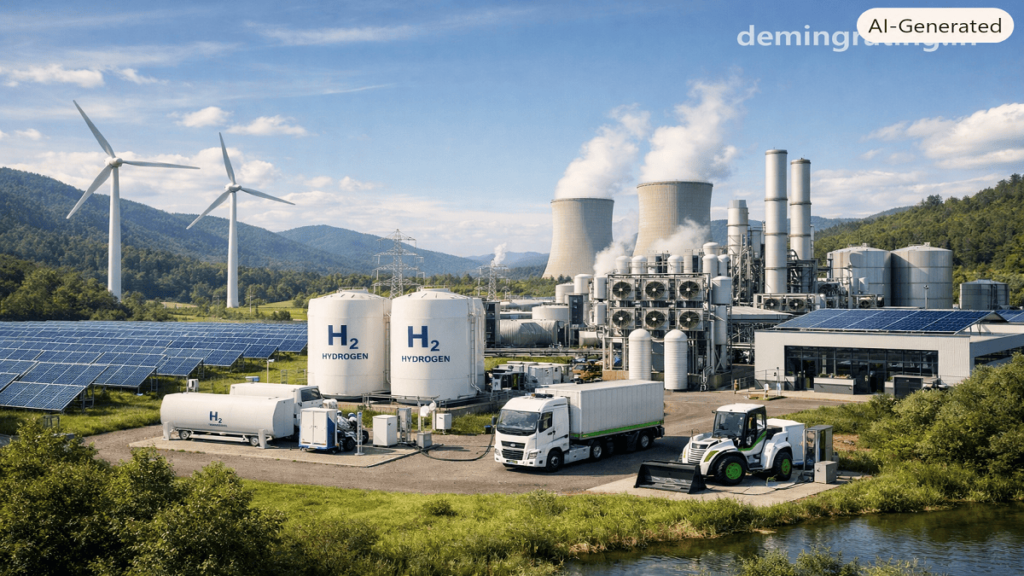
What Industries Can Benefit From Implementing De-Carbonization Technologies?
De-carbonization technologies provide significant benefits across multiple industries by helping organizations reduce carbon emissions, improve energy efficiency, lower operational costs, and meet sustainability goals. As governments and businesses focus on reducing greenhouse gas emissions, industries are adopting cleaner technologies to transition toward a low-carbon economy. Sectors such as energy, manufacturing, transportation, agriculture, construction, and technology can all benefit from implementing de-carbonization solutions.
1. Energy and Power Generation Industry
The energy sector is one of the largest contributors to global carbon emissions, making it a primary area for de-carbonization. Power companies can benefit from renewable energy technologies such as solar, wind, hydropower, and geothermal systems.
Replacing coal and fossil fuel-based electricity generation with cleaner energy sources helps reduce emissions while improving energy security. Energy storage systems, smart grids, and advanced monitoring technologies also allow companies to manage renewable energy more effectively.
The International Energy Agency provides research and guidance on clean energy transitions and emission reduction strategies. More information is available at https://www.iea.org/.
2. Manufacturing and Heavy Industries
Manufacturing industries, including steel, cement, chemicals, and industrial production, generate significant carbon emissions due to energy-intensive processes. De-carbonization technologies help these industries reduce their environmental impact through cleaner production methods.
Solutions such as carbon capture and storage (CCS), green hydrogen, energy-efficient machinery, and low-carbon materials allow manufacturers to reduce emissions while maintaining productivity. These technologies are especially important for industries where complete electrification may be difficult.
3. Transportation and Automotive Industry
The transportation sector can benefit greatly from de-carbonization through electric vehicles (EVs), hydrogen fuel systems, sustainable fuels, and improved transportation infrastructure.
Automotive companies are investing in electric mobility, battery technology, and efficient manufacturing processes to reduce emissions. Airlines, shipping companies, and logistics providers are also exploring alternative fuels and energy-efficient solutions to lower their carbon footprint.
4. Construction and Real Estate Industry
The construction industry benefits from de-carbonization technologies through sustainable building materials, energy-efficient designs, and smart building systems.
Green buildings use technologies such as renewable energy systems, efficient heating and cooling systems, and automated energy management tools to reduce energy consumption. Sustainable construction practices also help lower emissions throughout the building lifecycle.
5. Agriculture and Food Industry
Agriculture can benefit from de-carbonization through precision farming, renewable energy use, sustainable farming practices, and improved resource management.
Technologies such as smart irrigation systems, electric agricultural equipment, and carbon-friendly farming methods help reduce emissions while improving productivity. Sustainable food production also supports better resource efficiency and environmental protection.
Organizations such as the Food and Agriculture Organization of the United Nations support sustainable agricultural practices and climate-resilient food systems. More information is available at https://www.fao.org/.
6. Technology and Data Center Industry
Technology companies and data centers consume large amounts of electricity, creating opportunities for de-carbonization. Companies can reduce emissions by using renewable energy, improving cooling systems, optimizing energy consumption, and developing energy-efficient hardware.
Artificial intelligence and digital technologies can also support emission monitoring, energy optimization, and sustainability planning across industries.
7. Mining and Natural Resources Industry
Mining companies can use de-carbonization technologies to reduce emissions from extraction, transportation, and processing activities. Renewable-powered mining operations, electric mining equipment, and carbon management systems help reduce environmental impacts.
Conclusion
Almost every major industry can benefit from implementing de-carbonization technologies. Energy, manufacturing, transportation, construction, agriculture, technology, and natural resource sectors can reduce emissions, improve efficiency, and build more sustainable business models.
By adopting renewable energy, carbon capture solutions, electrification, green hydrogen, and energy-efficient systems, industries can contribute to global climate goals while creating long-term economic and environmental benefits. The United Nations promotes global climate action and sustainable development initiatives to support emission reduction efforts worldwide. More information is available at https://www.un.org/.
What Are the Future Trends and Challenges in De-Carbonization Technology?
De-carbonization technology is rapidly evolving as governments, industries, and researchers work toward reducing greenhouse gas emissions and achieving a low-carbon future. Future advancements in renewable energy, carbon removal, artificial intelligence, energy storage, and sustainable industrial processes are expected to accelerate the global transition away from fossil fuels. However, several challenges, including high costs, infrastructure limitations, technological barriers, and policy issues, must be addressed to achieve widespread adoption.
Future Trends in De-Carbonization Technology
1. Growth of Renewable Energy Systems
One of the most important future trends in de-carbonization is the continued expansion of renewable energy. Solar, wind, hydropower, and other clean energy sources are expected to become increasingly important in global energy systems.
Advancements in solar panel efficiency, wind turbine technology, and renewable energy storage will help improve reliability and reduce dependence on fossil fuels. Smart grids and digital energy management systems will also play a major role in integrating renewable energy into national power networks.
The International Energy Agency provides global research on clean energy technologies and energy transition trends. More information is available at https://www.iea.org/.
2. Expansion of Green Hydrogen
Green hydrogen is expected to become a key technology for reducing emissions in industries that are difficult to electrify, such as steel production, shipping, aviation, and chemical manufacturing.
Future improvements in electrolyzer technology and renewable energy availability could make green hydrogen more affordable and scalable. Many countries are investing in hydrogen infrastructure as part of their long-term climate strategies.
3. Advances in Carbon Capture and Removal
Carbon Capture, Utilization, and Storage (CCUS) and direct air capture technologies are expected to become more advanced in the coming years. These solutions can help remove carbon dioxide emissions from industrial operations and even extract existing CO₂ from the atmosphere.
Future developments may improve the efficiency and reduce the cost of carbon capture systems, making them more accessible for industries with high emissions.
4. Artificial Intelligence and Digital Solutions
Artificial intelligence (AI), data analytics, and automation are expected to support de-carbonization by improving energy management and monitoring emissions.
AI-powered systems can analyze energy consumption patterns, optimize industrial operations, predict equipment performance, and identify opportunities for reducing carbon footprints. Digital technologies will help organizations make more informed sustainability decisions.
5. Circular Economy and Sustainable Materials
Future de-carbonization efforts will increasingly focus on reducing waste and improving resource efficiency. Circular economy models encourage recycling, reuse, and sustainable production methods.
Industries such as construction, manufacturing, and consumer goods are expected to adopt low-carbon materials and environmentally responsible production processes.
Challenges in De-Carbonization Technology
1. High Implementation Costs
One of the biggest challenges of de-carbonization is the high initial investment required for new technologies. Renewable energy infrastructure, carbon capture systems, electric transportation networks, and green hydrogen projects often require significant financial resources.
Reducing costs through innovation, government support, and large-scale deployment will be essential for wider adoption.
2. Infrastructure Limitations
Many countries still lack the infrastructure needed to support advanced de-carbonization technologies. Expanding electricity grids, renewable energy storage, charging networks, and hydrogen transportation systems requires long-term planning and investment.
3. Technology Development Challenges
Some technologies, such as carbon removal and green hydrogen, are still developing and require further research to improve efficiency and affordability.
Industries must continue investing in research and development to overcome technical limitations and increase commercial viability.
4. Policy and Regulatory Barriers
Successful de-carbonization requires strong government policies, international cooperation, and clear regulations. Differences in climate policies between countries can create challenges for businesses operating globally.
Organizations such as the United Nations support international climate cooperation and sustainable development efforts. More information is available at https://www.un.org/.
Conclusion
The future of de-carbonization technology offers significant opportunities for reducing global carbon emissions and creating a sustainable economy. Renewable energy, green hydrogen, carbon capture, artificial intelligence, and circular economy solutions will continue to shape the next generation of climate technologies.
However, challenges such as high costs, infrastructure requirements, technological limitations, and policy coordination must be addressed. By combining innovation, investment, and international collaboration, de-carbonization technologies can play a crucial role in achieving global climate goals and building a cleaner future.
Case Study of De-Carbonization Technology: Ørsted’s Transition from Fossil Fuels to Renewable Energy
Introduction
The transition of Ørsted from a fossil fuel-based energy company to one of the world’s leading renewable energy organizations is a significant case study in the application of de-carbonization technology. The company demonstrates how strategic investment in renewable energy, offshore wind technology, and sustainable energy systems can help reduce carbon emissions while supporting long-term business growth.
Background of Ørsted’s Energy Transformation
Ørsted, originally known as a traditional Danish energy company focused on coal and fossil fuel-based power generation, began a major transformation in the early 2000s. Recognizing the environmental impact of fossil fuels and the growing importance of climate action, the company shifted its strategy toward renewable energy.
The company invested heavily in offshore wind farms, renewable infrastructure, and clean energy technologies. This transition became an example of how large industrial organizations can redesign their operations to support global de-carbonization goals.
Implementation of De-Carbonization Technologies
1. Offshore Wind Energy Development
A major part of Ørsted’s de-carbonization strategy has been the development of offshore wind farms. Offshore wind technology uses large turbines installed in oceans and coastal areas to generate electricity without direct carbon emissions.
These projects help replace fossil fuel-based electricity generation and provide renewable power to millions of households. Improvements in turbine design, energy efficiency, and grid integration have made offshore wind a key solution for clean energy production.
2. Reduction of Fossil Fuel Dependency
Ørsted reduced its dependence on coal and other fossil fuels by closing or converting traditional power plants and increasing renewable energy capacity. This approach significantly lowered the company’s carbon emissions and improved its environmental performance.
The transition demonstrates how companies can reduce their carbon footprint by replacing high-emission energy sources with cleaner alternatives.
3. Sustainable Energy Systems
The company also focuses on developing future energy solutions, including renewable hydrogen and power-to-X technologies. These systems aim to use renewable electricity to produce clean fuels for industries that are difficult to electrify, such as shipping and heavy manufacturing.
Business and Environmental Impact
Ørsted’s transformation created both environmental and economic benefits. The company reduced greenhouse gas emissions while becoming a global leader in renewable energy development.
The case demonstrates that de-carbonization can create new business opportunities by encouraging innovation, attracting investment, and supporting the growth of clean technology industries.
Lessons from the Case Study
The Ørsted case provides several important lessons for organizations planning their own de-carbonization strategies:
- Long-term commitment is essential: Successful energy transitions require clear goals, investment, and consistent execution.
- Technology innovation drives change: Renewable energy technologies can replace traditional high-carbon systems when supported by research and development.
- Sustainability can support business growth: Environmental responsibility and economic success can work together when companies adopt future-focused strategies.
The International Energy Agency provides research and analysis on renewable energy development and global energy transitions. More information is available at https://www.iea.org/.
Conclusion
The Ørsted case study highlights how de-carbonization technology can transform industries and reduce environmental impact. Through renewable energy adoption, offshore wind development, and sustainable energy innovation, the company successfully transitioned from a fossil fuel-based business model to a cleaner energy future.
This example shows that de-carbonization is not only an environmental responsibility but also an opportunity for organizations to improve efficiency, develop new technologies, and build sustainable business models. As industries worldwide work toward reducing emissions, successful examples like Ørsted demonstrate the potential of technology-driven climate solutions.
White Paper on De-Carbonization Technology: Strategies, Innovations, and the Path Toward a Low-Carbon Future
Executive Summary
De-carbonization technology represents a critical pathway for reducing greenhouse gas emissions and addressing the global challenge of climate change. It includes a broad range of solutions designed to minimize carbon dioxide (CO₂) emissions from energy production, transportation, industrial operations, agriculture, and other economic activities.
As countries and industries move toward climate goals, de-carbonization technologies are becoming essential for achieving carbon neutrality, improving energy efficiency, and creating sustainable economic systems. This white paper explores the fundamentals of de-carbonization technology, its major applications, benefits, challenges, and future opportunities.
1. Introduction to De-Carbonization Technology
De-carbonization technology refers to methods and innovations that reduce the amount of carbon released into the atmosphere through human activities. The primary objective is to replace carbon-intensive processes with cleaner alternatives while improving resource efficiency.
Traditional energy systems depend heavily on fossil fuels such as coal, oil, and natural gas, which release significant amounts of carbon dioxide. De-carbonization technologies aim to reduce this dependence by introducing renewable energy, carbon management systems, electrification, and sustainable industrial practices.
Global organizations, including the United Nations, promote climate action initiatives focused on reducing emissions and supporting sustainable development. More information is available at https://www.un.org/.
2. Key Components of De-Carbonization Technology
2.1 Renewable Energy Systems
Renewable energy is one of the primary pillars of de-carbonization. Technologies such as solar power, wind energy, hydropower, and geothermal energy generate electricity with significantly lower carbon emissions compared to fossil fuel-based energy systems.
Advancements in renewable energy generation, battery storage, and smart grid technologies are improving reliability and enabling wider adoption of clean energy solutions.
2.2 Carbon Capture, Utilization, and Storage (CCUS)
Carbon Capture, Utilization, and Storage is a technology designed to capture carbon dioxide emissions from industrial facilities before they enter the atmosphere. Captured carbon can be stored underground or reused in industrial applications.
CCUS is particularly valuable for industries such as cement, steel, chemicals, and heavy manufacturing, where reducing emissions through electrification alone can be challenging.
The International Energy Agency provides research and analysis on carbon capture technologies and global energy transition strategies. More information is available at https://www.iea.org/.
2.3 Electrification Technologies
Electrification involves replacing fossil fuel-powered systems with electricity-based alternatives. When electricity comes from renewable sources, electrification significantly reduces carbon emissions.
Examples include:
- Electric vehicles
- Electric industrial equipment
- Heat pumps
- Renewable-powered buildings
Electrification is a major strategy for reducing emissions in transportation, construction, and manufacturing sectors.
2.4 Green Hydrogen
Green hydrogen is produced by using renewable electricity to separate hydrogen from water through electrolysis. It provides a low-carbon energy option for industries that require high-temperature processes or energy-intensive operations.
Potential applications include:
- Steel manufacturing
- Shipping
- Aviation fuels
- Chemical production
- Energy storage
Green hydrogen is considered an important technology for addressing emissions from sectors that are difficult to fully electrify.
3. Industry Applications of De-Carbonization Technology
Energy Sector
Energy companies are adopting renewable power generation, energy storage systems, and smart grids to reduce emissions and improve efficiency.
Manufacturing Sector
Manufacturers are implementing cleaner production methods, carbon capture systems, recycled materials, and energy-efficient equipment to reduce industrial emissions.
Transportation Sector
Electric vehicles, hydrogen-powered transportation, and sustainable fuels are helping reduce emissions from cars, trucks, aviation, and shipping.
Construction Sector
The construction industry benefits from sustainable building materials, energy-efficient designs, and smart building technologies that reduce energy consumption.
Agriculture Sector
Agricultural de-carbonization includes precision farming, renewable energy use, sustainable land management, and improved resource efficiency.
4. Benefits of De-Carbonization Technology
Environmental Benefits
De-carbonization technologies help reduce greenhouse gas emissions, improve air quality, and support global climate objectives.
Economic Benefits
Investment in clean technologies creates new industries, employment opportunities, and innovation-driven economic growth.
Energy Security
Renewable energy reduces dependence on imported fossil fuels and provides more stable long-term energy solutions.
Operational Efficiency
Energy-efficient technologies help businesses reduce operational costs while improving sustainability performance.
5. Challenges in De-Carbonization Adoption
Despite significant progress, several challenges affect the widespread implementation of de-carbonization technologies.
High Initial Investment Costs
Many clean technologies require substantial upfront investment, including renewable infrastructure, energy storage systems, and carbon capture facilities.
Infrastructure Limitations
Expanding renewable energy networks, charging infrastructure, hydrogen systems, and carbon storage facilities requires significant planning and investment.
Technology Development Barriers
Some technologies remain in early stages and require further research to improve efficiency, scalability, and affordability.
Policy and Regulatory Challenges
Successful de-carbonization requires supportive government policies, international cooperation, and consistent regulatory frameworks.
6. Future Outlook of De-Carbonization Technology
The future of de-carbonization technology is expected to be shaped by continued innovation in renewable energy, artificial intelligence, energy storage, carbon removal, and sustainable materials.
Emerging trends include:
- Advanced battery technologies
- Artificial intelligence-based energy optimization
- Direct air carbon capture
- Renewable hydrogen development
- Circular economy solutions
- Digital carbon monitoring systems
These innovations will help industries achieve deeper emission reductions and accelerate the transition toward carbon-neutral economies.
Conclusion
De-carbonization technology is a fundamental solution for reducing global carbon emissions and building a sustainable future. Through renewable energy, carbon capture, electrification, green hydrogen, and energy-efficient systems, industries can reduce their environmental impact while creating new economic opportunities.
Although challenges such as cost, infrastructure requirements, and technological limitations remain, continued investment and innovation will strengthen the role of de-carbonization technologies. Collaboration between governments, businesses, researchers, and communities will be essential to achieving long-term climate goals and creating a cleaner, more sustainable world.

Industry Application of De-Carbonization Technology: Transforming Key Sectors Toward Sustainability
Introduction
De-carbonization technology is being increasingly adopted across industries to reduce greenhouse gas emissions, improve energy efficiency, and support the transition toward a sustainable economy. As businesses face growing pressure to address climate change, reduce environmental impact, and meet regulatory requirements, de-carbonization solutions have become essential for long-term industrial growth.
These technologies help industries replace fossil fuel-based processes with cleaner alternatives, including renewable energy, electrification, carbon capture systems, green hydrogen, sustainable materials, and energy-efficient solutions. From manufacturing and transportation to agriculture and construction, de-carbonization is reshaping how industries operate and compete in the global market.
1. Energy and Power Generation Industry
The energy sector is one of the largest contributors to global carbon emissions, making it a primary focus area for de-carbonization. Energy companies are implementing renewable energy technologies such as solar, wind, hydropower, and geothermal systems to replace fossil fuel-based electricity generation.
Energy storage solutions, smart grids, and digital energy management platforms are helping companies manage renewable power more efficiently. These technologies improve grid reliability and allow greater integration of clean energy into national electricity systems.
The International Energy Agency provides research and analysis on clean energy transitions, renewable technologies, and global energy policies. More information is available at https://www.iea.org/.
2. Manufacturing and Heavy Industries
Manufacturing industries such as steel, cement, chemicals, and metals are among the highest carbon-emitting sectors due to their energy-intensive production processes. De-carbonization technologies help these industries reduce emissions while maintaining productivity.
Key applications include:
- Carbon Capture, Utilization, and Storage (CCUS) for capturing industrial emissions
- Green hydrogen as an alternative fuel for high-temperature processes
- Energy-efficient machinery and automated production systems
- Low-carbon materials and recycling technologies
For example, steel manufacturers are exploring hydrogen-based production methods to replace traditional coal-dependent processes, significantly reducing carbon emissions.
3. Transportation and Automotive Industry
The transportation industry is applying de-carbonization technologies to reduce emissions from vehicles, shipping, aviation, and logistics.
Major applications include:
- Electric vehicles (EVs)
- Battery energy storage systems
- Hydrogen-powered transportation
- Sustainable aviation fuels
- Smart transportation management systems
Automotive companies are investing heavily in electric mobility, battery innovation, and renewable-powered manufacturing facilities. These advancements help reduce dependence on petroleum-based fuels and support cleaner mobility solutions.
4. Construction and Real Estate Industry
The construction sector benefits from de-carbonization technologies through sustainable building practices and energy-efficient infrastructure.
Applications include:
- Green building designs
- Renewable energy integration
- Energy-efficient heating and cooling systems
- Sustainable construction materials
- Smart building automation
Buildings equipped with intelligent energy management systems can monitor and optimize electricity usage, reducing operational emissions and lowering energy costs.
5. Agriculture and Food Industry
Agriculture is another important sector where de-carbonization technologies can reduce emissions and improve resource efficiency.
Applications include:
- Precision agriculture using digital technologies
- Renewable energy-powered farming equipment
- Sustainable irrigation systems
- Soil carbon management
- Methane reduction technologies in livestock farming
These solutions help farmers improve productivity while reducing environmental impacts associated with agricultural activities.
Organizations such as the Food and Agriculture Organization of the United Nations support sustainable agricultural development and climate-resilient farming practices. More information is available at https://www.fao.org/.
6. Mining and Natural Resources Industry
The mining industry is adopting de-carbonization technologies to reduce emissions from extraction, transportation, and processing activities.
Important applications include:
- Electric mining vehicles
- Renewable-powered mining operations
- Energy-efficient extraction methods
- Carbon management systems
These technologies help mining companies reduce their carbon footprint while improving operational efficiency and sustainability performance.
7. Technology and Data Center Industry
Data centers and technology companies consume significant amounts of electricity, creating opportunities for de-carbonization.
Companies are implementing:
- Renewable energy-powered data centers
- Advanced cooling technologies
- Artificial intelligence-based energy optimization
- Energy-efficient computing systems
These solutions help reduce electricity consumption and improve the environmental performance of digital infrastructure.
8. Financial and Business Services Industry
Financial institutions are supporting de-carbonization by investing in sustainable projects and encouraging companies to adopt environmental strategies.
Applications include:
- Green financing
- Sustainable investment programs
- Carbon risk assessment
- Environmental reporting systems
Banks and investors increasingly evaluate companies based on their sustainability performance and carbon reduction strategies.
Conclusion
De-carbonization technology has applications across almost every major industry, helping organizations reduce emissions, improve efficiency, and develop sustainable business models. Energy, manufacturing, transportation, construction, agriculture, technology, and finance sectors are adopting innovative solutions to address climate challenges.
As global efforts toward carbon neutrality increase, industries that successfully integrate de-carbonization technologies will gain advantages through improved efficiency, regulatory readiness, innovation, and long-term sustainability. Collaboration between businesses, governments, and technology providers will be essential for accelerating the transition toward a low-carbon future.
Ask FAQs
What is de-carbonization technology?
De-carbonization technology refers to a group of solutions designed to reduce or eliminate carbon dioxide (CO₂) emissions from industries, energy systems, transportation, and other human activities. These technologies include renewable energy, carbon capture and storage (CCUS), electric vehicles, green hydrogen, energy efficiency systems, and sustainable industrial processes. The main goal of de-carbonization technology is to support the transition toward a low-carbon economy and reduce the environmental impact of human activities.
Why is de-carbonization technology important?
De-carbonization technology is important because it helps reduce greenhouse gas emissions, which are major contributors to climate change. By replacing fossil fuels with cleaner energy sources and improving industrial efficiency, these technologies help protect the environment, improve air quality, and support global climate targets. De-carbonization also creates new economic opportunities by encouraging innovation, clean energy development, and sustainable business practices.
Which industries can benefit from de-carbonization technologies?
Almost every major industry can benefit from implementing de-carbonization technologies. The energy sector uses renewable power and smart grids to reduce emissions, while manufacturing industries use carbon capture, green hydrogen, and cleaner production methods. Transportation benefits from electric vehicles and alternative fuels, construction uses sustainable materials and energy-efficient buildings, and agriculture applies precision farming and renewable energy solutions. These technologies help industries reduce their carbon footprint while improving efficiency and sustainability.
What are the main challenges of adopting de-carbonization technology?
The major challenges include high initial investment costs, limited infrastructure, technological development requirements, and regulatory uncertainties. Many advanced technologies require significant funding before they become widely available. Industries also need supportive policies, skilled professionals, and improved infrastructure such as renewable energy networks, charging systems, and carbon storage facilities to achieve successful implementation.
What is the future of de-carbonization technology?
The future of de-carbonization technology is expected to focus on advanced renewable energy systems, green hydrogen, artificial intelligence-based energy management, carbon removal solutions, and circular economy practices. As governments and businesses increase their focus on sustainability, these technologies will become more efficient, affordable, and widely adopted. International organizations such as the United Nations support global climate action and sustainable development initiatives. More information is available at https://www.un.org/
Table of Contents
Disclaimer:
The information provided is for educational and informational purposes only. Readers should verify details from official sources before making decisions based on the information presented.