
Aerobic & Cardiovascular Gymnasium
An aerobic and cardiovascular gymnasium is a fitness facility designed to help individuals improve heart health, endurance, stamina, lung capacity, and overall physical fitness through cardio-based exercises. Unlike a traditional gym that may focus heavily on weight training and muscle development, a cardiovascular gymnasium places greater emphasis on activities that continuously elevate the heart rate and improve cardiorespiratory fitness.
What Is an Aerobic and Cardiovascular Gymnasium?
A cardiovascular gymnasium typically includes equipment such as treadmills, stationary bikes, elliptical trainers, rowing machines, stair climbers, and cross-trainers. Many facilities also offer group aerobic classes, indoor cycling, dance-based workouts, circuit training, and other endurance-focused programs.
Aerobic exercise involves rhythmic movement of large muscle groups for a sustained period. Brisk walking, running, cycling, swimming, and aerobic dancing are common examples. Regular aerobic activity helps strengthen the heart and improve the body’s ability to transport and use oxygen efficiently.
The World Health Organization recommends that adults complete 150–300 minutes of moderate-intensity aerobic activity per week, or 75–150 minutes of vigorous-intensity aerobic activity, or an equivalent combination of both.
Benefits of Cardiovascular Training
Consistent cardiovascular exercise can provide significant health benefits. It can improve cardiorespiratory fitness, support healthy body weight, and help reduce the risk of conditions such as cardiovascular disease, hypertension, type 2 diabetes, and some cancers. Regular physical activity is also associated with improvements in mental well-being and sleep.
Cardio training can also be useful for people with different fitness objectives. Beginners may use moderate-intensity walking or cycling to establish an exercise routine, while experienced individuals can incorporate running, interval training, rowing, or high-intensity cycling to challenge their endurance.
Choosing the Right Cardio Workout
The ideal workout depends on an individual’s age, fitness level, goals, and medical circumstances. Beginners should generally start with manageable durations and gradually increase exercise frequency, intensity, and duration. The American Heart Association similarly recommends increasing activity progressively rather than attempting high-intensity exercise immediately.
A well-designed cardiovascular gymnasium should therefore provide a variety of equipment and exercise options, qualified fitness professionals, appropriate warm-up and cool-down areas, and an environment that supports safe progression.
Building a Balanced Fitness Routine
Although cardiovascular exercise is important, it should not necessarily be the only component of a fitness program. The WHO recommends that adults also perform muscle-strengthening activities involving the major muscle groups on at least two days each week.
A balanced program can combine cardio, resistance training, mobility exercises, recovery, and appropriate nutrition. Individuals with existing health conditions or concerns should consult a qualified healthcare professional before making major changes to their exercise routine.
For authoritative guidance, readers can refer to the World Health Organization’s physical activity guidelines and the American Heart Association’s physical activity recommendations.
In conclusion, an aerobic and cardiovascular gymnasium can provide an effective environment for developing endurance, supporting cardiovascular health, and maintaining an active lifestyle. With appropriate exercise selection and gradual progression, cardio training can become an important part of a sustainable and health-focused fitness routine.
#WellnessCenter
What Is an Aerobic and Cardiovascular Gymnasium and Why Is It Important for Fitness?
An aerobic and cardiovascular gymnasium is a fitness facility or dedicated gym area designed primarily for exercises that increase the heart rate, improve endurance, and strengthen the cardiovascular and respiratory systems. It typically includes equipment such as treadmills, stationary bicycles, elliptical trainers, rowing machines, stair climbers, and cross-trainers. Many facilities also provide group aerobic classes, indoor cycling, dance workouts, circuit training, and other cardio-focused activities.
The main purpose of this type of gymnasium is to provide a structured environment where people can perform sustained physical activity safely and consistently. Aerobic or cardiovascular exercise involves rhythmic movements of large muscle groups over a period of time. Common examples include brisk walking, running, cycling, swimming, dancing, and using cardio machines. According to the American Heart Association, aerobic activity increases the heart rate and improves cardiorespiratory fitness.
Why Is Cardiovascular Exercise Important?
Cardiovascular fitness is an essential part of overall physical health. Regular aerobic activity helps the heart, lungs, and circulatory system work more efficiently. It can also support healthy weight management, improve stamina, increase energy levels, and make everyday physical activities easier to perform.
Regular physical activity is associated with several important health benefits, including a lower risk of cardiovascular disease, stroke, type 2 diabetes, and certain other chronic conditions. It can also contribute to better sleep, improved mood, reduced symptoms of anxiety and depression, and a better overall quality of life.
For adults, the World Health Organization recommends 150–300 minutes of moderate-intensity aerobic physical activity per week, or 75–150 minutes of vigorous-intensity activity, or an equivalent combination. Adults should also include muscle-strengthening activities involving major muscle groups on at least two days per week.
What Can You Do in a Cardiovascular Gymnasium?
A well-equipped cardiovascular gymnasium allows individuals to choose exercises according to their fitness level and goals. Beginners may start with walking on a treadmill or low-impact cycling, while more experienced individuals may choose running, rowing, stair climbing, or interval-based workouts.
One of the major advantages of a dedicated cardio environment is variety. Changing between different activities can help prevent workout boredom while allowing individuals to train different movement patterns and gradually improve endurance.
Supporting a Balanced Fitness Program
Although cardiovascular exercise is important, it should ideally be combined with strength training, flexibility, mobility, and adequate recovery. A balanced fitness program can provide broader benefits than focusing exclusively on cardio. The American Heart Association recommends combining aerobic activity with muscle-strengthening exercises at least two days per week.
In conclusion, an aerobic and cardiovascular gymnasium provides a practical environment for developing endurance, supporting heart health, managing body weight, and maintaining an active lifestyle. Whether someone is beginning their fitness journey or improving athletic performance, regular cardiovascular exercise can play a valuable role in achieving long-term fitness and wellness goals.
Recommended External Resources
- World Health Organization – Physical Activity Guidelines
- American Heart Association – Physical Activity Recommendations
- American Heart Association – Benefits of Physical Activity
#GymnasiumDesign
What Types of Equipment and Activities Are Commonly Included in a Cardiovascular Gymnasium?
A cardiovascular gymnasium is designed around exercises that increase the heart rate, improve endurance, and strengthen the body’s ability to use oxygen efficiently. These facilities typically offer a combination of cardio machines, functional training equipment, and instructor-led activities, allowing members to choose workouts according to their fitness level and goals. Aerobic activity is generally rhythmic and continuous, involving large muscle groups while making the heart beat faster and breathing more demanding.
Common Cardiovascular Gym Equipment
One of the most recognizable pieces of equipment is the treadmill, which allows users to walk, jog, or run indoors. Speed and incline can usually be adjusted to create different levels of intensity. Treadmills are particularly useful for people who want to improve walking or running endurance.
Stationary and recumbent bikes are another common option. They provide a lower-impact form of cardiovascular exercise and can be suitable for people who prefer cycling without outdoor terrain. Elliptical trainers provide continuous movement involving both the upper and lower body while generally producing less impact than running.
Rowing machines provide a full-body cardiovascular workout by combining leg, arm, and trunk movement. Stair climbers simulate climbing stairs and can provide a challenging workout for the lower body and cardiovascular system. Some gyms may also include step machines, air bikes, cross-trainers, and other specialized cardio equipment. The American Heart Association identifies treadmills, stationary bikes, and elliptical machines among commonly used cardio exercise options.
Activities Offered in Cardiovascular Gyms
Equipment is only one part of a cardiovascular gymnasium. Many facilities provide aerobic classes, including step aerobics, dance-based workouts, indoor cycling, circuit training, and high-intensity interval-style sessions. Depending on the facility, members may also participate in jogging, brisk walking, rowing, cycling, or structured cardio circuits.
Aerobic activities can be performed at different intensity levels. The Centers for Disease Control and Prevention notes that brisk walking and cycling can provide moderate-intensity activity, while activities such as running, vigorous dancing, faster cycling, and jumping rope can reach vigorous intensity.
Choosing the Right Equipment and Activity
The best equipment depends on an individual’s fitness level, physical condition, preferences, and goals. Beginners may benefit from lower-impact options such as walking, stationary cycling, or an elliptical machine, while experienced exercisers may incorporate running, rowing, stair climbing, or interval workouts.
A good cardiovascular gym should provide enough variety to keep workouts engaging while allowing individuals to gradually increase exercise duration or intensity. For general health, adults are commonly advised to achieve at least 150 minutes of moderate-intensity aerobic activity per week, or an equivalent amount of vigorous activity, alongside muscle-strengthening activities.
Ultimately, the combination of appropriate equipment and varied activities makes a cardiovascular gymnasium a versatile environment for improving endurance, supporting heart health, managing fitness goals, and maintaining an active lifestyle.
Relevant External Resources
- American Heart Association – Recommendations for Adults
- CDC – What Counts as Physical Activity for Adults
- CDC – Measuring Physical Activity Intensity
- Cleveland Clinic – Aerobic Exercise
#PhysicalFitness
How Do Aerobic and Cardiovascular Exercises Improve Physical Health and Endurance?
Aerobic and cardiovascular exercises are important components of a healthy fitness routine because they train the heart, lungs, blood vessels, and muscles to work more efficiently. Activities such as brisk walking, running, cycling, swimming, rowing, dancing, and using cardiovascular gym equipment increase breathing and heart rate for a sustained period. When performed regularly, these activities can improve endurance, support heart health, and make everyday physical activities easier.
Improving Cardiovascular Fitness
One of the primary benefits of aerobic exercise is its effect on the cardiovascular system. During exercise, the heart pumps more blood to working muscles, delivering oxygen and nutrients while helping remove metabolic waste. With consistent training, the body becomes better adapted to these demands. Improved cardiorespiratory fitness means a person can perform physical activity for longer periods before becoming excessively tired or short of breath.
The American Heart Association explains that regular aerobic activity can strengthen the heart and improve circulation while contributing to overall cardiovascular health.
Increasing Physical Endurance
Endurance refers to the ability to sustain physical activity over time. Aerobic training gradually improves the body’s ability to deliver and use oxygen during exercise. As fitness improves, activities such as walking uphill, climbing stairs, cycling, or running may require less effort than they did previously.
People can develop endurance by gradually increasing the duration, frequency, or intensity of their workouts. Beginners should generally start at a manageable level and progress gradually rather than immediately attempting strenuous exercise.
Supporting Weight Management and Metabolic Health
Cardiovascular exercise increases energy expenditure and can support healthy body-weight management when combined with appropriate nutrition. Regular physical activity can also improve insulin sensitivity and contribute to better management of blood glucose levels.
The Centers for Disease Control and Prevention states that regular physical activity can provide important health benefits, including helping with weight management and reducing the risk of several chronic diseases.
Strengthening Muscles and Improving Daily Performance
Although cardiovascular exercise is not a replacement for resistance training, many aerobic activities also involve substantial muscular work. Running and stair climbing challenge the lower body, rowing engages the legs and upper body, and cycling develops muscular endurance in the legs.
Improved cardiovascular and muscular endurance can make everyday tasks more manageable. Walking for longer distances, carrying groceries, climbing stairs, and participating in recreational activities can become easier as overall fitness improves.
Supporting Mental Well-Being
The benefits of aerobic exercise extend beyond physical fitness. Regular physical activity is associated with better mental well-being, improved sleep, and reduced symptoms of anxiety and depression. Exercise can therefore contribute to both physical and psychological health.
For general health, the World Health Organization recommends that adults accumulate 150–300 minutes of moderate-intensity aerobic activity per week, or 75–150 minutes of vigorous-intensity activity, or an equivalent combination.
In conclusion, aerobic and cardiovascular exercises improve physical health by strengthening cardiorespiratory capacity, supporting metabolic health, increasing endurance, and promoting overall well-being. When performed consistently and progressed appropriately, they can help individuals become fitter, more energetic, and better prepared for the physical demands of everyday life.
Relevant External Resources
- American Heart Association – Aerobic Exercise
- CDC – Benefits of Physical Activity
- World Health Organization – Physical Activity
#HeartHealth
What Design and Safety Features Should Be Considered When Planning a Gymnasium?
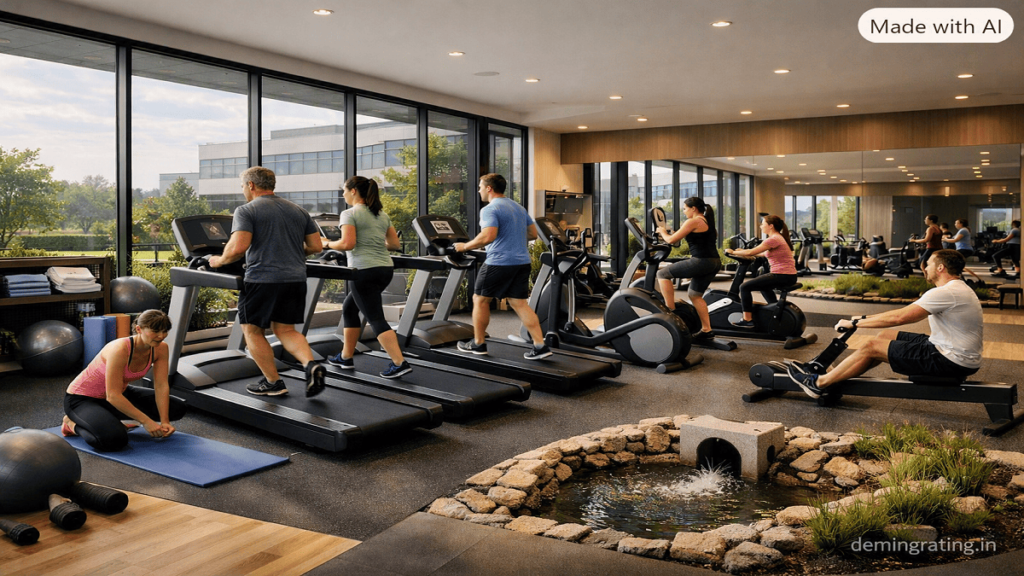
Planning a gymnasium requires more than selecting exercise equipment and creating an attractive interior. A well-designed facility should provide a safe, accessible, comfortable, and efficient environment for different types of physical activity. Design decisions should consider the building layout, equipment placement, flooring, ventilation, lighting, emergency procedures, accessibility, hygiene, and ongoing maintenance. The American College of Sports Medicine (ACSM) specifically includes facility design and construction, equipment, signage, emergency planning, and operating procedures among important areas for health and fitness facilities.
Efficient Space Planning
The layout should provide sufficient space between exercise machines, free-weight areas, group exercise zones, and walking pathways. Equipment should be positioned so that users can move safely without creating congestion or interfering with other activities. High-intensity areas should ideally be separated from quieter spaces such as stretching or relaxation zones.
The design should also consider visibility. Staff should be able to monitor major exercise areas easily, particularly spaces where users perform demanding workouts or use potentially hazardous equipment.
Appropriate Flooring and Surfaces
Gym flooring should be durable, stable, and suitable for the activities taking place in each area. Shock-absorbing surfaces can be particularly useful in areas where users perform jumping, running, or other high-impact activities. Flooring should also be maintained in good condition to reduce the risk of slips, trips, and falls.
Wet areas such as changing rooms and shower facilities require particular attention to slip resistance, drainage, cleanliness, and regular maintenance.
Ventilation, Lighting, and Temperature
Good ventilation is essential because exercise increases heat production and breathing rates. A properly designed heating, ventilation, and air-conditioning system can help maintain comfortable indoor conditions and appropriate air circulation.
Lighting should provide adequate visibility throughout the facility without creating excessive glare. Emergency lighting should also be incorporated according to applicable local building and fire-safety requirements.
Accessibility
A modern gymnasium should be designed so people with disabilities can enter, move through, and use appropriate areas of the facility. Accessible entrances, routes, toilets, changing facilities, and other relevant spaces should be incorporated into the design. The applicable accessibility regulations depend on the country and jurisdiction. For example, the U.S. ADA Standards establish requirements for accessible buildings and facilities.
Emergency and Safety Planning
Emergency exits should be clearly identified, unobstructed, and designed according to local fire and building regulations. Gyms should also have appropriate emergency communication systems, first-aid provisions, fire-safety equipment, and documented emergency procedures.
Emergency alerts should consider different user needs. ADA guidance recommends using both audible and visual alerts to improve access to emergency information for people with different disabilities.
Equipment Safety and Maintenance
All exercise equipment should be appropriate for its intended use, installed correctly, inspected regularly, and maintained according to manufacturer recommendations. Clear operating instructions and safety signage can help users understand how equipment should be used.
Ultimately, successful gymnasium design combines functionality, safety, accessibility, comfort, and long-term maintenance. Careful planning at the design stage can create a facility that supports effective exercise while minimizing avoidable risks and providing an inclusive experience for members.
Relevant External Resources
- ACSM – Health/Fitness Facility Standards and Guidelines
- ADA.gov – Standards for Accessible Design
- ADA.gov – Emergency Planning
#AerobicExercise
How Can a Gymnasium Promote Employee Wellness and a Healthy Lifestyle?
A workplace gymnasium can play an important role in promoting employee wellness by making physical activity more convenient, accessible, and enjoyable during the working day. However, an effective employee wellness program should go beyond simply providing exercise equipment. It should create a workplace culture that encourages healthy habits, supports work-life balance, and gives employees practical opportunities to remain physically active.
Providing Convenient Access to Exercise
One of the biggest advantages of an onsite gymnasium is convenience. Employees can exercise before work, during an appropriate break, or after working hours without needing to travel to an external fitness facility. A well-equipped gym can include treadmills, stationary bicycles, cross-trainers, resistance machines, free weights, stretching areas, and functional-training equipment.
Making physical activity easier to access can help employees incorporate exercise into their regular routines. The Centers for Disease Control and Prevention (CDC) recommends that employers consider providing access to exercise facilities and supporting their use through workplace wellness initiatives.
Encouraging Regular Physical Activity
A gymnasium can support employees through structured fitness classes, walking groups, circuit-training sessions, indoor cycling, stretching programs, and short activity breaks. Employers can also organize fitness challenges or team-based activities to encourage participation without making exercise feel compulsory.
The CDC’s workplace guidance highlights walking clubs, group exercise activities, activity breaks, and other forms of social support as useful approaches for encouraging physical activity among employees.
Building a Culture of Wellness
A successful workplace gym should be part of a broader culture of health rather than an isolated employee benefit. Managers and senior leaders can encourage participation by demonstrating healthy behaviors themselves, supporting reasonable activity breaks, and ensuring employees do not feel that exercising is viewed negatively or as a distraction from work.
The CDC emphasizes that visible leadership support and organizational policies are important foundations for successful workplace physical-activity programs.
Supporting Physical and Mental Well-Being
Regular physical activity can contribute to cardiovascular fitness, healthy weight management, and reduced risk of several chronic diseases. It is also associated with improved mental health, quality of life, and overall well-being.
For this reason, workplace gyms can incorporate wellness education alongside exercise. Workshops on nutrition, posture, mobility, stress management, sleep, and healthy daily routines can help employees develop a more comprehensive approach to wellness.
Making Programs Inclusive
Employee wellness programs should accommodate different fitness levels, ages, abilities, schedules, and personal preferences. Offering beginner-friendly sessions, low-impact exercise options, accessible equipment, and flexible activity times can make the gym more welcoming.
The World Health Organization recommends regular physical activity for adults and notes that supportive workplace environments can help people become more active.
In conclusion, a gymnasium can promote employee wellness by combining convenient facilities, structured activities, supportive workplace policies, leadership participation, and inclusive programming. When integrated into a broader culture of health, an employee gym can encourage sustainable physical activity and contribute to a healthier, more engaged workforce.
Relevant External Resources
- CDC – Physical Activity in the Workplace
- CDC – Physical Activity Breaks for the Workplace
- WHO – Physical Activity
- WHO – Promoting Healthy, Safe and Resilient Workplaces
#FitnessCenter
Case Study of an Aerobic & Cardiovascular Gymnasium
An aerobic and cardiovascular gymnasium can be designed as a dedicated fitness environment that prioritizes cardiovascular endurance, physical conditioning, accessibility, and user safety. The following case study presents a practical model of how such a facility can be planned and operated to encourage regular exercise among employees, students, or community members. It can also serve as a useful reference for architects, facility managers, and organizations planning a modern fitness center.
Project Overview
Consider a medium-sized cardiovascular gymnasium established within a corporate or institutional campus. The primary objective of the facility is to provide users with convenient access to structured aerobic exercise while supporting broader health and wellness goals.
The gymnasium is divided into clearly defined zones. The main cardiovascular area contains treadmills, elliptical trainers, upright and recumbent bicycles, rowing machines, and stair-climbing equipment. A separate open area is provided for warm-ups, stretching, aerobic classes, functional movements, and group activities. The layout allows users to move safely between different exercise stations while maintaining adequate circulation space.
Equipment and Programming
The facility uses a combination of low-impact and higher-intensity cardiovascular equipment so that people with different fitness levels can participate. Beginners may start with walking or stationary cycling, while experienced users can incorporate running, rowing, stair climbing, or interval training.
Alongside equipment-based workouts, the gym offers instructor-led activities such as aerobic classes, indoor cycling, circuit training, and mobility sessions. Fitness professionals can conduct basic assessments and help users select appropriate exercise programs.
This approach reflects guidance from the American College of Sports Medicine (ACSM), which identifies facility design, equipment, member orientation, supervision, emergency planning, and operating procedures as important components of a quality health and fitness facility.
Safety and Facility Management
Safety is a central feature of the case study. Equipment is positioned to minimize congestion, floors are maintained to reduce slip and trip hazards, and clear signage explains appropriate equipment use. Regular inspection and preventive maintenance help ensure that machines remain in good working condition.
Emergency planning is also incorporated into daily operations. Staff members receive appropriate emergency-response training, and the facility maintains procedures for responding to medical incidents. ACSM’s guidance emphasizes emergency planning, staffing, CPR/AED preparedness, and appropriate facility policies.
Employee or Member Wellness
The gymnasium can become part of a broader wellness program by offering scheduled exercise sessions, fitness challenges, educational workshops, and personalized guidance. Flexible operating hours allow users to exercise before work, during suitable breaks, or after working hours.
The facility can also monitor participation and collect user feedback to identify which programs and equipment are most useful. Over time, this information can guide changes to programming, staffing, and equipment selection.
Key Outcomes and Lessons
The main lesson from this case study is that a successful cardiovascular gymnasium depends on more than purchasing modern exercise machines. Effective space planning, appropriate equipment, qualified supervision, safety procedures, accessibility, maintenance, and engaging fitness programs must work together.
A well-planned aerobic and cardiovascular gymnasium can provide a structured environment for improving endurance and supporting an active lifestyle. When incorporated into a larger wellness strategy, it can also encourage consistent participation and make regular physical activity more accessible.
For organizations developing a similar facility, the ACSM Health/Fitness Facility Standards and Guidelines provides a useful professional reference for facility design, equipment, staffing, safety, and operational considerations.
Relevant External Resources
- ACSM – Health/Fitness Facility Standards and Guidelines
- ACSM – Position Stands and Scientific Statements
- PubMed – Recommendations for Screening, Staffing and Emergency Policies at Health/Fitness Facilities
#CardioTraining
White Paper on Aerobic & Cardiovascular Gymnasium
Executive Summary
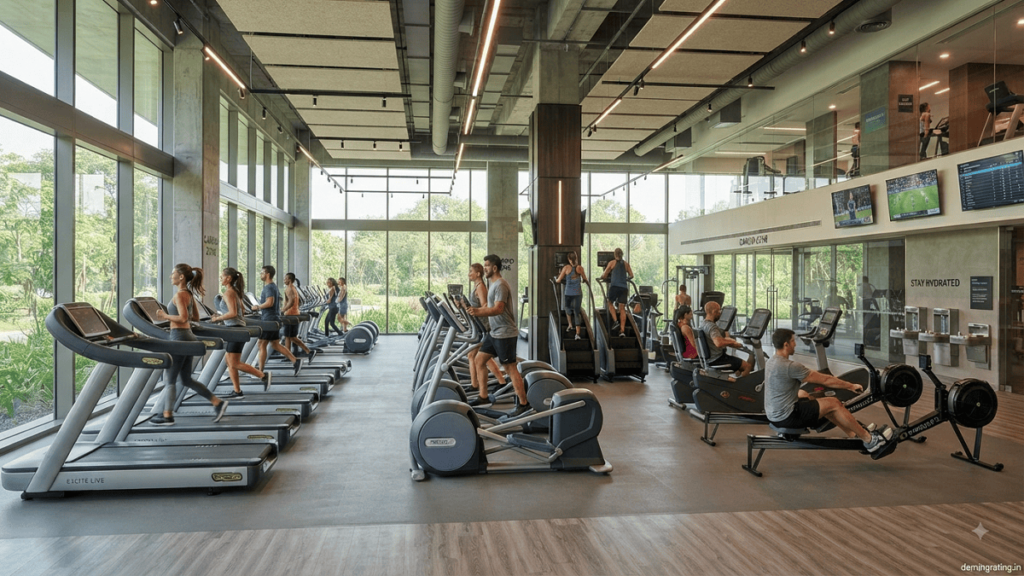
An aerobic and cardiovascular gymnasium is a purpose-designed fitness environment focused on improving cardiorespiratory endurance, physical capacity, and overall wellness through structured aerobic exercise. Unlike a conventional gym that may emphasize resistance and strength training, a cardiovascular-focused facility places greater emphasis on activities such as walking, running, cycling, rowing, stair climbing, cross-training, and instructor-led aerobic programs.
The importance of such facilities is supported by established public-health guidance. The World Health Organization recommends that adults undertake 150–300 minutes of moderate-intensity aerobic physical activity per week, or 75–150 minutes of vigorous-intensity activity, or an equivalent combination. Regular physical activity is associated with benefits for cardiovascular health, metabolic health, mental well-being, cognitive health, and sleep.
Purpose and Objectives
The primary purpose of a cardiovascular gymnasium is to provide a safe and accessible environment where individuals can develop and maintain aerobic fitness. Key objectives include improving endurance, supporting healthy body composition, encouraging regular physical activity, and providing structured exercise opportunities for users with different levels of fitness.
A successful facility should accommodate beginners as well as experienced users. Exercise programs should therefore offer different levels of intensity and provide opportunities for gradual progression rather than encouraging participants to begin with unnecessarily demanding workouts.
Facility Design and Equipment
The design of an aerobic and cardiovascular gymnasium should prioritize efficient circulation, equipment spacing, visibility, ventilation, lighting, flooring, accessibility, hygiene, and emergency preparedness. The American College of Sports Medicine’s current Health/Fitness Facility Standards and Guidelines addresses areas including preparticipation screening, member education and supervision, emergency procedures, professional staffing, facility design, equipment, and signage.
Typical cardiovascular equipment includes treadmills, upright and recumbent bicycles, elliptical trainers, rowing machines, stair climbers, and other endurance-training systems. A dedicated open area can support stretching, warm-ups, circuit training, group aerobic classes, mobility exercises, and functional movement.
Safety and Risk Management
Safety should be integrated into the facility from the planning stage rather than treated as an operational afterthought. Equipment should be installed and maintained according to manufacturer requirements, floors should remain free from hazards, and appropriate signage should communicate safe operating procedures.
Emergency planning is particularly important in a cardiovascular facility because users may undertake strenuous exercise. ACSM guidance addresses emergency planning and recommends appropriate preparedness, trained personnel, and access to emergency equipment.
Preparticipation screening and user orientation can also help identify individuals who may require additional guidance before beginning an exercise program.
Programming and User Engagement
Equipment alone does not guarantee successful participation. A comprehensive gymnasium should offer structured programs such as indoor cycling, aerobic classes, walking or running programs, circuit training, and progressive endurance sessions. Qualified fitness professionals can help users select suitable activities and understand appropriate exercise intensity.
The facility can also support long-term participation through fitness assessments, educational sessions, progress tracking, and wellness initiatives. These services can transform the gym from a collection of machines into a comprehensive health and fitness environment.
Health and Wellness Impact
Regular aerobic activity can contribute to improved cardiovascular fitness and help reduce the risk of several chronic diseases. WHO guidance notes that physical activity can help prevent and manage cardiovascular disease, type 2 diabetes, and some cancers, while also supporting mental well-being.
However, cardiovascular exercise should form part of a balanced fitness strategy. WHO also recommends muscle-strengthening activities involving major muscle groups on at least two days per week for additional health benefits.
Conclusion
An aerobic and cardiovascular gymnasium should be viewed as a health, fitness, and wellness infrastructure project, rather than simply an equipment room. Its effectiveness depends on the integration of appropriate equipment, evidence-based programming, qualified supervision, safe design, preventive maintenance, emergency preparedness, and inclusive access.
When these elements are planned together, a cardiovascular gymnasium can provide a sustainable environment for improving physical fitness and encouraging regular physical activity. Organizations considering the development of such a facility should combine public-health recommendations with professional facility standards and local building, accessibility, fire, and safety requirements.
Recommended External Resources
- World Health Organization – Guidelines on Physical Activity and Sedentary Behaviour
- WHO – Physical Activity Guidelines at a Glance
- American College of Sports Medicine – Health/Fitness Facility Standards and Guidelines
- ACSM – Health/Fitness Facility Standards and Guidelines, Emergency Planning Excerpt
#CardiovascularFitness
Industry Application of Aerobic & Cardiovascular Gymnasium
An aerobic and cardiovascular gymnasium has applications across a wide range of industries because physical fitness, employee wellness, and healthy lifestyles are increasingly important components of modern organizations. A cardiovascular gymnasium is not limited to commercial fitness centers; it can be incorporated into corporate offices, healthcare facilities, educational institutions, hotels, sports organizations, residential developments, and industrial workplaces. Its primary purpose is to provide convenient opportunities for structured aerobic exercise while supporting physical health and overall well-being.
Corporate and Workplace Applications
One of the most important applications is in the corporate sector. Companies can establish onsite cardiovascular gyms as part of employee wellness programs. Treadmills, stationary bicycles, elliptical trainers, rowing machines, and group exercise areas allow employees to participate in physical activity before or after work or during suitable breaks.
The World Health Organization recognizes workplaces as important environments for promoting physical activity and recommends measures such as providing onsite fitness facilities and access to walking and running opportunities.
Healthcare and Wellness Facilities
Hospitals, rehabilitation centers, and wellness facilities can use cardiovascular exercise areas to support supervised physical conditioning and general wellness programs. Depending on the facility and the individual’s health status, exercise may be incorporated into professionally supervised programs. Equipment selection and programming should always be appropriate to the intended users and relevant professional requirements.
Hotels and Hospitality
Hotels and resorts increasingly provide fitness facilities as part of their guest services. A cardiovascular gym can allow travelers to maintain their exercise routines while away from home. Compact cardio equipment, stretching areas, and guided fitness programs can be particularly valuable in hotels where space is limited.
Educational Institutions
Schools, colleges, and universities can incorporate aerobic and cardiovascular facilities into student recreation and physical-education programs. Such facilities can provide students with opportunities to develop endurance, learn safe exercise techniques, and establish healthy habits.
Sports and Performance Facilities
Sports clubs and athletic organizations can use cardiovascular gyms for endurance development, conditioning, warm-ups, and cross-training. Athletes can combine cardiovascular training with resistance and sport-specific exercises to support overall performance.
Industrial and High-Physical-Demand Workplaces
Manufacturing, logistics, transportation, and other physically demanding industries can also benefit from workplace fitness facilities. Programs can be designed around employee wellness, physical activity, and healthy lifestyle promotion rather than replacing occupational health and safety measures.
Workplace physical-activity programs can be supported through organizational policies and environmental changes that make exercise more accessible. CDC research highlights workplace programs and environmental or policy supports as approaches that can help employees participate in physical activity.
Community and Residential Applications
Residential complexes, apartment communities, and public recreation centers can include cardiovascular gymnasiums as shared amenities. These facilities can provide residents with convenient access to exercise without requiring membership at an external commercial gym.
Business and Organizational Value
Beyond individual fitness, a well-managed cardiovascular gymnasium can contribute to a broader culture of wellness. Regular physical activity is associated with benefits including improved cardiovascular health, healthy weight management, and better mental well-being. WHO recommends adults undertake 150–300 minutes of moderate aerobic activity per week, or an equivalent amount of vigorous activity.
In conclusion, aerobic and cardiovascular gymnasiums have applications across corporate, healthcare, hospitality, education, sports, industrial, and community environments. Their greatest value comes when they are integrated with appropriate programming, qualified supervision, accessibility, safety procedures, and broader wellness initiatives. For organizations, the gymnasium can become more than a recreational facility: it can serve as practical infrastructure for encouraging regular physical activity and supporting a healthier population.
Relevant External Resources
- WHO – Physical Activity
- WHO – Guidelines on Improving the Physical Fitness of Employees
- WHO – Promoting a Healthy Lifestyle at the Workplace
- CDC – Workplace Physical Activity Research
#AerobicGymnasium
Ask FAQs
What is an aerobic and cardiovascular gymnasium?
An aerobic and cardiovascular gymnasium is a fitness facility designed primarily for exercises that improve heart and lung function, endurance, and overall cardiovascular fitness. It commonly includes treadmills, stationary bicycles, elliptical trainers, rowing machines, stair climbers, and dedicated spaces for aerobic classes and functional activities.
What equipment is commonly found in a cardiovascular gymnasium?
Common equipment includes treadmills, cross-trainers, elliptical machines, upright and recumbent bikes, rowing machines, stair climbers, and other cardio-training equipment. A well-planned facility may also include stretching areas, mats, resistance equipment, and spaces for group exercise sessions.
What are the benefits of cardiovascular exercise?
Regular cardiovascular exercise can improve cardiorespiratory fitness, increase stamina, support healthy weight management, and contribute to overall heart health. Physical activity is also associated with benefits for mental well-being, sleep, and the prevention and management of several chronic health conditions. The World Health Organization recommends adults undertake 150–300 minutes of moderate-intensity aerobic activity each week, or an equivalent amount of vigorous activity.
How should a cardiovascular gymnasium be designed for safety?
A cardiovascular gymnasium should provide adequate space between machines, safe and durable flooring, proper lighting and ventilation, accessible pathways, clear safety signage, emergency exits, appropriate emergency equipment, and regular equipment inspection and maintenance. Staff should also be prepared to respond to emergencies, while users should receive appropriate guidance on equipment operation.
Can a cardiovascular gymnasium be used for workplace wellness?
Yes. Companies can use cardiovascular gymnasiums as part of employee wellness programs. Providing convenient access to exercise can encourage employees to become more physically active. Facilities may offer cardio equipment, group fitness sessions, walking or fitness challenges, and wellness education. The CDC Workplace Health Promotion provides guidance on supporting physical activity in workplace environments.
Table of Contents
Disclaimer: This content is for general informational purposes only and should not be considered medical, fitness, or professional advice. Consult a qualified healthcare or fitness professional before starting a new exercise program.