
Energy Efficiency Mandatory Requirement
Energy efficiency has evolved from being an optional sustainability initiative to a mandatory requirement for organizations, industries, and governments worldwide. With increasing energy demand, rising operational costs, climate change concerns, and stricter environmental regulations, improving energy efficiency has become essential for achieving long-term economic and environmental goals.
Energy efficiency focuses on reducing energy waste while maintaining the same level of productivity, comfort, and performance. It requires the adoption of efficient technologies, improved operational practices, energy management systems, and compliance with energy standards.
For modern businesses and industries, energy efficiency is no longer only about reducing electricity bills; it is a strategic requirement for competitiveness, regulatory compliance, and sustainable growth.
1. Regulatory Compliance and Government Requirements
Many countries are introducing mandatory energy efficiency standards and policies to reduce energy consumption and greenhouse gas emissions. Governments are implementing regulations for buildings, industries, appliances, and transportation systems to encourage efficient energy usage.
Organizations are required to follow energy performance standards, conduct energy audits, report consumption data, and implement improvement measures where necessary.
Energy efficiency regulations help industries reduce environmental impact while ensuring responsible energy management.
Source: International Energy Agency (IEA) – Energy Efficiency
https://www.iea.org/topics/energy-efficiency
2. Mandatory Energy Audits and Monitoring
Energy audits are becoming an essential requirement for energy-intensive industries and large commercial facilities. These audits analyze energy consumption patterns, identify inefficiencies, and recommend improvement strategies.
Modern energy monitoring systems use:
- Smart meters
- IoT sensors
- Data analytics platforms
- AI-based energy management tools
These technologies provide real-time information about energy usage and help organizations continuously improve efficiency.
3. Compliance with Sustainability Goals
Energy efficiency is a key requirement for organizations working toward sustainability and carbon reduction targets. Businesses are increasingly expected to reduce their carbon footprint and improve environmental performance.
Energy-efficient operations help companies:
- Reduce greenhouse gas emissions
- Improve resource utilization
- Support renewable energy adoption
- Achieve sustainability certifications
Many organizations integrate energy efficiency into their Environmental, Social, and Governance (ESG) strategies to meet stakeholder expectations.
4. Building Energy Efficiency Requirements
Buildings are major energy consumers due to lighting, heating, cooling, ventilation, and electrical systems. Energy efficiency requirements for buildings focus on improving:
- Insulation standards
- HVAC system performance
- Lighting efficiency
- Smart building automation
- Renewable energy integration
Modern building regulations encourage the development of low-energy and green buildings that reduce long-term operational costs.
Source: U.S. Department of Energy – Energy Efficiency and Renewable Energy
https://www.energy.gov/eere
5. Industrial Energy Efficiency Requirements
Industries must adopt energy-efficient practices to remain competitive and comply with environmental regulations. Manufacturing sectors are implementing:
- High-efficiency motors
- Automated production systems
- Energy management systems
- Waste heat recovery solutions
- Predictive maintenance technologies
Energy-intensive industries such as steel, cement, chemicals, and automotive manufacturing benefit significantly from efficiency improvements.
6. Role of Energy Management Systems
Energy management systems are becoming a mandatory requirement for organizations seeking better control over energy consumption. These systems help businesses monitor, analyze, and optimize energy usage.
Key functions include:
- Tracking energy performance
- Identifying consumption patterns
- Reducing unnecessary energy usage
- Improving operational efficiency
Standards such as ISO 50001 provide frameworks for organizations to establish effective energy management systems.
Source: International Organization for Standardization – ISO 50001
https://www.iso.org/iso-50001-energy-management.html
7. Economic Benefits of Mandatory Energy Efficiency
Energy efficiency requirements provide significant financial advantages. Organizations that improve energy performance can achieve:
- Lower energy costs
- Reduced maintenance expenses
- Improved equipment performance
- Increased operational reliability
- Better market competitiveness
Although initial investments may be required, energy efficiency improvements generally deliver long-term financial returns.
8. Future Importance of Energy Efficiency Requirements
Future energy efficiency requirements will become more advanced with the adoption of:
- Artificial intelligence-based energy optimization
- Smart grids
- Digital twin technology
- Advanced energy storage
- Automated energy management systems
Organizations that proactively adopt these technologies will be better prepared for future regulations and sustainability expectations.
Conclusion
Energy efficiency has become a mandatory requirement for achieving sustainable economic growth, environmental protection, and energy security. Governments, industries, and organizations must implement efficient technologies, follow energy standards, and continuously monitor performance to reduce energy waste.
What Are Energy Efficiency Mandatory Requirements?
Introduction
Energy efficiency mandatory requirements are the rules, standards, regulations, and operational practices that organizations, industries, and buildings must follow to reduce energy consumption, improve performance, and minimize environmental impact. These requirements are established by governments, regulatory bodies, and international organizations to encourage responsible energy use and support sustainability goals.
As energy demand increases and climate regulations become stricter, energy efficiency has shifted from a voluntary initiative to a necessary compliance requirement for many sectors, including manufacturing, commercial buildings, transportation, and infrastructure.
1. Compliance with Energy Efficiency Standards
One of the primary mandatory requirements is compliance with established energy efficiency standards. These standards define minimum performance levels for equipment, buildings, and industrial systems.
Organizations may be required to meet efficiency requirements for:
- Electrical equipment
- Industrial machinery
- Heating, ventilation, and air conditioning (HVAC) systems
- Lighting systems
- Building designs
- Energy-consuming appliances
Following these standards ensures reduced energy waste and improved operational performance.
2. Mandatory Energy Audits
Energy audits are an important requirement for many energy-intensive industries and large facilities. An energy audit evaluates how energy is consumed and identifies opportunities for improvement.
A typical energy audit includes:
- Analysis of energy consumption patterns
- Inspection of equipment performance
- Identification of energy losses
- Recommendations for efficiency improvements
- Monitoring of energy-saving results
Regular audits help organizations maintain energy performance and meet regulatory requirements.
3. Installation of Energy Monitoring Systems
Many organizations are required to implement energy monitoring and management systems to track consumption and improve efficiency.
Common technologies include:
- Smart meters
- IoT-based sensors
- Automated energy management platforms
- Real-time monitoring software
- Data analytics systems
These systems allow organizations to measure energy usage, detect inefficiencies, and optimize operations.
4. Adoption of Energy-Efficient Equipment
Replacing outdated and inefficient equipment is a key requirement for improving energy performance.
Organizations are encouraged or required to use:
- High-efficiency motors
- Energy-saving lighting systems
- Efficient HVAC equipment
- Advanced industrial automation systems
- Low-energy electronic devices
Energy-efficient equipment reduces electricity consumption while maintaining productivity.
5. Building Energy Performance Requirements
Buildings must follow energy efficiency regulations related to design, construction, and operation.
Mandatory requirements may include:
- Energy-efficient building materials
- Proper insulation standards
- Efficient cooling and heating systems
- Smart lighting controls
- Renewable energy integration
- Energy performance certification
These requirements help reduce energy consumption throughout the building lifecycle.
Source: U.S. Department of Energy – Energy Efficiency and Renewable Energy
https://www.energy.gov/eere
6. Energy Management System Implementation
Organizations may need to establish formal energy management systems to continuously improve energy performance.
International standards such as ISO 50001 provide guidelines for creating effective energy management frameworks.
Key requirements include:
- Setting energy performance goals
- Measuring energy consumption
- Implementing improvement actions
- Reviewing energy performance regularly
- Maintaining continuous improvement processes
Source: International Organization for Standardization – ISO 50001
https://www.iso.org/iso-50001-energy-management.html
7. Carbon Reduction and Sustainability Reporting
Many organizations are required to report their energy usage and carbon emissions as part of sustainability regulations.
Energy efficiency requirements support:
- Carbon emission reduction targets
- Environmental reporting
- ESG compliance
- Climate action commitments
Improved energy efficiency helps organizations achieve sustainability objectives while meeting regulatory expectations.
8. Employee Training and Awareness
Energy efficiency requirements also include improving awareness among employees and operators. Proper training ensures that energy-saving practices are followed consistently.
Training programs may focus on:
- Efficient equipment operation
- Reducing unnecessary energy use
- Maintenance practices
- Sustainable workplace behavior
9. Renewable Energy and Energy Optimization Requirements
Modern energy regulations increasingly encourage integration of renewable energy and smart energy management solutions.
Organizations may adopt:
- Solar energy systems
- Battery storage solutions
- Smart grids
- Demand management technologies
- Automated energy optimization systems
These solutions improve energy reliability and reduce dependence on conventional energy sources.
Conclusion
Energy efficiency mandatory requirements ensure that organizations use energy responsibly while improving performance and reducing environmental impact. These requirements include compliance with energy standards, conducting audits, monitoring consumption, upgrading equipment, implementing management systems, and achieving sustainability targets.
What Are the Key Standards and Criteria for Meeting Energy Efficiency Requirements?
Introduction
Energy efficiency standards and criteria provide a structured framework for organizations, industries, and buildings to reduce energy consumption, improve operational performance, and meet sustainability objectives. These standards define the technical requirements, management practices, and performance benchmarks necessary to achieve efficient energy use.
As governments and industries focus on reducing carbon emissions and improving energy security, compliance with recognized energy efficiency standards has become an essential requirement. These frameworks help organizations measure energy performance, identify improvement opportunities, and implement continuous energy-saving strategies.
1. ISO 50001 Energy Management System Standard
One of the most important global standards for energy efficiency is ISO 50001, which provides guidelines for establishing, implementing, maintaining, and improving an energy management system.
The standard helps organizations:
- Develop energy policies
- Establish energy performance targets
- Monitor energy consumption
- Identify efficiency improvement opportunities
- Measure and verify energy savings
- Continuously improve energy performance
ISO 50001 follows a continuous improvement approach based on the Plan-Do-Check-Act (PDCA) cycle.
Source: International Organization for Standardization (ISO) – ISO 50001
https://www.iso.org/iso-50001-energy-management.html
2. Energy Performance Standards
Energy performance standards define minimum efficiency levels for equipment, buildings, and industrial systems. These standards ensure that energy-consuming products and infrastructure operate efficiently.
Common areas covered include:
- Electrical appliances
- Industrial machinery
- Lighting systems
- HVAC equipment
- Building energy performance
- Renewable energy systems
Organizations must ensure that installed equipment meets required efficiency ratings and performance criteria.
3. Energy Auditing Requirements
Energy audits are a key criterion for evaluating energy efficiency performance. They provide detailed analysis of energy consumption and identify areas where improvements can be made.
A comprehensive energy audit includes:
- Energy consumption assessment
- Equipment performance analysis
- Identification of energy losses
- Efficiency improvement recommendations
- Cost-benefit analysis of proposed solutions
Regular energy audits help organizations maintain compliance and achieve measurable energy savings.
4. Energy Monitoring and Measurement Criteria
Accurate measurement is essential for achieving energy efficiency goals. Organizations must implement systems that monitor energy consumption and track performance improvements.
Common monitoring technologies include:
- Smart energy meters
- IoT sensors
- Energy management software
- Automated monitoring platforms
- Data analytics systems
Key performance indicators (KPIs) such as energy intensity, energy consumption per unit of production, and carbon emissions are used to evaluate efficiency.
5. Building Energy Efficiency Standards
Buildings must meet specific energy efficiency criteria related to design, construction, and operation.
Important requirements include:
- Efficient insulation systems
- Energy-saving lighting solutions
- High-performance HVAC systems
- Smart building automation
- Efficient windows and materials
- Renewable energy integration
Green building standards help reduce energy demand while improving occupant comfort and operational efficiency.
6. Industrial Energy Efficiency Criteria
Industries must follow energy efficiency practices to reduce energy waste and improve productivity.
Key industrial criteria include:
- Use of high-efficiency motors and equipment
- Optimization of manufacturing processes
- Waste heat recovery systems
- Automated energy controls
- Preventive and predictive maintenance
- Energy-efficient production technologies
Energy-intensive industries often use energy performance indicators to measure improvements.
7. Renewable Energy Integration Standards
Modern energy efficiency requirements increasingly include renewable energy adoption and energy optimization.
Organizations may integrate:
- Solar power systems
- Battery energy storage
- Smart grid technologies
- Distributed energy resources
- Demand management solutions
Combining renewable energy with efficiency measures improves energy reliability and reduces environmental impact.
8. Carbon Emission Reduction Criteria
Energy efficiency standards are closely linked with carbon reduction objectives. Organizations are increasingly required to monitor and reduce greenhouse gas emissions.
Key criteria include:
- Measuring carbon footprint
- Reducing fossil fuel consumption
- Improving energy productivity
- Reporting sustainability performance
- Implementing clean energy solutions
These requirements support global climate goals and environmental regulations.
9. Compliance Reporting and Documentation
Maintaining proper documentation is essential for demonstrating compliance with energy efficiency requirements.
Organizations should maintain records of:
- Energy consumption data
- Audit reports
- Equipment performance records
- Improvement plans
- Energy management procedures
- Sustainability reports
Proper documentation supports verification, certification, and regulatory compliance.
Future Trends in Energy Efficiency Standards
Future energy efficiency requirements will increasingly focus on:
- Artificial intelligence-based energy optimization
- Smart grid compatibility
- Digital twin technology
- Automated energy management
- Real-time performance tracking
- Advanced energy storage solutions
These technologies will enable organizations to achieve higher efficiency levels through intelligent and automated energy management.
Conclusion
Meeting energy efficiency requirements requires compliance with recognized standards, effective energy management practices, continuous monitoring, and adoption of advanced technologies. Standards such as ISO 50001, energy performance regulations, building efficiency codes, and industrial energy benchmarks provide organizations with a roadmap for reducing energy consumption and improving sustainability.
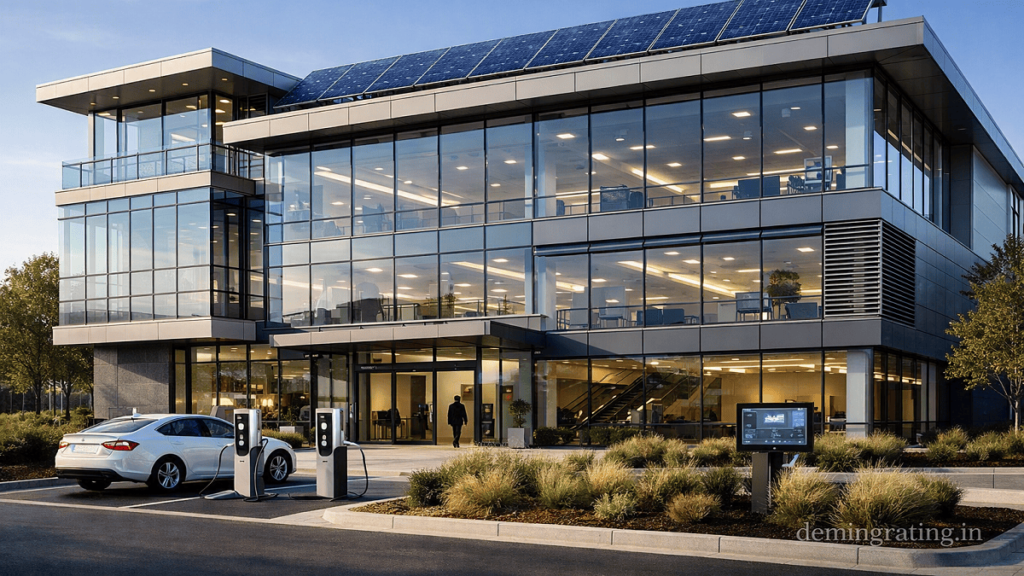
How Do Mandatory Energy Efficiency Measures Help Reduce Energy Consumption and Carbon Emissions?
Introduction
Mandatory energy efficiency measures are regulations, standards, and operational requirements designed to ensure that organizations, industries, and buildings use energy more effectively. These measures establish minimum efficiency levels, encourage the adoption of advanced technologies, and require continuous monitoring of energy performance.
As global energy demand increases and climate change concerns become more urgent, mandatory energy efficiency policies have become an important tool for reducing energy waste, lowering greenhouse gas emissions, and improving sustainability. By making efficient energy use a requirement rather than an optional practice, governments and organizations can achieve measurable reductions in energy consumption and carbon emissions.
1. Reducing Energy Waste Through Efficiency Standards
Mandatory energy efficiency standards help reduce unnecessary energy consumption by requiring equipment, buildings, and industrial systems to meet specific performance levels.
For example, efficiency standards for:
- Electrical appliances
- Industrial machinery
- Lighting systems
- Heating and cooling equipment
- Building designs
ensure that energy-consuming systems operate with improved performance and reduced losses.
When inefficient technologies are replaced with high-performance alternatives, organizations can achieve the same output while consuming less energy.
2. Encouraging Adoption of Energy-Efficient Technologies
Mandatory measures accelerate the adoption of advanced energy-saving technologies. Without regulations, many organizations may continue using outdated equipment due to replacement costs or lack of awareness.
Efficiency requirements encourage investment in:
- Smart energy management systems
- High-efficiency motors
- LED lighting
- Automated control systems
- Energy monitoring platforms
- Renewable energy solutions
These technologies optimize energy usage and reduce unnecessary consumption.
3. Improving Industrial Energy Performance
Industries are among the largest energy consumers globally. Mandatory energy efficiency programs help industrial facilities identify energy losses and improve operational processes.
Industrial efficiency measures include:
- Regular energy audits
- Equipment performance monitoring
- Waste heat recovery systems
- Process automation
- Predictive maintenance
By improving industrial energy performance, companies reduce electricity and fuel consumption while maintaining productivity.
4. Lowering Carbon Emissions
Energy production, especially from fossil fuels, is a major source of carbon dioxide (CO₂) emissions. When energy consumption decreases, the amount of fuel required for electricity generation and industrial operations also decreases.
Mandatory efficiency measures reduce emissions by:
- Lowering fossil fuel demand
- Improving energy productivity
- Supporting renewable energy integration
- Reducing energy losses
According to the International Energy Agency (IEA), energy efficiency improvements are among the most effective solutions for reducing energy-related emissions.
Source: International Energy Agency – Energy Efficiency
https://www.iea.org/topics/energy-efficiency
5. Improving Building Energy Performance
Buildings consume significant energy through lighting, cooling, heating, and ventilation systems. Mandatory building efficiency requirements improve energy performance through:
- Energy-efficient construction materials
- Improved insulation
- Efficient HVAC systems
- Smart building automation
- Energy performance certifications
These measures reduce electricity consumption while improving comfort and reducing operational expenses.
6. Promoting Energy Monitoring and Accountability
Mandatory energy monitoring requirements help organizations understand where and how energy is being consumed.
Technologies such as:
- Smart meters
- IoT sensors
- Energy management software
- AI-based analytics platforms
provide real-time information about energy usage.
Monitoring allows organizations to identify inefficiencies, implement corrective actions, and track progress toward energy reduction targets.
7. Supporting Renewable Energy Integration
Energy efficiency measures make renewable energy adoption more effective. When energy demand is reduced, renewable sources such as solar and wind power can meet a larger share of electricity needs.
Mandatory policies often encourage organizations to combine:
- Energy efficiency improvements
- Renewable energy systems
- Battery storage solutions
- Smart grid technologies
This creates cleaner and more reliable energy systems.
8. Reducing Operational Costs and Improving Sustainability
Although mandatory efficiency measures may require initial investments, they provide long-term economic benefits.
Organizations benefit from:
- Lower energy bills
- Reduced maintenance costs
- Improved equipment performance
- Better regulatory compliance
- Enhanced sustainability reputation
Lower energy consumption also reduces the environmental impact associated with energy production.
9. Supporting National Climate Goals
Governments use mandatory energy efficiency measures to achieve climate targets and improve energy security. By reducing overall energy demand, countries can decrease dependence on fossil fuels and accelerate the transition toward cleaner energy systems.
Efficiency policies support broader sustainability objectives, including emission reduction targets and responsible resource management.
Conclusion
Mandatory energy efficiency measures play a vital role in reducing energy consumption and carbon emissions by improving equipment performance, encouraging advanced technologies, strengthening energy management practices, and promoting sustainable operations.
Through efficiency standards, energy audits, smart monitoring systems, and renewable energy integration, organizations can reduce energy waste while maintaining productivity. As countries continue working toward climate and sustainability goals, mandatory energy efficiency requirements will remain an essential strategy for creating a cleaner, more efficient, and resilient energy future.
References
- International Energy Agency (IEA) – Energy Efficiency
https://www.iea.org/topics/energy-efficiency - U.S. Department of Energy – Energy Efficiency and Renewable Energy
https://www.energy.gov/eere - International Renewable Energy Agency (IRENA)
https://www.irena.org/
What Are the Challenges Organizations Face in Complying With Energy Efficiency Requirements?
Introduction
Energy efficiency requirements have become increasingly important for organizations as governments, industries, and businesses work toward reducing energy consumption, lowering carbon emissions, and achieving sustainability goals. These requirements often include energy performance standards, mandatory audits, reporting obligations, technology upgrades, and compliance with energy management frameworks.
While energy efficiency provides significant benefits such as reduced operational costs and improved sustainability, organizations often face several challenges when implementing and maintaining compliance. These challenges can involve financial limitations, technical complexity, regulatory changes, workforce skills, and infrastructure constraints.
1. High Initial Investment Costs
One of the biggest challenges organizations face is the high upfront cost associated with implementing energy efficiency solutions. Upgrading outdated equipment, installing smart energy systems, improving building infrastructure, and adopting renewable energy technologies often require significant capital investment.
Examples include:
- Replacing inefficient machinery
- Installing energy monitoring systems
- Upgrading HVAC systems
- Implementing automation technologies
- Improving building insulation
Although these investments provide long-term savings through reduced energy consumption, some organizations hesitate due to short-term financial limitations.
2. Lack of Technical Expertise
Energy efficiency projects often require specialized knowledge in engineering, data analysis, automation, and energy management. Many organizations lack trained professionals who can design, implement, and maintain advanced energy efficiency systems.
Challenges include:
- Limited knowledge of available technologies
- Difficulty interpreting energy data
- Shortage of skilled energy managers
- Lack of expertise in energy management standards
Proper training and professional support are essential to overcome these barriers.
3. Complexity of Energy Regulations and Standards
Energy efficiency regulations can vary by region, industry, and application. Organizations may find it challenging to understand and comply with changing requirements.
Compliance challenges include:
- Keeping up with updated regulations
- Understanding technical standards
- Managing documentation requirements
- Meeting reporting obligations
Standards such as ISO 50001 provide structured approaches for energy management, but implementing them requires proper planning and resources.
Source: International Organization for Standardization – ISO 50001
https://www.iso.org/iso-50001-energy-management.html
4. Aging Infrastructure and Equipment
Many organizations operate with older buildings, machinery, and energy systems that were not designed for modern efficiency standards.
Aging infrastructure can create difficulties such as:
- Higher energy losses
- Limited compatibility with smart technologies
- Increased maintenance requirements
- Reduced operational efficiency
Modernizing existing infrastructure requires careful planning to avoid production disruptions and excessive costs.
5. Difficulty Measuring Energy Performance
Accurate measurement is essential for proving compliance and identifying improvement opportunities. However, some organizations struggle with collecting, analyzing, and managing energy consumption data.
Common challenges include:
- Lack of real-time monitoring systems
- Incomplete energy data
- Limited analytics capabilities
- Difficulty calculating energy savings
Smart meters, IoT sensors, and energy management software can help organizations overcome these measurement challenges.
6. Resistance to Organizational Change
Implementing energy efficiency measures often requires changes in workplace practices, operational processes, and employee behavior.
Resistance may occur due to:
- Lack of awareness
- Concerns about operational disruption
- Limited employee engagement
- Preference for traditional processes
Successful energy efficiency programs require employee training, leadership support, and clear communication about benefits.
7. Integration Challenges With Existing Systems
Organizations may face difficulties when integrating new energy-efficient technologies with existing infrastructure.
Examples include:
- Connecting smart systems with older equipment
- Managing compatibility issues
- Upgrading industrial control systems
- Ensuring cybersecurity protection
Proper planning and technology assessment are necessary to ensure smooth implementation.
8. Regulatory and Market Uncertainty
Changes in government policies, energy prices, and technology costs can affect energy efficiency investments.
Organizations may face uncertainty related to:
- Future energy regulations
- Return on investment calculations
- Availability of incentives
- Technology development
Long-term energy strategies help organizations manage these uncertainties effectively.
9. Cybersecurity Risks in Digital Energy Systems
Modern energy efficiency solutions increasingly rely on connected technologies such as IoT devices, cloud platforms, and smart energy management systems.
These systems create cybersecurity challenges, including:
- Data protection risks
- Unauthorized access
- System vulnerabilities
- Network security concerns
Organizations must implement strong cybersecurity practices to protect energy infrastructure.
Future Solutions to Overcome These Challenges
Organizations can improve compliance with energy efficiency requirements by adopting:
- Advanced energy management systems
- AI-based energy optimization
- Employee training programs
- Regular energy audits
- Government incentive programs
- Digital monitoring platforms
- Renewable energy integration
Collaboration between governments, technology providers, and industries will also play an important role in accelerating energy efficiency adoption.
Conclusion
Complying with energy efficiency requirements presents several challenges, including high investment costs, technical complexity, regulatory changes, infrastructure limitations, and workforce skill gaps. However, these challenges can be addressed through strategic planning, technology adoption, employee engagement, and continuous energy management practices.
Organizations that successfully implement energy efficiency measures can achieve significant benefits, including lower operating costs, improved sustainability performance, reduced carbon emissions, and stronger competitiveness in a changing energy landscape.
References
- International Energy Agency (IEA) – Energy Efficiency
https://www.iea.org/topics/energy-efficiency - International Organization for Standardization (ISO) – ISO 50001 Energy Management
https://www.iso.org/iso-50001-energy-management.html - U.S. Department of Energy – Energy Efficiency and Renewable Energy
https://www.energy.gov/eere
What Are the Benefits of Implementing Mandatory Energy Efficiency Practices in Buildings and Industries?
Introduction
Mandatory energy efficiency practices have become essential for buildings and industries as organizations face increasing energy costs, stricter environmental regulations, and growing sustainability expectations. These practices involve the required implementation of energy-saving technologies, operational improvements, monitoring systems, and compliance standards designed to reduce energy waste while maintaining productivity and performance.
By adopting mandatory energy efficiency measures, organizations can achieve significant environmental, economic, and operational benefits. These practices help reduce energy consumption, lower carbon emissions, improve resource management, and create more sustainable business operations.
1. Reduction in Energy Consumption
The primary benefit of mandatory energy efficiency practices is a significant reduction in energy usage. Buildings and industries often consume large amounts of electricity and fuel through lighting, heating, cooling, machinery, and production processes.
Efficiency measures help reduce unnecessary consumption through:
- Smart energy management systems
- Energy-efficient equipment
- Automated controls
- Improved insulation
- Optimized industrial processes
By ensuring that energy is used more effectively, organizations can achieve the same level of output with lower energy requirements.
2. Lower Operational Costs
Energy efficiency directly contributes to cost savings by reducing electricity and fuel expenses. For industries, energy costs are often a major part of operational expenses, making efficiency improvements financially valuable.
Benefits include:
- Reduced energy bills
- Lower maintenance costs
- Improved equipment performance
- Reduced production losses
Although implementing efficiency measures may require initial investment, the long-term financial savings often provide a strong return on investment.
3. Reduction in Carbon Emissions
Energy consumption is closely linked to greenhouse gas emissions, especially when electricity and fuel are generated from fossil fuels. Mandatory efficiency practices help organizations reduce their carbon footprint by decreasing overall energy demand.
Environmental benefits include:
- Lower CO₂ emissions
- Reduced fossil fuel dependency
- Improved air quality
- Support for climate goals
According to the International Energy Agency (IEA), energy efficiency is one of the most effective strategies for reducing energy-related emissions.
Source: International Energy Agency – Energy Efficiency
https://www.iea.org/topics/energy-efficiency
4. Improved Building Performance
In buildings, mandatory energy efficiency requirements improve overall performance by optimizing systems such as lighting, heating, ventilation, and air conditioning (HVAC).
Key improvements include:
- Better temperature control
- Reduced energy losses
- Improved indoor comfort
- Lower operating expenses
- Increased building value
Smart building technologies, including IoT sensors and automated energy management systems, allow buildings to adjust energy usage based on occupancy and environmental conditions.
5. Increased Industrial Productivity
For industries, energy efficiency is not only about reducing energy use but also improving operational performance. Efficient machinery and optimized production systems help companies achieve higher productivity with fewer resources.
Industrial benefits include:
- Improved equipment reliability
- Reduced downtime
- Better production efficiency
- Optimized manufacturing processes
Technologies such as AI-based monitoring, predictive maintenance, and automation help industries identify inefficiencies and improve performance.
6. Compliance With Regulations and Standards
Mandatory energy efficiency practices help organizations meet government regulations and international standards.
Compliance benefits include:
- Avoiding penalties
- Meeting sustainability requirements
- Improving environmental reporting
- Achieving energy certifications
Standards such as ISO 50001 provide organizations with a framework for managing and continuously improving energy performance.
Source: International Organization for Standardization – ISO 50001
https://www.iso.org/iso-50001-energy-management.html
7. Enhanced Energy Security
Improving energy efficiency reduces dependence on external energy sources and strengthens energy security. When organizations consume less energy, overall demand decreases, reducing pressure on energy infrastructure.
Energy-efficient systems also support:
- Better energy reliability
- Reduced fuel dependency
- Improved resource management
- Greater resilience during energy shortages
8. Improved Corporate Sustainability and Reputation
Organizations implementing mandatory energy efficiency practices demonstrate commitment to environmental responsibility. Sustainable operations improve brand reputation and strengthen relationships with customers, investors, and stakeholders.
Energy efficiency supports:
- ESG goals
- Sustainability reporting
- Green certifications
- Corporate responsibility initiatives
9. Support for Renewable Energy Integration
Energy efficiency makes renewable energy systems more effective by reducing overall energy demand. Buildings and industries can combine efficiency improvements with:
- Solar energy systems
- Battery storage
- Smart grids
- Renewable power management platforms
This creates cleaner and more reliable energy systems.
Conclusion
Mandatory energy efficiency practices provide significant benefits for buildings and industries by reducing energy consumption, lowering costs, improving operational performance, and supporting environmental sustainability. Through efficient technologies, smart monitoring systems, improved processes, and compliance with energy standards, organizations can achieve long-term economic and environmental advantages.
As energy challenges continue to increase, implementing mandatory energy efficiency measures will remain essential for creating sustainable buildings, competitive industries, and a low-carbon future.
References
- International Energy Agency (IEA) – Energy Efficiency
https://www.iea.org/topics/energy-efficiency - International Organization for Standardization (ISO) – ISO 50001 Energy Management
https://www.iso.org/iso-50001-energy-management.html - U.S. Department of Energy – Energy Efficiency and Renewable Energy
https://www.energy.gov/eere
Case Study: Energy Efficiency Mandatory Requirements in the European Union (EU) Buildings Sector
Introduction
The European Union’s energy efficiency requirements for buildings represent one of the most comprehensive examples of how mandatory regulations can drive energy savings, reduce carbon emissions, and improve sustainability. Buildings account for a significant share of global energy consumption, mainly due to heating, cooling, lighting, and ventilation needs. To address this challenge, the EU introduced mandatory energy efficiency regulations that require buildings to meet minimum energy performance standards and support the transition toward low-energy and sustainable structures.
This case study examines how mandatory energy efficiency requirements have been implemented in the European building sector, the technologies adopted, the benefits achieved, and the challenges involved.
Background of the Initiative
The European Union recognized that improving building energy performance was essential for achieving climate targets and reducing dependence on imported energy. Older buildings often had inefficient insulation, outdated heating systems, and high energy consumption levels.
To address these issues, the EU introduced regulations such as the Energy Performance of Buildings Directive (EPBD), which establishes requirements for improving building energy performance.
The directive requires member countries to implement measures including:
- Energy performance certification
- Minimum efficiency standards for buildings
- Energy-efficient renovation strategies
- Regular inspection of heating and cooling systems
- Promotion of nearly zero-energy buildings
Source: European Commission – Energy Performance of Buildings Directive
https://energy.ec.europa.eu/topics/energy-efficiency/energy-performance-buildings_en
Mandatory Energy Efficiency Measures Implemented
1. Energy Performance Certificates (EPCs)
One of the major requirements introduced was the Energy Performance Certificate system. Buildings must receive an energy rating that indicates their efficiency level.
The certification process evaluates:
- Energy consumption
- Carbon emissions
- Heating and cooling efficiency
- Building insulation quality
- Renewable energy usage
These certificates help owners, buyers, and tenants understand the energy performance of buildings and encourage investment in efficiency improvements.
2. Building Renovation and Insulation Improvements
A major focus of the program was improving existing buildings through mandatory renovation strategies.
Energy-saving improvements included:
- Improved wall and roof insulation
- High-efficiency windows
- Reduced heat loss
- Modern heating systems
- Smart energy controls
These upgrades reduced energy demand and improved indoor comfort while lowering operational costs.
3. Efficient Heating and Cooling Systems
Heating and cooling systems represent a large portion of building energy consumption. Mandatory efficiency requirements encouraged the replacement of outdated systems with advanced technologies.
Implemented solutions included:
- High-efficiency heat pumps
- Smart thermostats
- Automated HVAC controls
- Renewable energy-based heating systems
These technologies improved energy performance while reducing greenhouse gas emissions.
4. Smart Energy Management Systems
Digital technologies became an important part of achieving compliance with energy efficiency requirements.
Buildings adopted:
- Smart meters
- IoT sensors
- Building management systems
- Real-time energy monitoring platforms
These systems allow building operators to analyze energy consumption and automatically optimize operations.
Results and Benefits
The implementation of mandatory energy efficiency requirements created several measurable benefits:
1. Reduced Energy Consumption
Energy efficiency standards helped reduce unnecessary energy use by improving building design, equipment performance, and operational management.
2. Lower Carbon Emissions
Improved building efficiency reduced reliance on fossil fuels, contributing to lower greenhouse gas emissions and supporting climate goals.
3. Reduced Energy Costs
Building owners and occupants benefited from lower electricity and heating expenses due to improved energy performance.
4. Increased Property Value
Energy-efficient buildings became more attractive due to lower operating costs and improved sustainability performance.
5. Improved Energy Security
Reducing energy demand helped decrease dependence on external energy sources and improved regional energy resilience.
Challenges Faced
Despite the success of mandatory energy efficiency requirements, several challenges remain:
High Renovation Costs
Many older buildings require significant investment to meet modern efficiency standards.
Lack of Skilled Workforce
Energy-efficient renovation requires trained professionals in construction, engineering, and energy management.
Regulatory Complexity
Different countries may implement requirements differently, creating challenges for businesses operating across multiple regions.
Consumer Awareness
Some building owners and occupants may lack awareness of long-term benefits associated with energy efficiency improvements.
Lessons Learned
The EU building energy efficiency initiative provides several important lessons:
- Mandatory standards can accelerate energy efficiency improvements.
- Energy performance measurement is essential for accountability.
- Combining regulations with financial incentives improves adoption.
- Digital technologies enhance energy monitoring and optimization.
- Long-term planning is necessary for successful sustainability transitions.
Conclusion
The European Union’s mandatory energy efficiency requirements demonstrate how regulatory frameworks can significantly improve energy performance in buildings. Through energy certification, renovation standards, smart technologies, and efficient systems, the initiative has helped reduce energy consumption, lower carbon emissions, and promote sustainable development.
This case study highlights that mandatory energy efficiency measures are not only regulatory obligations but also powerful tools for reducing costs, improving energy security, and creating a cleaner future. Organizations and governments worldwide can use similar approaches to achieve long-term energy sustainability goals.
References
- European Commission – Energy Performance of Buildings Directive
https://energy.ec.europa.eu/topics/energy-efficiency/energy-performance-buildings_en - International Energy Agency (IEA) – Energy Efficiency
https://www.iea.org/topics/energy-efficiency - U.S. Department of Energy – Building Energy Efficiency
https://www.energy.gov/eere/buildings

White Paper: Energy Efficiency Mandatory Requirements – Standards, Compliance, Challenges, and Future Opportunities
Executive Summary
Energy efficiency mandatory requirements have become a critical component of global sustainability strategies as governments, industries, and organizations work toward reducing energy consumption, controlling operational costs, and achieving carbon reduction targets. These requirements establish legally enforced standards, performance benchmarks, and management practices that ensure energy is used efficiently across buildings, industries, transportation, and infrastructure.
Unlike voluntary energy-saving initiatives, mandatory energy efficiency requirements create a structured framework where organizations must measure energy performance, adopt efficient technologies, comply with regulations, and continuously improve energy management practices.
This white paper explores the importance of mandatory energy efficiency requirements, key standards, implementation strategies, industry applications, benefits, challenges, and future developments shaping sustainable energy management.
1. Introduction
Energy demand continues to increase due to industrial growth, urban expansion, digital transformation, and population growth. At the same time, rising energy costs and climate concerns have increased the need for more efficient energy consumption.
Energy efficiency mandatory requirements provide a regulatory approach to reducing energy waste while maintaining productivity and operational performance. These requirements apply to:
- Commercial buildings
- Manufacturing industries
- Transportation systems
- Energy-intensive facilities
- Public infrastructure
By enforcing efficiency standards and performance requirements, governments and organizations can achieve measurable reductions in energy consumption and greenhouse gas emissions.
According to the International Energy Agency (IEA), energy efficiency is one of the most important strategies for improving energy security and reducing emissions.
Source: International Energy Agency – Energy Efficiency
https://www.iea.org/topics/energy-efficiency
2. Importance of Mandatory Energy Efficiency Requirements
2.1 Reducing Energy Consumption
The primary purpose of mandatory energy efficiency requirements is to reduce unnecessary energy use. Regulations encourage organizations to replace inefficient systems with advanced technologies that deliver the same output using less energy.
Examples include:
- Energy-efficient machinery
- Smart lighting systems
- High-performance HVAC systems
- Automated energy controls
- Efficient industrial processes
These improvements help reduce energy demand while maintaining operational efficiency.
2.2 Reducing Carbon Emissions
Energy production is one of the largest sources of greenhouse gas emissions. Mandatory efficiency measures reduce emissions by lowering energy demand and reducing dependence on fossil fuels.
Energy efficiency contributes to:
- Lower carbon emissions
- Reduced air pollution
- Improved environmental performance
- Support for climate targets
Organizations implementing efficiency requirements can significantly reduce their carbon footprint.
3. Key Standards for Energy Efficiency Compliance
3.1 ISO 50001 Energy Management System
ISO 50001 is a globally recognized standard that provides organizations with a framework for establishing effective energy management systems.
Key requirements include:
- Developing an energy policy
- Setting energy performance objectives
- Monitoring energy consumption
- Conducting energy reviews
- Implementing improvement actions
- Measuring energy performance
The standard follows a continuous improvement approach to ensure long-term energy efficiency.
Source: International Organization for Standardization – ISO 50001
https://www.iso.org/iso-50001-energy-management.html
3.2 Building Energy Performance Standards
Buildings must meet energy efficiency requirements related to design, construction, and operation.
Major criteria include:
- Energy-efficient building materials
- Insulation performance
- Efficient heating and cooling systems
- Smart building automation
- Renewable energy integration
- Energy performance certification
These standards help reduce energy consumption throughout a building’s lifecycle.
Source: U.S. Department of Energy – Building Energy Efficiency
https://www.energy.gov/eere/buildings
3.3 Industrial Energy Efficiency Standards
Industries must implement energy management practices to improve productivity and reduce energy waste.
Industrial requirements may include:
- Energy audits
- Equipment efficiency assessments
- Energy monitoring systems
- Process optimization
- Waste heat recovery
- Efficient production technologies
These measures are particularly important for energy-intensive sectors such as steel, cement, chemicals, and manufacturing.
4. Mandatory Energy Efficiency Implementation Strategies
4.1 Energy Audits
Energy audits are essential for identifying energy losses and improvement opportunities.
A complete energy audit includes:
- Reviewing energy consumption data
- Evaluating equipment performance
- Identifying inefficiencies
- Recommending improvement solutions
- Measuring potential savings
Regular audits help organizations maintain compliance and improve energy performance.
4.2 Energy Monitoring Systems
Organizations increasingly use digital monitoring technologies to meet efficiency requirements.
Common solutions include:
- Smart meters
- IoT sensors
- Energy management software
- AI-based analytics platforms
- Automated control systems
These systems provide real-time visibility into energy consumption and enable faster corrective actions.
4.3 Adoption of Energy-Efficient Technologies
Mandatory requirements encourage organizations to upgrade outdated systems with efficient alternatives.
Examples include:
- LED lighting
- Efficient motors
- Heat recovery systems
- Smart HVAC systems
- Renewable energy systems
- Battery storage solutions
These technologies improve energy performance while reducing operational expenses.
5. Industry Applications
5.1 Manufacturing Industry
Manufacturing facilities use mandatory energy efficiency practices to improve production efficiency and reduce energy costs.
Applications include:
- Smart factories
- Automated production systems
- Efficient machinery
- Predictive maintenance
- Digital energy monitoring
5.2 Commercial Buildings
Office buildings, shopping centers, and residential complexes apply efficiency requirements through:
- Smart building systems
- Efficient lighting
- Energy-efficient HVAC
- Automated controls
- Renewable energy integration
5.3 Transportation Sector
Transportation efficiency requirements support the adoption of:
- Electric vehicles
- Efficient fleet management
- Smart charging systems
- Low-energy transportation technologies
6. Benefits of Mandatory Energy Efficiency Requirements
Economic Benefits
Organizations achieve:
- Lower energy expenses
- Reduced maintenance costs
- Improved productivity
- Better operational reliability
Environmental Benefits
Mandatory efficiency measures provide:
- Reduced greenhouse gas emissions
- Lower resource consumption
- Improved air quality
- Support for sustainability goals
Business Benefits
Companies benefit from:
- Regulatory compliance
- Improved reputation
- Increased competitiveness
- Stronger ESG performance
7. Challenges in Implementing Mandatory Requirements
7.1 High Initial Investment
Energy-efficient technologies often require significant upfront investment. Small and medium-sized organizations may face financial challenges when upgrading infrastructure.
7.2 Technical Complexity
Advanced energy systems require skilled professionals for installation, operation, and maintenance.
7.3 Regulatory Complexity
Organizations must manage changing regulations, reporting requirements, and compliance standards.
7.4 Existing Infrastructure Limitations
Older buildings and industrial systems may require major modifications before efficiency technologies can be implemented.
7.5 Cybersecurity Risks
Connected energy management systems create cybersecurity challenges that require strong protection measures.
8. Future Trends in Mandatory Energy Efficiency
Artificial Intelligence-Based Energy Optimization
AI will help organizations automatically analyze energy consumption and optimize operations.
Smart Grid Integration
Smart grids will improve energy distribution and allow better coordination between energy generation and consumption.
Digital Twin Technology
Digital twins will allow organizations to simulate energy performance and identify improvement opportunities before implementation.
Advanced Energy Storage
Battery storage technologies will improve renewable energy integration and energy reliability.
Conclusion
Energy efficiency mandatory requirements are essential tools for achieving sustainable energy management and reducing environmental impact. Through regulations, standards, energy audits, monitoring systems, and advanced technologies, organizations can improve energy performance while reducing costs and carbon emissions.
Although challenges such as investment costs, technical complexity, and infrastructure limitations remain, the long-term benefits of mandatory energy efficiency practices are significant. As global sustainability goals become more ambitious, energy efficiency requirements will continue to play a vital role in creating cleaner, smarter, and more resilient energy systems.
References
- International Energy Agency (IEA) – Energy Efficiency
https://www.iea.org/topics/energy-efficiency - International Organization for Standardization – ISO 50001 Energy Management
https://www.iso.org/iso-50001-energy-management.html - U.S. Department of Energy – Energy Efficiency and Renewable Energy
https://www.energy.gov/eere - European Commission – Energy Performance of Buildings Directive
https://energy.ec.europa.eu/topics/energy-efficiency/energy-performance-buildings_en
Industry Applications of Energy Efficiency Mandatory Requirements
Introduction
Energy efficiency mandatory requirements are playing an increasingly important role in industrial sectors as governments and regulatory bodies push organizations toward sustainable energy management. Industries consume large amounts of energy for manufacturing, processing, transportation, heating, cooling, and automation activities. Mandatory energy efficiency regulations ensure that industrial organizations adopt efficient technologies, monitor energy usage, and implement strategies to reduce waste.
These requirements help industries lower operational costs, improve productivity, comply with environmental regulations, and reduce carbon emissions. By integrating energy management systems, advanced technologies, and efficient processes, industries can achieve long-term sustainability and competitiveness.
1. Manufacturing Industry
The manufacturing sector is one of the largest energy consumers worldwide. Mandatory energy efficiency requirements encourage manufacturers to optimize production processes and upgrade outdated equipment.
Applications:
- High-efficiency motors and drives
- Automated production systems
- Energy monitoring platforms
- Smart factory technologies
- Predictive maintenance systems
- Waste heat recovery solutions
Industries are required to monitor energy consumption, conduct energy audits, and implement improvement measures to maintain compliance with efficiency standards.
Energy-efficient manufacturing helps reduce electricity consumption while improving production reliability and operational performance.
2. Automotive Industry
The automotive industry uses significant energy for vehicle production, painting, assembly, and testing processes. Mandatory efficiency requirements encourage automotive manufacturers to adopt sustainable production practices.
Applications:
- Energy-efficient robotic systems
- Smart manufacturing facilities
- Efficient heating and cooling systems
- Renewable energy-powered factories
- Automated energy management systems
Automotive companies also apply energy efficiency principles in electric vehicle manufacturing by optimizing battery production, charging infrastructure, and supply chain operations.
3. Steel and Metal Industry
Steel and metal production are highly energy-intensive industries. Mandatory energy efficiency requirements help companies reduce energy losses and improve process efficiency.
Applications:
- Efficient electric furnaces
- Heat recovery systems
- Advanced process controls
- Energy-efficient compressors
- Real-time energy monitoring
Waste heat recovery is especially important because it allows industries to reuse heat generated during production processes instead of wasting it.
4. Cement and Construction Materials Industry
The cement industry requires large amounts of energy for raw material processing, heating, and production. Energy efficiency regulations encourage manufacturers to improve production methods.
Applications:
- Efficient kilns
- Alternative fuel systems
- Waste heat recovery
- Automated process optimization
- Energy performance monitoring
These measures help reduce fuel consumption and lower carbon emissions associated with cement production.
5. Food and Beverage Industry
The food and beverage sector depends heavily on refrigeration, processing, packaging, and storage systems. Mandatory energy efficiency practices improve resource management across production facilities.
Applications:
- Energy-efficient refrigeration systems
- Smart temperature controls
- Efficient boilers
- Heat recovery technologies
- Automated production monitoring
Energy efficiency improvements help reduce operating costs while maintaining product quality and safety standards.
6. Chemical and Pharmaceutical Industry
Chemical and pharmaceutical industries require continuous energy supply for processing, cooling, heating, and controlled environments.
Applications:
- Efficient process equipment
- Advanced HVAC systems
- Energy management software
- Optimized chemical processes
- Automated monitoring systems
Mandatory efficiency requirements help these industries reduce energy intensity while maintaining strict production standards.
7. Data Centers and Information Technology Industry
Data centers consume significant energy for computing operations and cooling systems. Energy efficiency requirements encourage digital infrastructure providers to optimize energy performance.
Applications:
- AI-based cooling optimization
- Energy-efficient servers
- Smart power management
- Renewable energy integration
- Advanced monitoring systems
These solutions reduce electricity consumption and improve data center sustainability.
8. Mining Industry
Mining operations require energy for extraction, transportation, processing, and ventilation. Mandatory efficiency requirements help mining companies reduce energy consumption and improve operational efficiency.
Applications:
- Efficient mining equipment
- Electrified machinery
- Smart monitoring systems
- Optimized transportation routes
- Renewable energy solutions
Energy efficiency helps mining companies reduce costs and improve environmental performance.
9. Textile Industry
The textile industry uses energy for spinning, weaving, dyeing, drying, and finishing processes. Energy efficiency requirements encourage sustainable manufacturing practices.
Applications:
- Efficient textile machinery
- Improved steam systems
- Energy-efficient lighting
- Automated production controls
- Efficient water heating systems
These improvements reduce energy usage while maintaining production quality.
10. Transportation and Logistics Industry
Transportation efficiency requirements focus on reducing fuel consumption and improving energy performance across logistics operations.
Applications:
- Electric vehicles
- Smart fleet management
- Route optimization software
- Energy-efficient warehouses
- Smart charging infrastructure
These solutions reduce fuel dependency and support cleaner transportation systems.
Benefits of Industrial Energy Efficiency Mandatory Requirements
Economic Benefits
- Lower energy expenses
- Reduced operational costs
- Improved equipment performance
- Increased productivity
- Better resource utilization
Environmental Benefits
- Reduced carbon emissions
- Lower fossil fuel consumption
- Improved air quality
- Support for climate targets
Operational Benefits
- Better energy monitoring
- Improved reliability
- Reduced equipment failures
- Enhanced regulatory compliance
Future Trends in Industrial Energy Efficiency
Future industrial energy efficiency requirements will focus on advanced technologies such as:
- Artificial intelligence-based energy optimization
- Industrial IoT systems
- Digital twin technology
- Smart grids
- Renewable energy integration
- Advanced energy storage solutions
These technologies will help industries achieve higher efficiency levels while maintaining competitiveness in a sustainable economy.
Conclusion
Industry applications of energy efficiency mandatory requirements are transforming how organizations manage energy consumption and sustainability. From manufacturing and automotive production to mining, chemicals, data centers, and transportation, industries are adopting efficient technologies and operational improvements to meet regulatory expectations.
Mandatory energy efficiency practices provide significant advantages by reducing energy costs, improving productivity, lowering carbon emissions, and supporting long-term sustainability goals. As global energy regulations become stricter, industries that invest in energy efficiency will be better positioned for future growth and environmental responsibility.
References
- International Energy Agency (IEA) – Energy Efficiency
https://www.iea.org/topics/energy-efficiency - International Organization for Standardization – ISO 50001 Energy Management
https://www.iso.org/iso-50001-energy-management.html - U.S. Department of Energy – Industrial Efficiency and Decarbonization
https://www.energy.gov/eere/iedo
Ask FAQs
What are energy efficiency mandatory requirements?
Energy efficiency mandatory requirements are regulations, standards, and policies that require organizations, industries, and buildings to use energy more efficiently. These requirements may include energy audits, performance standards, monitoring systems, equipment upgrades, and compliance with energy management frameworks. Their purpose is to reduce energy waste, lower carbon emissions, and improve overall energy performance.
Why are mandatory energy efficiency requirements important for industries?
Mandatory energy efficiency requirements help industries reduce operational costs, improve productivity, and comply with environmental regulations. Since industrial sectors consume large amounts of energy, efficiency measures such as advanced machinery, smart monitoring systems, and optimized processes help reduce energy consumption while maintaining production output.
Which industries benefit most from energy efficiency mandatory requirements?
Energy-intensive industries benefit significantly from mandatory energy efficiency practices. These include manufacturing, automotive, steel, cement, chemicals, food processing, mining, textiles, transportation, and data centers. Implementing efficient technologies in these sectors helps reduce energy usage, improve operational performance, and support sustainability objectives.
What technologies help organizations meet energy efficiency requirements?
Organizations use various technologies to comply with energy efficiency standards, including smart energy management systems, IoT sensors, AI-based monitoring platforms, high-efficiency motors, automated controls, renewable energy systems, and energy-efficient HVAC solutions. These technologies help track energy consumption, identify inefficiencies, and optimize energy usage.
What are the main challenges in implementing mandatory energy efficiency measures?
The major challenges include high initial investment costs, lack of technical expertise, outdated infrastructure, complex regulations, and difficulties in measuring energy performance. Organizations can overcome these challenges through proper planning, employee training, government incentives, energy audits, and adoption of advanced digital energy management solutions.
Table of Contents
Disclaimer:
This content is for informational purposes only and does not constitute professional, legal, or regulatory advice. Energy efficiency requirements may vary by industry, location, and applicable standards. Organizations should consult relevant authorities or experts before implementing compliance measures.