
Energy Efficiency: Strategies, Technologies, and Future Trends for Sustainable Energy Management
Energy efficiency has become a critical focus for industries, businesses, governments, and households as global energy demand continues to increase. It refers to the ability to achieve the same or improved level of performance while using less energy. By reducing unnecessary energy consumption, energy efficiency helps lower operational costs, decrease greenhouse gas emissions, improve resource utilization, and support the transition toward a sustainable energy future.
With advancements in digital technologies, automation, renewable energy integration, and smart energy management systems, energy efficiency is evolving from simple energy-saving practices into an intelligent approach for optimizing entire energy ecosystems.
Importance of Energy Efficiency
Energy efficiency plays an essential role in reducing dependence on fossil fuels and improving energy security. Efficient energy use helps organizations reduce electricity bills, improve productivity, and meet sustainability targets. According to the International Energy Agency (IEA), energy efficiency improvements are among the fastest and most cost-effective ways to reduce carbon emissions and achieve global climate goals.
Industries such as manufacturing, transportation, construction, and power generation consume significant amounts of energy. Implementing efficient technologies in these sectors can deliver substantial environmental and economic benefits.
Source: International Energy Agency (IEA) – https://www.iea.org/topics/energy-efficiency
Advanced Technologies Improving Energy Efficiency
Modern energy efficiency solutions rely heavily on advanced technologies. Smart energy management systems use sensors, data analytics, and artificial intelligence (AI) to monitor energy consumption and identify opportunities for optimization. These systems can automatically adjust energy usage based on demand, reducing waste and improving efficiency.
Internet of Things (IoT) devices are also transforming energy management by enabling real-time monitoring of equipment, buildings, and industrial processes. Smart meters, connected appliances, and automated control systems allow users to make informed decisions about energy consumption.
In industrial environments, technologies such as high-efficiency motors, variable frequency drives, and automated production systems help reduce energy losses while maintaining productivity.
Energy Efficiency in Buildings
Buildings account for a significant share of global energy consumption. Modern energy-efficient buildings use technologies such as smart lighting, advanced heating and cooling systems, energy-efficient insulation, and automated building management systems.
LED lighting, smart thermostats, and intelligent HVAC systems can significantly reduce electricity usage while improving occupant comfort. Green building standards and energy-efficient designs are becoming increasingly important in commercial and residential construction.
Role of Renewable Energy Integration
Energy efficiency and renewable energy systems work together to create sustainable energy solutions. Solar panels, wind energy, and battery storage systems become more effective when combined with smart energy management.
Energy storage technologies allow excess renewable energy to be stored and used during periods of high demand. This improves energy reliability and reduces dependence on traditional power sources.
Industrial Applications of Energy Efficiency
Industries are adopting energy-efficient technologies to improve competitiveness and sustainability. Manufacturing facilities use automation, predictive maintenance, and energy monitoring platforms to reduce energy waste.
Data-driven energy management helps companies identify inefficient equipment, optimize production schedules, and reduce operational expenses. These improvements are particularly valuable in energy-intensive industries such as steel, chemicals, cement, and automotive manufacturing.
Future Trends in Energy Efficiency
The future of energy efficiency will be shaped by artificial intelligence, digital twins, smart grids, and advanced automation. AI-powered systems will predict energy demand, optimize consumption patterns, and improve decision-making.
Smart grids will enable better coordination between renewable energy sources, storage systems, and consumers. Digital twin technology will allow organizations to simulate energy usage and identify efficiency improvements before implementing physical changes.
Conclusion
Energy efficiency is a fundamental component of sustainable development and modern energy management. Through advanced technologies, intelligent systems, and improved operational practices, organizations can reduce energy consumption while maintaining performance and productivity.
As energy demand continues to grow, adopting energy-efficient solutions will become increasingly important for reducing environmental impact, controlling costs, and building a more sustainable energy future.
External Resources:
- International Energy Agency (IEA) – Energy Efficiency: https://www.iea.org/topics/energy-efficiency
- U.S. Department of Energy – Energy Efficiency: https://www.energy.gov/eere/energy-efficiency
- International Renewable Energy Agency (IRENA): https://www.irena.org/
What Is Energy Efficiency and Why Is It Important for Sustainability?
Introduction
Energy efficiency refers to the practice of using less energy to achieve the same level of performance, productivity, or comfort. It involves improving technologies, processes, and behaviors to reduce unnecessary energy consumption while maintaining or increasing output. Energy efficiency does not mean using less energy by reducing quality or performance; instead, it focuses on achieving better results through smarter energy management.
In today’s world, energy efficiency has become a fundamental strategy for achieving sustainability goals. Rising energy demand, increasing fuel costs, and environmental concerns have made efficient energy use essential for industries, businesses, governments, and individuals.
Importance of Energy Efficiency for Sustainability
Energy efficiency plays a major role in reducing environmental impact. A large portion of global energy production still depends on fossil fuels, which contribute to greenhouse gas emissions and climate change. By reducing energy waste, efficiency improvements help lower carbon emissions and decrease dependence on non-renewable resources.
According to the International Energy Agency (IEA), improving energy efficiency is one of the most cost-effective methods for reducing emissions while supporting economic growth. Efficient energy systems allow societies to achieve higher productivity without increasing energy consumption.
Source: International Energy Agency (IEA) – https://www.iea.org/topics/energy-efficiency
Reducing Energy Consumption and Costs
One of the immediate benefits of energy efficiency is cost reduction. Businesses and industries can lower operational expenses by adopting energy-efficient equipment, automation systems, and smart energy management solutions.
For example, manufacturing facilities can use high-efficiency motors, advanced sensors, and predictive maintenance systems to reduce electricity consumption. Similarly, buildings can reduce energy usage through LED lighting, efficient heating and cooling systems, smart thermostats, and improved insulation.
Lower energy consumption not only reduces expenses but also improves competitiveness for organizations operating in energy-intensive sectors.
Supporting Renewable Energy Adoption
Energy efficiency works together with renewable energy technologies to create sustainable energy systems. When energy demand is reduced through efficiency measures, renewable sources such as solar and wind energy can meet a larger share of total energy needs.
Smart grids, battery storage systems, and intelligent energy management platforms help optimize the use of renewable energy by balancing supply and demand. This creates a more reliable and flexible energy infrastructure.
Role of Technology in Energy Efficiency
Modern technologies are transforming how energy is produced, distributed, and consumed. Artificial intelligence (AI), Internet of Things (IoT) devices, smart meters, and digital energy platforms enable real-time monitoring and optimization.
AI-based energy management systems can analyze consumption patterns, predict demand, and automatically adjust energy usage. In industrial environments, digital technologies help identify energy losses and improve operational efficiency.
Energy Efficiency in Sustainable Development
Energy efficiency supports multiple sustainability objectives, including reducing emissions, conserving natural resources, improving energy security, and supporting economic development. It helps countries achieve climate targets while ensuring reliable access to energy.
Governments and organizations worldwide are implementing energy efficiency standards, green building regulations, and clean technology initiatives to accelerate sustainable development.
Conclusion
Energy efficiency is a key component of a sustainable future. By using energy intelligently, industries, businesses, and communities can reduce environmental impact, lower costs, and improve resource management. With continued advancements in technology and increased adoption of smart energy solutions, energy efficiency will remain one of the most important strategies for building a cleaner, more sustainable global energy system.
What are the key strategies to improve energy efficiency in buildings and industries?
Introduction
Improving energy efficiency in buildings and industries is one of the most effective ways to reduce energy consumption, lower operational costs, and support sustainability goals. As energy demand continues to increase worldwide, organizations are adopting advanced technologies, efficient equipment, and intelligent energy management practices to minimize waste while maintaining productivity and comfort.
Energy efficiency strategies focus on optimizing how energy is generated, distributed, and consumed. These approaches help reduce greenhouse gas emissions, improve resource management, and increase the overall performance of buildings and industrial operations.
1. Implementing Smart Energy Management Systems
One of the most effective strategies for improving energy efficiency is the use of smart energy management systems. These systems use sensors, Internet of Things (IoT) devices, artificial intelligence (AI), and data analytics to monitor energy consumption in real time.
In buildings, smart systems can automatically control lighting, heating, ventilation, and air conditioning (HVAC) based on occupancy and environmental conditions. In industries, energy monitoring platforms identify inefficient equipment and optimize production processes.
These technologies help organizations understand energy usage patterns and make data-driven decisions to reduce unnecessary consumption.
2. Upgrading Energy-Efficient Equipment
Replacing outdated equipment with high-efficiency alternatives is a major step toward reducing energy usage. Buildings can improve efficiency by installing LED lighting, energy-efficient HVAC systems, smart appliances, and advanced insulation materials.
Industries can achieve significant energy savings by adopting high-efficiency motors, variable frequency drives (VFDs), efficient pumps, compressors, and automated production systems. These upgrades reduce energy losses while maintaining operational performance.
3. Improving Building Design and Insulation
Energy-efficient building design plays an important role in reducing heating and cooling requirements. Proper insulation, energy-efficient windows, natural lighting, and optimized building orientation help maintain comfortable indoor conditions with less energy use.
Green building standards such as energy-efficient construction practices encourage the development of sustainable buildings with lower environmental impact.
4. Using Renewable Energy Integration
Combining energy efficiency measures with renewable energy sources improves overall sustainability. Solar panels, wind energy systems, and energy storage solutions allow buildings and industries to generate cleaner energy while reducing dependence on traditional power sources.
Smart energy systems can manage renewable energy production, storage, and consumption to maximize efficiency.
5. Conducting Regular Energy Audits
Energy audits help organizations identify areas where energy is being wasted. Professional assessments analyze equipment performance, electricity consumption patterns, and operational processes.
Industries can use audit results to develop targeted improvement plans, prioritize investments, and measure the impact of energy-saving initiatives.
6. Optimizing Industrial Processes
Industries consume large amounts of energy through manufacturing processes, heating systems, and machinery operations. Process optimization techniques such as automation, predictive maintenance, and real-time monitoring help reduce energy waste.
AI-powered systems can predict equipment failures, improve production scheduling, and maintain optimal operating conditions.
7. Promoting Energy-Efficient Behavior
Technology alone cannot achieve maximum efficiency without responsible energy usage. Employee training, energy conservation policies, and awareness programs help organizations develop energy-efficient workplace practices.
Simple actions such as turning off unused equipment, optimizing operating schedules, and reducing unnecessary consumption can create significant savings.
8. Using Energy Storage and Smart Grid Technologies
Energy storage systems allow organizations to store excess energy and use it during peak demand periods. Smart grid technologies improve communication between energy suppliers and consumers, enabling better energy distribution and demand management.
These solutions are especially valuable when integrating renewable energy sources into buildings and industrial facilities.
Conclusion
Improving energy efficiency in buildings and industries requires a combination of advanced technology, efficient equipment, sustainable design, and responsible energy management practices. Smart systems, renewable energy integration, automation, and continuous monitoring are helping organizations reduce costs while lowering environmental impact.
As energy demands continue to rise, adopting comprehensive energy efficiency strategies will be essential for creating sustainable buildings, competitive industries, and a cleaner global energy future.
External Resources:
- International Energy Agency (IEA) – Energy Efficiency: https://www.iea.org/topics/energy-efficiency
- U.S. Department of Energy – Energy Efficiency: https://www.energy.gov/eere/energy-efficiency
- International Renewable Energy Agency (IRENA): https://www.irena.org/
How Do Energy-Efficient Technologies Help Reduce Energy Consumption?
Introduction
Energy-efficient technologies play a crucial role in reducing energy consumption by improving the way energy is generated, distributed, and used. These technologies help achieve the same or better levels of performance while requiring less energy input. By minimizing energy waste and optimizing resource usage, energy-efficient solutions support cost reduction, environmental protection, and long-term sustainability.
From smart buildings and industrial automation to advanced appliances and renewable energy systems, modern technologies are helping organizations and individuals manage energy more intelligently.
1. Smart Energy Management Systems
One of the most effective ways energy-efficient technologies reduce consumption is through smart energy management systems. These systems use sensors, Internet of Things (IoT) devices, artificial intelligence (AI), and data analytics to monitor energy usage in real time.
For example, smart building systems can automatically adjust lighting, heating, ventilation, and air conditioning (HVAC) based on occupancy levels and environmental conditions. This prevents unnecessary energy use in empty spaces and ensures optimal energy performance.
In industrial facilities, energy monitoring platforms identify inefficient processes and equipment, allowing organizations to make targeted improvements.
2. Energy-Efficient Lighting Solutions
Traditional lighting systems often consume large amounts of electricity and generate excess heat. Energy-efficient lighting technologies, such as LED lighting, significantly reduce electricity consumption while providing better illumination and longer operational life.
LED systems can be combined with smart controls, motion sensors, and daylight monitoring systems to further reduce energy waste. These solutions are widely used in residential buildings, offices, warehouses, and industrial facilities.
3. Advanced Heating and Cooling Technologies
Heating, ventilation, and air conditioning (HVAC) systems account for a significant portion of energy consumption in buildings. Energy-efficient HVAC technologies improve performance by using advanced compressors, heat pumps, smart thermostats, and automated controls.
Smart HVAC systems analyze temperature conditions, occupancy patterns, and weather data to optimize energy usage. This reduces unnecessary heating and cooling while maintaining indoor comfort.
4. High-Efficiency Industrial Equipment
Industries consume substantial amounts of energy through machinery, motors, pumps, and production systems. Energy-efficient equipment helps reduce power consumption while maintaining productivity.
Technologies such as high-efficiency electric motors, variable frequency drives (VFDs), and automated production systems improve energy performance by controlling power usage according to operational requirements.
Predictive maintenance technologies also help identify equipment problems before failures occur, preventing energy losses caused by inefficient operation.
5. Artificial Intelligence and Automation
AI and automation are transforming energy management by predicting consumption patterns and optimizing energy use. AI-powered systems analyze large amounts of data to identify inefficiencies and recommend improvements.
For example, AI can optimize industrial production schedules, manage electricity demand, and improve the operation of renewable energy systems. Automation ensures that energy is used only when required.
6. Renewable Energy Integration and Storage
Energy-efficient technologies work together with renewable energy sources such as solar and wind power. Smart energy systems help balance energy generation and consumption, reducing dependence on conventional energy sources.
Battery storage systems allow excess renewable energy to be stored and used during periods of high demand. This improves energy reliability and reduces energy waste.
7. Smart Appliances and Connected Devices
Modern appliances such as refrigerators, washing machines, and smart home systems are designed to consume less energy while delivering improved performance. Connected devices allow users to monitor and control energy consumption remotely.
Smart meters provide detailed information about electricity usage, helping consumers identify wasteful practices and make informed decisions.
Conclusion
Energy-efficient technologies reduce energy consumption by improving efficiency, eliminating waste, and enabling smarter energy management. Through innovations such as AI, IoT, smart grids, efficient equipment, and renewable energy integration, organizations and individuals can lower energy costs while reducing environmental impact.
As global energy demand continues to rise, adopting energy-efficient technologies will be essential for achieving sustainability goals, improving energy security, and building a cleaner and more efficient energy future.
External Resources:
- International Energy Agency (IEA) – Energy Efficiency: https://www.iea.org/topics/energy-efficiency
- U.S. Department of Energy – Energy Efficiency: https://www.energy.gov/eere/energy-efficiency
- International Renewable Energy Agency (IRENA): https://www.irena.org/
What Are the Environmental and Economic Benefits of Improving Energy Efficiency?
Introduction
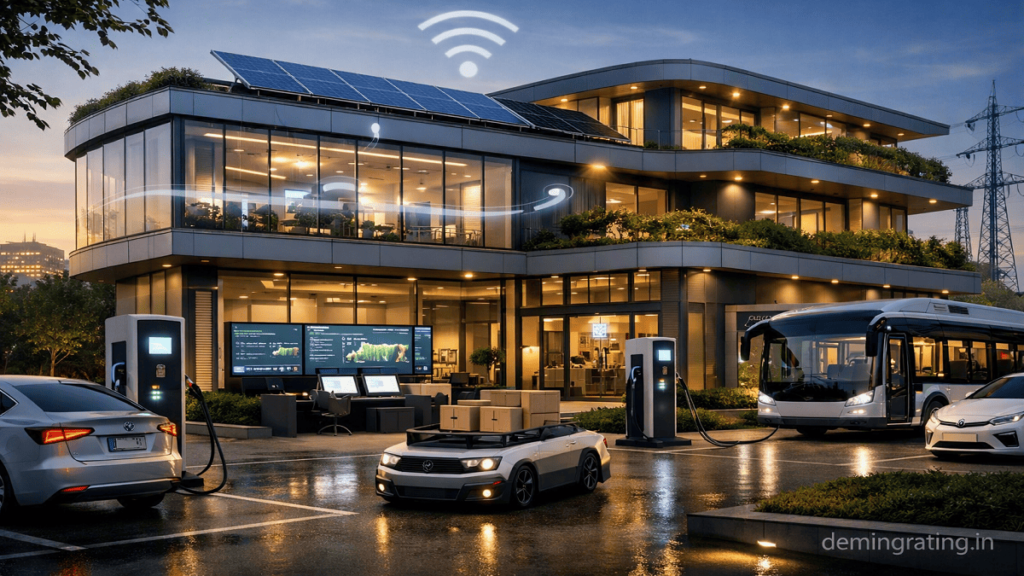
Improving energy efficiency provides significant environmental and economic benefits by reducing energy waste, lowering costs, and supporting sustainable development. Energy efficiency focuses on achieving the same or better performance while using fewer energy resources. By optimizing energy consumption in buildings, industries, transportation, and infrastructure, organizations can reduce their environmental impact while improving operational efficiency.
As global energy demand continues to rise, energy efficiency has become one of the most effective strategies for reducing emissions, strengthening energy security, and creating long-term economic value.
Environmental Benefits of Energy Efficiency
1. Reduction in Greenhouse Gas Emissions
One of the most important environmental benefits of energy efficiency is the reduction of greenhouse gas emissions. A significant amount of global energy production still depends on fossil fuels such as coal, oil, and natural gas. When less energy is consumed, fewer fossil fuels are required, resulting in lower carbon dioxide (CO₂) emissions.
Energy-efficient technologies such as smart energy systems, efficient appliances, renewable energy integration, and advanced industrial equipment help reduce the carbon footprint of organizations and communities.
According to the International Energy Agency (IEA), energy efficiency improvements are among the most effective solutions for reducing energy-related emissions and supporting global climate goals.
Source: International Energy Agency – Energy Efficiency
https://www.iea.org/topics/energy-efficiency
2. Conservation of Natural Resources
Energy efficiency reduces the demand for fuel extraction, processing, and transportation. This helps conserve valuable natural resources and reduces environmental damage associated with mining and drilling activities.
Efficient energy use also supports sustainable resource management by allowing existing energy supplies to meet more demand without increasing production.
3. Reduced Air Pollution
Traditional energy production from fossil fuels releases pollutants that affect air quality and public health. By reducing energy consumption, efficiency measures help decrease emissions of harmful pollutants such as nitrogen oxides, sulfur dioxide, and particulate matter.
Cleaner air contributes to healthier communities and reduces environmental impacts on ecosystems.
Economic Benefits of Energy Efficiency
1. Lower Energy Costs
One of the immediate economic advantages of energy efficiency is reduced energy expenditure. Businesses, industries, and households can lower electricity and fuel costs by adopting efficient technologies and improving energy management practices.
For example, energy-efficient lighting, HVAC systems, industrial motors, and automated controls can significantly reduce monthly energy bills.
2. Improved Business Competitiveness
Industries that implement energy efficiency strategies can improve productivity while reducing operational expenses. Lower energy costs allow companies to invest resources into innovation, expansion, and workforce development.
Manufacturing sectors, in particular, benefit from efficient machinery, predictive maintenance systems, and optimized production processes.
3. Increased Energy Security
Energy efficiency reduces dependence on imported fuels and improves national energy security. Countries that consume energy more efficiently require fewer resources to meet demand, making their economies less vulnerable to energy price fluctuations.
4. Job Creation and Economic Growth
The growth of energy efficiency technologies creates opportunities in engineering, construction, renewable energy, manufacturing, and technology services. Demand for energy audits, smart systems, efficient equipment installation, and sustainable building solutions continues to expand.
Role of Technology in Improving Efficiency
Modern technologies such as artificial intelligence (AI), Internet of Things (IoT), smart meters, digital twins, and automated energy management systems are making efficiency improvements more effective.
AI-powered platforms can analyze energy consumption patterns, predict demand, and automatically optimize energy use. Smart grids help balance electricity supply and demand, improving the reliability of energy systems.
Conclusion
Improving energy efficiency delivers both environmental protection and economic advantages. It reduces greenhouse gas emissions, conserves natural resources, improves air quality, lowers operational costs, and strengthens energy security.
As businesses and governments move toward sustainability goals, energy efficiency will remain a key strategy for building a cleaner, more resilient, and economically sustainable future. Investing in efficient technologies today can create long-term benefits for industries, communities, and the global environment.
External Resources:
- International Energy Agency (IEA) – Energy Efficiency: https://www.iea.org/topics/energy-efficiency
- U.S. Department of Energy – Energy Efficiency: https://www.energy.gov/eere/energy-efficiency
- International Renewable Energy Agency (IRENA): https://www.irena.org/
What Are the Future Trends and Challenges in Achieving Higher Energy Efficiency?
Introduction
Energy efficiency is becoming a critical priority as global energy demand continues to increase and organizations focus on reducing costs, improving sustainability, and lowering carbon emissions. The future of energy efficiency will be shaped by advancements in artificial intelligence, smart energy systems, renewable energy integration, advanced materials, and digital technologies.
While significant progress has been made in improving energy performance across industries, buildings, and transportation systems, several challenges must still be addressed to achieve higher levels of efficiency. A combination of technological innovation, policy support, infrastructure development, and behavioral changes will be essential for creating a more sustainable energy future.
Future Trends in Energy Efficiency
1. Artificial Intelligence and Smart Energy Management
Artificial intelligence (AI) will play a major role in the future of energy efficiency. AI-powered systems can analyze large amounts of energy consumption data, predict demand patterns, and automatically optimize energy usage.
Smart energy management platforms will enable buildings, factories, and utilities to adjust energy consumption in real time. For example, AI can control heating, cooling, lighting, and industrial equipment based on actual demand, reducing unnecessary energy use.
These intelligent systems will improve efficiency by making energy management more automated, accurate, and responsive.
2. Growth of Smart Buildings and IoT Integration
The adoption of Internet of Things (IoT) technology is expected to transform building energy management. Connected sensors, smart meters, and automated control systems will allow buildings to monitor and optimize energy consumption continuously.
Future smart buildings will use real-time data to improve heating, ventilation, air conditioning (HVAC), lighting, and energy storage operations. This will reduce energy waste while improving occupant comfort and operational efficiency.
3. Integration of Renewable Energy and Storage
The combination of energy efficiency with renewable energy systems will become increasingly important. Solar, wind, and battery storage technologies will work together with smart energy management platforms to create flexible and reliable energy systems.
Energy storage solutions will help balance renewable energy availability by storing excess electricity and supplying it during periods of high demand. This approach will reduce dependence on fossil fuels and improve energy resilience.
4. Digital Twins and Predictive Analytics
Digital twin technology is emerging as a powerful tool for improving energy efficiency. Digital twins create virtual models of buildings, factories, and energy systems, allowing organizations to simulate operations and identify efficiency improvements before making physical changes.
Predictive analytics will help industries optimize processes, reduce equipment energy losses, and improve maintenance strategies.
5. Energy-Efficient Materials and Technologies
Future developments in advanced materials will contribute to better energy performance. Innovations such as high-performance insulation materials, efficient lighting technologies, advanced batteries, and low-energy electronic components will help reduce energy consumption across multiple sectors.
Green construction methods and energy-efficient building designs will become increasingly important as cities focus on sustainable development.
Key Challenges in Achieving Higher Energy Efficiency
1. High Initial Investment Costs
One of the biggest challenges is the upfront cost of implementing energy-efficient technologies. Although these solutions often provide long-term savings, businesses and consumers may hesitate due to initial expenses related to equipment upgrades, smart systems, and infrastructure improvements.
Financial incentives, government policies, and innovative financing models will be important to encourage adoption.
2. Lack of Awareness and Technical Expertise
Many organizations and consumers are still unaware of available energy efficiency solutions or their long-term benefits. A shortage of skilled professionals who can design, install, and maintain advanced energy systems can also slow adoption.
Education, training programs, and awareness campaigns will be necessary to overcome these barriers.
3. Infrastructure and Grid Limitations
The increasing use of renewable energy, electric vehicles, and digital energy systems requires significant improvements in electricity infrastructure. Aging grids may not be capable of efficiently managing new energy demands without modernization.
Smart grids, energy storage, and advanced distribution systems will be needed to support future energy efficiency goals.
4. Data Security and Cybersecurity Risks
As energy systems become more connected, cybersecurity becomes a growing concern. Smart meters, IoT devices, and digital energy platforms collect large amounts of operational data that must be protected from cyber threats.
Strong security standards and data protection measures will be essential for maintaining reliable energy systems.
Conclusion
The future of energy efficiency will be driven by intelligent technologies, renewable energy integration, automation, and advanced energy management systems. AI, IoT, digital twins, smart grids, and efficient materials will help organizations achieve higher levels of energy optimization.
However, challenges such as investment costs, infrastructure limitations, skills shortages, and cybersecurity risks must be addressed. By combining technological innovation with supportive policies and responsible energy practices, societies can achieve greater efficiency, reduce environmental impact, and build a more sustainable energy future.
External Resources:
- International Energy Agency (IEA) – Energy Efficiency: https://www.iea.org/topics/energy-efficiency
- U.S. Department of Energy – Energy Efficiency: https://www.energy.gov/eere/energy-efficiency
- International Renewable Energy Agency (IRENA): https://www.irena.org/
Case Study: Energy Efficiency Transformation in the Empire State Building
Introduction
The Empire State Building energy efficiency retrofit project is one of the most recognized examples of how advanced technologies and sustainable practices can significantly improve building energy performance. Located in New York City, the iconic skyscraper underwent a major energy efficiency upgrade beginning in 2009 to reduce energy consumption, lower operational costs, and demonstrate how existing buildings can be transformed into sustainable structures.
The project became a global example of how smart building technologies, energy management strategies, and innovative engineering solutions can deliver significant environmental and economic benefits.
Background of the Project
The Empire State Building was constructed in 1931 and originally operated with outdated energy systems that resulted in high electricity consumption and operating costs. As energy prices increased and sustainability became a global priority, building owners recognized the need to modernize the structure while preserving its historical character.
A comprehensive energy efficiency program was developed through collaboration between building management, engineering firms, and sustainability organizations. The goal was to improve energy performance while maintaining tenant comfort and reducing the building’s environmental impact.
Source: Empire State Realty Trust – Sustainability Initiatives
https://www.empirestaterealtytrust.com/sustainability
Energy Efficiency Strategies Implemented
1. Window Retrofit and Insulation Improvements
One of the largest energy-saving measures involved upgrading the building’s approximately 6,500 windows. Instead of replacing all windows, existing glass panels were removed, treated with advanced coatings, and rebuilt into high-performance insulating panels.
This improvement reduced heat loss during winter and reduced heat gain during summer, lowering the demand on heating and cooling systems.
2. Smart Building Management Systems
Advanced building management systems were installed to monitor and optimize energy consumption. Sensors and automated controls allowed better management of lighting, ventilation, and temperature systems.
Real-time energy monitoring helped identify inefficient operations and enabled continuous improvements in energy performance.
3. HVAC System Optimization
The heating, ventilation, and air conditioning (HVAC) systems were upgraded to improve efficiency. Modern control systems allowed the building to adjust energy use according to occupancy levels and weather conditions.
Optimized HVAC operation significantly reduced unnecessary energy consumption while maintaining indoor comfort for occupants.
4. Lighting Improvements
Energy-efficient lighting systems were introduced throughout the building. The replacement of older lighting technologies with more efficient solutions reduced electricity consumption and improved operational efficiency.
Smart lighting controls were also implemented to reduce energy waste in unused areas.
5. Tenant Engagement Programs
A major part of the project involved encouraging tenants to participate in energy-saving practices. Awareness programs and energy management guidelines helped occupants contribute to overall efficiency improvements.
Results and Benefits
The retrofit project delivered significant environmental and economic benefits:
- Energy consumption was reduced by approximately 40%.
- Annual energy savings reached millions of dollars.
- Carbon emissions were significantly reduced.
- Building performance and tenant comfort improved.
- The project demonstrated the financial value of sustainable building upgrades.
The case study proved that energy efficiency investments can generate long-term economic returns while supporting environmental goals.
Industry Impact
The Empire State Building project has influenced energy efficiency strategies worldwide. It demonstrated that older buildings can achieve modern sustainability standards through targeted upgrades rather than complete reconstruction.
The project has become a reference model for commercial buildings, showing how smart technologies, efficient systems, and operational improvements can work together to reduce energy consumption.
Lessons Learned
This case study highlights several important lessons:
- Energy efficiency improvements can provide both environmental and financial benefits.
- Existing infrastructure can often be upgraded instead of replaced.
- Smart monitoring systems are essential for identifying energy-saving opportunities.
- Employee and occupant participation improves the effectiveness of sustainability programs.
- Long-term planning is necessary for successful energy transformation.
Conclusion
The Empire State Building energy efficiency retrofit demonstrates how innovative technologies and strategic planning can transform traditional buildings into sustainable, high-performance facilities. Through improved insulation, smart energy management, efficient HVAC systems, and advanced monitoring technologies, the project achieved major reductions in energy use and operating costs.
As cities worldwide focus on sustainability and carbon reduction, this case study serves as a powerful example of how energy efficiency can create measurable environmental and economic value.
References
- Empire State Realty Trust – Sustainability
https://www.empirestaterealtytrust.com/sustainability - U.S. Department of Energy – Building Energy Efficiency
https://www.energy.gov/eere/buildings - International Energy Agency – Energy Efficiency
https://www.iea.org/topics/energy-efficiency
White Paper: Energy Efficiency – Technologies, Strategies, and Future Opportunities for Sustainable Energy Management
Executive Summary
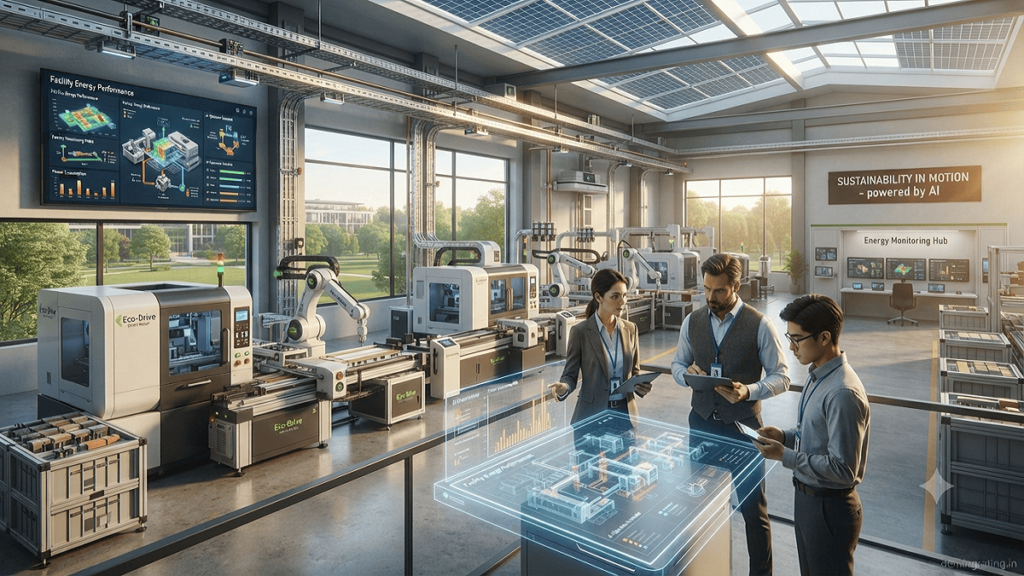
Energy efficiency has become a fundamental pillar of sustainable development as industries, governments, and organizations seek to reduce energy consumption, lower operational costs, and minimize environmental impact. It focuses on achieving the same or improved levels of productivity, comfort, and performance while using fewer energy resources.
Rapid advancements in artificial intelligence (AI), Internet of Things (IoT), smart grids, renewable energy integration, advanced materials, and automation are transforming energy efficiency from traditional conservation practices into an intelligent, data-driven approach. These technologies enable real-time monitoring, predictive optimization, and improved energy management across buildings, industries, transportation, and infrastructure.
This white paper explores the importance of energy efficiency, key technologies, industry applications, benefits, challenges, and future trends shaping the global energy landscape.
1. Introduction
Global energy demand continues to increase due to industrial expansion, urbanization, digital transformation, and population growth. At the same time, organizations face growing pressure to reduce carbon emissions and achieve sustainability targets.
Energy efficiency provides a practical solution by improving the way energy is produced, distributed, and consumed. Unlike energy reduction strategies that may limit productivity, efficiency improvements focus on eliminating waste and optimizing performance.
According to the International Energy Agency (IEA), energy efficiency is one of the most cost-effective methods for reducing energy consumption and supporting global climate objectives.
Source: International Energy Agency – Energy Efficiency
https://www.iea.org/topics/energy-efficiency
2. Importance of Energy Efficiency
2.1 Environmental Sustainability
Energy efficiency plays a major role in reducing greenhouse gas emissions. Since a large portion of global electricity production still depends on fossil fuels, reducing energy consumption directly decreases carbon emissions and environmental impact.
Efficient energy systems also reduce dependence on natural resources, lower pollution levels, and support the transition toward cleaner energy sources.
2.2 Economic Benefits
Energy efficiency provides significant financial advantages for organizations and consumers. Lower energy consumption results in reduced electricity costs, improved operational efficiency, and increased competitiveness.
Industries that invest in efficient equipment, automation, and energy management systems can achieve long-term cost savings while improving productivity.
2.3 Energy Security
Improving energy efficiency reduces dependence on imported fuels and strengthens energy security. Countries and organizations can meet increasing energy demand without proportionally increasing energy production.
3. Key Technologies Driving Energy Efficiency
3.1 Artificial Intelligence and Machine Learning
Artificial intelligence is transforming energy management by analyzing large amounts of data to optimize consumption patterns.
AI-powered systems can:
- Predict energy demand
- Automatically adjust energy usage
- Detect equipment inefficiencies
- Improve maintenance planning
- Optimize industrial processes
These capabilities allow organizations to reduce energy waste and improve operational performance.
3.2 Internet of Things (IoT) and Smart Sensors
IoT technology enables real-time monitoring of energy consumption through connected devices and sensors.
Applications include:
- Smart meters
- Intelligent lighting systems
- Automated HVAC controls
- Industrial monitoring systems
IoT-based solutions provide accurate energy data, allowing businesses to identify inefficiencies and implement targeted improvements.
3.3 Smart Buildings and Energy Management Systems
Buildings represent a significant portion of global energy consumption. Smart building technologies improve efficiency through automated control of:
- Lighting
- Heating and cooling systems
- Ventilation
- Security systems
- Energy storage
Building management systems analyze occupancy patterns and environmental conditions to optimize energy usage.
Source: U.S. Department of Energy – Building Energy Efficiency
https://www.energy.gov/eere/buildings
3.4 Renewable Energy Integration
Energy efficiency combined with renewable energy creates a more sustainable energy ecosystem.
Solar, wind, and battery storage technologies allow organizations to generate, store, and manage energy more effectively. Smart energy platforms help balance renewable energy supply with demand.
4. Industrial Applications of Energy Efficiency
4.1 Manufacturing Sector
Manufacturing industries consume large amounts of energy through machinery, production processes, and heating systems.
Energy efficiency solutions include:
- High-efficiency motors
- Variable frequency drives
- Automated production systems
- Predictive maintenance
- Real-time energy monitoring
These technologies reduce energy waste while maintaining production output.
4.2 Transportation Sector
Energy efficiency is transforming transportation through electric vehicles, intelligent traffic management, and optimized fleet operations.
Electric mobility reduces energy losses compared with traditional combustion engines, while connected vehicle systems improve route planning and energy consumption.
4.3 Data Centers
Data centers require significant energy for computing and cooling. Energy-efficient solutions include:
- Advanced cooling technologies
- AI-based workload management
- Efficient servers
- Renewable energy integration
These improvements reduce operational costs and environmental impact.
5. Energy Efficiency Strategies
Organizations can improve energy efficiency through several approaches:
Energy Audits
Energy audits identify inefficient systems and provide recommendations for improvement.
Equipment Upgrades
Replacing outdated equipment with efficient alternatives reduces energy consumption.
Automation and Digitalization
Automated systems optimize energy use based on real-time conditions.
Employee Awareness
Energy-efficient practices among employees help reduce unnecessary consumption.
Preventive Maintenance
Regular maintenance ensures equipment operates at maximum efficiency.
6. Challenges in Achieving Higher Energy Efficiency
6.1 High Initial Investment
Many energy-efficient technologies require significant upfront investment. Although they provide long-term savings, initial costs can limit adoption.
6.2 Infrastructure Limitations
Aging electrical infrastructure may not support advanced energy management technologies without modernization.
6.3 Lack of Awareness and Skills
Organizations may lack technical knowledge required to implement and manage advanced efficiency solutions.
6.4 Cybersecurity Risks
Connected energy systems create cybersecurity challenges that require strong data protection measures.
7. Future Trends in Energy Efficiency
7.1 AI-Driven Autonomous Energy Management
Future energy systems will increasingly rely on AI to automatically optimize energy consumption without human intervention.
7.2 Digital Twin Technology
Digital twins will allow organizations to create virtual models of buildings and industrial systems to test efficiency improvements before implementation.
7.3 Smart Grid Development
Smart grids will improve energy distribution by connecting renewable sources, storage systems, and consumers through intelligent communication networks.
7.4 Advanced Materials
New insulation materials, efficient electronics, and energy-saving technologies will further improve performance across industries.
8. Conclusion
Energy efficiency is a critical component of sustainable development and modern energy management. Through advanced technologies such as AI, IoT, smart grids, automation, and renewable energy integration, organizations can reduce energy consumption while improving productivity and economic performance.
The future of energy efficiency will depend on combining technological innovation with sustainable policies, infrastructure development, and responsible energy practices. As global energy challenges continue to grow, energy efficiency will remain one of the most powerful solutions for creating a cleaner, more resilient, and sustainable future.
References
- International Energy Agency (IEA) – Energy Efficiency
https://www.iea.org/topics/energy-efficiency - U.S. Department of Energy – Energy Efficiency and Renewable Energy
https://www.energy.gov/eere - International Renewable Energy Agency (IRENA)
https://www.irena.org/ - United Nations Sustainable Development Goals – Affordable and Clean Energy
https://www.un.org/sustainabledevelopment/energy/
Industry Applications of Energy Efficiency: Transforming Operations Through Sustainable Energy Management
Introduction
Energy efficiency has become a strategic priority across industries as organizations seek to reduce operational costs, improve productivity, and achieve sustainability objectives. Industrial sectors are among the largest consumers of energy worldwide, using electricity and fuel for manufacturing, processing, transportation, heating, cooling, and automation.
By implementing energy-efficient technologies, industries can optimize resource utilization, minimize energy waste, reduce carbon emissions, and improve overall competitiveness. Modern solutions such as artificial intelligence (AI), Internet of Things (IoT), automation, smart energy systems, and renewable energy integration are enabling industries to manage energy consumption more effectively.
According to the International Energy Agency (IEA), improving energy efficiency in industrial operations is essential for reducing energy demand and achieving global climate targets.
Source: International Energy Agency – Energy Efficiency
https://www.iea.org/topics/energy-efficiency
1. Manufacturing Industry
The manufacturing sector is one of the largest users of energy due to heavy machinery, production lines, heating systems, and industrial processes. Energy efficiency technologies help manufacturers reduce energy consumption while maintaining or increasing production output.
Key Applications:
- High-efficiency electric motors: Reduce electricity consumption in industrial equipment such as pumps, compressors, and conveyor systems.
- Variable Frequency Drives (VFDs): Adjust motor speed according to operational requirements, preventing unnecessary energy use.
- Industrial automation: Optimizes production processes and reduces energy waste.
- Predictive maintenance: Uses sensors and AI analytics to identify equipment inefficiencies before failures occur.
Energy-efficient manufacturing improves productivity, lowers operational costs, and supports sustainable production practices.
2. Automotive Industry
The automotive industry is adopting energy efficiency solutions throughout vehicle manufacturing and production operations.
Applications include:
- Energy-efficient robotic assembly systems
- Smart factory automation
- Efficient heating and cooling systems
- Renewable energy-powered manufacturing facilities
- Digital energy monitoring platforms
Automotive companies are also improving efficiency through electric vehicle (EV) production, battery manufacturing optimization, and sustainable supply chain management.
3. Building and Real Estate Industry
Commercial buildings, offices, shopping centers, and residential complexes consume significant energy through lighting, HVAC systems, elevators, and electronic equipment.
Energy efficiency applications include:
- Smart building management systems
- Automated lighting controls
- Energy-efficient HVAC systems
- Smart meters
- High-performance insulation materials
IoT sensors monitor occupancy and environmental conditions to automatically adjust energy usage. These technologies help reduce electricity costs while improving occupant comfort.
Source: U.S. Department of Energy – Building Energy Efficiency
https://www.energy.gov/eere/buildings
4. Food and Beverage Industry
The food and beverage industry requires large amounts of energy for refrigeration, processing, heating, and storage.
Energy efficiency solutions include:
- Advanced refrigeration systems
- Heat recovery technologies
- Efficient boilers
- Automated temperature monitoring
- Energy management software
Heat recovery systems capture waste heat from industrial processes and reuse it for heating applications, improving overall energy utilization.
5. Data Centers and Information Technology
Data centers are critical infrastructure for digital services but consume significant electricity for computing and cooling.
Energy efficiency applications include:
- AI-based cooling optimization
- Energy-efficient servers
- Advanced power management systems
- Renewable energy integration
- Virtualization technologies
AI-driven systems can analyze workload patterns and adjust energy usage dynamically, reducing electricity consumption while maintaining performance.
6. Mining and Heavy Industries
Mining, steel, cement, and chemical industries are highly energy-intensive sectors. Improving efficiency in these industries has a major impact on global energy consumption.
Applications include:
- Automated mining equipment
- Energy-efficient processing systems
- Advanced monitoring technologies
- Waste heat recovery
- Electrification of industrial operations
Digital technologies help companies monitor energy use and identify opportunities for improvement.
7. Agriculture Industry
Agriculture is adopting energy-efficient technologies to reduce fuel and electricity consumption.
Applications include:
- Electric agricultural machinery
- Smart irrigation systems
- Solar-powered equipment
- Automated greenhouse systems
- Precision farming technologies
Smart farming solutions use sensors and data analytics to optimize water, energy, and resource usage.
8. Transportation and Logistics
Energy efficiency is transforming transportation through electric vehicles, intelligent fleet management, and route optimization.
Applications include:
- Electric delivery vehicles
- Smart fleet monitoring
- AI-based route planning
- Energy-efficient transportation systems
- Charging optimization solutions
These technologies help reduce fuel consumption, operating costs, and emissions in logistics operations.
9. Power and Energy Sector
Energy companies are improving efficiency through smart grid technologies, renewable energy integration, and advanced monitoring systems.
Applications include:
- Smart electricity distribution
- Energy storage systems
- Demand response programs
- Grid automation
- Renewable energy management
These solutions improve reliability while reducing energy losses during generation and distribution.
10. Future Opportunities in Industrial Energy Efficiency
The future of industrial energy efficiency will be driven by advanced digital technologies, including:
- Artificial intelligence-based energy optimization
- Digital twin simulations
- Autonomous energy management systems
- Advanced battery storage
- Smart industrial networks
- Renewable energy integration
Industries will increasingly use real-time data and automation to create highly efficient and sustainable operations.
Conclusion
Energy efficiency is transforming industries by reducing energy waste, lowering operational expenses, and supporting sustainability goals. From manufacturing and automotive production to buildings, transportation, agriculture, and data centers, efficient energy management technologies are creating measurable improvements in performance and environmental impact.
As industries continue adopting AI, automation, IoT, and renewable energy solutions, energy efficiency will become a core strategy for achieving sustainable growth, improving competitiveness, and building a low-carbon industrial future.
References
- International Energy Agency (IEA) – Energy Efficiency
https://www.iea.org/topics/energy-efficiency - U.S. Department of Energy – Industrial Efficiency and Decarbonization
https://www.energy.gov/eere/iedo - International Renewable Energy Agency (IRENA)
https://www.irena.org/
Ask FAQs
What is energy efficiency and why is it important for industries?
Energy efficiency refers to the use of advanced technologies, improved processes, and better management practices to achieve the same level of performance while consuming less energy. For industries, energy efficiency is important because it reduces operational costs, improves productivity, lowers carbon emissions, and supports sustainability goals. By adopting efficient equipment, automation systems, and smart energy management solutions, industries can optimize energy consumption while maintaining production quality and competitiveness.
How do energy-efficient technologies reduce energy consumption?
Energy-efficient technologies reduce energy consumption by minimizing energy waste and improving system performance. Solutions such as smart energy management systems, IoT sensors, AI-based monitoring platforms, efficient motors, LED lighting, and automated control systems help organizations track and optimize energy usage. These technologies analyze real-time data, identify inefficiencies, and automatically adjust operations to ensure energy is used only when required.
What are the major industrial applications of energy efficiency?
Energy efficiency is applied across multiple industries, including manufacturing, automotive, construction, agriculture, transportation, data centers, and power generation. Common applications include high-efficiency machinery, smart factories, renewable energy integration, energy-efficient HVAC systems, predictive maintenance, electric vehicles, and intelligent energy monitoring platforms. These solutions help industries reduce costs, improve operational performance, and minimize environmental impact.
What are the economic and environmental benefits of energy efficiency?
Energy efficiency provides both financial and environmental advantages. Economically, it helps organizations reduce electricity bills, lower maintenance costs, improve productivity, and increase operational reliability. Environmentally, it reduces greenhouse gas emissions, decreases fossil fuel dependency, conserves natural resources, and supports climate change mitigation efforts. Efficient energy management also improves energy security by reducing overall energy demand.
What are the future trends in energy efficiency?
The future of energy efficiency will be driven by artificial intelligence, smart grids, digital twins, renewable energy integration, advanced energy storage, and automated energy management systems. AI-powered platforms will help industries predict energy demand, optimize operations, and reduce waste. Smart buildings and connected industrial systems will enable real-time energy control, while renewable energy technologies will support cleaner and more sustainable energy consumption.
Table of Contents
Disclaimer:
This content is for informational and educational purposes only. Energy efficiency technologies, benefits, and industry practices may vary based on specific applications, locations, and regulations. Readers should consult qualified professionals before making technical or investment decisions.