
Eco-friendly School Material
The increasing awareness of environmental issues has encouraged schools, parents, and students to adopt sustainable practices in everyday learning. One important step toward creating environmentally responsible educational environments is the use of eco-friendly school materials. These materials help reduce waste, conserve natural resources, and teach students the importance of sustainability from an early age.
Eco-friendly school materials are products designed with minimal environmental impact. They are usually made from recycled, biodegradable, renewable, Eco-friendly School Material or sustainably sourced materials. Unlike traditional school supplies that often contain harmful chemicals or contribute to plastic waste, sustainable alternatives support a healthier planet while maintaining functionality and quality.
Importance of Using Eco-Friendly School Materials
Schools consume a significant amount of resources every year, including paper, plastic, stationery, and packaging materials. By switching to sustainable alternatives, educational institutions can reduce their carbon footprint and encourage responsible consumption habits among students.
For example, notebooks made from recycled paper help decrease the demand for fresh wood pulp, which contributes to forest conservation. Similarly, reusable water bottles Eco-friendly School Material and lunch containers reduce the dependence on single-use plastics that often end up polluting oceans and landfills.
According to the United Nations Environment Programme (UNEP), reducing waste and promoting sustainable consumption are essential steps toward protecting natural resources and addressing environmental challenges. More information about sustainable practices can be found at:
https://www.unep.org/
Examples of Eco-Friendly School Materials
There are several sustainable alternatives available for everyday school needs:
1. Recycled Paper Notebooks
Notebooks produced from recycled paper require fewer natural resources Eco-friendly School Material and less energy compared to conventional paper products. Many brands now offer high-quality recycled notebooks suitable for students of all ages.
2. Bamboo and Wooden Stationery
Pens, pencils, rulers, and organizers made from bamboo or responsibly sourced wood are renewable alternatives to plastic-based products. Bamboo grows quickly and requires fewer resources, making it an environmentally friendly material.
3. Reusable Water Bottles and Lunch Boxes
Stainless steel or BPA-free reusable bottles and containers help reduce plastic waste while promoting healthier habits among students.
4. Non-Toxic Art Supplies
Eco-friendly crayons, paints, and markers made with natural ingredients reduce students’ exposure to harmful chemicals and create safer learning environments.
5. Sustainable School Bags
Bags made from recycled fabrics, organic cotton, Eco-friendly School Material or other sustainable materials provide durable options while reducing environmental impact.
Benefits for Students and Schools
Using eco-friendly materials provides educational benefits beyond environmental protection. When students regularly use sustainable products, they develop awareness about conservation Eco-friendly School Material and responsible decision-making. Schools can also integrate sustainability into their curriculum by discussing recycling, climate change, and environmental responsibility.
Green initiatives can improve a school’s reputation by demonstrating commitment to social and environmental responsibility. Many institutions worldwide are adopting sustainability programs to create greener campuses and inspire future generations.
Resources on sustainable education initiatives are available through organizations such as UNESCO:
https://www.unesco.org/en/education/sustainable-development
Conclusion
Eco-friendly school materials represent a simple yet powerful way to promote sustainability in education. By choosing recycled, reusable, and responsibly produced supplies, schools can reduce environmental impact while teaching students valuable lessons about protecting the planet. Small changes in daily school activities can create long-term positive effects and help build a more sustainable future for coming generations.
What Are Eco-Friendly School Materials and Why Are They Important?
Eco-friendly school materials are educational supplies and products designed to reduce environmental impact while supporting everyday learning activities. These materials are created using sustainable, recycled, biodegradable, or renewable resources instead of materials that contribute to pollution and excessive waste. As environmental concerns continue to grow, schools and families are increasingly adopting sustainable alternatives to create greener learning environments and encourage responsible habits among students.
Traditional school supplies often rely on plastic, non-renewable resources, and chemical-based materials that can harm the environment. Items such as plastic folders, disposable pens, synthetic bags, and non-recycled paper products contribute to landfill waste and increase the consumption of natural resources. Eco-friendly alternatives provide a practical solution by reducing waste and promoting sustainable living.
Types of Eco-Friendly School Materials
Several sustainable options are available for students, teachers, and educational institutions:
Recycled Paper Products:
Notebooks, worksheets, and printing paper made from recycled materials help reduce deforestation and lower the energy required for paper production. Using recycled paper supports resource conservation and encourages responsible paper usage.
Reusable Stationery Items:
Refillable pens, mechanical pencils, and durable stationery reduce the need for frequent replacements. These products help minimize waste generated from disposable school supplies.
Bamboo and Wooden Products:
Bamboo pencils, rulers, and organizers are renewable alternatives to plastic-based products. Bamboo grows quickly and requires fewer resources, making it an environmentally responsible material choice.
Reusable Containers:
Water bottles, lunch boxes, and storage containers made from stainless steel or other safe reusable materials help reduce single-use plastic consumption.
Organic and Recycled Fabric Products:
School bags, pencil cases, and uniforms made from organic cotton or recycled fabrics provide sustainable alternatives to conventional synthetic materials.
Why Are Eco-Friendly School Materials Important?
1. Reducing Environmental Pollution
One of the biggest advantages of eco-friendly school materials is their ability to reduce waste and pollution. Plastic-based school supplies can take hundreds of years to break down, creating long-term environmental challenges. Sustainable products help decrease landfill waste and encourage better resource management.
According to the United Nations Environment Programme (UNEP), sustainable consumption and waste reduction play an important role in protecting ecosystems and reducing environmental damage. More information is available at:
https://www.unep.org/
2. Conserving Natural Resources
Eco-friendly materials help conserve important natural resources such as forests, water, and energy. For example, recycled paper reduces the need for cutting down trees, while reusable products reduce the demand for manufacturing new items.
3. Creating Healthier Learning Environments
Many sustainable school products are made without harmful chemicals and toxins. Non-toxic art supplies, eco-friendly cleaning products, and safer materials contribute to healthier classrooms for students and teachers.
4. Teaching Environmental Responsibility
Schools play an important role in shaping future generations. When students use sustainable materials, they learn practical lessons about conservation, recycling, and responsible consumption. These habits can influence their choices beyond the classroom.
UNESCO highlights the importance of education for sustainable development, helping learners gain knowledge and skills to address environmental challenges. More details can be found at:
https://www.unesco.org/en/education/sustainable-development
Conclusion
Eco-friendly school materials are more than just sustainable alternatives to traditional supplies; they represent a commitment toward protecting the environment and creating responsible communities. By choosing recycled notebooks, reusable products, sustainable stationery, and environmentally friendly learning tools, schools can reduce their ecological footprint while inspiring students to become environmentally conscious citizens. Small changes in school routines can contribute significantly to building a cleaner, healthier, and more sustainable future.
What Types of Sustainable Materials Can Be Used in Schools?
Schools are important places for developing environmentally responsible habits among students. As concerns about climate change, pollution, and resource depletion continue to increase, educational institutions are adopting sustainable materials to create greener learning environments. Sustainable school materials are products made from renewable, recycled, biodegradable, or responsibly sourced resources that reduce environmental impact while supporting daily academic activities.
By replacing traditional materials with eco-friendly alternatives, schools can reduce waste, conserve natural resources, and teach students the importance of sustainability. From classroom supplies to furniture and construction materials, there are many ways schools can incorporate environmentally friendly options into their operations.
1. Recycled Paper and Paper Products
Paper is one of the most commonly used resources in schools, making recycled paper an important sustainable alternative. Recycled notebooks, worksheets, printing paper, and stationery products help reduce the demand for fresh wood pulp, which supports forest conservation.
Using recycled paper also requires less energy and water compared to producing paper from raw materials. Schools can further improve sustainability by encouraging digital assignments, double-sided printing, and responsible paper usage.
More information about responsible paper production and recycling practices is available through the Environmental Protection Agency (EPA):
https://www.epa.gov/recycle
2. Bamboo-Based Materials
Bamboo is a rapidly renewable resource that has become popular as an alternative to plastic and other non-sustainable materials. Schools can use bamboo products such as pencils, rulers, storage organizers, and classroom accessories.
Because bamboo grows quickly and requires fewer resources compared to many traditional materials, it is considered an environmentally friendly option. Bamboo products are also durable, making them suitable for long-term use.
3. Reusable and Recyclable Plastics
While reducing plastic use is a major sustainability goal, some recycled and recyclable plastic products can still be useful in schools. Items such as recycled plastic chairs, storage containers, and classroom equipment can help reduce the amount of plastic waste entering landfills.
Choosing products made from post-consumer recycled plastic supports the circular economy by giving used materials a second life.
4. Organic and Recycled Fabrics
Schools can use sustainable fabrics for uniforms, bags, curtains, and other textile products. Organic cotton, hemp, and recycled polyester are examples of materials that have a lower environmental impact compared to conventional synthetic fabrics.
School bags made from recycled materials are becoming increasingly popular because they are durable, practical, and help reduce textile waste.
5. Natural and Non-Toxic Art Supplies
Art classrooms can become more sustainable by using environmentally friendly supplies. Natural crayons, water-based paints, recycled craft paper, and non-toxic adhesives provide safer options for students while reducing exposure to harmful chemicals.
These materials create healthier learning spaces and encourage creativity while supporting environmental awareness.
6. Sustainable Classroom Furniture
Furniture is another area where schools can make environmentally responsible choices. Desks, chairs, and shelves made from sustainably sourced wood, recycled materials, or certified materials can reduce environmental impact.
Organizations such as the Forest Stewardship Council (FSC) promote responsible forest management and provide certification for products made from responsibly sourced wood:
https://fsc.org/
7. Eco-Friendly Cleaning Materials
Maintaining a clean school environment is essential, but traditional cleaning products may contain chemicals that affect indoor air quality. Eco-friendly cleaning products made from biodegradable ingredients can reduce environmental harm while creating safer classrooms.
8. Energy-Efficient and Sustainable Building Materials
For school construction and renovation projects, sustainable building materials such as recycled steel, low-impact insulation, energy-efficient windows, and responsibly sourced wood can help reduce energy consumption and environmental impact.
Benefits of Using Sustainable Materials in Schools
Using sustainable materials provides several benefits, including:
- Reduction of waste and pollution
- Conservation of natural resources
- Lower environmental impact
- Healthier learning environments
- Increased environmental awareness among students
- Development of responsible consumption habits
Schools that integrate sustainable materials also provide practical examples of environmental responsibility, helping students understand how everyday choices affect the planet.
Conclusion
Sustainable materials offer schools an effective way to reduce their environmental footprint while creating positive learning experiences. From recycled paper and bamboo stationery to eco-friendly furniture and non-toxic supplies, many alternatives can replace traditional products. By adopting sustainable materials, schools not only protect natural resources but also prepare students to become responsible global citizens who value environmental conservation.
How Do Eco-Friendly School Materials Contribute to a Healthier Learning Environment?
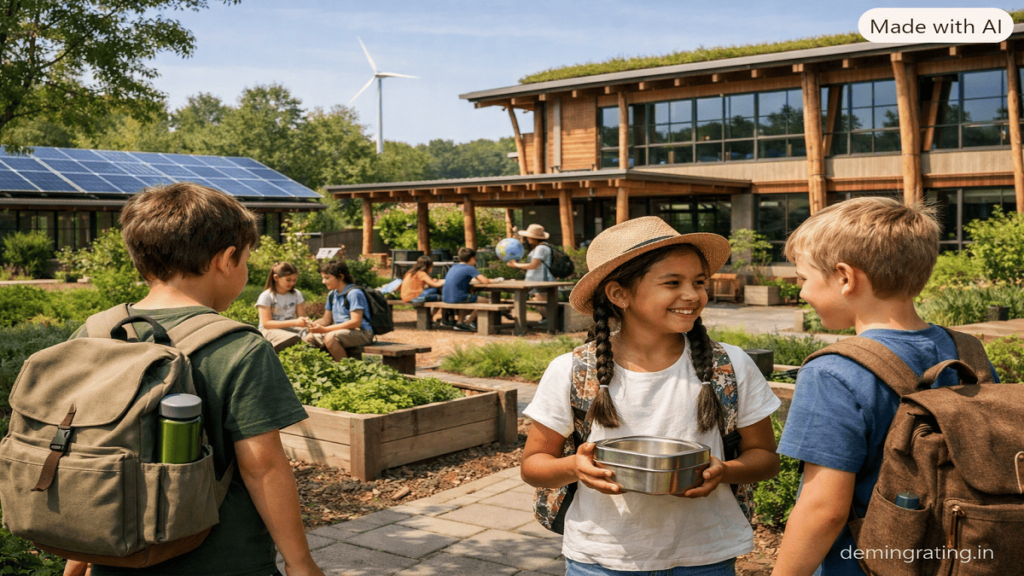
A healthy learning environment plays a crucial role in students’ academic performance, physical well-being, and overall development. While factors such as classroom design, ventilation, and cleanliness are commonly considered important, the materials used in schools also have a significant impact on creating safe and sustainable spaces. Eco-friendly school materials contribute to healthier learning environments by reducing exposure to harmful substances, minimizing pollution, and promoting responsible practices among students and educators.
Eco-friendly materials are designed using sustainable, non-toxic, recycled, or biodegradable resources. Unlike many conventional products that may contain harmful chemicals or contribute to environmental pollution, sustainable alternatives support both human health and environmental protection.
Reducing Exposure to Harmful Chemicals
Many traditional school supplies, including certain paints, adhesives, plastics, and synthetic materials, may contain chemicals known as volatile organic compounds (VOCs) that can affect indoor air quality. Long-term exposure to poor indoor air quality may contribute to discomfort, allergies, headaches, and difficulty concentrating among students and teachers.
Eco-friendly alternatives, such as non-toxic paints, natural cleaning products, and chemical-free art supplies, help reduce the presence of harmful substances inside classrooms. By choosing safer materials, schools can create spaces where students can learn comfortably and focus better.
The U.S. Environmental Protection Agency (EPA) provides information about indoor air quality and the importance of reducing pollutants in educational environments:
https://www.epa.gov/iaq-schools
Improving Indoor Air Quality
The quality of air inside classrooms directly affects student health and learning outcomes. Sustainable school materials, such as low-emission furniture, eco-friendly flooring, and natural building materials, can help maintain better indoor air quality.
For example, furniture made from responsibly sourced wood or recycled materials with low chemical emissions can reduce indoor pollutants. Better air quality can support student concentration, reduce discomfort, and create a more productive classroom atmosphere.
Reducing Plastic Waste and Environmental Pollution
Plastic waste is one of the major environmental challenges affecting communities worldwide. Schools often use large amounts of plastic products, including disposable stationery, packaging, and single-use containers.
Eco-friendly alternatives such as reusable water bottles, recycled stationery, and biodegradable supplies help reduce the amount of waste generated by schools. A cleaner environment around schools also contributes to healthier surroundings for students and staff.
According to the United Nations Environment Programme (UNEP), reducing waste and encouraging sustainable consumption are essential steps toward protecting ecosystems and human health:
https://www.unep.org/
Encouraging Healthy Habits Among Students
Schools are not only places for academic learning but also environments where students develop lifelong habits. When schools use sustainable materials, they demonstrate the importance of environmental responsibility and healthy choices.
For example, providing reusable lunch containers encourages students to reduce single-use plastics, while recycled notebooks teach them the value of conserving resources. These practices help students understand the connection between personal choices, environmental protection, and community health.
Supporting Mental Well-Being Through Better Learning Spaces
A sustainable classroom design can also positively influence students’ mental well-being. Natural materials, organized spaces, and environmentally conscious classrooms can create a more comfortable and inspiring atmosphere.
Studies on green learning environments suggest that classrooms with improved environmental conditions can support student engagement, comfort, and overall satisfaction. Sustainable practices help create spaces where students feel connected to nature and their surroundings.
Promoting Sustainability Education
Eco-friendly school materials provide practical opportunities for environmental education. When students use sustainable products daily, sustainability becomes part of their everyday experience rather than only a classroom topic.
Schools can combine the use of eco-friendly materials with lessons on recycling, climate change, conservation, and responsible consumption. UNESCO emphasizes the importance of education for sustainable development in preparing students to address environmental challenges:
https://www.unesco.org/en/education/sustainable-development
Conclusion
Eco-friendly school materials contribute to healthier learning environments by improving indoor air quality, reducing exposure to harmful chemicals, minimizing waste, and encouraging sustainable habits. These materials support the physical health of students and teachers while creating classrooms that promote responsibility and environmental awareness. By adopting sustainable products, schools can create safer, cleaner, and more inspiring spaces where students can learn effectively while developing a lifelong commitment to protecting the planet.
What Are the Benefits of Using Sustainable Materials in School Construction and Operations?
Schools are more than just educational spaces; they are environments where students, teachers, and communities spend a significant amount of time. As environmental challenges such as climate change, resource depletion, and pollution continue to grow, schools are increasingly adopting sustainable materials and practices in construction and daily operations. Using sustainable materials helps educational institutions reduce their environmental impact while creating healthier, more efficient, and cost-effective learning environments.
Sustainable school construction focuses on using materials that are renewable, recycled, energy-efficient, durable, and responsibly sourced. These choices extend beyond the building structure and include furniture, classroom supplies, energy systems, cleaning products, and waste management practices.
1. Reducing Environmental Impact
One of the primary benefits of sustainable materials is the reduction of environmental damage. Traditional construction materials often require significant amounts of energy and natural resources to produce, contributing to greenhouse gas emissions and resource depletion.
Sustainable alternatives, such as recycled steel, reclaimed wood, bamboo, and low-impact building materials, help reduce the demand for new raw materials. These choices lower carbon emissions and support more responsible resource management.
According to the United States Green Building Council (USGBC), sustainable building practices help reduce environmental impacts while improving building performance:
https://www.usgbc.org/
2. Improving Energy Efficiency
Sustainable school buildings are designed to use energy more efficiently. Materials such as high-performance insulation, energy-efficient windows, and reflective roofing systems help maintain comfortable indoor temperatures while reducing the need for excessive heating and cooling.
Lower energy consumption leads to reduced operational costs and helps schools manage their budgets more effectively. Energy-efficient buildings also contribute to reducing greenhouse gas emissions associated with electricity and fuel use.
3. Creating Healthier Learning Environments
The materials used in school construction directly influence indoor environmental quality. Conventional materials may release harmful chemicals known as volatile organic compounds (VOCs), which can negatively affect indoor air quality.
Sustainable materials, including low-VOC paints, natural flooring, and environmentally friendly furniture, help create cleaner indoor spaces. Improved air quality can support student concentration, comfort, and overall well-being.
The U.S. Environmental Protection Agency provides resources on improving indoor air quality in schools:
https://www.epa.gov/iaq-schools
4. Reducing Long-Term Maintenance Costs
Durability is an important feature of sustainable materials. Products designed for long-term use often require fewer repairs and replacements, reducing maintenance expenses over time.
For example, durable flooring, energy-efficient lighting systems, and high-quality recycled materials can help schools save money throughout the life cycle of a building. These savings allow educational institutions to invest more resources into teaching and student development.
5. Conserving Natural Resources
Sustainable materials promote responsible use of natural resources. Using recycled materials reduces waste sent to landfills, while renewable resources such as bamboo and responsibly sourced wood help protect ecosystems.
Schools that prioritize resource conservation also provide students with practical examples of environmental responsibility, reinforcing lessons about sustainability and conservation.
6. Supporting Sustainability Education
Green schools provide valuable opportunities for environmental education. When students see renewable energy systems, recycling programs, water-saving technologies, and sustainable materials in action, sustainability becomes a practical learning experience.
Schools can use their buildings as teaching tools to explain concepts related to climate change, conservation, and responsible consumption. UNESCO highlights the importance of education for sustainable development in preparing learners to address global environmental challenges:
https://www.unesco.org/en/education/sustainable-development
7. Enhancing School Reputation and Community Engagement
Schools that adopt sustainable construction and operational practices demonstrate a commitment to environmental responsibility. Green campuses can strengthen relationships with parents, communities, and environmental organizations.
Sustainable schools often become examples of innovation, encouraging students and communities to adopt greener lifestyles.
Conclusion
Using sustainable materials in school construction and operations provides environmental, economic, and educational benefits. These materials help reduce pollution, improve energy efficiency, create healthier classrooms, lower maintenance costs, and promote sustainability awareness among students. By investing in sustainable infrastructure, schools can create modern learning environments that support both present needs and future generations while contributing to a healthier planet.
What Are the Challenges and Future Trends in Developing Eco-Friendly School Materials?
The demand for eco-friendly school materials is increasing as educational institutions, parents, and communities recognize the importance of sustainability. From recycled notebooks and biodegradable stationery to sustainable furniture and low-impact construction materials, schools are adopting greener alternatives to reduce environmental impact. However, developing and implementing eco-friendly school materials also presents several challenges. At the same time, technological advancements and growing environmental awareness are creating new opportunities for the future of sustainable education.
Eco-friendly school materials aim to minimize waste, conserve natural resources, and create healthier learning environments. While these materials offer significant benefits, manufacturers, schools, and policymakers must overcome barriers related to cost, availability, durability, and awareness.
Challenges in Developing Eco-Friendly School Materials
1. Higher Production Costs
One of the biggest challenges in creating sustainable school materials is the cost of production. Eco-friendly materials often require specialized manufacturing processes, renewable resources, and advanced technologies, which can make them more expensive than conventional alternatives.
For example, recycled paper, organic fabrics, and biodegradable plastics may have higher initial costs due to limited production capacity and increased processing requirements. Many schools, especially those with limited budgets, may find it difficult to replace traditional supplies with sustainable options.
However, as demand increases and production methods improve, the cost of sustainable materials is expected to decrease over time.
2. Limited Availability and Supply Chain Issues
Access to eco-friendly materials remains a challenge in many regions. Sustainable products may not always be widely available, especially in areas where local suppliers lack the resources or infrastructure to produce and distribute them.
Building reliable supply chains for recycled, biodegradable, and renewable materials is essential for making sustainable school products more accessible worldwide.
3. Maintaining Quality and Durability
A common challenge is ensuring that eco-friendly materials provide the same level of performance as traditional products. Schools require materials that are durable, safe, and practical for everyday use.
For instance, sustainable school bags, furniture, and stationery must be strong enough to handle regular student use while maintaining their environmental benefits. Manufacturers must continue improving designs and materials to balance sustainability with functionality.
4. Lack of Awareness and Adoption
Many schools and consumers are still unfamiliar with the advantages of eco-friendly materials. Some institutions may hesitate to adopt sustainable products due to concerns about cost, effectiveness, or availability.
Environmental education and awareness campaigns are important for encouraging schools, teachers, students, and parents to understand the long-term benefits of sustainable choices.
Organizations such as UNESCO promote education for sustainable development and encourage institutions to integrate sustainability into learning environments:
https://www.unesco.org/en/education/sustainable-development
Future Trends in Eco-Friendly School Materials
1. Increased Use of Recycled and Circular Materials
The future of school materials will likely focus on the principles of the circular economy, where products are designed to be reused, recycled, or repurposed instead of becoming waste.
Future school supplies may increasingly include recycled plastics, recovered textiles, recycled paper, and materials created from agricultural waste.
The Ellen MacArthur Foundation provides insights into circular economy approaches and sustainable resource management:
https://www.ellenmacarthurfoundation.org/
2. Development of Biodegradable Materials
Advances in material science are leading to the development of biodegradable alternatives to traditional plastics. Products made from plant-based materials such as cornstarch, bamboo fibers, and other renewable resources may become more common in schools.
These materials can help reduce long-term waste and pollution caused by conventional plastic products.
3. Smart and Sustainable Learning Tools
Technology will play an important role in future eco-friendly education. Digital learning tools, energy-efficient devices, and sustainable electronic products can help reduce paper consumption and improve resource efficiency.
Schools may increasingly combine digital education with sustainable physical materials to create more environmentally responsible learning systems.
4. Sustainable Manufacturing Innovations
Future manufacturing processes are expected to focus on reducing energy consumption, minimizing waste, and using environmentally responsible production methods. Companies are investing in cleaner technologies to create sustainable products without compromising quality.
5. Greater Government and Institutional Support
Government policies, environmental standards, and green certification programs are expected to encourage more schools to adopt sustainable materials. Support programs can help reduce costs and make eco-friendly products more accessible.
Conclusion
Developing eco-friendly school materials presents challenges such as higher costs, limited availability, quality concerns, and lack of awareness. However, future trends indicate a positive shift toward recycled materials, biodegradable products, circular economy practices, and sustainable technology. As innovation continues and environmental awareness grows, eco-friendly school materials will become more affordable, accessible, and effective. By investing in sustainable solutions today, schools can create healthier learning environments and prepare students for a more environmentally responsible future.
Case Study of Eco-Friendly School Materials: How Green Initiatives Are Transforming Learning Environments
Introduction
The growing concern over climate change, waste generation, and resource depletion has encouraged schools around the world to adopt sustainable practices. Educational institutions are not only places for academic development but also environments where students learn values and behaviors that influence their future decisions. By introducing eco-friendly school materials, schools can reduce their environmental footprint while teaching students the importance of sustainability.
This case study explores how the adoption of sustainable materials in schools can improve environmental performance, create healthier learning spaces, and encourage responsible habits among students.
Case Study: Green School Initiatives at The Green School, Bali
One well-known example of sustainable education is Green School Bali. Founded in 2008, the school was designed around sustainability principles and focuses on integrating environmental responsibility into everyday learning. The campus uses natural materials, renewable resources, and sustainable design practices to demonstrate how schools can operate with a lower environmental impact.
The school’s buildings are primarily constructed using bamboo, a rapidly renewable material known for its strength and durability. Unlike traditional construction materials that require significant energy and resource consumption, bamboo grows quickly and can be harvested sustainably when managed responsibly.
More information about the school’s sustainability approach can be found at:
https://www.greenschool.org/
Use of Sustainable Construction Materials
A major feature of Green School Bali is its use of bamboo structures throughout the campus. Bamboo classrooms, furniture, and learning spaces create a connection between students and nature while reducing dependence on resource-intensive building materials.
The use of natural materials also supports better ventilation and creates comfortable learning environments. The school demonstrates how sustainable construction can combine functionality, aesthetics, and environmental responsibility.
Eco-Friendly Learning Materials and Resources
In addition to sustainable buildings, schools adopting green practices often focus on environmentally friendly classroom materials. These include:
- Recycled paper notebooks and stationery
- Reusable water bottles and food containers
- Non-toxic art supplies
- Natural fiber school bags
- Recycled and biodegradable classroom resources
These materials help reduce waste generated from daily school activities. Students become familiar with sustainable products and understand how their choices can influence environmental protection.
Waste Reduction and Resource Conservation
A key part of eco-friendly schools is effective waste management. Green School Bali encourages recycling, composting, and responsible consumption practices. Students participate in activities that demonstrate how waste can be reduced and resources can be reused.
These practices help create a culture where sustainability becomes part of everyday behavior rather than only a classroom lesson.
Impact on Students and the Community
The adoption of eco-friendly materials provides educational benefits beyond environmental protection. Students gain practical knowledge about sustainability, renewable resources, and conservation. They learn that small actions, such as using reusable products or reducing waste, can contribute to larger environmental goals.
Green schools also influence surrounding communities by demonstrating sustainable solutions that can be adopted in homes, businesses, and other educational institutions.
Organizations such as UNESCO emphasize the importance of education for sustainable development, encouraging schools to prepare students with the knowledge and skills needed to address environmental challenges:
https://www.unesco.org/en/education/sustainable-development
Lessons Learned from the Case Study
The Green School Bali example highlights several important lessons:
1. Sustainability Can Be Integrated Into Everyday Education
Eco-friendly materials are most effective when sustainability becomes part of school culture and curriculum.
2. Natural Materials Can Replace Conventional Options
Renewable materials such as bamboo can provide practical and durable alternatives to traditional resources.
3. Students Learn Through Real-Life Examples
A sustainable campus allows students to experience environmental responsibility directly.
4. Long-Term Benefits Outweigh Initial Challenges
Although sustainable materials may require higher initial investment, they can provide long-term environmental, educational, and operational benefits.
Conclusion
The case study of Green School Bali demonstrates how eco-friendly school materials can transform educational environments. By using sustainable construction materials, reducing waste, and promoting responsible resource use, schools can create healthier spaces while inspiring students to become environmentally conscious citizens.
White Paper: Eco-Friendly School Materials
Executive Summary
The education sector plays a vital role in shaping future generations and promoting sustainable practices. Schools consume significant amounts of resources, including paper, plastics, textiles, furniture, and construction materials. The increasing environmental challenges caused by waste generation, pollution, and resource depletion have created a need for sustainable alternatives. Eco-friendly school materials provide an effective solution by reducing environmental impact while supporting healthier and more responsible learning environments.
This white paper examines the importance of eco-friendly school materials, their applications, benefits, challenges, and future opportunities. It highlights how schools, manufacturers, policymakers, and communities can collaborate to promote sustainable education systems.
1. Introduction
Eco-friendly school materials are products designed using sustainable, recycled, renewable, biodegradable, or non-toxic resources. These materials aim to minimize environmental damage throughout their lifecycle, from production and usage to disposal.
Traditional school materials often rely on plastic, chemical-based products, and non-renewable resources. While these products may be affordable and easily available, they contribute to waste accumulation and environmental pollution. Sustainable alternatives help schools reduce their ecological footprint while demonstrating practical environmental responsibility.
The transition toward sustainable education aligns with global sustainability goals, including the United Nations Sustainable Development Goals (SDGs), particularly SDG 4 (Quality Education) and SDG 12 (Responsible Consumption and Production). More information about the SDGs is available through the United Nations:
https://sdgs.un.org/goals
2. Importance of Eco-Friendly School Materials
2.1 Environmental Protection
Schools generate considerable waste through daily activities such as printing, packaging, stationery usage, and food consumption. Eco-friendly materials help reduce waste by using recycled and biodegradable resources.
Examples include:
- Recycled paper notebooks
- Biodegradable stationery
- Reusable containers
- Recycled fabric school bags
- Sustainable classroom furniture
These alternatives reduce dependence on raw materials and support resource conservation.
2.2 Healthier Learning Environments
Students and teachers spend several hours daily inside classrooms, making indoor environmental quality an important factor. Some conventional materials release chemicals such as volatile organic compounds (VOCs), which may affect indoor air quality.
Eco-friendly alternatives, including low-VOC paints, natural flooring, and non-toxic classroom supplies, contribute to healthier learning spaces.
The U.S. Environmental Protection Agency provides guidance on improving indoor air quality in schools:
https://www.epa.gov/iaq-schools
2.3 Sustainability Education
Schools serve as important platforms for environmental education. When students use sustainable products, they develop awareness about conservation, recycling, and responsible consumption.
Eco-friendly materials allow students to experience sustainability in practice rather than only learning about it theoretically.
3. Categories of Eco-Friendly School Materials
3.1 Sustainable Stationery
Stationery products are among the most frequently used school materials. Sustainable alternatives include:
- Recycled paper notebooks
- Refillable pens
- Bamboo pencils
- Natural rubber erasers
- Plant-based adhesives
These products reduce waste and encourage responsible consumption.
3.2 Sustainable Textiles
School bags, uniforms, and classroom fabrics can be produced using:
- Organic cotton
- Hemp fibers
- Recycled polyester
- Reclaimed textiles
These materials reduce dependence on petroleum-based synthetic fabrics.
3.3 Eco-Friendly Construction Materials
Sustainable school infrastructure can include:
- Bamboo
- Recycled steel
- Responsibly sourced wood
- Low-impact insulation materials
- Energy-efficient building components
These materials improve building efficiency and reduce environmental impact.
3.4 Green Classroom Supplies
Examples include:
- Non-toxic paints
- Biodegradable craft materials
- Reusable storage solutions
- Energy-efficient electronic equipment
These products support safer and more sustainable classrooms.
4. Benefits of Implementing Eco-Friendly Materials
4.1 Reduced Carbon Footprint
Sustainable materials generally require fewer resources and less energy during production, helping schools reduce greenhouse gas emissions.
4.2 Cost Savings Over Time
Although some eco-friendly products may have higher initial costs, durable and reusable materials often reduce replacement expenses over time.
4.3 Improved Student Awareness
Sustainable schools create opportunities for students to develop environmental responsibility and become advocates for positive change.
4.4 Enhanced School Reputation
Institutions that adopt green practices demonstrate social responsibility and attract support from environmentally conscious communities.
5. Challenges in Adoption
Despite their advantages, several barriers affect the widespread adoption of eco-friendly school materials:
Higher Initial Costs
Sustainable products may require greater investment due to specialized manufacturing processes and limited availability.
Limited Market Availability
Some regions lack access to reliable suppliers of sustainable educational products.
Lack of Awareness
Schools, parents, and students may not fully understand the long-term benefits of sustainable materials.
Performance Concerns
Some users may question whether eco-friendly alternatives provide the same durability and effectiveness as traditional products.
6. Future Trends in Eco-Friendly School Materials
6.1 Circular Economy-Based Products
Future school materials are expected to follow circular economy principles, where products are designed for reuse, recycling, and reduced waste.
The Ellen MacArthur Foundation provides research and resources on circular economy practices:
https://www.ellenmacarthurfoundation.org/
6.2 Advanced Biodegradable Materials
Innovations in biotechnology are leading to new biodegradable materials made from plant-based resources and agricultural waste.
6.3 Smart Sustainable Learning Solutions
Digital learning platforms, energy-efficient devices, and sustainable technologies will complement physical eco-friendly materials to create greener education systems.
6.4 Government and Policy Support
Environmental standards, green certifications, and sustainability policies will encourage schools to adopt eco-friendly products more widely.
7. Recommendations for Schools
To successfully implement eco-friendly materials, schools should:
- Conduct sustainability assessments
- Replace single-use products with reusable alternatives
- Partner with sustainable suppliers
- Educate students about environmental responsibility
- Develop recycling and waste reduction programs
- Include sustainability goals in school policies
Conclusion
Eco-friendly school materials represent an important step toward creating sustainable and healthier educational environments. By adopting recycled, renewable, biodegradable, and non-toxic materials, schools can reduce environmental impact while teaching students valuable lessons about responsible living.
Industry Application of Eco-Friendly School Materials: Driving Sustainability Across the Education Sector
Introduction
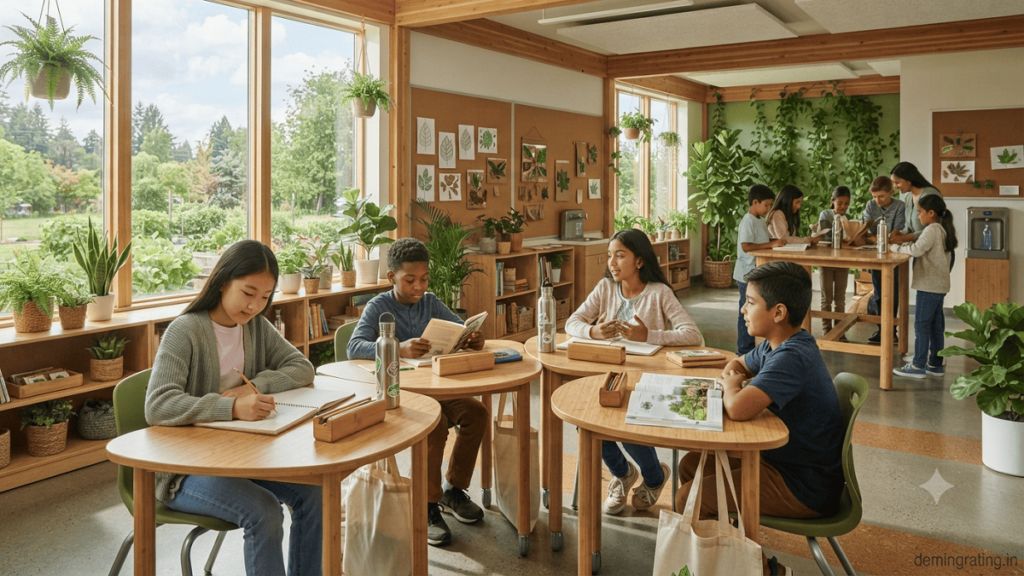
The education industry is undergoing a major transformation as schools, universities, and educational organizations increasingly focus on sustainability. Growing concerns about climate change, waste management, and resource conservation have encouraged the adoption of eco-friendly school materials across educational institutions. These materials are designed to reduce environmental impact while improving safety, durability, and learning experiences.
Eco-friendly school materials are not limited to notebooks and stationery. They include sustainable construction materials, classroom furniture, digital learning tools, textiles, packaging solutions, and operational supplies. The application of these materials creates opportunities for manufacturers, educational institutions, governments, and technology companies to develop greener solutions for the education sector.
According to the United Nations, sustainable consumption and production practices are essential for reducing environmental impacts and achieving long-term sustainability goals. More information is available through the United Nations Sustainable Development Goals:
https://sdgs.un.org/goals
1. Application in Educational Infrastructure and Construction
One of the largest applications of eco-friendly materials is in school construction and renovation. Educational institutions are increasingly using sustainable building materials to create energy-efficient and environmentally responsible campuses.
Common applications include:
- Bamboo and responsibly sourced wood for classrooms and furniture
- Recycled steel for structural components
- Low-VOC paints to improve indoor air quality
- Energy-efficient windows and insulation materials
- Sustainable flooring made from recycled or natural materials
Green construction helps schools reduce energy consumption, lower maintenance costs, and provide healthier learning environments for students and teachers.
Organizations such as the United States Green Building Council promote sustainable building practices through green building standards and certifications:
https://www.usgbc.org/
2. Application in School Stationery Manufacturing
Stationery is one of the most widely used categories of school materials. Manufacturers are developing sustainable alternatives to traditional plastic and chemical-based products.
Examples include:
- Recycled paper notebooks
- Bamboo pencils
- Refillable pens
- Biodegradable folders
- Plant-based adhesives
- Recycled packaging materials
These products help reduce waste generation and encourage students to adopt environmentally responsible habits. Companies involved in stationery manufacturing are increasingly investing in sustainable production methods to meet the growing demand for green educational products.
3. Application in School Furniture Production
School furniture plays an important role in creating comfortable and sustainable classrooms. Manufacturers are using recycled and renewable materials to produce desks, chairs, storage units, and classroom equipment.
Applications include:
- Furniture made from recycled plastic
- FSC-certified wood products
- Modular furniture designed for long-term use
- Non-toxic coatings and finishes
Sustainable furniture reduces resource consumption and improves indoor environmental quality by limiting exposure to harmful chemicals.
The Forest Stewardship Council (FSC) provides certification standards for responsibly sourced wood products:
https://fsc.org/
4. Application in School Uniforms and Textiles
The textile industry has significant environmental challenges due to water consumption, chemical use, and waste generation. Eco-friendly materials are being introduced into school uniforms, backpacks, and classroom fabrics.
Sustainable textile applications include:
- Organic cotton uniforms
- Recycled polyester school bags
- Hemp-based fabrics
- Recycled textile products
These alternatives help reduce pollution and promote responsible manufacturing practices within the education supply chain.
5. Application in Educational Technology
Technology companies are also contributing to sustainable education through environmentally responsible products. Schools are increasingly adopting energy-efficient devices and digital learning solutions to reduce paper consumption.
Applications include:
- Energy-efficient computers and tablets
- Recyclable electronic components
- Digital textbooks
- Cloud-based learning platforms
Digital transformation can reduce dependence on physical materials while improving access to educational resources.
6. Application in Waste Management and Recycling Programs
Eco-friendly materials are closely connected with school waste management systems. Many educational institutions are implementing recycling programs supported by sustainable products.
Applications include:
- Recycling bins made from recycled materials
- Compostable food packaging
- Reusable cafeteria products
- Waste reduction systems
These initiatives help schools minimize landfill waste and encourage students to participate in environmental conservation.
7. Application in Educational Product Manufacturing Industry
Manufacturers of educational products are increasingly focusing on sustainability throughout their supply chains. This includes sourcing renewable materials, reducing packaging waste, and improving production efficiency.
Companies are adopting:
- Sustainable raw materials
- Renewable energy in manufacturing
- Eco-friendly packaging
- Carbon reduction strategies
This shift creates opportunities for innovation and growth within the educational supply industry.
8. Future Industry Opportunities
The demand for eco-friendly school materials is expected to grow as governments and organizations increase their focus on sustainability. Future developments may include:
- Biodegradable educational products
- Smart classrooms using sustainable technologies
- AI-supported digital learning solutions
- Advanced recycled materials
- Carbon-neutral school infrastructure
Educational institutions will likely collaborate more closely with manufacturers and environmental organizations to develop sustainable solutions.
UNESCO highlights the importance of integrating sustainability into education systems to prepare students for future environmental challenges:
https://www.unesco.org/en/education/sustainable-development
Conclusion
The industry application of eco-friendly school materials extends across construction, stationery, furniture, textiles, technology, and waste management sectors. These applications demonstrate how sustainability can be integrated into every aspect of education.
By adopting environmentally responsible materials, schools can reduce their ecological footprint, improve learning environments, and educate students about sustainable living. As demand for green solutions continues to increase, industries supporting education will play a crucial role in developing innovative materials that contribute to a cleaner and more sustainable future.
Ask FAQs
What are eco-friendly school materials?
Eco-friendly school materials are educational products made from sustainable, recycled, renewable, biodegradable, or non-toxic resources that have a lower impact on the environment. These materials include recycled paper notebooks, bamboo pencils, reusable water bottles, biodegradable stationery, recycled fabric school bags, sustainable furniture, and environmentally friendly classroom supplies.
Why should schools use eco-friendly materials?
Schools should use eco-friendly materials because they help protect the environment, improve classroom safety, and promote sustainability awareness among students. Educational institutions generate significant amounts of waste through paper usage, plastic products, packaging, and daily operations. Sustainable materials help reduce this waste and support better resource management.
What types of eco-friendly materials can be used in schools?
Schools can use a wide range of sustainable materials across different areas, including:
Recycled paper: Used for notebooks, worksheets, and printing materials.
Bamboo products: Used for pencils, classroom accessories, and furniture.
Organic fabrics: Used for uniforms, bags, and textile products.
Recycled plastics: Used for furniture, storage containers, and school equipment.
Non-toxic supplies: Includes eco-friendly paints, adhesives, and art materials.
Sustainable construction materials: Includes recycled steel, responsibly sourced wood, and low-impact building products.
Are eco-friendly school materials more expensive than traditional materials?
Eco-friendly school materials may sometimes have higher initial costs compared to conventional products due to sustainable sourcing, specialized manufacturing processes, and limited production capacity. However, many sustainable materials provide long-term financial benefits because they are designed for durability, reuse, and reduced replacement needs.
How do eco-friendly school materials help students learn about sustainability?
Eco-friendly school materials provide students with real-world examples of environmental responsibility. When students use recycled notebooks, reusable containers, or sustainable classroom supplies, they experience sustainability as part of their daily routine.
Table of Contents
Disclaimer:
The information provided in this content is for educational and informational purposes only. While every effort has been made to ensure accuracy, readers should verify product details, sustainability claims, and guidelines from official sources before making decisions. The use of eco-friendly materials may vary depending on availability, cost, and specific school requirements.