
Improved Energy Performance
Improved energy performance refers to the process of increasing energy efficiency by reducing energy consumption while maintaining or improving the quality, productivity, and reliability of operations. It involves implementing advanced technologies, optimizing processes, improving equipment efficiency, and adopting effective energy management practices to achieve better energy utilization.
In today’s rapidly developing industrial and commercial environments, energy performance has become a critical factor for reducing operational costs, minimizing environmental impact, and achieving sustainability goals. Rising energy prices, increasing demand for electricity, and global efforts to reduce carbon emissions have encouraged organizations to focus on improving how energy is generated, distributed, and consumed.
Energy performance improvement is not only about using less energy; it is about using energy more intelligently. Organizations analyze energy consumption patterns, identify inefficiencies, and implement solutions that deliver maximum output with minimum energy waste. This approach helps businesses improve productivity while reducing their carbon footprint.
Importance of Improved Energy Performance
Improving energy performance provides several benefits for organizations across different sectors:
1. Reduction in Energy Costs
Energy efficiency measures help organizations lower electricity and fuel expenses by optimizing equipment operation, reducing unnecessary consumption, and improving system performance. Energy monitoring systems allow businesses to identify areas where energy savings can be achieved.
2. Increased Operational Efficiency
Efficient energy use improves the performance of machinery, HVAC systems, lighting, and industrial processes. Well-maintained and optimized systems consume less energy while delivering better productivity and reliability.
3. Environmental Sustainability
Improved energy performance helps reduce greenhouse gas emissions associated with energy production and consumption. By lowering energy demand and integrating renewable energy sources, organizations can contribute to climate change mitigation efforts.
4. Compliance with Energy Regulations
Governments and international organizations are introducing stricter energy efficiency standards and carbon reduction targets. Improving energy performance helps organizations comply with regulations and achieve sustainability certifications.
Key Strategies for Improving Energy Performance
Organizations use several strategies to enhance energy efficiency:
- Energy audits: Identify energy losses and opportunities for improvement.
- Smart energy monitoring: Use digital meters and analytics to track consumption patterns.
- Equipment upgrades: Replace outdated systems with high-efficiency technologies.
- Automation and controls: Implement smart controls for lighting, HVAC, and industrial systems.
- Renewable energy integration: Use solar, wind, and other clean energy sources.
- Preventive maintenance: Maintain equipment to ensure optimal performance.
Role of Technology in Energy Performance Improvement
Modern technologies play a significant role in improving energy efficiency. Smart sensors, IoT-based monitoring systems, artificial intelligence, and energy management platforms provide real-time insights into energy consumption.
Building Management Systems (BMS) and Energy Management Systems (EMS) help organizations automatically control energy usage and optimize operations. These technologies enable predictive analysis, fault detection, and continuous improvement of energy performance.
According to the International Energy Agency (IEA), improving energy efficiency is one of the most effective ways to reduce energy demand, lower emissions, and support a sustainable energy future: https://www.iea.org/topics/energy-efficiency
Conclusion
Improved energy performance is an essential strategy for organizations seeking cost savings, operational excellence, and environmental responsibility. By combining efficient technologies, data-driven monitoring, and effective energy management practices, businesses can significantly improve energy utilization and reduce their environmental impact.
What Is Improved Energy Performance and Why Is It Important?
Improved energy performance refers to the process of achieving better energy efficiency by reducing energy consumption while maintaining or enhancing the quality, productivity, and reliability of operations. It involves the use of efficient technologies, optimized processes, advanced monitoring systems, and effective energy management strategies to ensure that energy resources are used in the most effective way possible.
Energy performance improvement is not simply about using less energy; it focuses on achieving higher output with lower energy input. For businesses, industries, and buildings, this means reducing energy waste, improving equipment efficiency, lowering operational costs, and creating more sustainable energy practices.
Modern organizations are increasingly focusing on improved energy performance due to rising energy costs, stricter environmental regulations, and the global need to reduce greenhouse gas emissions. By analyzing energy consumption patterns and implementing efficiency measures, companies can improve their overall operational performance while supporting environmental goals.
Importance of Improved Energy Performance
1. Reduces Energy Costs
One of the most significant benefits of improved energy performance is the reduction of energy expenses. Efficient systems consume less electricity and fuel while delivering the same or improved performance.
Energy audits, smart energy meters, and monitoring systems help organizations identify areas of excessive consumption. By addressing energy losses and optimizing operations, businesses can achieve substantial cost savings.
2. Improves Operational Efficiency
Improved energy performance helps organizations operate equipment and systems more efficiently. Upgrading outdated machinery, improving maintenance practices, and implementing automation technologies can reduce energy waste and increase productivity.
For example, efficient motors, HVAC systems, and lighting solutions consume less energy while maintaining better performance and reliability.
3. Supports Environmental Sustainability
Energy consumption is directly linked to greenhouse gas emissions, especially when electricity is generated from fossil fuels. Improving energy performance helps reduce carbon emissions and supports sustainability initiatives.
Organizations can lower their environmental impact by adopting renewable energy sources, energy-efficient equipment, and intelligent energy management systems.
4. Enhances Equipment Reliability
Energy monitoring and performance analysis help detect inefficient equipment and abnormal operating conditions. Early identification of issues allows organizations to perform preventive maintenance before major failures occur.
This improves equipment lifespan, reduces downtime, and increases operational reliability.
5. Helps Meet Regulatory Requirements
Governments and international organizations are introducing stricter energy efficiency standards and carbon reduction targets. Improved energy performance helps organizations comply with regulations and achieve sustainability certifications.
Energy management standards such as ISO 50001 provide frameworks for organizations to continuously improve energy performance.
Key Methods to Improve Energy Performance
Organizations can improve energy performance through various approaches, including:
- Conducting regular energy audits
- Installing smart energy monitoring systems
- Upgrading inefficient equipment
- Using automation and control systems
- Optimizing heating, ventilation, and air conditioning (HVAC) systems
- Integrating renewable energy sources
- Implementing preventive maintenance programs
Role of Technology in Energy Performance Improvement
Advanced technologies play a major role in improving energy efficiency. Smart meters, IoT sensors, artificial intelligence, and energy management platforms provide real-time information about energy usage and help identify improvement opportunities.
Building Management Systems (BMS) and Energy Management Systems (EMS) allow automatic control of lighting, HVAC, and industrial processes, ensuring optimized energy consumption.
According to the International Energy Agency (IEA), improving energy efficiency is one of the most effective strategies for reducing energy demand, lowering emissions, and creating a sustainable energy future: https://www.iea.org/topics/energy-efficiency
Conclusion
Improved energy performance is essential for organizations aiming to reduce costs, increase efficiency, and achieve sustainability objectives. By combining advanced technologies, effective energy management practices, and continuous monitoring, businesses can optimize energy usage and improve long-term performance.
What Strategies Can Help Improve Energy Efficiency in Buildings and Industries?
Improving energy efficiency in buildings and industries is essential for reducing operational costs, minimizing environmental impact, and achieving long-term sustainability goals. Energy efficiency strategies focus on using less energy to deliver the same or better performance through advanced technologies, optimized processes, and effective energy management practices.
Buildings and industrial facilities consume significant amounts of electricity for lighting, heating, cooling, machinery, production processes, and other operations. By implementing energy efficiency measures, organizations can reduce energy waste, improve productivity, and create more sustainable operations.
1. Conduct Regular Energy Audits
Energy audits are one of the most effective strategies for identifying energy-saving opportunities. An energy audit involves analyzing energy consumption patterns, evaluating equipment performance, and identifying areas where energy is being wasted.
Audits help organizations understand:
- High-energy-consuming equipment
- Inefficient operational practices
- Potential energy-saving opportunities
- Improvement priorities
Regular energy assessments allow businesses to develop targeted strategies for reducing energy consumption.
2. Implement Energy Monitoring Systems
Energy monitoring systems provide real-time information about electricity usage and equipment performance. Smart meters, sub-meters, and Energy Management Systems (EMS) help organizations track consumption patterns and identify inefficiencies.
With accurate energy data, facility managers can:
- Detect abnormal energy usage
- Monitor equipment efficiency
- Optimize energy consumption
- Measure the results of energy-saving initiatives
3. Upgrade to Energy-Efficient Equipment
Replacing outdated equipment with high-efficiency alternatives can significantly reduce energy consumption. Older machines, motors, lighting systems, and HVAC equipment often consume more energy than modern solutions.
Common upgrades include:
- High-efficiency motors
- LED lighting systems
- Energy-efficient HVAC systems
- Variable Frequency Drives (VFDs)
- Advanced industrial automation systems
These improvements reduce energy losses while maintaining operational performance.
4. Optimize Heating, Ventilation, and Air Conditioning (HVAC) Systems
HVAC systems are among the largest energy consumers in commercial buildings. Improving HVAC efficiency can create substantial energy savings.
Effective strategies include:
- Regular equipment maintenance
- Smart temperature controls
- Automated scheduling
- Efficient cooling and heating systems
- Improved insulation and ventilation
Smart HVAC controls can adjust operation based on occupancy and environmental conditions.
5. Improve Building Design and Insulation
Energy-efficient building design reduces the need for artificial heating and cooling. Proper insulation, efficient windows, and passive design techniques help maintain comfortable indoor conditions with lower energy consumption.
Strategies include:
- Improving wall and roof insulation
- Using energy-efficient glass
- Maximizing natural lighting
- Reducing air leakage
6. Adopt Automation and Smart Technologies
Digital technologies play an important role in improving energy efficiency. Building Management Systems (BMS), IoT sensors, and artificial intelligence-based platforms enable automatic monitoring and control of energy-consuming systems.
Applications include:
- Automated lighting control
- Smart HVAC management
- Equipment performance monitoring
- Predictive energy analysis
7. Implement Preventive Maintenance Programs
Poorly maintained equipment often consumes more energy and operates inefficiently. Regular maintenance ensures that machines, electrical systems, and HVAC equipment continue operating at optimal efficiency.
Preventive maintenance helps:
- Reduce energy losses
- Improve equipment lifespan
- Prevent unexpected failures
- Maintain reliable performance
8. Integrate Renewable Energy Sources
Renewable energy systems such as solar and wind power can reduce dependence on conventional energy sources. When combined with energy efficiency measures, renewable systems can significantly reduce carbon emissions and operating costs.
Organizations can use:
- Solar photovoltaic systems
- Battery storage solutions
- Microgrids
- Renewable energy monitoring systems
9. Improve Employee Awareness and Energy Practices
Human behavior plays an important role in energy efficiency. Training employees and promoting energy-conscious practices can reduce unnecessary energy consumption.
Examples include:
- Switching off unused equipment
- Reducing standby power consumption
- Following energy-saving operating procedures
- Reporting inefficient equipment
10. Follow Energy Management Standards
Implementing structured energy management practices helps organizations achieve continuous improvement. Standards such as ISO 50001 provide guidelines for establishing effective energy management systems.
These frameworks help organizations:
- Set energy performance targets
- Monitor progress
- Improve efficiency continuously
- Reduce energy-related costs
The International Energy Agency (IEA) identifies energy efficiency improvements as a major pathway for reducing energy demand and supporting global sustainability efforts: https://www.iea.org/topics/energy-efficiency
Conclusion
Improving energy efficiency in buildings and industries requires a combination of technology, monitoring, operational improvements, and effective management strategies. Energy audits, smart monitoring systems, efficient equipment upgrades, automation, renewable energy integration, and employee awareness all contribute to better energy performance.
How Do Energy-Efficient Technologies Contribute to Improved Energy Performance?
Energy-efficient technologies play a vital role in improving energy performance by reducing energy consumption, minimizing waste, and enhancing the overall efficiency of buildings and industrial operations. These technologies enable organizations to achieve the same or higher levels of productivity while using fewer energy resources. By combining advanced equipment, automation, monitoring systems, and intelligent controls, energy-efficient solutions help reduce costs, improve reliability, and support sustainability objectives.
1. Reducing Energy Consumption Through Efficient Equipment
Energy-efficient technologies help replace outdated systems with advanced solutions that require less energy to operate. Traditional equipment often loses energy through heat, friction, or inefficient operation, while modern high-efficiency systems are designed to maximize performance with lower energy usage.
Examples include:
- High-efficiency motors
- Energy-saving HVAC systems
- LED lighting solutions
- Efficient refrigeration systems
- Low-energy industrial machinery
For industries, upgrading equipment can significantly reduce electricity consumption while maintaining production output.
2. Improving Energy Monitoring and Management
Advanced energy monitoring technologies provide real-time information about energy usage and system performance. Smart meters, IoT sensors, and Energy Management Systems (EMS) help organizations track consumption patterns and identify areas where energy improvements are needed.
These systems allow businesses to:
- Monitor energy usage in real time
- Detect energy losses
- Analyze equipment performance
- Measure energy-saving results
- Optimize operational processes
Accurate energy data enables organizations to make informed decisions and continuously improve energy performance.
3. Optimizing Building Energy Systems
In commercial buildings, energy-efficient technologies improve the performance of major energy-consuming systems such as heating, ventilation, air conditioning (HVAC), and lighting.
Smart building technologies include:
- Automated lighting controls
- Occupancy sensors
- Smart thermostats
- Building Management Systems (BMS)
- Efficient cooling and heating systems
These solutions automatically adjust energy usage based on occupancy, weather conditions, and operational requirements, reducing unnecessary consumption.
4. Enhancing Industrial Process Efficiency
Industries use large amounts of energy for manufacturing, processing, and automation. Energy-efficient technologies help optimize industrial processes by improving equipment control and reducing energy losses.
Examples include:
- Variable Frequency Drives (VFDs) for motors
- Automated process controls
- Energy-efficient compressors
- Advanced production monitoring systems
These technologies improve machine performance, reduce downtime, and lower operating costs.
5. Supporting Renewable Energy Integration
Energy-efficient technologies work together with renewable energy systems to improve overall energy performance. Smart energy management platforms can monitor solar power generation, battery storage, and electricity consumption to optimize energy usage.
Benefits include:
- Better renewable energy utilization
- Reduced dependence on grid electricity
- Improved energy independence
- Lower carbon emissions
6. Reducing Environmental Impact
Improved energy performance directly contributes to environmental sustainability. Lower energy consumption reduces greenhouse gas emissions associated with electricity generation and fuel use.
Organizations implementing energy-efficient technologies can:
- Reduce carbon footprint
- Support sustainability targets
- Improve environmental reporting
- Meet energy efficiency regulations
The International Energy Agency (IEA) identifies energy efficiency improvements as one of the most effective approaches for reducing energy demand and emissions while supporting sustainable development: https://www.iea.org/topics/energy-efficiency
7. Enabling Predictive Maintenance
Modern technologies use data analytics and artificial intelligence to identify equipment issues before failures occur. Energy consumption patterns can reveal problems such as inefficient motors, overloaded systems, or declining equipment performance.
Predictive maintenance helps organizations:
- Prevent unexpected breakdowns
- Extend equipment lifespan
- Maintain optimal energy efficiency
- Reduce maintenance costs
8. Improving Long-Term Operational Performance
Energy-efficient technologies provide long-term benefits by creating smarter, more reliable, and cost-effective energy systems. Although initial investments may be required, the savings achieved through reduced energy consumption and improved productivity often provide significant returns over time.
Conclusion
Energy-efficient technologies are essential for achieving improved energy performance in buildings and industries. By reducing energy waste, optimizing operations, enabling intelligent monitoring, and supporting renewable energy adoption, these technologies help organizations lower costs and improve sustainability.
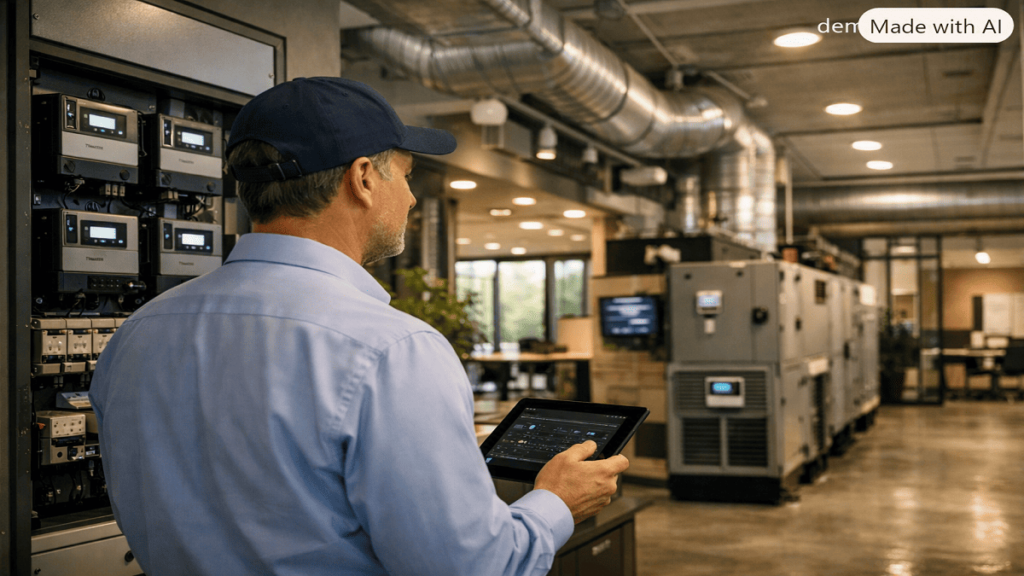
What Are the Environmental and Economic Benefits of Improving Energy Performance?
Improving energy performance is a strategic approach that helps organizations reduce energy consumption, optimize operations, lower costs, and minimize environmental impact. It involves adopting energy-efficient technologies, improving operational practices, implementing energy management systems, and optimizing the use of energy resources. As energy demand continues to rise globally, improving energy performance has become essential for businesses, industries, and communities seeking sustainable growth.
Better energy performance creates significant environmental and economic advantages by reducing energy waste, lowering greenhouse gas emissions, improving operational efficiency, and increasing long-term financial savings.
Environmental Benefits of Improving Energy Performance
1. Reduction in Greenhouse Gas Emissions
One of the most important environmental benefits of improved energy performance is the reduction of greenhouse gas emissions. Energy production, especially from fossil fuels, contributes significantly to carbon dioxide and other harmful emissions.
By reducing energy consumption through efficient equipment, smart monitoring systems, and optimized processes, organizations can decrease their carbon footprint and contribute to climate change mitigation.
2. Lower Energy Consumption and Resource Conservation
Improved energy performance helps reduce unnecessary energy use while maintaining productivity and comfort levels. Lower energy demand reduces pressure on natural resources and decreases the environmental impact associated with energy generation.
Energy-efficient buildings and industries require fewer resources to operate, supporting more sustainable energy consumption patterns.
3. Support for Renewable Energy Adoption
Energy efficiency improvements make it easier for organizations to integrate renewable energy sources such as solar and wind power. When energy demand is optimized, renewable systems can provide a larger share of total energy requirements.
Energy management systems help monitor renewable energy generation, storage, and consumption, improving overall sustainability.
4. Reduced Air Pollution
Many conventional energy sources produce pollutants that affect air quality. Improving energy performance reduces the amount of fuel required for energy production, helping lower emissions of pollutants such as nitrogen oxides, sulfur dioxide, and particulate matter.
This contributes to healthier environments and improved public health.
5. Sustainable Resource Management
Energy performance improvements encourage responsible resource usage by promoting efficient technologies, waste reduction, and better operational practices. This supports long-term environmental sustainability and helps organizations meet climate-related goals.
Economic Benefits of Improving Energy Performance
1. Lower Energy Costs
The most immediate economic advantage of improved energy performance is reduced energy expenses. Efficient equipment, optimized processes, and smart energy monitoring systems help organizations identify and eliminate unnecessary energy consumption.
Businesses can achieve significant cost savings by reducing electricity and fuel usage.
2. Improved Operational Efficiency
Energy-efficient technologies improve the performance of equipment and processes. Efficient motors, HVAC systems, automation solutions, and industrial controls help organizations increase productivity while using fewer resources.
Better operational efficiency leads to improved profitability and competitiveness.
3. Reduced Maintenance Costs
Efficient systems often experience less stress and operate more reliably. Energy monitoring technologies can detect abnormal consumption patterns, allowing organizations to perform preventive maintenance before major failures occur.
This reduces repair expenses, equipment downtime, and production losses.
4. Increased Asset Value
Buildings with improved energy performance often have higher market value due to lower operating costs and better sustainability ratings. Energy-efficient facilities attract businesses and occupants looking for cost-effective and environmentally responsible spaces.
5. Compliance and Business Advantages
Improving energy performance helps organizations comply with energy regulations and sustainability requirements. It can also enhance corporate reputation, improve environmental reporting, and create opportunities for sustainability certifications.
According to the International Energy Agency (IEA), energy efficiency improvements are essential for reducing energy demand, lowering emissions, and supporting economic development: https://www.iea.org/topics/energy-efficiency
Conclusion
Improving energy performance provides both environmental and economic advantages by reducing energy consumption, lowering operational costs, and supporting sustainable development. Organizations that invest in energy-efficient technologies, smart monitoring systems, and effective energy management practices can achieve long-term financial savings while reducing their environmental impact.
What Are the Challenges and Future Trends in Achieving Better Energy Performance?
Achieving better energy performance has become a major priority for industries, commercial buildings, and governments due to increasing energy costs, environmental concerns, and the need for sustainable development. Improved energy performance focuses on reducing energy waste, increasing efficiency, and optimizing energy use through advanced technologies and effective management practices.
Although organizations are adopting energy-efficient solutions, several challenges continue to affect widespread implementation. At the same time, emerging technologies such as artificial intelligence, smart energy systems, and renewable energy integration are creating new opportunities for improving energy performance.
Challenges in Achieving Better Energy Performance
1. High Initial Investment Costs
One of the biggest challenges in improving energy performance is the upfront cost of implementing energy-efficient technologies. Upgrading equipment, installing smart energy monitoring systems, improving building insulation, and integrating renewable energy solutions require significant financial investment.
Although these improvements often provide long-term savings, organizations may hesitate due to the initial capital requirements and uncertainty about return on investment.
2. Lack of Energy Data and Monitoring
Accurate energy data is essential for identifying inefficiencies and making informed decisions. Many older buildings and industrial facilities lack advanced metering systems and real-time monitoring capabilities.
Without proper energy measurement, organizations may struggle to identify energy losses, track improvements, or develop effective energy management strategies.
3. Technical Complexity and Integration Issues
Modern energy performance solutions often involve multiple technologies, including smart meters, IoT sensors, automation systems, and energy management platforms. Integrating these systems with existing infrastructure can be technically challenging.
Compatibility issues between different equipment manufacturers and communication standards may slow implementation.
4. Limited Awareness and Skilled Workforce
Successful energy performance improvement requires technical knowledge and trained professionals. A lack of awareness about available technologies, energy management practices, and financial benefits can prevent organizations from adopting efficiency measures.
Skilled engineers and energy managers are needed to design, operate, and maintain advanced energy systems.
5. Changing Energy Demand Patterns
Energy consumption patterns are becoming more complex due to the growth of electric vehicles, renewable energy systems, and decentralized power generation. Managing these changing patterns requires flexible and intelligent energy management solutions.
Future Trends in Energy Performance Improvement
1. Artificial Intelligence and Machine Learning
Artificial intelligence (AI) and machine learning are expected to play a major role in future energy management. AI-powered systems can analyze large volumes of energy data, predict consumption patterns, identify inefficiencies, and automatically optimize energy usage.
These technologies will enable smarter decision-making and improve overall energy performance.
2. Growth of Smart Buildings
Smart buildings equipped with connected sensors, automation systems, and intelligent controls will become increasingly common. Building Management Systems (BMS) will automatically manage lighting, HVAC, security, and energy consumption based on real-time conditions.
This will help reduce energy waste while maintaining occupant comfort.
3. Internet of Things (IoT)-Based Energy Monitoring
IoT technology will improve energy visibility by connecting equipment, sensors, and monitoring platforms. Real-time data collection will allow organizations to detect inefficiencies quickly and optimize energy use.
IoT-enabled systems will become an essential part of industrial and commercial energy management.
4. Renewable Energy and Energy Storage Integration
The integration of renewable energy sources such as solar and wind power will continue to grow. Advanced energy management systems will help balance renewable generation, battery storage, and energy consumption.
This will support cleaner and more reliable energy systems.
5. Digital Twins for Energy Optimization
Digital twin technology creates virtual models of buildings, factories, or energy systems. These models allow organizations to simulate performance, test improvements, and optimize operations before making physical changes.
Digital twins will help improve decision-making and reduce energy-related risks.
6. Advanced Energy Management Standards
Organizations will increasingly adopt structured energy management frameworks such as ISO 50001 to continuously monitor and improve energy performance. These standards provide guidelines for setting energy targets, measuring progress, and implementing improvement strategies.
According to the International Energy Agency (IEA), improving energy efficiency is a key pathway for reducing emissions, strengthening energy security, and supporting sustainable economic growth: https://www.iea.org/topics/energy-efficiency
Conclusion
Achieving better energy performance requires overcoming challenges related to investment costs, technical complexity, data availability, and workforce skills. However, advancements in artificial intelligence, IoT, smart buildings, renewable energy integration, and digital energy management are creating new opportunities for improvement.
Case Study of Improved Energy Performance: Reducing Energy Consumption in a Manufacturing Facility
Introduction
Improved energy performance has become a key objective for industries seeking to reduce operational costs, improve productivity, and achieve sustainability goals. Manufacturing facilities consume large amounts of energy through production machinery, motors, heating systems, compressed air systems, lighting, and HVAC equipment. Without proper monitoring and optimization, significant amounts of energy can be wasted.
This case study highlights how a manufacturing company improved its energy performance by implementing energy monitoring systems, upgrading inefficient equipment, and adopting advanced energy management practices.
Background
A large manufacturing facility producing industrial components faced increasing electricity costs and rising operational expenses. The company had experienced steady growth in production demand, but its energy consumption continued to increase at a faster rate.
The facility used conventional monitoring methods, which provided limited information about energy consumption. Management could track total electricity usage but could not identify which machines, processes, or departments were responsible for excessive energy consumption.
To address these challenges, the company launched an energy performance improvement program focused on energy monitoring, efficiency upgrades, and operational optimization.
Challenges Before Implementation
Before implementing improvement measures, the facility experienced several energy-related challenges:
- High electricity consumption from outdated machinery.
- Lack of real-time energy monitoring.
- Limited visibility into equipment-level energy usage.
- Increased peak demand charges.
- Inefficient operation of motors and production systems.
- Difficulty tracking sustainability targets.
The company recognized that reducing energy waste required accurate data and a structured energy management approach.
Energy Performance Improvement Strategy
1. Installation of Smart Energy Monitoring Systems
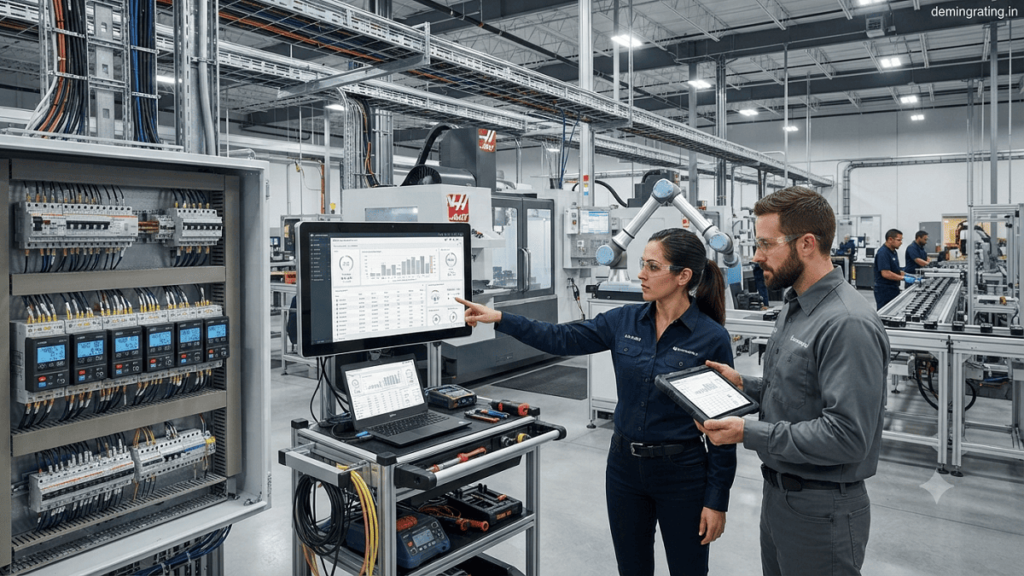
The company installed smart energy meters and sub-metering systems across different production areas. These meters monitored electricity consumption from individual machines, production lines, HVAC systems, and auxiliary equipment.
The collected data was integrated into an Energy Management System (EMS), allowing managers to analyze energy consumption patterns in real time.
Benefits included:
- Identification of high-energy-consuming equipment.
- Improved energy usage visibility.
- Faster detection of abnormal consumption.
- Better decision-making through data analysis.
2. Equipment Efficiency Upgrades
The facility replaced outdated equipment with energy-efficient alternatives. Major improvements included:
- Installation of high-efficiency motors.
- Replacement of traditional lighting with LED systems.
- Use of Variable Frequency Drives (VFDs) for motor speed control.
- Optimization of compressed air systems.
These upgrades helped reduce unnecessary energy losses while maintaining production performance.
3. Process Optimization
Energy data analysis helped identify inefficient operating practices. The company optimized production schedules, reduced idle equipment operation, and improved machine utilization.
Automation systems were introduced to control energy-consuming equipment based on operational requirements.
4. Preventive Maintenance Program
The company introduced an energy-focused maintenance strategy to improve equipment performance. Regular inspections were conducted to identify inefficient components, electrical losses, and declining machine performance.
This approach helped:
- Reduce unexpected equipment failures.
- Improve machine efficiency.
- Extend equipment lifespan.
- Maintain consistent energy performance.
Results After Implementation
After implementing energy performance improvement measures, the facility achieved significant improvements:
| Performance Area | Improvement Achieved |
|---|---|
| Energy consumption monitoring | Real-time equipment-level tracking enabled |
| Electricity usage | Reduced through efficiency improvements |
| Equipment performance | Improved through preventive maintenance |
| Operational visibility | Enhanced through digital energy analytics |
| Sustainability reporting | Improved with accurate energy data |
The company also achieved better control over peak energy demand and reduced unnecessary electricity consumption during non-production periods.
Key Benefits Achieved
1. Reduced Operational Costs
Improved energy efficiency helped the company lower electricity expenses by reducing energy waste and optimizing equipment operation.
2. Increased Productivity
Efficient machinery and optimized processes improved production reliability and reduced downtime.
3. Better Sustainability Performance
Lower energy consumption resulted in reduced carbon emissions and supported the company’s environmental objectives.
4. Data-Driven Energy Management
Real-time energy data allowed managers to continuously monitor performance and identify further improvement opportunities.
Lessons Learned
This case study demonstrates that improving energy performance requires more than installing efficient equipment. A successful energy improvement strategy requires:
- Accurate energy measurement.
- Continuous monitoring and analysis.
- Employee awareness.
- Regular equipment maintenance.
- Long-term energy management planning.
Organizations can use structured energy management approaches such as ISO 50001 to establish continuous improvement practices for energy performance.
Conclusion
The manufacturing facility successfully improved its energy performance by combining smart monitoring technologies, efficient equipment upgrades, optimized processes, and preventive maintenance practices. The implementation resulted in reduced energy consumption, lower operational costs, improved reliability, and stronger sustainability performance.
White Paper: Improved Energy Performance – Strategies, Technologies, and Future Pathways for Sustainable Energy Management
Executive Summary
Improved energy performance has become a critical focus for organizations worldwide as energy costs increase, environmental regulations become stricter, and businesses work toward sustainability targets. Energy performance improvement involves optimizing energy use, reducing waste, increasing operational efficiency, and implementing advanced technologies to achieve better results with fewer energy resources.
Modern energy performance strategies combine energy audits, smart monitoring systems, efficient equipment, automation, renewable energy integration, and data-driven management practices. These approaches enable industries, commercial buildings, and infrastructure facilities to reduce operational costs while improving reliability and environmental performance.
This white paper explores the importance of improved energy performance, key strategies, enabling technologies, industry applications, challenges, and future trends shaping the transition toward smarter and more sustainable energy systems.
1. Introduction to Improved Energy Performance
Improved energy performance refers to achieving measurable improvements in energy efficiency, energy consumption, and energy utilization within a building, industrial facility, or energy system. It focuses on reducing energy losses while maintaining or improving productivity, comfort, and operational reliability.
Energy performance is not limited to reducing energy usage; it involves using energy more intelligently through better planning, monitoring, and optimization. Organizations evaluate energy performance by analyzing energy consumption patterns, equipment efficiency, operational processes, and overall energy management practices.
With increasing global energy demand and the need to reduce carbon emissions, improving energy performance has become a strategic priority across industries, governments, and commercial sectors.
The International Energy Agency (IEA) identifies energy efficiency improvement as one of the most important approaches for reducing energy demand and supporting sustainable development:
https://www.iea.org/topics/energy-efficiency
2. Importance of Improved Energy Performance
2.1 Reducing Energy Costs
Energy expenses represent a major operational cost for industries and commercial facilities. Improved energy performance helps organizations identify energy losses and implement solutions that reduce unnecessary consumption.
Energy-efficient equipment, smart monitoring systems, and optimized processes allow businesses to achieve long-term financial savings.
2.2 Enhancing Operational Efficiency
Efficient energy usage improves the performance of machinery, HVAC systems, lighting networks, and industrial processes. Optimized systems require fewer resources while maintaining higher productivity.
Improved energy performance also helps reduce downtime and improve equipment reliability.
2.3 Supporting Environmental Sustainability
Energy consumption is closely linked to greenhouse gas emissions. Improving energy performance reduces the amount of energy required for operations, lowering carbon emissions and environmental impact.
Organizations can achieve sustainability targets by combining efficiency improvements with renewable energy adoption.
2.4 Improving Energy Security
Efficient energy use reduces dependency on external energy sources and improves system resilience. Organizations with optimized energy systems can better manage demand fluctuations and energy supply challenges.
3. Key Strategies for Improving Energy Performance
3.1 Energy Audits and Assessments
Energy audits help organizations understand current energy consumption patterns and identify improvement opportunities.
Audits evaluate:
- Energy-consuming equipment
- Operational processes
- Building systems
- Energy losses
- Efficiency improvement opportunities
The results help create structured energy improvement plans.
3.2 Smart Energy Monitoring
Advanced monitoring systems provide real-time visibility into energy consumption. Smart meters, sensors, and Energy Management Systems (EMS) help organizations analyze energy usage and identify inefficiencies.
Benefits include:
- Accurate energy measurement
- Real-time performance tracking
- Fault detection
- Improved decision-making
3.3 Equipment Modernization
Replacing outdated systems with energy-efficient technologies significantly improves energy performance.
Examples include:
- High-efficiency motors
- LED lighting systems
- Advanced HVAC equipment
- Variable Frequency Drives (VFDs)
- Efficient industrial machinery
3.4 Automation and Intelligent Controls
Automation technologies optimize energy usage by adjusting system operation according to actual demand.
Applications include:
- Smart building controls
- Automated lighting management
- Intelligent HVAC systems
- Industrial process automation
3.5 Renewable Energy Integration
Renewable energy sources such as solar and wind power support improved energy performance by reducing dependence on conventional energy sources.
Energy management systems help balance renewable generation, storage, and consumption.
4. Role of Digital Technologies in Energy Performance Improvement
Internet of Things (IoT)
IoT-enabled sensors collect real-time energy data from equipment and systems. This allows organizations to monitor performance and quickly identify inefficiencies.
Artificial Intelligence (AI)
AI analyzes large amounts of energy data to predict demand, detect anomalies, and recommend optimization strategies.
Digital Twins
Digital twin technology creates virtual models of buildings and industrial systems. Organizations can simulate improvements and optimize performance before implementing physical changes.
Cloud-Based Energy Management
Cloud platforms enable centralized monitoring of multiple facilities, allowing organizations to manage energy performance remotely.
5. Industry Applications of Improved Energy Performance
Manufacturing Industry
Manufacturers use energy performance strategies to optimize production equipment, motors, compressors, and automation systems.
Benefits include:
- Reduced electricity costs
- Improved production efficiency
- Lower equipment downtime
Commercial Buildings
Buildings improve energy performance through smart HVAC systems, efficient lighting, and automated controls.
Applications include:
- Building energy monitoring
- Occupancy-based controls
- Reduced operating costs
Data Centers
Energy optimization helps data centers manage high electricity consumption from servers and cooling systems.
Key improvements include:
- Efficient cooling systems
- Power monitoring
- Load optimization
Healthcare Facilities
Hospitals use energy performance solutions to maintain reliable operations while reducing energy consumption.
Applications include:
- Efficient HVAC systems
- Critical load monitoring
- Backup power optimization
6. Challenges in Improving Energy Performance
High Initial Investment
Energy-efficient technologies often require significant upfront investment, which can delay adoption.
Lack of Energy Data
Without accurate measurement and monitoring, organizations cannot effectively identify improvement opportunities.
Technology Integration Challenges
Combining new energy technologies with existing infrastructure can create compatibility and implementation issues.
Skill and Knowledge Gaps
Advanced energy systems require trained professionals for installation, operation, and maintenance.
Cybersecurity Risks
Connected energy systems require strong cybersecurity measures to protect operational data and prevent unauthorized access.
7. Future Trends in Energy Performance
Artificial Intelligence-Based Optimization
AI-driven energy systems will automatically analyze consumption patterns and optimize energy usage.
Smart Buildings and Smart Grids
Future buildings and energy networks will use interconnected technologies to improve efficiency and reliability.
Advanced Energy Storage
Battery storage technologies will support renewable energy integration and improve energy flexibility.
Carbon-Neutral Operations
Organizations will increasingly combine energy efficiency, renewable energy, and digital management systems to achieve carbon reduction targets.
Predictive Energy Management
Future systems will predict energy demand and automatically adjust operations for maximum efficiency.
Conclusion
Improved energy performance is essential for creating efficient, sustainable, and cost-effective energy systems. Through smart monitoring, advanced technologies, efficient equipment, and strategic energy management, organizations can significantly reduce energy consumption while improving productivity and reliability.
Although challenges such as investment costs, technical complexity, and cybersecurity remain, advancements in artificial intelligence, IoT, automation, and renewable energy integration are creating new opportunities for energy optimization.
Industry Application of Improved Energy Performance
Improved energy performance has become a major priority across industries as organizations aim to reduce operational costs, increase productivity, improve equipment reliability, and achieve sustainability goals. Industrial sectors consume significant amounts of energy for manufacturing processes, machinery operation, heating, cooling, transportation, and infrastructure management. By implementing energy-efficient technologies, smart monitoring systems, automation, and effective energy management practices, industries can optimize energy usage and improve overall performance.
Energy performance improvement is not limited to reducing energy consumption; it focuses on maximizing output while minimizing energy waste. This approach helps industries become more competitive, environmentally responsible, and resilient to changing energy demands.
1. Manufacturing Industry
The manufacturing sector is one of the largest energy consumers due to the continuous operation of production equipment, motors, compressors, furnaces, and automated systems. Improving energy performance helps manufacturers reduce electricity costs while maintaining production efficiency.
Applications:
- Installation of high-efficiency motors and machines
- Use of Variable Frequency Drives (VFDs) for motor optimization
- Real-time energy monitoring of production lines
- Automation of energy-consuming processes
- Preventive maintenance based on energy data analysis
Energy performance improvement allows manufacturers to identify inefficient equipment, reduce downtime, and improve production reliability.
2. Commercial Buildings and Facilities
Commercial buildings such as offices, shopping centers, hotels, and educational institutions consume large amounts of energy through lighting, HVAC systems, elevators, and electrical equipment.
Improved energy performance helps facility managers optimize building operations and reduce unnecessary energy consumption.
Applications:
- Smart Building Management Systems (BMS)
- Automated lighting controls
- Energy-efficient HVAC systems
- Occupancy-based energy control
- Smart energy monitoring platforms
These solutions improve occupant comfort while reducing operational expenses.
3. Data Centers
Data centers require continuous electricity supply for servers, networking equipment, and cooling infrastructure. Improving energy performance is essential to reduce energy costs and maintain reliable operations.
Applications:
- Power usage effectiveness (PUE) monitoring
- Efficient cooling technologies
- Intelligent load management
- Server energy optimization
- Real-time power monitoring
Energy performance strategies help data centers reduce electricity consumption while maintaining high availability.
4. Healthcare Industry
Hospitals and healthcare facilities operate 24/7 and require reliable energy for medical equipment, ventilation systems, lighting, and critical infrastructure. Improved energy performance helps healthcare organizations reduce costs without affecting patient safety.
Applications:
- Energy-efficient medical equipment
- Smart HVAC control systems
- Power monitoring of critical loads
- Efficient lighting systems
- Backup energy optimization
Energy management solutions help hospitals achieve operational efficiency while maintaining reliable services.
5. Food Processing and Cold Storage Industry
Food processing plants and cold storage facilities depend heavily on refrigeration, cooling systems, and processing equipment. These systems consume significant energy and require continuous optimization.
Applications:
- Efficient refrigeration systems
- Compressor performance monitoring
- Temperature-based energy control
- Heat recovery systems
- Automated cooling management
Improved energy performance reduces electricity costs and helps maintain product quality.
6. Chemical and Process Industries
Chemical and process industries use energy-intensive equipment such as pumps, heaters, reactors, and compressors. Energy performance improvement helps optimize complex industrial processes.
Applications:
- Process automation
- Energy-efficient pumps and motors
- Heat recovery systems
- Real-time process monitoring
- Power quality improvement
These improvements increase productivity while reducing energy waste.
7. Transportation and Infrastructure
Transportation systems, including airports, railways, ports, and electric vehicle charging networks, require efficient energy management due to increasing electrification.
Applications:
- Smart energy monitoring systems
- Electric vehicle charging management
- Efficient lighting infrastructure
- Renewable energy integration
- Load balancing systems
Energy performance solutions help improve reliability and reduce operational costs.
8. Renewable Energy and Power Generation
Energy performance improvement plays an important role in renewable energy facilities such as solar farms, wind power plants, and microgrids.
Applications:
- Renewable energy monitoring
- Smart grid integration
- Battery storage optimization
- Energy forecasting
- Performance analysis systems
These solutions improve energy generation efficiency and support cleaner energy systems.
9. Oil and Gas Industry
The oil and gas sector uses large amounts of energy for exploration, extraction, processing, and transportation. Improving energy performance helps reduce operational costs and environmental impact.
Applications:
- Efficient pumping systems
- Equipment condition monitoring
- Process optimization
- Waste heat recovery
- Energy consumption analytics
Energy efficiency improvements help reduce emissions and improve operational sustainability.
Benefits of Improved Energy Performance Across Industries
Organizations implementing energy performance improvement strategies can achieve:
- Reduced energy costs
- Lower carbon emissions
- Improved equipment efficiency
- Increased operational reliability
- Better energy visibility
- Reduced maintenance expenses
- Improved sustainability reporting
- Compliance with energy regulations
The International Energy Agency (IEA) identifies energy efficiency improvements as a key solution for reducing energy demand, lowering emissions, and improving economic performance:
https://www.iea.org/topics/energy-efficiency
Conclusion
Improved energy performance has applications across almost every industry, from manufacturing and healthcare to commercial buildings and renewable energy systems. By adopting energy-efficient technologies, smart monitoring solutions, automation, and sustainable energy practices, organizations can achieve significant improvements in efficiency and cost management.
Ask FAQs
What is improved energy performance?
Improved energy performance refers to the process of optimizing energy use to achieve better efficiency, lower energy consumption, and improved operational results. It involves implementing energy-efficient technologies, monitoring systems, optimized processes, and effective energy management practices. The goal is to deliver the same or higher levels of productivity while using fewer energy resources.
Why is improving energy performance important for industries and buildings?
Improving energy performance helps industries and buildings reduce energy costs, increase operational efficiency, and minimize environmental impact. It enables organizations to identify energy waste, improve equipment performance, reduce carbon emissions, and comply with energy efficiency regulations. Better energy performance also supports long-term sustainability and business competitiveness.
What technologies help improve energy performance?
Several advanced technologies contribute to improved energy performance, including smart energy meters, Energy Management Systems (EMS), Internet of Things (IoT) sensors, artificial intelligence-based analytics, Building Management Systems (BMS), energy-efficient equipment, and renewable energy solutions. These technologies provide real-time monitoring, automated control, and data-driven insights for better energy management.
How can industries measure improvements in energy performance?
Industries can measure energy performance improvements by monitoring key indicators such as energy consumption, energy intensity, equipment efficiency, production output, and carbon emissions. Energy audits, smart metering systems, and performance monitoring platforms help organizations compare energy usage before and after implementing efficiency measures.
What are the main challenges in achieving improved energy performance?
The main challenges include high initial investment costs, lack of accurate energy data, integration difficulties with existing systems, shortage of skilled professionals, and cybersecurity concerns in connected energy systems. However, advancements in digital technologies, automation, and renewable energy solutions are helping organizations overcome these challenges and achieve better energy efficiency. The International Energy Agency (IEA) provides additional resources on energy efficiency and sustainable energy management: https://www.iea.org/topics/energy-efficiency
Table of Contents
Disclaimer: This content is intended for general informational purposes only. Energy performance improvements should be evaluated and implemented based on specific site conditions, technical requirements, and guidance from qualified energy professionals.