
Waste Segregation
Waste segregation is the process of separating different types of waste at the point of disposal to ensure proper handling, recycling, treatment, and disposal. It involves dividing waste into categories such as biodegradable waste, recyclable materials, hazardous waste, and non-recyclable waste. Effective waste segregation is a fundamental practice in sustainable waste management because it improves resource recovery, reduces landfill dependency, and minimizes environmental pollution.
One of the primary goals of waste segregation is to increase recycling efficiency. When recyclable materials such as paper, plastic, glass, and metals are mixed with organic or hazardous waste, they often become contaminated and difficult to process. Separating these materials at the source helps recycling facilities recover valuable resources and convert them into new products. According to the U.S. Environmental Protection Agency, proper waste management and recycling practices play an important role in conserving resources and reducing environmental impacts. More information is available at https://www.epa.gov/recycle.
Waste segregation also supports better treatment of organic waste. Food scraps, garden waste, and other biodegradable materials can be separated and processed through composting or anaerobic digestion. These methods transform organic waste into useful resources such as compost and renewable energy while reducing methane emissions from landfills.
Another major benefit is the safe management of hazardous waste. Items such as batteries, electronic waste, chemicals, and medical waste require specialized handling to prevent harmful substances from entering soil, water, and air. Proper segregation ensures these materials are treated according to safety regulations and reduces risks to workers and communities.
In residential, commercial, and industrial settings, waste segregation can significantly reduce the amount of waste sent to landfills. It encourages responsible consumption patterns and supports the principles of a circular economy, where materials are reused, recycled, and kept in circulation for as long as possible.
Successful waste segregation requires awareness, proper infrastructure, and clear labeling systems. Providing separate collection bins, educating communities, and implementing effective waste management policies are essential steps toward improving segregation practices. Organizations such as the United Nations Environment Programme promote sustainable waste management approaches to address global waste challenges: https://www.unep.org/.
In conclusion, waste segregation is a simple yet powerful practice that contributes to environmental protection, resource conservation, and sustainable development. By separating waste correctly at the source, individuals, businesses, and governments can reduce pollution, improve recycling outcomes, and build more efficient waste management systems for the future.
What Is Waste Segregation and Why Is It Important?
Waste segregation is the process of separating waste into different categories based on its type, composition, and disposal requirements. It involves sorting waste at the source of generation, such as homes, offices, industries, and public spaces, before it is collected and processed. Common waste categories include biodegradable waste, recyclable materials, hazardous waste, electronic waste, and non-recyclable waste. By separating these materials early, waste management systems can handle each category more effectively and reduce the environmental impact of disposal.
The importance of waste segregation lies in its ability to improve resource recovery and recycling efficiency. When different types of waste are mixed together, recyclable materials such as paper, plastic, glass, and metals often become contaminated, making recovery more difficult and expensive. Proper segregation keeps recyclable materials cleaner and allows recycling facilities to process them into new products. The U.S. Environmental Protection Agency emphasizes recycling and sustainable materials management as important strategies for conserving resources and reducing waste generation. More information is available at https://www.epa.gov/recycle.
Waste segregation also helps reduce the amount of waste sent to landfills. Organic waste, including food scraps and garden waste, can be separated and treated through composting or other biological processes. This reduces landfill pressure and helps prevent the release of methane, a greenhouse gas produced when organic waste decomposes in oxygen-limited landfill conditions.
Another important aspect of waste segregation is the safe handling of hazardous materials. Items such as batteries, chemicals, medical waste, and electronic devices contain substances that can harm human health and the environment if improperly disposed of. Separating these materials ensures they receive appropriate treatment, recycling, or disposal methods.
For businesses and industries, effective waste segregation can improve operational efficiency, reduce disposal costs, and support environmental compliance. Many organizations are adopting segregation practices as part of their sustainability strategies and corporate responsibility initiatives. It also supports the principles of a circular economy by keeping valuable materials in use rather than allowing them to become waste.
Successful waste segregation depends on public awareness, proper labeling, collection systems, and consistent implementation. Governments, organizations, and communities must work together to create effective waste management programs. The United Nations Environment Programme highlights the importance of sustainable waste management practices in addressing global environmental challenges: https://www.unep.org/.
In conclusion, waste segregation is an essential practice for creating sustainable waste management systems. It reduces pollution, conserves natural resources, improves recycling, protects public health, and supports a cleaner environment. By separating waste correctly at the source, individuals and organizations can contribute significantly to a more sustainable and resource-efficient future.
What Are the Different Categories of Waste Used in Segregation?
Waste segregation involves separating waste into different categories based on its characteristics, composition, and treatment requirements. Proper classification helps ensure that each type of waste is managed safely and efficiently through recycling, composting, recovery, or disposal processes. The main categories of waste used in segregation include biodegradable waste, recyclable waste, hazardous waste, electronic waste, and non-recyclable waste.
1. Biodegradable Waste
Biodegradable waste consists of organic materials that can naturally decompose through biological processes. Common examples include food scraps, vegetable peels, garden waste, leaves, and other plant-based materials. This type of waste can be processed through composting or anaerobic digestion to produce compost or renewable energy. Separating biodegradable waste prevents it from mixing with recyclables and reduces methane emissions from landfills.
2. Recyclable Waste
Recyclable waste includes materials that can be processed and converted into new products. Common recyclable items include paper, cardboard, glass bottles, metals, and certain types of plastic. Proper segregation improves the quality of recyclable materials because contamination from food waste or chemicals can reduce their recovery value. Recycling helps conserve natural resources, reduce energy consumption, and minimize landfill waste. The U.S. Environmental Protection Agency provides guidance on recycling and sustainable materials management at https://www.epa.gov/recycle.
3. Hazardous Waste
Hazardous waste contains materials that may pose risks to human health or the environment due to their chemical, toxic, flammable, or reactive properties. Examples include paints, pesticides, cleaning chemicals, batteries, solvents, and certain medical waste. These materials require specialized collection, treatment, and disposal methods to prevent soil, water, and air contamination.
4. Electronic Waste (E-Waste)
Electronic waste refers to discarded electrical and electronic devices such as computers, mobile phones, televisions, batteries, and electronic equipment. E-waste often contains valuable materials, including metals that can be recovered through recycling. However, it may also contain harmful substances requiring careful handling. Proper segregation allows valuable components to be recovered while preventing environmental damage.
5. Non-Recyclable Waste
Non-recyclable waste includes materials that cannot currently be reused or economically processed through recycling systems. Examples include contaminated packaging, certain plastic products, and mixed-material items. These materials typically require controlled disposal methods, such as sanitary landfill management or waste-to-energy processes.
6. Construction and Demolition Waste
Construction and demolition waste includes materials generated from building activities, such as concrete, bricks, wood, metals, glass, and insulation materials. Separating these materials allows valuable resources to be reused or recycled instead of being sent to landfills. Sustainable construction practices increasingly focus on recovering and repurposing these materials.
In conclusion, waste segregation categories help create an organized and efficient waste management system. Separating biodegradable, recyclable, hazardous, electronic, non-recyclable, and construction waste ensures safer disposal, improves recycling efficiency, conserves resources, and supports a more sustainable circular economy. Effective segregation at the source is one of the simplest and most impactful steps toward reducing environmental pollution.
How Does Waste Segregation Help in Recycling and Waste Management?
Waste segregation plays a crucial role in improving recycling efficiency and creating effective waste management systems. By separating waste into different categories at the point of disposal, such as homes, businesses, industries, and public facilities, valuable materials can be recovered, processed, and reused instead of being discarded. This simple practice helps reduce environmental pollution, conserve resources, and support sustainable waste management practices.
One of the primary ways waste segregation supports recycling is by preventing contamination of recyclable materials. When recyclable items such as paper, plastic, glass, and metals are mixed with food waste, chemicals, or other unwanted materials, their quality decreases and recycling becomes more difficult. Proper segregation keeps recyclable materials cleaner, allowing recycling facilities to process them more efficiently and produce higher-quality recycled products. The U.S. Environmental Protection Agency highlights recycling and sustainable materials management as important methods for reducing waste and conserving resources: https://www.epa.gov/recycle.
Waste segregation also improves the recovery of valuable resources. Many discarded items contain materials that can be reused or transformed into new products. For example, metals from electronic waste, glass from bottles, and paper from packaging can be recovered through recycling processes. By separating these materials before disposal, waste management facilities can recover more resources and reduce the need for extracting new raw materials.
Another important benefit is the reduction of landfill waste. When organic waste is separated from other waste streams, it can be processed through composting or anaerobic digestion instead of being buried in landfills. This reduces landfill volume and helps lower greenhouse gas emissions caused by the decomposition of organic materials. Similarly, separating construction waste allows materials such as concrete, wood, and metals to be reused or recycled in new projects.
Waste segregation also enhances the safe management of hazardous waste. Items such as batteries, chemicals, medical waste, and electronic devices require specialized treatment. If these materials are mixed with general waste, they can release harmful substances into the environment and create safety risks for waste workers. Proper segregation ensures hazardous materials are handled according to appropriate safety procedures.
For businesses and municipalities, effective waste segregation can improve operational efficiency and reduce disposal costs. Organized waste streams allow collection systems to function more effectively and support compliance with environmental regulations. It also encourages communities to adopt responsible consumption and disposal habits.
The United Nations Environment Programme promotes sustainable waste management approaches that focus on reducing waste generation, improving recycling, and increasing resource recovery: https://www.unep.org/.
In conclusion, waste segregation is a key component of modern recycling and waste management systems. It improves recycling quality, increases resource recovery, reduces landfill dependency, protects public health, and supports a circular economy. By separating waste correctly at the source, individuals, organizations, and communities can make a significant contribution toward a cleaner and more sustainable environment.
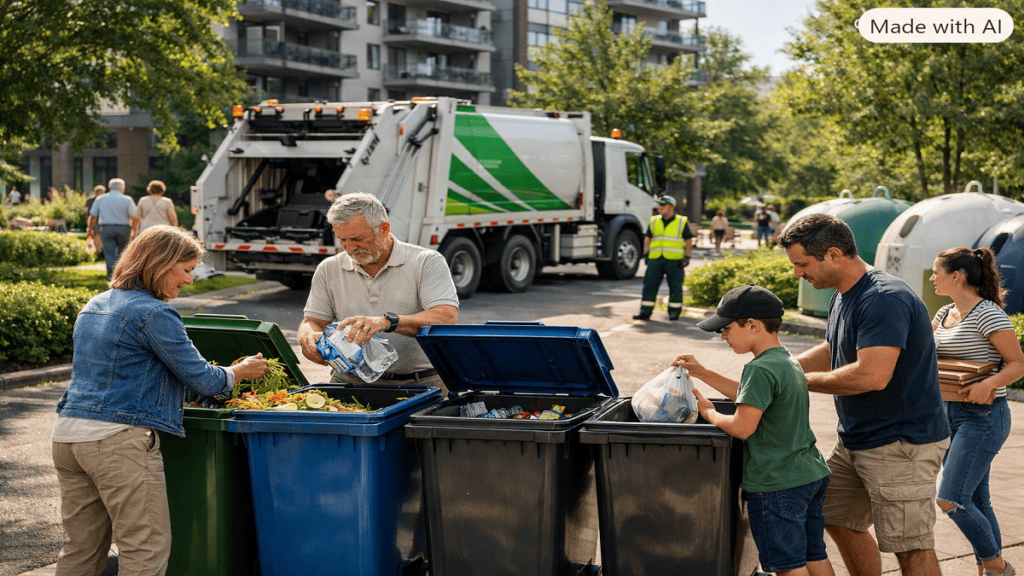
What Are the Benefits of Proper Waste Segregation for the Environment and Public Health?
Proper waste segregation is an essential practice that helps protect the environment, improve waste management efficiency, and safeguard public health. By separating waste into categories such as biodegradable waste, recyclables, hazardous materials, electronic waste, and non-recyclable waste, communities and organizations can ensure that each type of waste receives the appropriate treatment. Effective segregation reduces pollution, conserves resources, and minimizes health risks associated with improper waste disposal.
One of the major environmental benefits of waste segregation is reduced landfill dependency. When waste is mixed together, large quantities of recyclable and reusable materials often end up in landfills. Separating materials such as paper, plastics, glass, and metals allows them to be recovered and recycled, reducing the overall volume of waste requiring disposal. The U.S. Environmental Protection Agency emphasizes recycling and sustainable materials management as important approaches for conserving resources and reducing environmental impacts: https://www.epa.gov/recycle.
Waste segregation also helps conserve natural resources by increasing the recovery of valuable materials. Recycling paper reduces the need for additional tree harvesting, while recycling metals and plastics decreases the demand for raw material extraction. This reduces pressure on natural ecosystems, lowers energy consumption, and supports a circular economy where materials remain in use for longer periods.
Another significant environmental advantage is the reduction of pollution and greenhouse gas emissions. Proper separation of organic waste allows it to be treated through composting or anaerobic digestion rather than being disposed of in landfills. This reduces methane generation and creates useful resources such as compost and renewable energy. Similarly, separating hazardous waste prevents harmful chemicals from contaminating soil, water sources, and air.
From a public health perspective, proper waste segregation helps reduce exposure to hazardous substances. Waste materials such as batteries, chemicals, medical waste, and electronic devices may contain toxic components that can harm people if handled incorrectly. Segregation ensures these materials are collected and treated safely, protecting waste workers and nearby communities.
Waste segregation also improves hygiene and sanitation. Separating organic waste reduces unpleasant odors, pest activity, and the spread of disease-causing microorganisms. Cleaner waste collection systems create healthier living environments, especially in densely populated areas where poor waste management can contribute to public health problems.
For communities and organizations, proper waste segregation encourages environmental awareness and responsible behavior. It promotes sustainable habits and helps individuals understand the value of reducing, reusing, and recycling materials.
The United Nations Environment Programme supports improved waste management practices as a critical step toward reducing pollution and protecting human health: https://www.unep.org/.
In conclusion, proper waste segregation provides significant benefits for both the environment and public health. It reduces pollution, conserves resources, minimizes health risks, improves recycling efficiency, and supports sustainable waste management systems. By adopting effective segregation practices, individuals and organizations can contribute to a cleaner, safer, and healthier future.
What Are the Challenges and Best Practices for Effective Waste Segregation?
Effective waste segregation is a critical component of sustainable waste management, but implementing successful segregation systems can be challenging. Proper separation of waste requires cooperation from individuals, businesses, industries, and governments, along with suitable infrastructure and awareness programs. Addressing these challenges through best practices can significantly improve recycling efficiency, reduce pollution, and support a circular economy.
Challenges of Effective Waste Segregation
One of the biggest challenges is lack of public awareness and participation. Many people are unfamiliar with different waste categories or do not understand the importance of separating waste at the source. Incorrect disposal habits, such as mixing food waste with recyclable materials, can reduce the quality of recyclable resources and increase processing difficulties.
Another challenge is inadequate waste collection infrastructure. Effective segregation requires separate bins, collection systems, transportation methods, and processing facilities for different waste types. In many areas, limited resources and poor waste management infrastructure prevent proper segregation practices from being implemented.
Contamination of waste streams is another major issue. Even small amounts of food residue, chemicals, or hazardous materials mixed with recyclables can make entire batches difficult to process. This increases recycling costs and may result in recyclable materials being sent to landfills.
Industries and commercial organizations may also face challenges related to cost, training, and compliance. Establishing segregation systems requires investment in equipment, employee education, and monitoring procedures. Without proper management support, segregation programs may become inconsistent or ineffective.
Best Practices for Effective Waste Segregation
The first best practice is segregation at the source. Waste should be separated immediately where it is generated, such as homes, offices, factories, and construction sites. This prevents contamination and makes recycling and treatment processes more efficient.
Using clearly labeled and color-coded bins is another effective strategy. Separate containers for organic waste, recyclables, hazardous materials, and general waste help users identify the correct disposal method and reduce mistakes.
Education and awareness programs are essential for long-term success. Regular training, public campaigns, and workplace guidelines help people understand waste categories and encourage responsible disposal behavior. The U.S. Environmental Protection Agency provides resources on recycling and sustainable materials management practices: https://www.epa.gov/recycle.
Organizations should also establish monitoring and evaluation systems. Regular audits, waste tracking, and performance reviews help identify problems and improve segregation efficiency. Businesses can use waste management policies and employee training programs to maintain consistent practices.
Adopting extended producer responsibility (EPR) and circular economy approaches can further strengthen waste segregation systems. These strategies encourage manufacturers to design products that are easier to recycle and support better recovery of materials.
In conclusion, while waste segregation faces challenges such as contamination, lack of awareness, infrastructure limitations, and implementation costs, these issues can be addressed through proper planning, education, source separation, and effective waste management policies. By following best practices, communities and organizations can improve recycling outcomes, reduce environmental impact, and create more sustainable waste management systems.
Case Study of Waste Segregation: Indore’s Successful Waste Management Model
Introduction
Waste segregation is one of the most effective strategies for improving waste management efficiency, reducing landfill dependency, and promoting recycling. A successful example of large-scale waste segregation can be seen in Indore, Madhya Pradesh, India, which transformed its waste management system through source segregation, public participation, and efficient collection practices. The city’s approach demonstrates how proper planning and community involvement can create a cleaner and more sustainable urban environment.
Background
Before implementing major waste management reforms, Indore faced challenges common to many rapidly growing cities, including mixed waste disposal, overflowing dumping sites, and limited recycling efficiency. To address these issues, the municipal administration introduced a comprehensive waste segregation program focused on separating wet waste, dry waste, and domestic hazardous waste at the source.
The initiative was developed under the broader framework of India’s Swachh Bharat Mission, which promotes improved sanitation, waste collection, and scientific waste processing. More information about the national cleanliness initiative is available at https://swachhbharatmission.gov.in/.
Implementation of Waste Segregation Practices
A key factor behind Indore’s success was the introduction of door-to-door waste collection with segregation at the household level. Residents were encouraged to separate biodegradable waste from recyclable and non-recyclable materials before collection. Municipal workers collected different waste streams separately, preventing contamination and improving recycling efficiency.
The city also focused on awareness campaigns to educate citizens about the importance of waste segregation. Schools, residential communities, businesses, and public organizations participated in programs designed to encourage responsible waste disposal habits.
Organic waste collected from households was processed through composting and other treatment methods, while dry waste was sent for material recovery and recycling. This approach reduced the amount of waste sent to landfill sites and improved resource recovery.
Environmental and Social Benefits
The implementation of effective segregation practices resulted in several environmental benefits. Separating organic waste reduced landfill pressure and enabled the production of compost, which supports agricultural activities. Recovering recyclable materials such as paper, plastic, glass, and metals helped conserve resources and reduce the need for new raw materials.
The program also improved public health by reducing open waste accumulation, controlling odors, and minimizing conditions that attract pests and disease-carrying organisms. Cleaner surroundings contributed to a better quality of life for residents.
Key Lessons from the Case Study
The Indore model highlights several important lessons for successful waste segregation:
- Community participation is essential: Citizens must understand and actively follow segregation practices.
- Consistent collection systems improve results: Separate collection prevents waste streams from mixing.
- Awareness and education create long-term behavioral change: Regular communication helps maintain participation.
- Efficient processing facilities are necessary: Segregated waste must have proper recycling, composting, or treatment pathways.
The United Nations Environment Programme emphasizes the importance of integrated waste management systems that combine waste reduction, recycling, and resource recovery: https://www.unep.org/.
Conclusion
The waste segregation system implemented in Indore demonstrates that effective waste management requires collaboration between governments, communities, and waste workers. Through source segregation, public awareness, and efficient processing systems, the city successfully improved recycling rates, reduced environmental impacts, and created a model that can inspire other urban areas. This case study proves that waste segregation is not only a disposal strategy but also a pathway toward sustainable resource management and a cleaner future.
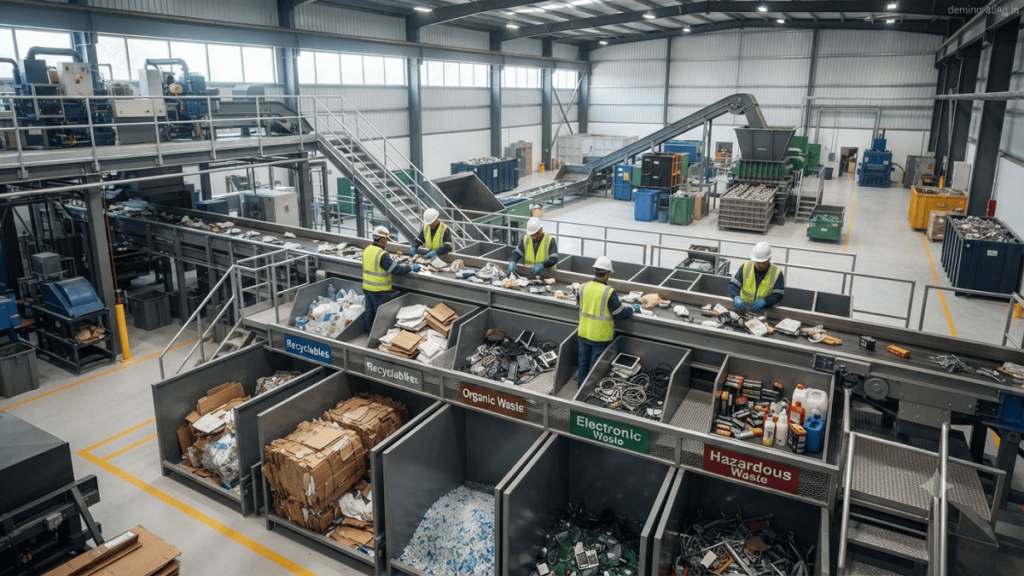
White Paper on Waste Segregation: Building Sustainable Waste Management Systems
Executive Summary
Waste segregation is a fundamental practice in modern waste management that involves separating waste into different categories at the point of generation to enable efficient recycling, treatment, and disposal. With increasing urbanization, population growth, and rising waste generation, effective segregation has become essential for reducing environmental pollution, conserving resources, and protecting public health. This white paper examines the importance, challenges, best practices, and future opportunities associated with waste segregation.
Introduction
Global waste generation continues to increase due to industrial growth, changing consumption patterns, and urban expansion. Traditional waste disposal methods, particularly landfill-based systems, create environmental challenges such as greenhouse gas emissions, soil contamination, and resource depletion. Waste segregation provides a practical solution by separating valuable materials from general waste and enabling their recovery through recycling, composting, and other treatment methods.
The U.S. Environmental Protection Agency recognizes recycling and sustainable materials management as important approaches for reducing waste and improving resource efficiency. More information is available at https://www.epa.gov/recycle.
Importance of Waste Segregation
Waste segregation improves the efficiency of recycling systems by preventing contamination between different waste streams. Materials such as paper, plastics, metals, and glass can be recovered more effectively when they are separated from organic and hazardous waste.
Segregation also supports resource conservation by reducing the demand for virgin raw materials. Recycling recovered materials requires less energy compared with producing new materials from natural resources, helping reduce greenhouse gas emissions and environmental damage.
From a public health perspective, proper segregation ensures hazardous waste, including chemicals, medical waste, batteries, and electronic waste, receives appropriate treatment. This reduces risks to waste workers, communities, and ecosystems.
Categories of Waste Segregation
Effective waste segregation typically includes the following categories:
- Biodegradable Waste: Food scraps, garden waste, and organic materials suitable for composting or biological treatment.
- Recyclable Waste: Paper, cardboard, metals, glass, and recyclable plastics that can be processed into new products.
- Hazardous Waste: Chemicals, batteries, medical waste, and materials requiring specialized handling.
- Electronic Waste: Discarded electronic devices containing recoverable materials and potentially harmful substances.
- Non-Recyclable Waste: Materials that cannot currently be economically reused or recycled.
Challenges in Waste Segregation
Despite its benefits, waste segregation faces several challenges. Lack of public awareness, inadequate infrastructure, improper collection systems, and contamination of waste streams are major barriers. Many communities struggle with limited access to separate collection facilities and recycling infrastructure.
Organizations and municipalities may also face financial challenges due to the cost of implementing segregation programs, training workers, and maintaining processing facilities.
Best Practices for Effective Waste Segregation
Successful waste segregation requires a combination of education, infrastructure, and policy support. Key practices include:
- Implementing segregation at the source of waste generation.
- Providing clearly labeled and color-coded collection bins.
- Conducting public awareness and employee training programs.
- Establishing separate collection and transportation systems.
- Developing recycling and composting facilities.
- Monitoring waste management performance through regular audits.
The United Nations Environment Programme promotes integrated waste management approaches that focus on waste reduction, recycling, and sustainable resource recovery: https://www.unep.org/.
Future Opportunities
The future of waste segregation will be influenced by technological innovation and circular economy principles. Smart waste collection systems, artificial intelligence-based sorting technologies, digital waste tracking platforms, and improved recycling infrastructure can enhance segregation efficiency.
Governments and industries are also increasingly adopting policies such as extended producer responsibility (EPR), encouraging manufacturers to design products that generate less waste and are easier to recycle.
Conclusion
Waste segregation is a critical component of sustainable waste management that helps reduce landfill dependency, improve recycling efficiency, conserve resources, and protect public health. Although challenges remain, investment in education, infrastructure, technology, and policy development can create more effective segregation systems. By adopting proper waste segregation practices, societies can move toward a circular economy and build cleaner, healthier, and more sustainable communities.
Industry Application of Waste Segregation
Waste segregation has become an essential practice across industries as organizations focus on improving resource efficiency, reducing environmental impact, and complying with sustainability regulations. By separating waste into categories such as recyclable materials, organic waste, hazardous waste, electronic waste, and general waste, industries can improve recycling rates, reduce disposal costs, and support circular economy initiatives. Effective waste segregation is no longer limited to waste management facilities; it is now integrated into manufacturing, construction, healthcare, hospitality, retail, and other major sectors.
Construction and Real Estate Industry
The construction industry generates large volumes of waste, including concrete, wood, metals, glass, plastics, and packaging materials. Waste segregation helps construction companies separate reusable and recyclable materials from general waste. Concrete and bricks can be processed for reuse, metals can be recovered and recycled, and reclaimed wood can be used in new projects. This reduces landfill dependency and supports sustainable building practices. The U.S. Environmental Protection Agency highlights construction and demolition material recovery as an important part of sustainable waste management: https://www.epa.gov/smm/sustainable-management-construction-and-demolition-materials.
Manufacturing Industry
Manufacturing facilities use waste segregation systems to manage production waste such as metal scraps, plastics, chemicals, packaging materials, and industrial by-products. Separating materials at the production stage allows companies to recover valuable resources, reduce raw material consumption, and improve operational efficiency. Many manufacturers integrate segregation into their environmental management systems to achieve sustainability targets and reduce waste disposal expenses.
Healthcare Industry
Hospitals and healthcare facilities require specialized waste segregation because they generate different types of waste, including biomedical waste, pharmaceutical waste, plastics, and general waste. Proper separation prevents hazardous materials from mixing with regular waste and reduces health risks for healthcare workers, waste handlers, and communities. Segregation also ensures that medical waste is treated through appropriate methods such as sterilization or controlled disposal.
Hospitality and Food Service Industry
Hotels, restaurants, and food service businesses generate significant amounts of organic waste, packaging waste, and recyclable materials. Waste segregation enables these organizations to separate food waste for composting or anaerobic digestion while recovering materials such as glass, cardboard, and plastics. These practices help reduce disposal costs and support sustainable business operations.
Retail and Commercial Sector
Retail stores and commercial offices use waste segregation systems to manage packaging waste, paper, electronics, and general waste. Separating recyclable materials helps companies reduce waste volumes and improve their environmental performance. Many businesses also use segregation programs as part of corporate sustainability and environmental responsibility initiatives.
Electronic and Technology Industry
The technology sector produces significant amounts of electronic waste, including computers, batteries, cables, and electronic components. Proper segregation allows valuable materials such as metals, plastics, and glass to be recovered while ensuring hazardous substances are handled safely. E-waste management reduces environmental risks and supports responsible resource recovery.
Challenges and Future Opportunities
Although industries benefit from waste segregation, challenges such as employee awareness, infrastructure costs, inconsistent waste collection systems, and contamination of waste streams remain. Implementing employee training, automated sorting technologies, digital tracking systems, and clear waste management policies can improve effectiveness.
The United Nations Environment Programme promotes sustainable waste management practices that focus on reducing waste generation, increasing recycling, and improving resource recovery: https://www.unep.org/.
Conclusion
Waste segregation has wide-ranging applications across industries, helping organizations reduce waste, recover valuable resources, protect public health, and achieve sustainability goals. From construction and manufacturing to healthcare, hospitality, and technology sectors, effective segregation practices contribute to a more efficient and environmentally responsible approach to waste management. As industries continue adopting circular economy strategies, waste segregation will become an increasingly important part of sustainable operations worldwide.
Ask FAQs
What is waste segregation?
Waste segregation is the process of separating waste into different categories based on its type and disposal requirements. Common categories include biodegradable waste, recyclable materials, hazardous waste, electronic waste, and non-recyclable waste. Separating waste at the source helps improve recycling efficiency, reduce landfill waste, and ensure safer disposal methods.
Why is waste segregation important?
Waste segregation is important because it helps reduce environmental pollution, conserve natural resources, and improve waste management systems. Proper separation allows recyclable materials to be recovered, organic waste to be composted, and hazardous waste to be treated safely. It also reduces the amount of waste sent to landfills and supports a circular economy approach.
What are the main categories of waste segregation?
The main categories of waste segregation include biodegradable waste, recyclable waste, hazardous waste, electronic waste, and non-recyclable waste. Biodegradable waste includes food and garden waste, recyclable waste includes paper, plastic, glass, and metals, while hazardous and electronic waste require specialized handling due to potential health and environmental risks.
How does waste segregation help recycling?
Waste segregation improves recycling by keeping recyclable materials clean and separated from contaminated waste. When materials such as paper, plastics, metals, and glass are properly sorted, recycling facilities can process them more efficiently and convert them into new products. This reduces the need for raw material extraction and lowers environmental impacts. More information is available from the U.S. Environmental Protection Agency: https://www.epa.gov/recycle
What are the best practices for effective waste segregation?
Best practices for effective waste segregation include separating waste at the source, using clearly labeled collection bins, educating communities and employees, maintaining separate collection systems, and regularly monitoring waste management processes. Organizations should also promote recycling, composting, and responsible disposal methods to create efficient and sustainable waste management systems.
Table of Contents
Disclaimer: This content is for informational purposes only. Waste management practices may vary based on local regulations and requirements. Always consult relevant authorities or waste management professionals for specific guidelines.