
ERADICATING POVERTY
What Are the Most Effective Strategies for Eradicating Poverty?
Eradicating poverty requires more than increasing household income. Poverty is closely connected to limited access to education, healthcare, employment, financial services, housing, social protection, Eradicating Poverty and productive resources. Sustainable poverty reduction therefore requires coordinated economic, social, and institutional policies that address both immediate needs and the underlying causes of deprivation. Sustainable Development Goal 1 (SDG 1) calls for ending poverty in all its forms everywhere.
1. Creating Decent Employment Opportunities
Access to stable and fairly paid employment is one of the most important pathways out of poverty. Governments can support job creation by encouraging investment, developing infrastructure, supporting small businesses, improving labor-market systems, and expanding vocational and technical training. Employment policies should also promote equal opportunities for women, young people, and other disadvantaged groups. The World Bank’s employment and labor resources emphasize the connection between accessible, productive jobs Eradicating Poverty and poverty reduction.
2. Expanding Education and Human Capital
Quality education helps people develop the knowledge and skills needed to access better economic opportunities. Investment in schools, vocational education, digital skills, and lifelong learning can increase productivity and improve earning potential. Health is equally important because poor health can reduce a person’s ability to work and increase household expenses. The World Bank’s Human Capital Report identifies health, skills, knowledge, and experience as important foundations for economic growth Eradicating Poverty and poverty reduction.
3. Strengthening Social Protection
Social protection programs such as cash transfers, pensions, unemployment assistance, food support, and public employment programs can protect vulnerable households from economic shocks. Well-designed systems can also help families invest in education, healthcare, skills, and productive activities. However, substantial coverage gaps remain globally, making expansion and improved targeting important priorities.
4. Improving Access to Economic Resources
Poverty reduction also depends on access to land, financial services, technology, markets, infrastructure, and productive assets. Supporting entrepreneurship and small enterprises can help people generate sustainable incomes rather than depending exclusively on temporary assistance. Financial inclusion, including responsible access to savings, credit, Eradicating Poverty Eradicating Poverty and insurance, can further strengthen economic resilience.
5. Reducing Inequality and Building Resilience
Economic growth does not automatically benefit everyone equally. Policies should ensure that vulnerable populations can participate in economic opportunities and access essential services. Climate change, disasters, conflict, and economic crises can push vulnerable households back into poverty, making resilient infrastructure, social protection, Eradicating Poverty and disaster preparedness essential. The United Nations identifies resilience to economic, social, Eradicating Poverty and environmental shocks as an important component of SDG 1.
Conclusion
The most effective approach to poverty eradication combines decent employment, education, healthcare, social protection, financial inclusion, equal access to resources, and resilience-building. No single intervention can eliminate poverty on its own. Long-term progress requires coordinated policies, effective institutions, investment in people, Eradicating Poverty and targeted support for the most vulnerable communities. Current global evidence also shows that progress requires renewed investment: the UN reports that progress toward ending extreme poverty has stalled, reinforcing the need for stronger Eradicating Poverty and more inclusive action.
What Are the Major Causes and Challenges Associated With Poverty?
Poverty is a complex social and economic condition in which individuals or households lack sufficient income Eradicating Poverty and resources to meet basic needs and participate fully in society. It is influenced by multiple interconnected factors, including limited employment opportunities, inadequate education, inequality, poor access to essential services, conflict, and environmental shocks. Understanding these causes is essential for developing effective strategies to reduce and ultimately eradicate poverty.
1. Unemployment and Low-Income Employment
A major cause of poverty is the lack of stable, productive, and adequately paid employment. People may be employed but still remain poor when wages are insufficient, working conditions are insecure, or employment is seasonal. Limited access to formal employment can also make households vulnerable to sudden income losses.
2. Limited Access to Education
Education provides individuals with knowledge and skills that can improve employment opportunities and earning potential. Poor access to quality education can therefore contribute to a cycle of poverty that continues across generations. Children from low-income households may face additional barriers, including school costs, inadequate infrastructure, and the need to contribute to household income.
3. Inequality and Unequal Access to Resources
Unequal distribution of income, land, financial services, technology, and economic opportunities can make poverty more difficult to overcome. When disadvantaged groups have limited access to productive resources, they may struggle to improve their economic circumstances. The World Bank identifies inequality and unequal opportunities as important considerations in poverty reduction.
4. Poor Access to Healthcare and Basic Services
Healthcare costs, malnutrition, inadequate sanitation, unsafe drinking water, and limited access to housing and essential services can deepen poverty. Illness can reduce a person’s ability to work while simultaneously increasing household expenses, creating a cycle that is difficult to escape.
5. Conflict, Political Instability, and Displacement
Armed conflict, political instability, and displacement can destroy livelihoods, infrastructure, businesses, and public services. People affected by conflict may lose homes, employment, education, and access to healthcare. The United Nations recognizes conflict and crises as significant barriers to poverty reduction.
6. Climate Change and Environmental Disasters
Floods, droughts, cyclones, heatwaves, and other environmental hazards can disproportionately affect low-income communities because they often have fewer resources to recover from disasters. Climate change can damage agriculture, housing, infrastructure, and livelihoods, potentially pushing vulnerable households further into poverty.
7. Weak Social Protection Systems
Without effective social protection, households may have little support during unemployment, illness, disability, economic crises, or natural disasters. Limited coverage can leave vulnerable populations exposed to severe financial hardship.
Major Challenges in Tackling Poverty
Eradicating poverty is challenging because its causes are interconnected and vary between countries and communities. Rapid population growth, inequality, informal employment, limited public resources, corruption, weak institutions, Eradicating Poverty and economic shocks can make poverty-reduction efforts more difficult. Progress can also be reversed when communities experience conflict, pandemics, or climate-related disasters.
According to the United Nations Sustainable Development Goals, ending poverty in all its forms requires coordinated action across economic, social, and environmental areas.
Ultimately, poverty cannot be addressed through income support alone. Sustainable progress requires quality employment, education, healthcare, social protection, inclusive economic growth, effective governance, and resilience to environmental Eradicating Poverty and economic shocks. Addressing these interconnected challenges is essential for creating long-term opportunities and improving living standards for vulnerable populations.
How Can Education, Employment, and Economic Opportunities Help Reduce Poverty?
Education, employment, and economic opportunities are three of the most important foundations for reducing poverty. They help individuals develop skills, earn stable incomes, improve living conditions, and become more resilient to economic challenges. When these areas are strengthened together, they can break the cycle of poverty and create opportunities for long-term economic and social development.
Education Builds Skills and Opportunities
Quality education is a powerful tool for poverty reduction because it improves people’s knowledge, skills, and ability to participate in the economy. Basic education provides essential literacy and numeracy, while secondary, technical, Eradicating Poverty and higher education can prepare individuals for specialized occupations and entrepreneurship.
Education can also improve access to better-paying and more secure employment. For children from low-income households, access to quality education can reduce the likelihood that poverty will continue from one generation to the next. Investments in teacher quality, school infrastructure, vocational training, digital literacy, Eradicating Poverty and affordable education can therefore contribute significantly to poverty reduction.
The World Bank highlights education as an important contributor to human capital development and economic opportunity.
Employment Provides Sustainable Income
Employment provides people with a regular source of income and allows households to meet essential needs such as food, housing, healthcare, and education. However, poverty reduction depends not only on the number of jobs created but also on the quality, productivity, stability, Eradicating Poverty and wages associated with those jobs.
Governments and businesses can support employment by investing in infrastructure, encouraging entrepreneurship, developing industries, expanding vocational training, and improving access to labor markets. Special attention should be given to young people, women, persons with disabilities, Eradicating Poverty and other groups that may face barriers to employment.
The International Labour Organization (ILO) emphasizes productive employment and decent work as important components of inclusive economic development.
Economic Opportunities Promote Self-Reliance
Access to economic opportunities allows people to participate more actively in markets and build sustainable livelihoods. Small-business development, agricultural productivity, financial inclusion, access to credit, digital services, property rights, and improved market access can help individuals and communities generate income.
Entrepreneurship can be particularly important in areas where formal employment opportunities are limited. Small and medium-sized enterprises can create jobs while providing goods and services to local communities. Access to responsible financial services can also help households save, invest, manage risks, and expand productive activities.
Combining the Three Approaches
Education, employment, and economic opportunity are most effective when developed together. Education provides the skills needed for employment; employment generates income; Eradicating Poverty and access to economic opportunities enables people to invest, expand businesses, and improve their economic security.
The United Nations Sustainable Development Goals recognize poverty eradication as closely connected to inclusive economic development and improved access to opportunities.
Ultimately, reducing poverty requires more than short-term financial assistance. Investing in people, creating decent jobs, and expanding fair economic opportunities can help individuals become economically independent and build more secure futures. When supported by effective institutions, social protection, and inclusive policies, these measures can create sustainable pathways out of poverty.
What Role Can Governments, Businesses, and Communities Play in Eradicating Poverty?
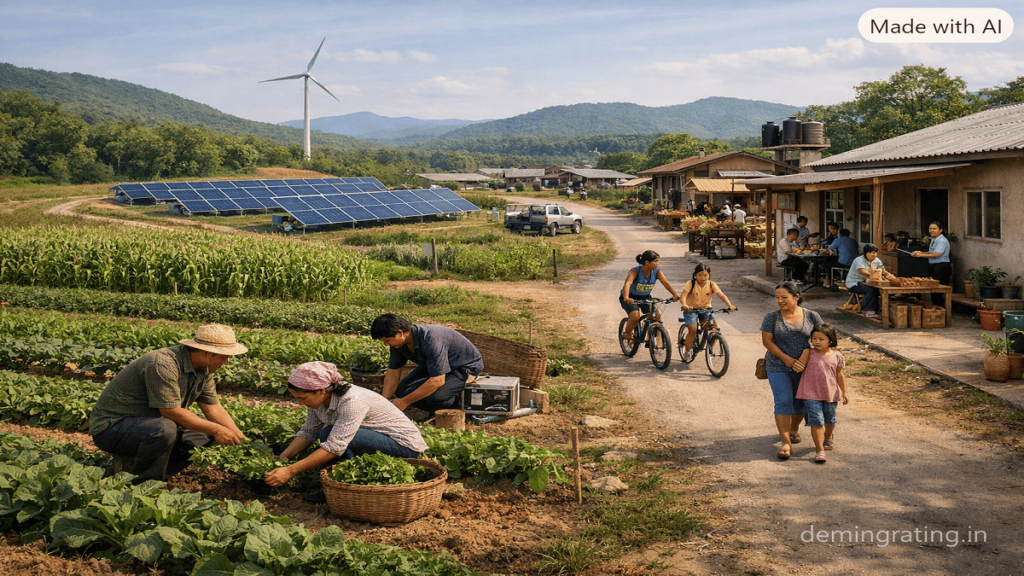
Eradicating poverty requires coordinated action from governments, businesses, communities, civil society organizations, and individuals. Poverty is influenced by employment, education, healthcare, inequality, infrastructure, social protection, and access to economic opportunities. Because these factors are interconnected, no single institution can address poverty effectively on its own. Governments can establish policies and social systems, businesses can create economic opportunities, and communities can ensure that development reaches people who need it most.
Role of Governments
Governments have a central responsibility in creating the conditions necessary for poverty reduction. They can invest in education, healthcare, housing, sanitation, transportation, and other essential public services. Governments can also establish social protection programmes such as income support, pensions, unemployment assistance, food security programmes, and targeted benefits for vulnerable households.
Another important responsibility is creating an environment that supports productive employment and entrepreneurship. Policies that encourage investment, improve infrastructure, strengthen skills development, and protect workers can increase access to decent employment. Effective governance, transparent institutions, and equitable public spending are also essential.
The United Nations Sustainable Development Goals identify poverty eradication as a global development priority and emphasize the importance of social protection and equal access to economic resources.
Role of Businesses
Businesses can contribute to poverty reduction by creating decent and productive employment. Fair wages, safe working conditions, skills development, and opportunities for career advancement can improve household incomes and economic security.
Companies can also support local communities through responsible supply chains, small-business partnerships, apprenticeships, entrepreneurship programmes, and investments in local infrastructure. Financial institutions can contribute by expanding responsible access to savings, payments, credit, and insurance for underserved populations.
Businesses should also consider the social consequences of their operations. Responsible business practices can help ensure that economic growth creates opportunities rather than increasing inequality or harming vulnerable communities.
The International Labour Organization (ILO) provides guidance on productive employment and decent work, both of which are important elements of inclusive economic development.
Role of Communities
Communities play a vital role because local people understand their own needs, challenges, resources, and priorities. Community organizations can support education, health initiatives, skills training, food security, financial inclusion, and local entrepreneurship.
Community participation can also improve the effectiveness of poverty-reduction programmes. When people are involved in planning and decision-making, programmes are more likely to reflect local conditions and reach intended beneficiaries. Community-based organizations can additionally help vulnerable households access government programmes and essential services.
Working Together
The greatest impact occurs when governments, businesses, and communities work together. Governments can establish policies and provide public infrastructure, businesses can generate employment and investment, and communities can identify local priorities and participate in implementation.
Ultimately, poverty eradication requires a whole-of-society approach based on inclusive economic growth, social protection, quality public services, decent work, equal opportunities, and community participation. Coordinated action can help transform short-term poverty-reduction efforts into sustainable improvements in income, living standards, and economic resilience.
What Sustainable Strategies Can Help Create Long-Term Economic Security for Vulnerable Communities?
Creating long-term economic security for vulnerable communities requires strategies that go beyond short-term poverty relief. Sustainable approaches should help people increase their income, build assets, access essential services, manage economic shocks, and participate in local economic development. A combination of employment, education, social protection, financial inclusion, and climate resilience can create stronger and more stable livelihoods.
1. Promote Decent and Sustainable Employment
Stable employment is one of the strongest foundations of economic security. Governments and businesses can create opportunities through infrastructure development, local industries, vocational training, apprenticeships, and support for small and medium-sized enterprises. Jobs should provide fair wages, safe working conditions, and reasonable employment security.
The International Labour Organization (ILO) emphasizes productive employment and decent work as important components of inclusive economic development.
2. Invest in Education and Skills Development
Education and vocational training can help people access higher-productivity employment and adapt to changing labor markets. Digital skills, technical education, entrepreneurship training, and lifelong learning are particularly valuable as economies become increasingly technology-driven.
Improving access to quality education for children and young people can also prevent poverty from being transferred between generations. The World Bank identifies education and human capital as important foundations for economic opportunity.
3. Strengthen Social Protection
Social protection systems can protect vulnerable households from unemployment, illness, disasters, economic downturns, and other shocks. Cash transfers, pensions, unemployment support, food assistance, Eradicating Poverty and public employment programmes can provide immediate protection while helping households maintain investments in education, healthcare, and livelihoods.
Effective social protection should be accessible, transparent, and responsive to changing needs. The World Bank’s Social Protection and Labor programme provides extensive resources on building resilient social protection systems.
4. Expand Financial Inclusion
Access to affordable and responsible financial services can help households save money, invest in businesses, manage emergencies, and protect themselves against financial shocks. Savings accounts, payment services, insurance, and appropriately designed credit can be particularly useful for people who have historically lacked access to formal financial institutions.
5. Support Local Businesses and Entrepreneurship
Small businesses, cooperatives, farmers, and local entrepreneurs can create employment and strengthen community economies. Governments and development organizations can support them through training, market access, infrastructure, business services, technology, and responsible financing.
6. Build Climate and Disaster Resilience
Vulnerable communities are often particularly exposed to floods, droughts, extreme heat, and other climate-related hazards. Investing in resilient infrastructure, climate-smart agriculture, water management, disaster preparedness, and diversified livelihoods can reduce the risk of households falling back into poverty after a crisis.
The United Nations Development Programme (UNDP) provides resources on inclusive development, resilience, and poverty reduction.
Conclusion
Long-term economic security depends on creating stable livelihoods, stronger human capital, financial resilience, effective social protection, and access to sustainable economic opportunities. These strategies are most effective when communities participate in planning and when governments, businesses, financial institutions, and civil society organizations work together. By addressing both immediate vulnerabilities and the structural causes of poverty, societies can create more inclusive economies in which vulnerable communities have greater capacity to build secure and independent futures.
Case Study: Brazil’s Approach to Eradicating Poverty Through Bolsa Família
Brazil’s Bolsa Família programme provides an important case study of how targeted social protection can contribute to poverty reduction. Introduced in 2003, the programme combined financial assistance for low-income households with measures designed to improve access to education, healthcare, and other essential services. It became one of the best-known examples of using conditional cash transfers as part of a broader poverty-reduction strategy.
Programme Approach
The central feature of Bolsa Família was the provision of cash transfers to eligible low-income families. The programme was designed not only to provide immediate financial support but also to encourage investments in human development. Participating families were expected to meet certain conditions related to areas such as children’s school attendance and healthcare requirements.
This approach recognized that poverty is multidimensional. Providing income support can help families meet immediate needs, while education and healthcare investments can improve children’s future opportunities and reduce the likelihood that poverty will continue across generations.
The World Bank has documented Brazil’s experience with conditional cash transfers and their role in poverty reduction.
Impact on Vulnerable Households
Bolsa Família contributed to improved access to basic services among poor households and became an important component of Brazil’s social protection system. By directing financial assistance toward households with limited resources, the programme helped increase their ability to purchase food, maintain children in school, and access essential services.
The programme also demonstrated the importance of having a system capable of identifying and reaching vulnerable households. Brazil’s social registry helped government authorities target social programmes toward families experiencing economic hardship.
According to the World Bank, Brazil’s experience showed how social protection programmes could be combined with investments in human capital to address both immediate poverty and longer-term development challenges.
Lessons for Poverty Eradication
The Brazilian experience provides several important lessons. First, income support can protect households from severe deprivation, particularly during periods of economic difficulty. Second, linking social assistance with education and healthcare can help address some of the underlying causes of persistent poverty. Third, effective targeting Eradicating Poverty and administrative systems are essential for ensuring that assistance reaches intended beneficiaries.
However, cash-transfer programmes alone cannot completely eradicate poverty. Long-term poverty reduction also requires productive employment, quality education, healthcare, infrastructure, economic growth, financial inclusion, and opportunities for entrepreneurship.
The International Labour Organization (ILO) similarly emphasizes the importance of comprehensive social protection systems in reducing vulnerability and promoting economic security.
Conclusion
Brazil’s Bolsa Família programme demonstrates how social protection combined with human-capital development can become an effective component of a broader poverty-reduction strategy. Its experience highlights the importance of supporting vulnerable households while simultaneously investing in children’s education, healthcare, employment opportunities, Eradicating Poverty and economic participation.
The key lesson is that poverty eradication requires more than temporary financial assistance. Sustainable progress depends on creating conditions in which families can develop skills, secure decent employment, build assets, withstand economic shocks, and achieve greater economic independence. The Brazilian case therefore provides a useful model for understanding how coordinated social policies can contribute to long-term poverty reduction.
White Paper: Eradicating Poverty
Executive Summary
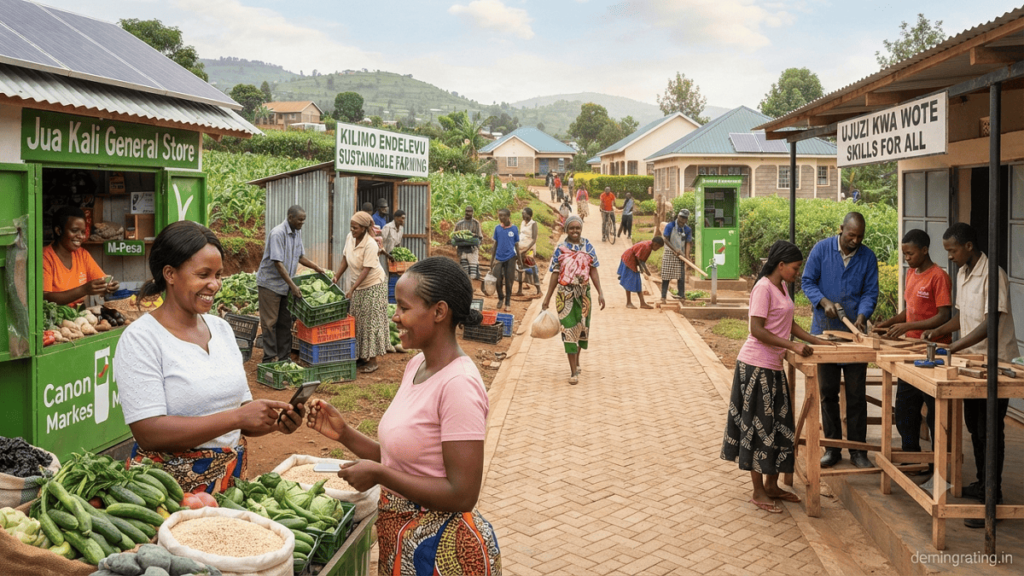
Eradicating poverty is one of the most important global development challenges. Poverty extends beyond inadequate income Eradicating Poverty and can involve limited access to education, healthcare, housing, employment, social protection, financial services, and productive resources. Sustainable poverty eradication therefore requires coordinated economic and social policies that create opportunities while protecting vulnerable populations from economic, social, and environmental shocks.
The United Nations Sustainable Development Goals (SDGs) establish SDG 1: No Poverty, which calls for ending poverty in all its forms everywhere. Achieving this objective requires inclusive economic development, effective social protection, equal access to resources, and stronger resilience among vulnerable communities.
Understanding Poverty
Poverty is influenced by interconnected economic, social, institutional, and environmental factors. Unemployment, low wages, inadequate education, poor healthcare access, inequality, discrimination, conflict, weak infrastructure, Eradicating Poverty and climate-related disasters can all increase vulnerability.
Extreme poverty remains a major global concern, and progress can be disrupted by economic crises, conflict, climate change, and other shocks. The World Bank tracks global poverty trends and emphasizes the importance of inclusive growth and policies that expand opportunities for disadvantaged populations.
Strategic Framework for Poverty Eradication
A comprehensive poverty-eradication strategy should begin with decent employment and productive livelihoods. Economic policies should support job creation, entrepreneurship, small businesses, agriculture, and skills development. Employment should provide fair wages, safe working conditions, and opportunities for advancement.
Education and healthcare are equally important. Quality education improves skills and earning potential, while accessible healthcare protects households from expenses and productivity losses associated with illness. Investment in human capital can help prevent poverty from being passed from one generation to the next.
Social protection provides another essential layer of security. Cash transfers, pensions, unemployment assistance, food programmes, disability support, and other measures can protect households during economic shocks. According to the International Labour Organization (ILO), comprehensive social protection systems can help reduce poverty and inequality while strengthening economic security.
Inclusive Economic Opportunities
Poverty reduction becomes more sustainable when vulnerable populations can participate in economic activity. Financial inclusion, access to markets, digital technology, land and productive assets, infrastructure, and business development services can help individuals and communities build sustainable livelihoods.
Governments and businesses should also promote inclusive growth by reducing barriers faced by women, young people, persons with disabilities, rural communities, and other disadvantaged groups.
Climate Resilience and Poverty
Climate change presents an additional challenge because vulnerable communities often have fewer resources to recover from floods, droughts, heatwaves, and other environmental shocks. Poverty-eradication strategies should therefore include climate-resilient infrastructure, sustainable agriculture, disaster preparedness, water security, Eradicating Poverty and diversified livelihoods.
The United Nations Development Programme (UNDP) highlights the importance of inclusive development and resilience in addressing poverty and inequality.
Governance and Community Participation
Strong institutions and effective governance are essential for ensuring that poverty-reduction programmes reach their intended beneficiaries. Transparent systems, reliable data, accountable public spending, and effective monitoring can improve programme outcomes.
Community participation should also be incorporated into planning and implementation. Local communities understand their specific needs and can help design solutions that are practical, inclusive, and culturally appropriate.
Conclusion
Eradicating poverty requires a long-term, integrated approach rather than a single intervention. Governments must strengthen public services and social protection, businesses must create decent employment and economic opportunities, and communities must participate in development decisions.
The most sustainable framework combines education, healthcare, decent employment, social protection, financial inclusion, inclusive economic growth, effective governance, and climate resilience. By addressing both the immediate needs and structural causes of poverty, societies can create greater economic security and expand opportunities for vulnerable populations.
Poverty eradication is ultimately not only an economic objective but also a foundation for inclusive, resilient, and sustainable development.
Industry Application of Eradicating Poverty
Eradicating poverty is not only a responsibility of governments and development organizations; businesses and industries can also play an important role by creating employment, expanding economic opportunities, developing local supply chains, Eradicating Poverty and supporting inclusive growth. When poverty-reduction principles are integrated into business strategies, industries can contribute to stronger communities while creating sustainable economic value.
Manufacturing Industry
Manufacturing can contribute to poverty reduction by creating stable employment and developing local suppliers. Factories can recruit and train workers from surrounding communities, provide apprenticeships, and support skill-development programmes. Purchasing materials and services from local businesses can further distribute economic benefits throughout the community.
Companies can also improve workers’ economic security through fair wages, safe working conditions, social protection, and opportunities for career advancement. The International Labour Organization (ILO) emphasizes productive employment and decent work as important components of inclusive development.
Agriculture and Food Industry
Agriculture remains an important source of income for many low-income and rural communities. Businesses can support poverty reduction by providing farmers with access to markets, technology, training, financing, storage, transportation, Eradicating Poverty and improved agricultural inputs.
Responsible supply-chain partnerships can help small farmers obtain more reliable incomes while reducing losses and improving productivity. Sustainable agricultural practices can also strengthen resilience against climate-related risks.
Financial Services
Banks, microfinance institutions, insurance companies, and digital-finance providers can contribute by expanding responsible financial inclusion. Affordable savings accounts, payment systems, insurance products, and appropriate credit can help low-income households manage financial shocks and invest in productive activities.
The World Bank’s Global Findex provides data and insights into global access to financial services and financial inclusion.
Technology and Digital Industry
The technology sector can reduce economic barriers by expanding access to digital education, online employment, digital payments, and information. Digital platforms can connect entrepreneurs and workers with customers and employment opportunities beyond their immediate geographic areas.
However, digital inclusion requires affordable internet access, appropriate skills, and protection against digital exploitation and financial risks.
Infrastructure and Construction
Infrastructure projects can generate employment while improving long-term economic opportunities. Roads, public transportation, electricity, clean water, sanitation, housing, and digital infrastructure can connect communities with markets, schools, healthcare facilities, and employment.
Projects that prioritize local hiring and skills development can ensure that infrastructure investment produces direct benefits for vulnerable communities.
Healthcare and Education
Healthcare and education industries contribute to poverty reduction by improving human capital. Affordable healthcare can prevent medical expenses from pushing households deeper into poverty, while quality education and vocational training can increase future earning potential.
Conclusion
Across industries, poverty reduction can be integrated into business operations through decent employment, local procurement, skills development, financial inclusion, responsible supply chains, infrastructure investment, and access to essential services. Companies can also work with governments, communities, and development organizations to design initiatives that address local needs.
The United Nations Sustainable Development Goals emphasize ending poverty as a shared development objective. Businesses that incorporate inclusive growth and social responsibility into their strategies can contribute to this goal while strengthening local economies and developing more resilient markets.
Ultimately, industry application of poverty-eradication strategies should focus on creating sustainable economic opportunities rather than short-term assistance alone. When businesses help people develop skills, secure decent employment, access financial services, and participate in markets, they can contribute meaningfully to long-term economic security and inclusive development.
Ask FAQs
What is the main goal of eradicating poverty?
The main goal is to ensure that every person has access to adequate income, basic services, economic opportunities, and social protection. Poverty eradication aims to address both extreme poverty and the broader factors that prevent people from achieving economic security and participating fully in society.
What are the most effective ways to reduce poverty?
Key approaches include creating decent employment, improving access to quality education and healthcare, strengthening social protection, expanding financial inclusion, supporting entrepreneurship, reducing inequality, and improving access to essential infrastructure. These strategies are most effective when implemented together as part of an inclusive development framework.
How can businesses help eradicate poverty?
Businesses can contribute by creating decent jobs, paying fair wages, providing skills training, supporting local suppliers, expanding financial and digital services, and investing in underserved communities. Responsible business practices can help people gain sustainable livelihoods while strengthening local economies.
Why is education important for poverty eradication?
Education develops knowledge, skills, and capabilities that can improve employment and earning opportunities. Access to quality education can increase productivity and help people move into higher-value occupations. It can also reduce intergenerational poverty by giving children from disadvantaged households better opportunities for economic advancement.
How does social protection help vulnerable communities?
Social protection programmes such as cash transfers, pensions, unemployment assistance, food support, and disability benefits help households manage economic and social shocks. They can prevent temporary financial difficulties from becoming long-term poverty and allow vulnerable families to maintain access to food, healthcare, education, and other essential services. The International Labour Organization (ILO) provides extensive information on social protection and its role in reducing poverty and inequality.
Table of Contents
Disclaimer: This content is for general informational purposes only and does not constitute financial, legal, or professional advice. Poverty-related policies and programmes may vary by country, region, and circumstances. Consult relevant authorities and qualified professionals for specific guidance.