
Eco Design Approach-Green Interiors
Eco Design Approach-Green Interiors represents a sustainable shift in the way interior spaces are planned, designed, and developed. It focuses on creating healthy, energy-efficient, and environmentally responsible environments by combining modern design principles with sustainable materials and resource-conscious practices. As concerns about climate change, resource depletion, and indoor air quality continue to grow, green interior design has become an important approach for creating spaces that benefit both people and the planet.
Green interiors emphasize the use of eco-friendly materials such as recycled wood, natural fibers, renewable resources, and low-emission finishes. These materials help reduce environmental impact while improving indoor comfort and air quality. Designers also incorporate strategies such as maximizing natural light, improving ventilation, using energy-efficient lighting systems, and selecting durable products that reduce waste over time.
The eco design approach goes beyond aesthetics; it considers the complete lifecycle of interior elements, from material sourcing and production to usage and disposal. Sustainable interior design aims to minimize carbon footprints, conserve energy and water, and create healthier living and working environments.
In residential, commercial, and hospitality spaces, green interiors are becoming increasingly popular due to their long-term economic and environmental benefits. Businesses are adopting sustainable workplace designs to improve employee well-being, while homeowners are choosing eco-conscious solutions to create comfortable and responsible living spaces.
With advancements in sustainable technologies and growing awareness of environmental responsibility, Eco Design Approach – Green Interiors is shaping the future of modern architecture and interior design. It demonstrates that attractive, functional, and sustainable spaces can coexist while supporting a greener and healthier future.
What is the Eco Design Approach in Green Interiors?
The eco design approach in green interiors is a sustainable design philosophy that focuses on creating interior spaces with minimal environmental impact while improving comfort, functionality, and occupant well-being. It integrates environmentally responsible practices into every stage of interior design, including material selection, energy use, waste management, and space planning.
Unlike traditional interior design, which often focuses primarily on appearance and functionality, eco design considers the complete lifecycle of design elements. This includes choosing renewable, recycled, and locally sourced materials, reducing resource consumption, and selecting products that have lower environmental impacts. Materials such as reclaimed wood, bamboo, natural stone, recycled metals, and low-VOC paints are commonly used to create healthier indoor environments.
A key element of the eco design approach is energy efficiency. Green interiors maximize natural lighting, improve ventilation, and incorporate energy-saving technologies such as LED lighting and smart energy management systems. These strategies reduce electricity consumption while creating comfortable and productive spaces.
Indoor environmental quality is another important focus. Eco-friendly interiors prioritize better air quality by avoiding harmful chemicals and using non-toxic finishes and furnishings. The integration of plants, natural textures, and biophilic design elements helps connect occupants with nature and supports physical and mental well-being.
The eco design approach also encourages responsible consumption by selecting durable, adaptable, and recyclable products. This reduces waste and extends the lifespan of interior components, making spaces more sustainable over time.
For further information:
- U.S. Green Building Council (USGBC) – Green Building Resources
- Environmental Protection Agency (EPA) – Indoor Air Quality
- World Green Building Council – Sustainable Buildings
In summary, the eco design approach in green interiors combines sustainability, innovation, and aesthetics to create spaces that conserve resources, reduce environmental impact, and provide healthier environments for people. It represents a future-focused approach to interior design where beauty and sustainability work together.
How Do Sustainable Materials Contribute to Green Interior Design?
Sustainable materials play a crucial role in green interior design by reducing environmental impact, improving indoor health, and supporting responsible resource management. These materials are selected based on factors such as renewable sourcing, durability, recyclability, low environmental impact, and reduced chemical emissions. By incorporating sustainable materials, designers can create interiors that are both visually appealing and environmentally responsible.
One of the major contributions of sustainable materials is the reduction of carbon emissions and resource consumption. Materials such as bamboo, reclaimed wood, recycled metal, natural stone, and recycled glass require fewer resources and often have a lower carbon footprint compared with conventional alternatives. Using locally sourced materials also helps reduce transportation emissions and supports regional industries.
Sustainable materials improve indoor environmental quality by minimizing harmful chemicals and pollutants. Traditional paints, adhesives, and finishes may release volatile organic compounds (VOCs), which can negatively affect indoor air quality. Green interior design often uses low-VOC paints, natural fabrics, and non-toxic finishes to create healthier living and working environments.
Durability is another important advantage of sustainable materials. High-quality eco-friendly materials are designed to last longer, reducing the need for frequent replacements and lowering waste generation. Recycled and recyclable materials also support a circular economy by allowing resources to be reused instead of ending up in landfills.
Sustainable materials also enhance the aesthetic value of green interiors. Natural textures, organic patterns, and unique recycled elements create distinctive spaces that connect occupants with nature. Materials such as cork, bamboo, and reclaimed wood add warmth and character while maintaining environmental responsibility.
For further information:
- U.S. Green Building Council (USGBC) – Sustainable Materials
- Environmental Protection Agency (EPA) – Sustainable Materials Management
- World Green Building Council – Green Building Practices
In conclusion, sustainable materials are a foundation of green interior design because they help conserve resources, reduce pollution, improve indoor health, and support long-term sustainability. Their use enables designers to create spaces that balance functionality, beauty, and environmental responsibility.
What Are the Key Principles of Energy-Efficient Interior Spaces?
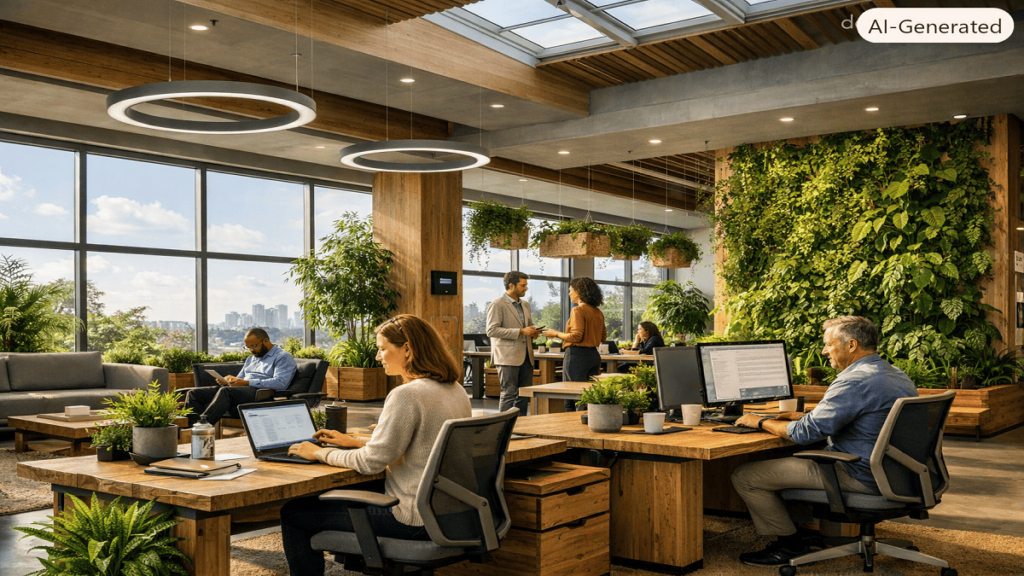
Energy-efficient interior spaces are designed to reduce energy consumption while maintaining comfort, functionality, and aesthetic appeal. In green interior design, energy efficiency focuses on using smart design strategies, advanced technologies, and sustainable practices to minimize environmental impact and lower operational costs. These principles help create healthier spaces while supporting long-term sustainability goals.
1. Maximizing Natural Light
One of the primary principles of energy-efficient interiors is the effective use of natural lighting. Proper placement of windows, skylights, and reflective surfaces allows daylight to illuminate spaces, reducing dependence on artificial lighting. Natural light also improves occupant comfort and productivity while lowering electricity usage.
2. Efficient Lighting Systems
Energy-efficient interiors incorporate LED lighting, smart lighting controls, motion sensors, and automated systems to optimize energy consumption. These technologies ensure that lighting is used only when required and significantly reduce energy waste compared with traditional lighting solutions.
3. Sustainable Material Selection
Choosing eco-friendly and energy-efficient materials is essential for creating green interiors. Materials with good insulation properties, such as recycled fibers, cork, bamboo, and natural wood, help regulate indoor temperatures and reduce the need for excessive heating or cooling.
4. Improved Ventilation and Indoor Air Quality
Proper ventilation design helps maintain comfortable indoor temperatures while reducing reliance on mechanical cooling systems. Natural ventilation, air circulation strategies, and energy-efficient HVAC systems improve air quality and create healthier environments.
5. Smart Energy Management
Modern energy-efficient interiors use smart technologies such as automated thermostats, energy monitoring systems, and connected devices. These solutions allow users to track and control energy usage, improving efficiency and reducing unnecessary consumption.
6. Thermal Comfort and Insulation
Effective insulation, energy-efficient windows, and climate-responsive design help maintain stable indoor temperatures. This reduces the workload on heating and cooling systems, resulting in lower energy costs and improved comfort.
For further information:
- U.S. Green Building Council (USGBC) – Green Building Practices
- International Energy Agency (IEA) – Energy Efficiency
- World Green Building Council – Sustainable Design
In conclusion, energy-efficient interior spaces combine smart planning, sustainable materials, efficient technologies, and environmentally responsible practices. These principles help create comfortable interiors that conserve energy, reduce costs, and contribute to a more sustainable future.
How Can Green Interiors Improve Health and Well-Being?
Green interiors play an important role in improving human health and well-being by creating indoor environments that support physical comfort, mental wellness, and overall quality of life. Through sustainable materials, natural elements, improved air quality, and thoughtful space planning, green interior design creates healthier and more balanced living and working spaces.
One of the primary ways green interiors improve health is by enhancing indoor air quality. Traditional building materials, paints, adhesives, and furnishings can release volatile organic compounds (VOCs) that may contribute to headaches, allergies, and respiratory discomfort. Green interiors prioritize low-VOC paints, natural materials, and non-toxic finishes, reducing harmful pollutants and creating cleaner indoor environments.
Natural lighting is another important factor in green interior design. Exposure to daylight helps regulate the body’s circadian rhythm, improves mood, and can increase productivity. Energy-efficient window designs, skylights, and open layouts allow more natural light to enter spaces while reducing dependence on artificial lighting.
Green interiors also incorporate biophilic design principles, which connect people with nature through indoor plants, natural textures, organic patterns, and views of outdoor environments. Research suggests that access to natural elements can reduce stress, enhance concentration, and promote emotional well-being.
Improved thermal comfort and ventilation are additional benefits. Energy-efficient heating, cooling, and ventilation systems help maintain comfortable temperatures while ensuring better airflow. This creates healthier environments where occupants can work, relax, and perform daily activities more comfortably.
Sustainable furniture and materials also contribute to well-being by creating spaces that are safer, more durable, and visually calming. Natural colors, ergonomic designs, and clutter-free layouts can support mental relaxation and productivity.
For further information:
- U.S. Green Building Council (USGBC) – Healthy Building Resources
- Environmental Protection Agency (EPA) – Indoor Air Quality
- World Green Building Council – Health and Well-Being in Buildings
In conclusion, green interiors improve health and well-being by reducing indoor pollutants, increasing natural connections, enhancing comfort, and creating environments that support both physical and mental wellness. Sustainable design is not only about protecting the planet but also about creating healthier spaces for people.
What Are the Benefits and Future Trends of Eco-Friendly Interior Design?
Eco-friendly interior design is becoming increasingly important as individuals, businesses, and architects seek sustainable solutions that reduce environmental impact while improving the quality of indoor spaces. By combining energy efficiency, responsible material selection, and innovative design strategies, green interiors provide both environmental and economic advantages.
One of the major benefits of eco-friendly interior design is reduced environmental impact. Using sustainable materials such as recycled wood, bamboo, natural fibers, and low-impact finishes helps conserve natural resources and reduce waste. Energy-efficient lighting, smart systems, and improved insulation also lower energy consumption and decrease carbon emissions.
Another important benefit is improved indoor health and comfort. Eco-friendly interiors prioritize low-VOC materials, better ventilation, natural lighting, and biophilic design elements such as plants and natural textures. These features help improve air quality, reduce exposure to harmful chemicals, and create spaces that support mental and physical well-being.
Eco-friendly design also provides long-term economic benefits. Although sustainable materials and technologies may require higher initial investment, they often reduce maintenance costs, energy expenses, and replacement needs over time. Durable materials and efficient systems increase the lifespan and value of interior spaces.
Future trends in eco-friendly interior design are being shaped by advanced technologies and changing consumer preferences. Smart home automation is becoming more common, allowing users to monitor energy use, control lighting, and optimize heating and cooling systems. Circular design principles are also gaining popularity, focusing on reusable, recyclable, and adaptable interior elements.
Another emerging trend is the increased use of biophilic design, which integrates natural elements into indoor environments to improve wellness. Designers are also exploring innovative materials such as recycled composites, bio-based materials, and carbon-neutral products.
For further information:
- U.S. Green Building Council (USGBC) – Sustainable Design
- World Green Building Council – Sustainable Buildings
- Environmental Protection Agency (EPA) – Sustainable Materials Management
In conclusion, eco-friendly interior design offers environmental protection, healthier living spaces, and long-term financial advantages. With future developments in smart technology, sustainable materials, and circular design, green interiors will continue to shape the future of modern architecture and lifestyle spaces.
Case Study of Eco Design Approach-Green Interiors
A notable example of the Eco Design Approach – Green Interiors is The Edge, a sustainable office building in Amsterdam, Netherlands. Developed as one of the world’s most innovative green workspaces, The Edge demonstrates how eco-friendly interior design, smart technology, and energy-efficient systems can work together to create a healthier and more sustainable workplace environment.
The interior design of The Edge focuses on maximizing natural resources while reducing environmental impact. The building uses extensive natural daylighting strategies, with large glass facades and intelligent lighting systems that adjust according to occupancy and available sunlight. This reduces electricity consumption while creating a brighter and more comfortable working environment for employees.
A key feature of the project is its integration of smart building technology. Sensors throughout the workspace monitor lighting, temperature, occupancy, and energy usage in real time. Employees can use digital systems to personalize their workspace settings, while automated controls ensure efficient energy management throughout the building.
The project also emphasizes indoor environmental quality through improved ventilation, comfortable temperature control, and sustainable material selection. Eco-friendly furnishings, responsible material choices, and biophilic design elements, including indoor plants and natural textures, help create a healthier and more engaging workspace.
Renewable energy plays an important role in The Edge’s sustainability strategy. Solar panels installed on the building generate renewable electricity, while energy-efficient systems reduce overall consumption. These features demonstrate how green interiors can contribute to both environmental performance and occupant well-being.
The success of The Edge highlights the potential of eco design approaches in commercial spaces. It shows that sustainable interiors can improve productivity, reduce operational costs, and create healthier environments without compromising modern design standards.
For further information:
- World Green Building Council – Sustainable Buildings
- U.S. Green Building Council (USGBC) – Green Building Resources
- BREEAM – Sustainable Building Assessment
This case study demonstrates that Eco Design Approach – Green Interiors is not only a design trend but a practical solution for creating efficient, sustainable, and human-centered spaces for the future.
White Paper on Eco Design Approach – Green Interiors
Introduction
The Eco Design Approach – Green Interiors represents a sustainable transformation in the field of interior design, focusing on the creation of environmentally responsible, energy-efficient, and healthy indoor environments. As climate concerns and resource challenges increase, green interior design has become an essential strategy for reducing environmental impact while improving human comfort and well-being.
Sustainable Material Selection
A key element of eco design is the responsible selection of materials. Green interiors prioritize renewable, recycled, locally sourced, and low-impact materials such as bamboo, reclaimed wood, recycled metals, natural fibers, and low-VOC finishes. These choices reduce resource depletion, minimize waste generation, and improve indoor air quality by limiting harmful chemical emissions.
Energy Efficiency and Resource Conservation
Energy-efficient design principles are central to sustainable interiors. Strategies such as maximizing natural daylight, using LED lighting, implementing smart energy management systems, and improving insulation help reduce energy consumption. Water-saving fixtures, efficient ventilation systems, and climate-responsive designs further support resource conservation.
Health and Well-Being Benefits
Eco-friendly interiors focus on creating healthier spaces for occupants. Improved ventilation, natural lighting, biophilic design elements, and non-toxic materials contribute to better indoor environmental quality. These features can enhance productivity, reduce stress, and support physical and mental well-being in residential, commercial, and workplace environments.
Future Trends in Green Interior Design
The future of eco design is being shaped by advancements in technology and sustainable innovation. Smart home automation, circular design practices, carbon-neutral materials, and adaptive interior systems are becoming increasingly important. Designers are also exploring regenerative design approaches that not only reduce environmental impact but actively contribute to ecological restoration.
Challenges and Opportunities
Despite its benefits, green interior design faces challenges such as higher initial costs, limited availability of sustainable materials, and the need for greater awareness among consumers and professionals. However, advancements in sustainable manufacturing and increasing demand for environmentally responsible spaces are creating new opportunities for growth.
Conclusion
The Eco Design Approach – Green Interiors is more than an aesthetic choice; it is a comprehensive strategy for building healthier, more efficient, and environmentally responsible spaces. By integrating sustainable materials, smart technologies, and human-centered design principles, green interiors are helping shape a future where comfort, functionality, and sustainability exist together.
References
- U.S. Green Building Council (USGBC) – Green Building Resources
- World Green Building Council – Sustainable Buildings
- Environmental Protection Agency (EPA) – Indoor Air Quality and Sustainable Materials Management
Industry Application of Eco Design Approach – Green Interiors
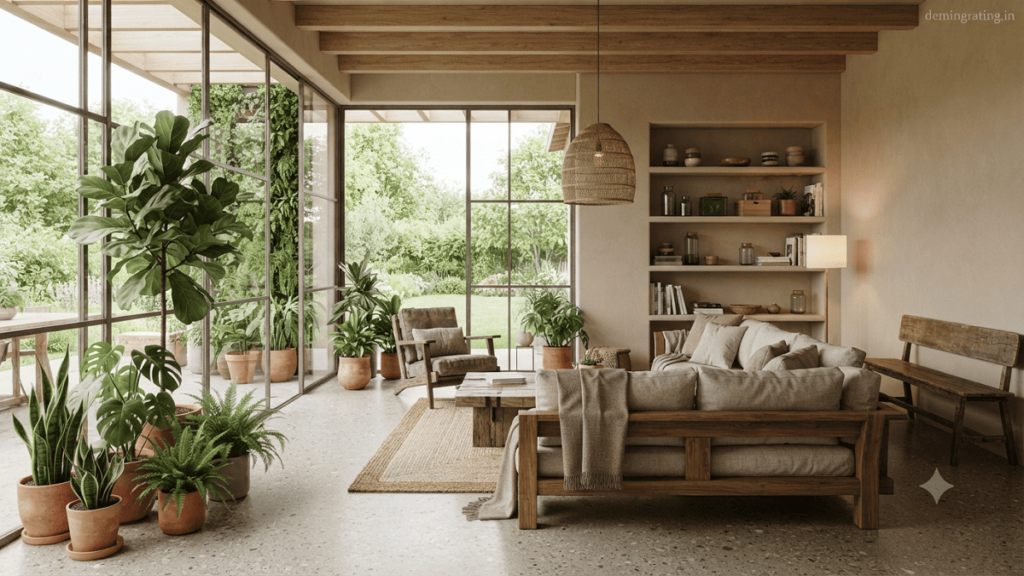
The Eco Design Approach – Green Interiors is being adopted across multiple industries to create sustainable, energy-efficient, and healthier indoor environments. Organizations are increasingly integrating eco-friendly materials, smart technologies, and resource-efficient design strategies to reduce environmental impact while improving user experience and operational efficiency.
1. Commercial and Corporate Offices
Businesses are implementing green interior design to create productive and healthy workplaces. Energy-efficient lighting, natural ventilation, ergonomic furniture, recycled materials, and biophilic design elements are being used to improve employee comfort and reduce energy consumption. Sustainable offices also help organizations achieve green building certifications and strengthen their environmental responsibility.
2. Hospitality Industry
Hotels and resorts are adopting eco design principles to provide sustainable guest experiences. Green interiors include renewable materials, energy-saving lighting systems, water-efficient fixtures, natural landscaping, and locally sourced décor. These practices help reduce operational costs while attracting environmentally conscious travelers.
3. Residential Sector
Homeowners and real estate developers are increasingly incorporating sustainable interior solutions into modern housing projects. Features such as low-VOC paints, energy-efficient appliances, natural materials, smart home systems, and improved indoor air quality contribute to healthier and more comfortable living spaces.
4. Healthcare Facilities
Hospitals and healthcare centers use green interior approaches to create healing environments. Natural lighting, improved ventilation, non-toxic materials, and nature-inspired designs help support patient recovery, reduce stress, and improve overall indoor environmental quality.
5. Retail and Commercial Spaces
Retail brands are adopting sustainable interiors to reduce environmental impact and improve customer experiences. Recycled materials, energy-efficient lighting, modular furniture, and sustainable display systems allow businesses to create attractive spaces while minimizing waste.
6. Educational Institutions
Schools and universities are applying eco design principles to create healthier learning environments. Green classrooms with better lighting, ventilation, sustainable materials, and natural elements can improve student concentration, comfort, and energy efficiency.
For further information:
- U.S. Green Building Council (USGBC) – Green Building Resources
- World Green Building Council – Sustainable Buildings
- Environmental Protection Agency (EPA) – Sustainable Materials Management
Conclusion
The industry applications of Eco Design Approach – Green Interiors demonstrate its growing importance across commercial, residential, healthcare, hospitality, retail, and educational sectors. By combining sustainability, technology, and human-centered design, green interiors help industries reduce costs, improve occupant well-being, and contribute to a more sustainable future.
Ask FAQs
What is the Eco Design Approach in green interiors?
The Eco Design Approach in green interiors is a sustainable design strategy that focuses on creating environmentally responsible indoor spaces. It involves using eco-friendly materials, energy-efficient systems, natural lighting, improved ventilation, and sustainable practices to reduce environmental impact while enhancing comfort and occupant well-being.
What materials are commonly used in green interior design?
Green interior design commonly uses sustainable materials such as reclaimed wood, bamboo, recycled metals, natural fibers, cork, recycled glass, and low-VOC paints. These materials help reduce waste, conserve resources, improve indoor air quality, and support healthier living and working environments.
How do green interiors improve health and well-being?
Green interiors improve health by reducing exposure to harmful chemicals, improving indoor air quality, increasing natural light, and incorporating biophilic elements such as plants and natural textures. These features can support better comfort, productivity, stress reduction, and overall mental and physical wellness.
Are eco-friendly interiors more expensive than traditional designs?
Eco-friendly interiors may require higher initial investment due to the cost of sustainable materials and advanced technologies. However, they often provide long-term savings through reduced energy consumption, lower maintenance costs, improved durability, and increased property value.
What are the future trends in eco-friendly interior design?
Future trends in eco-friendly interior design include smart home technologies, circular design principles, carbon-neutral materials, biophilic design, recycled material innovation, and energy-efficient automation systems. These developments aim to create interiors that are more sustainable, adaptable, and focused on human well-being.
Table of Contents
Disclaimer: This content is for informational purposes only and is based on general sustainability and design concepts. Materials, technologies, and industry practices may change over time. Readers should consult qualified professionals before making design, construction, or investment decisions.