
Development of alternative energy such as solar
The development of alternative energy sources, particularly solar energy, has become a global priority as countries seek sustainable solutions to combat climate change, reduce greenhouse gas emissions, and meet the growing demand for electricity. Unlike fossil fuels such as coal, oil, and natural gas, energy is renewable, abundant, and environmentally friendly. Technological advancements, declining installation costs, and supportive government policies have accelerated the adoption of solar power across residential, commercial, and industrial sectors.
Solar energy is harnessed using photovoltaic (PV) panels that convert sunlight directly into electricity or through concentrated solar power (CSP) systems that generate heat to produce electricity. Modern technologies have become more efficient and affordable, making them accessible to a broader range of consumers. Innovations in battery storage systems have also addressed one of energy’s primary challenges—its dependence on sunlight—by enabling excess energy generated during the day to be stored for use at night or during cloudy conditions.
The benefits of energy extend beyond environmental protection. It reduces dependence on imported fossil fuels, enhances energy security, creates employment opportunities in manufacturing and installation, and lowers long-term electricity costs. According to the International Energy Agency (IEA), photovoltaic technology is expected to become one of the world’s leading sources of electricity generation in the coming decades. Additionally, governments worldwide are offering incentives such as tax credits, subsidies, and net metering programs to encourage the adoption of systems.
Despite its advantages, energy faces challenges, including high initial installation costs, land requirements for large-scale farms, and the need for efficient energy storage solutions. However, continuous research and innovation are addressing these limitations, making power increasingly viable.
In conclusion, the development of solar energy represents a significant step toward achieving a cleaner, more sustainable energy future. As technology advances and investments continue to grow, solar power will play a crucial role in reducing carbon emissions and supporting global efforts to transition toward renewable energy.
Relevant External Resources:
- International Energy Agency (IEA): https://www.iea.org/energy-system/renewables/solar-pv
- International Renewable Energy Agency (IRENA): https://www.irena.org
- U.S. Department of Energy – Solar Energy Technologies Office: https://www.energy.gov/eere/solar
- National Renewable Energy Laboratory (NREL): https://www.nrel.gov/solar.html
- United Nations – Sustainable Development Goal 7 (Affordable and Clean Energy): https://sdgs.un.org/goals/goal7
What Is Alternative Energy, and Why Is It Important?
Alternative energy refers to energy sources that serve as substitutes for traditional fossil fuels such as coal, oil, and natural gas. These energy sources are generally renewable, environmentally friendly, and sustainable because they are naturally replenished. Common forms of alternative energy include, wind, hydroelectric, geothermal, biomass, and tidal energy. Unlike fossil fuels, which emit significant amounts of greenhouse gases and contribute to climate change, alternative energy sources produce little to no harmful emissions during operation, making them a cleaner option for meeting the world’s growing energy needs.
The importance of alternative energy has increased significantly due to concerns about global warming, environmental pollution, and the depletion of non-renewable resources. Burning fossil fuels releases carbon dioxide (CO₂) and other pollutants into the atmosphere, leading to rising global temperatures, poor air quality, and adverse health effects. By transitioning to renewable energy sources, countries can reduce carbon emissions, improve public health, and protect natural ecosystems.
Alternative energy also enhances energy security by reducing dependence on imported fossil fuels. Many nations invest in domestic renewable energy projects to ensure a stable and reliable energy supply while minimizing the impact of fluctuating fuel prices. Additionally, the renewable energy sector creates millions of jobs worldwide in manufacturing, installation, maintenance, and research, contributing to economic growth and technological innovation.
Among all alternative energy sources, energy has emerged as one of the fastest-growing due to its affordability, scalability, and widespread availability. Improvements in panel efficiency and energy storage technologies have made power increasingly practical for homes, businesses, and utility-scale power generation. Similar advancements are occurring in wind, geothermal, and hydroelectric technologies, making renewable energy more competitive with conventional energy sources.
In conclusion, alternative energy is essential for building a sustainable future. It helps combat climate change, reduces environmental pollution, strengthens energy independence, and supports economic development. As technological advancements continue and governments invest in renewable infrastructure, alternative energy will play an increasingly important role in meeting global energy demands while preserving the planet for future generations.
Relevant External Resources:
- International Energy Agency (IEA): https://www.iea.org/topics/renewables
- International Renewable Energy Agency (IRENA): https://www.irena.org
- United Nations – Sustainable Development Goal 7 (Affordable and Clean Energy): https://sdgs.un.org/goals/goal7
- U.S. Department of Energy – Renewable Energy: https://www.energy.gov/eere/renewable-energy
- National Renewable Energy Laboratory (NREL): https://www.nrel.gov/
How Does Solar Energy Work as a Renewable Energy Source?
Solar energy is a renewable energy source that harnesses the sun’s radiation to generate electricity or heat. Because the sun continuously produces energy, power is considered renewable and sustainable. Every hour, the sun provides more energy to Earth than the world’s population consumes in an entire year, making it one of the most abundant and reliable clean energy resources available.
The most common method of generating energy is through photovoltaic (PV) panels. These panels contain cells made primarily from semiconductor materials such as silicon. When sunlight strikes the cells, photons transfer their energy to electrons within the semiconductor, causing them to move freely. This movement of electrons creates a flow of direct current (DC) electricity. An inverter then converts the DC electricity into alternating current (AC), which powers homes, businesses, and electrical appliances or is supplied to the electricity grid.
Another method of utilizing energy is Concentrated Solar Power (CSP). CSP systems use mirrors or lenses to concentrate sunlight onto a receiver, producing high temperatures. The generated heat creates steam that drives a turbine connected to a generator, producing electricity. CSP technology is commonly used in large-scale power plants where abundant sunlight is available.
Solar energy systems often include battery storage, allowing excess electricity generated during sunny periods to be stored for use at night or during cloudy weather. In regions with net metering programs, surplus electricity can also be fed back into the power grid, enabling consumers to receive credits on their electricity bills.
The primary advantages of energy include zero greenhouse gas emissions during operation, reduced electricity costs, lower dependence on fossil fuels, and minimal maintenance requirements. Although weather conditions and initial installation costs can affect adoption, continuous improvements in panel efficiency and battery technology are making energy increasingly accessible and cost-effective.
In conclusion, energy works by converting sunlight into usable electricity or heat through advanced technologies such as photovoltaic panels and concentrated power systems. As a clean, renewable, and sustainable energy source, power plays a crucial role in reducing carbon emissions, enhancing energy security, and supporting the global transition toward a greener and more resilient energy future.
Relevant External Resources:
- International Energy Agency (IEA): https://www.iea.org/energy-system/renewables/solar-pv
- International Renewable Energy Agency (IRENA): https://www.irena.org
- U.S. Department of Energy – Solar Energy Technologies Office: https://www.energy.gov/eere/solar
- National Renewable Energy Laboratory (NREL): https://www.nrel.gov/solar.html
- Solar Energy Industries Association (SEIA): https://www.seia.org
What Are the Benefits of Developing Solar and Other Alternative Energy Technologies?
The development of and other alternative energy technologies offers numerous environmental, economic, and social benefits that contribute to a more sustainable and resilient future. As global energy demand continues to grow, renewable energy sources such as, wind, hydroelectric, geothermal, and biomass provide cleaner alternatives to fossil fuels. These technologies help reduce greenhouse gas emissions, improve energy security, and promote long-term economic growth while minimizing the environmental impact associated with conventional energy production.
One of the most significant benefits of alternative energy technologies is their ability to reduce carbon emissions. Unlike coal, oil, and natural gas, renewable energy sources generate electricity with little or no greenhouse gas emissions during operation. This helps combat climate change, improve air quality, and reduce health risks caused by air pollution. energy, in particular, produces clean electricity without emitting harmful pollutants, making it one of the most environmentally friendly power sources available.
Another major advantage is energy independence and security. Countries that invest in domestic renewable energy projects become less reliant on imported fossil fuels, reducing vulnerability to fluctuating fuel prices and geopolitical uncertainties. panels and wind farms can also provide electricity to remote and rural communities where traditional power infrastructure is limited, improving access to reliable energy.
Alternative energy technologies also create significant economic opportunities. The renewable energy sector supports millions of jobs worldwide in manufacturing, installation, maintenance, engineering, and research. Continuous technological innovation has reduced the cost of panels, wind turbines, and battery storage systems, making renewable energy increasingly affordable for households, businesses, and industries. Lower operating and maintenance costs further enhance long-term financial savings.
Additionally, renewable energy promotes sustainable development by conserving natural resources and reducing water consumption compared to conventional thermal power plants. Governments worldwide are encouraging the transition through incentives, tax credits, and renewable energy policies, accelerating investment in clean energy infrastructure.
In conclusion, developing and other alternative energy technologies is essential for creating a cleaner, healthier, and more sustainable future. Their environmental benefits, economic advantages, and contribution to energy security make them a cornerstone of the global transition toward renewable energy. Continued investment in research, innovation, and infrastructure will further strengthen their role in meeting future energy demands while protecting the planet.
Relevant External Resources:
- International Energy Agency (IEA): https://www.iea.org/topics/renewables
- International Renewable Energy Agency (IRENA): https://www.irena.org
- United Nations – Sustainable Development Goal 7 (Affordable and Clean Energy): https://sdgs.un.org/goals/goal7
- U.S. Department of Energy – Office of Energy Efficiency and Renewable Energy: https://www.energy.gov/eere
- National Renewable Energy Laboratory (NREL): https://www.nrel.gov/
What Are the Challenges in Adopting Alternative Energy on a Large Scale?
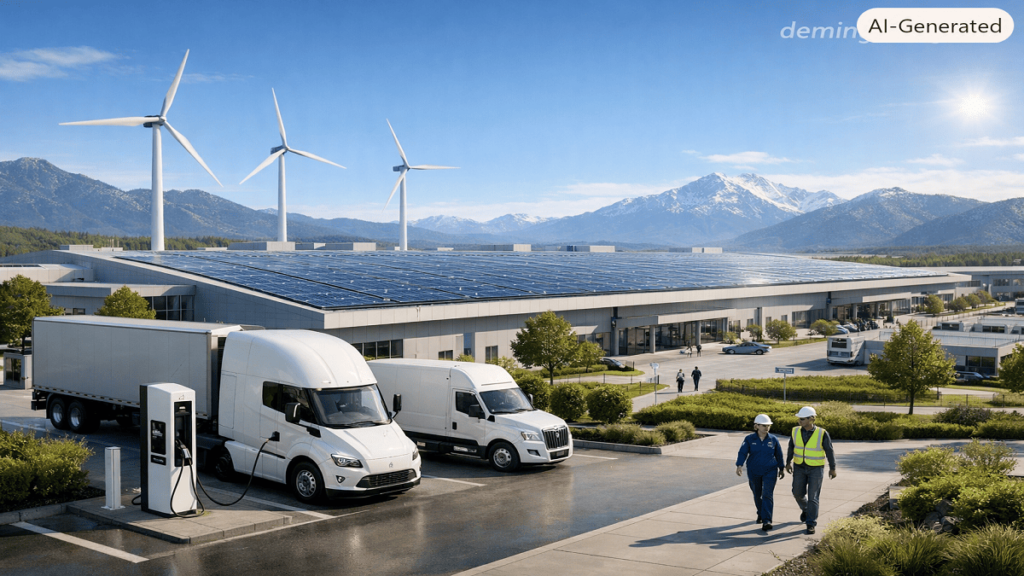
The transition to alternative energy sources such as, wind, hydroelectric, geothermal, and biomass is essential for reducing greenhouse gas emissions and achieving a sustainable future. However, despite their numerous benefits, adopting these renewable energy technologies on a large scale presents several technical, economic, environmental, and policy-related challenges. Addressing these obstacles is crucial for ensuring a successful global transition from fossil fuels to cleaner energy systems.
One of the primary challenges is the high initial investment required for renewable energy infrastructure. Installing panels, wind turbines, battery storage systems, and modern transmission networks requires significant capital. Although operating and maintenance costs are generally lower than those of fossil fuel power plants, the upfront expense can discourage individuals, businesses, and governments from investing without financial incentives or subsidies.
Another major challenge is the intermittent nature of renewable energy sources. power depends on sunlight, while wind energy relies on favorable weather conditions. Electricity generation can fluctuate throughout the day or across seasons, making it difficult to ensure a consistent power supply. To overcome this issue, countries must invest in advanced battery storage systems, smart grids, and backup energy solutions that improve grid stability and reliability.
Infrastructure limitations also slow the widespread adoption of renewable energy. Many existing electrical grids were designed for centralized fossil fuel power plants and require significant upgrades to accommodate distributed renewable energy generation. Expanding transmission lines and integrating renewable sources into national power grids can be costly and time-consuming.
Land use and environmental considerations present additional challenges. Large-scale farms and wind power projects require substantial land areas, which may compete with agriculture, wildlife habitats, or urban development. Hydroelectric dams can alter river ecosystems, while biomass production must be managed carefully to avoid deforestation and excessive resource consumption.
Policy uncertainty, regulatory barriers, and inconsistent government support can also hinder renewable energy development. Stable policies, investment incentives, streamlined permitting processes, and international cooperation are essential for encouraging long-term investment and innovation.
In conclusion, while alternative energy technologies offer significant environmental and economic advantages, overcoming challenges related to cost, infrastructure, energy storage, land use, and policy is critical for large-scale adoption. Continued technological advancements, supportive government policies, and global collaboration will play a vital role in accelerating the transition to a cleaner, more sustainable energy future.
Relevant External Resources:
- International Energy Agency (IEA): https://www.iea.org/topics/renewables
- International Renewable Energy Agency (IRENA): https://www.irena.org
- World Bank – Energy: https://www.worldbank.org/en/topic/energy
- U.S. Department of Energy – Office of Energy Efficiency and Renewable Energy: https://www.energy.gov/eere
- National Renewable Energy Laboratory (NREL): https://www.nrel.gov/
What Is the Future of Solar Energy and Other Renewable Energy Sources?
The future of solar energy and other renewable energy sources is highly promising as countries worldwide accelerate the transition toward cleaner, more sustainable energy systems. Rising concerns about climate change, increasing electricity demand, and the need to reduce dependence on fossil fuels are driving significant investments in renewable energy technologies. Solar, wind, hydroelectric, geothermal, biomass, and emerging renewable solutions are expected to play an increasingly important role in achieving global energy security and meeting international climate goals.
Solar energy is projected to remain one of the fastest-growing renewable energy sources due to continuous improvements in photovoltaic (PV) technology, declining manufacturing costs, and higher conversion efficiencies. Modern panels are becoming more affordable and capable of generating greater amounts of electricity from the same amount of sunlight. Innovations such as bifacial panels, perovskite cells, floating farms, and building-integrated photovoltaics (BIPV) are expanding the applications of power in residential, commercial, and industrial sectors.
Energy storage technologies are also shaping the future of renewable energy. Advanced battery systems, including lithium-ion and next-generation solid-state batteries, allow excess electricity generated from and wind power to be stored and used during periods of low generation. Combined with smart grids and artificial intelligence, these technologies improve grid reliability, optimize energy distribution, and support the integration of renewable energy into existing power systems.
Governments and international organizations continue to introduce ambitious renewable energy targets, carbon reduction policies, and financial incentives to encourage investment in clean energy infrastructure. Offshore wind farms, green hydrogen production, and hybrid renewable energy systems are expected to complement power, creating a diversified and resilient energy mix. At the same time, ongoing research aims to improve recycling methods for panels and batteries, making renewable technologies even more environmentally sustainable.
Despite challenges such as infrastructure development, energy storage costs, and policy implementation, the long-term outlook for renewable energy remains exceptionally positive. Continuous innovation, supportive government policies, and increasing private-sector investment are expected to accelerate global adoption.
In conclusion, the future of energy and other renewable energy sources is defined by technological advancement, greater affordability, and widespread adoption. As renewable technologies become more efficient and accessible, they will play a central role in reducing carbon emissions, strengthening energy security, and building a cleaner, more sustainable future for generations to come.
Relevant External Resources:
- International Energy Agency (IEA): https://www.iea.org/topics/renewables
- International Renewable Energy Agency (IRENA): https://www.irena.org
- United Nations – Sustainable Development Goal 7 (Affordable and Clean Energy): https://sdgs.un.org/goals/goal7
- U.S. Department of Energy – Solar Energy Technologies Office: https://www.energy.gov/eere/solar
- National Renewable Energy Laboratory (NREL): https://www.nrel.gov/solar.html
Case Study: Development of Alternative Energy – Solar Energy in India (Bhadla Solar Park)
The development of solar energy has become a cornerstone of the global transition toward clean and sustainable energy. One of the most successful examples is Bhadla Solar Park in Rajasthan, India, which demonstrates how large-scale projects can support economic growth, energy security, and environmental sustainability. Commissioned in multiple phases between 2017 and 2020, Bhadla Solar Park is one of the world’s largest power plants, with an installed capacity of approximately 2,245 MW.
Background
India has experienced rapid growth in energy demand due to urbanization, industrialization, and population growth. Traditionally, the country relied heavily on coal-fired power plants, which contributed significantly to carbon emissions and air pollution. To address these challenges, the Government of India launched the National Solar Mission in 2010, aiming to increase renewable energy capacity and reduce dependence on fossil fuels. Bhadla Park became one of the flagship projects under this initiative.
Implementation
Located in Rajasthan’s Thar Desert, Bhadla Solar Park benefits from high irradiance, receiving abundant sunlight throughout the year. The project spans over 14,000 acres and consists of numerous photovoltaic (PV) installations developed by multiple public and private companies. Government support through favorable policies, competitive bidding, and investments in transmission infrastructure helped reduce project costs and attract domestic and international investors.
Results and Benefits
Bhadla Solar Park generates enough electricity to supply millions of households while significantly reducing greenhouse gas emissions. The project has lowered the cost of solar power generation in India through competitive auctions, making renewable energy more affordable than many conventional energy sources. It has also created employment opportunities in construction, operations, and maintenance, contributing to regional economic development. Additionally, the project has strengthened India’s energy security by reducing reliance on imported fossil fuels.
Challenges
Despite its success, the project faced challenges, including land acquisition, grid integration, dust accumulation on solar panels, and the need for efficient energy storage systems. Regular maintenance and technological improvements have helped address many of these issues.
Conclusion
Bhadla Solar Park demonstrates that large-scale solar energy projects can successfully meet growing electricity demand while supporting environmental sustainability and economic development. Its success has encouraged further investments in renewable energy across India and serves as a model for other countries seeking to transition toward cleaner energy systems.
Relevant External Resources:
- International Energy Agency (IEA): https://www.iea.org/topics/renewables
- International Renewable Energy Agency (IRENA): https://www.irena.org
- Ministry of New and Renewable Energy (India): https://mnre.gov.in
- Solar Energy Corporation of India (SECI): https://www.seci.co.in
- World Bank – Renewable Energy: https://www.worldbank.org/en/topic/energy/brief/renewable-energy
White Paper on the Development of Alternative Energy Such as Solar
Executive Summary
The global transition from fossil fuels to renewable energy has become one of the most significant developments of the 21st century. Climate change, rising energy demand, and concerns about energy security have accelerated investments in alternative energy technologies, with solar energy emerging as one of the fastest-growing renewable sources. This white paper examines the importance of alternative energy, the current state of solar technology, key challenges, opportunities, policy initiatives, and recommendations for accelerating renewable energy adoption. It also highlights how governments, industries, and consumers can collaborate to achieve a sustainable and low-carbon future.
Introduction
Alternative energy refers to energy derived from renewable and environmentally friendly sources that can replace conventional fossil fuels such as coal, oil, and natural gas. Common renewable energy sources include solar, wind, hydroelectric, geothermal, biomass, and tidal energy. Among these, solar energy has experienced remarkable growth due to declining technology costs, improved efficiency, and supportive government policies.
According to the International Energy Agency (IEA), renewable energy is expected to become the world’s largest source of electricity generation in the coming decades. Solar photovoltaic (PV) technology, in particular, has witnessed rapid expansion because of its scalability and ability to generate electricity with minimal environmental impact.
Background
The increasing concentration of greenhouse gases caused by fossil fuel combustion has contributed significantly to global warming and climate change. The energy sector accounts for a substantial share of global carbon dioxide emissions, making renewable energy essential for achieving international climate objectives such as the Paris Agreement.
Solar energy utilizes sunlight to generate electricity through photovoltaic panels or concentrated solar power (CSP) systems. Improvements in semiconductor materials, battery storage technologies, and manufacturing processes have significantly enhanced the affordability and performance of solar systems over the past decade.
Current Trends in Alternative Energy
Several global trends are shaping the future of renewable energy development:
- Rapid decline in solar panel manufacturing costs.
- Increased investment in battery energy storage systems.
- Expansion of smart grid infrastructure.
- Growth of electric vehicles powered by renewable electricity.
- Government incentives promoting renewable energy adoption.
- Corporate commitments to achieving net-zero carbon emissions.
- Research into green hydrogen and hybrid renewable energy systems.
Countries such as China, India, Germany, the United States, and Australia continue to invest heavily in large-scale renewable energy projects, contributing to significant growth in clean electricity generation.
Benefits of Solar and Alternative Energy
Environmental Benefits
Renewable energy significantly reduces greenhouse gas emissions, helping mitigate climate change. Solar power generates electricity without producing air pollution, improving public health and protecting ecosystems.
Economic Benefits
The renewable energy sector creates employment opportunities in manufacturing, installation, maintenance, engineering, and research. Falling technology costs have also made renewable energy increasingly competitive with conventional power generation.
Energy Security
Domestic renewable energy production reduces dependence on imported fossil fuels and protects economies from volatile fuel prices and geopolitical risks.
Sustainable Development
Renewable energy supports long-term economic development by providing reliable electricity to urban and rural communities while conserving finite natural resources.
Challenges
Despite substantial progress, several barriers remain:
- High upfront installation costs.
- Intermittent electricity generation due to weather conditions.
- Limited battery storage capacity.
- Aging electrical grid infrastructure.
- Land use considerations for utility-scale projects.
- Regulatory uncertainty and inconsistent government policies.
- Supply chain constraints for critical minerals used in solar panels and batteries.
Addressing these challenges requires coordinated investments in infrastructure, research, and policy reforms.
Policy Recommendations
To accelerate renewable energy adoption, policymakers should consider:
- Expanding financial incentives such as tax credits and subsidies.
- Investing in modern electricity transmission and smart grids.
- Supporting research into advanced battery storage technologies.
- Streamlining permitting and regulatory approval processes.
- Encouraging public-private partnerships for renewable infrastructure.
- Promoting workforce training programs for clean energy industries.
- Increasing investments in renewable energy research and innovation.
These measures can improve investor confidence while supporting long-term economic and environmental objectives.
Future Outlook
The future of solar energy is highly promising. Continued improvements in photovoltaic efficiency, perovskite solar cells, floating solar farms, building-integrated photovoltaics, and next-generation battery technologies will further reduce costs and improve system performance.
Artificial intelligence, smart grids, and digital energy management systems are expected to optimize renewable electricity generation and distribution. Green hydrogen production using renewable electricity may also become a key solution for decarbonizing heavy industries and transportation.
According to international energy forecasts, renewable energy will continue expanding rapidly, with solar power expected to become one of the dominant sources of electricity generation worldwide.
Conclusion
The development of alternative energy, particularly solar energy, represents one of the most effective strategies for addressing climate change, improving energy security, and supporting sustainable economic growth. While challenges related to infrastructure, storage, and policy remain, ongoing technological innovation and increasing global investment are making renewable energy more affordable and accessible than ever before. Governments, businesses, and individuals all have important roles to play in accelerating the clean energy transition. By prioritizing renewable energy development today, societies can build a more resilient, environmentally responsible, and economically sustainable future for generations to come.
References
- International Energy Agency (IEA): https://www.iea.org/topics/renewables
- International Renewable Energy Agency (IRENA): https://www.irena.org
- United Nations – Sustainable Development Goal 7: https://sdgs.un.org/goals/goal7
- U.S. Department of Energy – Solar Energy Technologies Office: https://www.energy.gov/eere/solar
- National Renewable Energy Laboratory (NREL): https://www.nrel.gov/solar.html
- World Bank – Energy: https://www.worldbank.org/en/topic/energy
- Solar Energy Industries Association (SEIA): https://www.seia.org
Industry Application of Development of Alternative Energy Such as Solar
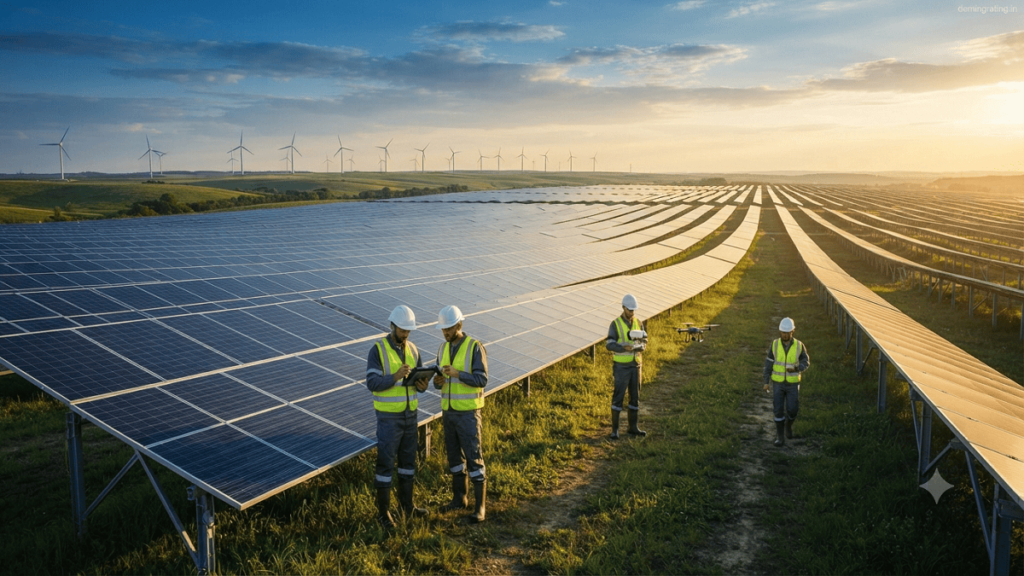
The development of alternative energy technologies, particularly solar energy, has transformed industries worldwide by providing clean, reliable, and cost-effective power solutions. As governments and businesses prioritize sustainability and carbon reduction, renewable energy has become an integral part of industrial operations. Industries across manufacturing, agriculture, transportation, healthcare, telecommunications, and commercial infrastructure are increasingly adopting solar and other renewable energy sources to improve efficiency, reduce operating costs, and meet environmental regulations.
Manufacturing Industry
Manufacturing facilities are among the largest consumers of electricity. Solar photovoltaic (PV) systems installed on factory rooftops or nearby solar farms help manufacturers reduce electricity costs while minimizing greenhouse gas emissions. Renewable energy also supports energy-intensive processes such as metal production, food processing, textile manufacturing, and automotive assembly. Many global manufacturers have adopted renewable energy as part of their sustainability strategies to achieve carbon neutrality and comply with environmental standards.
Agriculture
The agricultural sector benefits significantly from solar energy through solar-powered irrigation systems, water pumps, greenhouses, and cold storage facilities. Farmers can reduce dependence on diesel generators, lower operational costs, and improve productivity. Solar-powered irrigation is particularly valuable in rural areas where access to reliable electricity is limited. Renewable energy also supports sustainable farming by reducing fuel consumption and environmental pollution.
Commercial and Residential Buildings
Commercial buildings, shopping centers, offices, hotels, hospitals, and educational institutions increasingly install rooftop solar systems to reduce electricity expenses. Building-integrated photovoltaic (BIPV) technology allows solar panels to be incorporated into roofs, windows, and building facades, generating clean electricity while maintaining architectural aesthetics. Residential homeowners also benefit from lower utility bills and greater energy independence through rooftop solar installations and battery storage systems.
Transportation
The transportation industry is undergoing a significant transformation through renewable energy. Electric vehicles (EVs) powered by electricity generated from solar and wind energy reduce dependence on fossil fuels and lower carbon emissions. Solar-powered charging stations are expanding globally, enabling cleaner transportation infrastructure. Railways, airports, and public transportation systems are also investing in renewable energy to power their operations.
Healthcare
Hospitals and healthcare facilities require uninterrupted electricity to operate critical medical equipment. Solar energy combined with battery storage provides reliable backup power during grid outages, ensuring continuous healthcare services. Remote clinics in developing regions use solar-powered systems to refrigerate vaccines, operate diagnostic equipment, and improve access to medical care where conventional electricity infrastructure is unavailable.
Telecommunications
Telecommunication companies use solar energy to power remote mobile towers, communication equipment, and data transmission facilities. Solar-powered telecom infrastructure reduces fuel costs associated with diesel generators while improving network reliability in rural and off-grid locations. This application is particularly important in developing countries where extending traditional power grids may not be economically feasible.
Mining and Industrial Operations
Mining companies increasingly utilize solar and hybrid renewable energy systems to reduce fuel consumption at remote mining sites. Renewable energy helps lower operational expenses, improve energy security, and reduce environmental impacts associated with mining activities. Solar-powered equipment and energy-efficient technologies also contribute to sustainable resource extraction.
Future Industrial Opportunities
Emerging technologies such as green hydrogen, advanced battery storage, artificial intelligence, and smart grids are expanding industrial applications of renewable energy. Industries are adopting energy management systems that optimize electricity generation, storage, and consumption, improving operational efficiency and reducing carbon footprints. As renewable technologies continue to evolve, their integration across industrial sectors is expected to accelerate significantly.
Conclusion
The development of solar and other alternative energy technologies has created transformative opportunities across multiple industries. From manufacturing and agriculture to healthcare, transportation, telecommunications, and mining, renewable energy supports sustainable operations while reducing costs and environmental impacts. Continued investment in clean energy technologies, supportive government policies, and technological innovation will further strengthen the role of renewable energy in industrial development, contributing to a more resilient, efficient, and environmentally sustainable global economy.
Relevant External Resources:
- International Energy Agency (IEA): https://www.iea.org/topics/renewables
- International Renewable Energy Agency (IRENA): https://www.irena.org
- U.S. Department of Energy – Solar Energy Technologies Office: https://www.energy.gov/eere/solar
- National Renewable Energy Laboratory (NREL): https://www.nrel.gov/
- World Bank – Energy: https://www.worldbank.org/en/topic/energy
- Solar Energy Industries Association (SEIA): https://www.seia.org
Ask FAQs
What is alternative energy, and how is solar energy different from fossil fuels?
Alternative energy refers to energy generated from renewable or environmentally friendly sources such as solar, wind, hydroelectric, geothermal, and biomass. Unlike fossil fuels, which are finite resources and release significant amounts of carbon dioxide when burned, solar energy captures sunlight to generate electricity without producing greenhouse gas emissions during operation. This makes solar energy a cleaner and more sustainable option for meeting growing global energy demands while reducing environmental pollution and combating climate change.
What are the main benefits of using solar energy?
Solar energy offers numerous advantages, including lower electricity bills, reduced carbon emissions, improved energy independence, and minimal maintenance requirements. It is a renewable resource that is available in most parts of the world and can be used for residential, commercial, and industrial applications. Solar installations also contribute to job creation in manufacturing, installation, and maintenance while supporting long-term environmental sustainability and reducing dependence on imported fossil fuels.
What challenges limit the large-scale adoption of solar energy?
Despite its many advantages, solar energy faces challenges such as high initial installation costs, dependence on sunlight, energy storage limitations, and the need for modern electricity grid infrastructure. Weather conditions can affect electricity generation, making battery storage systems essential for ensuring a reliable power supply. Additionally, large-scale solar farms require significant land area and supportive government policies to encourage widespread adoption and investment.
Which industries benefit the most from solar and alternative energy technologies?
Many industries benefit from renewable energy, including manufacturing, agriculture, healthcare, transportation, telecommunications, mining, and commercial real estate. Factories use solar power to reduce operational costs, farmers utilize solar-powered irrigation systems, hospitals rely on renewable energy for backup power, and telecommunications companies power remote network towers with solar systems. These applications improve operational efficiency while supporting sustainability goals.
What is the future of solar energy and other renewable energy sources?
The future of solar energy is highly promising due to ongoing technological advancements, declining equipment costs, and increasing government support for clean energy initiatives. Innovations such as advanced battery storage, smart grids, green hydrogen, floating solar farms, and high-efficiency photovoltaic cells are expected to improve renewable energy performance and reliability. As countries work toward achieving net-zero emissions, solar and other renewable energy sources will play a central role in creating a cleaner, more secure, and sustainable global energy system.
Table of Contents
Disclaimer
The information provided in this article is for educational and informational purposes only. While every effort has been made to ensure the accuracy and reliability of the content, renewable energy technologies, policies, and industry practices may change over time. Readers are encouraged to consult official government agencies, industry organizations, and professional experts for the most current information and specific guidance before making energy-related or investment decisions. External links are provided for reference and do not imply endorsement of any third-party website or organization.