
amfori BEPI: Business Environmental Performance Initiative Explained
Introduction
amfori BEPI (Business Environmental Performance Initiative) is a global environmental due diligence programme developed by amfori to help companies identify, assess, manage, and improve environmental risks within their supply chains. It enables businesses to understand their environmental impact beyond their own operations by working with suppliers, manufacturers, and business partners.
BEPI is designed particularly for companies with complex global supply chains that need a structured approach to environmental sustainability, regulatory compliance, and continuous improvement.
Official resource:
amfori BEPI Official Information
What Does amfori BEPI Stand For?
BEPI = Business Environmental Performance Initiative
It is one of amfori’s sustainability initiatives, alongside its social compliance programme, amfori BSCI (Business Social Compliance Initiative).
While BSCI focuses primarily on social responsibility and labour conditions, BEPI focuses on environmental performance and environmental due diligence across supply chains.
Purpose of amfori BEPI
The main objective of BEPI is to help companies:
- Identify environmental risks in their supply chains
- Evaluate supplier environmental performance
- Reduce negative environmental impacts
- Improve resource efficiency
- Support suppliers in implementing corrective actions
- Build more sustainable sourcing practices
The initiative follows an environmental due diligence approach aligned with internationally recognised principles, including risk identification, prevention, mitigation, and remediation.
How amfori BEPI Works
The BEPI process generally follows these steps:
1. Supply Chain Mapping
Companies identify and connect their suppliers or business partners within the amfori Sustainability Platform.
This helps organisations understand where environmental risks exist across their supply chain.
2. Environmental Risk Assessment
Suppliers complete environmental assessments based on their operations, production processes, and environmental impact areas.
The assessment is configured according to the characteristics of each supplier site.
3. Risk Identification
BEPI evaluates environmental risks through different Environmental Performance Areas (EPAs).
These assessments help companies identify high-risk areas and prioritise improvement actions.
4. Improvement Activities
Based on assessment results, suppliers may receive support through:
- Capacity-building programmes
- Environmental monitoring
- Expert consultancy
- Sector-specific improvement activities
These activities are designed to help suppliers continuously improve their environmental performance.
Eight Environmental Performance Areas Covered by BEPI
amfori BEPI evaluates environmental performance across eight key areas:
1. Environmental Management System (EMS)
Focuses on whether a company has systems and processes to identify, control, and reduce environmental impacts.
Key areas include:
- Environmental policies
- Compliance management
- Risk assessment procedures
- Continuous improvement systems
2. Energy and Climate
Evaluates:
- Energy consumption management
- Greenhouse gas emissions reduction
- Energy efficiency initiatives
- Climate-related practices
3. Emissions to Air
Covers:
- Air pollution monitoring
- Control of hazardous emissions
- Reduction of environmental impacts from production activities
4. Water and Effluents
Focuses on:
- Water consumption management
- Wastewater treatment
- Prevention of water pollution
- Responsible water usage
5. Waste Management
Evaluates:
- Waste reduction programmes
- Recycling practices
- Hazardous waste handling
- Waste disposal procedures
6. Chemicals Management
Addresses:
- Chemical storage and handling
- Hazardous substance controls
- Chemical safety procedures
- Reduction of harmful chemicals
7. Biodiversity
Examines:
- Impact on ecosystems
- Protection of natural resources
- Sustainable land and resource use
8. Environmental Nuisances
Includes management of:
- Noise pollution
- Odours
- Local environmental disturbances
Benefits of amfori BEPI for Businesses
1. Improved Supply Chain Visibility
BEPI helps companies understand environmental risks beyond their direct operations by assessing supplier performance.
2. Better Regulatory Preparedness
With increasing environmental regulations worldwide, BEPI supports companies in establishing structured environmental due diligence processes.
3. Supplier Improvement
Rather than only identifying problems, BEPI provides improvement pathways through training, monitoring, and corrective action programmes.
4. Enhanced Sustainability Reporting
Environmental performance data collected through BEPI can support sustainability strategies, supplier engagement programmes, and ESG reporting.
5. Reduced Environmental Risk
Companies can proactively address issues such as:
- Excessive energy consumption
- Poor waste management
- Chemical risks
- Water pollution
- High carbon emissions
Who Uses amfori BEPI?
BEPI is used by:
- Retailers
- Importers
- Brands
- Manufacturers
- Suppliers
- Global sourcing organisations
It is especially relevant for industries with complex supply chains, including:
- Textiles and apparel
- Footwear
- Consumer goods
- Electronics
- Manufacturing sectors
amfori BEPI vs amfori BSCI
| Area | amfori BEPI | amfori BSCI |
|---|---|---|
| Main focus | Environmental sustainability | Social compliance |
| Covers | Environmental impacts | Labour and human rights |
| Key topics | Energy, waste, water, chemicals, emissions | Working conditions, worker rights, health and safety |
| Main goal | Improve environmental performance | Improve social responsibility |
Both initiatives can be used together to create a more comprehensive responsible sourcing programme.
Importance of BEPI in ESG and Sustainable Supply Chains
Modern companies are increasingly expected to demonstrate responsible environmental practices throughout their value chains. BEPI supports organisations by providing a structured framework for:
- Environmental risk management
- Supplier engagement
- Sustainability improvement
- Responsible sourcing decisions
It helps businesses move from simply measuring environmental impacts to actively improving them.
Conclusion
amfori BEPI is a supply-chain environmental due diligence framework that enables companies and suppliers to measure, manage, and improve environmental performance. By focusing on areas such as climate, energy, water, waste, chemicals, and biodiversity, BEPI helps organisations build more sustainable and transparent supply chains.
For companies seeking to strengthen their ESG strategy, supplier sustainability programmes, or responsible sourcing practices, amfori BEPI provides a practical and internationally recognised approach.
Relevant External Resources
- amfori Official Website: amfori Sustainability Platform
- amfori BEPI Code of Conduct:
- amfori BEPI Improvement Activities Guide:
- amfori BEPI Supplier Risk Assessment Information:
What is amfori BEPI and how does the Business Environmental Performance Initiative work?
Introduction
amfori BEPI (Business Environmental Performance Initiative) is an environmental due diligence programme developed by amfori, a global business association that supports sustainable and responsible trade. It helps companies and their supply-chain partners identify environmental risks, improve environmental performance, and build more sustainable business practices.
Unlike a simple compliance audit that only checks whether a company meets certain requirements, amfori BEPI focuses on continuous improvement by helping businesses understand their environmental impacts, develop improvement plans, and monitor progress over time.
Official information:
amfori Official Website
What Does amfori BEPI Stand For?
BEPI = Business Environmental Performance Initiative
It is one of amfori’s sustainability initiatives designed to improve environmental practices throughout global supply chains.
While:
- amfori BSCI focuses mainly on social compliance, labour rights, and working conditions.
- amfori BEPI focuses on environmental responsibility, resource management, and environmental risk reduction.
Together, these initiatives support responsible sourcing and ESG (Environmental, Social, and Governance) strategies.
Purpose of amfori BEPI
The primary goal of BEPI is to help companies:
- Identify environmental risks within their supply chains
- Assess supplier environmental performance
- Reduce environmental impacts
- Improve resource efficiency
- Establish environmental management systems
- Support suppliers through corrective actions and improvement programmes
The initiative follows an environmental due diligence approach based on identifying, preventing, mitigating, and addressing environmental impacts across business operations and supply chains.
How Does amfori BEPI Work?
The BEPI process follows a structured improvement cycle.
1. Supply Chain Mapping
The process begins when an amfori member identifies suppliers or business partners that need to participate in BEPI.
Suppliers are connected through the amfori Sustainability Platform, where environmental assessments and improvement activities are managed.
Typical participants include:
- Global brands
- Retailers
- Importers
- Manufacturers
- Production facilities
- Suppliers
2. Supplier Risk Assessment
Once enrolled, suppliers complete a BEPI Risk Assessment through the amfori Sustainability Platform.
The assessment is a self-evaluation tool that analyses environmental risks based on:
- Site activities
- Production processes
- Environmental impacts
- Operational characteristics
The platform automatically determines relevant Environmental Performance Areas (EPAs) based on the supplier’s profile.
3. Identification of Environmental Risks
BEPI evaluates suppliers across eight key Environmental Performance Areas:
| Environmental Performance Area | Focus |
|---|---|
| Environmental Management System | Environmental policies, procedures, monitoring, and improvement systems |
| Energy and Climate | Energy efficiency, greenhouse gas emissions, climate impact |
| Emissions to Air | Control and reduction of air pollutants |
| Water and Effluents | Water consumption and wastewater management |
| Waste | Waste reduction, recycling, and disposal practices |
| Biodiversity | Protection of ecosystems and natural resources |
| Chemicals | Chemical handling, storage, and risk management |
| Nuisances | Noise, odour, and local environmental impacts |
4. Environmental Monitoring and Improvement Activities
After identifying risks, suppliers may participate in improvement activities such as:
Capacity Building
Training programmes help suppliers improve their knowledge and environmental management practices.
Environmental Monitoring
On-site monitoring evaluates environmental performance and identifies areas requiring corrective actions.
Consultancy Support
Specialised experts may provide guidance on specific environmental challenges.
Chemical Management Programmes
Sector-specific support is available, particularly for industries with significant chemical risks, such as textiles and footwear.
5. Continuous Improvement
The purpose of BEPI is not only to identify weaknesses but to support suppliers in improving their environmental performance.
Companies can use BEPI results to:
- Create improvement plans
- Track supplier progress
- Reduce environmental risks
- Improve sustainability reporting
- Strengthen responsible sourcing programmes
Example of How amfori BEPI Works in Practice
A clothing brand sourcing products from factories in different countries may use BEPI as follows:
Step 1: The brand registers suppliers on the amfori Sustainability Platform.
Step 2: Suppliers complete environmental risk assessments.
Step 3: BEPI identifies high-risk areas, such as:
- Excessive water consumption
- Poor wastewater treatment
- Unsafe chemical storage
- High energy usage
Step 4: Suppliers receive improvement recommendations.
Step 5: Progress is monitored through follow-up activities and environmental monitoring.
This allows the brand to improve sustainability performance throughout its supply chain rather than only within its own facilities.
Benefits of amfori BEPI
1. Better Supply Chain Transparency
Companies gain greater visibility into environmental risks beyond their direct operations.
2. Improved Environmental Performance
Suppliers receive structured guidance to reduce:
- Carbon emissions
- Waste generation
- Water consumption
- Chemical risks
3. Stronger ESG Compliance
BEPI helps companies respond to increasing expectations from:
- Customers
- Investors
- Regulators
- Business partners
4. Risk Reduction
Early identification of environmental issues can help prevent:
- Regulatory penalties
- Supply-chain disruptions
- Environmental incidents
- Reputation damage
5. Supplier Development
Instead of removing suppliers because of poor performance, BEPI encourages collaboration and improvement.
Difference Between amfori BEPI and Traditional Environmental Audits
| Aspect | amfori BEPI | Traditional Environmental Audit |
|---|---|---|
| Main objective | Continuous improvement | Compliance verification |
| Approach | Risk-based and improvement-focused | Pass/fail assessment |
| Scope | Supply chain environmental performance | Specific facility or legal requirements |
| Supplier involvement | Strong collaboration approach | Often inspection-focused |
| Outcome | Improvement plans and monitoring | Audit findings and compliance status |
Why amfori BEPI Matters for Modern Businesses
Companies today face increasing pressure to demonstrate responsible environmental practices across their entire value chain. Environmental regulations, climate commitments, and ESG reporting requirements are making supply-chain sustainability a strategic priority.
amfori BEPI provides a structured framework for companies to:
- Understand environmental risks
- Engage suppliers
- Improve environmental performance
- Support responsible sourcing decisions
Conclusion
amfori BEPI is a supply-chain environmental improvement initiative that helps businesses measure, manage, and reduce their environmental impacts.
Through risk assessments, environmental performance evaluations, monitoring activities, and supplier improvement programmes, BEPI enables companies to move from basic compliance toward long-term environmental sustainability.
For organisations managing global supply chains, amfori BEPI provides a practical framework to strengthen ESG performance, improve supplier relationships, and build more responsible business operations.
Relevant External Resources
- amfori Sustainability Platform
- amfori BEPI Code of Conduct
- BEPI Improvement Activities Guide
- BEPI Risk Assessment Guide
What are the benefits of joining amfori BEPI for businesses and suppliers?
Introduction
Joining amfori BEPI (Business Environmental Performance Initiative) helps companies and suppliers improve environmental performance, manage supply-chain risks, and build more sustainable business practices. The initiative provides a structured framework for assessing environmental impacts, implementing improvement actions, and monitoring progress across supply chains.
For businesses, BEPI provides better visibility and control over environmental risks in their supply chains. For suppliers, it creates opportunities to improve operational efficiency, reduce environmental impacts, and strengthen relationships with international customers.
Benefits for Businesses (Brands, Retailers, Importers, and Buyers)
1. Improved Supply Chain Visibility
Modern supply chains often involve multiple suppliers across different countries, making environmental risk management challenging.
amfori BEPI helps businesses:
- Map suppliers and production sites
- Identify environmental risk areas
- Understand supplier environmental performance
- Prioritise improvement actions based on risk levels
This allows companies to move from reactive problem-solving to proactive environmental management.
2. Better Environmental Risk Management
BEPI helps companies identify risks related to key environmental areas, including:
- Energy and climate impacts
- Water consumption and wastewater
- Waste management
- Chemical management
- Air emissions
- Biodiversity impacts
- Environmental management systems
- Local environmental disturbances
By identifying these risks early, companies can reduce potential environmental, operational, and reputational issues.
3. Stronger ESG and Sustainability Performance
Companies are increasingly expected to demonstrate responsible environmental practices to customers, investors, and regulators.
BEPI supports businesses by providing:
- A structured environmental due diligence approach
- Supplier sustainability data
- Improvement tracking mechanisms
- Evidence for sustainability programmes and reporting
This helps organisations strengthen their environmental, social, and governance (ESG) strategies.
4. Improved Supplier Relationships
Instead of focusing only on supplier failures, BEPI encourages collaboration and continuous improvement.
Businesses can work with suppliers through:
- Environmental monitoring
- Training programmes
- Consultancy support
- Corrective action plans
This approach helps companies develop stronger, long-term supplier partnerships.
5. Increased Consumer and Stakeholder Trust
Demonstrating responsible sourcing practices can improve confidence among:
- Customers
- Investors
- Business partners
- Regulators
Participation in recognised sustainability initiatives helps companies communicate their commitment to environmental responsibility.
6. Operational and Financial Improvements
Environmental improvement programmes can help companies and suppliers identify opportunities to:
- Reduce energy consumption
- Minimise waste
- Improve resource efficiency
- Lower operational costs
Better environmental management can create both sustainability and business value.
Benefits for Suppliers and Manufacturers
1. Understanding Environmental Performance
Suppliers gain a clearer understanding of their environmental strengths and weaknesses through BEPI assessments.
The BEPI Risk Assessment evaluates supplier performance based on relevant Environmental Performance Areas determined by site characteristics and activities.
This helps suppliers identify areas such as:
- High energy usage
- Inefficient processes
- Poor waste practices
- Chemical management gaps
- Water-related risks
2. Access to Improvement Support and Training
Suppliers participating in BEPI can access improvement activities designed to build environmental capability.
Support may include:
- Capacity-building programmes
- Environmental monitoring
- Expert consultancy
- Sector-specific improvement programmes
These activities help suppliers develop stronger environmental management systems.
3. Reduced Environmental and Compliance Risks
By identifying and addressing environmental issues early, suppliers can reduce risks related to:
- Regulatory non-compliance
- Environmental incidents
- Customer requirements
- Production disruptions
BEPI encourages suppliers to implement corrective actions and long-term improvements.
4. Improved Efficiency and Cost Savings
Environmental improvements often create operational benefits.
Examples include:
- Reducing energy consumption through efficiency measures
- Optimising water use
- Improving waste segregation and recycling
- Managing chemicals more effectively
These improvements can contribute to lower operating costs and better resource management.
5. Better Access to Global Markets
Many international brands and retailers increasingly require suppliers to demonstrate environmental responsibility.
Participation in BEPI can help suppliers:
- Meet customer sustainability expectations
- Demonstrate commitment to responsible production
- Strengthen relationships with international buyers
This can improve competitiveness in global supply chains.
6. Stronger Reputation and Business Credibility
Suppliers that actively improve environmental performance can build stronger reputations with:
- Customers
- Employees
- Communities
- Industry partners
Environmental responsibility can become a competitive advantage when working with sustainability-focused companies.
Business Benefits vs Supplier Benefits
| Area | Benefits for Businesses | Benefits for Suppliers |
|---|---|---|
| Supply chain management | Better visibility of environmental risks | Clear understanding of customer expectations |
| Risk reduction | Reduced supply-chain and reputational risks | Reduced compliance and operational risks |
| Environmental improvement | Improved supplier sustainability performance | Better resource efficiency |
| ESG reporting | Stronger sustainability data and reporting | Evidence of responsible practices |
| Supplier relationships | More collaborative sourcing approach | Improved customer relationships |
| Cost efficiency | More sustainable supply chain operations | Lower resource and operating costs |
How BEPI Creates Value Through Continuous Improvement
The core principle of amfori BEPI is not only identifying environmental problems but helping organisations improve over time.
The improvement cycle includes:
- Supply chain mapping – identifying relevant suppliers
- Risk assessment – understanding environmental risks
- Improvement activities – implementing solutions
- Monitoring and reporting – tracking progress and results
Conclusion
amfori BEPI provides benefits for both companies and suppliers by creating a structured approach to environmental sustainability.
For businesses, it improves supply-chain transparency, strengthens ESG performance, reduces risks, and supports responsible sourcing strategies.
For suppliers, it provides practical tools, training opportunities, improved efficiency, stronger customer relationships, and better access to global markets.
By focusing on continuous improvement rather than simple compliance, amfori BEPI helps organisations build more resilient and environmentally responsible supply chains.
Relevant External Resources
- amfori BEPI Official Information: amfori BEPI Official Website
- BEPI Improvement Activities Guide: BEPI Improvement Activities Guide
- amfori BEPI Code of Conduct: amfori BEPI Code of Conduct
- amfori Sustainability Platform Information: amfori Sustainability Platform Support

How does amfori BEPI help companies improve their environmental sustainability performance?
Introduction
amfori BEPI (Business Environmental Performance Initiative) helps companies improve environmental sustainability by providing a structured framework to identify environmental risks, assess supplier performance, implement improvement actions, and monitor progress across global supply chains.
Rather than treating sustainability as a one-time compliance exercise, BEPI follows a continuous improvement approach that helps businesses and suppliers build stronger environmental management practices over time. It enables companies to move from understanding environmental impacts to actively reducing them.
Official resource:
amfori Official Website
1. Identifying Environmental Risks Across Supply Chains
One of the biggest challenges for global companies is understanding environmental impacts beyond their own operations. Supply chains often involve multiple suppliers, factories, and production locations, making environmental risk management complex.
amfori BEPI helps companies by:
- Mapping suppliers and production sites
- Collecting environmental performance information
- Identifying high-risk suppliers and activities
- Prioritising areas that require improvement
This allows companies to focus sustainability efforts where they can create the greatest environmental impact.
2. Assessing Supplier Environmental Performance
BEPI provides a structured assessment process that helps companies evaluate how suppliers manage environmental issues.
The assessment considers factors such as:
- Environmental management systems
- Energy consumption
- Greenhouse gas emissions
- Water usage
- Waste management
- Chemical management
- Air emissions
- Biodiversity impacts
By assessing suppliers consistently, companies gain better visibility into environmental performance throughout their value chain.
3. Strengthening Environmental Management Systems
A key focus of BEPI is helping organisations develop effective environmental management practices.
Companies and suppliers are encouraged to establish:
- Environmental policies
- Defined responsibilities
- Environmental risk assessments
- Monitoring procedures
- Improvement targets
- Compliance processes
A strong environmental management system helps organisations move from reacting to environmental problems toward preventing them.
4. Reducing Energy Consumption and Climate Impact
BEPI supports companies in improving energy efficiency and reducing greenhouse gas emissions.
It helps identify opportunities such as:
- Improving energy monitoring
- Reducing unnecessary energy use
- Increasing operational efficiency
- Supporting climate action plans
These improvements can contribute to:
- Lower carbon emissions
- Reduced operating costs
- Improved climate resilience
5. Improving Water Management
Water is a critical environmental concern for many industries, especially textiles, manufacturing, agriculture, and processing sectors.
BEPI helps companies address water-related risks through:
- Monitoring water consumption
- Improving water efficiency
- Managing wastewater treatment
- Preventing water pollution
Better water management reduces environmental impacts and improves long-term resource security.
6. Enhancing Waste Management Practices
Poor waste management can create environmental and regulatory risks.
Through BEPI, companies and suppliers can improve:
- Waste identification and tracking
- Waste reduction programmes
- Recycling practices
- Hazardous waste management
- Disposal procedures
This supports a shift toward more resource-efficient and circular business practices.
7. Improving Chemical Management
Many industries rely on chemicals that can create environmental and health risks if not properly managed.
BEPI helps organisations improve chemical management through:
- Safer chemical handling procedures
- Improved storage practices
- Chemical risk assessments
- Reduction of hazardous substances
- Better compliance controls
This is particularly valuable for sectors such as textiles, footwear, electronics, and manufacturing.
8. Supporting Supplier Improvement Through Training and Guidance
A major advantage of BEPI is that it focuses on supplier development rather than only identifying failures.
Companies can support suppliers through:
- Environmental training
- Capacity-building programmes
- Improvement activities
- Expert guidance
- Corrective action planning
This creates stronger supplier partnerships and improves sustainability performance throughout the supply chain.
amfori BEPI Improvement Activities Support
9. Providing Data for ESG Reporting and Sustainability Strategies
Environmental data from BEPI assessments can help companies strengthen their ESG programmes.
Companies can use BEPI information to support:
- Sustainability reporting
- Supplier sustainability programmes
- Environmental target setting
- Risk management strategies
- Stakeholder communication
Reliable supplier data enables companies to make better sustainability decisions.
10. Encouraging Continuous Improvement
BEPI operates through an improvement cycle:
| Stage | Purpose |
|---|---|
| Supplier identification | Understand supply-chain structure |
| Risk assessment | Identify environmental challenges |
| Improvement planning | Define actions and priorities |
| Implementation | Apply environmental improvements |
| Monitoring | Track progress over time |
This approach ensures sustainability improvements are ongoing rather than temporary.
Example: How BEPI Can Improve a Manufacturing Supply Chain
A global apparel company may discover through BEPI that one supplier has:
- High energy consumption
- Poor wastewater monitoring
- Inefficient chemical storage
- Limited waste segregation
Using BEPI results, the company can work with the supplier to:
- Install better monitoring systems
- Improve wastewater controls
- Train employees on chemical handling
- Reduce waste generation
- Track improvements over time
The result is a more sustainable supplier relationship and reduced environmental risk.
Key Benefits of BEPI for Environmental Sustainability
| Sustainability Area | How BEPI Helps |
|---|---|
| Climate action | Identifies energy and emission reduction opportunities |
| Resource efficiency | Improves water and energy management |
| Pollution prevention | Addresses emissions, waste, and chemical risks |
| Supplier engagement | Builds environmental capability among suppliers |
| Risk management | Identifies and reduces environmental risks |
| ESG performance | Provides structured sustainability information |
Conclusion
amfori BEPI helps companies improve environmental sustainability performance by providing a practical framework for risk identification, supplier assessment, improvement planning, and continuous monitoring.
Its value lies in creating collaboration between businesses and suppliers to address environmental challenges such as climate change, resource consumption, pollution, and waste. By integrating BEPI into supply-chain management, companies can strengthen ESG performance, reduce environmental risks, and build more sustainable operations.
Relevant External Resources
What are the key requirements and assessment criteria of the amfori BEPI framework?
Introduction
amfori BEPI (Business Environmental Performance Initiative) provides a structured environmental due diligence framework that helps companies and suppliers identify, manage, and improve environmental risks across supply chains.
The framework is based on a combination of:
- Environmental risk assessment
- Supplier self-assessment
- Environmental monitoring
- Improvement activities
- Continuous performance tracking
BEPI is not a traditional environmental certification scheme. Instead, it is an assessment and improvement framework designed to evaluate environmental performance and support long-term sustainability improvements.
1. Key Requirements of the amfori BEPI Framework
1. Environmental Due Diligence Approach
Companies participating in BEPI are expected to establish processes that identify, prevent, mitigate, and address environmental impacts within their own operations and supply chains.
Key requirements include:
- Identifying environmental risks
- Assessing supplier environmental practices
- Implementing improvement measures
- Monitoring environmental performance
- Maintaining records and evidence of improvements
The BEPI framework follows a five-step due diligence journey:
- Materiality assessment
- Supply chain mapping
- BEPI risk assessment
- Improvement activities
- Monitoring and reporting progress
2. Environmental Management System Requirements
A core requirement of BEPI is having an effective Environmental Management System (EMS).
Companies and suppliers are expected to demonstrate:
- An environmental policy
- Defined environmental responsibilities
- Risk identification processes
- Environmental objectives and targets
- Monitoring and review procedures
- Corrective action processes
The EMS should help organisations prevent environmental harm and continuously improve environmental performance.
Examples of supporting documents may include:
- Environmental policies
- Environmental procedures
- Monitoring records
- Compliance certificates
- Improvement plans
3. Legal and Regulatory Compliance
Suppliers must demonstrate compliance with applicable environmental laws and regulations.
Requirements include:
- Valid operating permits
- Compliance with environmental licences
- Management of environmental incidents
- Corrective actions for non-compliance
- Documentation supporting legal compliance
BEPI also expects companies to follow international good practices where local environmental requirements are insufficient.
4. Environmental Performance Area (EPA) Requirements
The BEPI framework assesses suppliers across eight Environmental Performance Areas (EPAs). The specific areas assessed depend on the supplier’s activities, site profile, and risk level.
Eight Environmental Performance Areas in amfori BEPI
EPA 1: Environmental Management System
Assessment criteria include:
- Existence of an environmental policy
- Environmental risk assessment processes
- Defined environmental responsibilities
- Environmental objectives and improvement plans
- Internal monitoring systems
The goal is to determine whether the organisation has systems to manage environmental impacts effectively.
EPA 2: Energy and Climate
Assessment criteria include:
- Energy consumption monitoring
- Energy efficiency measures
- Renewable energy initiatives
- Greenhouse gas emission management
- Climate-related improvement actions
Suppliers should demonstrate efforts to measure and reduce energy-related environmental impacts.
EPA 3: Emissions to Air
Assessment criteria include:
- Identification of air emission sources
- Monitoring of emissions
- Control measures for pollutants
- Management of hazardous emissions
- Prevention of ozone-depleting substances
The objective is to reduce negative impacts on air quality and human health.
EPA 4: Water and Effluents
Assessment criteria include:
- Water consumption monitoring
- Water efficiency programmes
- Wastewater treatment systems
- Effluent quality monitoring
- Prevention of water pollution
Suppliers are expected to manage water resources responsibly and prevent contamination.
EPA 5: Waste Management
Assessment criteria include:
- Waste identification and classification
- Waste reduction initiatives
- Recycling programmes
- Hazardous waste management
- Responsible disposal practices
The assessment focuses on reducing waste generation and improving resource efficiency.
EPA 6: Biodiversity
Assessment criteria include:
- Identification of biodiversity risks
- Protection of ecosystems
- Sustainable resource use
- Management of impacts on natural habitats
This area evaluates whether businesses consider environmental impacts beyond their immediate operations.
EPA 7: Chemicals Management
Assessment criteria include:
- Chemical inventory management
- Safe storage practices
- Chemical handling procedures
- Hazardous substance controls
- Employee training
This is particularly important for industries such as textiles, footwear, chemicals, and manufacturing.
EPA 8: Nuisances
Assessment criteria include:
- Noise management
- Odour control
- Local environmental disturbance management
- Community impact considerations
The objective is to reduce environmental impacts affecting surrounding communities.
5. BEPI Risk Assessment Criteria
The BEPI Risk Assessment is completed through the amfori Sustainability Platform.
It includes:
Generic Assessment Section
This collects operational data such as:
- Energy consumption
- Water consumption
- Production volumes
- Waste generation
- Resource-use information
The platform can use this information to calculate environmental performance indicators such as energy intensity, water intensity, waste intensity, and greenhouse gas intensity.
Environmental Performance Area Questionnaires
Depending on the supplier’s activities, BEPI assigns relevant EPA questionnaires.
The assessment evaluates:
- Existing management practices
- Environmental controls
- Risk prevention measures
- Monitoring processes
- Improvement opportunities
The questionnaire is automatically configured based on site characteristics and production activities.
6. Environmental Monitoring and Scoring Criteria
When environmental monitoring is performed, BEPI evaluates performance against assessed Environmental Performance Areas.
The overall rating follows an A–E scale:
| Rating | Score Range | Performance Level |
|---|---|---|
| A | 86–100% | Very good |
| B | 71–85% | Good |
| C | 51–70% | Acceptable |
| D | 30–50% | Insufficient |
| E | 0–29% | Unacceptable |
The final score is calculated using weighted assessment results across the relevant Environmental Performance Areas.
7. Documentation and Evidence Requirements
Suppliers should maintain evidence demonstrating environmental management practices.
Typical documents include:
- Environmental policy documents
- Environmental permits
- Energy records
- Water consumption records
- Waste disposal records
- Chemical inventories
- Training records
- Emergency response plans
- Corrective action plans
During monitoring activities, declared information may be verified against supporting documentation.
8. Continuous Improvement Requirements
BEPI focuses on improvement rather than only identifying failures.
Suppliers are expected to:
- Review assessment results
- Identify priority risks
- Create improvement actions
- Implement corrective measures
- Monitor progress
Improvement activities may include training, environmental monitoring, and expert support.
Summary Table: BEPI Requirements and Criteria
| Requirement Area | Main Assessment Criteria |
|---|---|
| Environmental Management System | Policies, procedures, responsibilities, improvement plans |
| Legal Compliance | Permits, regulations, incident management |
| Energy & Climate | Energy monitoring, efficiency, emissions reduction |
| Air Emissions | Emission controls and monitoring |
| Water & Effluents | Water efficiency and wastewater management |
| Waste | Reduction, recycling, disposal controls |
| Biodiversity | Ecosystem protection and resource management |
| Chemicals | Chemical safety and hazardous substance controls |
| Nuisances | Noise, odour, and community impacts |
| Monitoring | Evidence verification and performance scoring |
| Improvement | Corrective actions and continuous improvement |
Conclusion
The amfori BEPI framework requires companies and suppliers to establish effective environmental management practices, assess environmental risks, monitor performance, and implement continuous improvement actions.
Its assessment criteria focus on eight key environmental areas covering climate, energy, water, waste, chemicals, biodiversity, emissions, and environmental management systems.
By meeting BEPI requirements, organisations can improve environmental performance, strengthen supply-chain transparency, reduce sustainability risks, and demonstrate commitment to responsible business practices.
Relevant External Resources
- amfori BEPI Official Information
- amfori BEPI System Manual
- amfori BEPI Risk Assessment Guidance
- amfori BEPI Code of Conduct
What is the difference between amfori BEPI and other sustainability initiatives like amfori BSCI?
Introduction
Companies increasingly use sustainability initiatives to manage environmental, social, and ethical risks across global supply chains. Two major programmes developed by amfori are:
- amfori BEPI (Business Environmental Performance Initiative) – focuses on environmental sustainability and reducing environmental impacts.
- amfori BSCI (Business Social Compliance Initiative) – focuses on social responsibility, labour rights, and working conditions.
Although both initiatives follow a supply-chain due diligence approach and help companies improve responsible sourcing practices, they address different sustainability areas.
Official resources:
amfori Sustainability Platform
Overview Comparison: amfori BEPI vs amfori BSCI
| Area | amfori BEPI | amfori BSCI |
|---|---|---|
| Full name | Business Environmental Performance Initiative | Business Social Compliance Initiative |
| Main focus | Environmental sustainability | Social responsibility and labour practices |
| Primary objective | Improve environmental performance across supply chains | Improve working conditions and human rights |
| Main stakeholders | Brands, retailers, manufacturers, suppliers | Brands, retailers, manufacturers, suppliers |
| Assessment focus | Environmental risks and resource management | Labour standards and workplace conditions |
| Key topics | Energy, climate, water, waste, chemicals, emissions | Worker rights, health and safety, wages, working hours |
| Sustainability pillar | Environmental (E) | Social (S) |
| Common use | Environmental due diligence | Social compliance due diligence |
1. Main Purpose and Focus
amfori BEPI: Environmental Sustainability
amfori BEPI helps companies understand and improve their environmental impact throughout their supply chains.
It focuses on questions such as:
- How efficiently does a supplier use energy and resources?
- How does the supplier manage waste and wastewater?
- Are chemicals handled safely?
- What actions are being taken to reduce environmental impact?
BEPI supports companies in improving environmental performance and reducing risks related to climate change, pollution, and resource depletion.
amfori BSCI: Social Responsibility
amfori BSCI focuses on improving working conditions and protecting workers’ rights.
It evaluates issues such as:
- Are workers treated fairly?
- Are working hours reasonable?
- Is the workplace safe?
- Are employees protected from discrimination?
- Are labour rights respected?
BSCI helps companies ensure responsible social practices throughout their supply chains.
2. Assessment Areas
amfori BEPI Assessment Areas
BEPI evaluates environmental performance through areas such as:
| Environmental Area | Examples of Assessment Criteria |
|---|---|
| Environmental Management System | Policies, targets, monitoring systems |
| Energy and Climate | Energy efficiency and greenhouse gas reduction |
| Emissions to Air | Air pollution monitoring and controls |
| Water and Effluents | Water use and wastewater treatment |
| Waste Management | Waste reduction and disposal practices |
| Chemicals Management | Chemical handling and hazardous substance control |
| Biodiversity | Protection of ecosystems and natural resources |
| Nuisances | Noise, odour, and local environmental impacts |
amfori BSCI Assessment Areas
BSCI focuses on social performance, including:
| Social Area | Examples of Assessment Criteria |
|---|---|
| Social Management System | Policies and responsibilities |
| Workers’ Rights | Freedom of association and worker representation |
| Fair Remuneration | Wages and benefits |
| Decent Working Hours | Working time management |
| Occupational Health and Safety | Workplace safety systems |
| No Child Labour | Prevention of child labour |
| Special Protection for Young Workers | Protection of younger employees |
| No Forced Labour | Prevention of forced or bonded labour |
| Ethical Business Behaviour | Anti-corruption practices |
| Protection of Migrant Workers | Fair treatment of migrant employees |
3. Type of Risks Addressed
BEPI Addresses Environmental Risks
Examples include:
- High carbon emissions
- Excessive energy consumption
- Water pollution
- Poor waste management
- Unsafe chemical handling
- Environmental non-compliance
Example:
A textile factory using large amounts of water and discharging untreated wastewater would be a major environmental risk assessed under BEPI.
BSCI Addresses Social Risks
Examples include:
- Unsafe working conditions
- Excessive overtime
- Low wages
- Worker discrimination
- Forced labour
- Child labour
Example:
A factory requiring employees to work excessive hours without proper compensation would be a social compliance issue assessed under BSCI.
4. Approach and Methodology
Both BEPI and BSCI follow a continuous improvement model rather than a simple pass/fail approach.
Similarities
Both initiatives provide:
- Supply-chain visibility
- Risk assessments
- Supplier monitoring
- Improvement plans
- Corrective actions
- Capacity-building support
They encourage businesses to work with suppliers to improve performance rather than only replacing suppliers with poor results.
5. Why Companies Use Both BEPI and BSCI
Sustainability is broader than a single issue. A company may have environmentally responsible operations but poor labour practices, or strong worker protections but weak environmental controls.
Using both initiatives helps companies address the three major sustainability dimensions:
| Sustainability Dimension | Initiative |
|---|---|
| Environmental responsibility | amfori BEPI |
| Social responsibility | amfori BSCI |
| Responsible business practices | Combination of both |
Together, BEPI and BSCI provide a more complete responsible sourcing strategy.
6. Benefits Comparison
| Benefit | amfori BEPI | amfori BSCI |
|---|---|---|
| Supply-chain transparency | Identifies environmental risks | Identifies social risks |
| Risk reduction | Reduces environmental impacts | Reduces labour and human rights risks |
| Supplier improvement | Improves environmental practices | Improves workplace conditions |
| ESG reporting | Supports environmental reporting | Supports social sustainability reporting |
| Customer confidence | Demonstrates environmental responsibility | Demonstrates ethical sourcing |
7. Example: How Both Initiatives Work Together
Consider a global clothing brand sourcing products from a manufacturing factory.
BEPI may assess:
- Energy consumption of production equipment
- Wastewater treatment
- Chemical usage in dyeing processes
- Waste recycling practices
- Carbon reduction efforts
BSCI may assess:
- Worker safety conditions
- Employee wages
- Working hours
- Labour rights
- Workplace equality
By applying both initiatives, the brand can evaluate the factory’s overall sustainability performance.
8. BEPI vs BSCI vs Other Sustainability Standards
| Initiative | Primary Focus | Main Purpose |
|---|---|---|
| amfori BEPI | Environmental performance | Improve environmental sustainability |
| amfori BSCI | Social compliance | Improve labour and human rights conditions |
| ISO 14001 | Environmental management system certification | Certify environmental management practices |
| SA8000 | Social accountability certification | Certify labour and human rights practices |
| EcoVadis | Sustainability rating | Evaluate overall ESG performance |
Conclusion
The key difference between amfori BEPI and amfori BSCI is their area of focus:
- amfori BEPI focuses on environmental sustainability, helping companies and suppliers reduce environmental impacts through better management of energy, water, waste, chemicals, emissions, and natural resources.
- amfori BSCI focuses on social sustainability, helping organisations improve labour conditions, worker rights, health and safety, and ethical workplace practices.
For companies seeking a comprehensive responsible sourcing strategy, using both BEPI and BSCI together provides a stronger approach to managing environmental and social risks across global supply chains.
Relevant External Resources
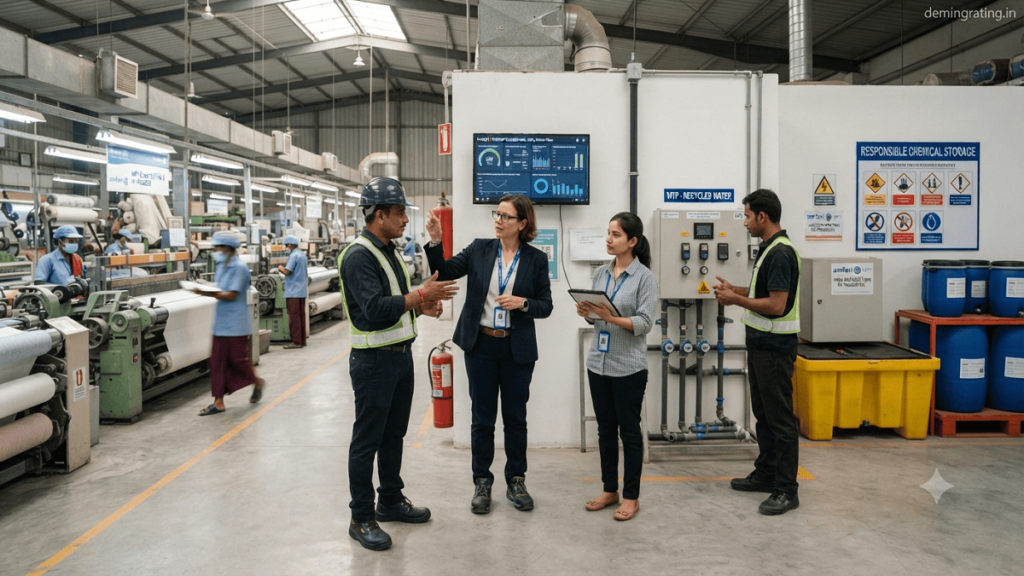
Case Study on amfori BEPI
Introduction
amfori BEPI (Business Environmental Performance Initiative) helps companies and suppliers identify environmental risks, improve sustainability practices, and create measurable improvements across supply chains. The framework is commonly used by global brands and retailers that want greater visibility into supplier environmental performance and want to move from compliance-based approaches toward continuous improvement.
This case study demonstrates how a company can use amfori BEPI to identify environmental challenges, implement improvement actions, and strengthen supply-chain sustainability.
Case Study: ZWILLING’s Implementation of amfori BEPI
Company Background
ZWILLING J.A. Henckels is a global manufacturer of premium kitchenware products with an international supplier network.
As part of its sustainability strategy, ZWILLING joined amfori BEPI in 2021 to improve environmental performance across its supply chain. The company aimed to gain better visibility into supplier environmental practices and identify opportunities for improvement beyond its own operations.
Business Challenge
Before implementing BEPI, many companies face common supply-chain sustainability challenges:
- Limited visibility into supplier environmental performance
- Difficulty collecting consistent environmental data
- Lack of standardised improvement processes
- Challenges in identifying high-risk environmental areas
For ZWILLING, the objective was to create a structured approach that would help suppliers measure and improve their environmental performance.
Implementation Approach
Step 1: Supplier Engagement and Environmental Data Collection
ZWILLING used the amfori BEPI framework to engage suppliers through environmental self-assessment processes.
Suppliers provided information related to:
- Energy consumption
- Water usage
- Environmental management practices
- Waste management
- Other environmental performance indicators
This process helped create a clearer picture of environmental risks within the supply chain.
Step 2: Environmental Risk Identification
Using BEPI assessments, suppliers could identify areas where environmental improvements were needed.
The BEPI framework evaluates environmental performance through key areas such as:
| Environmental Area | Example Risks Identified |
|---|---|
| Environmental Management Systems | Lack of formal environmental policies or monitoring |
| Energy and Climate | High energy consumption and carbon emissions |
| Water and Effluents | Inefficient water use or wastewater risks |
| Waste Management | Poor waste segregation and disposal |
| Chemicals Management | Unsafe chemical handling practices |
| Emissions to Air | Uncontrolled emissions |
| Biodiversity | Potential impacts on natural resources |
| Nuisances | Noise and local environmental impacts |
Step 3: Supplier Improvement Actions
After identifying risks, suppliers could develop improvement plans.
Typical improvement actions under BEPI include:
Energy Efficiency Improvements
Examples:
- Monitoring energy consumption
- Improving equipment efficiency
- Reducing unnecessary energy usage
Water Management Improvements
Examples:
- Tracking water consumption
- Improving wastewater treatment
- Reducing water waste
Waste Reduction Programmes
Examples:
- Better waste segregation
- Increased recycling
- Improved hazardous waste controls
Chemical Management Improvements
Examples:
- Maintaining chemical inventories
- Improving chemical storage
- Training employees on safe handling
BEPI supports suppliers through improvement activities such as capacity building, environmental monitoring, consultancy support, and sector-specific programmes.
Step 4: Supplier Monitoring and Continuous Improvement
The objective of BEPI is not simply to identify problems but to help suppliers improve over time.
Through ongoing monitoring, companies can:
- Track supplier progress
- Measure environmental improvements
- Identify remaining risks
- Strengthen supplier relationships
ZWILLING reported that its BEPI rollout focused on onboarding strategic suppliers and improving environmental sustainability performance across its supplier network.
Results and Benefits
1. Increased Supply Chain Transparency
BEPI enabled the company to better understand environmental performance across its supplier base.
Benefits included:
- Improved supplier environmental data
- Better risk visibility
- More informed sustainability decisions
2. Stronger Supplier Sustainability Management
By introducing a structured environmental assessment process, suppliers gained clearer expectations regarding environmental performance.
This helped create:
- Better environmental management practices
- Improved communication between buyers and suppliers
- Long-term sustainability partnerships
3. Better ESG Performance
The information collected through BEPI supported broader sustainability goals by providing environmental performance insights that can contribute to ESG reporting and supply-chain improvement strategies.
Another Example: JYSK’s Use of amfori BEPI
JYSK uses amfori BEPI to improve environmental understanding within its supplier network.
The company uses BEPI to gain insights into supplier environmental performance, covering areas such as:
- Environmental management systems
- Energy and climate
- Water and effluents
- Waste
- Chemicals
- Biodiversity
- Emissions
- Environmental nuisances
JYSK reports using BEPI information to better understand supplier environmental performance and identify improvement opportunities.
Key Lessons from the Case Study
| Challenge | BEPI Solution | Business Impact |
|---|---|---|
| Limited supplier environmental data | Supplier assessments and data collection | Better supply-chain visibility |
| Environmental risks not clearly identified | Risk-based environmental evaluation | Improved risk management |
| Lack of supplier improvement plans | Corrective actions and improvement activities | Continuous sustainability improvement |
| Difficulty measuring ESG progress | Environmental performance tracking | Stronger sustainability reporting |
How Companies Can Apply the BEPI Approach
A company implementing BEPI typically follows these steps:
- Identify relevant suppliers
- Select suppliers based on business importance and environmental risk.
- Complete environmental assessments
- Collect data on supplier environmental practices.
- Analyse risks
- Identify priority environmental improvement areas.
- Implement improvement activities
- Provide training, monitoring, or technical support.
- Measure progress
- Track improvements and update sustainability strategies.
Conclusion
The amfori BEPI framework provides companies with a practical method to improve environmental sustainability throughout their supply chains.
The ZWILLING case demonstrates how BEPI can help organisations:
- Improve supplier environmental visibility
- Identify sustainability risks
- Engage suppliers in improvement programmes
- Strengthen ESG strategies
By combining assessment, collaboration, and continuous improvement, amfori BEPI enables companies and suppliers to build more environmentally responsible and resilient supply chains.
Relevant External Resources
- amfori BEPI Overview
- amfori Sustainability Platform
- amfori BEPI Improvement Activities Support
- ZWILLING Sustainability Report 2023
White Paper: amfori BEPI – Driving Environmental Sustainability Through Supply Chain Due Diligence
Executive Summary
Global supply chains are responsible for significant environmental impacts, including greenhouse gas emissions, resource consumption, water pollution, waste generation, and chemical risks. As regulatory expectations, investor requirements, and consumer awareness around sustainability increase, companies need reliable methods to identify and manage environmental risks beyond their own operations.
amfori BEPI (Business Environmental Performance Initiative) provides a structured framework that enables companies and suppliers to assess environmental performance, identify improvement opportunities, and implement continuous sustainability improvements across global supply chains.
Unlike traditional environmental audits that often provide only a snapshot of compliance, BEPI follows a risk-based and improvement-oriented approach. It combines supplier assessments, environmental monitoring, capacity building, and corrective action processes to support long-term environmental performance improvement. (Amazon Web Services, Inc.)
1. Introduction: The Need for Environmental Supply Chain Management
The Changing Sustainability Landscape
Businesses today face increasing pressure to manage environmental impacts throughout their value chains. Regulatory developments, climate commitments, ESG reporting requirements, and stakeholder expectations have expanded corporate responsibility beyond direct operations.
Many environmental impacts occur upstream in supply chains, including:
- Manufacturing emissions
- Energy consumption
- Water usage
- Waste generation
- Chemical usage
- Resource depletion
Companies therefore need systems that help them understand supplier environmental performance and support measurable improvements.
Traditional approaches often focus on:
- One-time audits
- Compliance verification
- Identifying failures
However, sustainability challenges require continuous improvement, supplier collaboration, and long-term environmental management.
amfori BEPI addresses this need by providing a structured environmental due diligence approach for global supply chains. (sixsigma-tqm.in)
2. Understanding amfori BEPI
What is amfori BEPI?
amfori BEPI (Business Environmental Performance Initiative) is an environmental sustainability initiative developed by amfori to help businesses and suppliers improve environmental performance.
The framework enables organisations to:
- Identify environmental risks
- Assess supplier environmental practices
- Prioritise improvement areas
- Implement corrective actions
- Monitor environmental progress
BEPI is designed for companies operating complex supply chains where environmental risks may exist across multiple suppliers and production locations.
Official information:
amfori BEPI Overview
3. Objectives of amfori BEPI
The main objectives of BEPI are:
3.1 Environmental Risk Identification
BEPI helps companies understand where environmental risks exist within their supply chains.
Examples include:
- High energy consumption
- Excessive water usage
- Poor waste management
- Chemical handling risks
- Uncontrolled emissions
3.2 Supplier Environmental Improvement
BEPI supports suppliers in developing stronger environmental practices through:
- Assessments
- Training
- Monitoring
- Technical guidance
- Improvement programmes
The goal is not simply to identify problems but to help suppliers improve their environmental performance.
3.3 Sustainable Supply Chain Management
BEPI enables companies to integrate environmental considerations into sourcing decisions and supplier relationships.
It supports:
- Responsible sourcing strategies
- ESG objectives
- Environmental reporting
- Supply chain resilience
4. The amfori BEPI Framework Structure
The BEPI framework operates through several key stages.
Stage 1: Supply Chain Mapping
Companies identify relevant suppliers and production sites that should participate in BEPI.
The process allows businesses to:
- Understand supplier networks
- Prioritise high-risk suppliers
- Improve environmental visibility
Suppliers are managed through the amfori Sustainability Platform.
Stage 2: Environmental Risk Assessment
Suppliers complete a BEPI Risk Assessment through the platform.
The assessment includes:
- A general operational section
- Environmental Performance Area questionnaires based on supplier activities
The questionnaire is automatically configured according to site characteristics and production processes.
Stage 3: Environmental Performance Evaluation
BEPI assesses suppliers across eight Environmental Performance Areas (EPAs). (Amazon Web Services, Inc.)
5. Environmental Performance Areas (EPAs)
EPA 1: Environmental Management System
This evaluates whether a company has systems to manage environmental impacts.
Assessment areas include:
- Environmental policies
- Responsibilities
- Targets and objectives
- Monitoring systems
- Improvement plans
A strong environmental management system provides the foundation for continuous improvement.
EPA 2: Energy and Climate
Focus areas include:
- Energy consumption monitoring
- Energy efficiency
- Carbon emissions reduction
- Climate-related actions
Companies use this area to identify opportunities to reduce environmental footprints.
EPA 3: Emissions to Air
This area evaluates:
- Air emission sources
- Pollution controls
- Monitoring systems
- Reduction initiatives
The objective is to minimise negative impacts on air quality.
EPA 4: Water and Effluents
Assessment criteria include:
- Water consumption management
- Wastewater treatment
- Effluent monitoring
- Pollution prevention
This is particularly important for water-intensive industries such as textiles and manufacturing.
EPA 5: Waste Management
BEPI evaluates:
- Waste identification
- Waste reduction
- Recycling practices
- Hazardous waste controls
- Disposal procedures
The goal is to improve resource efficiency and reduce environmental impact.
EPA 6: Chemicals Management
This focuses on:
- Chemical inventories
- Safe storage
- Handling procedures
- Hazardous substance management
Effective chemical management reduces environmental and operational risks.
EPA 7: Biodiversity
This examines:
- Ecosystem impacts
- Natural resource use
- Biodiversity risks
It encourages companies to consider environmental impacts beyond factory boundaries.
EPA 8: Environmental Nuisances
This covers:
- Noise pollution
- Odour issues
- Local environmental disturbances
The objective is to reduce negative impacts on surrounding communities.
6. Improvement and Monitoring Process
A major strength of BEPI is its focus on continuous improvement.
After assessment, companies can implement improvement activities such as:
Capacity Building
Training programmes help suppliers improve environmental knowledge and management capabilities.
Environmental Monitoring
On-site monitoring identifies weaknesses and creates corrective action plans.
Consultancy Support
Specialists provide guidance on specific environmental challenges.
Sector-Specific Programmes
Certain industries can receive targeted support, such as chemical management programmes in textile and footwear supply chains.
7. Strategic Benefits of Implementing amfori BEPI
7.1 Improved Supply Chain Transparency
BEPI provides companies with better understanding of supplier environmental performance.
Benefits include:
- Improved supplier visibility
- Better risk prioritisation
- More informed sourcing decisions
7.2 Reduced Environmental Risk
Companies can proactively address:
- Regulatory risks
- Environmental incidents
- Resource inefficiencies
- Supply chain vulnerabilities
7.3 Stronger ESG Performance
BEPI supports companies in developing stronger environmental sustainability strategies.
It can contribute to:
- ESG reporting
- Sustainability targets
- Environmental performance measurement
7.4 Supplier Capability Development
Instead of replacing suppliers with poor performance, BEPI encourages collaboration and improvement.
This creates:
- Stronger supplier relationships
- Better environmental practices
- Long-term sustainability benefits
8. BEPI Compared with Traditional Environmental Audits
| Area | Traditional Environmental Audit | amfori BEPI |
|---|---|---|
| Approach | Compliance-focused | Improvement-focused |
| Main purpose | Identify non-conformities | Improve environmental performance |
| Scope | Individual facility | Supply chain environmental management |
| Outcome | Audit report | Improvement roadmap |
| Supplier involvement | Limited | Collaborative |
9. Role of BEPI in ESG and Sustainable Business Strategy
Environmental sustainability has become a strategic business priority.
BEPI supports organisations in addressing:
Environmental Responsibility
- Climate change
- Pollution prevention
- Resource efficiency
Supply Chain Resilience
- Supplier risk management
- Long-term partnerships
- Operational improvement
Stakeholder Expectations
- Investor confidence
- Customer trust
- Regulatory preparedness
10. Implementation Roadmap for Companies
A practical BEPI implementation approach includes:
Step 1: Identify Priority Suppliers
Select suppliers based on:
- Environmental risk
- Business importance
- Production impact
Step 2: Conduct Risk Assessments
Collect environmental performance data.
Step 3: Analyse Environmental Risks
Identify priority improvement areas.
Step 4: Develop Improvement Plans
Create measurable actions.
Step 5: Monitor Progress
Track improvements and update sustainability strategies.
Conclusion
amfori BEPI provides companies with a practical and scalable framework to improve environmental sustainability across global supply chains.
By combining environmental risk assessment, supplier engagement, monitoring, and continuous improvement, BEPI helps organisations move beyond basic compliance toward proactive environmental management.
For companies seeking to strengthen ESG performance, reduce supply-chain risks, and improve supplier sustainability, amfori BEPI offers a structured pathway toward responsible and resilient business operations.
Key References
- amfori BEPI Official Information
- amfori Sustainability Platform
- amfori BEPI System Manual 2024
- amfori BEPI Risk Assessment Guidance
- amfori BEPI Improvement Activities Guidance
Source: 5-Minute Eco Idea
Industry Application of amfori BEPI: How Different Sectors Use the Business Environmental Performance Initiative
Introduction
amfori BEPI (Business Environmental Performance Initiative) is a supply-chain environmental sustainability framework that helps companies and suppliers identify, manage, and improve environmental performance. It is particularly valuable for industries with complex global supply chains where environmental impacts occur throughout production, processing, and sourcing activities.
BEPI supports organisations by providing a structured approach to:
- Assess environmental risks
- Improve supplier environmental performance
- Reduce resource consumption
- Strengthen environmental management systems
- Support ESG and sustainability objectives
The framework is widely applicable across industries such as textiles, apparel, footwear, consumer goods, electronics, manufacturing, agriculture, and packaging.
Official resource:
amfori BEPI Overview
1. Textile and Apparel Industry
Industry Environmental Challenges
The textile and apparel sector is one of the most resource-intensive industries due to:
- High water consumption
- Chemical usage in dyeing and finishing
- Waste generation
- Energy-intensive production
- Carbon emissions
Factories involved in spinning, weaving, dyeing, printing, and garment manufacturing often face significant environmental risks.
How amfori BEPI Is Applied
Companies use BEPI to assess suppliers on:
Water and Effluents
Assessment areas include:
- Water consumption monitoring
- Wastewater treatment systems
- Chemical discharge controls
- Effluent quality management
Example improvement actions:
- Installing wastewater treatment systems
- Reducing water usage in dyeing processes
- Recycling process water
Chemical Management
BEPI helps textile suppliers improve:
- Chemical inventories
- Restricted substance management
- Chemical storage
- Worker training
- Hazardous substance controls
Benefits include:
- Reduced pollution risks
- Improved chemical safety
- Better compliance with buyer requirements
Energy and Climate
Textile manufacturers can use BEPI to:
- Monitor energy consumption
- Improve machinery efficiency
- Reduce greenhouse gas emissions
- Develop energy reduction plans
2. Footwear Industry
Industry Environmental Challenges
Footwear production involves environmental risks related to:
- Leather processing
- Adhesive chemicals
- Synthetic materials
- Waste generation
- Energy consumption
BEPI Application Areas
Chemical Management
BEPI helps footwear manufacturers manage:
- Solvents
- Adhesives
- Dyes
- Hazardous chemicals
Improvement measures may include:
- Safer chemical alternatives
- Better chemical storage
- Chemical risk assessments
Waste Management
Footwear suppliers can improve:
- Material utilisation
- Scrap reduction
- Recycling systems
- Production waste control
Environmental Management Systems
Manufacturers can develop:
- Environmental policies
- Monitoring systems
- Improvement targets
This supports long-term sustainability improvements.
3. Electronics and Electrical Manufacturing
Industry Environmental Challenges
Electronics manufacturing involves:
- High energy consumption
- Hazardous substances
- Electronic waste
- Chemical processes
- Resource-intensive production
How BEPI Supports the Industry
Energy and Carbon Management
BEPI helps electronics suppliers:
- Measure energy consumption
- Improve production efficiency
- Reduce carbon emissions
Chemical and Hazardous Substance Management
Assessment areas include:
- Chemical storage
- Hazardous material handling
- Pollution prevention
Examples:
- Better control of solvents
- Safer production processes
- Improved chemical documentation
Waste Management
Companies can improve:
- Electronic waste handling
- Material recovery
- Recycling systems
4. Consumer Goods Manufacturing
Industry Environmental Challenges
Consumer goods manufacturers produce a wide range of products, including:
- Household goods
- Furniture
- Personal care products
- Lifestyle products
Common environmental concerns include:
- Packaging waste
- Energy use
- Material sourcing
- Manufacturing emissions
BEPI Applications
Sustainable Resource Management
Companies use BEPI to improve:
- Raw material efficiency
- Production processes
- Waste reduction
Packaging Improvement
BEPI supports initiatives such as:
- Reducing packaging materials
- Increasing recyclability
- Improving waste management
Supplier Environmental Monitoring
Brands can evaluate suppliers based on:
- Environmental policies
- Waste practices
- Resource efficiency
5. Food and Agriculture Supply Chains
Industry Environmental Challenges
Agricultural and food supply chains face environmental risks including:
- Water consumption
- Biodiversity loss
- Land degradation
- Waste generation
- Energy use
BEPI Application Areas
Water Management
Companies can assess:
- Water usage efficiency
- Irrigation practices
- Wastewater management
Biodiversity Protection
BEPI encourages businesses to consider:
- Ecosystem impacts
- Sustainable resource use
- Habitat protection
Waste Reduction
Applications include:
- Food waste reduction
- Organic waste management
- Recycling programmes
6. Packaging and Paper Industry
Industry Environmental Challenges
Packaging industries face concerns related to:
- Raw material consumption
- Energy usage
- Waste generation
- Recycling challenges
BEPI Applications
Resource Efficiency
Companies can improve:
- Material usage
- Production efficiency
- Recycling rates
Waste Management
Assessment focuses on:
- Waste reduction
- Recycling systems
- Responsible disposal
Climate Performance
Companies can monitor:
- Energy consumption
- Carbon emissions
- Climate improvement initiatives
7. Chemical and Manufacturing Industries
Industry Environmental Challenges
Chemical and industrial manufacturing sectors often have significant environmental risks related to:
- Hazardous substances
- Air emissions
- Waste disposal
- Chemical storage
BEPI Application Areas
Chemical Management
BEPI evaluates:
- Chemical handling procedures
- Storage systems
- Emergency response plans
- Employee training
Emission Controls
Companies assess:
- Air emission sources
- Pollution prevention systems
- Monitoring procedures
Environmental Management Systems
Manufacturers establish:
- Environmental objectives
- Compliance processes
- Continuous improvement programmes
8. Retail and Brand Owners
Why Retailers Use BEPI
Retailers often do not manufacture products directly but manage large supplier networks.
Their main challenge is understanding environmental impacts throughout their supply chain.
BEPI Benefits for Retailers
Retail companies use BEPI to:
- Evaluate supplier environmental performance
- Identify high-risk suppliers
- Improve sourcing decisions
- Support sustainability commitments
Example Applications
A global retailer may use BEPI to:
- Identify suppliers with high environmental risks
- Request environmental assessments
- Develop supplier improvement plans
- Monitor sustainability progress
Industry Application Summary Table
| Industry | Main Environmental Risks | BEPI Focus Areas |
|---|---|---|
| Textile & Apparel | Water, chemicals, emissions, waste | Water, chemicals, energy, waste |
| Footwear | Chemicals, materials, waste | Chemical management, waste, EMS |
| Electronics | Energy, hazardous substances, e-waste | Climate, chemicals, waste |
| Consumer Goods | Materials, packaging, production waste | Resource efficiency, waste |
| Food & Agriculture | Water, biodiversity, waste | Water, biodiversity, resource management |
| Packaging | Materials, waste, emissions | Waste, energy, circularity |
| Chemical Manufacturing | Hazardous chemicals, emissions | Chemical safety, air emissions |
| Retail & Brands | Supplier sustainability risks | Supply-chain monitoring |
Role of BEPI in Industry Sustainability Strategies
Across industries, BEPI supports organisations in achieving:
Environmental Compliance
Helps companies understand and manage environmental obligations.
ESG Improvement
Provides environmental data and improvement pathways for sustainability reporting.
Supplier Engagement
Encourages collaboration rather than only compliance checking.
Operational Efficiency
Identifies opportunities to reduce:
- Energy costs
- Waste
- Resource consumption
- Environmental risks
Supply Chain Resilience
Helps businesses prepare for:
- Environmental regulations
- Climate risks
- Customer sustainability expectations
Conclusion
amfori BEPI provides a flexible environmental sustainability framework that can be applied across multiple industries. Its value lies in helping companies understand environmental risks, improve supplier performance, and implement measurable sustainability improvements.
Industries such as textiles, footwear, electronics, consumer goods, agriculture, packaging, and manufacturing can use BEPI to address sector-specific environmental challenges while building stronger, more transparent, and more sustainable supply chains.
By integrating BEPI into sustainability strategies, organisations can move beyond basic compliance and create long-term environmental value across their operations and supply networks.
Relevant External Resources
- amfori BEPI Official Information
- amfori Sustainability Platform
- amfori Support Centre – BEPI Resources
Table of Contents
Disclaimer:
This content is for informational purposes only and provides a general overview of amfori BEPI. Requirements, assessment criteria, and implementation processes may change based on amfori updates, industry requirements, and specific business circumstances. Organizations should refer to official amfori guidance and consult qualified sustainability professionals for detailed implementation support.