
GGBC Contaminated Site Remediation
GGBC Contaminated site remediation is an important aspect of sustainable site development because it focuses on identifying, managing, and restoring land affected by hazardous substances before or during building development. In the context of green building certification in India, this topic is generally addressed through the Global Green Building Council (GGBC). rating systems, where sustainable site selection and planning encourage responsible use of land and reduction of environmental risks. The exact criteria and terminology depend on the applicable GGBC rating system and version.
A contaminated site may contain pollutants resulting from previous industrial operations, waste disposal, petroleum storage, chemical handling, mining, manufacturing, or other activities. Potential contaminants can affect soil, groundwater, surface water, and air, creating risks for construction workers, future occupants, and surrounding ecosystems. Therefore, remediation should begin with a detailed assessment of the site’s historical and current conditions.
The first step is generally a site investigation and environmental assessment. Qualified professionals evaluate previous land uses, available environmental records, surrounding activities, and potential sources of contamination. Soil and groundwater sampling may be undertaken to determine the type, concentration, and distribution of contaminants. The findings help establish an appropriate remediation strategy.
Depending on the nature and severity of contamination, remediation can involve several approaches. These may include removal and safe disposal of contaminated soil, soil washing, bioremediation, groundwater treatment, containment, capping, or in-situ treatment technologies. The appropriate solution depends on factors such as contaminant characteristics, site geology, groundwater conditions, regulatory requirements, intended land use, and project objectives.
From a green building perspective, remediation can provide significant environmental benefits. Restoring contaminated land can enable the safe reuse of previously developed sites, potentially reducing pressure to develop undisturbed land. It can also prevent pollutants from spreading into surrounding ecosystems and groundwater. Responsible remediation can therefore support land conservation and broader sustainable-development objectives.
Project teams should also consider construction-phase protection. During remediation and construction, contaminated materials should be handled, transported, stored, and disposed of according to applicable environmental and occupational safety requirements. Workers should receive appropriate training, and monitoring should be conducted where exposure risks exist.
Documentation is another important consideration for green building projects. Developers should maintain environmental assessment reports, remediation plans, laboratory results, regulatory approvals, disposal records, and evidence demonstrating that remediation objectives have been achieved. These documents can support certification submissions and demonstrate responsible environmental management.
Ultimately, GGBC contaminated site remediation should be viewed as more than a certification exercise. Proper remediation transforms environmentally compromised land into a safer and more productive asset while protecting human health, natural resources, and surrounding communities. When combined with sustainable site planning, efficient water and energy management, responsible material selection, and long-term environmental monitoring, contaminated-site remediation can contribute to the development of healthier and more resilient green buildings.
Relevant external resources:
- Global Green Building Council (GGBC)
- GGBC Green New Buildings
- U.S. EPA – Brownfields and Land Revitalization
- U.S. EPA – Superfund: Contaminated Site Cleanup
#GreenConstruction
What Is Contaminated Site Remediation and Why Is It Important for GGBC Projects?
Contaminated site remediation is the process of identifying, controlling, treating, removing, or containing pollutants present in soil, groundwater, surface water, or other environmental media so that land can be safely reused for its intended purpose. Contamination may result from previous industrial activities, chemical storage, fuel stations, waste disposal, manufacturing, mining, or accidental releases. In green building projects, remediation is particularly important when a proposed development is located on previously developed or potentially polluted land.
In the context of GGBC, commonly referring to green building criteria associated with the Global Green Building Council (GGBC), contaminated-site management supports the broader objectives of responsible site selection and sustainable development. GGBC rating systems address sustainable site planning and encourage development practices that reduce environmental impacts while supporting occupant health and well-being.
Why Is Contaminated Site Remediation Important?
The first reason is protection of human health. Certain contaminants, including petroleum hydrocarbons, heavy metals, solvents, pesticides, and other hazardous substances, can pose risks through direct contact, inhalation, or exposure to contaminated water. Proper investigation and remediation help reduce these risks for construction workers, future occupants, neighbouring communities, and maintenance personnel.
Remediation also protects soil and water resources. Contaminants can migrate through soil and groundwater, potentially affecting nearby ecosystems or drinking-water sources. A scientifically planned remediation programme can prevent the further spread of pollutants and restore environmental conditions to an acceptable level.
Another major benefit is the sustainable reuse of previously developed land. Cleaning up contaminated or neglected sites can make them suitable for productive redevelopment, potentially reducing pressure to develop previously undisturbed land. The U.S. Environmental Protection Agency’s brownfields programme similarly promotes the assessment and cleanup of contaminated properties so they can be safely reused and revitalized. (epa.gov)
For a green building project, remediation can also contribute to environmental risk management and project resilience. Before construction begins, developers can assess potential contamination and determine whether engineering controls, soil removal, groundwater treatment, containment, or other measures are necessary. The selected solution should be based on site-specific investigations, contaminant characteristics, regulatory requirements, and the proposed future use of the property.
How Is Remediation Typically Carried Out?
The process normally begins with a historical and environmental site assessment. If potential contamination is identified, qualified environmental professionals may conduct soil and groundwater investigations. Laboratory testing helps determine the type and concentration of contaminants and their distribution across the site.
Depending on the findings, remediation may involve excavation and approved disposal, soil treatment, bioremediation, groundwater treatment, containment, capping, or in-situ technologies. Appropriate regulatory approvals, worker protection measures, monitoring, and documentation should be maintained throughout the process.
Ultimately, contaminated site remediation is important for GGBC projects because it connects environmental responsibility with safe and sustainable development. Properly remediated land can protect human health, reduce pollution risks, conserve land resources, and support the responsible redevelopment of previously impacted sites. It should therefore be considered an integral part of sustainable site planning rather than simply a compliance activity.
Relevant external resources:
- Global Green Building Council (GGBC)
- GGBC Green New Buildings
- U.S. EPA – Brownfields and Land Revitalization
- U.S. EPA – Superfund
#EnvironmentalSustainability
What Types of Contamination Can Affect a Building Site?
Building sites can be affected by several forms of contamination, particularly when the land has a history of industrial, commercial, agricultural, mining, waste-disposal, or fuel-storage activities. Identifying contamination before construction is essential because pollutants can affect soil quality, groundwater, air quality, ecosystems, construction workers, and future building occupants. For GGBC projects, understanding site conditions is an important part of responsible and sustainable site planning.
1. Soil Contamination
Soil contamination occurs when hazardous substances accumulate in the ground. Common contaminants include heavy metals, petroleum hydrocarbons, pesticides, solvents, and industrial chemicals. Heavy metals such as lead, arsenic, mercury, and cadmium may originate from industrial processes, waste disposal, mining, or historical site activities. Contaminated soil can create exposure risks during excavation and construction and may also affect vegetation and groundwater.
2. Groundwater Contamination
Pollutants can migrate through soil and enter underground water resources. Groundwater contamination may result from leaking underground storage tanks, industrial chemicals, landfills, septic systems, agricultural chemicals, or accidental spills. Depending on the contaminant and local hydrogeology, polluted groundwater can migrate beyond the original source area and potentially affect nearby water resources.
3. Petroleum and Hydrocarbon Contamination
Sites previously used for petrol stations, vehicle maintenance, fuel storage, manufacturing, or transportation activities may contain petroleum hydrocarbons. Leaking storage tanks and pipelines are common potential sources. Petroleum contamination can affect soil and groundwater and may create vapour-related risks in enclosed building spaces if not appropriately investigated and managed.
4. Chemical and Industrial Contamination
Former industrial facilities may contain solvents, acids, alkalis, pesticides, cleaning agents, and other hazardous chemicals. Manufacturing and chemical-processing activities can leave contamination in soil, groundwater, drainage systems, or building structures. The specific risks depend on the substances historically used at the property.
5. Biological Contamination
Some properties may experience biological contamination from sewage, wastewater, animal waste, pathogens, mould, or other biological sources. This can become particularly important where buildings have been vacant, flooded, poorly maintained, or exposed to untreated wastewater.
6. Asbestos and Hazardous Building Materials
Redevelopment of older properties can present risks from asbestos-containing materials, lead-based coatings, contaminated insulation, or other hazardous construction materials. These materials require appropriate assessment and controlled removal or management before demolition or renovation.
7. Radioactive Contamination
Although less common, certain sites may have naturally occurring radioactive materials or contamination associated with specialised industrial, medical, research, or mining activities. Such conditions require specialist investigation and regulatory oversight.
8. Waste and Landfill-Related Contamination
Former landfill and waste-disposal areas can contain a mixture of chemical and biological contaminants. They may also generate landfill gas, including methane, which can create safety and indoor-air-quality concerns if it migrates into buildings.
Why Identification Matters
A proper environmental site assessment helps determine whether potential contamination exists and whether further investigation is necessary. The U.S. Environmental Protection Agency’s brownfields programme, for example, supports the assessment and cleanup of properties where actual or potential contamination may complicate redevelopment. (epa.gov)
For a GGBC project, identifying contamination early allows the development team to select appropriate remediation or risk-management measures before construction begins. This can protect workers and occupants, prevent environmental damage, reduce unexpected project costs, and support responsible redevelopment.
Ultimately, contamination should be evaluated based on the site’s historical land use, current conditions, environmental pathways, intended building use, and applicable regulations. A qualified environmental professional should conduct detailed investigations whenever contamination is suspected.
Relevant external resources:
- Global Green Building Council (GGBC)
- U.S. EPA – Brownfields and Land Revitalization
- U.S. EPA – Contaminated Sites
#EnvironmentalSustainability
What Methods and Technologies Are Used to Remediate Contaminated Sites?
Contaminated-site remediation involves selecting appropriate technologies to remove, treat, contain, or control pollutants in soil, groundwater, sediment, or other environmental media. The correct approach depends on the type and concentration of contamination, site geology, groundwater conditions, contaminant behaviour, project timeline, regulatory requirements, and the intended future use of the property. For GGBC projects, remediation should be integrated with responsible site planning and environmental risk management.
1. Excavation and Off-Site Disposal
One of the most straightforward methods is to excavate contaminated soil and transport it to an authorised treatment or disposal facility. This approach can be effective when contamination is concentrated in relatively shallow areas and rapid removal is required. However, transportation, disposal costs, worker safety, and the environmental impact of moving large quantities of soil must be considered.
2. Soil Washing
Soil washing uses physical separation and, where appropriate, chemical solutions to separate contaminants from soil particles. It can be useful for certain heavy metals and organic contaminants. The treated soil may be reused when it meets applicable requirements, while the concentrated contaminant fraction requires further treatment or disposal.
3. Bioremediation
Bioremediation uses microorganisms or biological processes to break down certain contaminants into less harmful substances. It is commonly considered for biodegradable organic pollutants, including some petroleum hydrocarbons. Techniques can involve providing oxygen, nutrients, or other conditions that encourage naturally occurring microorganisms to degrade contaminants.
4. Phytoremediation
Phytoremediation uses plants and their associated biological processes to remove, stabilize, or transform certain contaminants. Plants may absorb contaminants from soil or groundwater, stabilize pollutants in place, or support microbial degradation around their roots. This technique can be relatively low-impact but may require considerable time and is suitable only for particular contaminants and site conditions.
5. Groundwater Pump-and-Treat
Where groundwater is contaminated, pump-and-treat systems can extract groundwater, treat it above ground, and then manage or discharge the treated water according to applicable requirements. Treatment technologies may include activated carbon, air stripping, filtration, or other contaminant-specific processes. This approach can be useful for controlling groundwater plumes but may require long-term operation.
6. Soil Vapour Extraction
Soil vapour extraction is commonly used for volatile organic compounds (VOCs) in the unsaturated soil zone. A vacuum system extracts contaminated vapours from the ground, after which the extracted air is treated before release. The technology can be effective at sites affected by certain solvents and petroleum-related contaminants.
7. In-Situ Chemical Treatment
In-situ chemical remediation treats contamination without excavating the soil. Oxidising or reducing agents may be introduced into the subsurface to chemically transform specific contaminants. This approach can reduce excavation requirements but requires detailed site characterisation and careful control of treatment chemicals.
8. Stabilisation and Solidification
Stabilisation or solidification involves mixing contaminated material with binding agents so that contaminants become less mobile or less likely to leach into surrounding soil and groundwater. This method is often considered for certain inorganic contaminants and heavy metals.
9. Containment and Capping
When complete removal is impractical, contaminated material may be contained or capped to prevent exposure and migration. Barriers can isolate contaminated soil from people, rainwater, and groundwater. Long-term monitoring and maintenance are essential when containment is used.
Selecting the Appropriate Technology
No single remediation technology is suitable for every site. Environmental professionals typically evaluate contaminant characteristics, site geology, hydrogeology, exposure pathways, remediation objectives, cost, construction requirements, and long-term management needs before selecting a strategy. The U.S. Environmental Protection Agency provides extensive technical information on contaminated-site treatment technologies and remediation approaches. (epa.gov)
For GGBC developments, the objective should be to achieve safe, environmentally responsible, and sustainable redevelopment while avoiding unnecessary disturbance. Combining technologies may often provide better results than relying on a single treatment method.
Ultimately, successful remediation requires proper investigation, technology selection, regulatory compliance, worker protection, performance monitoring, and documentation. When appropriately implemented, these technologies can transform contaminated or previously impacted land into safer and more productive sites for sustainable development.
Relevant external resources:
- U.S. EPA – Remediation Technologies
- U.S. EPA – Brownfields and Land Revitalization
- Global Green Building Council (GGBC)
- U.S. EPA – Superfund Cleanup
#SiteRemediation
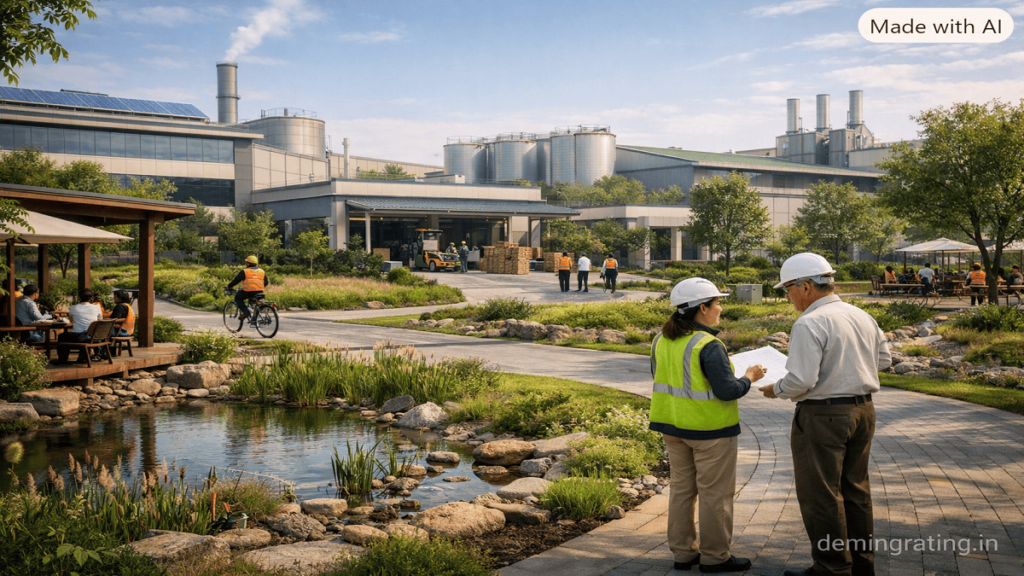
How Does Site Remediation Reduce Environmental and Health Risks?
Site remediation is an important environmental management process that helps reduce the risks associated with contaminated land, soil, groundwater, and other environmental media. For GGBC projects, remediation can support responsible site development by addressing contamination before it creates unacceptable risks to construction workers, future occupants, neighbouring communities, or ecosystems. The remediation strategy should always be based on a site-specific environmental investigation and applicable regulatory requirements.
Protecting Human Health
One of the primary objectives of remediation is to reduce human exposure to hazardous substances. Contaminated sites may contain petroleum products, heavy metals, solvents, pesticides, or other chemicals. People can potentially be exposed through direct contact with contaminated soil, inhalation of dust or vapours, or consumption of contaminated water.
Remediation methods such as excavation, treatment, containment, and capping can reduce the concentration or accessibility of contaminants. For example, removing contaminated soil from an exposure pathway can prevent people from coming into direct contact with hazardous substances. Similarly, soil vapour extraction can address certain volatile contaminants that could otherwise migrate into buildings.
The U.S. Environmental Protection Agency explains that contaminated-site cleanup programmes are designed to protect human health and the environment by addressing releases of hazardous substances. (epa.gov)
Protecting Groundwater and Surface Water
Contaminants can migrate through soil and enter groundwater or surface-water systems. Once contamination reaches groundwater, it can potentially travel beyond the original site and affect wells, streams, wetlands, or other sensitive resources.
Remediation can interrupt these pathways through groundwater treatment, containment barriers, source removal, or other site-specific technologies. Controlling the source of contamination is particularly important because it can prevent pollutants from continuing to migrate.
Protecting Soil and Ecosystems
Healthy soil supports vegetation, microorganisms, drainage, and ecological functions. Contaminated soil can negatively affect plants, animals, and soil organisms. Remediation can remove or immobilise harmful substances and help restore the site’s environmental quality.
Where appropriate, lower-impact techniques such as bioremediation or phytoremediation can be considered. These methods use biological processes to treat or stabilise certain contaminants and may reduce the need for extensive excavation.
Reducing Construction and Operational Risks
Contamination can create unexpected risks during excavation, foundation construction, utility installation, or landscaping. A properly investigated and remediated site allows project teams to identify hazards before construction begins. This can improve worker safety, reduce delays, and support better project planning.
After remediation, monitoring and institutional controls may still be necessary, particularly where contaminants remain beneath engineered barriers or within groundwater. Long-term management ensures that the protective measures continue to perform as intended.
Supporting Sustainable Redevelopment
Remediation also supports the responsible reuse of previously developed land. Instead of abandoning contaminated or underutilised properties and developing undisturbed areas elsewhere, cleanup can enable safe redevelopment. The U.S. EPA’s Brownfields programme promotes the assessment and cleanup of potentially contaminated properties so that they can be safely reused and revitalised. (epa.gov)
For GGBC projects, this approach aligns with the broader principle that sustainable development should minimise environmental impacts while creating safe and healthy spaces for people.
In conclusion, site remediation reduces environmental and health risks by removing or treating pollutants, preventing contaminant migration, breaking exposure pathways, protecting natural resources, and creating safer conditions for construction and future building use. Successful remediation should combine appropriate technology, environmental monitoring, worker protection, regulatory compliance, and long-term management.
Relevant external resources:
- U.S. EPA – Superfund
- U.S. EPA – Brownfields and Land Revitalization
- U.S. EPA – Remediation Technologies
- Global Green Building Council (GGBC)
#BrownfieldRedevelopment
What Are the Key GGBC Requirements and Best Practices for Documenting Successful Site Remediation?
For GGBC projects, commonly referring to green building requirements associated with the Global Green Building Council (GGBC), documentation is essential for demonstrating that contaminated land has been properly assessed and remediated. The exact requirements depend on the applicable GGBC rating system, project type, and rating-system version. GBC’s current Green New Buildings programme provides different documentation requirements across rating systems, while its Green Factory Buildings and Green Townships references provide specific examples for contaminated-site remediation.
1. Establish Evidence of Site Contamination
The first requirement is to clearly demonstrate that the project site qualifies as contaminated under the applicable rating criteria. For example, the GGBC Green Factory Buildings reference guide requires documentation demonstrating that the site is contaminated and specifies that the credit applies where more than 50% of the site area is contaminated.
Documentation may include environmental site assessment reports, historical land-use records, laboratory test results, regulatory correspondence, or certification from a competent authority, depending on the rating system.
2. Provide a Detailed Site Assessment
A comprehensive site assessment report should identify the suspected or confirmed contaminants, affected areas, sampling locations, concentrations, environmental pathways, and potential risks. For Green Townships, GGBC specifically requires a copy of the site assessment report as part of the documentation.
Clear site plans should identify contaminated zones and distinguish them from areas that are unaffected or already remediated.
3. Document the Remediation Strategy
The project should provide a narrative describing the remediation methods adopted. GGBC’s Green Factory Buildings reference guide identifies approaches such as pump-and-treat, bioreactors, land farming, and in-situ remediation as examples of possible strategies.
The narrative should explain why the selected technology was appropriate, what contaminants were targeted, the area or volume treated, the implementation period, and the intended remediation objectives.
4. Demonstrate the Extent of Restoration
Where the rating system awards points based on the amount of contaminated land restored, calculations should clearly demonstrate the percentage of the site successfully rehabilitated. GGBC Green Townships, for example, requires calculations showing the percentage of contaminated areas restored.
Supporting photographs, site plans, sampling results, and completion records can strengthen this evidence.
5. Maintain Test and Verification Records
Post-remediation laboratory test reports are particularly valuable because they provide measurable evidence that contamination levels have been reduced or controlled. Sampling should be conducted according to an appropriate environmental monitoring plan, with records identifying sampling locations, dates, analytical methods, and results.
The GGBC Green Landscape reference specifically calls for test reports indicating the level of site contamination along with a narrative describing remediation efforts.
6. Maintain a Complete Certification File
Best practice is to maintain a central documentation package containing the assessment report, competent-authority documentation, site plans, remediation narrative, laboratory reports, calculations, photographs, approvals, disposal records, and relevant contractor or consultant records. GGBC’s broader certification process also expects project teams to submit narratives and supporting documentation such as drawings, calculations, declarations, contracts, invoices, and technical reports where applicable.
Conclusion
Successful GGBC remediation documentation should tell a clear, verifiable story: what contamination existed, where it was located, how it was investigated, which remediation strategy was selected, what work was completed, and what evidence demonstrates successful restoration. Strong documentation not only supports certification but also provides an auditable record of environmental responsibility and helps demonstrate that the redeveloped site is being managed safely and sustainably.
Because GGBC requirements vary by rating system and version, project teams should always use the specific reference guide applicable to their registered project rather than relying on a generic checklist. GGBC currently identifies Version 4.0 as the applicable Green New Buildings standard for projects applying for pre-certification or certification from May 1, 2026, while projects registered earlier under Version 3 have migration flexibility.
Relevant external resources:
- GGBC Green New Buildings
- GGBC Green Factory Buildings
- GGBC Green Townships Reference Guide
- GGBC Resources
#SustainableDevelopment
Case Study of GGBC Contaminated Site Remediation
Contaminated-site remediation demonstrates how previously polluted or environmentally compromised land can be restored and responsibly reused for sustainable development. In the context of GGBC, commonly used to refer to green building criteria associated with the Global Green Building Council (GGBC), contaminated-site redevelopment can support sustainable site selection by allowing impacted land to be restored instead of developing previously undisturbed areas.
Case Study: Redevelopment of a Contaminated Site
Consider a hypothetical commercial development proposed on a former industrial property. The site had historically been used for manufacturing and chemical storage, creating a potential risk of soil and groundwater contamination. Before construction, the project team conducted a detailed environmental site assessment to understand the site’s historical activities and identify areas requiring investigation.
Soil and groundwater investigations identified contaminated zones requiring remediation. The project team prepared a remediation plan based on the type, concentration, and distribution of contaminants, as well as the proposed future use of the site. Depending on site conditions, the remediation programme could include excavation and controlled disposal of heavily contaminated soil, treatment of affected groundwater, containment of residual contamination, and appropriate monitoring.
A key principle was to avoid simply transferring the environmental problem elsewhere. Contaminated materials were therefore managed through approved handling, transportation, treatment, or disposal procedures. During construction, measures such as controlled excavation, dust suppression, worker protection, and environmental monitoring helped reduce exposure and prevent the spread of contamination.
Following remediation, additional soil and groundwater testing was undertaken to verify that the remediation objectives had been achieved. The project team retained site assessment reports, laboratory results, remediation records, photographs, site plans, calculations, and other supporting evidence.
This approach closely reflects the documentation philosophy found in GGBC’s Green Townships rating system. The GGBC framework provides credit for developing a project on a contaminated site after appropriate remediation and requires documentation such as a competent-authority letter confirming contamination, a site plan identifying contaminated areas, a site assessment report, a narrative describing remediation methods, and calculations showing the percentage of contaminated areas restored.
Sustainable Redevelopment Benefits
The major benefit of this approach is the productive reuse of previously impacted land. Instead of abandoning a contaminated property or developing a new greenfield site, remediation can enable the land to return to productive use. The U.S. Environmental Protection Agency similarly describes brownfield redevelopment as an opportunity to transform potentially contaminated properties into community and economic assets while reducing development pressure on natural and working lands.
A successful remediation project can also provide environmental and social benefits. Removing or controlling contaminants reduces potential exposure risks, protects groundwater and surrounding ecosystems, and creates a safer foundation for future development. Integrating sustainable design measures—such as energy-efficient buildings, water conservation, green landscaping, renewable energy, and low-impact stormwater management—can further improve the environmental performance of the redevelopment.
Real-world brownfield projects demonstrate how assessment and cleanup can unlock new community uses. For example, the U.S. EPA documents a redevelopment in Aberdeen where environmental assessment identified asbestos and petroleum-contaminated soil; the contamination was subsequently addressed before the property was redeveloped as a public library.
Key Lessons for GGBC Projects
The case demonstrates that successful contaminated-site remediation requires early investigation, qualified technical expertise, appropriate remediation technology, regulatory compliance, worker protection, verification testing, and comprehensive documentation. Most importantly, remediation should be considered part of the project’s overall sustainability strategy rather than merely a certification exercise.
When contaminated land is carefully assessed, remediated, verified, and redeveloped, it can become a safe and productive asset while reducing pressure on undeveloped land. This makes contaminated-site remediation an important component of responsible green building and sustainable urban development.
Relevant external resources:
- GGBC Green Townships Reference Guide
- U.S. EPA – Smart Growth and Infill Brownfields Redevelopment
- U.S. EPA – Brownfields Success Stories
- U.S. EPA – Brownfields Reuse in Small and Rural Communities
#GreenBuilding
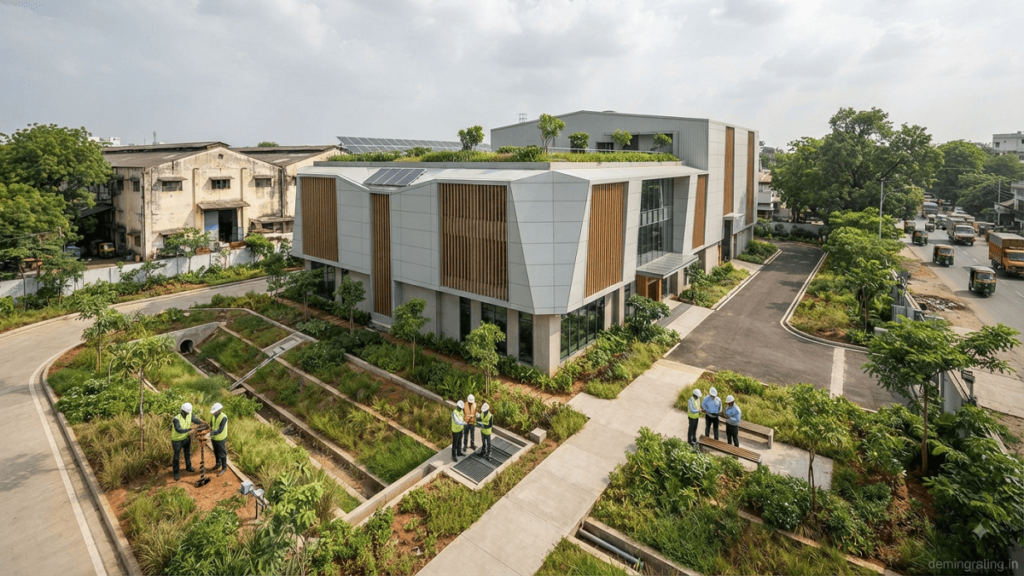
White Paper on GGBC Contaminated Site Remediation
Executive Summary
Contaminated site remediation is an important component of sustainable land development because it enables environmentally impacted properties to be assessed, restored, and safely reused. In the context of GGBC, commonly used to refer to green building criteria associated with the Global Green Building Council (GGBC), remediation supports responsible site selection and reduces the environmental risks associated with developing contaminated land.
GGBC addresses contaminated-site redevelopment in several rating systems. For example, the GGBC Green Factory Buildings framework has a specific Contaminated Site Remediation credit with the goal of rehabilitating sites where development is complicated by environmental contamination. Its compliance pathway allows a factory to be constructed on a contaminated site after appropriate remediation measures, with documentation demonstrating contamination and describing the remediation methods adopted.
Similarly, the GGBC Green Townships framework includes Redevelopment of Contaminated Areas, with the intent of restoring and reusing contaminated sites to reduce demand for virgin land. Its documentation requirements include evidence from a competent authority, a site plan identifying contaminated areas, a site assessment report, a remediation narrative, and calculations showing the percentage of contaminated areas restored.
1. Understanding Contaminated Sites
A contaminated site is land where hazardous substances, pollutants, or other contaminants may be present at concentrations that can create environmental or human-health concerns. Potential sources include former industrial operations, chemical storage, fuel handling, waste disposal, manufacturing activities, mining, and other historical land uses.
Before redevelopment, project teams should investigate the site’s historical use and environmental condition. Depending on the findings, soil, groundwater, surface water, or other environmental media may require sampling and laboratory analysis.
The objective is to understand what contaminants are present, where they are located, how they may migrate, and what exposure pathways could affect people or the environment.
2. Importance of Remediation in Green Development
Remediation provides several sustainability benefits. First, it can make previously impacted land suitable for productive reuse. This supports efficient land utilisation and can reduce pressure to develop previously undisturbed land.
Second, remediation can reduce potential risks to soil, groundwater, ecosystems, construction workers, occupants, and surrounding communities. Contamination that is left unmanaged may migrate through groundwater, become airborne as dust or vapour, or remain accessible through direct contact.
The GGBC Green Townships framework specifically links contaminated-area redevelopment with reducing demand for virgin land.
3. Remediation Approaches and Technologies
The appropriate remediation strategy depends on the type and extent of contamination, site geology, groundwater conditions, project requirements, and applicable environmental regulations.
Potential approaches include:
- Excavation and controlled disposal of contaminated soil
- Groundwater pump-and-treat systems
- Bioremediation
- Bioreactors
- Land farming
- In-situ remediation
- Soil treatment
- Containment and engineered barriers
- Soil vapour extraction
- Phytoremediation where appropriate
The GGBC Green Factory Buildings reference guide specifically identifies pump-and-treat, bioreactors, land farming, and in-situ remediation among possible remediation strategies.
Technology selection should be based on professional environmental investigation rather than simply choosing the lowest-cost option. The preferred approach should effectively address the contaminant while considering environmental impacts, worker safety, project schedule, long-term monitoring, and regulatory requirements.
4. Documentation and Verification
Documentation is a critical component of green building certification. A remediation project should establish a clear record of the site’s condition before treatment, the remediation strategy implemented, and the results achieved.
For GGBC Green Townships, required documentation includes a competent-authority letter confirming contamination, a site plan highlighting contaminated areas, the site assessment report, a narrative describing remediation methods, and calculations demonstrating the percentage of contaminated areas restored.
For factory projects, GGBC requires documentation demonstrating that the site is contaminated and a narrative describing the remediation methods adopted.
Best practice is to maintain additional supporting records, including laboratory reports, sampling locations, photographs, remediation contracts, waste transportation and disposal records, regulatory approvals, monitoring results, and completion reports.
5. Integrating Remediation With Sustainable Design
Remediation should not be treated as an isolated activity. Once environmental risks have been addressed, the development can incorporate complementary green strategies such as water conservation, energy efficiency, sustainable landscaping, stormwater management, renewable energy, waste reduction, and improved occupant health and well-being.
GGBC’s broader rating systems are structured around multiple sustainability categories. For example, the Green Campus system covers site planning and design, sustainable transportation, water conservation, materials and resource management, health and well-being, sustainable operation and maintenance, and innovation.
This integrated approach helps ensure that remediation contributes to the overall environmental performance of the completed development.
6. Industry Best Practices
For developers, architects, environmental consultants, and project managers, several practices can improve remediation outcomes:
- Investigate early: Conduct environmental due diligence before finalising site-development decisions.
- Use qualified professionals: Engage competent environmental consultants and laboratories.
- Define measurable objectives: Establish clear remediation targets and verification criteria.
- Select site-appropriate technologies: Consider contaminant characteristics, geology, groundwater, cost, and future land use.
- Protect workers: Implement appropriate health and safety controls during investigation and remediation.
- Prevent secondary pollution: Manage excavated materials, treatment residues, wastewater, and waste responsibly.
- Verify performance: Conduct post-remediation sampling and testing where required.
- Maintain complete records: Preserve documentation that can demonstrate compliance and successful implementation.
- Plan for long-term management: Where contaminants remain contained, establish monitoring and maintenance procedures.
Conclusion
GGBC contaminated site remediation represents an important opportunity to combine environmental restoration with responsible development. Properly managed remediation can reduce contamination risks, protect human health and natural resources, and return previously impacted land to productive use.
The strongest projects treat remediation as part of the overall sustainability strategy rather than simply a certification requirement. A successful approach begins with environmental assessment, continues through scientifically justified remediation, and concludes with verification, documentation, and appropriate long-term management.
Project teams should also confirm the rating-system version applicable to their project before relying on specific credit requirements. GGBC states that GGBC Green New Buildings Version 4.0 became mandatory for projects applying for pre-certification or certification from May 1, 2026, while other GGBC rating systems have their own applicable versions and addendums.
Relevant external resources:
- GGBC Green Factory Buildings Reference Guide
- GGBC Green Townships Reference Guide
- GGBC Green Townships Rating System
- GGBC Green New Buildings Rating System
- GGBC Resources
#ContaminatedSiteRemediation
Industry Application of GGBC Contaminated Site Remediation
Contaminated site remediation has significant applications across industries where construction or redevelopment takes place on land affected by previous industrial, commercial, storage, manufacturing, or waste-related activities. In the context of GGBC, commonly referring to green building criteria associated with the Global Green Building Council (GGBC), remediation supports the responsible reuse of environmentally impacted land while reducing potential risks to workers, occupants, communities, and natural resources.
The GGBC Green Factory Buildings rating system is particularly relevant to industrial projects. It is designed specifically for factory buildings across different industry sectors and climatic zones in India. The system addresses site selection and planning, water conservation, energy efficiency, materials and resources, indoor environmental quality, and innovation.
Application in Manufacturing Industries
Manufacturing facilities may occupy sites with a history of chemical processing, metal fabrication, petroleum handling, textile production, or other industrial activities. Such operations can potentially leave contaminants in soil or groundwater. Before developing a new green factory, project teams can conduct environmental assessments to identify contamination and determine appropriate remediation measures.
The GGBC Green Factory Buildings framework includes a Contaminated Site Remediation credit. The credit is intended to rehabilitate contaminated sites where environmental contamination complicates development. Under the referenced criteria, the credit applies to projects where more than 50% of the site area is contaminated, and the factory must be constructed after appropriate remediation measures have been undertaken.
Application in Brownfield Redevelopment
Remediation is especially valuable for brownfield redevelopment. Instead of abandoning previously developed land and expanding into undisturbed areas, industries can investigate, clean up, and reuse existing properties. This approach can make efficient use of land while addressing legacy environmental issues.
Possible remediation strategies include pump-and-treat systems, bioreactors, land farming, and in-situ remediation, depending on the contaminants and site conditions. GGBC specifically identifies these approaches as examples within its Green Factory Buildings guidance.
Application in Petroleum and Fuel-Related Sites
Petroleum storage facilities, fuel stations, vehicle service areas, and logistics properties may face contamination associated with fuel leaks or spills. Site investigation can identify petroleum hydrocarbons in soil or groundwater. Depending on the assessment, remediation may involve soil removal, groundwater treatment, vapour extraction, bioremediation, or containment.
Application in Warehousing and Logistics
Older warehouses and logistics properties may occupy land previously used for industrial storage or waste handling. During redevelopment, environmental due diligence can identify historical contamination before excavation and foundation work begins. Addressing contamination early can reduce construction risks and support safer redevelopment.
Application in Documentation and Certification
For green building certification, remediation should be supported by clear documentation. GGBC requires documentation demonstrating that the site is contaminated and a narrative describing the remediation methods adopted under the Green Factory Buildings contaminated-site criterion.
Best practice is to maintain environmental assessment reports, sampling results, laboratory analyses, remediation plans, site maps, photographs, waste-disposal records, regulatory approvals, and post-remediation verification results. GGBC’s broader certification process also requires project teams to submit narratives and supporting documentation such as drawings, calculations, declarations, contracts, invoices, and technical reports for applicable credits.
Business and Sustainability Benefits
The industrial application of contaminated-site remediation extends beyond certification. Proper remediation can reduce environmental liability, improve worker safety, protect groundwater and surrounding ecosystems, and make previously underutilised land suitable for productive development. It can also contribute to the creation of healthier and more environmentally responsible industrial facilities.
The GGBC Green Factory Buildings programme specifically aims to facilitate energy-efficient, water-efficient, healthy, productive, and environmentally friendly factories.
In conclusion, GGBC contaminated-site remediation provides industries with a structured approach to investigate, restore, and responsibly reuse impacted land. Its successful application requires early environmental assessment, professional remediation planning, appropriate technology, regulatory compliance, worker protection, performance verification, and comprehensive documentation. When integrated with energy, water, material, and indoor-environment strategies, remediation becomes part of a broader industrial sustainability programme rather than merely a green certification exercise.
Relevant external resources:
- GGBC Green Factory Buildings
- GGBC Green Factory Buildings Reference Guide
- GGBC Green New Buildings
- GGBC Green & Net Zero Buildings Rating Systems
#GGBC
Ask FAQs
What is contaminated site remediation in GGBC projects?
Contaminated site remediation is the process of identifying, treating, removing, or containing pollutants in soil, groundwater, or other environmental media before or during development. In GGBC/IGBC projects, it supports responsible land reuse and helps reduce environmental and health risks.
What types of contamination may require remediation?
Common contamination includes petroleum hydrocarbons, heavy metals, solvents, pesticides, industrial chemicals, contaminated groundwater, and waste-related pollutants. The appropriate remediation approach depends on the contaminant type, concentration, site conditions, and intended land use.
Which remediation methods can be used?
Depending on site conditions, methods may include excavation and controlled disposal, bioremediation, groundwater pump-and-treat, soil vapour extraction, in-situ treatment, stabilisation, containment, and phytoremediation. A qualified environmental professional should select the most appropriate technology based on site-specific investigation.
How does remediation benefit green building projects?
Remediation can protect construction workers and future occupants, prevent pollutants from migrating into groundwater or surrounding ecosystems, and enable the productive reuse of previously contaminated land. It can also support sustainable site development by reducing pressure to develop undisturbed land.
What documentation is required for contaminated site remediation?
Documentation may include environmental site assessment reports, site plans identifying contaminated areas, laboratory and sampling reports, remediation plans, photographs, regulatory approvals, waste-disposal records, remediation completion reports, and post-remediation verification results. Exact requirements depend on the applicable IGBC rating system and version.
Table of Contents
Disclaimer: GGBC/IGBC requirements may vary by rating system, project type, and applicable version. Always verify the latest official IGBC guidelines and consult qualified professionals before making project or certification decisions.