
Geothermal and Wind Power: Two Important Sources of Renewable Energy
Geothermal and wind power are two important renewable energy technologies that can help reduce dependence on fossil fuels and support the transition toward cleaner electricity systems. Although both sources produce low-carbon energy, they work in very different ways. Geothermal power uses heat stored beneath the Earth’s surface, while wind power converts the kinetic energy of moving air into electricity. Their different operating characteristics also make them potentially complementary within a modern energy system.
Geothermal power harnesses heat from beneath the Earth’s surface. Wells can be drilled into underground reservoirs containing hot water or steam. The heat brought to the surface can be used directly for heating or converted into electricity by driving a turbine. According to the U.S. Department of Energy’s Geothermal Basics guide, geothermal resources can also support heating, cooling, Geothermal and Wind Power and energy-storage applications.
One of geothermal energy’s biggest advantages is reliability. Unlike solar and wind resources, geothermal generation does not depend directly on daily weather conditions. Geothermal plants can operate continuously and provide electricity when demand requires it. The International Energy Agency reports that global geothermal capacity had an average utilisation rate of more than 75% in 2023, compared with less than 30% for wind power. This makes geothermal particularly valuable for supporting electricity grids that contain large amounts of variable renewable generation.
Wind power, by contrast, uses turbines to capture energy from moving air. As wind turns the turbine blades, mechanical energy is converted into electricity through a generator. Wind farms can be built on land or offshore, depending on available wind resources and project conditions. The U.S. Department of Energy’s Wind Energy resources provide further information about turbine technology, Geothermal and Wind Power and wind-energy development.
Wind power has expanded rapidly worldwide. In 2025, global annual wind capacity additions reached approximately 160 GW, a record level, according to the IEA. However, Geothermal and Wind Power wind generation varies with wind conditions, creating challenges related to grid balancing, transmission, storage, Geothermal and Wind Power and forecasting.
The two technologies can therefore complement each other. Geothermal provides consistent and flexible generation, while wind can supply large amounts of electricity when wind conditions are favourable. Combining them with solar, energy storage, transmission infrastructure, Geothermal and Wind Power and effective grid management can create a more resilient renewable energy system.
Both technologies still face challenges. Geothermal projects can involve high exploration and drilling costs, permitting requirements, and geological risks. Wind projects may encounter permitting delays, transmission constraints, supply-chain pressures, Geothermal and Wind Power and community concerns. Nevertheless, technological improvements are expanding the potential of both resources. The IEA estimates that next-generation geothermal technologies could eventually make geothermal power viable in many more regions worldwide.
Overall, geothermal and wind power represent different but complementary approaches to renewable energy. Their combination can contribute to cleaner electricity generation, greater energy security, Geothermal and Wind Power and a more diversified energy mix as countries work toward long-term decarbonisation goals.
#RenewablePower
What Are Geothermal and Wind Power, and How Do They Generate Renewable Energy?
Geothermal and wind power are two important sources of renewable energy that can generate electricity without relying on finite fossil fuels such as coal, oil, and natural gas. Both technologies use naturally replenished resources, but they capture energy in different ways. Geothermal power uses heat stored inside the Earth, while wind power uses the kinetic energy of moving air.
What Is Geothermal Power?
Geothermal power is energy derived from the natural heat beneath the Earth’s surface. Deep underground, hot rocks can heat water and produce steam. Wells can be drilled into these geothermal reservoirs to bring hot water or steam to the surface. The heat can then be used directly for heating or converted into electricity.
In a geothermal power plant, underground hot water or steam is brought through wells to the surface. The steam or heated fluid is used to drive a turbine, which rotates a generator and produces electricity. Afterward, geothermal fluids can often be reinjected underground as part of the production process. According to the U.S. Department of Energy’s Geothermal Basics, geothermal resources can also be used for heating and cooling in addition to electricity generation.
One major advantage of geothermal energy is its reliability. Unlike renewable sources that depend heavily on weather conditions, geothermal plants can operate continuously. The International Energy Agency notes that geothermal facilities can provide around-the-clock electricity and can help support variable renewable sources such as wind and solar.
What Is Wind Power?
Wind power converts the movement of air into useful mechanical energy and, ultimately, electricity. Wind is created largely by the Sun’s uneven heating of Earth’s atmosphere, combined with differences in terrain and Earth’s rotation.
A wind turbine captures this energy through its blades. When wind flows across the blades, aerodynamic forces cause the rotor to spin. The rotating rotor turns a shaft connected either directly or through a gearbox to an electrical generator. The generator converts the mechanical rotation into electricity, which can then be supplied to homes, businesses, industries, or the wider electricity grid. The U.S. Department of Energy’s Wind Energy resources explain this conversion process in detail.
Why Are They Renewable?
Both geothermal and wind power rely on natural resources that are continually replenished. Earth’s internal heat is continuously produced Geothermal and Wind Power and transferred toward the surface, while wind is continually generated through atmospheric processes driven primarily by solar energy. This makes both technologies important components of the transition toward lower-carbon energy systems.
Geothermal offers dependable generation, while wind can produce large amounts of electricity where strong and consistent wind resources are available. Used alongside other renewable technologies, energy storage, and modern power grids, geothermal, Geothermal and Wind Power and wind power can help diversify electricity supplies, reduce fossil-fuel dependence, and support long-term clean-energy goals.
#NetZero
How Does Geothermal Energy Differ From Wind Energy in Terms of Technology and Applications?
Geothermal energy and wind energy are both renewable sources of electricity, but they differ significantly in how they capture energy, the technology required to convert that energy, and the situations in which they are most useful. Geothermal energy harnesses heat stored within the Earth, whereas wind energy captures the kinetic energy of moving air. These differences influence where each technology can be developed, Geothermal and Wind Power and how it contributes to the energy system.
Differences in Technology
Geothermal energy requires access to suitable underground heat resources. In a conventional geothermal power plant, wells are drilled into areas where hot water or steam is naturally available beneath the Earth’s surface. The extracted steam or hot fluid is used to drive a turbine connected to an electrical generator. Depending on the resource, plants may use dry-steam, flash-steam, or binary-cycle technology. The U.S. Department of Energy explains that geothermal resources can also be used directly for heating and cooling rather than only for electricity generation.
Wind energy uses a completely different technological system. Wind turbines have large blades mounted on a rotor. When moving air passes over the blades, aerodynamic forces cause the rotor to spin. This rotational energy is transferred through a shaft to a generator, which produces electricity. Wind turbines can be installed individually or grouped into large wind farms. They can operate on land or offshore, where wind resources can be particularly strong. The U.S. Department of Energy’s Wind Energy program provides further information about wind-turbine technology.
Differences in Applications
Geothermal energy is particularly valuable in locations with accessible geothermal resources. Its applications include electricity generation, district heating, greenhouse heating, industrial processes, and geothermal heat pumps for buildings. Because geothermal power plants can provide relatively consistent output, they can contribute dependable electricity to the grid.
Wind energy has broader geographic potential because suitable wind resources exist across many regions, including coastal areas, plains, mountain passes, and offshore locations. Its primary application is electricity generation. Wind farms can range from relatively small installations serving local facilities to large utility-scale projects supplying electricity to regional grids.
Reliability and Resource Availability
Another important difference is how each resource behaves. Geothermal generation can operate continuously because underground heat is available regardless of whether the sun is shining or the wind is blowing. Wind generation, however, varies according to wind speed and weather conditions. As a result, large-scale wind deployment often requires forecasting, transmission infrastructure, flexible generation, or energy storage to manage variations in output.
Conclusion
In summary, geothermal energy depends on underground heat and requires drilling and specialized geothermal equipment, while wind energy relies on turbines that convert moving air into electricity. Geothermal is particularly useful for reliable electricity and direct heating applications, whereas wind is well suited to large-scale electricity generation in areas with strong wind resources. Rather than competing directly, the two technologies can complement each other as part of a diversified renewable energy system.
#EnergyTransition
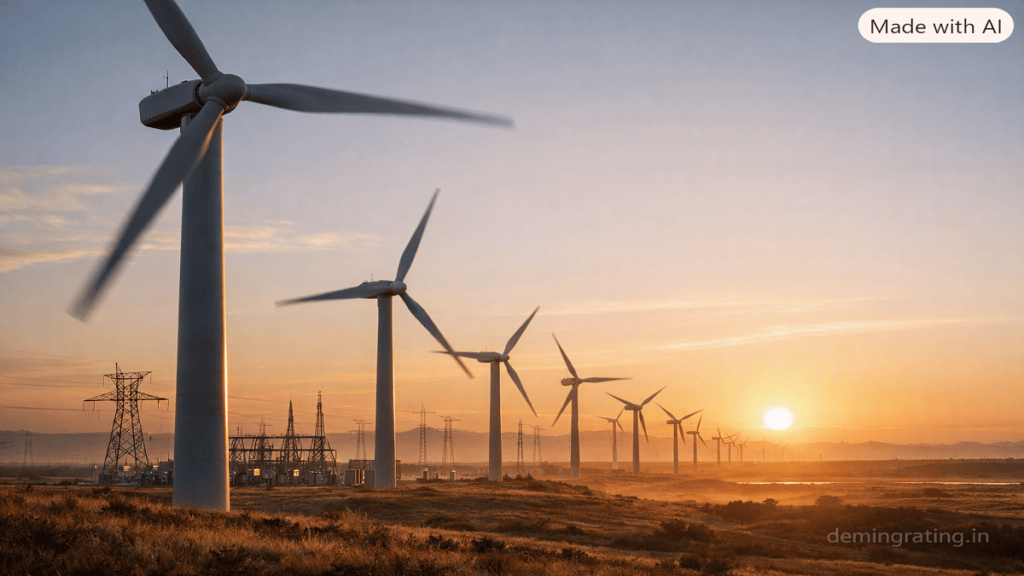
What Are the Environmental and Economic Benefits of Geothermal and Wind Power?
Geothermal and wind power offer significant environmental and economic benefits as countries transition from fossil fuels toward cleaner energy systems. Although they use different natural resources, both can reduce dependence on coal, oil, and natural gas while supporting energy security, investment, employment, and long-term sustainability.
Environmental Benefits of Geothermal Energy
Geothermal energy uses heat from beneath the Earth’s surface to generate electricity or provide heating and cooling. One of its major environmental advantages is its ability to produce energy with relatively low greenhouse-gas emissions compared with fossil-fuel power generation. Because geothermal plants do not require continuous combustion of coal or natural gas, they can help reduce carbon emissions and local air pollution.
Geothermal energy also provides a dependable source of renewable power. According to the International Energy Agency (IEA), geothermal plants can operate around the clock and had a global utilisation rate of more than 75% in 2023. This reliability can reduce the need for fossil-fuel generation when renewable electricity from variable sources is unavailable.
Geothermal resources can also be used directly for district heating, industrial processes, greenhouse heating, Geothermal and Wind Power and building heating and cooling, potentially reducing the need for fossil fuels in these applications.
Economic Benefits of Geothermal Energy
Geothermal projects can stimulate investment in drilling, engineering, construction, equipment manufacturing, and plant operations. Once a plant is operating, geothermal facilities can provide a relatively stable source of electricity and reduce exposure to fluctuations in fossil-fuel prices. New technologies are also expanding the potential geographic reach of geothermal energy.
However, geothermal projects can require substantial upfront investment because exploration and drilling involve geological uncertainty. Economic benefits therefore depend on resource quality, financing, infrastructure, Geothermal and Wind Power and project development conditions.
Environmental Benefits of Wind Power
Wind power generates electricity without burning fuel during operation. This means wind turbines can produce electricity without the direct combustion emissions associated with fossil-fuel power plants. Wind energy therefore contributes to reducing greenhouse-gas emissions and improving air quality when it replaces higher-emission electricity sources.
Wind farms can also provide renewable electricity at a large scale without consuming fuel resources. However, responsible planning remains important because wind projects can affect landscapes, wildlife, and local communities. Appropriate siting, environmental assessment, Geothermal and Wind Power and mitigation measures can help address these impacts.
Economic Benefits of Wind Power
Wind energy has become increasingly cost-competitive. According to IRENA’s Renewable Power Generation Costs in 2025, onshore wind had an average levelised cost of electricity of approximately USD 33 per megawatt-hour in 2025, making it one of the least-cost sources of new electricity generation.
Wind development also creates economic activity through manufacturing, construction, transportation, installation, maintenance, and related services. IRENA notes that renewable-energy investment can support income generation, employment, industrial development, and improved trade balances.
Conclusion
Overall, geothermal and wind power provide both environmental and economic advantages. Geothermal energy offers dependable renewable electricity and useful heating applications, while wind power provides increasingly cost-competitive large-scale electricity generation. Together, they can reduce emissions, diversify energy supplies, stimulate investment and employment, Geothermal and Wind Power and contribute to a more resilient and sustainable energy system.
#GreenTechnology
What Factors Should Be Considered When Selecting Sites for Geothermal and Wind Energy Projects?
Selecting the right location is critical to the success of geothermal and wind energy projects. Developers must evaluate the quality of the renewable resource, infrastructure, environmental conditions, regulations, land availability, community concerns, Geothermal and Wind Power and overall project economics. A site with an excellent energy resource may still be unsuitable if it is difficult to connect to the electricity grid or has significant environmental and permitting challenges.
Factors for Geothermal Energy Projects
For geothermal projects, the most important consideration is the quality and accessibility of the underground geothermal resource. Developers need to determine whether sufficient heat, hot water, or steam exists beneath the proposed site. Geological surveys, temperature measurements, exploratory drilling, Geothermal and Wind Power and other subsurface investigations can help establish the resource’s potential.
According to the U.S. Department of Energy (DOE), promising geothermal sites generally have hot subsurface fluids, suitable aquifers for production, Geothermal and Wind Power and reinjection, manageable mineral and gas content, and reasonable access to transmission infrastructure or electricity demand. (energy.gov)
Water availability and quality are also important because geothermal operations may require fluid production and reinjection. Developers must assess geological stability, possible induced seismicity, land conditions, and potential effects on groundwater and nearby ecosystems. Regulatory requirements and environmental assessments can significantly affect project schedules Geothermal and Wind Power and costs. (energy.gov)
Factors for Wind Energy Projects
Wind projects depend primarily on the strength and consistency of the wind resource. Developers typically analyze long-term wind-speed data, wind direction, turbulence, terrain, Geothermal and Wind Power and obstacles. Wind maps and on-site measurements help determine whether a location can produce sufficient electricity economically.
Access to transmission lines is another major consideration. A site with excellent wind conditions may not be commercially attractive if connecting to the electricity grid requires expensive or lengthy transmission infrastructure. Roads and other transportation infrastructure are also important because wind turbines have very large and heavy components.
Environmental and community considerations must be assessed carefully. Developers may need to evaluate potential effects on birds, bats, habitats, landscapes, nearby residents, Geothermal and Wind Power and other land uses. The DOE’s WINDExchange identifies wind resource quality, transmission access, environmental impacts, permitting, and community considerations as important elements of responsible wind-project siting. (energy.gov)
Common Economic and Regulatory Factors
Both technologies require analysis of land ownership, construction costs, financing, electricity prices, grid connection costs, taxes, incentives, permitting requirements, Geothermal and Wind Power and expected energy production. Developers must also consider whether local communities support the project and whether the proposed site complies with zoning and environmental regulations.
Ultimately, successful site selection requires balancing resource quality with infrastructure, environmental protection, regulatory requirements, community priorities, and project economics. The DOE’s renewable-energy siting guidance emphasizes that resource availability, transmission, environmental impacts, permitting, community priorities, and project economics should all be considered together. (energy.gov)
#SustainableEnergy
What Are the Major Challenges and Future Opportunities for Geothermal and Wind Power?
Geothermal and wind power have considerable potential to support the global transition toward cleaner and more secure energy systems. However, both technologies face technical, economic, environmental, Geothermal and Wind Power and regulatory challenges. At the same time, advances in technology, investment, grid infrastructure, and energy policies are creating new opportunities for their expansion.
Challenges Facing Geothermal Power
One of the biggest challenges for geothermal energy is the high cost and uncertainty associated with exploration and drilling. Developers may need to invest heavily before confirming whether an underground resource is suitable for commercial power generation. Drilling can also be technically complex, particularly in deep or difficult geological formations.
Geothermal projects can also face environmental and regulatory concerns. Developers must manage water resources, underground fluids, land use, and potential induced seismicity. In addition, high-quality conventional geothermal resources are not evenly distributed around the world, limiting development in some regions.
Despite these challenges, the future of geothermal energy is promising. The International Energy Agency (IEA) highlights the potential of next-generation geothermal technologies, including enhanced geothermal systems, which could allow developers to access heat in areas without naturally occurring underground reservoirs suitable for conventional projects. (iea.org)
Challenges Facing Wind Power
Wind energy faces a different set of challenges. Electricity generation varies according to wind conditions, meaning wind farms cannot always produce power when electricity demand is highest. Increasing wind generation therefore requires effective forecasting, flexible electricity systems, energy storage, Geothermal and Wind Power and strong transmission networks.
Wind projects can also encounter lengthy permitting processes, land-use conflicts, local opposition, and concerns about impacts on birds, bats, habitats, and landscapes. Offshore wind projects introduce additional challenges, including difficult marine construction conditions, higher infrastructure costs, and complex supply chains.
Future Opportunities for Wind Energy
Technological development is creating opportunities to produce more electricity from wind resources. Larger turbines, taller towers, improved blades, advanced control systems, and better forecasting can increase energy production. Offshore wind also offers significant potential because stronger and more consistent winds can be available over the ocean.
The International Energy Agency expects wind power to remain a major contributor to global renewable electricity expansion. Floating offshore wind technology could further expand development into deeper waters where conventional fixed-bottom turbines are unsuitable.
A Complementary Renewable Energy Future
Geothermal and wind power can complement one another. Geothermal plants can provide relatively consistent electricity, while wind farms can generate substantial amounts of power when wind conditions are favourable. Combining these resources with solar power, batteries, transmission networks, Geothermal and Wind Power and other flexible technologies can improve the reliability of renewable electricity systems.
Overall, the future of geothermal and wind power depends on continued technological innovation, investment, efficient permitting, responsible environmental planning, and grid modernization. Overcoming today’s challenges could allow both technologies to play a larger role in reducing fossil-fuel dependence and building a more sustainable global energy system.
#CleanEnergy
Case Study of Geothermal and Wind Power
Geothermal and wind power have developed from relatively specialized renewable technologies into important components of modern energy systems. Real-world projects demonstrate how natural resources, advanced technology, infrastructure, and careful environmental management can be combined to produce renewable energy at a large scale. Two useful examples are the Hellisheiði Geothermal Power Plant in Iceland, Geothermal and Wind Power and the Hornsea 2 Offshore Wind Farm in the United Kingdom.
Case Study 1: Hellisheiði Geothermal Power Plant, Iceland
The Hellisheiði Power Plant is located in the Hengill geothermal area of Iceland, approximately 20 kilometres southeast of Reykjavík. Operated by ON Power, the facility was commissioned in 2006 and has an electrical capacity of 303 MW, together with 200 MW of thermal capacity. It produces both electricity and hot water, demonstrating how geothermal resources can serve multiple energy needs. (ON Power)
The plant extracts geothermal fluids through wells that can reach depths of approximately 1,000 to 3,300 metres. The steam and hot water are separated, allowing the steam to support electricity generation while the hot water is used for district heating. ON Power states that the geothermal facilities at Hellisheiði and Nesjavellir produce approximately 50% of the hot water used to supply the Reykjavík capital region. (ON Power)
The project also illustrates the importance of environmental management in geothermal development. Reinjection systems are used to return geothermal fluids underground, helping manage the resource. More recently, Hellisheiði has incorporated technologies designed to capture carbon dioxide and hydrogen sulfide from geothermal emissions. ON Power reports that its purification facilities are intended to capture nearly all of these gases using Carbfix technology.
The Hellisheiði example demonstrates that geothermal energy can provide reliable electricity while simultaneously supporting large-scale district heating.
Case Study 2: Hornsea 2 Offshore Wind Farm, United Kingdom
Hornsea 2 is a major offshore wind project developed by Ørsted in the North Sea. With a capacity of approximately 1.4 GW, the project uses large offshore wind turbines to convert the kinetic energy of moving air into electricity. Ørsted states that the project was designed to provide electricity equivalent to the consumption of around 1.3 million UK homes. (Ørsted)
The project demonstrates how offshore wind can take advantage of strong marine wind resources while locating large generating facilities away from densely populated land areas. It also required substantial investment in offshore infrastructure, electrical connections, construction, operations, Geothermal and Wind Power and maintenance.
Hornsea 2 illustrates the rapid technological development of offshore wind. Larger turbines and improved project design allow modern wind farms to generate substantial amounts of electricity from relatively few machines. The project also created opportunities for employment, skills development, and supply-chain investment in the UK’s Humber region.
Lessons From Both Projects
The two case studies demonstrate different strengths of renewable energy. Hellisheiði shows how geothermal power can provide relatively continuous electricity while supplying useful heat for buildings. Hornsea 2 demonstrates the potential of large-scale offshore wind to generate significant amounts of renewable electricity.
Together, these projects show that successful renewable-energy development depends not only on the availability of natural resources but also on appropriate technology, infrastructure, environmental management, investment, Geothermal and Wind Power and long-term planning. Geothermal and wind power can therefore play complementary roles in developing a cleaner and more diversified energy system.
#RenewableEnergy
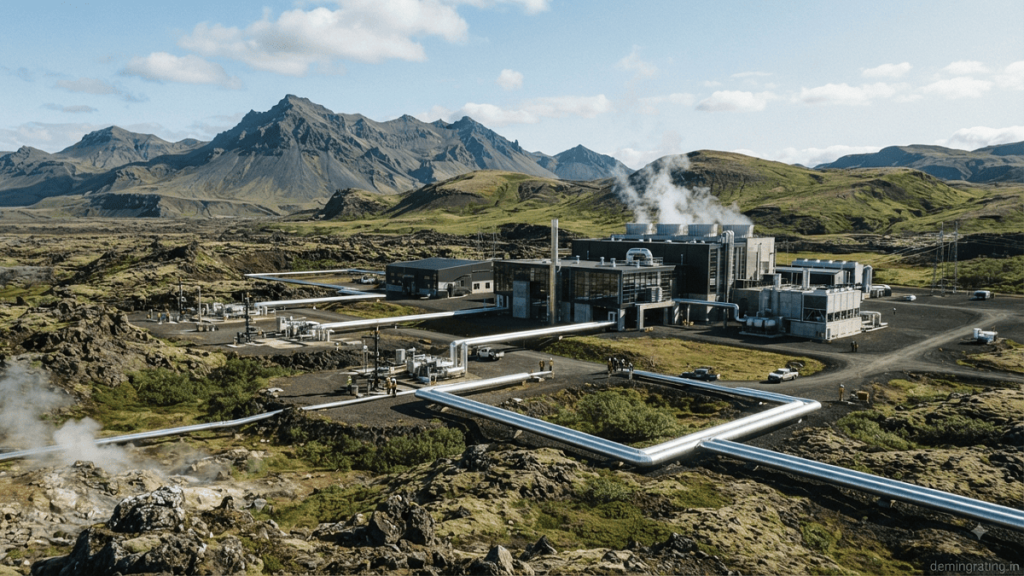
White Paper: Geothermal and Wind Power — Technologies, Opportunities, Challenges, and Future Outlook
Executive Summary
The global transition toward low-carbon energy systems is increasing the importance of renewable electricity technologies. Among these, geothermal and wind power offer distinct advantages. Geothermal energy uses heat from beneath the Earth’s surface to produce electricity and provide heating and cooling, while wind power converts the kinetic energy of moving air into electricity.
The two technologies differ significantly in their resource characteristics. Geothermal power can provide relatively stable, dispatchable electricity and is particularly valuable for supporting grids with increasing amounts of variable renewable generation. Wind power, meanwhile, has developed into one of the most cost-competitive sources of new electricity generation and offers substantial potential for large-scale deployment, particularly through modern onshore and offshore projects.
Recent data demonstrate the different positions of the two technologies. IRENA reports that global geothermal capacity reached approximately 15.4 GW by the end of 2024, while wind power has expanded to a much larger global scale. IRENA’s 2025 cost analysis found that the global weighted-average levelised cost of electricity was approximately USD 33/MWh for onshore wind and USD 78/MWh for offshore wind, compared with approximately USD 89/MWh for geothermal power.
The International Energy Agency (IEA) expects global renewable power capacity to increase substantially through 2030. Its Renewables 2025 outlook projects that global wind capacity will approach 2,000 GW by 2030, while annual geothermal additions are expected to reach a historic high by the end of the decade.
1. Introduction
Growing electricity demand, energy-security concerns, and the need to reduce greenhouse-gas emissions are encouraging countries to diversify their energy systems. Renewable technologies can reduce dependence on fossil fuels while creating opportunities for investment, employment, technological development, and domestic energy production.
Geothermal and wind power have complementary characteristics. Wind resources can generate large quantities of electricity at increasingly competitive costs, but production varies with weather conditions. Geothermal resources can provide more consistent generation but are geographically and technically constrained by the availability and accessibility of underground heat.
A balanced energy strategy can therefore use both technologies alongside solar power, hydropower, energy storage, transmission infrastructure, and other flexible resources.
2. Geothermal Power Technology
Geothermal energy originates from the Earth’s internal heat. In areas where underground temperatures are sufficiently high, wells can access hot water or steam. These fluids can be brought to the surface and used to generate electricity or provide direct heating.
Conventional geothermal power plants commonly use dry-steam, flash-steam, or binary-cycle systems. Direct-use applications include district heating, greenhouse heating, industrial processes, and geothermal heat pumps.
One of geothermal power’s major advantages is its ability to provide relatively firm electricity. IRENA describes geothermal power as capable of operating year-round at high capacity factors and providing firm, dispatchable electricity. This characteristic becomes increasingly valuable as electricity systems add larger amounts of variable solar and wind generation.
However, conventional geothermal development is highly dependent on local geology. Suitable high-temperature resources are not evenly distributed, and exploration and drilling can require substantial upfront investment.
3. Wind Power Technology
Wind power converts the kinetic energy of moving air into electricity. Modern wind turbines use aerodynamic blades attached to a rotor. When wind causes the rotor to turn, mechanical energy is transferred to a generator and converted into electricity.
Wind projects can be developed onshore or offshore. Onshore wind farms generally benefit from comparatively straightforward construction and lower costs, while offshore projects can access strong and relatively consistent wind resources over the ocean.
Technological improvements have increased turbine size, efficiency, reliability, and electricity production. Larger rotor diameters and taller towers allow turbines to access stronger wind resources at greater heights.
Wind power has become particularly competitive economically. According to IRENA’s 2025 cost analysis, onshore wind had a global weighted-average LCOE of USD 33/MWh, while offshore wind was approximately USD 78/MWh. More than 90% of utility-scale renewable projects commissioned in 2025 produced electricity at a cost below that of the cheapest new fossil-fuel alternative in their respective markets.
4. Environmental Benefits
Both geothermal and wind power can reduce dependence on fossil-fuel generation and therefore contribute to lower greenhouse-gas emissions.
Wind turbines generate electricity without burning fuel during operation. This eliminates direct combustion emissions from the generation process. Nevertheless, wind projects require responsible planning because construction and operation can affect landscapes, birds, bats, habitats, and local communities.
Geothermal power generally has a relatively small land footprint compared with many large-scale energy developments and can provide continuous electricity. However, geothermal projects must manage underground fluids, water resources, mineral content, and potential induced seismicity. Environmental performance varies according to the specific technology and resource.
The environmental benefits of both technologies therefore depend not only on the renewable resource itself but also on responsible project design, construction, operation, and end-of-life management.
5. Economic Benefits
Renewable energy development can create economic opportunities through construction, engineering, manufacturing, transportation, maintenance, research, and other supporting industries.
Wind power has developed a large global supply chain involving turbine manufacturing, electrical equipment, construction services, offshore engineering, logistics, and operations and maintenance. Falling costs have strengthened its position as a major source of new electricity generation.
Geothermal projects can also provide long-term economic benefits, particularly in regions with high-quality resources. Once a geothermal facility is operating, its fuel source does not depend on imported coal, oil, or natural gas. Geothermal development can therefore contribute to energy security and reduce exposure to fossil-fuel price volatility.
However, geothermal projects often face greater early-stage geological risk. Exploration and drilling can require significant capital before developers know whether a resource will deliver commercially attractive production.
6. Major Challenges
Geothermal Challenges
The principal challenges for geothermal development include:
- High upfront exploration and drilling costs
- Geological uncertainty
- Limited availability of conventional high-temperature resources
- Long project-development periods
- Financing risks
- Environmental and permitting requirements
- Potential induced seismicity in some projects
IRENA reports that geothermal deployment has grown relatively slowly compared with wind and solar. Global geothermal capacity reached 15.4 GW at the end of 2024, with only about 0.4 GW of new capacity added during 2024.
Wind Challenges
Wind power faces different constraints, including:
- Variable electricity production
- Transmission and grid-connection requirements
- Permitting delays
- Supply-chain constraints
- Financing challenges
- Land-use and community concerns
- Wildlife and environmental considerations
- Higher construction complexity for offshore projects
The IEA identifies grid integration, supply-chain vulnerabilities, financing, permitting delays, and rising costs as important challenges affecting renewable deployment. Despite these difficulties, its 2025 outlook still expects global wind capacity to nearly double to more than 2,000 GW by 2030.
7. Future Opportunities in Geothermal Energy
One of the most important opportunities for geothermal power is the development of next-generation geothermal technologies.
Enhanced geothermal systems can potentially access underground heat in locations where naturally permeable geothermal reservoirs are not available. Advanced drilling, reservoir engineering, improved subsurface mapping, and technologies derived from the oil and gas sector could expand the geographic availability of geothermal energy.
The IEA identifies next-generation geothermal as a potentially significant source of dispatchable, low-emissions electricity. It estimates that China, the United States, and India together account for approximately three-quarters of the global market potential for next-generation geothermal electricity.
Geothermal heating and cooling also represent an important opportunity. District heating networks and geothermal heat pumps can reduce fossil-fuel use in buildings and industrial applications.
8. Future Opportunities in Wind Energy
Wind power is expected to remain one of the central technologies in global renewable-energy expansion.
Onshore wind can benefit from larger turbines, improved materials, better forecasting, advanced controls, and improved maintenance systems. Offshore wind offers additional opportunities through larger turbines, floating platforms, and development in deeper waters.
Floating offshore wind could be particularly important for countries where deep coastal waters prevent the use of conventional fixed-bottom turbines. Digital monitoring and artificial intelligence may also improve turbine performance, predictive maintenance, and wind forecasting.
However, continued wind expansion will require significant investment in electricity transmission and grid flexibility. Energy storage, demand response, interconnections, and flexible generation can help manage periods of low or high wind production.
9. Complementarity Between Geothermal and Wind
The strongest case for considering geothermal and wind together is their different operating characteristics.
Wind can provide large quantities of low-cost electricity when wind conditions are favourable. Geothermal can provide more consistent generation and can therefore help support the electricity system when variable renewable output is lower.
This complementarity can become particularly valuable as electricity systems move toward higher shares of renewable energy. A diversified portfolio combining wind, geothermal, solar, hydropower, storage, and strong transmission networks can reduce dependence on any single technology.
10. Policy and Investment Priorities
Successful development will require policies that address the specific risks of each technology.
For geothermal energy, governments and financial institutions can help reduce early-stage exploration risk through resource assessments, drilling support, risk-sharing mechanisms, and streamlined permitting.
For wind energy, priority areas include faster permitting, transmission expansion, stable auction and market frameworks, supply-chain development, and investment in port and offshore infrastructure.
Both sectors can benefit from predictable long-term renewable-energy policies, workforce development, research and development, and improved environmental planning.
11. Conclusion
Geothermal and wind power represent two complementary pathways toward a cleaner and more diversified energy system. Wind power currently has a much larger global deployment base and has become one of the most cost-competitive sources of new electricity generation. Geothermal power remains smaller but offers an important advantage: the ability to provide relatively firm and dispatchable renewable electricity, as well as valuable heating and cooling services.
The future growth of wind will depend heavily on technological innovation, transmission investment, efficient permitting, supply-chain resilience, and effective grid integration. Geothermal growth will depend on reducing exploration and drilling risks and commercialising next-generation technologies capable of accessing previously difficult geothermal resources.
The IEA expects renewable capacity to expand rapidly through 2030, while IRENA’s latest cost data show that renewables remain highly competitive with new fossil-fuel generation.
The central opportunity is therefore not to choose between geothermal and wind, but to integrate their different strengths. Wind can deliver large-scale, increasingly affordable renewable electricity, while geothermal can provide dependable generation and heating. Together with solar, storage, modern transmission, and flexible electricity markets, these technologies can contribute substantially to energy security, economic development, and long-term decarbonisation.
Key References
- International Energy Agency — Renewables 2025
- International Energy Agency — The Future of Geothermal Energy
- IRENA — Renewable Power Generation Costs in 2025
- IRENA — Geothermal Energy
#WindPower
Industry Applications of Geothermal and Wind Power
Geothermal and wind power are increasingly important in industrial energy strategies because they can provide renewable electricity while reducing dependence on conventional fossil fuels. Although both technologies generate clean energy, their industrial applications differ because geothermal energy can provide both electricity and direct heat, whereas wind power is primarily used for electricity generation.
Industrial Applications of Geothermal Power
Geothermal energy has a particularly important role in industries that require continuous heat or electricity. Geothermal power plants can generate electricity by using naturally occurring underground steam or hot water. Because geothermal resources can provide relatively consistent energy, they are suitable for industrial facilities that require reliable power.
One major application is industrial process heating. Hot geothermal water can be used in food processing, textile production, paper manufacturing, chemical processing, and other industries where moderate-temperature heat is required. The International Energy Agency (IEA) identifies direct geothermal heating as an important opportunity for reducing fossil-fuel consumption in heating applications. (iea.org)
Geothermal energy is also used in greenhouse agriculture, where underground heat can maintain suitable temperatures and extend growing seasons. In addition, geothermal heat can support district heating systems and industrial drying processes.
Emerging geothermal technologies may expand industrial applications further. Enhanced geothermal systems could make geothermal resources available in regions that lack conventional hydrothermal reservoirs, potentially increasing access to reliable renewable heat and electricity.
Industrial Applications of Wind Power
Wind power is primarily used to generate electricity for industrial facilities and national electricity grids. Large onshore and offshore wind farms can supply significant quantities of electricity to energy-intensive industries.
Manufacturing plants, mining operations, data centres, warehouses, and other large facilities can use wind-generated electricity directly through power-purchase agreements or indirectly through the electricity grid. Companies can also develop dedicated wind projects to reduce exposure to fossil-fuel prices and support corporate renewable-energy targets.
Wind power is increasingly relevant to green hydrogen production. Electricity generated by wind turbines can power electrolysers that split water into hydrogen and oxygen. The resulting hydrogen can potentially be used in industries such as steelmaking, chemicals, refining, shipping, and heavy transport. The IEA identifies wind power as an important contributor to the expansion of renewable electricity needed for clean-energy applications.
Offshore wind also creates industrial opportunities in turbine manufacturing, port infrastructure, marine construction, vessel operations, electrical equipment, and maintenance services.
Combining Geothermal and Wind in Industry
The two technologies can complement each other. Wind power can provide large amounts of renewable electricity when wind conditions are favourable, while geothermal energy can provide relatively stable electricity and direct heat. Combining these resources with energy storage, grid infrastructure, and energy-efficiency measures can help industries build more resilient and lower-carbon energy systems.
Overall, geothermal and wind power have applications extending well beyond electricity generation. Geothermal is especially valuable for renewable heat and continuous energy requirements, while wind offers significant potential for large-scale electricity supply and emerging applications such as green hydrogen.
#GeothermalPower
Ask FAQs
What is the main difference between geothermal and wind power?
Geothermal power uses heat stored beneath the Earth’s surface to generate electricity or provide direct heating, while wind power uses the kinetic energy of moving air to generate electricity through wind turbines. Geothermal energy can provide relatively consistent output, whereas wind generation varies depending on wind conditions.
Which industries can benefit from geothermal energy?
Geothermal energy can support industries that require electricity or thermal energy. Common applications include food processing, agriculture, greenhouse heating, district heating, manufacturing, chemical processing, paper production, and industrial drying. Geothermal heat pumps can also be used in commercial and industrial buildings for heating and cooling.
What are the main industrial applications of wind power?
Wind power is primarily used to supply renewable electricity to industrial facilities and electricity grids. Manufacturing plants, mining operations, data centres, warehouses, and other energy-intensive businesses can use wind-generated electricity. Wind power can also support green hydrogen production, where renewable electricity is used to produce hydrogen for industrial processes and transportation.
Are geothermal and wind power environmentally friendly?
Both technologies can significantly reduce reliance on fossil fuels and lower greenhouse-gas emissions when they replace conventional fossil-fuel generation. Wind turbines produce electricity without fuel combustion during operation. Geothermal facilities can also provide low-emission electricity and heating, although their environmental impacts depend on the specific resource, technology, location, and management practices.
What is the future potential of geothermal and wind power?
Both technologies have considerable growth potential. Wind power is expected to remain a major source of new renewable electricity, particularly through larger onshore turbines and expanding offshore wind development. Geothermal energy could also expand through improved exploration, advanced drilling, enhanced geothermal systems, and wider use of geothermal heating. Together, geothermal and wind can complement solar power, energy storage, and modern electricity grids to create a more reliable and diversified renewable energy system.
Table of Contents
Disclaimer: This content is for general informational purposes only. Information, figures, and references may change over time and should be independently verified before making business, technical, financial, or investment decisions.