
Environmental assessment and site selection
Environmental assessment and site selection are critical steps in the planning and development of any project that may affect the surrounding environment. Whether the project involves infrastructure, industry, renewable energy, housing, or commercial development, selecting an appropriate site at an early stage can significantly reduce environmental risks, regulatory challenges, and long-term costs.
Environmental assessment is a systematic process used to identify and evaluate the potential environmental impacts of a proposed project before major decisions are made. It typically examines factors such as air and water quality, soil conditions, biodiversity, land use, natural resources, waste generation, noise, and potential impacts on local communities. Environmental assessment also helps determine whether proposed activities comply with applicable environmental laws, standards, and planning requirements. The United Nations Environment Programme (UNEP) provides extensive information on environmental assessment and sustainable development practices.
Site selection should be closely connected with the environmental assessment process. A suitable site is not determined solely by land availability, accessibility, or economic considerations. Developers should also evaluate environmental sensitivity, ecological value, flood and geological risks, proximity to protected areas, availability of water resources, existing infrastructure, and potential effects on nearby communities.
One important consideration is the presence of environmentally sensitive areas. Sites located near wetlands, forests, coastal ecosystems, wildlife habitats, rivers, or protected areas may require more detailed assessment and stronger mitigation measures. For example, information from the International Union for Conservation of Nature (IUCN) can help organizations understand biodiversity-related considerations when evaluating potential development sites.
A well-designed site selection process generally involves several stages: preliminary screening, collection of environmental data, identification of potential sites, comparison of alternatives, detailed environmental assessment, stakeholder consultation, and final site selection. Geographic Information System (GIS) technology can also be used to compare environmental and geographic factors across multiple locations.
Community participation is another important element. Local residents and stakeholders may have valuable knowledge about flooding, water availability, traditional land use, biodiversity, and other site-specific conditions that may not be evident from desktop studies alone. Early consultation can also improve transparency and help identify potential conflicts before construction begins.
Ultimately, environmental assessment and site selection should aim to balance environmental protection, technical feasibility, economic viability, and social considerations. Choosing a suitable site at the beginning of a project can prevent avoidable environmental damage, simplify regulatory approval, reduce mitigation costs, and contribute to long-term sustainability. For projects in India, developers should also consult the Ministry of Environment, Forest and Climate Change (MoEFCC) for applicable environmental regulations, assessment procedures, and policies.
What Is Environmental Assessment?
Environmental assessment is a systematic process used to identify, predict, evaluate, and manage the potential environmental effects of a proposed project, plan, programme, or policy before it is implemented. Its primary purpose is to ensure that environmental considerations are incorporated into decision-making at an early stage, helping organizations and authorities balance development objectives with environmental protection.
An environmental assessment examines how a proposed activity could affect important environmental components, including air, water, soil, land, ecosystems, wildlife, natural resources, and biodiversity. Depending on the type and scale of a project, it may also consider noise, waste generation, climate-related risks, landscape impacts, and potential effects on nearby communities. The United Nations Environment Programme (UNEP) recognizes environmental assessment as an important tool for supporting informed environmental decision-making and sustainable development.
One of the most common forms is an Environmental Impact Assessment (EIA). An EIA is generally conducted for projects that could have significant environmental consequences. The process may include screening to determine whether an assessment is required, defining the key issues to be studied, collecting baseline environmental information, predicting potential impacts, evaluating alternatives, developing mitigation measures, consulting stakeholders, and preparing an assessment report.
Environmental assessment is not limited to identifying negative impacts. It can also help identify opportunities to improve project design and environmental performance. For example, an assessment may recommend changes to a project’s location, construction methods, resource consumption, waste-management systems, or pollution-control measures. These recommendations can reduce environmental risks while potentially improving operational efficiency and reducing future costs.
Site selection is another important area where environmental assessment can provide significant value. Before a project location is finalized, developers can compare alternative sites according to factors such as ecological sensitivity, flood risk, water availability, land characteristics, proximity to protected areas, existing infrastructure, and potential effects on surrounding communities. Selecting a lower-risk site can reduce the need for expensive mitigation measures later.
Public and stakeholder participation may also form an important part of environmental assessment. Local communities, government agencies, technical experts, and other stakeholders can provide information about environmental conditions and potential concerns. Their involvement can improve transparency and help decision-makers understand impacts that may otherwise be overlooked.
In India, environmental assessment for regulated projects is closely associated with the country’s environmental clearance framework. The Ministry of Environment, Forest and Climate Change (MoEFCC) provides information on environmental policies, regulations, and clearance procedures.
Overall, environmental assessment is an essential planning and decision-making tool. By identifying environmental risks before development begins, it helps promote responsible resource use, reduce ecological damage, improve project planning, and support sustainable development.
What Environmental Factors Should Be Considered When Selecting a Project Site?
Selecting an appropriate project site is one of the most important decisions in the planning and development process. A site that appears economically attractive may create significant environmental risks if it is located in an ecologically sensitive or hazard-prone area. Therefore, environmental factors should be evaluated carefully before finalizing a project location. A thorough assessment can help reduce environmental impacts, regulatory complications, and long-term operational risks.
1. Land Characteristics and Existing Land Use
The physical characteristics of the land should be examined, including soil quality, slope, geology, drainage, and existing land use. Developers should determine whether the site is suitable for the proposed activity without causing unnecessary land degradation, erosion, or instability. Previous industrial or commercial use should also be investigated for possible soil or groundwater contamination.
2. Water Resources
The availability and quality of surface water and groundwater are important considerations. A project should not place excessive pressure on local water resources or contaminate nearby rivers, lakes, wetlands, or groundwater systems. Floodplains and areas vulnerable to waterlogging should also be identified. The United Nations Environment Programme (UNEP) provides information on sustainable water and environmental management.
3. Biodiversity and Ecologically Sensitive Areas
The presence of forests, wetlands, wildlife habitats, rare species, protected areas, and other ecologically sensitive locations must be assessed. Development in or near such areas can result in habitat destruction, fragmentation, and disturbance to wildlife. Biodiversity information and conservation guidance can be obtained from the International Union for Conservation of Nature (IUCN).
4. Air Quality and Pollution
Existing air-quality conditions should be considered, particularly for projects that may generate emissions. Developers should assess nearby pollution sources, prevailing wind patterns, and the potential for the proposed project to contribute to local air pollution. Sensitive receptors such as schools, hospitals, and residential areas should receive particular attention.
5. Climate and Natural Hazards
The site’s exposure to environmental hazards should be evaluated. These may include flooding, cyclones, landslides, earthquakes, drought, coastal erosion, and extreme temperatures. Climate-change projections should also be considered because future environmental conditions may differ significantly from historical patterns.
6. Waste and Pollution Management
The availability of suitable systems for wastewater treatment, solid-waste management, hazardous-waste handling, and pollution control should be examined. A site without adequate supporting infrastructure may create substantial environmental and operational challenges.
7. Communities and Surrounding Environment
The relationship between the proposed project and nearby communities should also be assessed. Noise, traffic, waste, water consumption, changes in land use, and other environmental effects may influence local residents.
In India, developers should review applicable requirements of the Ministry of Environment, Forest and Climate Change (MoEFCC) before finalizing a site.
Overall, site selection should consider land, water, biodiversity, pollution, climate risks, natural hazards, waste management, and community impacts. Integrating these factors into early planning helps organizations select environmentally suitable locations and supports safer, more sustainable project development.
How Does Site Selection Help Minimize Environmental Risks and Impacts?
Site selection plays a crucial role in minimizing the environmental risks and impacts associated with a proposed project. Choosing the right location at the beginning of the planning process can prevent many environmental problems before construction or operations begin. A well-selected site can reduce damage to natural ecosystems, lower pollution risks, improve resource efficiency, and make it easier for a project to comply with environmental requirements.
One of the main benefits of careful site selection is the avoidance of environmentally sensitive areas. Projects located near protected forests, wetlands, wildlife habitats, rivers, coastal ecosystems, or other ecologically important areas may cause significant environmental disturbance. Selecting an alternative site with lower ecological sensitivity can reduce habitat loss, biodiversity impacts, and the need for extensive mitigation measures. Guidance from the International Union for Conservation of Nature (IUCN) highlights the importance of considering biodiversity and ecosystem values in development planning.
Site selection can also help reduce pollution risks. A project located away from densely populated areas or sensitive environmental receptors may reduce potential impacts from air emissions, wastewater, noise, dust, and waste generation. For example, appropriate separation from residential communities, schools, hospitals, and important water bodies can help minimize exposure to project-related pollution.
Another important consideration is natural and climate-related hazards. Selecting a site outside flood-prone areas, unstable slopes, erosion-prone locations, or areas exposed to other hazards can reduce the likelihood of environmental damage and operational disruption. Climate risks such as extreme rainfall, heat, drought, sea-level rise, and coastal flooding should also be incorporated into site-selection decisions. The United Nations Environment Programme (UNEP) provides resources on climate resilience and sustainable environmental management.
Proper site selection can further improve resource management. Locations with reliable access to water, energy infrastructure, transportation, and appropriate waste-management facilities may allow projects to operate more efficiently while reducing pressure on natural resources. Choosing a site near existing infrastructure can also reduce the need for additional roads, pipelines, transmission lines, and other developments that could disturb previously undeveloped land.
Site selection can also support regulatory compliance. Environmental regulations may restrict development in certain locations or require additional studies and approvals for projects near protected or sensitive areas. Identifying these constraints early helps developers avoid unsuitable sites and reduce delays during the approval process. In India, relevant environmental policies and clearance requirements can be reviewed through the Ministry of Environment, Forest and Climate Change (MoEFCC).
Ultimately, effective site selection follows the principle of avoiding environmental impacts wherever possible before attempting to mitigate them. By comparing alternative locations and considering ecological, climatic, social, and physical conditions, developers can choose sites that present fewer environmental risks. This approach can reduce mitigation costs, improve project resilience, protect natural resources, and contribute to more sustainable long-term development.
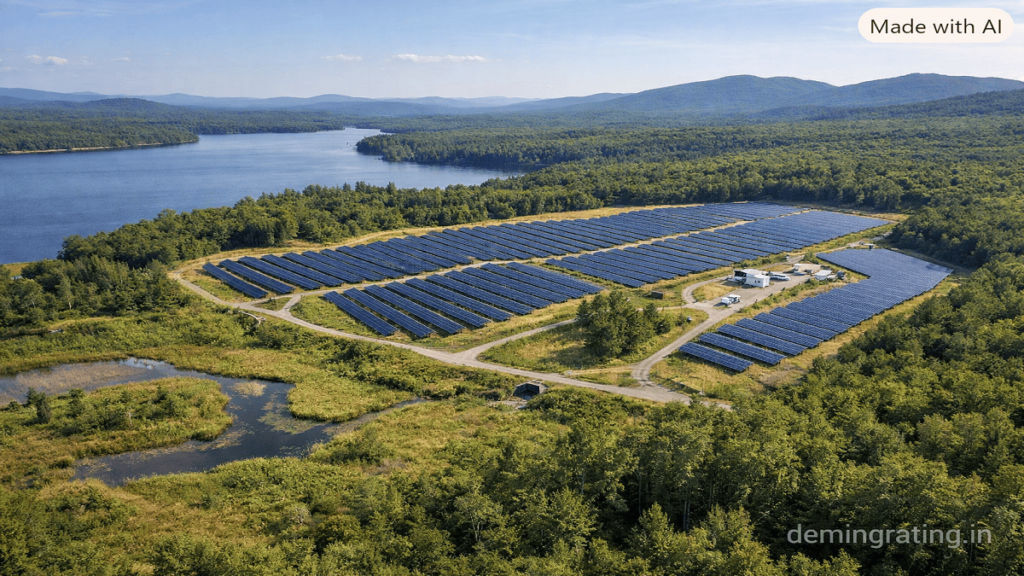
What Tools and Methods Are Used to Assess the Environmental Suitability of a Site?
Assessing the environmental suitability of a project site requires a combination of scientific methods, mapping technologies, field investigations, and regulatory reviews. The objective is to determine whether a proposed location can support the planned development while minimizing risks to ecosystems, natural resources, and surrounding communities. Using several assessment tools together provides a more reliable basis for site-selection decisions.
1. Environmental Impact Assessment
Environmental Impact Assessment (EIA) is one of the primary methods used to evaluate the potential environmental consequences of a proposed project. It typically examines issues such as air and water quality, biodiversity, land use, waste generation, noise, natural hazards, and community impacts. EIA can also identify mitigation measures and compare alternative sites or project designs. The United Nations Environment Programme (UNEP) provides international resources on environmental assessment and sustainable development.
2. Geographic Information Systems (GIS)
GIS is a powerful tool for analyzing and displaying environmental and geographical information. Different data layers, such as land use, forests, rivers, roads, protected areas, elevation, flood zones, and population distribution, can be combined to identify suitable and unsuitable locations. GIS is particularly useful when comparing several potential sites across a large geographic area.
3. Remote Sensing and Satellite Data
Satellite imagery and remote-sensing technologies provide information about land cover, vegetation, water bodies, urban development, and environmental changes over time. These tools can help identify sensitive ecosystems, monitor land-use changes, and evaluate areas that may be difficult to access through conventional field surveys. Resources from the U.S. Geological Survey (USGS) provide extensive information on remote sensing and Earth observation.
4. Field Surveys and Site Investigations
Desktop studies should be supported by on-site investigations. Environmental specialists may conduct surveys of soil, groundwater, surface water, vegetation, wildlife, air quality, noise, and existing contamination. Field studies help verify information obtained from maps, satellite imagery, and existing databases.
5. Environmental Baseline Studies
Baseline studies establish the existing environmental conditions before a project begins. Data on air quality, water quality, soil characteristics, biodiversity, noise, and ecological conditions can later be compared with conditions during and after project development.
6. Risk and Hazard Mapping
Hazard assessments help determine whether a site is vulnerable to flooding, landslides, earthquakes, coastal erosion, drought, cyclones, or other natural and climate-related risks. Combining hazard maps with GIS can help identify locations where development may be particularly vulnerable.
7. Multi-Criteria Analysis
Multi-Criteria Decision Analysis (MCDA) allows different factors to be evaluated together. Environmental sensitivity, land availability, infrastructure, water resources, hazard exposure, economic factors, and social considerations can be assigned weights and used to rank alternative sites.
8. Regulatory and Protected-Area Screening
A site should also be checked against applicable environmental regulations, land-use plans, protected-area boundaries, and other development restrictions. In India, relevant environmental policies and clearance requirements can be reviewed through the Ministry of Environment, Forest and Climate Change (MoEFCC).
By combining EIA, GIS, remote sensing, field surveys, baseline studies, hazard mapping, multi-criteria analysis, and regulatory screening, organizations can make better-informed site-selection decisions. These methods help identify environmental constraints early and support the selection of locations that are technically feasible, environmentally responsible, and more resilient over the long term.
What Are the Benefits and Challenges of Integrating Environmental Assessment into Site Selection?
Integrating environmental assessment into site selection is an important approach for developing projects that are environmentally responsible, legally compliant, and resilient over the long term. Rather than assessing environmental impacts after a location has already been selected, this approach incorporates environmental considerations into the earliest stages of decision-making. It can help developers identify potential problems, compare alternatives, and avoid locations where environmental risks are particularly high.
Benefits of Integrating Environmental Assessment
One of the main benefits is early identification of environmental risks. Environmental assessment can reveal issues such as protected habitats, water-resource constraints, contaminated land, flood hazards, biodiversity concerns, or poor air quality before significant investments are made. Identifying these issues early gives developers an opportunity to modify the project or select a more suitable location.
Another benefit is reduced environmental damage. Avoiding sensitive ecosystems is generally more effective than attempting to restore them after construction. Site selection informed by environmental assessment can help protect forests, wetlands, wildlife habitats, agricultural land, and water resources. The United Nations Environment Programme (UNEP) promotes environmental assessment as an important tool for informed decision-making and sustainable development.
The process can also provide financial and operational advantages. Sites with fewer environmental constraints may require less mitigation, monitoring, restoration, and pollution-control investment. Early identification of environmental risks can also reduce the likelihood of project delays, redesigns, disputes, and unexpected compliance costs.
Environmental assessment can further improve regulatory compliance and stakeholder confidence. Considering environmental requirements during site selection helps developers identify potential approval constraints before committing to a particular location. Public participation and transparent assessment can also help address community concerns and improve trust.
Challenges of Integrating Environmental Assessment
Despite these advantages, several challenges can arise. One major challenge is limited or incomplete environmental data. Information about biodiversity, groundwater, soil conditions, seasonal flooding, or wildlife may not always be available at the required level of detail. Field studies may therefore be necessary, increasing the time and cost of site evaluation.
Another challenge is the complexity of comparing multiple environmental factors. A site may have good access to infrastructure but high ecological sensitivity, while another may have lower ecological risks but greater climate or geological hazards. Balancing these competing factors often requires specialized expertise and structured decision-making tools.
There can also be additional time and financial costs associated with environmental surveys, GIS analysis, stakeholder consultation, laboratory testing, and technical studies. In addition, environmental regulations and land-use requirements may change over time, requiring developers to continuously monitor compliance.
For projects in India, organizations should review applicable requirements and environmental policies through the Ministry of Environment, Forest and Climate Change (MoEFCC).
Overall, integrating environmental assessment into site selection provides a preventive approach to environmental management. Although it requires data, expertise, time, and investment, the long-term benefits—such as reduced environmental damage, lower project risks, better compliance, and improved sustainability—can significantly outweigh the initial challenges.
Case Study: Environmental Assessment and Site Selection of Mandsaur Solar Park, India
The Mandsaur Solar Park in Madhya Pradesh, India, provides a practical example of how environmental assessment can be integrated into the planning and site-selection process for a large infrastructure project. The project formed part of India’s Solar Parks initiative, which aimed to support large-scale renewable-energy development. The World Bank’s Shared Infrastructure for Solar Parks Project included environmental and social assessment work for a 250 MW solar photovoltaic park in Mandsaur.
Site Selection and Environmental Screening
For a large solar project, selecting a site is not based only on solar-resource availability. Environmental and social conditions also need to be considered. The assessment process for the Mandsaur project examined potential environmental constraints and risks associated with the proposed development. The assessment considered issues including drainage conditions, nearby water bodies, land characteristics, and other environmental features that could influence project suitability.
The project’s environmental and social assessment followed a structured process beginning with site selection, environmental and social screening, and scoping. Key environmental and social features were identified before potential impacts were assessed. This demonstrates an important principle of environmental planning: environmental considerations should influence site decisions rather than being treated only as a requirement after the location has been finalized.
Environmental Impacts Considered
The assessment considered how project activities could interact with the physical, biological, and social environment. Potential concerns included changes to drainage patterns, impacts on water resources, land disturbance, construction-related pollution, waste generation, and impacts associated with transmission infrastructure.
These considerations are particularly important for solar parks because, although solar power has low operational emissions compared with fossil-fuel generation, large installations can still require substantial land and associated infrastructure. Roads, substations, transmission lines, construction activities, and changes in land use can create localized environmental impacts if they are not properly planned.
Mitigation and Management
Environmental assessment helps convert identified risks into practical mitigation measures. Depending on the site-specific findings, measures can include maintaining natural drainage, controlling construction dust and waste, protecting water resources, managing soil erosion, minimizing vegetation disturbance, and implementing environmental monitoring.
The Mandsaur project also illustrates why associated infrastructure must be included in environmental assessment. Transmission lines and substations can create additional environmental and social impacts even when the main solar facility itself has relatively limited operational impacts.
Key Lessons
The Mandsaur case demonstrates that environmental assessment can improve site selection by identifying environmental constraints before significant development takes place. It encourages planners to consider water resources, drainage, biodiversity, land conditions, communities, and infrastructure together rather than evaluating them separately.
The broader lesson is that the best project site is not necessarily the site with the lowest initial development cost. A suitable site should also have manageable environmental risks, adequate infrastructure, acceptable social impacts, and sufficient capacity to support long-term project operations.
For organizations planning projects in India, environmental requirements and applicable clearance procedures should also be reviewed through the Ministry of Environment, Forest and Climate Change (MoEFCC).
Overall, the Mandsaur Solar Park case shows how environmental assessment can support more informed site selection, reduce avoidable environmental risks, improve project planning, and contribute to sustainable infrastructure development.
White Paper: Environmental Assessment and Site Selection
Executive Summary
Environmental assessment and site selection are fundamental components of responsible project planning. Selecting a project location without adequately evaluating environmental conditions can result in habitat loss, pollution, resource conflicts, regulatory delays, and increased mitigation costs. Integrating environmental assessment into site-selection decisions allows project developers and decision-makers to identify constraints early, compare alternative locations, and select sites that provide a better balance between development objectives and environmental protection.
Introduction
Environmental assessment is a structured process for identifying and evaluating the potential environmental consequences of a proposed project. It considers factors such as land, water, air quality, biodiversity, ecosystems, natural hazards, climate risks, and impacts on surrounding communities. The World Bank’s environmental assessment framework emphasizes early assessment and the identification, avoidance, and mitigation of potential environmental and social risks.
Site selection should therefore be considered an integral part of environmental planning rather than a separate technical or economic exercise.
Environmental Considerations in Site Selection
A systematic site-selection process begins with environmental screening. Potential sites can be compared using criteria such as ecological sensitivity, proximity to protected areas, water availability, flood and landslide risks, soil conditions, existing land use, biodiversity, pollution levels, and access to infrastructure.
Modern tools such as Geographic Information Systems (GIS), satellite imagery, remote sensing, environmental databases, and field surveys can support this process. Multiple environmental data layers can be combined to identify areas with fewer environmental constraints. Climate-risk assessment is also increasingly important because future changes in rainfall, temperature, flooding, drought, and extreme weather can affect both project performance and environmental impacts. World Bank guidance specifically recommends considering climate risks within environmental impact assessment.
Benefits of Integrated Assessment
Integrating environmental assessment with site selection provides several benefits. First, it enables early avoidance of high-risk locations, which is generally more effective than attempting to mitigate environmental damage after development has begun. Second, it can reduce project delays and unexpected costs by identifying regulatory and environmental constraints at an early stage. Third, it supports better resource management and can improve project resilience to climate and natural hazards.
Strategic environmental assessment can further strengthen this approach by incorporating environmental considerations into policies, plans, and programmes before individual projects are designed.
Challenges and Recommendations
The process can face challenges such as incomplete environmental data, seasonal variations, competing land-use requirements, technical complexity, stakeholder concerns, and additional assessment costs. These challenges can be addressed through early screening, multidisciplinary expertise, transparent stakeholder consultation, reliable environmental data, GIS-based analysis, and comparison of multiple site alternatives.
For projects in India, developers should also review applicable environmental clearance requirements and policies administered through the Ministry of Environment, Forest and Climate Change (MoEFCC).
Conclusion
Environmental assessment and site selection should function as an integrated decision-making process. By identifying environmental constraints before a site is finalized, organizations can avoid sensitive areas, reduce environmental risks, improve regulatory preparedness, and support sustainable development. A site that is environmentally suitable, technically feasible, socially acceptable, and resilient to future risks provides a stronger foundation for long-term project success.
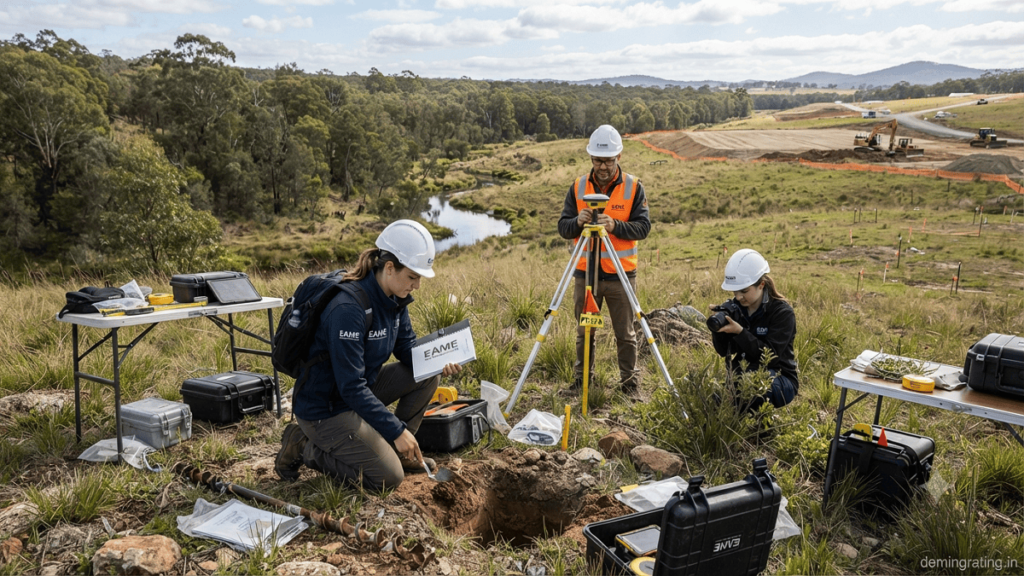
Industry Application of Environmental Assessment and Site Selection
Environmental assessment and site selection have become important decision-making tools across industries because the location of a project can significantly influence its environmental performance, regulatory requirements, operating costs, and long-term sustainability. Applying environmental assessment during the early planning stage enables industries to identify potential risks, compare alternative locations, and select sites that are environmentally and technically suitable.
Manufacturing and Industrial Facilities
Manufacturing industries use environmental assessment to evaluate factors such as air emissions, wastewater generation, hazardous materials, noise, waste disposal, and potential soil or groundwater contamination. Site selection may prioritize locations with suitable industrial zoning, reliable infrastructure, adequate water and energy supplies, and appropriate waste-management facilities. Sensitive areas such as residential communities, wetlands, protected ecosystems, and important water bodies may be avoided where possible.
Energy and Renewable Energy
Environmental assessment is particularly important for power-generation projects. Solar and wind projects require evaluation of land use, biodiversity, bird and wildlife impacts, drainage, and transmission infrastructure. Hydropower projects may require detailed assessment of river systems, aquatic ecosystems, forests, and communities. Environmental assessment helps energy developers balance resource availability with environmental constraints.
The International Finance Corporation (IFC) provides environmental and social performance standards that are widely used when assessing risks associated with private-sector projects.
Mining and Natural Resources
Mining projects can have significant impacts on land, water, biodiversity, and local communities. Environmental assessment helps identify potential effects from excavation, waste rock, tailings, water use, transportation, and rehabilitation activities. Site selection and mine planning can be used to avoid particularly sensitive ecological or social areas and reduce long-term environmental liabilities.
Infrastructure and Transportation
Roads, railways, airports, ports, and urban infrastructure can affect large areas and may interact with forests, wetlands, agricultural land, wildlife habitats, and communities. Environmental assessment allows planners to compare alternative routes and locations. GIS and remote sensing are frequently useful for identifying environmental constraints and selecting lower-impact alternatives.
Real Estate and Urban Development
Residential, commercial, and mixed-use developments also benefit from environmental site assessment. Developers may examine flood risk, drainage, soil stability, groundwater, existing contamination, vegetation, waste-management capacity, and access to public infrastructure. Selecting suitable sites can improve resilience while reducing environmental and construction risks.
Agriculture and Food Processing
Agricultural and food-processing projects need to consider water availability, soil conditions, drainage, waste generation, chemical use, and proximity to sensitive ecosystems. Proper site selection can help protect water resources and reduce pollution risks.
Conclusion
Across industries, environmental assessment supports a preventive approach to project planning. Instead of addressing environmental problems after construction or operations begin, organizations can identify risks while alternative sites and project designs are still available. This can reduce environmental damage, improve regulatory compliance, lower mitigation costs, and strengthen long-term business resilience.
For projects in India, organizations should review applicable environmental regulations and clearance requirements through the Ministry of Environment, Forest and Climate Change (MoEFCC). International projects may also need to consider relevant standards from organizations such as the World Bank.
Ultimately, integrating environmental assessment into industry site selection helps businesses make decisions that are not only economically and technically practical but also environmentally responsible and sustainable.
Ask FAQs
What is environmental assessment in site selection?
Environmental assessment in site selection is the process of evaluating the potential environmental conditions, risks, and constraints associated with a proposed project location. It considers factors such as land characteristics, water resources, biodiversity, air quality, pollution, natural hazards, climate risks, and nearby communities. The purpose is to determine whether a site is environmentally suitable and whether potential impacts can be effectively managed.
Why is environmental assessment important before selecting a project site?
Environmental assessment helps identify potential problems before significant investments are made. It can reveal sensitive ecosystems, flood-prone areas, contaminated land, water-resource limitations, protected areas, and other environmental constraints. Early identification allows developers to compare alternative sites and avoid locations where environmental impacts or regulatory challenges could be difficult or costly to manage.
How does site selection reduce environmental impacts?
Careful site selection can prevent environmental impacts by avoiding highly sensitive or hazardous locations. For example, selecting a site away from protected habitats, wetlands, floodplains, important water resources, and densely populated areas can reduce ecological and community impacts. Selecting a location with appropriate infrastructure can also reduce additional land disturbance and improve waste, water, and pollution management.
Who is responsible for conducting environmental assessment and site selection?
Responsibility generally involves a multidisciplinary team that may include environmental consultants, engineers, planners, ecologists, geologists, hydrologists, GIS specialists, project developers, and regulatory authorities. Depending on the project’s scale and location, government agencies and local communities may also participate in the assessment and consultation process. In India, applicable environmental policies, regulations, and clearance procedures should be reviewed through the Ministry of Environment, Forest and Climate Change (MoEFCC).
What tools are commonly used for environmental site assessment?
Several tools and methods can be used, including Environmental Impact Assessment (EIA), Geographic Information Systems (GIS), satellite imagery, remote sensing, environmental baseline studies, field surveys, soil and water testing, biodiversity assessments, and natural-hazard mapping. Multi-Criteria Decision Analysis (MCDA) can also help compare different sites using environmental, technical, social, and economic criteria.
Table of Contents
Disclaimer: This content is for general informational purposes only and should not be considered legal, regulatory, or professional environmental advice. Environmental requirements may vary by project, location, and applicable laws. Always consult qualified professionals and relevant authorities before making project decisions.