
Energy Metering
Energy metering is the process of measuring, monitoring, and analyzing electrical energy consumption within residential, commercial, and industrial facilities. It plays a critical role in understanding how electricity is generated, distributed, and used, enabling organizations to improve efficiency, reduce operational costs, and make informed energy management decisions.
Traditional energy meters were primarily designed to record total electricity consumption for billing purposes. However, modern energy metering systems have evolved into advanced monitoring solutions that provide real-time data on energy usage, power quality, voltage levels, current flow, demand patterns, and system performance. These smart metering technologies help businesses and facility managers identify energy wastage, optimize equipment operation, and improve overall sustainability.
Energy metering systems typically consist of electricity meters, communication networks, data management platforms, and monitoring software. Modern smart meters can automatically collect and transmit energy data through technologies such as IoT, wireless communication, and cloud-based platforms. This allows users to remotely monitor consumption trends and quickly detect abnormal energy usage or equipment inefficiencies.
In commercial and industrial environments, energy metering is an essential component of energy management systems (EMS). By installing sub-meters across different departments, machines, or building zones, organizations can analyze energy consumption at a detailed level. This process helps identify high-energy-consuming equipment, allocate costs accurately, and implement targeted energy-saving strategies.
Energy metering also supports sustainability initiatives by helping organizations reduce their carbon footprint. Accurate measurement enables companies to track energy efficiency improvements, integrate renewable energy sources such as solar power, and comply with energy regulations and reporting requirements.
There are several types of energy meters used today, including:
- Electromechanical meters: Traditional meters that measure electricity using mechanical components.
- Electronic energy meters: Digital meters that provide improved accuracy and additional measurement features.
- Smart meters: Advanced devices that enable real-time monitoring, automated data collection, and remote communication.
- Power quality meters: Systems that monitor parameters such as voltage fluctuations, harmonics, and power factor.
The growing adoption of smart grids, renewable energy systems, and digital building technologies has increased the importance of energy metering. Industries are increasingly using advanced metering infrastructure (AMI) to improve grid reliability, optimize energy distribution, and support demand-response programs.
For more information on energy efficiency and smart energy management, refer to resources from the International Energy Agency (IEA): https://www.iea.org/topics/energy-efficiency
In conclusion, energy metering is a fundamental technology for achieving efficient electricity management. By providing accurate consumption data and actionable insights, modern energy metering systems help businesses reduce costs, improve operational performance, and contribute to a more sustainable energy future.
What is Energy Metering and Why Is It Important?
Energy metering is the process of measuring, recording, and analyzing electrical energy consumption in buildings, industries, and infrastructure systems. It uses energy meters and monitoring technologies to track how much electricity is being consumed, when it is being used, and how efficiently different systems and equipment are operating. Energy metering is a fundamental part of modern energy management because it provides accurate data needed to control costs, improve efficiency, and support sustainability goals.
Traditional energy meters were mainly used for measuring electricity usage for billing purposes. However, modern energy metering systems have advanced significantly with the introduction of smart meters, digital meters, and advanced metering infrastructure (AMI). These technologies provide real-time information about energy consumption, power demand, voltage levels, current flow, power factor, and overall system performance.
Energy metering is important because it helps organizations understand their energy usage patterns. Without accurate measurement, businesses cannot identify areas of energy waste or determine which equipment consumes the most power. By installing energy meters and sub-metering systems, facility managers can monitor individual machines, departments, or building sections and implement targeted energy-saving strategies.
One of the major benefits of energy metering is cost reduction. Accurate energy data allows organizations to detect unnecessary consumption, optimize equipment operation, and reduce peak demand charges. Industries can use metering insights to improve production efficiency while minimizing electricity expenses.
Energy metering also plays a crucial role in energy efficiency and sustainability initiatives. By tracking consumption trends, organizations can measure the effectiveness of energy-saving projects, monitor carbon emissions, and support renewable energy integration. For example, businesses using solar power systems can combine energy meters with monitoring platforms to measure energy generation and consumption patterns.
Another important application is predictive maintenance. Advanced energy meters can identify unusual electrical patterns, such as sudden increases in power consumption or voltage irregularities, which may indicate equipment faults. Early detection helps prevent downtime, improves equipment reliability, and reduces maintenance costs.
Energy metering is widely used across various sectors, including:
- Industrial facilities: Monitoring heavy machinery, production lines, and electrical systems.
- Commercial buildings: Managing HVAC systems, lighting, and office equipment.
- Residential properties: Tracking household electricity consumption through smart meters.
- Data centers: Optimizing high-energy cooling and server operations.
- Renewable energy projects: Measuring energy generation and distribution.
According to the International Energy Agency (IEA), improving energy efficiency through better monitoring and management is essential for reducing global energy consumption and emissions. More information is available at: https://www.iea.org/topics/energy-efficiency
In conclusion, energy metering is an essential technology for efficient electricity management. By providing accurate and actionable energy data, it enables organizations to reduce costs, improve operational performance, increase energy efficiency, and achieve long-term sustainability objectives. As smart technologies continue to evolve, energy metering will remain a key component of modern energy management systems.
What Are the Different Types of Energy Meters Used in Buildings and Industries?
Energy meters are essential devices used to measure, monitor, and analyze electrical energy consumption in residential buildings, commercial facilities, and industrial plants. They help organizations understand energy usage patterns, improve efficiency, reduce electricity costs, and maintain reliable power systems. Depending on the application, different types of energy meters are used based on accuracy requirements, monitoring capabilities, and operational needs.
1. Electromechanical Energy Meters
Electromechanical meters, also known as traditional or induction meters, are one of the oldest types of electricity meters. They operate using a rotating aluminum disc mechanism that measures energy consumption based on electromagnetic principles.
These meters were commonly installed in residential buildings and small commercial applications. While they are reliable and simple in design, they have limited features compared with modern digital meters and cannot provide real-time monitoring or advanced energy data.
2. Electronic Energy Meters
Electronic energy meters use digital technology and electronic components to measure electrical parameters. They provide higher accuracy compared with traditional meters and can measure additional values such as voltage, current, power factor, and maximum demand.
These meters are widely used in commercial buildings, industries, and utility applications because they support better energy monitoring and reporting.
3. Smart Energy Meters
Smart meters are advanced digital meters that enable automatic data collection, remote communication, and real-time energy monitoring. They use communication technologies such as IoT, cellular networks, or wireless systems to send consumption data to energy management platforms.
Smart meters help utilities and consumers optimize energy usage, implement demand-response programs, and identify unusual consumption patterns. They are increasingly used in smart buildings and modern power grids.
4. Sub-Meters
Sub-metering systems are installed within a building or facility to measure energy consumption at specific locations, departments, machines, or equipment levels. Unlike main utility meters, sub-meters provide detailed information about where and how energy is being consumed.
Industries use sub-meters to monitor production lines, HVAC systems, lighting networks, and individual equipment. This helps identify energy-saving opportunities and allocate costs accurately.
5. Power Quality Meters
Power quality meters are designed to monitor electrical system performance beyond basic energy consumption. They measure parameters such as:
- Voltage fluctuations
- Harmonic distortion
- Power factor
- Frequency variations
- Electrical disturbances
These meters are especially important in industries with sensitive equipment, automated production systems, and data centers where power quality issues can cause equipment failure or downtime.
6. Demand Meters
Demand meters measure the maximum amount of electrical power used during a specific period. They are commonly used in industrial and commercial facilities where electricity tariffs are based on peak demand.
By monitoring demand levels, organizations can reduce peak load charges and optimize equipment scheduling.
7. Multifunction Energy Meters
Multifunction meters combine multiple monitoring capabilities into a single device. They can measure energy consumption, power quality, demand, voltage, current, and other electrical parameters.
These meters are commonly installed in industrial control panels, electrical distribution systems, and energy management systems.
Importance of Choosing the Right Energy Meter
Selecting the appropriate energy meter depends on factors such as facility size, energy monitoring goals, accuracy requirements, and integration needs. Modern industries increasingly prefer smart and multifunction energy meters because they provide detailed insights that support energy efficiency and sustainability initiatives.
According to the International Energy Agency (IEA), improving energy monitoring and management is an important step toward reducing energy consumption and achieving efficiency goals: https://www.iea.org/topics/energy-efficiency
Conclusion
Different types of energy meters serve different purposes, from basic electricity measurement to advanced real-time energy management. While traditional meters remain useful for simple applications, smart meters, sub-meters, and multifunction energy meters are becoming essential for modern buildings and industries. By selecting the right metering technology, organizations can improve energy efficiency, reduce operational costs, and create more sustainable energy management strategies.
How Does Energy Metering Help Monitor and Control Energy Consumption?
Energy metering plays a crucial role in monitoring and controlling electricity consumption by providing accurate data about how, when, and where energy is being used. In modern buildings and industrial facilities, energy meters are no longer limited to measuring electricity for billing purposes. Advanced metering systems provide real-time insights that help organizations improve efficiency, reduce energy costs, and achieve sustainability targets.
1. Provides Real-Time Energy Consumption Data
One of the primary benefits of energy metering is the ability to monitor electricity usage in real time. Smart energy meters and digital monitoring systems collect data on energy consumption patterns, allowing facility managers to understand current demand levels and identify unusual increases in usage.
Real-time monitoring helps organizations quickly detect energy wastage caused by inefficient equipment, unnecessary operation of systems, or abnormal electrical conditions. This enables faster corrective action and prevents unnecessary energy expenses.
2. Identifies Energy-Wasting Equipment
Energy metering allows businesses to track consumption at individual equipment, department, or building levels through sub-metering systems. By analyzing this data, organizations can identify machines or systems that consume excessive energy.
For example, an industrial facility may discover that an aging motor, HVAC system, or production machine is using more electricity than expected. This information helps managers prioritize maintenance, upgrades, or replacement decisions.
3. Supports Energy Efficiency Improvements
Accurate energy measurement is essential for improving energy efficiency. Organizations can compare energy consumption before and after implementing energy-saving measures such as LED lighting upgrades, efficient HVAC systems, or automated controls.
Energy meters provide measurable results, helping businesses verify whether efficiency projects are delivering the expected savings.
4. Helps Manage Peak Demand
Commercial and industrial facilities often face higher electricity charges during periods of peak demand. Energy metering helps monitor demand levels and identify peak usage patterns.
With this information, organizations can shift high-energy activities to off-peak periods, optimize equipment schedules, and reduce demand-related costs. This process is commonly used in demand-response programs and smart energy management strategies.
5. Enables Automated Energy Management
Modern energy metering systems can be integrated with Building Management Systems (BMS) and Energy Management Systems (EMS). These platforms automatically analyze energy data and control equipment such as lighting, HVAC systems, and industrial machinery.
Automation allows facilities to maintain optimal energy performance without requiring constant manual monitoring.
6. Improves Maintenance and Equipment Reliability
Energy consumption patterns can reveal early signs of equipment problems. Sudden increases in power usage, voltage fluctuations, or irregular operating patterns may indicate electrical faults or declining equipment performance.
Predictive maintenance based on energy data helps reduce downtime, extend equipment life, and improve operational reliability.
7. Supports Sustainability Goals
Energy metering helps organizations measure their environmental performance by tracking electricity consumption and associated carbon emissions. Accurate data supports sustainability reporting, renewable energy management, and compliance with energy-efficiency regulations.
According to the International Energy Agency (IEA), improving energy efficiency through better monitoring and management is essential for reducing energy consumption and supporting climate goals: https://www.iea.org/topics/energy-efficiency
Conclusion
Energy metering is a powerful tool for monitoring and controlling energy consumption across residential, commercial, and industrial applications. By providing accurate energy data, identifying inefficiencies, managing demand, enabling automation, and supporting sustainability initiatives, energy metering helps organizations reduce costs and improve overall energy performance. As smart technologies continue to advance, energy metering will remain a key component of efficient and sustainable energy management systems.
What Are the Benefits of Smart Energy Meters Compared to Traditional Meters?
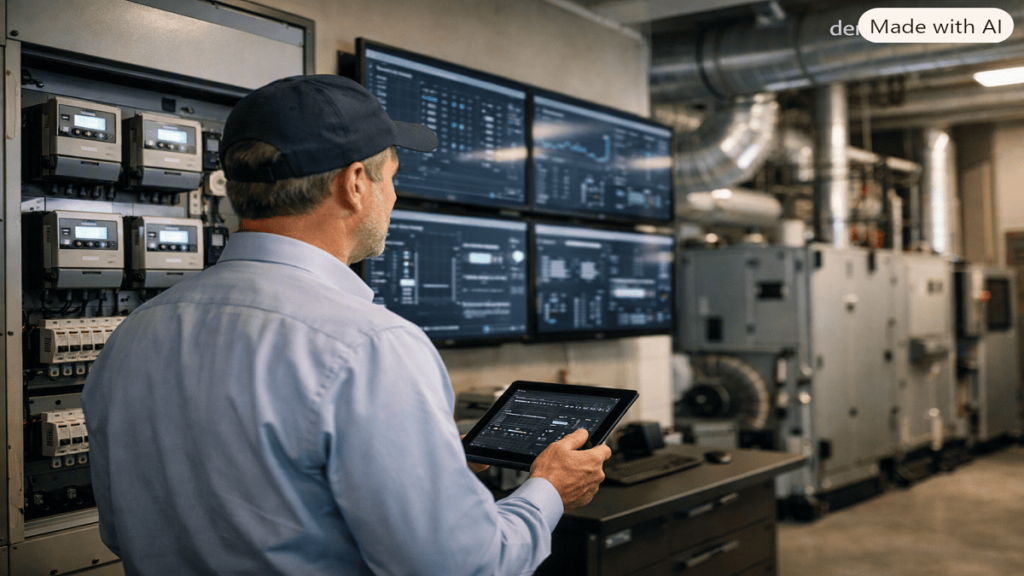
Smart energy meters represent a major advancement in electricity monitoring technology compared with traditional energy meters. While conventional meters mainly measure total electricity consumption for billing purposes, smart meters provide detailed, real-time information about energy usage, enable remote communication, and support advanced energy management. These capabilities make smart meters an essential component of modern smart grids, energy-efficient buildings, and industrial energy management systems.
1. Real-Time Energy Monitoring
One of the biggest advantages of smart energy meters is their ability to provide real-time energy consumption data. Traditional meters usually record only the total amount of electricity used over a billing period, requiring manual readings.
Smart meters continuously collect and transmit energy data, allowing consumers, facility managers, and utility providers to monitor electricity usage patterns instantly. This helps identify high-consumption periods and take immediate action to reduce unnecessary energy use.
2. Accurate and Automated Meter Reading
Traditional meters require manual inspection, which can be time-consuming and may lead to reading errors. Smart energy meters automatically send consumption data to utility companies through communication networks.
Automated meter reading improves accuracy, reduces operational costs, and eliminates the need for physical meter inspections. It also allows faster billing processes and better service management.
3. Better Energy Management and Cost Savings
Smart meters provide detailed information about when and where energy is consumed. This data helps businesses and homeowners identify energy-wasting activities and optimize electricity usage.
For industries, smart meters can monitor individual machines, production lines, and systems to identify inefficient operations. By adjusting usage patterns and improving equipment performance, organizations can reduce electricity expenses.
4. Demand Management and Peak Load Reduction
Electricity demand often increases during peak hours, placing additional pressure on power grids. Smart meters help consumers understand their peak energy usage and adjust consumption accordingly.
Businesses can schedule energy-intensive operations during lower-demand periods, reducing demand charges and supporting more stable grid operation.
5. Remote Monitoring and Control
Unlike traditional meters, smart meters enable remote access to energy data. Facility managers can monitor multiple locations from a centralized platform without physically checking each meter.
When integrated with energy management systems, smart meters can also support automated control of lighting, HVAC systems, and industrial equipment to improve efficiency.
6. Improved Fault Detection and Maintenance
Smart energy meters can detect unusual energy patterns, voltage fluctuations, and abnormal consumption trends. These alerts can indicate equipment problems, electrical faults, or inefficient system operation.
Early detection allows preventive maintenance, reduces downtime, and improves the reliability of electrical systems.
7. Supports Renewable Energy Integration
Smart meters are important for managing renewable energy systems such as solar panels and wind power. They can measure both energy consumption and energy generation, helping users understand energy flow and optimize renewable energy usage.
This capability supports the transition toward decentralized energy systems and smarter electricity networks.
8. Environmental Benefits
By encouraging efficient energy use, smart meters help reduce electricity waste and lower carbon emissions. Accurate energy monitoring allows organizations to measure sustainability improvements and achieve energy efficiency goals.
The International Energy Agency highlights digital technologies and smart energy management as important tools for improving energy efficiency: https://www.iea.org/topics/energy-efficiency
Comparison Between Smart and Traditional Meters
| Feature | Traditional Meter | Smart Energy Meter |
|---|---|---|
| Data collection | Manual reading | Automatic reading |
| Monitoring | Limited | Real-time monitoring |
| Communication | No remote communication | Two-way communication |
| Energy analysis | Basic consumption data | Detailed usage insights |
| Fault detection | Limited | Advanced detection |
| Integration | Minimal | Supports smart grids and EMS |
Conclusion
Smart energy meters provide significant advantages over traditional meters by offering real-time monitoring, automated data collection, improved accuracy, better energy management, and support for renewable energy integration. As buildings and industries move toward digital energy management, smart meters will continue to play a vital role in reducing energy costs, improving efficiency, and creating more sustainable power systems.
What Are the Future Trends and Challenges in Energy Metering Technology?
Energy metering technology is rapidly evolving due to the increasing demand for energy efficiency, smart grid development, renewable energy integration, and digital transformation. Traditional electricity meters are being replaced by advanced smart metering solutions that provide real-time data, automated monitoring, and intelligent energy management capabilities. However, the transition toward next-generation energy metering also brings several technical, security, and operational challenges.
Future Trends in Energy Metering Technology
1. Growth of Smart Metering Systems
Smart meters are expected to become the standard technology for residential, commercial, and industrial energy monitoring. Unlike traditional meters, smart meters enable two-way communication between consumers and utility providers, allowing real-time data exchange, automated billing, and improved grid management.
The increasing adoption of smart grids will further accelerate the use of advanced metering infrastructure (AMI), enabling utilities to balance energy supply and demand more efficiently.
2. Integration with IoT and Cloud Platforms
The Internet of Things (IoT) is transforming energy metering by connecting meters with digital platforms, sensors, and automated control systems. IoT-enabled meters can collect detailed energy data and transmit it to cloud-based systems for analysis.
Cloud integration allows organizations to remotely monitor multiple facilities, identify consumption patterns, and implement automated energy-saving strategies.
3. Artificial Intelligence and Data Analytics
Artificial intelligence (AI) and machine learning are becoming important components of modern energy management systems. Advanced analytics can process large amounts of metering data to predict energy demand, detect abnormal consumption, and identify potential equipment failures.
AI-powered energy platforms can help industries optimize operations, reduce waste, and improve overall energy efficiency.
4. Integration with Renewable Energy Systems
As solar, wind, and other renewable energy sources become more common, energy meters are evolving to support bidirectional energy flow. Modern meters can measure both electricity consumption and energy generation from renewable sources.
This capability is essential for managing distributed energy resources, battery storage systems, and microgrids.
5. Advanced Power Quality Monitoring
Future energy meters will provide more detailed information about electrical system performance. Advanced meters will monitor parameters such as voltage variations, harmonics, frequency changes, and power quality disturbances.
This will be especially valuable for industries, healthcare facilities, and data centers where stable power supply is critical.
Challenges in Energy Metering Technology
1. Data Security and Privacy Risks
Smart meters collect large amounts of energy consumption data, creating concerns about cybersecurity and privacy. Unauthorized access could expose sensitive information or disrupt energy systems.
Strong encryption, secure communication protocols, and regular cybersecurity updates are required to protect metering networks.
2. High Installation and Upgrade Costs
Replacing traditional meters with smart metering infrastructure requires significant investment. Costs include hardware installation, communication networks, software platforms, and maintenance.
For developing regions, financial limitations can slow the adoption of advanced metering technologies.
3. Data Management Complexity
Modern energy meters generate large volumes of data that require advanced storage, processing, and analysis systems. Organizations need effective data management strategies to convert raw energy information into useful insights.
4. Compatibility and Standardization Issues
Different manufacturers may use different communication technologies and data formats, creating integration challenges. Industry-wide standards are needed to ensure compatibility between meters, energy management systems, and smart grid infrastructure.
5. Skilled Workforce Requirements
Advanced metering systems require professionals with knowledge of electrical systems, communication technologies, cybersecurity, and data analytics. Lack of trained personnel can affect installation, operation, and maintenance.
Conclusion
The future of energy metering will be shaped by smart technologies, IoT connectivity, artificial intelligence, renewable energy integration, and advanced analytics. These innovations will help organizations improve energy efficiency, reduce costs, and create more sustainable power systems.
However, challenges related to cybersecurity, investment costs, data management, and technical expertise must be addressed to achieve widespread adoption. As energy systems become more digital and decentralized, advanced energy metering will remain a critical technology for building smarter, cleaner, and more efficient energy networks.
Case Study of Energy Metering: Improving Energy Efficiency in an Industrial Manufacturing Facility
Introduction
Energy metering has become an essential technology for industries looking to reduce electricity costs, improve operational efficiency, and achieve sustainability goals. This case study highlights how a large manufacturing facility implemented an advanced energy metering system to monitor power consumption, identify energy losses, and optimize overall energy performance.
Background
A manufacturing company operating multiple production lines was experiencing high electricity costs and limited visibility into energy consumption patterns. The facility relied on a single main electricity meter, which provided only total energy usage data. Management had difficulty identifying which machines, departments, or processes were responsible for excessive energy consumption.
To improve energy management, the company decided to implement a smart energy metering solution integrated with an Energy Management System (EMS).
Challenges Before Implementation
The facility faced several energy management challenges:
- Lack of detailed energy consumption data for individual equipment.
- Difficulty identifying high-energy-consuming machines.
- Limited ability to monitor peak demand periods.
- Increased electricity expenses due to inefficient operations.
- No real-time alerts for abnormal energy usage.
- Challenges in tracking sustainability and energy reduction targets.
Energy Metering Solution Implementation
The company installed a combination of smart energy meters, sub-meters, and power quality monitoring devices across critical areas of the facility.
The system included:
- Main incoming power meters for overall energy monitoring.
- Sub-meters for production lines, HVAC systems, compressors, and auxiliary equipment.
- Digital power meters for monitoring voltage, current, power factor, and demand.
- Cloud-based energy monitoring software for data analysis and reporting.
The collected data was displayed through an energy dashboard, allowing facility managers to monitor consumption trends in real time.
Results After Implementation
After one year of using the energy metering system, the facility achieved significant improvements:
| Performance Area | Improvement |
|---|---|
| Energy consumption visibility | Increased from basic monitoring to equipment-level tracking |
| Electricity usage | Reduced by approximately 15% |
| Peak demand charges | Reduced through better load management |
| Equipment efficiency | Improved through data-based maintenance |
| Energy reporting | Automated real-time reporting enabled |
Key Benefits Achieved
1. Identification of Energy Waste
Detailed metering data helped the company identify inefficient equipment and unnecessary energy consumption during non-production hours. Managers were able to adjust operating schedules and eliminate avoidable energy losses.
2. Improved Equipment Performance
Power consumption trends helped maintenance teams detect abnormal equipment behavior. Motors, compressors, and production machines showing unusual energy patterns were inspected before failures occurred.
3. Better Demand Management
The facility used energy data to shift certain high-power operations away from peak demand periods. This reduced electricity charges and improved load balancing.
4. Support for Sustainability Goals
Accurate energy measurement helped the company track energy-saving initiatives and calculate reductions in carbon emissions. The data supported environmental reporting and corporate sustainability programs.
Lessons Learned
This case study demonstrates that energy metering is not only a measurement tool but also a strategic energy management solution. Successful implementation requires:
- Proper meter selection based on application requirements.
- Integration with digital monitoring platforms.
- Regular analysis of collected data.
- Training for facility operators and energy managers.
Conclusion
The implementation of smart energy metering transformed the manufacturing facility’s approach to energy management. By providing real-time visibility, accurate consumption data, and actionable insights, the system helped reduce electricity costs, improve equipment performance, and support sustainability objectives.
As industries continue adopting smart technologies, energy metering will remain a key solution for achieving efficient, reliable, and environmentally responsible energy management. Organizations can learn more about energy efficiency strategies through resources provided by the International Energy Agency (IEA): https://www.iea.org/topics/energy-efficiency.]
White Paper: Energy Metering – Enabling Smarter, Efficient, and Sustainable Energy Management
Executive Summary
Energy metering has become a critical technology for improving energy efficiency, reducing operational costs, and supporting sustainable energy management across residential, commercial, and industrial sectors. As electricity demand continues to increase and organizations focus on reducing carbon emissions, accurate measurement and analysis of energy consumption have become essential.
Modern energy metering systems have evolved beyond basic electricity measurement. Advanced solutions such as smart meters, sub-metering systems, digital power meters, and Advanced Metering Infrastructure (AMI) provide real-time energy data, remote monitoring, and intelligent analytics. These technologies enable organizations to identify energy waste, optimize equipment performance, manage demand, and make data-driven decisions.
This white paper explores the importance of energy metering, key technologies, industry applications, benefits, challenges, and future trends shaping the development of intelligent energy management systems.
1. Introduction to Energy Metering
Energy metering is the process of measuring and monitoring electrical energy consumption within a facility or electrical network. It involves collecting data related to electricity usage, power demand, voltage, current, power factor, and power quality.
Traditional energy meters were primarily used for billing purposes. However, modern energy metering solutions provide detailed insights into energy behavior, allowing organizations to improve efficiency and reduce unnecessary consumption.
Energy metering is now a fundamental component of:
- Smart buildings
- Industrial automation systems
- Renewable energy projects
- Smart grids
- Energy management systems
By providing accurate energy data, metering enables organizations to understand consumption patterns and implement effective energy-saving strategies.
2. Importance of Energy Metering
Energy metering plays an important role in improving energy performance and sustainability. Without accurate measurement, organizations cannot effectively manage electricity usage or identify areas for improvement.
Key benefits include:
Improved Energy Visibility
Energy meters provide detailed information about where and how electricity is consumed. Sub-metering allows organizations to monitor individual departments, machines, and systems.
Cost Reduction
Accurate energy data helps identify unnecessary consumption, optimize operations, and reduce electricity expenses. Organizations can manage peak demand and avoid excessive energy charges.
Enhanced Operational Efficiency
Energy monitoring helps identify inefficient equipment and abnormal consumption patterns. This supports preventive maintenance and improves equipment reliability.
Sustainability Support
Energy metering enables organizations to measure carbon emissions, track energy-saving initiatives, and support environmental goals.
The International Energy Agency highlights energy efficiency and digital energy management as key strategies for reducing global energy consumption:
https://www.iea.org/topics/energy-efficiency
3. Types of Energy Metering Technologies
Traditional Energy Meters
Traditional meters measure total electricity consumption over a specific period. They are reliable but provide limited monitoring capabilities.
Digital Energy Meters
Digital meters use electronic components to provide accurate measurement of electrical parameters such as voltage, current, and power factor.
Smart Energy Meters
Smart meters enable two-way communication between users and utilities. They provide real-time monitoring, automated readings, and remote data access.
Sub-Metering Systems
Sub-meters measure energy consumption at specific locations, equipment, or departments. They are widely used in industries and commercial buildings for detailed energy analysis.
Advanced Metering Infrastructure (AMI)
AMI combines smart meters, communication networks, and data management systems to provide comprehensive energy monitoring and grid management capabilities.
4. Industrial Applications of Energy Metering
Energy metering is widely used across multiple industries:
Manufacturing
Factories use energy meters to monitor production equipment, motors, compressors, and automated systems. This helps reduce energy waste and improve production efficiency.
Commercial Buildings
Office buildings use metering systems to optimize HVAC systems, lighting, and electrical loads.
Data Centers
Data centers rely on advanced power monitoring to manage high electricity consumption and maintain reliable operations.
Healthcare Facilities
Hospitals use energy monitoring systems to maintain efficient operation of critical equipment while reducing energy costs.
Renewable Energy Systems
Energy meters measure electricity generation from solar and wind systems and help manage energy distribution.
5. Challenges in Energy Metering
Despite its advantages, energy metering implementation involves several challenges:
High Installation Costs
Smart metering systems require investment in hardware, communication infrastructure, and software platforms.
Cybersecurity Risks
Connected smart meters collect large amounts of energy data, creating potential cybersecurity concerns. Strong security measures are required to protect information.
Data Management
Advanced meters generate large volumes of data that require proper storage, analysis, and management systems.
Integration Issues
Different manufacturers may use different communication protocols, creating compatibility challenges.
Skilled Workforce Requirements
Modern metering systems require trained professionals with expertise in electrical systems, communication technologies, and data analytics.
6. Future Trends in Energy Metering
Artificial Intelligence and Machine Learning
AI-based analytics will help predict energy demand, detect inefficiencies, and automate energy optimization.
Internet of Things (IoT) Integration
IoT-enabled meters will provide improved connectivity between electrical systems, sensors, and energy management platforms.
Renewable Energy Integration
Future meters will increasingly support distributed energy resources such as solar panels, battery storage, and microgrids.
Blockchain-Based Energy Management
Blockchain technology may enable secure peer-to-peer energy trading and transparent energy transactions.
Advanced Predictive Analytics
Future systems will analyze historical and real-time data to improve decision-making and optimize energy consumption.
7. Conclusion
Energy metering is a vital technology for achieving efficient, reliable, and sustainable energy management. Modern smart metering solutions provide organizations with detailed insights into electricity consumption, enabling cost reduction, improved operational efficiency, and better environmental performance.
Although challenges such as cybersecurity, implementation costs, and technical complexity remain, advancements in IoT, artificial intelligence, and renewable energy integration are transforming energy metering into a smarter and more powerful management tool.
Industry Application of Energy Metering
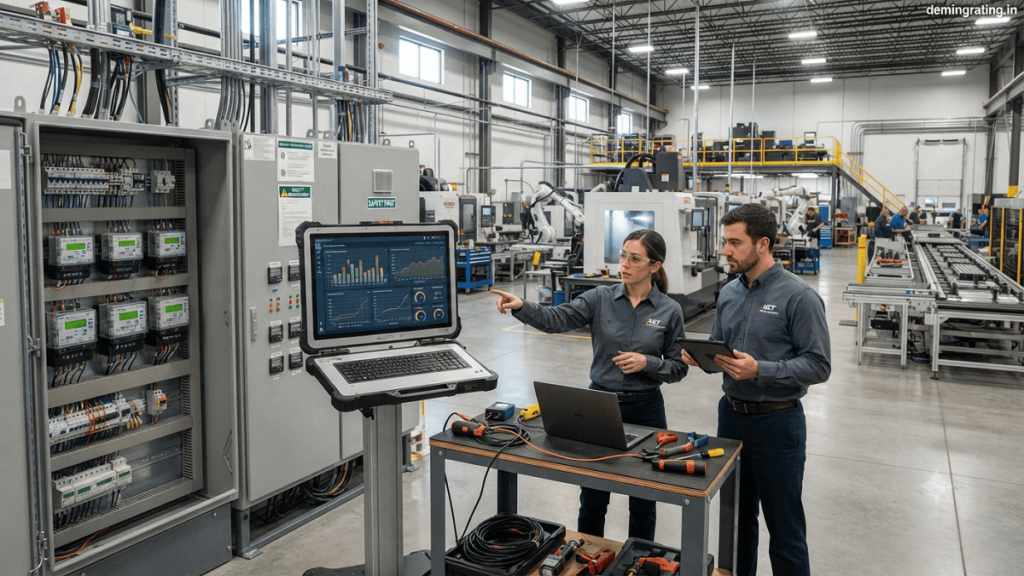
Energy metering has become a vital technology across industries by enabling accurate measurement, monitoring, and management of electricity consumption. Modern industrial operations require detailed energy insights to improve efficiency, reduce operational costs, maintain equipment reliability, and achieve sustainability targets. Advanced energy metering systems such as smart meters, sub-meters, power quality meters, and energy management platforms are now widely used across various sectors.
1. Manufacturing Industry
Manufacturing facilities are among the largest consumers of electrical energy due to the operation of heavy machinery, production lines, motors, compressors, and automation systems. Energy metering helps manufacturers monitor electricity usage at individual machines or production stages.
By using sub-metering systems, companies can identify energy-intensive equipment, detect inefficient operations, and optimize production schedules. Real-time energy data also supports predictive maintenance by identifying abnormal power consumption patterns that may indicate equipment problems.
Key applications:
- Monitoring production line energy consumption
- Measuring motor and machine efficiency
- Reducing electricity wastage
- Improving energy cost allocation
- Supporting ISO 50001 energy management practices
2. Commercial Buildings and Offices
Commercial buildings consume significant energy through HVAC systems, lighting, elevators, and office equipment. Energy metering enables facility managers to understand consumption patterns and implement energy-saving measures.
Smart meters integrated with Building Management Systems (BMS) allow automated control of lighting, air conditioning, and electrical loads based on occupancy and demand.
Key applications:
- HVAC energy monitoring
- Lighting optimization
- Tenant-wise energy billing
- Peak demand management
- Building energy performance analysis
3. Data Centers
Data centers require continuous power supply for servers, cooling systems, and networking equipment. Even small improvements in energy efficiency can result in significant cost savings.
Advanced energy metering helps data center operators monitor power usage effectiveness (PUE), identify inefficient equipment, and maintain reliable operations.
Key applications:
- Server rack energy monitoring
- Cooling system optimization
- Power quality monitoring
- Load balancing
- Energy efficiency reporting
4. Healthcare Industry
Hospitals and healthcare facilities operate continuously and require reliable electricity for medical equipment, lighting, ventilation, and critical systems. Energy metering helps maintain operational efficiency while ensuring uninterrupted power availability.
Hospitals use advanced metering systems to monitor energy consumption across departments and identify opportunities for reducing energy waste.
Key applications:
- Monitoring critical equipment loads
- Managing HVAC energy usage
- Improving backup power management
- Supporting sustainability initiatives
5. Food Processing and Cold Storage
Food processing plants and cold storage facilities depend heavily on refrigeration systems. Energy metering helps monitor refrigeration equipment performance and identify opportunities to reduce electricity consumption.
By analyzing energy data, operators can improve compressor efficiency, optimize cooling cycles, and reduce operational costs.
Key applications:
- Refrigeration system monitoring
- Compressor performance analysis
- Temperature and energy optimization
- Reducing energy losses
6. Renewable Energy Systems
Energy metering plays an important role in renewable energy applications such as solar power plants, wind farms, and microgrids. Modern meters measure both energy generation and consumption, enabling efficient energy management.
Key applications:
- Solar energy monitoring
- Battery storage management
- Grid energy measurement
- Renewable energy performance analysis
7. Transportation and Infrastructure
Transportation facilities such as airports, railway stations, and electric vehicle charging networks require efficient power management. Energy metering helps monitor electrical loads and optimize energy distribution.
Key applications:
- EV charging station monitoring
- Railway system energy measurement
- Airport facility energy management
- Load forecasting
8. Chemical and Process Industries
Chemical and process industries use large amounts of electricity for pumps, motors, heating systems, and production equipment. Energy metering provides detailed consumption data to improve process efficiency.
Key applications:
- Equipment-level energy tracking
- Process optimization
- Power quality analysis
- Reducing production energy costs
Benefits of Energy Metering Across Industries
Industrial energy metering provides several advantages:
- Improved visibility of energy consumption
- Reduction in electricity costs
- Detection of energy losses
- Better equipment performance monitoring
- Improved maintenance planning
- Support for sustainability reporting
- Compliance with energy efficiency standards
According to the International Energy Agency (IEA), digital energy management and improved monitoring systems are essential tools for increasing energy efficiency and reducing global energy consumption: https://www.iea.org/topics/energy-efficiency
Conclusion
Energy metering has become an essential solution for industries seeking better control over electricity usage and improved operational efficiency. From manufacturing plants and data centers to healthcare facilities and renewable energy systems, advanced metering technologies provide valuable insights that help organizations reduce costs, improve reliability, and achieve sustainability objectives. As industries continue adopting smart technologies, IoT connectivity, and artificial intelligence-based analytics, energy metering will remain a key component of future energy management strategies.
Ask FAQs
What is energy metering and why is it important?
Energy metering is the process of measuring, recording, and analyzing electrical energy consumption in residential, commercial, and industrial facilities. It helps organizations understand how electricity is being used, identify energy waste, and improve overall efficiency. Modern energy metering systems provide real-time data on energy consumption, power demand, voltage, current, and power quality. This information enables businesses to reduce electricity costs, optimize equipment performance, and support sustainability initiatives.
What are the different types of energy meters used in industries?
Industries use various types of energy meters based on their monitoring requirements. Common types include digital energy meters, smart energy meters, sub-meters, multifunction meters, and power quality meters. Smart meters provide real-time monitoring and remote communication, while sub-meters help track energy usage for specific machines, departments, or production lines. Power quality meters are used to monitor electrical parameters such as voltage fluctuations, harmonics, and power factor.
How does energy metering help reduce electricity costs?
Energy metering helps reduce electricity costs by providing detailed information about energy consumption patterns. Organizations can identify high-energy-consuming equipment, eliminate unnecessary usage, manage peak demand, and improve operational efficiency. By analyzing energy data, businesses can implement targeted energy-saving measures, optimize equipment schedules, and reduce avoidable electricity expenses.
What is the difference between traditional meters and smart energy meters?
Traditional meters mainly measure total electricity consumption and usually require manual readings. Smart energy meters provide advanced features such as real-time monitoring, automatic data collection, remote communication, and integration with energy management systems. Smart meters allow users to analyze consumption patterns, detect abnormal energy usage, and make informed decisions to improve energy efficiency.
Which industries benefit most from energy metering systems?
Energy metering systems benefit industries with high electricity consumption, including manufacturing, commercial buildings, data centers, healthcare facilities, food processing, renewable energy projects, and transportation infrastructure. These industries use metering solutions to monitor equipment performance, reduce energy waste, improve reliability, manage operational costs, and achieve sustainability goals. The International Energy Agency (IEA) highlights energy monitoring and digital management as important strategies for improving energy efficiency: https://www.iea.org/topics/energy-efficiency
Table of Contents
Disclaimer: This content is for general informational purposes only. Consult qualified energy professionals for accurate system design, installation, safety, and compliance requirements related to energy metering solutions.