
Eco Stewardship Programme: Building Sustainable Communities and Responsible Environmental Practices
Introduction
Environmental challenges such as climate change, biodiversity loss, pollution, and resource depletion have increased the need for responsible environmental management. An Eco Stewardship Programme is a structured initiative designed to encourage individuals, organizations, communities, and industries to actively protect and manage natural resources while promoting sustainable practices.
Unlike traditional environmental protection approaches that focus mainly on reducing damage, eco stewardship emphasizes active responsibility, conservation, restoration, and long-term care for the environment. It encourages people and organizations to become environmental caretakers by adopting sustainable behaviors and implementing practical solutions.
Eco stewardship programmes are increasingly being adopted by businesses, educational institutions, governments, and communities to reduce environmental impact, improve resource efficiency, and create a stronger connection between society and nature.
What Is an Eco Stewardship Programme?
An Eco Stewardship Programme is an environmental management initiative that promotes responsible interaction between humans and the natural world. It focuses on protecting ecosystems, conserving resources, reducing pollution, and encouraging sustainable decision-making.
The core idea of eco stewardship is that everyone has a role in maintaining environmental balance.
These programmes typically include activities such as:
- Environmental conservation projects
- Waste reduction campaigns
- Renewable energy adoption
- Sustainable resource management
- Biodiversity protection
- Community awareness programmes
- Climate action initiatives
Eco stewardship combines environmental responsibility with education, participation, and practical action.
Importance of Eco Stewardship Programmes
1. Protecting Natural Ecosystems
Eco stewardship programmes help protect forests, oceans, rivers, wildlife habitats, and other ecosystems.
They support:
- Biodiversity conservation
- Habitat restoration
- Wildlife protection
- Sustainable land management
Healthy ecosystems provide essential services such as clean air, fresh water, food resources, and climate regulation.
2. Reducing Environmental Pollution
Pollution from waste, industrial activities, and unsustainable consumption patterns creates serious environmental risks.
Eco stewardship initiatives help reduce pollution through:
- Recycling programmes
- Waste reduction strategies
- Sustainable production methods
- Community cleanup activities
These efforts improve environmental quality and public health.
3. Promoting Sustainable Resource Use
Natural resources such as water, energy, and raw materials must be managed responsibly.
Eco stewardship encourages:
- Water conservation
- Energy efficiency
- Sustainable agriculture
- Responsible consumption
By using resources efficiently, communities can reduce environmental pressure and support long-term sustainability.
Key Components of an Eco Stewardship Programme
1. Environmental Education and Awareness
Education is one of the most important elements of eco stewardship.
Programmes educate participants about:
- Climate change
- Waste management
- Conservation practices
- Sustainable lifestyles
- Environmental responsibility
Schools, companies, and communities use awareness programmes to encourage positive environmental behavior.
2. Waste Management and Recycling
Effective waste management is a major focus area.
Activities include:
- Waste segregation
- Recycling initiatives
- Composting programmes
- Plastic reduction campaigns
- Circular economy practices
These efforts help reduce landfill waste and encourage resource recovery.
3. Biodiversity Conservation
Eco stewardship programmes often include initiatives to protect natural habitats.
Examples include:
- Tree plantation projects
- Wildlife conservation
- Native species protection
- Wetland restoration
These activities help maintain ecological balance and protect endangered species.
4. Energy Conservation and Renewable Energy
Many eco stewardship programmes focus on reducing energy consumption and increasing clean energy adoption.
Actions include:
- Installing solar energy systems
- Using energy-efficient equipment
- Promoting energy-saving habits
- Reducing carbon emissions
Renewable energy adoption supports climate change mitigation efforts.
5. Sustainable Water Management
Water conservation is a critical component of environmental stewardship.
Programmes may include:
- Rainwater harvesting
- Water recycling
- Efficient irrigation systems
- River and lake protection
Sustainable water management helps address water scarcity challenges.
Eco Stewardship Programme Applications
1. Corporate Sector Applications
Businesses are implementing eco stewardship programmes to improve sustainability performance.
Corporate initiatives include:
- Carbon reduction strategies
- Green office practices
- Sustainable supply chains
- Employee environmental programmes
- Community conservation projects
These initiatives help companies achieve sustainability goals while improving brand reputation.
2. Educational Institution Applications
Schools and universities use eco stewardship programmes to develop environmental awareness among students.
Activities include:
- Green campus initiatives
- Recycling projects
- Environmental clubs
- Sustainability research
- Tree plantation campaigns
These programmes help create future generations of environmentally responsible citizens.
3. Community Applications
Community-based eco stewardship programmes encourage local participation.
Examples include:
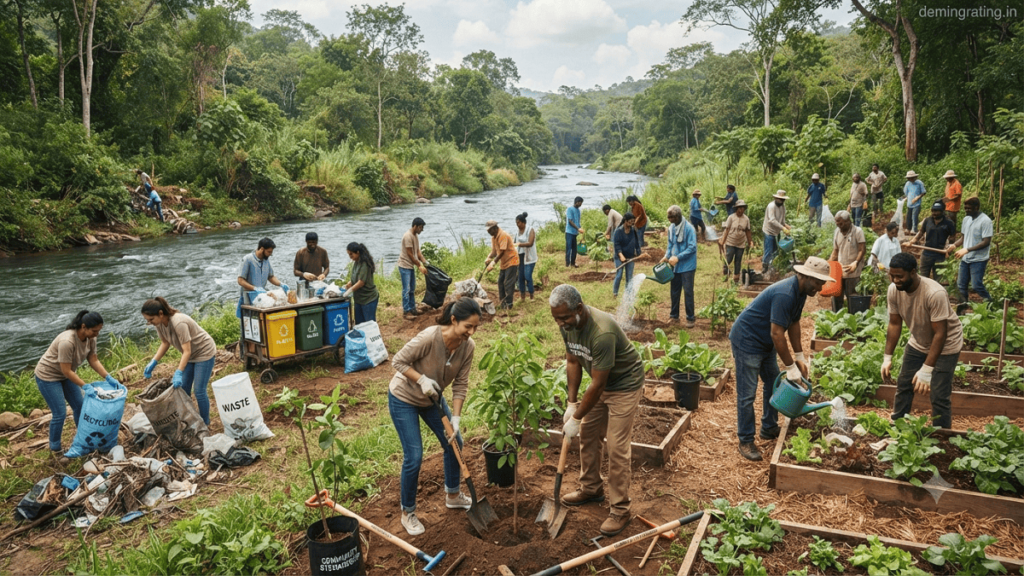
- Neighborhood cleanup drives
- Community gardens
- Local conservation projects
- Waste reduction campaigns
Community involvement creates stronger environmental responsibility at the local level.
4. Government Applications
Governments use eco stewardship approaches to support environmental policies and sustainability goals.
Applications include:
- Conservation programmes
- Climate action plans
- Protected area management
- Sustainable urban development
Government support helps scale environmental initiatives across regions.
Conclusion
Eco Stewardship Programmes provide a practical approach to protecting the environment by encouraging responsible actions from individuals, communities, businesses, and governments. Through conservation, education, sustainable resource management, and community participation, these programmes help address environmental challenges while promoting long-term sustainability.
What Is an Eco Stewardship Programme and Why Is It Important?
Introduction
Growing environmental challenges such as climate change, pollution, biodiversity loss, deforestation, and resource depletion have increased the need for responsible environmental action. An Eco Stewardship Programme is a structured initiative that encourages individuals, communities, organizations, and industries to actively protect, manage, and restore the natural environment.
Unlike approaches that only focus on reducing environmental damage, eco stewardship emphasizes long-term responsibility and active participation in caring for ecosystems. It promotes the idea that humans are not separate from nature but are responsible for maintaining environmental balance.
Eco stewardship programmes are becoming increasingly important in schools, businesses, government organizations, and communities because they create awareness, encourage sustainable practices, and support conservation efforts.
What Is an Eco Stewardship Programme?
An Eco Stewardship Programme is an environmental initiative designed to promote responsible management and protection of natural resources. It provides a framework for people and organizations to take practical actions that reduce environmental impact and support sustainability.
The main goal of an eco stewardship programme is to create a culture of environmental responsibility by encouraging sustainable decisions in everyday activities and organizational operations.
These programmes may include:
- Environmental education and awareness campaigns
- Waste reduction and recycling initiatives
- Energy conservation projects
- Renewable energy adoption
- Water conservation activities
- Biodiversity protection programmes
- Sustainable resource management
- Community environmental projects
Eco stewardship combines knowledge, action, and collaboration to create positive environmental change.
Key Principles of Eco Stewardship
1. Environmental Responsibility
Eco stewardship encourages individuals and organizations to understand how their actions affect the environment.
It promotes responsible practices such as:
- Reducing pollution
- Conserving resources
- Protecting ecosystems
- Supporting sustainable development
2. Conservation of Natural Resources
A major focus of eco stewardship is protecting essential resources such as:
- Water
- Forests
- Soil
- Energy
- Wildlife
Programmes encourage efficient resource use and prevent unnecessary environmental damage.
3. Community Participation
Successful eco stewardship requires involvement from different stakeholders, including:
- Local communities
- Businesses
- Educational institutions
- Government agencies
Collective action increases the effectiveness and long-term success of environmental initiatives.
Why Is an Eco Stewardship Programme Important?
1. Protects Biodiversity and Ecosystems
Biodiversity plays a critical role in maintaining healthy ecosystems. However, habitat destruction, pollution, and climate change threaten many species worldwide.
Eco stewardship programmes help protect biodiversity through:
- Tree plantation activities
- Wildlife conservation
- Habitat restoration
- Sustainable land management
Protecting ecosystems ensures the continuation of essential environmental services such as clean air, water purification, and climate regulation.
2. Reduces Environmental Pollution
Pollution from industrial activities, plastic waste, and unsustainable consumption affects ecosystems and human health.
Eco stewardship programmes reduce pollution by encouraging:
- Waste segregation
- Recycling
- Plastic reduction
- Cleaner production methods
- Community cleanup activities
These practices help create cleaner environments and healthier communities.
3. Supports Climate Change Mitigation
Climate change is one of the biggest environmental challenges facing the world. Eco stewardship programmes contribute to climate action by reducing greenhouse gas emissions.
Actions may include:
- Energy conservation
- Renewable energy adoption
- Carbon reduction initiatives
- Sustainable transportation practices
These efforts support global sustainability goals and climate protection.
4. Encourages Sustainable Resource Management
Natural resources are limited, making responsible management essential.
Eco stewardship promotes:
- Efficient water use
- Sustainable agriculture
- Responsible consumption
- Resource recycling
By managing resources wisely, communities can reduce environmental pressure and protect resources for future generations.
5. Builds Environmental Awareness
Education is a fundamental part of eco stewardship programmes.
These initiatives help people understand:
- Environmental challenges
- Sustainable lifestyles
- Conservation methods
- The importance of individual actions
Greater awareness encourages people to make environmentally responsible decisions.
6. Creates Social Benefits
Eco stewardship programmes strengthen communities by encouraging cooperation and shared responsibility.
Social benefits include:
- Increased community engagement
- Improved public health
- Environmental education opportunities
- Stronger connection with nature
Community participation helps create lasting environmental improvements.
7. Provides Economic Benefits
Eco stewardship can also create economic advantages.
Benefits include:
- Reduced energy and resource costs
- Improved operational efficiency
- Creation of green jobs
- Sustainable business opportunities
Organizations that adopt environmental responsibility can improve efficiency while contributing to sustainability.

Examples of Eco Stewardship Programmes
Corporate Eco Stewardship
Businesses implement programmes such as:
- Carbon reduction strategies
- Green workplace initiatives
- Sustainable supply chain management
- Employee environmental awareness campaigns
These efforts help companies reduce environmental impact and achieve sustainability goals.
School and University Eco Stewardship
Educational institutions promote environmental responsibility through:
- Green campus projects
- Recycling programmes
- Environmental clubs
- Tree planting activities
These initiatives help students develop sustainable habits.
Community Eco Stewardship
Local communities participate in:
- Neighborhood cleanup campaigns
- Community gardens
- Conservation projects
- Waste reduction programmes
These activities encourage collective environmental action.
Conclusion
An Eco Stewardship Programme is an organized approach that encourages responsible environmental management through conservation, education, and sustainable practices. It helps individuals, businesses, and communities actively contribute to protecting natural resources and reducing environmental damage.
What Are the Key Activities Involved in an Eco Stewardship Programme?
Introduction
An Eco Stewardship Programme is a structured environmental initiative that encourages individuals, communities, organizations, and industries to actively protect natural resources and promote sustainable practices. These programmes focus on reducing environmental impact, conserving ecosystems, improving resource efficiency, and creating long-term environmental responsibility.
The success of an eco stewardship programme depends on practical activities that address major environmental challenges such as climate change, pollution, waste generation, biodiversity loss, and resource depletion. These activities combine awareness, conservation efforts, sustainable management, and community participation to create measurable environmental improvements.
From waste management and energy conservation to biodiversity protection and environmental education, eco stewardship programmes involve a wide range of actions designed to create a healthier and more sustainable environment.
1. Environmental Awareness and Education Programmes
One of the most important activities in an eco stewardship programme is creating environmental awareness among participants.
Education helps individuals understand:
- Environmental challenges
- The importance of conservation
- Sustainable lifestyle practices
- The impact of human activities on nature
Activities may include:
- Environmental workshops
- Awareness campaigns
- Sustainability training sessions
- School education programmes
- Community information drives
Educational activities encourage people to adopt responsible behaviors such as reducing waste, conserving energy, and protecting natural resources.
2. Waste Reduction and Recycling Initiatives
Waste management is a major focus area of eco stewardship programmes because excessive waste contributes to pollution and resource loss.
Key waste management activities include:
- Waste segregation at source
- Recycling programmes
- Composting organic waste
- Reducing single-use plastics
- Reusing materials
- Conducting cleanup campaigns
Organizations and communities often establish recycling systems to recover valuable materials and reduce landfill waste.
These activities support circular economy principles by keeping resources in use for longer periods.
Reference:
https://www.ellenmacarthurfoundation.org
3. Tree Plantation and Forest Conservation
Protecting forests and increasing green cover are common activities in eco stewardship programmes.
Tree plantation initiatives help:
- Absorb carbon dioxide
- Improve air quality
- Prevent soil erosion
- Support biodiversity
- Restore degraded land
Forest conservation activities may include:
- Community tree planting
- Native species restoration
- Forest protection campaigns
- Habitat conservation projects
These initiatives strengthen ecosystems and support climate change mitigation.
4. Biodiversity Conservation Activities
Biodiversity protection is an essential part of environmental stewardship because ecosystems depend on diverse plant and animal species.
Activities include:
- Wildlife protection programmes
- Habitat restoration
- Protection of endangered species
- Creating biodiversity gardens
- Monitoring local ecosystems
These efforts help maintain ecological balance and protect natural habitats.
5. Energy Conservation and Renewable Energy Adoption
Reducing energy consumption is a key objective of eco stewardship programmes.
Energy-related activities include:
- Promoting energy-efficient appliances
- Conducting energy audits
- Encouraging energy-saving habits
- Installing solar energy systems
- Using renewable energy sources
Businesses and institutions often implement energy management programmes to reduce carbon emissions and operational costs.
The International Energy Agency highlights energy efficiency as an important strategy for reducing energy consumption and emissions.
Reference:
https://www.iea.org/topics/energy-efficiency
6. Water Conservation and Management
Water conservation activities help protect freshwater resources and address water scarcity challenges.
Common activities include:
- Rainwater harvesting
- Water recycling systems
- Efficient irrigation practices
- Reducing water wastage
- Protecting rivers and lakes
Communities may organize water conservation campaigns to promote responsible water use.
Sustainable water management ensures that clean water remains available for future generations.
7. Sustainable Resource Management
Eco stewardship programmes focus on using natural resources responsibly.
Activities involve:
- Reducing unnecessary consumption
- Using renewable resources
- Promoting sustainable materials
- Improving resource efficiency
Organizations may adopt sustainable procurement policies to ensure that products and materials are sourced responsibly.
Conclusion
The key activities involved in an Eco Stewardship Programme focus on creating responsible relationships between people and the environment. Through environmental education, waste reduction, conservation efforts, renewable energy adoption, water management, and community participation, these programmes help address major environmental challenges.
How Does an Eco Stewardship Programme Help Protect the Environment?
Introduction
Environmental protection has become a global priority due to increasing challenges such as climate change, pollution, biodiversity loss, deforestation, and resource depletion. An Eco Stewardship Programme provides a structured approach for individuals, communities, businesses, and institutions to actively participate in protecting and restoring the environment.
Unlike traditional conservation methods that focus mainly on limiting environmental damage, eco stewardship promotes continuous responsibility, sustainable resource management, and proactive environmental care. These programmes encourage people to understand their impact on nature and take practical actions that support ecological balance.
Through activities such as waste reduction, biodiversity conservation, renewable energy adoption, and environmental education, eco stewardship programmes help create healthier ecosystems and promote long-term sustainability.
1. Reduces Waste and Pollution
One of the primary ways eco stewardship programmes protect the environment is by reducing waste generation and pollution.
Many programmes promote:
- Waste segregation
- Recycling initiatives
- Composting
- Plastic reduction campaigns
- Reuse and repair practices
These activities help reduce the amount of waste sent to landfills and prevent harmful materials from entering natural ecosystems.
For example, community recycling programmes recover materials such as paper, plastic, glass, and metals, reducing the need for new resource extraction and lowering environmental pollution.
Eco stewardship also encourages organizations to adopt cleaner production methods that reduce industrial waste and harmful emissions.
2. Conserves Natural Resources
Natural resources such as water, forests, minerals, and energy are essential for life and economic development. However, excessive consumption can lead to resource depletion.
Eco stewardship programmes promote responsible resource management through:
- Water conservation practices
- Energy efficiency initiatives
- Sustainable material use
- Responsible consumption habits
By encouraging efficient resource use, these programmes reduce pressure on ecosystems and help ensure resources remain available for future generations.
3. Protects Biodiversity and Wildlife
Biodiversity is essential for maintaining healthy ecosystems. However, habitat destruction, pollution, and climate change threaten many plant and animal species.
Eco stewardship programmes support biodiversity protection through activities such as:
- Tree plantation projects
- Wildlife conservation
- Habitat restoration
- Protection of native species
- Creation of green spaces
These initiatives help maintain ecological balance and protect species that play important roles in natural systems.
Healthy biodiversity supports essential environmental functions, including pollination, soil protection, and climate regulation.
4. Supports Climate Change Mitigation
Climate change is one of the biggest environmental challenges worldwide. Eco stewardship programmes contribute to climate action by reducing greenhouse gas emissions and promoting sustainable practices.
Climate-focused activities include:
- Renewable energy adoption
- Energy conservation
- Carbon footprint reduction
- Sustainable transportation
- Forest conservation
Trees and forests supported through stewardship activities absorb carbon dioxide, helping reduce atmospheric greenhouse gases.
Energy efficiency and renewable energy initiatives also reduce dependence on fossil fuels.
Reference:
https://www.iea.org/topics/energy-efficiency
5. Improves Water Conservation
Water resources are increasingly affected by pollution, overuse, and climate change. Eco stewardship programmes help protect water resources through sustainable water management practices.
Key activities include:
- Rainwater harvesting
- Water recycling
- River and lake conservation
- Efficient irrigation systems
- Reducing water wastage
These practices help maintain clean water supplies and protect aquatic ecosystems.
6. Promotes Sustainable Consumption
Consumer behavior has a significant impact on environmental sustainability. Eco stewardship programmes encourage people to make environmentally responsible choices.
They promote:
- Buying sustainable products
- Reducing unnecessary consumption
- Choosing reusable alternatives
- Supporting environmentally responsible businesses
Sustainable consumption reduces waste generation and encourages companies to develop greener products.
7. Encourages Environmental Education
Education is a critical component of eco stewardship because awareness leads to action.
Environmental education helps people understand:
- The causes of environmental problems
- The importance of conservation
- Sustainable lifestyle choices
- The impact of daily activities
Schools, businesses, and communities use awareness programmes to encourage environmental responsibility.
Educated communities are more likely to participate in conservation activities and support sustainable policies.
Conclusion
An Eco Stewardship Programme helps protect the environment by encouraging responsible actions that reduce pollution, conserve resources, protect biodiversity, and support climate change solutions. Through waste management, conservation activities, renewable energy adoption, sustainable consumption, and environmental education, these programmes create practical pathways toward sustainability.
What Role Do Communities and Organizations Play in Eco Stewardship Initiatives?
Introduction
Environmental challenges such as climate change, pollution, habitat destruction, and resource depletion cannot be solved by governments alone. Effective environmental protection requires active participation from communities, businesses, educational institutions, and organizations. This is where eco stewardship initiatives play a significant role by encouraging collective responsibility and sustainable action.
Communities and organizations act as key drivers of eco stewardship by implementing conservation projects, promoting environmental awareness, reducing ecological impacts, and creating long-term sustainability strategies. While communities contribute through local participation and behavioral changes, organizations provide resources, innovation, and structured environmental management systems.
Together, these groups create a collaborative approach that helps protect natural resources, restore ecosystems, and build a more sustainable future.
1. Role of Communities in Eco Stewardship Initiatives
Communities are the foundation of successful eco stewardship programmes because local participation directly influences environmental outcomes. People living in an area understand local environmental challenges and can implement practical solutions based on their surroundings.
1.1 Promoting Environmental Awareness
One of the most important roles of communities is spreading environmental awareness.
Community members participate in:
- Environmental education campaigns
- Local sustainability workshops
- Conservation awareness programmes
- School-based environmental activities
Awareness helps individuals understand the importance of protecting natural resources and encourages sustainable daily habits.
Examples of community awareness actions include:
- Reducing plastic use
- Conserving water
- Recycling waste
- Protecting local ecosystems
When communities become environmentally informed, they are more likely to support long-term conservation efforts.
1.2 Participating in Conservation Activities
Communities actively contribute to environmental protection through direct conservation efforts.
Common activities include:
- Tree plantation drives
- Wildlife protection programmes
- River and lake cleanup projects
- Community gardening
- Habitat restoration activities
These initiatives improve local environmental conditions while creating a sense of responsibility among residents.
Community-led conservation projects are often successful because local people have a strong connection with their environment.
1.3 Managing Waste Responsibly
Waste management is an important area where communities play a major role.
Community actions include:
- Separating waste at source
- Recycling household materials
- Composting organic waste
- Reducing single-use plastics
- Organizing cleanup campaigns
Effective community waste management reduces pollution, lowers landfill pressure, and supports circular economy practices.
Reference:
https://www.ellenmacarthurfoundation.org
1.4 Conserving Water Resources
Communities contribute to water conservation through responsible usage and local protection initiatives.
Activities include:
- Rainwater harvesting
- Protecting local water bodies
- Reducing water wastage
- Promoting efficient water use
Community involvement is especially important in areas affected by water scarcity because local actions directly influence water availability.
1.5 Supporting Sustainable Lifestyles
Communities encourage environmentally responsible behaviors by promoting:
- Sustainable transportation
- Energy conservation
- Eco-friendly products
- Responsible consumption
Small lifestyle changes across many households can create significant environmental benefits.
2. Role of Organizations in Eco Stewardship Initiatives
Organizations, including businesses, non-governmental organizations, educational institutions, and government bodies, provide structure, funding, and expertise for large-scale environmental initiatives.
2.1 Developing Sustainability Strategies
Organizations play a critical role by integrating environmental responsibility into their operations.
They develop strategies focused on:
- Reducing carbon emissions
- Improving resource efficiency
- Managing waste
- Using renewable energy
- Creating sustainable products
Corporate sustainability programmes help organizations reduce their environmental footprint while supporting broader environmental goals.
2.2 Implementing Green Business Practices
Businesses contribute to eco stewardship by adopting environmentally responsible practices.
Examples include:
- Energy-efficient facilities
- Sustainable supply chains
- Eco-friendly packaging
- Waste reduction programmes
- Renewable energy systems
These practices help companies reduce environmental impact while improving operational efficiency.
2.3 Supporting Environmental Research and Innovation
Organizations contribute to eco stewardship by investing in sustainable technologies and solutions.
Research and innovation areas include:
- Renewable energy
- Sustainable materials
- Waste management technologies
- Green manufacturing
- Climate solutions
Innovation helps develop better tools for addressing environmental challenges.
2.4 Providing Funding and Resources
Many environmental projects require financial support, technical knowledge, and equipment.
Organizations contribute by:
- Funding conservation projects
- Supporting community programmes
- Providing training
- Donating resources
- Partnering with environmental groups
These contributions allow eco stewardship initiatives to expand and achieve greater impact.
2.5 Creating Employee Engagement Programmes
Organizations encourage employees to participate in environmental activities.
Examples include:
- Workplace recycling programmes
- Tree planting events
- Sustainability training
- Volunteer conservation projects
Employee involvement creates a stronger culture of environmental responsibility.
2.6 Promoting Sustainable Products and Services
Businesses influence environmental outcomes through the products they create and sell.
Organizations can support eco stewardship by developing:
- Energy-efficient products
- Sustainable packaging
- Recyclable materials
- Low-carbon solutions
Sustainable product development helps consumers make environmentally responsible choices.
Conclusion
Communities and organizations play essential roles in eco stewardship initiatives by combining local action, professional expertise, resources, and innovation. Communities contribute through awareness, conservation activities, and sustainable lifestyle choices, while organizations support environmental goals through funding, technology, responsible business practices, and structured sustainability strategies.
What Are the Benefits and Future Scope of Eco Stewardship Programmes?
Introduction
Environmental challenges such as climate change, pollution, biodiversity loss, and resource scarcity have increased the importance of responsible environmental management. Eco Stewardship Programmes provide a structured approach that encourages individuals, communities, businesses, and institutions to actively protect and manage natural resources.
These programmes focus on creating a balanced relationship between human activities and the environment through conservation, sustainable resource use, pollution reduction, and environmental education. Unlike short-term environmental campaigns, eco stewardship promotes continuous responsibility and long-term environmental care.
The benefits of eco stewardship programmes extend beyond environmental protection. They create social awareness, improve economic efficiency, support sustainable development, and encourage collaboration between different stakeholders. With advancements in technology and increasing global sustainability efforts, the future scope of eco stewardship programmes is expected to expand significantly.
Benefits of Eco Stewardship Programmes
1. Environmental Conservation and Protection
The primary benefit of eco stewardship programmes is the protection of natural ecosystems.
These programmes support:
- Biodiversity conservation
- Forest protection
- Habitat restoration
- Wildlife preservation
- Sustainable land management
By encouraging responsible environmental practices, eco stewardship helps maintain ecological balance and protects natural resources from overuse and degradation.
Healthy ecosystems provide essential services such as clean air, clean water, soil fertility, and climate regulation.
2. Reduction of Pollution
Eco stewardship programmes help reduce different forms of pollution, including:
- Air pollution
- Water pollution
- Soil contamination
- Plastic waste pollution
Activities such as recycling, waste management, cleaner production, and community cleanup projects reduce harmful environmental impacts.
For example, waste reduction initiatives prevent large amounts of waste from entering landfills and natural ecosystems.
3. Climate Change Mitigation
Climate change is one of the most critical environmental challenges worldwide. Eco stewardship programmes contribute to climate action by reducing greenhouse gas emissions.
Climate-related activities include:
- Renewable energy adoption
- Energy conservation
- Tree plantation
- Carbon reduction programmes
- Sustainable transportation
Forests and green spaces supported through stewardship initiatives help absorb carbon dioxide and improve climate resilience.
Reference:
https://www.iea.org/topics/renewables
4. Conservation of Natural Resources
Natural resources such as water, energy, forests, and minerals are limited. Eco stewardship programmes encourage efficient and responsible resource management.
Benefits include:
- Reduced water consumption
- Improved energy efficiency
- Sustainable material use
- Reduced resource wastage
Responsible resource management ensures that future generations have access to essential environmental resources.
5. Increased Environmental Awareness
Education and awareness are important components of eco stewardship programmes.
These initiatives help people understand:
- Environmental challenges
- Sustainable practices
- The importance of conservation
- Individual environmental responsibilities
Greater awareness encourages communities and organizations to adopt environmentally responsible behaviors.
6. Community Development and Participation
Eco stewardship programmes strengthen community involvement by encouraging collective environmental action.
Community benefits include:
- Better cooperation
- Environmental knowledge sharing
- Local conservation efforts
- Improved quality of life
Activities such as community gardens, cleanup campaigns, and conservation projects create stronger connections between people and nature.
7. Economic Benefits
Eco stewardship programmes can provide significant economic advantages for individuals, communities, and organizations.
Economic benefits include:
- Reduced energy and resource costs
- Improved operational efficiency
- Creation of green jobs
- Growth of sustainable industries
Businesses adopting eco stewardship practices can improve their reputation and attract environmentally conscious customers.
Conclusion
Eco Stewardship Programmes provide an effective approach to protecting the environment through conservation, sustainable resource management, pollution reduction, and community participation. They offer significant benefits including ecosystem protection, climate change mitigation, improved public health, economic opportunities, and increased environmental awareness.
Case Study of Eco Stewardship Programme: The Bishnoi Community Environmental Conservation Model
Introduction
Eco stewardship programmes focus on creating a responsible relationship between humans and the environment through conservation, sustainable resource management, and community participation. A successful example of eco stewardship is the Bishnoi community conservation model in Rajasthan, India, which demonstrates how traditional values, community involvement, and environmental responsibility can protect ecosystems for generations.
The Bishnoi community has followed environmental conservation principles for more than five centuries, protecting trees, wildlife, and natural resources through cultural practices and collective action. This case study highlights how community-led eco stewardship can contribute to biodiversity protection, sustainable living, and environmental resilience.
Background of the Bishnoi Environmental Stewardship Model
The Bishnoi community was founded in 1485 by Guru Jambheshwar in Rajasthan, India. The community follows 29 principles that emphasize harmony between humans, animals, and nature.
Environmental protection is a central part of Bishnoi traditions, with strong commitments toward:
- Protecting trees
- Conserving wildlife
- Maintaining ecological balance
- Using natural resources responsibly
The community’s approach represents an early example of sustainable living and environmental stewardship.
Environmental Challenges Addressed
The Bishnoi region historically faced several environmental challenges, including:
- Desertification
- Water scarcity
- Loss of vegetation
- Decline of wildlife populations
- Overuse of natural resources
The harsh desert environment of Rajasthan required responsible resource management to maintain ecological stability.
The Bishnoi community developed conservation practices that helped protect local ecosystems despite challenging climatic conditions.
Key Activities of the Eco Stewardship Programme
1. Tree Conservation
Tree protection is one of the most important activities of the Bishnoi conservation model.
The community protects native trees, especially the Khejri tree, which plays an important role in desert ecosystems.
Benefits of tree conservation include:
- Preventing soil erosion
- Supporting biodiversity
- Improving soil fertility
- Maintaining local climate conditions
The protection of trees demonstrates how communities can contribute to ecosystem preservation.
2. Wildlife Protection
The Bishnoi community is well known for protecting wildlife species such as:
- Blackbuck
- Chinkara
- Birds
- Other desert animals
Community members actively protect animals and oppose hunting practices.
This approach has helped maintain wildlife populations in areas where biodiversity faces significant pressure.
3. Sustainable Resource Management
The Bishnoi lifestyle promotes responsible use of natural resources.
Practices include:
- Conserving water
- Avoiding unnecessary resource consumption
- Protecting vegetation
- Maintaining ecological balance
These practices demonstrate how sustainable resource management can support both communities and ecosystems.
4. Community Participation
A major strength of the Bishnoi eco stewardship model is community involvement.
Environmental protection is not treated as a separate activity but as a shared responsibility.
Community participation includes:
- Protecting forests
- Reporting environmental threats
- Supporting wildlife conservation
- Educating younger generations
This collective approach ensures long-term environmental protection.
5. Environmental Awareness and Cultural Education
The Bishnoi community transfers environmental values through generations.
Education focuses on:
- Respect for nature
- Importance of biodiversity
- Responsible resource use
- Conservation ethics
This creates a strong environmental culture within the community.
Conclusion
The Bishnoi community conservation model is a powerful example of an effective eco stewardship programme based on environmental responsibility, community participation, and sustainable living. Through tree protection, wildlife conservation, and responsible resource management, the community has demonstrated how collective action can protect ecosystems for future generations.
White Paper on Eco Stewardship Programme: A Strategic Framework for Environmental Protection and Sustainable Development
Executive Summary
Increasing environmental challenges such as climate change, biodiversity loss, pollution, deforestation, and resource depletion have created an urgent need for responsible environmental management. An Eco Stewardship Programme provides a structured framework that enables individuals, communities, organizations, and governments to actively participate in protecting, restoring, and sustainably managing natural resources.
Eco stewardship goes beyond traditional environmental conservation by focusing on long-term responsibility, collaboration, and proactive environmental action. It encourages stakeholders to reduce ecological impacts, conserve resources, support biodiversity, and develop sustainable practices that benefit both present and future generations.
This white paper explores the concept of eco stewardship programmes, their importance, key components, implementation strategies, benefits, challenges, industry applications, and future opportunities. It highlights how eco stewardship can become a powerful approach for achieving environmental sustainability and building resilient communities.
1. Introduction
The relationship between human development and the natural environment has become increasingly complex. Rapid industrialization, urban expansion, and unsustainable consumption have contributed to environmental challenges that affect ecosystems and human well-being.
Traditional environmental approaches often focus on reducing damage after it occurs. However, modern sustainability requires a more proactive approach where individuals and organizations actively manage and protect environmental resources.
An Eco Stewardship Programme addresses this need by promoting responsible environmental behavior, conservation practices, and sustainable decision-making. It creates a framework where communities, businesses, and institutions work together to maintain ecological balance.
2. Understanding Eco Stewardship Programme
Definition
An Eco Stewardship Programme is an organized initiative designed to encourage responsible environmental management through conservation, sustainable practices, education, and community participation.
The programme aims to:
- Protect natural resources
- Reduce environmental impacts
- Restore damaged ecosystems
- Promote sustainable lifestyles
- Encourage environmental responsibility
Eco stewardship recognizes that environmental protection is a shared responsibility involving individuals, organizations, governments, and communities.
3. Objectives of Eco Stewardship Programmes
The primary objectives include:
3.1 Environmental Protection
To reduce pollution, conserve ecosystems, and protect biodiversity through sustainable actions.
3.2 Resource Conservation
To promote efficient use of:
- Water
- Energy
- Forest resources
- Raw materials
3.3 Climate Action
To support carbon reduction, renewable energy adoption, and climate resilience.
3.4 Environmental Awareness
To educate communities and organizations about sustainable practices.
3.5 Sustainable Development
To balance economic growth with environmental protection and social well-being.
4. Key Components of an Eco Stewardship Programme
4.1 Environmental Education and Awareness
Education is the foundation of successful eco stewardship.
Key activities include:
- Sustainability workshops
- Environmental training
- Awareness campaigns
- School environmental programmes
- Community learning initiatives
Environmental education encourages people to understand their impact and adopt responsible behaviors.
4.2 Waste Management and Circular Economy Practices
Waste reduction is a major component of eco stewardship.
Activities include:
- Waste segregation
- Recycling systems
- Composting
- Plastic reduction
- Material reuse
Eco stewardship supports circular economy principles by reducing waste and keeping resources in use for longer periods.
Reference:
https://www.ellenmacarthurfoundation.org
4.3 Biodiversity Conservation
Protecting ecosystems and wildlife is a critical goal.
Activities include:
- Forest conservation
- Tree plantation
- Wildlife protection
- Habitat restoration
- Native species preservation
Biodiversity conservation helps maintain ecosystem stability and natural balance.
4.4 Energy Conservation and Renewable Energy
Eco stewardship programmes encourage sustainable energy practices.
Key initiatives include:
- Energy efficiency improvements
- Renewable energy adoption
- Carbon reduction strategies
- Smart energy management
Energy efficiency and renewable energy play important roles in reducing greenhouse gas emissions.
Reference:
https://www.iea.org/topics/renewables
4.5 Sustainable Water Management
Water conservation is essential for environmental sustainability.
Activities include:
- Rainwater harvesting
- Water recycling
- Efficient irrigation
- Protection of water bodies
- Reducing water waste
Sustainable water management helps communities address water scarcity challenges.
4.6 Sustainable Consumption and Production
Eco stewardship encourages responsible consumption patterns.
This includes:
- Using sustainable products
- Reducing unnecessary consumption
- Supporting environmentally responsible businesses
- Improving resource efficiency
Sustainable consumption reduces pressure on natural resources.
5. Implementation Framework for Eco Stewardship Programmes
Step 1: Environmental Assessment
Organizations and communities should identify:
- Current environmental impacts
- Resource consumption patterns
- Major sustainability challenges
This assessment helps develop effective action plans.
Step 2: Goal Setting
Clear sustainability objectives should be established, such as:
- Reducing waste by a specific percentage
- Lowering energy consumption
- Increasing renewable energy use
- Improving biodiversity protection
Step 3: Action Planning
The programme should define:
- Activities
- Responsibilities
- Resources required
- Timelines
- Performance indicators
Step 4: Community and Stakeholder Engagement
Successful implementation requires collaboration between:
- Local communities
- Businesses
- Government agencies
- Educational institutions
- Environmental organizations
Step 5: Monitoring and Evaluation
Regular monitoring helps measure progress through:
- Environmental audits
- Sustainability reports
- Resource tracking
- Impact assessments
Continuous improvement ensures long-term success.
Conclusion
An Eco Stewardship Programme provides a comprehensive framework for addressing environmental challenges through responsible management, conservation, education, and collaboration. It enables individuals, organizations, and communities to move from passive environmental awareness toward active environmental responsibility.
Industry Application of Eco Stewardship Programme: Driving Sustainable Practices Across Sectors
Introduction
Industries worldwide are facing increasing pressure to reduce environmental impacts, conserve resources, and adopt sustainable operating models. Challenges such as climate change, waste generation, resource depletion, and ecosystem degradation have encouraged businesses to move beyond traditional environmental management approaches.
An Eco Stewardship Programme provides industries with a structured framework to integrate environmental responsibility into their operations. It focuses on sustainable resource management, pollution reduction, biodiversity protection, energy efficiency, and responsible production practices.
By adopting eco stewardship principles, industries can reduce their ecological footprint while improving operational efficiency, meeting sustainability regulations, strengthening brand reputation, and creating long-term business value.
1. Manufacturing Industry Applications
The manufacturing sector is one of the largest users of energy, raw materials, and natural resources. Eco stewardship programmes help manufacturers reduce environmental impacts throughout the production lifecycle.
Key Applications:
Sustainable Production Processes
Industries implement:
- Resource-efficient manufacturing
- Cleaner production technologies
- Low-waste production systems
- Sustainable material selection
These practices reduce waste generation and improve production efficiency.
Waste Management Systems
Manufacturers adopt:
- Industrial recycling programmes
- Waste segregation
- Material recovery systems
- Circular economy practices
These solutions minimize landfill waste and improve resource utilization.
Energy Efficiency
Manufacturing companies use:
- Energy-efficient machinery
- Renewable energy systems
- Smart energy monitoring
- Carbon reduction strategies
These initiatives reduce operational costs and greenhouse gas emissions.
2. Construction Industry Applications
The construction industry has a significant environmental impact due to material consumption, energy use, and waste generation. Eco stewardship programmes support sustainable construction practices.
Key Applications:
Green Building Development
Construction companies adopt:
- Sustainable building materials
- Energy-efficient designs
- Green roofing systems
- Natural ventilation solutions
These approaches reduce energy consumption and improve building performance.
Sustainable Material Management
Industries use:
- Recycled materials
- Low-carbon cement
- Sustainable timber
- Reusable construction components
This reduces dependence on limited natural resources.
Construction Waste Reduction
Eco stewardship practices include:
- Material reuse
- Construction waste recycling
- Efficient project planning
These activities reduce environmental impact during building projects.
Reference:
https://www.usgbc.org/leed
3. Agriculture Industry Applications
Agriculture depends heavily on natural resources such as water, soil, and biodiversity. Eco stewardship programmes help farmers adopt sustainable farming practices.
Key Applications:
Sustainable Farming Methods
Agricultural organizations promote:
- Organic farming
- Soil conservation
- Natural pest management
- Crop diversity
These practices protect soil health and reduce chemical pollution.
Water Conservation
Farmers implement:
- Drip irrigation
- Rainwater harvesting
- Water-efficient farming systems
These solutions improve water management and reduce resource consumption.
Biodiversity Protection
Eco stewardship supports:
- Pollinator protection
- Native species conservation
- Sustainable land management
These activities maintain ecological balance.
4. Energy Industry Applications
The energy sector plays a major role in environmental sustainability. Eco stewardship programmes help energy companies transition toward cleaner energy systems.
Key Applications:
Renewable Energy Development
Companies invest in:
- Solar energy
- Wind power
- Hydropower
- Clean energy technologies
These solutions reduce dependence on fossil fuels.
Environmental Impact Management
Energy companies implement:
- Ecosystem restoration
- Emission reduction programmes
- Responsible land management
These practices minimize environmental damage.
Energy Efficiency Programmes
Industries improve efficiency through:
- Smart energy systems
- Energy monitoring
- Efficient infrastructure
Reference:
https://www.iea.org/topics/energy-efficiency
5. Healthcare Industry Applications
Healthcare facilities consume large amounts of energy, water, and materials. Eco stewardship programmes help hospitals operate more sustainably.
Key Applications:
Green Healthcare Facilities
Hospitals implement:
- Energy-efficient lighting
- Water-saving systems
- Sustainable building designs
- Renewable energy solutions
Medical Waste Management
Healthcare organizations focus on:
- Safe waste disposal
- Recycling where possible
- Reducing unnecessary material use
Sustainable Healthcare Products
Facilities adopt:
- Environmentally responsible supplies
- Sustainable packaging
- Energy-efficient medical equipment
These practices reduce environmental impact while maintaining healthcare quality.
Conclusion
Eco Stewardship Programmes are transforming industries by encouraging responsible resource management, sustainable production, and environmental protection. From manufacturing and construction to healthcare, agriculture, technology, and transportation, these programmes help organizations reduce environmental impacts while improving efficiency and resilience.
Ask FAQs
What is an Eco Stewardship Programme?
An Eco Stewardship Programme is a structured environmental initiative that encourages individuals, communities, businesses, and organizations to actively protect, manage, and restore natural resources. It focuses on sustainable practices such as waste reduction, biodiversity conservation, energy efficiency, water management, and responsible resource use.
What are the key activities involved in an Eco Stewardship Programme?
The key activities of an eco stewardship programme include:
Waste reduction and recycling initiatives
Tree plantation and biodiversity conservation
Renewable energy adoption
Water conservation practices
Environmental awareness campaigns
Sustainable resource management
Carbon footprint reduction activities
Community environmental projects
These activities help reduce pollution, conserve natural resources, protect ecosystems, and encourage sustainable behaviors among individuals and organizations.
How do Eco Stewardship Programmes benefit industries?
Eco Stewardship Programmes help industries improve environmental performance while creating business value. They support organizations in reducing waste, conserving energy, improving resource efficiency, and adopting sustainable production methods.
What role do communities play in Eco Stewardship Programmes?
Communities play a vital role in the success of eco stewardship programmes by participating in environmental protection activities and promoting sustainable lifestyles.
Community contributions include:
Organizing cleanup campaigns
Protecting local ecosystems
Supporting recycling programmes
Conserving water resources
Promoting environmental awareness
Local involvement ensures that environmental initiatives address real community needs and create long-term positive impacts.
What is the future scope of Eco Stewardship Programmes?
The future of eco stewardship programmes is expected to grow due to increasing environmental concerns and global sustainability goals. Advancements in technology, renewable energy, and sustainable business practices will further strengthen these initiatives.
Table of Contents
Disclaimer:
This content is for informational and educational purposes only. It provides general insights about eco stewardship programmes and should not be considered professional environmental, legal, or business advice. Organizations should consult relevant experts before implementing sustainability initiatives.