
Development of recycled materials
The development of recycled materials has become an essential part of modern sustainability efforts as industries and societies seek ways to reduce waste, conserve natural resources, and minimize environmental impact. Recycling involves collecting, processing, and transforming discarded materials into new products or raw materials that can be reused in manufacturing. This approach supports the transition from a traditional linear economy, where resources are extracted, used, and discarded, toward a circular economy focused on reuse, recovery, and resource efficiency.
With increasing global consumption and industrial growth, the amount of waste generated worldwide has reached significant levels. Materials such as plastics, metals, glass, paper, textiles, and electronic components often end up in landfills, contributing to pollution and resource depletion. The development of advanced recycling technologies provides an opportunity to recover these materials and extend their useful life while reducing the demand for newly extracted resources.
Modern recycling innovations have improved the quality and application of recycled materials across various industries. Advanced sorting systems, chemical recycling methods, artificial intelligence-based waste management, and improved processing techniques have enabled manufacturers to produce high-quality recycled materials suitable for packaging, construction, automotive components, electronics, and consumer goods. These advancements help businesses reduce production costs, lower carbon emissions, and meet increasing environmental regulations.
The use of recycled materials provides several environmental and economic benefits. Recycling reduces the need for raw material extraction, saves energy, decreases greenhouse gas emissions, and helps protect ecosystems. It also creates new business opportunities and employment in waste collection, recycling facilities, material processing, and sustainable product development.
Despite its advantages, the development of recycled materials faces challenges such as contamination of waste streams, limited recycling infrastructure, fluctuating market demand, and difficulties in recycling certain complex materials. Addressing these challenges requires collaboration between governments, industries, researchers, and consumers to improve recycling systems and encourage responsible waste management practices.
In conclusion, the development of recycled materials represents a crucial step toward achieving environmental sustainability and efficient resource management. As technology continues to advance and awareness of sustainable practices increases, recycled materials will play a significant role in building a cleaner, more sustainable, and resource-efficient future.
What Are Recycled Materials, and Why Are They Important?
Recycled materials are resources that have been recovered from waste products and processed into new materials or products instead of being discarded. These materials can come from a wide range of sources, including plastic bottles, paper, glass containers, metals, electronic waste, textiles, and industrial by-products. Through recycling processes, discarded materials are collected, sorted, cleaned, processed, and transformed into usable raw materials that can replace newly extracted resources in manufacturing.
The development of recycled materials is a key component of sustainable resource management and the circular economy. Unlike the traditional linear model of production, which follows a “take, make, and dispose” approach, recycling promotes the continuous use of materials by keeping them in circulation for longer periods. This reduces waste generation and helps industries use resources more efficiently.
Recycled materials are important because they significantly reduce the environmental impact associated with resource extraction and manufacturing. Producing new products from raw materials often requires mining, logging, drilling, and other activities that consume large amounts of energy and damage ecosystems. Recycling helps conserve natural resources, reduce energy consumption, and lower greenhouse gas emissions. For example, recycling metals such as aluminum requires considerably less energy compared to producing aluminum from newly mined ore.
Another major benefit of recycled materials is waste reduction. Growing populations and increased consumption have resulted in rising levels of waste worldwide. By reusing materials, recycling reduces the amount of waste sent to landfills and helps prevent pollution of land, water, and air. It also supports cleaner communities and healthier environments.
Recycled materials also provide economic advantages. The recycling industry creates employment opportunities in waste collection, processing, manufacturing, and research. Many industries, including construction, automotive, packaging, electronics, and fashion, are incorporating recycled materials into their products to reduce costs and improve sustainability performance.
However, challenges remain, including contamination, limited recycling infrastructure, and difficulties in recycling certain complex materials. Continued investment in advanced recycling technologies and public awareness is necessary to improve recycling efficiency.
In conclusion, recycled materials are essential for creating a sustainable future by conserving resources, reducing waste, lowering environmental impacts, and supporting a circular economy. As industries and consumers adopt more responsible practices, recycled materials will continue to play an important role in sustainable development and environmental protection.
How Are Recycled Materials Developed and Processed?
The development and processing of recycled materials involve a series of carefully managed steps that transform waste products into valuable resources for new manufacturing. Recycling begins with the collection of discarded materials from households, businesses, industries, and specialized waste management facilities. These materials are then sorted, cleaned, processed, and converted into new raw materials that can replace traditional resources in various industries.
The first stage in developing recycled materials is collection and transportation. Waste materials such as plastics, paper, metals, glass, textiles, and electronic components are collected through recycling programs, industrial waste systems, and recovery facilities. Efficient collection systems are essential because the quality of recycled materials depends heavily on proper handling and separation at the beginning of the process.
The next step is sorting and separation. At recycling facilities, advanced technologies such as conveyor systems, magnetic separators, optical scanners, and artificial intelligence-based sorting equipment are used to separate different types of materials. Proper sorting ensures that materials with similar properties are grouped together, improving the quality and usability of the final recycled products.
After sorting, materials undergo cleaning and preparation. Contaminants such as food residue, chemicals, labels, and other unwanted substances are removed. For example, plastic waste is washed and shredded into smaller pieces, while metals may be melted and purified to remove impurities. This stage is critical for producing recycled materials that meet industry quality standards.
The processed materials are then transformed through different recycling methods. Mechanical recycling involves shredding, melting, and reshaping materials into new products. Chemical recycling uses advanced processes to break materials down into their original chemical components, allowing them to be reused in high-quality applications. Biological recycling methods are also used for certain organic materials through natural decomposition processes.
Once processed, recycled materials are used as inputs for manufacturing new products. Recycled plastics can be used for packaging and construction materials, recycled metals are used in automotive and industrial applications, recycled paper supports packaging and printing industries, and recycled glass can be used to create new glass products.
Despite technological advancements, challenges such as material contamination, high processing costs, and limited recycling infrastructure can affect efficiency. Continuous innovation in sorting technologies, automation, and sustainable manufacturing methods is helping overcome these barriers.
In conclusion, recycled materials are developed through a systematic process involving collection, sorting, cleaning, processing, and remanufacturing. These processes help reduce waste, conserve natural resources, lower environmental impacts, and support the transition toward a circular economy where materials are reused rather than discarded.
What Are the Common Types of Recycled Materials Used in Different Industries?
Recycled materials have become an essential part of modern industries as businesses focus on sustainability, resource conservation, and reducing environmental impact. These materials are recovered from waste streams, processed, and reused as alternatives to newly extracted raw materials. Different industries use various types of recycled materials based on their properties, availability, and manufacturing requirements. The growing adoption of recycled materials supports the circular economy by extending the life cycle of resources and minimizing waste generation.
1. Recycled Plastics
Recycled plastics are among the most widely used recycled materials across industries. Plastic waste from bottles, packaging, containers, and industrial products is processed into reusable plastic pellets or fibers. The packaging industry uses recycled plastics to manufacture bottles, containers, and wrapping materials. The automotive industry uses recycled plastic components for interior parts, dashboards, and panels. The textile industry also converts recycled plastic bottles into polyester fibers for clothing and fabrics.
2. Recycled Metals
Metals such as aluminum, steel, copper, and iron are highly recyclable and can be reused multiple times without significant loss of quality. The construction industry uses recycled metals for structural components, roofing materials, and building frameworks. The automotive sector relies on recycled metals for vehicle manufacturing, while electronics manufacturers reuse metals recovered from electronic waste to produce new devices and components.
3. Recycled Paper and Cardboard
Recycled paper and cardboard are commonly used in the packaging, publishing, and office supply industries. Used paper products are collected, processed into pulp, and converted into new paper-based products. Companies use recycled cardboard for shipping boxes, packaging materials, and protective solutions. This reduces the demand for fresh wood resources and helps conserve forests.
4. Recycled Glass
Glass can be recycled repeatedly without losing its quality or strength. The beverage and food packaging industries use recycled glass to produce new bottles and containers. The construction industry also incorporates recycled glass into materials such as tiles, insulation products, and decorative surfaces. Recycling glass reduces energy consumption compared to producing glass from raw materials.
5. Recycled Textiles
The fashion and textile industries increasingly use recycled fibers made from discarded clothing, fabric waste, and plastic-based materials. Recycled textiles are used to create new garments, footwear, upholstery, and industrial fabrics. This helps reduce textile waste and supports more sustainable fashion practices.
6. Recycled Electronics (E-Waste Materials)
Electronic waste contains valuable materials such as metals, plastics, and glass. Recycling companies recover materials from old computers, smartphones, and electronic equipment for reuse in new electronics and industrial applications. This reduces hazardous waste and supports responsible resource management.
Conclusion
The use of recycled materials across industries plays a vital role in reducing waste, conserving natural resources, and promoting sustainable production. From plastics and metals to paper, glass, textiles, and electronic waste, recycled materials provide valuable alternatives to traditional raw materials. As recycling technologies continue to improve, more industries are expected to adopt recycled materials to achieve environmental goals, reduce costs, and support a circular economy.
Relevant External Resources:
- Environmental Protection Agency (EPA) – Recycling Basics: https://www.epa.gov/recycle
- United Nations Environment Programme (UNEP): https://www.unep.org
- European Environment Agency (EEA) – Waste and Recycling: https://www.eea.europa.eu
- Ellen MacArthur Foundation – Circular Economy: https://ellenmacarthurfoundation.org
- World Economic Forum – Circular Economy: https://www.weforum.org/topics/circular-economy/
What Are the Environmental and Economic Benefits of Using Recycled Materials?
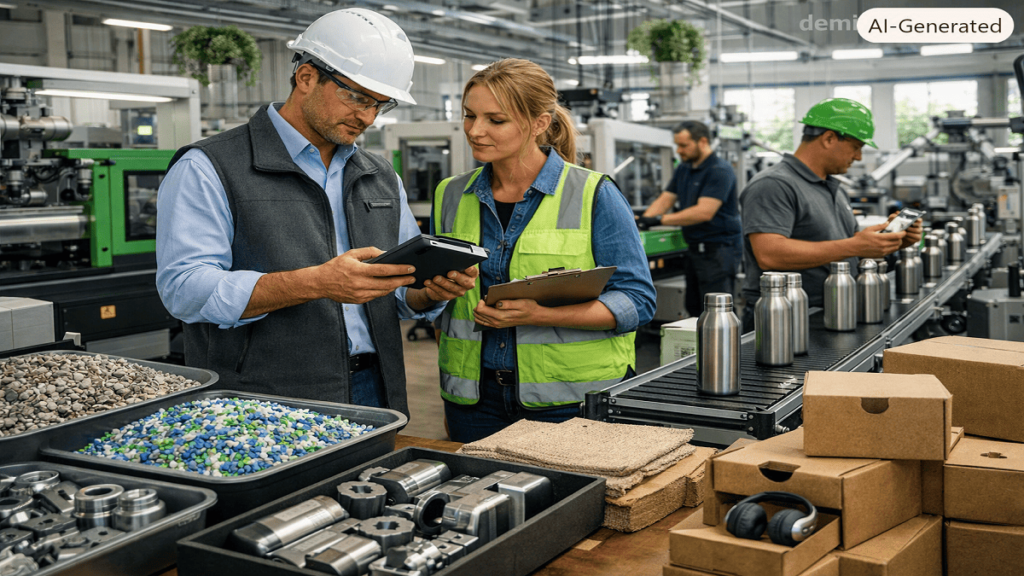
The use of recycled materials provides significant environmental and economic benefits by reducing waste, conserving natural resources, and supporting sustainable industrial development. As industries and consumers move toward more responsible production and consumption practices, recycled materials have become an important solution for building a circular economy. By reusing existing resources instead of relying entirely on newly extracted raw materials, recycling helps reduce environmental pressure while creating valuable economic opportunities.
Environmental Benefits of Recycled Materials
One of the most important environmental benefits of using recycled materials is the reduction of waste sent to landfills. Materials such as plastics, metals, paper, glass, and textiles can remain in circulation through recycling processes, preventing unnecessary disposal and reducing pollution. This helps protect ecosystems, reduce land degradation, and improve overall environmental quality.
Recycling also conserves natural resources by reducing the need for raw material extraction. Manufacturing products from virgin resources often requires mining, logging, and drilling, which can damage ecosystems and consume large amounts of energy. By using recycled materials, industries can decrease resource consumption and preserve valuable natural reserves for future generations.
Another major advantage is the reduction of greenhouse gas emissions. Producing goods from recycled materials generally requires less energy compared to manufacturing products from newly extracted resources. For example, recycling metals such as aluminum and steel can significantly reduce energy use and carbon emissions associated with mining and processing activities. Lower emissions contribute to global efforts to address climate change.
Economic Benefits of Recycled Materials
Recycled materials provide important economic advantages for businesses and communities. The recycling industry creates employment opportunities in waste collection, sorting, processing, manufacturing, research, and technology development. As demand for sustainable products increases, recycling-related industries continue to expand and contribute to economic growth.
Using recycled materials can also reduce manufacturing costs by lowering dependence on expensive raw materials. Companies that incorporate recycled inputs into production can improve resource efficiency, reduce waste disposal expenses, and strengthen their sustainability strategies. Many businesses use recycled materials to meet environmental standards and respond to growing consumer demand for eco-friendly products.
Recycling also encourages innovation by driving the development of advanced technologies for material recovery, waste management, and sustainable manufacturing. These innovations create new markets and business opportunities while improving the efficiency of resource use.
Conclusion
The adoption of recycled materials delivers both environmental and economic benefits by reducing waste, conserving resources, lowering emissions, creating jobs, and supporting sustainable business practices. As recycling technologies continue to improve and industries embrace circular economy principles, recycled materials will play an increasingly important role in building a more sustainable and resource-efficient global economy.
Relevant External Resources:
- Environmental Protection Agency (EPA) – Recycling and Sustainability: https://www.epa.gov/recycle
- United Nations Environment Programme (UNEP): https://www.unep.org
- Ellen MacArthur Foundation – Circular Economy: https://ellenmacarthurfoundation.org
- European Environment Agency (EEA) – Waste Prevention and Recycling: https://www.eea.europa.eu
- World Bank – Solid Waste Management: https://www.worldbank.org/en/topic/urbandevelopment/brief/solid-waste-management
What Are the Future Trends and Challenges in the Development of Recycled Materials?
The development of recycled materials is expected to play a major role in creating a more sustainable and resource-efficient future. As global concerns about waste management, climate change, and resource depletion increase, industries are investing in advanced recycling technologies and circular economy solutions. Future trends in recycled materials focus on improving recycling efficiency, expanding material applications, and developing innovative methods to recover valuable resources from complex waste streams. However, several challenges must be addressed to achieve widespread adoption.
Future Trends in Recycled Materials Development
One of the most significant future trends is the growth of advanced recycling technologies. Traditional mechanical recycling has limitations when dealing with contaminated or complex materials. New methods such as chemical recycling, artificial intelligence-based sorting, and automated waste processing are improving the ability to recover high-quality materials from difficult waste streams. These technologies will enable industries to recycle a wider range of products, including advanced plastics, electronic waste, and composite materials.
Another important trend is the increasing adoption of the circular economy model. Businesses are moving away from the traditional “take, make, dispose” approach and focusing on designing products that can be reused, repaired, or recycled. Manufacturers are developing products with recyclable components and sustainable materials to reduce waste throughout the product life cycle.
The use of recycled materials in industries such as automotive, construction, packaging, electronics, and fashion is also expected to expand. Companies are incorporating recycled plastics, metals, textiles, and glass into their products to meet sustainability goals and respond to consumer demand for environmentally responsible solutions.
Digital technologies will further transform recycling systems. Artificial intelligence, robotics, blockchain tracking, and smart waste management platforms can improve material identification, collection efficiency, and supply chain transparency.
Challenges in Developing Recycled Materials
Despite significant progress, several challenges remain. One major challenge is material contamination, which reduces the quality and usability of recycled materials. Mixed waste streams often require complex separation processes, increasing operational costs and reducing recycling efficiency.
Another challenge is the lack of adequate recycling infrastructure in many regions. Efficient recycling requires investment in collection systems, processing facilities, and transportation networks. Without proper infrastructure, valuable materials may continue to be sent to landfills.
Economic factors also influence recycling development. The cost of collecting and processing recycled materials can sometimes compete with cheaper virgin raw materials, making it difficult for recycled products to gain market adoption. Supportive government policies, incentives, and industry collaboration are necessary to improve competitiveness.
Additionally, some materials remain difficult to recycle due to their chemical composition or mixed-material design. Continued research and innovation are needed to develop better recycling methods and create more recyclable products.
Conclusion
The future of recycled materials is shaped by technological innovation, circular economy practices, and increasing global sustainability efforts. While challenges related to contamination, infrastructure, cost, and material complexity remain, advancements in recycling technologies and responsible manufacturing practices are creating new opportunities. By improving recycling systems and encouraging collaboration between governments, industries, and consumers, recycled materials can become a key solution for reducing waste and building a more sustainable future.
Relevant External Resources:
- Environmental Protection Agency (EPA) – Recycling: https://www.epa.gov/recycle
- Ellen MacArthur Foundation – Circular Economy: https://ellenmacarthurfoundation.org
- United Nations Environment Programme (UNEP): https://www.unep.org
- European Environment Agency – Waste and Circular Economy: https://www.eea.europa.eu
- World Economic Forum – Circular Economy: https://www.weforum.org/topics/circular-economy/
Case Study: Development of Recycled Materials – PET Plastic Recycling in the Beverage Industry
Introduction
The development of recycled materials has become a critical strategy for reducing waste, conserving resources, and supporting sustainable manufacturing. A notable example is the recycling of Polyethylene Terephthalate (PET) plastic, which is widely used in beverage bottles, food packaging, and consumer products. The advancement of PET recycling demonstrates how waste materials can be transformed into valuable resources while reducing environmental impacts and supporting the circular economy.
Background
PET plastic is a lightweight, durable, and recyclable material commonly used for packaging beverages and other consumer goods. However, the rapid growth of plastic consumption has resulted in significant waste generation and environmental concerns. Traditional disposal methods, such as landfilling and incineration, contribute to pollution and resource loss.
To address these challenges, companies and governments have invested in PET recycling technologies that allow used plastic bottles to be collected, processed, and converted into high-quality recycled PET (rPET). This recycled material can then be used to manufacture new bottles, packaging materials, textiles, and industrial products.
Development and Processing
The PET recycling process begins with the collection of used plastic bottles through recycling programs, waste management facilities, and collection networks. The collected materials are transported to recycling plants, where they undergo sorting to remove contaminants and separate PET from other types of plastics.
After sorting, PET bottles are cleaned, shredded into small flakes, and processed to remove impurities. Advanced recycling technologies then convert these flakes into recycled PET pellets. These pellets can be used as raw materials for manufacturing new products.
Modern innovations, including advanced filtration systems, chemical recycling methods, and improved purification technologies, have increased the quality of recycled PET, allowing it to meet strict standards for food and beverage packaging.
Industry Applications and Benefits
The beverage industry has become one of the largest users of recycled PET materials. Companies incorporate rPET into new bottles and packaging to reduce dependence on virgin plastic production. The textile industry also uses recycled PET fibers to manufacture clothing, carpets, and industrial fabrics.
The development of PET recycling provides several benefits:
- Reduces plastic waste entering landfills and oceans.
- Conserves petroleum-based raw materials used in plastic production.
- Lowers greenhouse gas emissions compared to producing new plastics.
- Creates employment opportunities in recycling and waste management industries.
- Supports corporate sustainability goals and circular economy initiatives.
Challenges
Despite its success, PET recycling faces challenges such as inconsistent waste collection systems, contamination of recyclable materials, and limited recycling infrastructure in some regions. Maintaining high-quality recycled materials requires effective sorting systems and continuous investment in recycling technologies.
Future Outlook
The future of PET recycling is expected to improve through chemical recycling, artificial intelligence-based sorting, and stronger recycling regulations. Governments and industries are increasingly setting recycled content targets, encouraging businesses to adopt sustainable packaging solutions.
Conclusion
The development of recycled PET materials demonstrates how innovative recycling systems can transform waste into valuable resources. Through advanced processing technologies and industry collaboration, PET recycling helps reduce environmental pollution, conserve resources, and promote sustainable production practices. This case study highlights the important role recycled materials can play in creating a circular economy and achieving long-term environmental sustainability.
Relevant External Resources:
- Environmental Protection Agency (EPA) – Recycling: https://www.epa.gov/recycle
- Ellen MacArthur Foundation – Circular Economy: https://ellenmacarthurfoundation.org
- United Nations Environment Programme (UNEP): https://www.unep.org
- European Environment Agency – Circular Economy and Waste: https://www.eea.europa.eu
- Association of Plastic Recyclers (APR): https://plasticsrecycling.org/
White Paper on the Development of Recycled Materials
Executive Summary
The development of recycled materials has become a fundamental component of global sustainability strategies as industries, governments, and communities work to reduce waste, conserve natural resources, and transition toward a circular economy. Rapid industrial growth and increasing consumption have created significant challenges related to waste generation, resource depletion, and environmental pollution. Recycling provides a practical solution by transforming discarded materials into valuable resources that can be reused in manufacturing processes.
This white paper explores the importance of recycled materials, their development processes, technological advancements, industry applications, economic and environmental benefits, challenges, and future opportunities. It highlights how innovative recycling systems and sustainable manufacturing practices can support resource efficiency, reduce carbon emissions, and create a more sustainable industrial ecosystem.
1. Introduction
Recycled materials are resources recovered from waste products and processed into new materials or products. Common recycled materials include plastics, metals, glass, paper, textiles, electronic waste, and construction materials. The development of these materials is driven by the need to reduce dependence on virgin resources and minimize the environmental impact of industrial activities.
The traditional linear economic model of extracting resources, producing goods, and disposing of waste has contributed to resource scarcity and environmental degradation. The adoption of recycled materials supports a circular economy approach, where materials remain in use for longer periods through recovery, reuse, and recycling.
As sustainability becomes a priority worldwide, industries are increasingly investing in advanced recycling technologies to improve material recovery, product quality, and resource efficiency.
2. Importance of Developing Recycled Materials
The development of recycled materials provides several environmental, economic, and social benefits:
Environmental Protection
Recycling reduces the volume of waste sent to landfills and decreases pollution caused by improper disposal. It also reduces the need for resource extraction activities such as mining, logging, and drilling, which can damage ecosystems.
Resource Conservation
Using recycled materials helps conserve limited natural resources by replacing newly extracted raw materials. For example, recycled metals can be reused repeatedly without significant loss of quality.
Reduction of Carbon Emissions
Manufacturing products from recycled materials often requires less energy compared to producing goods from virgin resources. This reduces greenhouse gas emissions and supports global climate action goals.
Economic Growth
The recycling industry creates employment opportunities in waste collection, processing, manufacturing, research, and technology development. It also encourages innovation in sustainable production methods.
3. Development Process of Recycled Materials
The development of recycled materials involves multiple stages:
Collection and Recovery
Waste materials are collected from households, businesses, industrial facilities, and specialized recycling programs. Efficient collection systems are essential for maintaining material quality.
Sorting and Separation
Advanced sorting technologies, including artificial intelligence, robotics, magnetic separation, and optical scanning systems, identify and separate different materials.
Cleaning and Processing
Collected materials are cleaned to remove contaminants before being processed into usable forms. Plastics may be shredded into flakes, metals may be melted and purified, and paper may be converted into reusable pulp.
Manufacturing and Reuse
Processed recycled materials are converted into new products such as packaging, automotive components, construction materials, textiles, and consumer goods.
4. Technological Advancements in Recycling
Recent innovations have improved the efficiency and quality of recycled materials:
Artificial Intelligence-Based Sorting
AI-powered systems improve waste identification and separation accuracy, increasing recycling efficiency.
Chemical Recycling
Chemical recycling technologies break materials down into their original chemical components, allowing difficult-to-recycle materials to be reused.
Advanced Material Recovery Facilities
Modern recycling plants use automation and smart technologies to process larger volumes of waste with improved accuracy.
Sustainable Product Design
Manufacturers are increasingly designing products that are easier to repair, reuse, and recycle.
5. Industry Applications of Recycled Materials
Packaging Industry
Recycled plastics, paper, and glass are widely used for bottles, containers, cartons, and packaging solutions.
Construction Industry
Recycled materials such as reclaimed wood, recycled metals, and recycled concrete are used in sustainable building projects.
Automotive Industry
Vehicle manufacturers use recycled plastics, aluminum, and steel to reduce production emissions and improve resource efficiency.
Textile Industry
Recycled fibers from plastic bottles and discarded textiles are used to produce clothing, footwear, and industrial fabrics.
Electronics Industry
Recycling electronic waste allows recovery of valuable metals such as copper, aluminum, and precious metals for reuse.
6. Environmental and Economic Impact
The development of recycled materials contributes significantly to sustainability goals by reducing landfill waste, conserving resources, and lowering environmental pollution.
From an economic perspective, recycling creates new markets and supports green industries. Companies that adopt recycled materials can improve resource efficiency, meet sustainability regulations, and respond to increasing consumer demand for environmentally responsible products.
Governments worldwide are also introducing policies such as extended producer responsibility (EPR), recycling targets, and sustainable manufacturing standards to encourage the use of recycled materials.
7. Challenges in Recycled Material Development
Despite significant progress, several challenges remain:
Contamination Issues
Mixed waste streams can reduce the quality of recycled materials and increase processing costs.
Limited Infrastructure
Many regions lack sufficient collection systems, recycling facilities, and transportation networks.
Economic Competition
Virgin materials may sometimes be cheaper than recycled alternatives due to market conditions and production costs.
Complex Materials
Certain products contain mixed materials that are difficult to separate and recycle effectively.
Consumer Participation
Successful recycling systems require public awareness and proper waste separation practices.
8. Future Outlook
The future of recycled materials development is expected to be shaped by technological innovation, government policies, and increased industry adoption. Emerging trends include:
- Growth of artificial intelligence in waste management.
- Expansion of chemical recycling technologies.
- Increased use of recycled materials in manufacturing.
- Development of biodegradable and recyclable product designs.
- Stronger circular economy initiatives.
- Increased corporate sustainability commitments.
As industries continue adopting sustainable practices, recycled materials will become a critical resource for reducing environmental impact and improving resource efficiency.
Conclusion
The development of recycled materials represents a major step toward achieving a sustainable and circular economy. By converting waste into valuable resources, recycling reduces environmental damage, conserves natural resources, lowers carbon emissions, and creates economic opportunities. Although challenges such as infrastructure limitations, contamination, and processing costs remain, continuous innovation and collaboration between governments, industries, and consumers are driving significant progress.
The future of recycled materials depends on investment in advanced technologies, responsible production practices, and global commitment to sustainability. As recycling systems improve, recycled materials will play an increasingly important role in creating a cleaner, more efficient, and environmentally responsible world.
References
- Environmental Protection Agency (EPA) – Recycling: https://www.epa.gov/recycle
- United Nations Environment Programme (UNEP): https://www.unep.org
- Ellen MacArthur Foundation – Circular Economy: https://ellenmacarthurfoundation.org
- European Environment Agency – Circular Economy and Waste: https://www.eea.europa.eu
- World Bank – Solid Waste Management: https://www.worldbank.org/en/topic/urbandevelopment/brief/solid-waste-management
Industry Applications of the Development of Recycled Materials
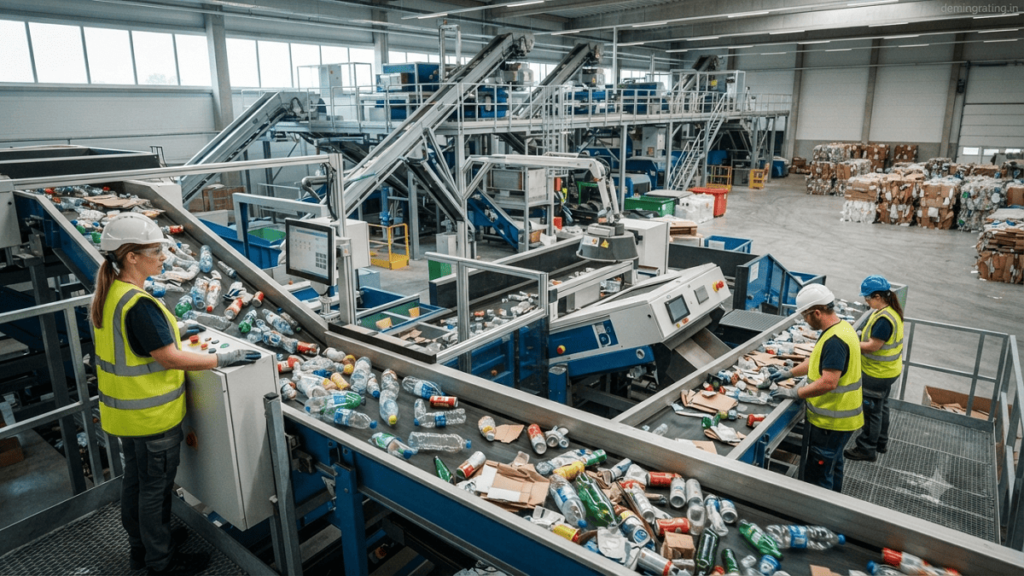
The development of recycled materials has significantly transformed modern industries by providing sustainable alternatives to traditional raw materials. As businesses focus on reducing waste, lowering carbon emissions, and improving resource efficiency, recycled materials have become an important part of manufacturing and production processes. Industries such as packaging, construction, automotive, electronics, textiles, and consumer goods are increasingly adopting recycled materials to support environmental goals while maintaining product quality and economic efficiency.
1. Packaging Industry
The packaging industry is one of the largest users of recycled materials, especially recycled plastics, paper, cardboard, and glass. Companies use recycled polyethylene terephthalate (rPET) to manufacture bottles, food containers, and packaging products. Recycled paper and cardboard are widely used for boxes, cartons, and protective packaging solutions.
The use of recycled packaging materials helps reduce plastic waste, conserve natural resources, and decrease the environmental impact of packaging production. Many businesses are adopting sustainable packaging strategies to meet consumer expectations and comply with environmental regulations.
2. Construction Industry
The construction sector uses recycled materials to develop sustainable buildings and infrastructure. Recycled concrete, reclaimed wood, recycled metals, and glass are increasingly incorporated into construction projects. These materials help reduce demand for newly extracted resources while lowering construction waste.
Recycled steel and aluminum are commonly used in structural frameworks, roofing, and building components because they maintain durability and strength. Recycled aggregates from demolished buildings can also be used in roads and concrete production, supporting more sustainable construction practices.
3. Automotive Industry
Automobile manufacturers are increasingly integrating recycled materials into vehicle production. Recycled plastics, metals, textiles, and rubber are used for vehicle interiors, dashboards, seats, tires, and body components.
Using recycled materials helps automotive companies reduce manufacturing emissions, lower material costs, and achieve sustainability targets. Electric vehicle manufacturers are also exploring recycled materials for battery components and lightweight vehicle designs to improve energy efficiency.
4. Textile and Fashion Industry
The textile industry has adopted recycled materials to address the environmental challenges associated with clothing production. Recycled polyester made from plastic bottles, recycled cotton from textile waste, and regenerated fibers are used to produce sustainable clothing, footwear, and accessories.
Recycled textiles reduce landfill waste, decrease dependence on petroleum-based fibers, and support sustainable fashion initiatives. Many global fashion brands are increasing the use of recycled fibers as part of their environmental commitments.
5. Electronics Industry
The electronics industry benefits from recycling electronic waste (e-waste) to recover valuable materials such as copper, aluminum, gold, and plastics. These recovered materials are reused in manufacturing new electronic devices, reducing the need for mining and resource extraction.
Advanced recycling technologies help recover valuable components from old computers, smartphones, batteries, and other electronic products while reducing hazardous waste.
6. Consumer Goods Industry
Manufacturers of household products, furniture, and everyday consumer goods increasingly use recycled materials to create sustainable products. Recycled plastics, metals, and glass are used in items such as furniture, appliances, storage products, and home accessories.
Companies using recycled materials can improve their sustainability performance while attracting environmentally conscious consumers.
7. Agriculture Industry
The agricultural sector uses recycled materials in products such as irrigation pipes, agricultural films, compost materials, and packaging solutions. Recycled plastics help reduce agricultural waste and support more efficient resource management.
Composting and organic recycling also convert agricultural waste into valuable materials that improve soil quality and reduce dependence on chemical fertilizers.
Future Industrial Opportunities
The future application of recycled materials will continue expanding through advancements in artificial intelligence-based sorting, chemical recycling, automated waste processing, and circular manufacturing systems. Industries are increasingly designing products with recyclability in mind, allowing materials to remain in use for longer periods.
Conclusion
The development of recycled materials has created significant opportunities across multiple industries by improving sustainability, reducing waste, and conserving natural resources. From packaging and construction to automotive, textiles, electronics, and consumer goods, recycled materials are helping industries move toward a circular economy. As recycling technologies continue to improve, the adoption of recycled materials will become increasingly important for achieving sustainable industrial growth and reducing environmental impact.
Relevant External Resources:
- Environmental Protection Agency (EPA) – Recycling: https://www.epa.gov/recycle
- Ellen MacArthur Foundation – Circular Economy: https://ellenmacarthurfoundation.org
- United Nations Environment Programme (UNEP): https://www.unep.org
- European Environment Agency – Circular Economy: https://www.eea.europa.eu
- World Economic Forum – Circular Economy: https://www.weforum.org/topics/circular-economy/
Ask FAQs
What are recycled materials, and how are they developed?
Recycled materials are resources recovered from waste products and processed into new raw materials or products. They are developed through a series of steps, including collection, sorting, cleaning, processing, and remanufacturing. Materials such as plastics, metals, paper, glass, textiles, and electronic waste are collected from different sources and transformed into usable materials for industries. Advanced technologies such as artificial intelligence-based sorting, chemical recycling, and automated processing systems improve the quality and efficiency of recycled material production.
Why are recycled materials important for sustainability?
Recycled materials are important because they help reduce waste, conserve natural resources, and lower environmental pollution. Recycling decreases the need for extracting new raw materials through activities such as mining, logging, and drilling. It also reduces energy consumption and greenhouse gas emissions associated with manufacturing processes. By supporting a circular economy, recycled materials help industries use resources more efficiently and create sustainable production systems.
Which industries use recycled materials the most?
Many industries use recycled materials to improve sustainability and reduce environmental impact. The packaging industry uses recycled plastics, paper, and glass for containers and packaging solutions. The construction industry uses recycled metals, concrete, and wood for sustainable buildings. Automotive manufacturers use recycled plastics and metals in vehicle components, while textile companies use recycled fibers to create clothing and fabrics. Electronics industries also recover valuable materials from electronic waste for reuse in new products.
What are the challenges in developing recycled materials?
The development of recycled materials faces several challenges, including waste contamination, limited recycling infrastructure, high processing costs, and difficulties in recycling complex materials. Mixed waste streams can reduce the quality of recycled materials, while some regions lack proper collection and processing facilities. Additionally, recycled materials may face competition from cheaper virgin materials. Continuous investment in technology, infrastructure, and supportive policies is needed to overcome these challenges.
What is the future of recycled materials?
The future of recycled materials is expected to grow significantly due to increasing environmental awareness, government regulations, and advancements in recycling technologies. Innovations such as artificial intelligence waste sorting, chemical recycling, smart recycling systems, and sustainable product design will improve material recovery and quality. More industries are expected to adopt recycled materials as part of their sustainability strategies, helping create a circular economy and reducing global waste generation.
Table of Contents
Disclaimer:
The information provided in this article is for educational and informational purposes only. Recycling technologies, industry practices, and regulations may change over time. Readers should consult professional sources and official organizations for the latest information and specific guidance. External links are provided for reference purposes only.