
Container Loading Check (CLC)
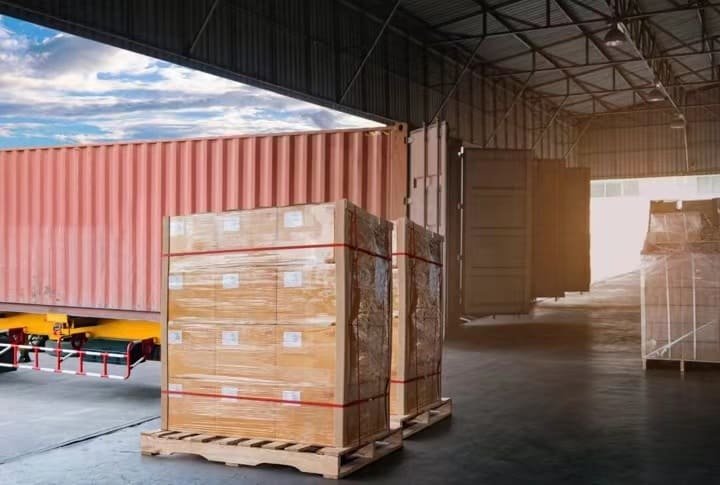
Container Loading Check (CLC) Container Loading Check (CLC) is the final on-site inspection carried out at the factory or warehouse during loading of goods into a container, with the aim of ensuring that the correct products, in the right quantity and condition, are properly packed, stowed, and sealed before shipment. It significantly reduces risks of cargo damage, short shipment, mix-ups, and customer complaints by verifying both the goods and the loading process at the last possible control point. CLC is especially critical for full-container-load (FCL) exports, fragile or high-value items, and direct-to-customer shipments where post-arrival rework is impractical. What a CLC Typically Covers A standard CLC covers four broad areas: the container, the goods, the packaging, and the loading operation. Inspectors first check the container’s physical condition to ensure it is clean, dry, structurally sound, and free of strong odors, holes, or contamination that could damage goods in transit. They then confirm that the SKU mix, quantities, and basic product characteristics match the purchase order and packing list, often by counting cartons and sampling units to verify style, color, dimensions, labeling, and visible workmanship. Packaging is reviewed to confirm that inner and outer cartons, cushioning, and sealing meet agreed specifications and can withstand the planned transport and handling conditions. Finally, the loading itself is supervised: inspectors observe palletization or floor loading, stacking patterns, weight distribution, use of dunnage and lashings, and correct application and recording of seals once loading is complete. Deming Perspective and “Ratings” Viewed through Deming’s quality philosophy, CLC is a control activity that must be integrated into a broader system rather than treated as a standalone policing step. Deming emphasized building quality into the process and reducing dependence on final inspection; in this context, CLC should verify that upstream processes (production, packing, and logistics planning) are stable and capable, not compensate for their failures. Applying Deming’s lens, “ratings” for a CLC program can be framed around the Plan–Do–Check–Act (PDCA) cycle: organizations plan standards for loading and packaging, execute them in operations, check conformance via CLC, and then act on findings to improve supplier processes, packaging design, and loading SOPs. A high “Deming rating” for CLC would therefore reflect not only low defect rates at loading but also evidence that CLC data is analyzed and fed back into continuous improvement, leading over time to fewer nonconformities, less rework at loading, and more stable logistics performance. Key Criteria for Assessing CLC Effectiveness To operationalize such ratings, companies often evaluate CLC performance against measurable criteria. Typical dimensions include: frequency and severity of nonconformities found at loading; rate of cargo claims or damage on arrival attributable to loading or packaging; accuracy of shipped vs ordered quantities; and on-time shipment performance after CLC intervention. Process-oriented indicators are also important, such as how consistently inspectors follow defined checklists, the clarity and timeliness of reporting, and how many corrective and preventive actions are raised and closed based on CLC findings. Suppliers and logistics partners can be scored or graded against these indicators, and ratings can inform sourcing decisions, vendor development plans, and incentives. In a Deming-aligned system, the goal of such ratings is not to punish suppliers but to understand variation, remove systemic causes of defects, and gradually make the entire supply and logistics chain more predictable and robust. What is Required Container Loading Check (CLC) Container Loading Check (CLC) is a supervised inspection carried out during the actual loading of cargo into a container to verify that the right products, in correct quantity and condition, are packed, stowed, and sealed in line with agreed requirements. When viewed through Deming’s quality philosophy, CLC should function as a feedback and improvement mechanism within a wider quality system, not as an isolated policing step. Core requirements of CLC A proper CLC begins with inspection of the empty container to ensure it is structurally sound, clean, dry, free of strong odors, and without holes, heavy dents, or contamination that could damage goods. Inspectors also verify that container and truck identification numbers are recorded correctly so that traceability is maintained throughout the shipment. Next, the inspector checks products against the purchase order, packing list, and other shipping documents to confirm that SKUs, assortments, and quantities match what must be shipped. This often includes random inspection of outer and inner packaging, labeling, barcodes, and basic product attributes (style, color, size) to ensure conformity before loading proceeds. Loading process and documentation During loading, the inspector supervises or monitors how cartons or pallets are placed in the container, paying attention to stacking pattern, weight distribution, use of dunnage, and compatibility of different cargo types. Proper loading techniques aim to avoid crushing, shifting, or water damage during transport and to use available space effectively. Once loading is complete, doors are closed, seals are applied, and seal numbers are recorded; photos and a container loading report or certificate are typically issued as evidence of the inspection. Deming-oriented “ratings” concept From a Deming perspective, CLC effectiveness can be “rated” by how well it supports continual improvement rather than by pass/fail results alone. Deming’s Plan–Do–Check–Act (PDCA) cycle implies that CLC data should feed back into planning packaging standards, loading SOPs, and supplier training so that nonconformities steadily decrease over time. This means a high Deming-style rating for CLC would be reflected in stable processes, fewer surprises at loading, and reduced cargo damage or quantity discrepancies on arrival. In practice, organizations can convert CLC outcomes into vendor or lane ratings using metrics such as frequency of loading-related defects, damage rates at destination, documentation accuracy, and on-time shipment after CLC. These ratings are then used to drive system-level improvements: suppliers with recurring problems receive corrective-action requests and support, while best performers become benchmarks for standard methods. Seen this way, CLC is not just a checkpoint but a structured learning loop that aligns logistics execution with Deming’s principles of reducing variation and building quality into the process. Who is Required Container Loading Check (CLC) Container Loading Check (CLC) is required by the buyer or brand owner whenever
Container Loading Check (CLC) Read More »