Production Monitoring (PM)
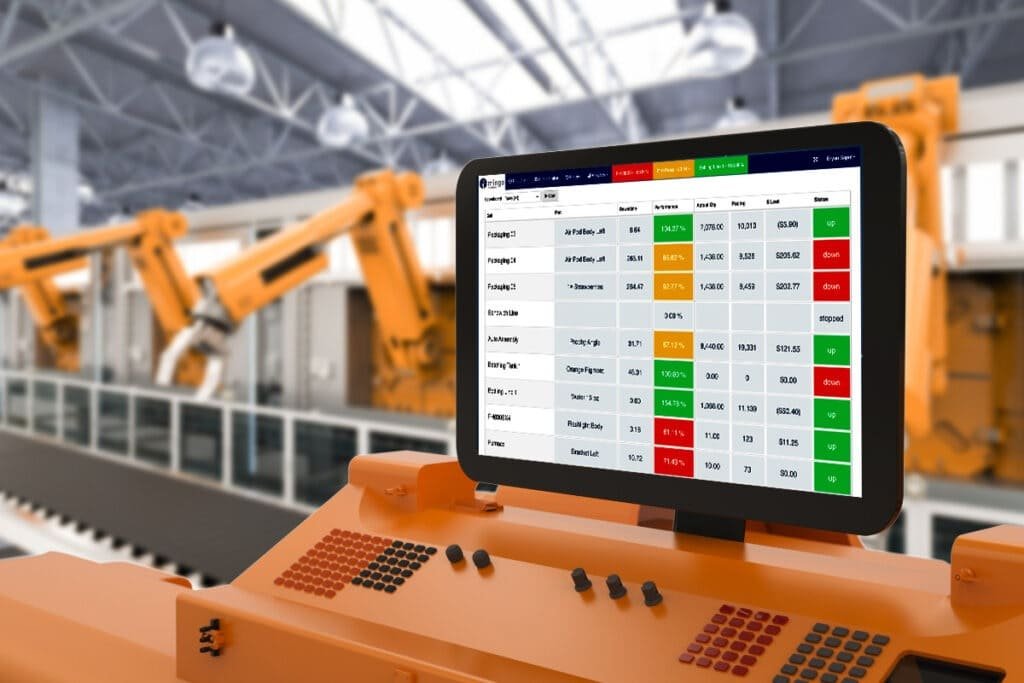
Production Monitoring (PM) Production Monitoring (PM) tracks manufacturing processes in real-time to ensure efficiency, quality, and on-schedule delivery. It involves continuous oversight of production lines, raw materials, worker performance, and equipment to detect issues like delays or defects early. This practice aligns closely with Deming’s principles of continuous improvement, particularly the PDCA cycle (Plan-Do-Check-Act). Deming Ratings in PM Deming Ratings evaluate production performance using W. Edwards Deming’s framework, focusing on his 14 Points for management transformation, such as creating constancy of purpose and eliminating fear. In PM, these ratings assess how well operations embody Deming’s ideals: for instance, rating “Plan” on norm adherence, “Do” on execution efficiency, “Check” on data accuracy via KPIs like cycle time and downtime, and “Act” on corrective adjustments. High Deming Ratings (e.g., 4-5/5) indicate strong PDCA integration, minimizing waste and boosting output consistency. Implementing Deming Cycle in PM Apply the Deming Cycle systematically in PM: Plan production norms using software for scheduling; Do by executing with real-time tracking; Check via daily reports on variances, like excess hours or bottlenecks; Act by refining processes, such as reducing unproductive time from 20% to 10%. Tools like production management software automate this loop, generating reports for ongoing optimization and verifying improvements in repeat orders. Factories achieve better resource allocation and quality by monitoring capacity against declarations. Benefits and KPIs PM with Deming Ratings improves visibility into scrap rates, first-pass yield, and unplanned downtime, enabling proactive fixes. Benefits include reduced subcontracting risks, consistent timelines, and process enhancements, directly supporting Deming’s emphasis on data-driven decisions over quotas. Key KPIs rated under Deming include machine breakdowns, changeover times, and raw material availability, fostering a culture of continual refinement. Practical Application In practice, inspectors provide daily PM reports during critical phases (e.g., 20-50% completion), scoring Deming compliance to flag deviations. Manufacturers use these ratings to iterate: if checking reveals overruns, acting implements targeted fixes like training or tech upgrades. This 500-word approach ensures PM not only monitors but elevates production to Deming’s transformative standards, driving long-term excellence. What is Required Production Monitoring (PM) Required Production Monitoring (PM) with Deming ratings means setting up a structured, data‑driven way to watch production in real time, then scoring how well the process follows Deming’s principles of continuous improvement (PDCA: Plan–Do–Check–Act). It combines classic PM (tracking what is happening on the shop floor) with a rating system that reflects quality, stability, and learning in the process, not just output volume. Core Requirements Required PM starts with clear objectives: delivery reliability, defect levels, cycle times, and machine utilization must be defined as targets before monitoring begins. These goals should be aligned with customer needs and long‑term quality, echoing Deming’s focus on purpose and reduction of variation rather than short‑term quotas. The monitoring system must capture data continuously or at defined checkpoints across all key steps: material receipt, in‑process operations, and final inspection. In many factories this is done through on‑site production monitoring inspections that verify quantities, workmanship, process control, and compliance with specifications while production is still running. Data and KPIs for Deming Ratings To support Deming‑style ratings, the PM system must record a set of standardized KPIs such as cycle time, output per shift, scrap rate, rework rate, downtime, and schedule adherence. These metrics provide the quantitative basis to judge whether processes are stable and improving, which aligns with Deming’s emphasis on measurement and statistical thinking. Ratings often normalize performance metrics to a common scale (for example 0–100%) so that batches, lines, or plants can be compared fairly. The calculation typically weights different KPIs according to business priorities—for instance, giving higher weight to meeting release criteria and quality limits and somewhat lower weight to minor timing deviations. PDCA Integration For Deming ratings to be meaningful, PM must explicitly follow the PDCA cycle. In the Plan phase, production norms, work instructions, and risk controls are defined based on previous data and known issues; in the Do phase, production runs while PM collects data against this plan. In the Check phase, actual results are analyzed against targets and peer performance to identify variation, bottlenecks, and nonconformities, using tools like control charts and capability analysis where appropriate. In the Act phase, corrective and preventive measures are implemented—such as process adjustments, training, or equipment changes—and the new standards are fed back into the next planning cycle. Organizational and System Requirements Effective Deming‑oriented PM requires management commitment to using measurements for improvement rather than blame, consistent with Deming’s points on leadership and removing fear. Teams must be trained to understand data, root‑cause analysis, and continuous improvement techniques so that PM reports lead to action rather than mere reporting. On the systems side, integrated software or dashboards are usually needed to aggregate shop‑floor data, calculate ratings automatically, and display trends for rapid decision‑making. Over time, organizations refine their rating formulas and thresholds as more data accumulates, ensuring that the Deming ratings remain discriminating enough to highlight truly exceptional or problematic performance. Who is Required Production Monitoring (PM) Production Managers are primarily responsible for Required Production Monitoring (PM) with Deming Ratings, overseeing daily manufacturing operations to ensure efficiency, quality, and alignment with continuous improvement principles. They implement PM by tracking real-time data on production lines, applying Deming’s PDCA cycle to rate performance, and driving corrective actions. This role demands expertise in quality control, data analysis, and leadership to maintain high Deming scores across KPIs like cycle time and defect rates. Key Responsibilities Production Managers plan production schedules, monitor resource allocation, and enforce quality standards during PM inspections, typically at 20-50% completion stages. They collect data on output, downtime, and compliance, then assign Deming Ratings based on PDCA adherence: scoring “Plan” for norm setting, “Do” for execution, “Check” for variance analysis, and “Act” for optimizations. Responsibilities include generating daily reports, resolving bottlenecks, and collaborating with procurement to prevent material shortages, all to elevate ratings from baseline to 4-5/5 levels. Supporting Roles Quality Control Inspectors assist by conducting on-site PM checks, verifying workmanship and documenting deviations for Deming evaluation. Supervisors and line leads report
Production Monitoring (PM) Read More »