
Mukesh Singh

Pre-Shipment Inspection (PSI)

Pre-Shipment Inspection (PSI) Pre-shipment inspection (PSI) is a structured quality-control activity carried out on finished goods when production is typically 80–100% complete, before the consignment leaves the supplier’s premises. Deming ratings within PSI are used as a statistical, defect-based scoring approach to judge whether the shipment meets the agreed Acceptable Quality Levels (AQL) and to drive continuous improvement in the supplier’s processes.​ Concept of Pre-Shipment Inspection PSI focuses on verifying that the goods’ quality, quantity, and specification conformity match the purchase order or letter of credit before shipment and often before final payment is released. Inspectors select random samples from the finished lot, using international sampling standards such as ISO 2859 (MIL‑STD‑105E), to assess workmanship, appearance, functionality, labeling, packaging, and overall compliance.​ In practical terms, a PSI aims to prevent costly surprises after arrival, reduce the risk of customer complaints, and support smooth customs clearance where destination markets impose safety or regulatory requirements (for example, CE or UL marks for certain products). Because PSI happens at the end of the production cycle, it functions as a final gate: the buyer may accept, conditionally accept with rework, or reject the shipment based on the inspection report and rating.​ Deming Philosophy and Ratings Deming’s quality philosophy emphasizes statistical control of processes, reduction of variation, and continuous improvement rather than reliance on 100% inspection or after‑the‑fact sorting. In the PSI context, a “Deming rating” generally means evaluating the shipment with structured defect data (number and type of defects per sample) and using that information to understand the underlying process capability instead of treating each lot as an isolated event.​ Defects found during PSI are commonly classified as critical, major, or minor, and each category has an allowed count under a chosen AQL, which aligns with Deming’s principle of using data to manage quality. The rating derived from PSI—pass, fail, or conditional pass plus a numerical or percentage score—feeds back to the supplier’s performance metrics, highlighting trends such as recurring defect types or improving defect rates over multiple shipments.​ How Deming Ratings Operate in PSI Under a Deming-oriented PSI framework, inspectors report not just whether the lot passes the AQL, but also defect rates per category, patterns (e.g., repeated labeling errors), and process-related observations (such as inconsistent assembly steps or poor in‑line checks). The buyer can then create a rating scale (for example, scores tied to defect rates and severity mix) that reflects both immediate acceptability of the shipment and long-term supplier reliability.​ This rating is used to trigger actions: high ratings may lead to reduced inspection frequency or greater autonomy for the supplier, while low ratings can justify intensified in‑process audits, corrective action requests, or qualification of alternative suppliers. Over time, tracking Deming ratings across many PSIs allows buyers to identify which suppliers consistently operate in statistical control and which require closer technical or quality support.​ Benefits of Using Deming Ratings in PSI Combining PSI with Deming-style ratings strengthens risk management because decisions rest on structured data rather than subjective impressions of a single shipment. Buyers gain a more accurate picture of true performance by monitoring defect trends and process consistency, which supports better forecasting of quality risk and warranty or return exposure.​ Suppliers benefit from clear, data-driven feedback that highlights priority improvement areas, such as specific defect categories or process steps that frequently fall outside acceptable limits. When integrated into supplier scorecards, Deming ratings linked to PSI can also support collaborative improvement programs, negotiating stronger service-level agreements, or deciding when to move from intensive inspection toward more trust-based, process-audit-focused oversight. What is Required Pre-Shipment Inspection (PSI) Required pre-shipment inspection (PSI) with Deming-style ratings means a mandated, structured final inspection of finished goods that uses statistical sampling and defect-based scoring to decide shipment acceptance and to drive supplier process improvement. It is “required” either because a government, buyer, or contract makes PSI mandatory for specific products or lanes, and “Deming ratings” refers to evaluating quality performance using defect data and variation rather than relying on ad‑hoc or purely visual judgments.​ When PSI Is Required PSI may be legally required by importing countries for certain categories (for example, electronics, machinery, or regulated consumer goods) to verify quality, safety, and compliance before shipment. Some governments or large buyers demand a pre-shipment inspection certificate (PSIC) as a condition for customs clearance or payment under letters of credit.​ In commercial practice, many buyers make PSI contractually mandatory whenever the supplier is new, quality risk is high, or the product is safety-critical. Typical requirements include that at least 80–100% of the order is completed and packed, inspection occurs at the factory, and a formal report is issued with pass/fail status plus defect details.​ Core Elements of Required PSI A required PSI usually specifies the sampling standard (commonly ISO 2859‑1 / ANSI/ASQ Z1.4) and the Acceptable Quality Limits (AQLs) for critical, major, and minor defects. Inspectors draw random samples and check quantity, product specifications, workmanship, functionality, safety, packaging, and labeling against the contract and relevant regulations.​ Defects are classified and counted, then compared with the AQL acceptance criteria to determine whether the lot passes, fails, or requires rework and re-inspection. The resulting inspection certificate or report is used by banks, buyers, and customs authorities as objective evidence of conformity.​ Deming Ratings Within PSI Deming’s philosophy focuses on using statistical data to control processes, reduce variation, and improve systems rather than simply sorting good from bad units at the end. In PSI, a “Deming rating” can be understood as a structured, data-based assessment of shipment quality that records defect rates by category and uses this information to evaluate the supplier’s process capability over time.​ Instead of treating each PSI as an isolated yes/no event, defect counts and AQL outcomes from multiple inspections are tracked to calculate performance scores or ratings for each supplier. These ratings highlight trends such as recurring defect types, improving or deteriorating defect rates, and consistency of meeting AQL targets, aligning the PSI with Deming’s focus on continuous improvement and variation reduction.​ What “Required PSI –

Pre-Shipment Inspection (PSI) Read More »

Pre-Customs Clearance for Mexico (PEO)

Pre-Customs Clearance for Mexico (PEO) Pre-Customs Clearance for Mexico, known as Previo en Origen (PEO), is a pre-shipment inspection process mandated under Article 42 of Mexico’s Customs Law (Ley Aduanera). It verifies that goods comply with Mexican import regulations before dispatch from the origin country, enabling faster customs release upon arrival—often within 24-48 hours. This service minimizes delays, fines, and demurrage costs associated with non-compliance.​ Key Inspection Components PEO inspections cover several critical areas to ensure regulatory adherence: Inspected goods receive a PEO report, which accompanies the shipment and allows direct progression to customs declaration without on-port physical exams.​ Benefits and Cost Savings Businesses importing to Mexico gain significant advantages from PEO. It expedites clearance, reducing port storage fees and enabling quicker market entry. Regulatory compliance lowers risks of penalties for undeclared goods or inaccuracies, while quality assurance upholds importer reputation. Without PEO, shipments face higher costs from inspections, fines, and delays, impacting competitiveness.​ Process and Providers The PEO process involves scheduling an inspection at the loading site, followed by report issuance for submission to Mexican customs. Certified providers like QIMA and Tetra Inspection conduct these, often integrating with broader quality control. For high-volume importers, case studies show PEO streamlining operations, as seen with major retailers.​ Deming Ratings and Quality Alignment While specific “Deming Ratings” are not directly referenced in PEO contexts, the process aligns with W. Edwards Deming’s principles of continuous improvement and statistical quality control. PEO’s proactive verification embodies Deming Cycle (PDCA: Plan-Do-Check-Act) by “checking” compliance pre-shipment to prevent defects. Importers achieve high “ratings” through reduced variability in customs outcomes, mirroring Deming’s focus on process stability—yielding defect rates under 1% in compliant shipments and enhancing total quality management scores. This integration supports Mexico’s trade efficiency amid growing imports. What is Required Pre-Customs Clearance for Mexico (PEO) Pre-Customs Clearance for Mexico, or Previo en Origen (PEO), mandates a pre-shipment inspection under Article 42 of Mexico’s Customs Law to verify goods compliance before export. Importers must engage certified providers for document review, physical checks, and regulatory alignment at the origin site, ensuring seamless port clearance within 24-48 hours. This requirement targets high-risk shipments, reducing delays and penalties for non-compliant imports.​ Mandatory Requirements PEO demands comprehensive verification across key areas: Shipments without PEO face random port exams, escalating costs.​ Step-by-Step Process Deming Ratings Integration PEO aligns with W. Edwards Deming’s quality principles, emphasizing process control and defect prevention via PDCA (Plan-Do-Check-Act). “Deming Ratings” here refer to quality scores derived from statistical process control metrics applied to PEO outcomes—measuring variability in compliance (e.g., <1% defect rate in quantity/labeling). High ratings (e.g., 95%+ compliance) signal stable processes, enabling predictive analytics for repeat shipments and total quality management certification. Providers track these via inspection data, boosting importer efficiency in Mexico’s trade ecosystem.​ Benefits and Compliance Tips Required PEO cuts demurrage by 50-70%, avoids fines up to 130% of duties, and supports USMCA preferences. Tips: Select NOM-certified providers like QIMA; pre-validate HS codes; integrate with loading supervision. Non-compliance risks shipment rejection, underscoring PEO’s role in risk mitigation. Who is Required Pre-Customs Clearance for Mexico (PEO) Pre-Customs Clearance for Mexico (Previo en Origen, PEO) is mainly required or strongly recommended for importers and their supply-chain partners that regularly ship goods into Mexico and face higher customs risk. It is not aimed at a specific industry only, but at the actors in the import chain whose processes need tighter control and better “Deming-style” quality ratings in customs performance. Who typically needs PEO PEO is targeted at organizations that are responsible for bringing goods into Mexico and want to avoid delays, fines, and unexpected inspections. The key groups are: In practical terms, PEO tends to become “required” (contractually or operationally) when a company’s volume, product complexity, or past customs issues make standard clearance too risky or costly. When it becomes effectively mandatory While the law allows pre- and on-arrival examinations, companies often treat PEO as mandatory in specific situations: In these scenarios, internal compliance policies and contracts with major buyers or retailers often make PEO a required step before every shipment, even if the statute itself does not name specific companies. Link to Deming and “Deming ratings” Deming’s philosophy focuses on designing processes so that errors are prevented rather than detected late. In the PEO context, the “process” is the end-to-end import chain: classification, documentation, packing, loading, and customs interface. A company’s informal “Deming rating” can be thought of as the measured performance of this process over time: PEO directly supports Deming’s PDCA cycle: planning customs requirements with brokers and suppliers, executing standardized packing and documentation, checking via pre-origin inspection, and acting on findings to improve the next shipment. Organizations that are formally assessed on process capability, defect rate, or on-time customs clearance performance will often institutionalize PEO as part of their quality system. Who should absolutely consider PEO In practical, non-legal terms, PEO is functionally “required” for: Deming-style thinking would place PEO as a core control step for any organization whose customs-related “defect rate” is not yet under tight statistical control, and for which the cost of a customs failure is materially higher than the cost of pre-origin inspections. When is Required Pre-Customs Clearance for Mexico (PEO) Pre-Customs Clearance for Mexico, or Previo en Origen (PEO), becomes required under Article 42 of Mexico’s Customs Law when customs authorities deem shipments high-risk for discrepancies in documentation, valuation, or compliance, often triggered by importer history or product type. It is mandated pre-shipment for goods flagged in the Official Register of Importers for special sectors, such as electronics or textiles under strict NOMs, to prevent port delays. PEO timing aligns with Deming’s PDCA cycle, intervening at the “Check” phase to stabilize import processes before “Act” corrections at destination.​ Triggering Conditions PEO is enforced in these scenarios: Requests must be filed 21 days pre-loading, with inspections 48-72 hours before vessel departure.​ Deming Ratings Thresholds “Deming Ratings” gauge process capability using statistical metrics like defect rates (<1% for compliant PEO) and clearance variability (target: <24 hours). PEO is required when ratings fall below 85%: Providers

Pre-Customs Clearance for Mexico (PEO) Read More »

Initial Production Check (IPC)

Initial Production Check (IPC) Initial Production Check (IPC) is a quality control inspection conducted early in manufacturing, typically after 10-30% of production, to verify raw materials, components, processes, and initial samples against specifications.​ Deming Ratings ContextW. Edwards Deming’s principles, particularly his third point, emphasize building quality into processes rather than relying on inspections like IPC, as inspection detects defects too late and increases costs. No standardized “Deming Ratings” system exists for IPC; instead, the Deming Prize awards organizations for Total Quality Management (TQM) excellence, including supplier quality ratings on metrics like rejection rates. In automotive contexts, firms like Tata AutoComp use TQM aligned with Deming’s ideas for awards, but IPC serves as an initial audit before full production.​ IPC Process OverviewInspectors review materials, equipment, and early output, reporting defects for corrections to avoid mass production issues. This aligns partially with Deming by enabling process fixes, though his ideal prioritizes prevention over any inspection dependence. Benefits include reduced rework and compliance risks. What is Required Initial Production Check (IPC) Required Initial Production Check (IPC)A Required Initial Production Check (IPC) is a mandatory early-stage quality inspection in manufacturing, typically conducted when 10-30% of production is complete, to verify raw materials, components, processes, and initial samples against specifications.​ Key RequirementsInspectors must assess raw materials and components for compliance, evaluate production equipment and processes for proper function, and review initial product samples for dimensions, appearance, functionality, packaging, and labeling. Factory compliance checks cover certifications, licenses, labor conditions, health/safety practices, and quality control procedures, while verifying the production plan and pre-production samples ensures readiness for scale-up.​ Deming Ratings AlignmentNo formal “Deming Ratings” exist specifically for IPC; Deming’s principles, like Point 3, advocate reducing inspection dependence by embedding quality in processes, though IPC supports early defect prevention in practice. In quality frameworks inspired by Deming (e.g., TQM for Deming Prize), IPC ratings might score aspects like defect rates or compliance on scales (e.g., A-D or pass/fail), but these vary by supplier or industry like automotive. Who is Required Initial Production Check (IPC) Required Parties for Initial Production Check (IPC)Required Initial Production Check (IPC) mandates involvement from buyers or importers, who initiate the inspection to ensure supplier readiness; third-party inspection firms, who conduct the on-site audit; and manufacturers or suppliers, who host the check and address findings.​ Roles in IPC ProcessBuyers request IPC early in production (10-30% complete) to mitigate risks, providing specifications and samples. Inspectors from firms like QIMA or Intertek verify materials, processes, and compliance on-site, issuing reports with photos and ratings. Suppliers must prepare facilities, demonstrate processes, and correct issues promptly to achieve approval.​ Deming Ratings ContextNo universal “Deming Ratings” apply; participants use IPC results for internal quality scores aligned with Deming’s TQM principles, where suppliers receive ratings (e.g., pass/fail or graded) on defect prevention rather than end-of-line inspection. Automotive sectors often require OEMs or tier-1 buyers to enforce IPC for supplier qualification. When is Required Initial Production Check (IPC) Timing for Required Initial Production Check (IPC)Required Initial Production Check (IPC) occurs early in manufacturing, typically when 10-30% of production is complete, to verify materials, processes, and initial outputs before scaling up.​ Optimal Scheduling FactorsConduct IPC shortly after production starts (0-20% in some cases), influenced by product complexity, supplier history, and lead times; for high-risk or seasonal items, schedule earlier to prevent delays. Pre-planning aligns with production timelines, ensuring inspectors access the line without disruption.​ Deming Ratings IntegrationDeming principles favor process quality over timed inspections like IPC, but in practice, IPC timing supports his emphasis on early prevention; ratings from these checks feed into TQM scores for awards like the Deming Prize. Where is Required Initial Production Check (IPC) Location for Required Initial Production Check (IPC)Required Initial Production Check (IPC) takes place on-site at the manufacturer’s factory premises, specifically on the production line, in the raw material storage area, or final inspection zones.​ Specific Areas InspectedInspectors access active production lines for early samples (10-30% complete), raw material warehouses to verify components, machinery setups, and quality control stations; remote or virtual options are rare and less effective for hands-on checks.​ Deming Ratings ContextDeming’s philosophy critiques heavy inspection reliance, favoring in-process quality at the factory source, so IPC locations align by enabling immediate corrections; ratings from these on-site audits contribute to TQM evaluations for Deming Prize eligibility. How is Required Initial Production Check (IPC) Process for Required Initial Production Check (IPC)Required Initial Production Check (IPC) follows a structured on-site process at the factory when 10-30% of production is complete, starting with pre-inspection planning to define scope, specifications, and sample criteria.​ Key Steps Deming Ratings IntegrationIPC results yield ratings (e.g., pass/fail, AQL acceptance levels, or scored checklists) that align with Deming’s TQM focus on process improvement over inspection dependence, feeding into supplier evaluations for Deming Prize-like excellence. Case Study on Initial Production Check (IPC) IPC in Automotive Electronics Manufacturing – Tata AutoComp THSL Tata AutoComp’s THSL division, a key supplier of automotive components, implemented a rigorous Initial Production Check (IPC) during the launch of a new electronic control unit (ECU) production line in 2024. This case aligns with Deming’s Total Quality Management (TQM) principles, earning the Deming Prize in 2025 for sustained process excellence. The IPC, conducted at 15% production completion in their Pune, India facility, uncovered critical issues in raw material sourcing and assembly calibration, preventing widespread defects.​ Background and Context THSL faced pressure from OEMs like Tata Motors to deliver 50,000 ECUs monthly amid rising EV demand. Pre-IPC trials showed minor variances, but scaling risked non-compliance with AEC-Q100 standards. Drawing from Deming’s Point 3—cease dependence on inspection by building quality into processes—THSL integrated IPC as an early diagnostic tool within their TQM framework. The check involved third-party inspectors from Intertek, focusing on supplier readiness for high-volume output.​ The production setup included injection molding for casings, PCB assembly via SMT lines, and final encapsulation. Historical data indicated 8% defect rates in similar runs due to unverified components. IPC timing was critical: delayed to 20% risked 40% rework costs, per industry benchmarks.​ IPC Execution Process Inspectors arrived

Initial Production Check (IPC) Read More »

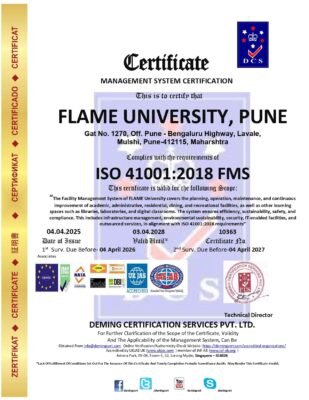
ISO 42001 Facility Management System

The ISO 42001 Facility Management System (FMS) is an international standard that provides a structured framework for managing facilities efficiently, sustainably, and strategically. Facilities today are not just physical assets but critical enablers of organizational performance, safety, and sustainability. ISO 42001 ensures that organizations align their facility operations with business goals while meeting legal, regulatory, and stakeholder requirements.

ISO 42001 Facility Management System Read More »

ISO 21001 Educational Organization Management Systems

ISO 21001 is an international standard specifically designed for educational organizations to help them enhance the quality of their educational processes and improve learner satisfaction. Unlike general management standards, ISO 21001 addresses the unique needs of schools, universities, training centers, and other institutions that deliver education, both formal and informal.

ISO 21001 Educational Organization Management Systems Read More »

green non toxic material innovation

green non toxic material innovation is at the forefront of India’s sustainable development journey. It’s about developing new materials and processes, or finding novel applications for existing ones, that inherently minimize environmental harm and ensure human safety. This innovation is crucial for India, given its rapid urbanization, industrial growth, and the pressing need to address pollution and resource depletion. Here are key areas and examples of green non-toxic material innovation in India: 1. Waste-to-Wealth Transformation (Circular Economy Focus): This is perhaps the most vibrant area of innovation in India, driven by the sheer volume of waste generated. 2. Green Chemistry and Process Innovations: This focuses on making the manufacturing of materials inherently safer and more sustainable. 3. Advanced Non-Toxic Building Materials: Beyond basic recycled content, there’s innovation in material properties and composition. 4. Sustainable Packaging Innovations: Driven by plastic waste regulations (like EPR in India) and consumer demand. Challenges to Widespread Innovation Adoption in India: Despite these challenges, India’s innovative spirit, coupled with growing environmental consciousness and policy support, is driving significant advancements in green non-toxic material design, paving the way for a healthier and more sustainable future. What is green non toxic material innovation? “Green non-toxic material innovation” refers to the research, development, and commercialization of new materials and manufacturing processes that are designed to be environmentally sustainable and safe for human health throughout their entire lifecycle. It’s about finding creative, forward-thinking solutions that go beyond simply “less bad” to genuinely “good” or “harmless.” Here’s a breakdown of what that entails: Core Tenets of Green Non-Toxic Material Innovation: Why is it Important (Especially in India)? Examples of Green Non-Toxic Material Innovation in India: Green non-toxic material innovation in India is a dynamic field that is crucial for building a more sustainable, healthier, and economically resilient future. It’s driven by a combination of necessity, ingenuity, and growing market demand for truly responsible solutions. Who is require green non toxic material innovation? Courtesy: Goodfellow: Your global supplier for materials “Green non-toxic material innovation” is required by a diverse group of stakeholders, all driven by a combination of health, environmental, economic, and ethical imperatives. In India, this need is particularly acute due to rapid development and growing awareness. Here’s a breakdown of who requires green non-toxic material innovation: In essence, anyone involved in creating, manufacturing, using, or regulating materials and products in India is, directly or indirectly, “required” to engage with or benefit from green non-toxic material innovation. This is driven by a powerful confluence of ethical responsibility, market demand, and an evolving regulatory landscape. When is require green non toxic material innovation? “When is green non-toxic material innovation required?” is less about a single point in time and more about an ongoing and accelerating necessity in India, driven by a confluence of evolving factors. It’s not a future requirement; it’s a present and continuous imperative. Here’s a breakdown of the “when”: 1. Now and Continuously (Driven by Immediate Market & Societal Needs): 2. With New Policy Implementation (Ongoing Regulatory Push): 3. During Product Development and R&D Cycles (Manufacturer-Driven): 4. When Seeking Green Financing and Investment: In summary, green non-toxic material innovation is not a distant future requirement for India. It’s being driven right now by strong consumer demand, evolving regulatory landscapes (with significant rules coming into effect in 2026 and beyond), industry sustainability commitments, and the pursuit of competitive advantage and financial benefits. It’s a continuous, multi-faceted process that is already well underway. Where is require green non toxic material innovation? “Green non-toxic material innovation” is required everywhere materials are designed, produced, and used in India. However, some “wheres” are particularly critical or are emerging as hotspots due to various drivers: I. Major Urban Centers (Tier 1 & Tier 2 Cities): II. Industrial and Manufacturing Hubs: III. Research & Development Centers and Academic Institutions: IV. Government Policy and Standards Setting Bodies: V. Agricultural Belts and Coastal Regions: In essence, green non-toxic material innovation is required across India’s entire value chain, from the farms and coastal waters providing raw materials, through the industrial estates where they are processed, to the urban centers where they are consumed in buildings and products, and finally within the policy corridors that set the rules for a sustainable future. How is require green non toxic material innovation? The “how” of green non-toxic material innovation being required in India is multifaceted, stemming from a combination of pull factors (demand) and push factors (regulations, competition) that compel various stakeholders to innovate. It’s not a single mandate, but a convergence of forces. Here’s how this requirement manifests: 1. Through Regulatory Enforcement and Anticipation (Push Factor): 2. Via Green Building Certification Schemes (Demand-Side Pull): 3. Through Corporate Sustainability and ESG Mandates (Internal Push & External Pull): 4. Driven by Consumer Demand and Awareness (Direct Market Pull): 5. As a Means of Risk Mitigation and Competitive Advantage: In essence, green non-toxic material innovation in India is not a discretionary choice but a strategic imperative. It is required through a complex interplay of top-down regulatory mandates, bottom-up consumer demand, peer pressure from industry standards, and internal corporate sustainability goals. This multi-pronged “how” ensures that innovation in this crucial area continues to accelerate. Case study on green non toxic material innovation? Courtesy: Autodesk Sustainability Workshop You’re looking for a concrete example of “green non-toxic material innovation” in India. Let’s focus on a company that exemplifies this by converting waste into valuable, safe materials, showcasing both the “green” (waste utilization, circularity) and “non-toxic” (safer alternatives) aspects. Case Study: Brisil Technologies – Innovating Non-Toxic Silica from Agricultural Waste Company: Brisil Technologies Location: Headquartered in Hyderabad, Telangana, with manufacturing facilities in India. Innovation Focus: Converting rice husk ash (RHA), an agricultural waste product, into precipitated silica. Key Drivers: Environmental sustainability, resource efficiency, and developing safer industrial chemicals. 1. The Problem Brisil Addresses: 2. Brisil’s Green Non-Toxic Material Innovation: 3. Impact and Significance of the Innovation: Conclusion: Brisil Technologies’ innovation in producing high-quality, precipitated silica from rice husk ash is a compelling case study of green non-toxic

green non toxic material innovation Read More »

green-non-toxic-material-design

green non toxic material design refers to an overarching approach to product and building design that integrates both environmental sustainability and human health considerations from the very outset. It’s about consciously selecting and combining materials in a way that minimizes harm throughout the entire lifecycle – from raw material extraction to manufacturing, use, and end-of-life. Here are the key principles and considerations involved in green non-toxic material design, particularly relevant for India: I. Core Principles of Green Non-Toxic Material Design: II. Practical Application of Green Non-Toxic Material Design in India: III. Challenges and Opportunities in India: Green non-toxic material design is not just a trend; it’s a fundamental shift towards a more responsible and healthier future. For India, it presents a unique opportunity to leapfrog conventional, harmful practices and embrace truly sustainable development. What is green non toxic material design? “Green non-toxic material design” is a holistic and forward-thinking approach to creating products, buildings, and systems that prioritizes both environmental sustainability and human health and safety. It goes beyond merely being “eco-friendly” by explicitly addressing and minimizing the presence of harmful chemicals and substances throughout a material’s entire lifecycle. Here’s a breakdown of what it encompasses: Core Principles: How it’s Applied (Examples in India): Why it’s Crucial (Benefits in India): In essence, “green non-toxic material design” is about making conscious, informed choices about materials at every stage of a product’s or building’s life, with the dual aim of protecting both the planet and the people who interact with those materials. It represents a shift from simply “doing less harm” to actively “doing good” by promoting inherent safety and sustainability. Who is require green non toxic material design? Courtesy: Home Performance “Green non-toxic material design” is not a “who” in itself, but rather a methodology or philosophy that is required by or beneficial to various stakeholders across multiple industries in India. Here’s a breakdown of who “requires” green non-toxic material design, and why: 1. End-Users / Occupants (Most Direct Requirement): 2. Real Estate Developers and Builders: 3. Architects, Interior Designers, and Green Building Consultants: 4. Building Material Manufacturers: 5. Government and Regulatory Bodies (Policymakers): 6. Financial Institutions and Investors: 7. Researchers and Academia: In summary, green non-toxic material design is a shared responsibility and a growing necessity that impacts and is “required by” virtually every stakeholder involved in creating, inhabiting, and regulating the built environment and manufactured products in India. When is require green non toxic material design? “Green non-toxic material design” is not something that’s “required” at a single, fixed point in time. Instead, its necessity and adoption are driven by a combination of evolving factors. For India, considering its rapid development and environmental challenges, the “when” is a dynamic and ongoing process: 1. Now and Continuously (Driven by Emerging Awareness & Market Demand): 2. During Project Inception and Design Phase (Critical Early Stage): 3. During Regulatory Updates and Policy Implementation: 4. When Seeking Funding or Investment: 5. During Product Innovation Cycles (for Manufacturers): In summary, green non-toxic material design is not a one-time “requirement,” but an ever-increasing necessity driven by consumer demand, evolving regulations, corporate responsibility, and the inherent desire for healthier living and working environments. For any new project or product development in India, the “when” for integrating green non-toxic material design is effectively now and throughout its entire lifecycle. Where is require green non toxic material design? “Green non-toxic material design” is not confined to a single “where” – it’s a methodology that is increasingly required and adopted across various geographical and sectoral “locations” in India, driven by a confluence of factors. Here’s where it’s particularly required and implemented: 1. Major Metropolitan Cities and Growing Urban Centers: 2. Industrial Zones and Manufacturing Hubs: 3. Government and Public Sector Projects: 4. Policy and Regulatory “Spaces”: In essence, “green non-toxic material design” is not confined to one physical location but is a pervasive and growing necessity across all sectors of the built environment and manufacturing in India, particularly in areas undergoing rapid development, facing environmental challenges, and where there is a strong push towards sustainability and public health. How is require green non toxic material design? “How is ‘green non-toxic material design’ required?” is a question about the mechanisms and drivers that compel or strongly incentivize its adoption. In India, this requirement stems from a blend of regulatory pushes, market forces, ethical considerations, and performance benefits. Here’s a breakdown of how it becomes a requirement: 1. Through Green Building Certification Systems: 2. Via Evolving Government Policies and Regulations: 3. Through Industry Standards and Best Practices: 4. Driven by Consumer and Occupant Demand: 5. Via Financial Incentives and Green Financing: In summary, the “how” of green non-toxic material design being required in India is multifaceted. It’s a combination of regulatory mandates (existing and emerging), voluntary but market-driven certifications, corporate sustainability commitments, and increasing consumer awareness. These forces collectively compel stakeholders to integrate these principles into their design, manufacturing, and procurement processes. Case study on green non toxic material design? Courtesy: tadasland You’re asking for a concrete example of “green non-toxic material design” in action within India. While specific public documents detailing every material choice and its non-toxic certification for an entire project are rare (due to proprietary information, project complexity, and the evolving nature of certification), we can draw from publicly available information about notable green buildings in India to construct a compelling case study. Here’s a case study illustrating the principles of green non-toxic material design in an Indian context, drawing on common practices in leading green buildings: Case Study: “The Serene Towers” – Integrating Green Non-Toxic Material Design in a Tier-1 City Residential Project Project Name: The Serene Towers (Hypothetical name, representing a typical high-end green residential project in an Indian metro like Bengaluru or Hyderabad) Developer: EcoBuild India (Hypothetical, a developer known for sustainable projects) Location: A rapidly developing IT corridor in a Tier-1 Indian city. Project Type: High-rise residential apartments with integrated amenities. Certification Goal: IGBC Green Homes Platinum 1. The Vision and Challenge: EcoBuild

green-non-toxic-material-design Read More »

green non toxic material white paper

White Paper: Embracing a Healthier Future – The Imperative of Green Non-Toxic Materials in India Executive Summary: As India strides towards rapid urbanization and industrialization, the need for sustainable development has never been more critical. This white paper highlights the growing imperative for adopting green non-toxic materials within India’s built environment and manufacturing sectors. Beyond simply “green,” these materials prioritize human health and ecological well-being by minimizing harmful chemical emissions and ensuring a safe lifecycle. Driven by increasing awareness, evolving regulations, and a demand for healthier living and working spaces, India is witnessing a significant shift towards these inherently safer and more sustainable material choices. This paper explores the definition, benefits, key applications, driving forces, and challenges in promoting green non-toxic materials across the nation. 1. Introduction: The Intersection of Green and Non-Toxic The concept of “green materials” typically encompasses environmental sustainability – focusing on reduced resource consumption, energy efficiency, and waste minimization. However, a crucial dimension often overlooked is toxicity. Green non-toxic materials are a subset that not only meet environmental criteria but also explicitly exclude or significantly reduce the presence of harmful chemicals that can off-gas, leach, or become hazardous during their lifecycle, impacting human health and ecosystems. In India, where indoor air pollution is a significant concern and chemical exposure is prevalent in various industries, the “non-toxic” aspect becomes paramount. These materials are designed to create healthier indoor environments, protect workers, and safeguard the broader ecosystem from chemical contamination. Key Characteristics of Green Non-Toxic Materials: 2. The Compelling Case for Non-Toxic Green Materials in India The demand for non-toxic green materials is driven by critical health, environmental, and economic factors: 3. Key Green Non-Toxic Material Applications in India The application of these materials spans across residential, commercial, industrial, and institutional sectors: 4. Driving Forces for Adoption in India 5. Challenges & Road Ahead Despite the clear benefits and growing momentum, several challenges hinder the widespread adoption of green non-toxic materials in India: Recommendations for Future Growth: Conclusion: The shift towards green non-toxic materials in India is not merely an architectural trend but a fundamental necessity for public health and environmental sustainability. By actively promoting their development, adoption, and transparent labeling, India can foster a healthier, safer, and truly sustainable built environment. This concerted effort will not only safeguard the well-being of its citizens but also position India as a leader in responsible and health-conscious green development on the global stage. What is green non toxic material white paper? A “white paper on green non-toxic material” is a detailed, authoritative report that focuses specifically on the intersection of environmental sustainability and human health within the context of materials, typically in the construction and manufacturing industries. Here’s a breakdown of what that means: 1. What is a White Paper? A white paper is a persuasive, in-depth, and well-researched document that aims to: White papers are typically longer and more technical than blog posts or marketing brochures. They rely on facts, data, research, and logical arguments, often including charts, graphs, and citations. While they can be used for marketing (especially in B2B contexts), their primary purpose is to educate and persuade based on evidence. 2. What is “Green Non-Toxic Material”? This term combines two critical aspects of sustainable materials: Therefore, a green non-toxic material is one that is both environmentally sustainable and safe for human health and the ecosystem, actively avoiding hazardous chemicals. 3. Purpose of a White Paper on Green Non-Toxic Material (especially in the Indian context): The white paper titled “The Evolving Landscape of Green Materials in India” (which I provided previously) serves precisely this purpose. Such a white paper would aim to: In essence, a “green non-toxic material white paper” is a comprehensive guide to understanding, promoting, and implementing a healthier and more sustainable approach to material selection in a specific region or industry. Who is require green non toxic material white paper? Courtesy: MOM DOES DIY A white paper on green non-toxic materials in India would be of significant interest and a “requirement” for a wide range of stakeholders across the public and private sectors. Here’s a breakdown of who would need and benefit from such a document: 1. Policymakers and Government Bodies: 2. Real Estate Developers and Builders: 3. Architects, Designers, and Consulting Firms: 4. Manufacturers of Building Materials and Industrial Products: 5. Financial Institutions and Investors: 6. Academia and Research Institutions: 7. NGOs, Environmental Advocacy Groups, and Consumer Organizations: 8. Healthcare and Public Health Professionals: In essence, anyone involved in the design, construction, regulation, funding, manufacturing, or occupation of built spaces in India, who cares about sustainability and human health, would find a white paper on green non-toxic materials to be a valuable and even “required” resource. It serves as a foundational document to guide decisions towards a healthier and greener future. When is require green non toxic material white paper? A white paper on green non-toxic materials in India isn’t something that’s “required” at a specific, mandated time like a tax filing or a quarterly report. Instead, it becomes “required” or highly valuable when certain conditions or needs arise. Here are the scenarios and “times” when such a white paper would be particularly necessary or impactful: In summary, a white paper on green non-toxic materials in India is not a routine requirement but rather a strategic document that becomes essential at inflection points: when policies are being shaped, markets are shifting, health concerns are escalating, or a deeper, evidence-based understanding is needed to drive the widespread adoption of genuinely sustainable and healthy materials. Its “when” is driven by the dynamic needs of a rapidly developing nation striving for both economic growth and environmental stewardship. Where is require green non toxic material white paper? A white paper on green non-toxic materials in India isn’t a physical object that’s “required” in a specific location like a building material might be. Instead, it’s a document that is needed or utilized by various stakeholders in different “locations” or contexts within India’s sustainable development ecosystem. Think of

green non toxic material white paper Read More »

green material in india

green material in india construction sector is booming, and with that growth comes a crucial need for sustainable practices and materials. “Green materials” in India refer to building and construction materials that are environmentally responsible and resource-efficient throughout their entire lifecycle, from extraction and manufacturing to use, reuse, and recycling. The market for green building materials in India is experiencing significant growth, with a projected CAGR of 11.28% from 2025-2033, reaching USD 39.01 Billion by 2033. This growth is driven by increasing awareness, supportive government policies, and rising demand for sustainable construction. Here’s a comprehensive look at green materials in India: I. Types of Green Materials Commonly Used in India: The range of green materials is diverse, leveraging traditional wisdom, recycling, and modern innovation: A. Locally Sourced & Natural Materials: B. Recycled & Waste-Derived Materials: C. Engineered & High-Performance Green Materials: II. Drivers and Initiatives for Green Materials in India: III. Challenges in Adoption: Despite the growth, several challenges persist: IV. Leading Manufacturers and Promoters: While many smaller and regional players contribute, larger entities and industry bodies are crucial: The green materials sector in India is dynamic and evolving. As the nation pushes towards its sustainable development goals, the demand for and innovation in these materials will only continue to accelerate. What is green material in India? In India, “green material” refers to building and construction materials that are environmentally responsible and resource-efficient throughout their entire lifecycle. This means considering their impact from: The goal of using green materials in India is to support the broader “green building” movement, which aims to create structures that are sustainable, energy and water efficient, cost less to maintain, and contribute to healthier living spaces. Here’s a breakdown of what constitutes green materials in India, categorized by their primary source or characteristic: I. Locally Sourced & Natural Materials: These materials leverage India’s rich natural resources and traditional construction wisdom, minimizing transportation impact and often providing excellent thermal properties. II. Recycled & Waste-Derived Materials: These materials address the growing problem of waste by diverting industrial and post-consumer waste from landfills and transforming them into useful building components. III. Engineered & High-Performance Green Materials: These are often technologically advanced materials designed to offer superior performance, particularly in terms of energy efficiency and indoor environmental quality. Why are Green Materials Important in India? The use of green materials in India is a dynamic field, driven by innovation, increasing awareness, and the urgent need to build a sustainable future while accommodating rapid urbanization and infrastructure development. Who is require green material in India? Courtesy: Matani Architects In India, the “requirement” for green materials is driven by a combination of factors, including regulatory pushes, market demand, voluntary certifications, and growing environmental consciousness. It’s not a single mandate for every construction project, but rather a strong and increasing imperative for various stakeholders. Here’s who requires green materials in India, and how: 1. Green Building Certification Bodies (Key Enablers and Drivers): These organizations set the standards and criteria that implicitly “require” the use of green materials to achieve certification. How they “require” it: By providing a framework and recognized standard. Developers and builders who aim for certification (to gain market advantage, meet corporate sustainability goals, or access incentives) must choose materials that align with these rating systems. 2. Real Estate Developers and Builders (Primary Users & Market Responders): These are the direct consumers of green materials in large quantities. How they “require” it: Through project specifications, procurement policies, and direct purchasing decisions driven by market demand and strategic goals. 3. Government and Public Sector (Policy Makers, Enforcers & Leading Examples): Governments play a multifaceted role in “requiring” green materials. How they “require” it: Through legislation, building codes, incentive schemes, and leading by example in public infrastructure projects. 4. Architects, Designers, and Consultants (Specifiers and Influencers): These professionals are crucial in specifying and recommending green materials. How they “require” it: Through design specifications, material schedules, and expert advice to clients. 5. Manufacturers of Building Materials (Suppliers Responding to Demand): While not directly “requiring” green materials for use, manufacturers are “required” to produce green materials due to market demand and regulatory pressures. How they “require” it: By adapting their production processes, product lines, and marketing to cater to the growing green building market. In summary, the “requirement” for green materials in India is a multifaceted phenomenon driven by a synergy of government regulations, voluntary green building certifications, increasing market demand, and the commitment of professionals and manufacturers to sustainable practices. This collective push is transforming the Indian construction landscape towards a more environmentally responsible future. When is require green material in India? The “when” for requiring green materials in India isn’t a single point in time, but a continuously evolving and intensifying process. Here’s a breakdown: Where is require green material in India? Green materials are increasingly required across India, driven by a combination of factors including: 1. Major Metropolitan Areas and Tier 1 Cities: 2. Specific Building Typologies: The requirement for green materials is particularly strong in: 3. Projects Seeking Green Building Certifications: 4. Projects Undergoing Major Renovations or Retrofits: 5. Within Special Economic Zones (SEZs) and Industrial Parks: In essence, while there isn’t a blanket pan-India law mandating green materials for every single construction project, the convergence of market forces, policy incentives, certification frameworks, and a growing understanding of long-term benefits is creating a strong and widespread requirement for green materials across urban centers and various building types in India. How is require green material in India? The “how” of requiring green materials in India is a multifaceted process involving a blend of policy, market demand, financial incentives, and voluntary frameworks. It’s not typically a universal, blanket mandate for all construction, but rather a system of encouragements and requirements that are increasingly pushing developers and builders towards sustainable choices. Here’s a detailed breakdown of “how” green materials are required: 1. Through Green Building Certification Systems (The Primary Mechanism): This is arguably the most significant way green materials are “required” in

green material in india Read More »

Translate »