
Eco-Tour Design and Development: Creating Sustainable Travel Experiences
Eco-tour design and development is the process of planning, creating, and managing tourism experiences that protect the environment, support local communities, and provide meaningful experiences for travelers. Unlike conventional tourism development, eco-tour design focuses on sustainability, conservation, and responsible use of natural and cultural resources.
With increasing awareness about climate change, biodiversity loss, and environmental responsibility, travelers are looking for experiences that are not only enjoyable but also contribute positively to destinations. Effective eco-tour design combines tourism planning, environmental management, community participation, and innovative practices to create sustainable travel products.
Understanding Eco-Tour Design
Eco-tour design involves developing tourism activities that allow visitors to explore natural and cultural attractions while minimizing negative environmental impacts. The design process begins with identifying suitable destinations, understanding ecological conditions, and assessing the needs of local communities.
A successful eco-tour should provide educational value, promote conservation awareness, and encourage responsible behavior among travelers. Activities may include wildlife observation, nature trails, forest exploration, sustainable farming experiences, cultural tours, and conservation programs.
Organizations such as The International Ecotourism Society emphasize responsible travel practices that conserve natural environments and improve the well-being of local communities.
Key Elements of Eco-Tour Development
1. Destination Assessment and Planning
The first step in eco-tour development is evaluating the potential destination. This includes studying biodiversity, landscapes, cultural heritage, climate conditions, accessibility, and environmental sensitivity.
A detailed assessment helps identify suitable tourism activities while ensuring that visitor activities do not damage ecosystems. Carrying capacity analysis is also important to determine how many visitors an area can support without causing environmental harm.
2. Environmental Conservation Strategy
Conservation is the foundation of eco-tour development. Tourism planners must create strategies that protect natural resources and maintain ecological balance.
Sustainable practices may include waste management systems, renewable energy use, water conservation, wildlife protection guidelines, and responsible infrastructure development. Conservation programs can also involve visitors through activities such as tree planting, habitat restoration, and environmental education.
3. Community Participation
Local community involvement is essential for successful eco-tour development. Communities should participate in planning, management, and decision-making processes.
Eco-tourism creates opportunities for local employment through guiding services, accommodation, transportation, handicrafts, and cultural experiences. Supporting local businesses ensures that tourism benefits remain within the destination and encourages communities to protect their natural resources.
4. Designing Meaningful Visitor Experiences
A well-designed eco-tour should provide travelers with authentic and educational experiences. Tour activities should help visitors understand local ecosystems, wildlife, traditions, and conservation challenges.
Professional guides play an important role by providing environmental information and ensuring that visitors follow responsible tourism practices.
5. Sustainable Infrastructure Development
Eco-tour infrastructure should be designed to minimize environmental impact. This includes eco-friendly accommodations, renewable energy systems, efficient transportation options, and sustainable waste management solutions.
Buildings and facilities should blend with the natural environment while reducing resource consumption.
Steps in Eco-Tour Development
The development process generally includes:
- Research and Planning: Understanding the destination, market demand, and environmental conditions.
- Resource Evaluation: Identifying natural and cultural attractions suitable for tourism.
- Community Engagement: Involving local stakeholders in decision-making.
- Product Development: Creating sustainable tour packages and activities.
- Marketing and Promotion: Communicating the environmental and social benefits of the eco-tour.
- Monitoring and Improvement: Evaluating environmental impacts and improving practices continuously.
Challenges in Eco-Tour Design and Development
Eco-tour development faces challenges such as limited infrastructure, funding difficulties, environmental pressures, and balancing tourism growth with conservation needs.
Overcrowding, improper waste management, and lack of community involvement can reduce the sustainability of eco-tourism projects. Proper planning, monitoring, and collaboration between stakeholders are necessary to overcome these challenges.
The United Nations World Tourism Organization (UN Tourism) promotes sustainable tourism approaches that balance economic growth, environmental protection, and social development.
Future of Eco-Tour Design
The future of eco-tour development is focused on innovation, technology, and regenerative tourism. New approaches aim not only to reduce environmental damage but also to restore ecosystems and strengthen communities.
Digital tools, sustainable transportation, renewable energy solutions, and smart tourism management systems will continue to improve eco-tour experiences. Travelers are also expected to seek more personalized, educational, and environmentally responsible journeys.
Conclusion
Eco-tour design and development is a strategic approach to creating tourism experiences that benefit nature, communities, and travelers. By focusing on conservation, sustainability, and local participation, eco-tourism can provide long-term economic opportunities while protecting valuable environmental and cultural resources.
What Is Eco-Tour Design and Development, and Why Is It Important?
Introduction
Eco-tour design and development is the process of planning, creating, and managing sustainable tourism experiences that allow travelers to explore natural and cultural destinations while protecting the environment and supporting local communities. It focuses on developing tourism activities that minimize ecological damage, promote conservation, and provide meaningful experiences for visitors.
Unlike conventional tourism development, which may prioritize rapid growth and visitor numbers, eco-tour design follows responsible tourism principles. It considers environmental protection, community involvement, cultural preservation, and long-term sustainability. As global awareness of climate change and environmental challenges increases, eco-tour design has become an essential approach for creating tourism experiences that benefit both people and the planet.
Understanding Eco-Tour Design and Development
Eco-tour design involves identifying suitable destinations, evaluating natural and cultural resources, designing sustainable activities, and creating management strategies to ensure responsible tourism operations. It requires careful planning to balance visitor experiences with environmental conservation.
The process includes analyzing ecosystems, understanding local community needs, developing eco-friendly infrastructure, training guides, and creating educational experiences for travelers. Eco-tour activities may include wildlife observation, nature trails, conservation programs, sustainable agriculture experiences, and cultural interactions with local communities.
A successful eco-tour does not simply provide entertainment; it encourages visitors to understand the importance of protecting natural resources and respecting local traditions.
According to The International Ecotourism Society, eco-tourism focuses on responsible travel to natural areas that conserves the environment and improves the well-being of local communities.
Importance of Eco-Tour Design and Development
1. Protects Natural Resources
One of the primary reasons eco-tour design is important is its role in environmental conservation. Well-planned eco-tours help protect forests, wildlife habitats, marine ecosystems, and other sensitive environments.
By establishing responsible visitor guidelines, conservation programs, and sustainable infrastructure, eco-tour development reduces negative impacts such as pollution, habitat destruction, and excessive resource consumption.
Tourism revenue generated through eco-tours can also support protected areas, wildlife conservation projects, and environmental research.
2. Supports Local Communities
Eco-tour development creates economic opportunities for communities living near natural attractions. Local residents can participate as tour guides, accommodation providers, transport operators, artisans, and cultural experience providers.
Community involvement ensures that tourism benefits are shared locally and encourages residents to protect their natural and cultural resources. This approach helps reduce dependence on activities that may damage the environment.
3. Promotes Environmental Awareness
Eco-tour design includes educational elements that help travelers understand ecosystems, biodiversity, and conservation challenges. Guided tours and nature-based activities allow visitors to learn about environmental issues and develop responsible travel habits.
This awareness can influence travelers to make sustainable choices not only during their trips but also in their daily lives.
4. Preserves Cultural Heritage
Many eco-tourism destinations are connected to indigenous and local cultures. Responsible eco-tour development helps protect traditional knowledge, customs, crafts, and lifestyles by creating opportunities for communities to share their heritage with visitors.
Respectful cultural tourism strengthens local identity while providing additional sources of income.
5. Encourages Sustainable Tourism Growth
Eco-tour design supports long-term tourism development by focusing on quality experiences rather than uncontrolled visitor growth. It promotes sustainable practices such as renewable energy use, waste reduction, water conservation, and environmentally friendly transportation.
Organizations such as United Nations World Tourism Organization (UN Tourism) encourage sustainable tourism models that balance economic development, environmental protection, and social responsibility.
Conclusion
Eco-tour design and development is an important approach to creating tourism experiences that protect nature, support communities, and educate travelers. It provides a sustainable alternative to traditional tourism by balancing economic benefits with environmental and social responsibilities.
Through careful planning, community participation, and conservation-focused strategies, eco-tour development can help preserve natural and cultural resources while ensuring that future generations can continue to experience the world’s unique destinations responsibly.
What Are the Key Principles of Sustainable Design in Eco-Tourism Projects?
Introduction
Sustainable design in eco-tourism projects focuses on creating tourism facilities, activities, and experiences that protect the environment, support local communities, and promote long-term resource conservation. Unlike traditional tourism development, sustainable eco-tourism design aims to reduce environmental impacts while enhancing the social and economic benefits of tourism destinations.
As demand for responsible travel continues to grow, eco-tourism projects must follow design principles that balance visitor needs with ecosystem protection. These principles guide the planning of accommodations, transportation systems, visitor activities, and community involvement to ensure that tourism development remains environmentally and socially responsible.
1. Environmental Conservation and Minimal Impact Design
The primary principle of sustainable eco-tourism design is protecting natural ecosystems. Projects should be planned in ways that minimize damage to forests, wildlife habitats, water resources, and landscapes.
Eco-tourism facilities should avoid unnecessary land disturbance and use designs that blend naturally with the surrounding environment. Construction activities should consider local ecosystems, biodiversity, and environmental sensitivity before development begins.
Strategies such as low-impact construction, renewable energy use, waste reduction, and responsible resource management help maintain ecological balance.
Organizations such as The International Ecotourism Society promote eco-tourism practices that conserve natural areas while supporting sustainable community development.
2. Sustainable Resource Management
Efficient use of natural resources is a critical component of eco-tourism design. Projects should focus on reducing energy and water consumption while promoting environmentally responsible operations.
Key practices include:
- Installing renewable energy systems such as solar power.
- Using energy-efficient lighting and equipment.
- Implementing rainwater harvesting and water recycling systems.
- Reducing single-use plastics and improving waste management.
- Using locally available and sustainable building materials.
These measures help reduce operational costs while minimizing environmental impacts.
3. Integration with Local Environment and Culture
Sustainable eco-tourism projects should respect the natural and cultural characteristics of the destination. Buildings and tourism activities should complement local landscapes rather than disrupt them.
Design should consider local architectural styles, traditional knowledge, and cultural values. Using local materials and construction techniques can reduce environmental impact while preserving regional identity.
Cultural integration also provides visitors with authentic experiences and helps protect local heritage.
4. Community Participation and Social Responsibility
Local community involvement is an essential principle of sustainable eco-tourism design. Projects should include residents in planning, decision-making, and management processes.
Community participation creates employment opportunities, supports local businesses, and ensures that tourism benefits are distributed fairly. Local people can contribute through guiding services, hospitality, handicrafts, cultural activities, and conservation programs.
When communities benefit directly from eco-tourism, they are more likely to support environmental protection efforts.
5. Energy-Efficient and Eco-Friendly Infrastructure
Sustainable design emphasizes the development of infrastructure that reduces environmental impact. Eco-tourism facilities such as lodges, resorts, and visitor centers should incorporate green building principles.
Examples include:
- Natural ventilation and lighting systems.
- Environmentally friendly construction materials.
- Green roofs and landscape integration.
- Renewable energy solutions.
- Efficient waste treatment systems.
These approaches help create comfortable visitor experiences while protecting natural resources.
6. Conservation Education and Visitor Awareness
Eco-tourism projects should educate visitors about environmental protection and responsible behavior. Sustainable design should include educational elements such as interpretation centers, guided nature experiences, and conservation programs.
Educated travelers are more likely to respect wildlife, reduce waste, and support conservation initiatives.
7. Long-Term Economic Sustainability
A successful eco-tourism project must be financially sustainable while maintaining environmental and social goals. Sustainable design considers long-term maintenance costs, community benefits, and responsible tourism growth.
Projects should focus on creating quality experiences rather than encouraging excessive visitor numbers that may damage the destination.
The United Nations World Tourism Organization (UN Tourism) highlights the importance of sustainable tourism development that balances environmental protection, economic opportunities, and social inclusion.
Conclusion
The key principles of sustainable design in eco-tourism projects include environmental conservation, efficient resource management, cultural integration, community participation, eco-friendly infrastructure, visitor education, and long-term economic sustainability. These principles ensure that tourism development creates positive impacts without harming natural and cultural resources.
By following sustainable design practices, eco-tourism projects can provide memorable travel experiences while protecting destinations for future generations.
How Can Eco-Tour Developments Minimize Environmental Impact?
Introduction
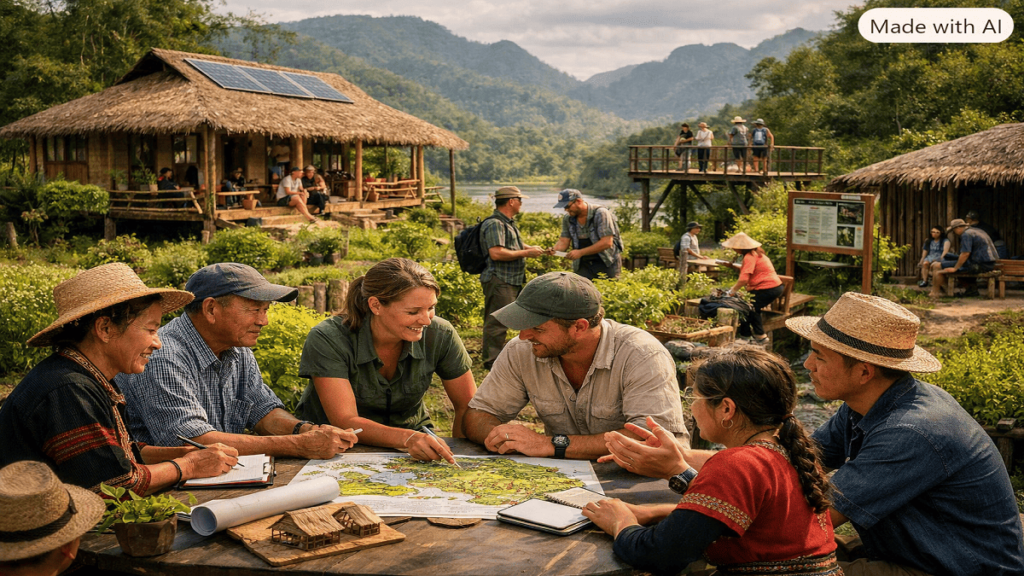
Eco-tour developments are designed to provide sustainable travel experiences while protecting natural resources, conserving biodiversity, and supporting local communities. However, tourism activities can still create environmental challenges if they are not properly planned and managed. Issues such as waste generation, resource consumption, habitat disturbance, and carbon emissions can affect fragile ecosystems.
To minimize these impacts, eco-tour developments must adopt sustainable planning strategies, environmentally responsible infrastructure, conservation practices, and community-focused approaches. By integrating these methods, eco-tourism can provide economic benefits while maintaining the ecological balance of destinations.
1. Sustainable Site Planning and Location Selection
The first step in reducing environmental impact is selecting appropriate locations for eco-tour developments. Careful site assessment helps identify areas that can support tourism activities without damaging sensitive ecosystems.
Developers should evaluate factors such as biodiversity, wildlife habitats, water availability, landscape sensitivity, and local environmental conditions before establishing tourism facilities. Avoiding construction in fragile areas such as protected habitats, wetlands, and breeding zones helps preserve natural ecosystems.
Sustainable site planning also includes limiting land disturbance and designing facilities that blend with the surrounding environment.
2. Eco-Friendly Infrastructure and Construction
Eco-tour developments should use environmentally responsible construction methods to reduce their ecological footprint. Buildings should be designed according to green building principles and should minimize energy consumption and resource use.
Important practices include:
- Using locally sourced and sustainable building materials.
- Designing structures that maximize natural lighting and ventilation.
- Installing renewable energy systems such as solar power.
- Reducing construction waste.
- Creating low-impact accommodation facilities.
Eco-friendly infrastructure allows tourism facilities to operate efficiently while reducing pressure on natural resources.
3. Efficient Energy and Water Management
Energy and water conservation are essential components of sustainable eco-tour development. Tourism facilities often require significant amounts of electricity and water, so efficient management systems are necessary.
Eco-tour projects can reduce energy consumption by using renewable energy, energy-efficient appliances, and smart management systems. Water-saving methods such as rainwater harvesting, wastewater treatment, and water recycling can help conserve local water resources.
These practices reduce environmental pressure while supporting long-term sustainability.
4. Waste Reduction and Responsible Waste Management
Improper waste disposal can damage natural environments and affect wildlife. Eco-tour developments should establish effective waste management systems to reduce pollution.
Key approaches include:
- Reducing single-use plastics.
- Promoting recycling and composting.
- Managing wastewater responsibly.
- Educating visitors about waste reduction.
- Using biodegradable products whenever possible.
Responsible waste management helps maintain clean surroundings and protects ecosystems from pollution.
5. Protecting Biodiversity and Wildlife
Conservation of biodiversity is a major goal of eco-tourism. Developments should ensure that tourism activities do not disturb wildlife or damage natural habitats.
Measures may include:
- Creating visitor guidelines for wildlife interaction.
- Limiting access to sensitive areas.
- Supporting habitat restoration projects.
- Monitoring environmental changes.
- Funding conservation initiatives.
Organizations such as International Union for Conservation of Nature (IUCN) support conservation efforts that promote sustainable management of natural areas.
6. Promoting Sustainable Transportation
Transportation contributes significantly to tourism-related carbon emissions. Eco-tour developments can reduce this impact by encouraging environmentally friendly travel options.
Possible solutions include:
- Providing electric vehicles or shuttle services.
- Encouraging walking and cycling routes.
- Supporting public transportation options.
- Reducing unnecessary vehicle movement within tourism areas.
Sustainable transportation improves air quality and reduces greenhouse gas emissions.
7. Involving Local Communities
Community participation helps ensure that eco-tour developments are environmentally and socially responsible. Local communities often have valuable knowledge about ecosystems and sustainable resource management.
By involving residents in planning and operations, eco-tour projects can create employment opportunities while encouraging conservation efforts. Local involvement also reduces conflicts between tourism development and environmental protection.
8. Educating Visitors About Responsible Tourism
Visitor awareness plays an important role in reducing environmental impacts. Eco-tour developments should provide information about conservation, local ecosystems, and responsible behavior.
Guided tours, educational programs, and interpretation centers can help travelers understand their environmental responsibilities and encourage sustainable habits.
The United Nations World Tourism Organization (UN Tourism) promotes sustainable tourism approaches that support environmental protection, cultural preservation, and responsible travel practices.
Conclusion
Eco-tour developments can minimize environmental impact through sustainable planning, eco-friendly infrastructure, efficient resource management, waste reduction, biodiversity protection, sustainable transportation, community involvement, and visitor education.
When properly designed and managed, eco-tourism creates a balance between tourism growth and environmental conservation. These practices ensure that natural destinations remain protected while providing meaningful experiences for travelers and long-term benefits for local communities.
What Factors Should Be Considered When Planning and Designing Eco-Tour Destinations?
Introduction
Planning and designing eco-tour destinations requires careful consideration of environmental, social, cultural, and economic factors. Unlike conventional tourism development, eco-tourism focuses on creating experiences that protect natural resources, support local communities, and provide sustainable benefits for future generations.
A successful eco-tour destination must balance visitor experiences with ecosystem protection. Poor planning can lead to habitat destruction, waste problems, resource depletion, and negative impacts on local communities. Therefore, developers, tourism planners, governments, and communities must work together to create destinations that are environmentally responsible and economically sustainable.
1. Environmental Assessment and Conservation Needs
The first and most important factor in eco-tour destination planning is understanding the environmental conditions of the site. A detailed assessment should examine biodiversity, wildlife habitats, vegetation, water resources, climate conditions, and ecosystem sensitivity.
Planners must identify areas that require strict protection and determine which locations can support tourism activities without causing environmental damage. Conservation strategies should be included from the beginning to protect natural resources and maintain ecological balance.
Factors such as carrying capacity should also be considered to determine the maximum number of visitors a destination can support without harming the environment.
2. Location Selection and Accessibility
Choosing the right location is essential for sustainable eco-tour development. The destination should have natural or cultural attractions while maintaining environmental stability.
Accessibility must also be carefully planned. Transportation options should provide convenient visitor access while minimizing carbon emissions and environmental disturbance. Sustainable transportation solutions such as public transport, electric vehicles, cycling routes, and walking trails can reduce the ecological impact of tourism.
3. Sustainable Infrastructure Design
Eco-tour destinations should include infrastructure that minimizes environmental impact. Buildings, accommodations, and visitor facilities should follow sustainable design principles.
Important considerations include:
- Use of renewable energy sources.
- Energy-efficient building designs.
- Sustainable construction materials.
- Natural ventilation and lighting.
- Water conservation systems.
- Effective waste management facilities.
Eco-friendly infrastructure helps reduce resource consumption while creating comfortable experiences for visitors.
Organizations such as Global Sustainable Tourism Council (GSTC) provide sustainability standards that guide tourism destinations and businesses in implementing responsible practices.
4. Local Community Involvement
Community participation is a key factor in successful eco-tour destination development. Local residents should be involved in planning, management, and decision-making processes.
Eco-tour projects can create employment opportunities through guiding services, accommodation, food services, transportation, handicrafts, and cultural experiences. Supporting local businesses ensures that tourism benefits remain within the community.
Community involvement also helps preserve local traditions and encourages residents to participate in environmental conservation.
5. Cultural Heritage Protection
Eco-tour destinations often include unique cultural traditions, historical sites, and indigenous knowledge. Planning should ensure that tourism activities respect and protect local heritage.
Designers should consider cultural values, traditional practices, and community expectations when developing tourism experiences. Authentic cultural interactions can improve visitor experiences while supporting heritage preservation.
6. Visitor Experience and Education
A well-designed eco-tour destination should provide meaningful and educational experiences. Visitors should learn about local ecosystems, wildlife, conservation efforts, and cultural values.
Activities such as nature walks, wildlife observation, conservation workshops, and guided cultural tours can increase environmental awareness.
Visitor facilities should include educational materials, interpretation centers, and trained guides who promote responsible tourism behavior.
7. Resource Management and Waste Control
Efficient management of resources is essential for sustainable eco-tour destinations. Planners should develop systems for managing water, energy, and waste.
Important practices include:
- Rainwater harvesting.
- Waste recycling and composting.
- Reduction of plastic use.
- Wastewater treatment.
- Responsible consumption practices.
These measures help protect natural environments and reduce pollution.
8. Economic Sustainability
An eco-tour destination must be financially sustainable while maintaining environmental and social goals. Planning should consider investment costs, operational expenses, employment opportunities, and long-term economic benefits.
Tourism activities should create stable income opportunities without encouraging excessive development that damages natural resources.
The United Nations World Tourism Organization (UN Tourism) promotes sustainable tourism planning that balances economic growth, environmental conservation, and social responsibility.
9. Climate Change Adaptation
Climate change impacts such as extreme weather, changing ecosystems, and rising temperatures must be considered during eco-tour planning. Destinations should develop strategies to improve resilience and protect natural resources.
Climate-friendly designs, disaster preparedness plans, and sustainable resource management can help destinations adapt to future environmental challenges.
Conclusion
Planning and designing eco-tour destinations requires a comprehensive approach that considers environmental conservation, sustainable infrastructure, community participation, cultural protection, visitor education, resource management, and economic sustainability.
By carefully evaluating these factors, eco-tour destinations can provide valuable travel experiences while protecting natural and cultural resources. Sustainable planning ensures that tourism development benefits both present communities and future generations.
What Are the Benefits and Future Trends of Sustainable Eco-Tour Design and Development?
Introduction
Sustainable eco-tour design and development is an approach to creating tourism experiences that protect natural environments, support local communities, and promote responsible use of resources. It combines environmental conservation, innovative design, and community participation to create destinations that provide long-term benefits for travelers, businesses, and ecosystems.
As climate change, biodiversity loss, and environmental concerns continue to influence global tourism, sustainable eco-tour design has become increasingly important. Modern travelers are seeking authentic experiences that align with environmental responsibility, making sustainable eco-tour development a major trend in the future of the tourism industry.
Benefits of Sustainable Eco-Tour Design and Development
1. Environmental Conservation and Biodiversity Protection
One of the greatest benefits of sustainable eco-tour design is its ability to protect natural ecosystems. Well-planned eco-tour destinations minimize environmental damage through responsible construction, resource management, and conservation strategies.
Eco-tour projects often support wildlife protection, habitat restoration, and preservation of forests, oceans, and other sensitive environments. Tourism revenue can provide funding for conservation programs and encourage communities to protect natural resources.
Organizations such as International Union for Conservation of Nature (IUCN) support conservation efforts that promote sustainable management of natural ecosystems.
2. Support for Local Communities
Sustainable eco-tour development creates economic opportunities for local communities. Residents can participate in tourism activities through guiding services, eco-lodges, transportation, handicrafts, cultural experiences, and local food businesses.
Community involvement ensures that tourism benefits are distributed more fairly and encourages residents to become active participants in environmental protection. This approach strengthens local economies while preserving cultural traditions.
3. Reduced Environmental Impact
Eco-tour design focuses on reducing the negative impacts commonly associated with tourism development. Sustainable practices such as renewable energy use, efficient water management, waste reduction, and eco-friendly construction help minimize resource consumption.
Green infrastructure allows tourism facilities to operate more efficiently while protecting surrounding ecosystems. These practices also improve the long-term sustainability of tourism destinations.
4. Enhanced Visitor Experiences
Sustainable eco-tour destinations offer travelers more meaningful and authentic experiences. Instead of focusing only on entertainment, eco-tourism provides opportunities for education, cultural exchange, and connection with nature.
Activities such as wildlife observation, conservation programs, nature trails, and community-based experiences help visitors develop a deeper understanding of environmental and cultural issues.
5. Long-Term Economic Sustainability
Eco-tour design supports stable tourism development by focusing on quality experiences rather than uncontrolled visitor growth. Sustainable destinations can maintain their attractiveness over time because natural and cultural resources are protected.
Responsible tourism planning also helps reduce the costs associated with environmental damage and resource depletion.
Future Trends in Sustainable Eco-Tour Design and Development
1. Regenerative Tourism Development
A major future trend is the transition from sustainable tourism, which aims to reduce harm, toward regenerative tourism, which focuses on restoring ecosystems and improving communities.
Future eco-tour projects will increasingly aim to leave destinations healthier than before by supporting conservation activities, biodiversity restoration, and community development.
2. Smart and Digital Eco-Tour Solutions
Technology will play a growing role in eco-tour design and management. Digital tools such as smart tourism platforms, environmental monitoring systems, and artificial intelligence-based solutions will help destinations manage resources efficiently.
Technologies can assist with visitor management, energy optimization, wildlife monitoring, and sustainable travel planning.
3. Green Architecture and Sustainable Infrastructure
Future eco-tour destinations will increasingly adopt advanced sustainable design techniques. Green buildings, renewable energy systems, low-carbon materials, and climate-responsive architecture will become essential components of tourism development.
These designs will help reduce emissions while creating comfortable and environmentally responsible visitor facilities.
4. Growth of Community-Based Eco-Tourism
Future eco-tour development will place greater emphasis on local ownership and participation. Community-led tourism models allow residents to manage tourism activities while protecting their natural and cultural resources.
This approach creates stronger connections between tourism development and local well-being.
5. Personalized and Educational Travel Experiences
Travelers are increasingly looking for unique experiences that provide learning and personal growth. Future eco-tour designs will focus on customized nature experiences, conservation activities, cultural immersion, and environmental education.
The United Nations World Tourism Organization (UN Tourism) promotes sustainable tourism development that balances environmental protection, economic opportunities, and social inclusion.
6. Stronger Sustainability Standards
Future eco-tour destinations will likely adopt more transparent sustainability certifications and measurement systems. Travelers and businesses will increasingly demand proof of environmental responsibility rather than relying on general sustainability claims.
Clear standards will help identify genuine eco-tour projects and encourage continuous improvement.
Conclusion
Sustainable eco-tour design and development provides significant benefits by protecting ecosystems, supporting communities, reducing environmental impacts, and creating meaningful travel experiences. It represents a balanced approach that connects tourism growth with environmental responsibility.
Future trends such as regenerative tourism, smart technology, green architecture, community-based models, and stronger sustainability standards will shape the next generation of eco-tour destinations. By adopting these approaches, eco-tourism can continue to create positive impacts while ensuring that natural and cultural resources are preserved for future generations.
Case Study of Eco-Tour Design and Development: Costa Rica’s Sustainable Tourism Model
Introduction
Eco-tour design and development focuses on creating tourism experiences that protect natural resources, support local communities, and promote sustainable economic growth. A successful eco-tour destination requires careful planning, environmentally responsible infrastructure, conservation strategies, and community participation.
A leading example of successful eco-tour design and development is Costa Rica’s sustainable tourism model. The country has transformed its rich biodiversity, protected areas, and natural landscapes into world-renowned eco-tourism destinations while maintaining a strong focus on conservation and community benefits.
Background of the Case Study
Costa Rica is recognized as one of the world’s most successful eco-tourism destinations due to its extensive rainforests, volcanoes, wildlife reserves, and coastal ecosystems. The country contains a significant amount of protected natural areas, which provide habitats for thousands of plant and animal species.
In the past, Costa Rica faced challenges related to deforestation and environmental degradation. However, through conservation policies, protected area management, and sustainable tourism planning, the country developed a tourism model based on environmental protection and responsible visitor experiences.
The Costa Rican Tourism Board (ICT) promotes sustainable tourism initiatives that encourage visitors to experience natural attractions while supporting conservation efforts.
Eco-Tour Design Approach
1. Conservation-Based Destination Planning
The foundation of Costa Rica’s eco-tour development is its focus on protecting natural ecosystems. Tourism activities are carefully planned around national parks, forests, and protected areas to minimize environmental damage.
Destination planners evaluate ecological conditions, visitor capacity, and conservation requirements before developing tourism facilities. This approach ensures that tourism growth does not negatively affect biodiversity.
National parks and protected areas serve as key eco-tour destinations where visitors can experience nature through guided tours, wildlife observation, and educational programs.
2. Sustainable Infrastructure Development
Costa Rica’s eco-tour destinations incorporate environmentally responsible infrastructure. Many eco-lodges and tourism facilities use sustainable design principles to reduce their ecological footprint.
Common practices include:
- Renewable energy systems such as solar power.
- Water conservation and recycling systems.
- Waste reduction programs.
- Use of locally sourced materials.
- Low-impact construction methods.
These practices help reduce resource consumption while providing comfortable experiences for travelers.
3. Community Participation and Local Benefits
A major component of Costa Rica’s eco-tour design is the involvement of local communities. Rural residents participate in tourism activities by operating eco-lodges, providing guided tours, offering cultural experiences, and producing local goods.
This community-based approach creates employment opportunities and ensures that tourism revenue benefits local populations.
By involving communities in tourism development, residents become partners in conservation and have stronger incentives to protect natural resources.
4. Visitor Education and Experience Design
Costa Rica’s eco-tour model focuses on creating educational and meaningful visitor experiences. Tourists are encouraged to learn about biodiversity, conservation challenges, and sustainable living practices.
Activities such as rainforest walks, wildlife photography, bird watching, conservation projects, and cultural interactions allow visitors to connect with nature responsibly.
Professional guides play an important role by explaining ecosystems and encouraging responsible behavior among travelers.
5. Sustainability Certification System
Costa Rica introduced sustainability standards to encourage tourism businesses to adopt environmentally responsible practices. These systems evaluate tourism operators based on areas such as resource management, environmental protection, community involvement, and cultural responsibility.
Such certification programs help travelers identify responsible tourism providers and encourage businesses to continuously improve their sustainability performance.
Organizations such as Global Sustainable Tourism Council (GSTC) provide global sustainability standards that guide tourism destinations and businesses in developing responsible practices.
Outcomes and Benefits
The eco-tour design and development approach in Costa Rica has created several positive outcomes:
- Protection of biodiversity and natural ecosystems.
- Increased funding for conservation programs.
- Creation of employment opportunities in rural areas.
- Growth of sustainable tourism businesses.
- Improved environmental awareness among travelers.
- Preservation of local cultures and traditions.
The model demonstrates that tourism development and environmental conservation can work together when supported by effective planning and responsible management.
Lessons Learned from the Case Study
The Costa Rica example provides valuable lessons for developing eco-tour destinations:
- Conservation should be the foundation of tourism planning.
- Local communities should be active participants in development.
- Sustainable infrastructure reduces environmental impact.
- Education improves visitor responsibility.
- Long-term planning is essential for maintaining destination quality.
Conclusion
Costa Rica’s eco-tour design and development model demonstrates how sustainable tourism can successfully combine environmental protection, community development, and economic growth. Through conservation-focused planning, eco-friendly infrastructure, and local participation, the country has created a tourism system that benefits both people and nature.
This case study highlights that effective eco-tour development requires collaboration between governments, businesses, communities, and travelers. With responsible planning and sustainable innovation, eco-tourism can become a powerful tool for protecting natural resources while creating valuable experiences for future generations.
White Paper on Eco-Tour Design and Development: Creating Sustainable Tourism Destinations
Executive Summary
Eco-tour design and development represents a sustainable approach to tourism planning that integrates environmental conservation, community participation, and responsible visitor experiences. As global tourism continues to expand, destinations face increasing challenges such as biodiversity loss, climate change, resource depletion, and environmental degradation. Eco-tour development provides a framework for addressing these challenges by creating tourism models that protect natural resources while generating economic and social benefits.
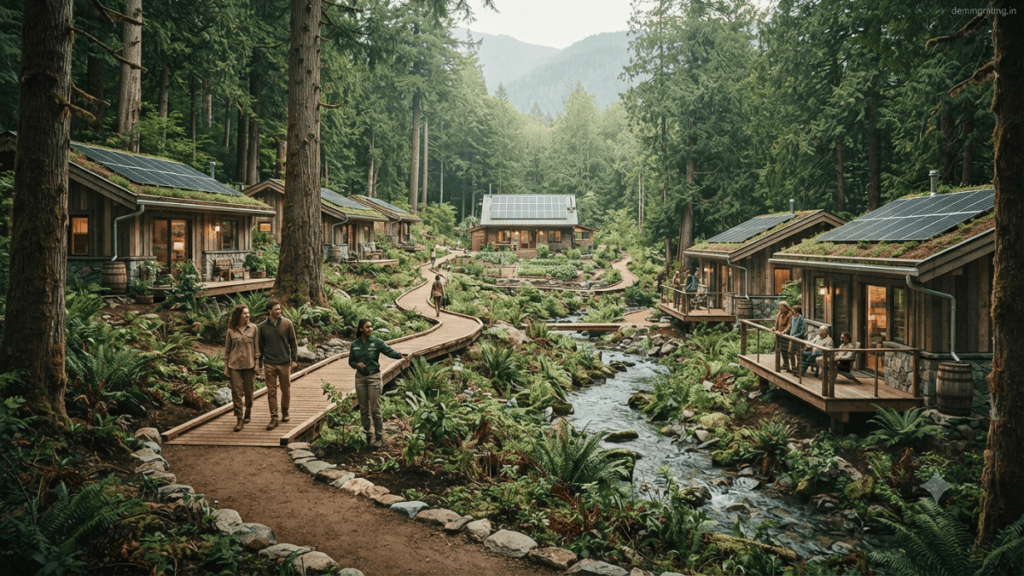
This white paper examines the principles, processes, challenges, and future opportunities associated with eco-tour design and development. It explores how sustainable planning, eco-friendly infrastructure, technology, and community involvement can help create tourism destinations that balance environmental protection with economic growth.
1. Introduction to Eco-Tour Design and Development
Eco-tour design and development is the process of planning and creating tourism experiences that allow visitors to explore natural and cultural destinations while minimizing environmental impacts. It focuses on responsible use of resources, conservation of ecosystems, and improving the quality of life of local communities.
Unlike traditional tourism development, eco-tour design prioritizes sustainability from the beginning of the planning process. It considers factors such as destination suitability, environmental sensitivity, visitor management, infrastructure design, and community participation.
The objective is to create tourism experiences that provide educational, cultural, and recreational value while ensuring that natural and cultural resources remain protected for future generations.
According to The International Ecotourism Society, responsible eco-tourism supports conservation efforts and improves the well-being of local communities.
2. Importance of Eco-Tour Design and Development
Environmental Conservation
Eco-tour development plays an important role in protecting ecosystems and biodiversity. Properly designed tourism projects reduce environmental damage by limiting pollution, conserving resources, and supporting conservation programs.
Protected areas, wildlife reserves, forests, and coastal ecosystems can benefit from tourism revenue generated through responsible visitor activities. These funds can support habitat restoration, wildlife protection, and environmental research.
Community Development
Local community participation is a core element of successful eco-tour development. Sustainable tourism projects create employment opportunities and encourage local ownership.
Communities can benefit through eco-lodges, guiding services, transportation, handicrafts, cultural experiences, and local food businesses. This approach ensures that tourism benefits remain within the destination and encourages environmental stewardship.
Sustainable Economic Growth
Eco-tour development creates long-term economic opportunities by promoting responsible tourism practices. Instead of focusing only on increasing visitor numbers, sustainable design emphasizes quality experiences and balanced growth.
3. Key Principles of Eco-Tour Design
3.1 Environmental Protection
Environmental conservation is the foundation of eco-tour design. Development plans should consider ecosystem sensitivity, biodiversity protection, and resource availability.
Important practices include:
- Protecting natural habitats.
- Reducing pollution.
- Conserving water and energy.
- Supporting wildlife conservation.
- Managing visitor capacity.
3.2 Sustainable Infrastructure Design
Eco-tour destinations should incorporate environmentally responsible infrastructure. Sustainable design principles include:
- Renewable energy systems.
- Energy-efficient buildings.
- Natural lighting and ventilation.
- Sustainable construction materials.
- Waste management solutions.
Infrastructure should complement the natural environment rather than disrupt it.
3.3 Community Engagement
Local communities should participate in planning, development, and management decisions. Their knowledge of local ecosystems and cultural practices can improve tourism experiences while ensuring social benefits.
3.4 Visitor Education
Eco-tour design should include educational components that increase awareness about conservation and responsible travel. Guided tours, interpretation centers, and environmental programs help visitors understand the importance of protecting natural resources.
4. Eco-Tour Development Process
Step 1: Destination Assessment
The first stage involves evaluating natural resources, cultural attractions, environmental conditions, and tourism potential. This assessment helps determine whether a location can support sustainable tourism activities.
Step 2: Planning and Design
Tourism planners develop strategies for infrastructure, activities, visitor management, and conservation programs. Sustainable design principles are incorporated to reduce environmental impacts.
Step 3: Community Collaboration
Stakeholders, including local residents, government agencies, and tourism operators, collaborate to develop tourism models that provide shared benefits.
Step 4: Implementation and Monitoring
After development, continuous monitoring is required to evaluate environmental impacts, visitor behavior, and community outcomes. Improvements should be made based on changing conditions.
5. Challenges in Eco-Tour Design and Development
Balancing Conservation and Tourism Growth
One of the biggest challenges is managing visitor demand while protecting fragile ecosystems. Excessive tourism can lead to habitat damage, waste problems, and resource pressure.
Financial and Infrastructure Limitations
Many potential eco-tour destinations are located in remote areas where sustainable infrastructure requires significant investment.
Climate Change Risks
Climate change can affect natural attractions through extreme weather events, ecosystem changes, and biodiversity loss. Eco-tour projects must include climate adaptation strategies.
Maintaining Authentic Sustainability
Some businesses may use sustainability claims without implementing genuine environmental practices. Clear standards and certification systems are necessary to maintain credibility.
6. Future Trends in Eco-Tour Design and Development
Regenerative Tourism
Future eco-tour development is expected to focus on regenerative tourism, which aims to restore ecosystems and improve communities rather than simply reduce environmental damage.
Smart Sustainable Tourism
Technology will become increasingly important through digital platforms, environmental monitoring systems, artificial intelligence, and smart resource management solutions.
Green Architecture
Future destinations will increasingly adopt sustainable building designs, renewable energy systems, and climate-responsive infrastructure.
Community-Led Eco-Tourism
Local communities will play a larger role in managing tourism projects, ensuring that development creates direct social and economic benefits.
The United Nations World Tourism Organization (UN Tourism) supports sustainable tourism approaches that balance environmental protection, economic development, and social inclusion.
7. Recommendations for Sustainable Eco-Tour Development
To improve eco-tour design and development, stakeholders should:
- Conduct detailed environmental assessments before development.
- Involve local communities throughout the planning process.
- Invest in sustainable infrastructure and renewable energy.
- Establish clear sustainability standards.
- Educate visitors about responsible tourism.
- Use technology for environmental monitoring and management.
- Develop strategies for climate resilience.
Conclusion
Eco-tour design and development provides a practical solution for creating sustainable tourism destinations that benefit the environment, communities, and travelers. Through careful planning, conservation-focused strategies, and responsible management, eco-tourism can reduce environmental impacts while creating meaningful economic opportunities.
The future of tourism depends on sustainable models that protect natural and cultural resources. By adopting innovative designs, community participation, and environmentally responsible practices, eco-tour development can contribute to a healthier planet and a more sustainable tourism industry.
Industry Applications of Eco-Tour Design and Development: Driving Sustainable Growth Across Sectors
Introduction
Eco-tour design and development has become an important approach for industries involved in tourism, hospitality, conservation, transportation, agriculture, and community development. It focuses on creating sustainable travel experiences that protect natural resources, reduce environmental impact, and generate economic benefits for local communities.
As environmental concerns and demand for responsible travel continue to increase, industries are adopting eco-tour design principles to develop products and services that align with sustainability goals. These applications help businesses reduce resource consumption, improve customer experiences, and contribute to long-term environmental protection.
1. Hospitality and Accommodation Industry
The hospitality industry is one of the primary sectors applying eco-tour design and development principles. Hotels, resorts, and eco-lodges are increasingly incorporating sustainable designs to reduce their environmental footprint.
Applications include:
- Green building designs that blend with natural surroundings.
- Renewable energy systems such as solar power.
- Water conservation and wastewater treatment systems.
- Waste reduction and recycling programs.
- Use of locally sourced materials and products.
Eco-lodges located near forests, wildlife areas, and coastal regions are designed to provide comfortable visitor experiences while protecting sensitive ecosystems. These accommodations often support local employment and conservation programs.
Organizations such as Global Sustainable Tourism Council (GSTC) provide sustainability standards that guide tourism businesses in implementing responsible practices.
2. Travel and Transportation Industry
Transportation is a major factor in tourism-related environmental impacts. Eco-tour design helps the transportation sector develop lower-impact travel solutions.
Applications include:
- Electric vehicles for local tourism transportation.
- Bicycle and walking tourism routes.
- Low-emission transportation systems.
- Sustainable airport and travel management practices.
- Carbon reduction programs.
Eco-friendly transportation solutions reduce greenhouse gas emissions and improve the sustainability of tourism destinations.
3. Wildlife Conservation and Protected Area Management
Eco-tour design plays a significant role in conservation industries by creating tourism models that support wildlife protection and ecosystem management.
National parks, marine reserves, and wildlife sanctuaries use eco-tourism activities to generate revenue for conservation programs. Applications include:
- Guided wildlife tours.
- Biodiversity monitoring programs.
- Conservation education experiences.
- Habitat restoration initiatives.
- Visitor management systems.
Tourism revenue helps fund environmental protection activities while allowing visitors to experience natural ecosystems responsibly.
The International Union for Conservation of Nature (IUCN) supports conservation approaches that encourage sustainable management of protected areas.
4. Rural Development and Local Community Industries
Eco-tour design creates opportunities for rural and indigenous communities to participate in tourism development. Community-based eco-tourism allows local people to develop sustainable businesses while protecting their environment and cultural heritage.
Applications include:
- Community-owned eco-lodges.
- Traditional cultural experiences.
- Local food tourism.
- Handicraft markets.
- Nature-based guiding services.
These initiatives create employment opportunities, improve local income, and encourage communities to protect natural resources.
5. Agriculture and Sustainable Farming Industry
Eco-tour design has created new opportunities for the agriculture sector through farm-based tourism and sustainable food experiences.
Applications include:
- Organic farm visits.
- Agricultural learning programs.
- Farm stays.
- Local food experiences.
- Sustainable farming demonstrations.
Visitors can learn about environmentally responsible farming methods while supporting local agricultural businesses.
This connection between tourism and agriculture promotes sustainable food systems and strengthens rural economies.
6. Real Estate and Green Architecture Industry
The construction and real estate industries are increasingly applying eco-tour design principles to develop sustainable tourism infrastructure.
Applications include:
- Environmentally friendly resorts.
- Green hotels.
- Nature-integrated accommodation.
- Energy-efficient buildings.
- Sustainable landscape design.
Green architecture reduces resource consumption while creating tourism facilities that complement natural environments.
7. Education and Research Industry
Eco-tour design provides valuable opportunities for education and scientific research. Universities, environmental organizations, and research institutions use eco-tourism programs to study ecosystems and educate visitors.
Applications include:
- Environmental learning centers.
- Conservation research tours.
- Student field programs.
- Climate awareness activities.
- Biodiversity studies.
These initiatives improve public understanding of environmental issues and encourage conservation efforts.
8. Technology and Digital Tourism Industry
Technology plays an increasing role in improving eco-tour design and management. Digital solutions help tourism operators monitor resources, manage visitors, and provide sustainable travel information.
Applications include:
- Digital eco-tour platforms.
- Smart destination management systems.
- Virtual nature experiences.
- Environmental monitoring tools.
- Mobile applications for responsible travel.
Technology improves efficiency and helps destinations reduce environmental impacts.
9. Government and Tourism Policy Sector
Governments use eco-tour design and development as a strategy for sustainable economic growth and environmental protection.
Applications include:
- Protected area tourism planning.
- Sustainable tourism policies.
- Conservation funding programs.
- Eco-tourism certification systems.
- Community development initiatives.
Government support helps create frameworks that encourage responsible tourism practices.
The United Nations World Tourism Organization (UN Tourism) promotes sustainable tourism development that balances economic growth, environmental protection, and social responsibility.
Conclusion
Eco-tour design and development has applications across multiple industries, including hospitality, transportation, conservation, agriculture, architecture, technology, education, and government planning. By integrating sustainability principles into their operations, these industries can reduce environmental impacts while creating economic and social benefits.
The future of tourism depends on responsible design approaches that protect natural resources and support communities. Through innovation, collaboration, and sustainable practices, eco-tour design can help create tourism destinations that are environmentally responsible, economically valuable, and beneficial for future generations.
Ask FAQs
What is eco-tour design and development?
Eco-tour design and development is the process of planning and creating sustainable tourism experiences that allow visitors to explore natural and cultural destinations while protecting the environment. It involves designing eco-friendly infrastructure, conservation strategies, community participation programs, and responsible visitor activities. The goal is to create tourism experiences that provide economic benefits while preserving natural resources for future generations.
What are the key elements of successful eco-tour design?
Successful eco-tour design includes several important elements such as environmental conservation, sustainable infrastructure, local community involvement, resource management, and visitor education. It focuses on minimizing environmental impact through renewable energy, waste reduction, water conservation, and responsible land use. A well-designed eco-tour destination also provides meaningful experiences that help travelers understand local ecosystems and cultures.
How does eco-tour design help protect the environment?
Eco-tour design helps protect the environment by reducing pollution, conserving natural resources, and supporting biodiversity protection. Sustainable practices such as eco-friendly construction, renewable energy systems, responsible waste management, and controlled visitor activities reduce pressure on ecosystems. Many eco-tour projects also generate funds for conservation programs, wildlife protection, and habitat restoration.
Why is community participation important in eco-tour development?
Community participation is essential because local residents have valuable knowledge about natural resources, cultural traditions, and environmental conditions. Involving communities creates employment opportunities through guiding services, hospitality, handicrafts, and cultural experiences. It also ensures that tourism benefits are shared locally and encourages residents to actively support conservation efforts.
What are the future trends in eco-tour design and development?
Future trends in eco-tour design include regenerative tourism, smart sustainable technologies, green architecture, community-led tourism, and personalized nature-based experiences. Destinations are increasingly adopting renewable energy, digital management systems, sustainable construction methods, and conservation-focused activities. These trends aim to create tourism experiences that not only reduce environmental impact but also restore ecosystems and strengthen local communities.
Table of Contents
Disclaimer:
The information provided in this article is for educational and informational purposes only. Eco-tour design and development practices may vary based on location, environmental conditions, and regulations. Readers should consult relevant experts and official sources before implementing tourism development plans.