
Tenancy in Green Facility
Tenancy in a green facility refers to the occupancy and use of environmentally sustainable buildings by tenants such as businesses, organizations, or residents. Green facilities are designed, constructed, and operated to reduce environmental impact through energy efficiency, water conservation, waste reduction, improved indoor air quality, and the use of sustainable materials. In modern real estate and facility management, tenancy is no longer limited to leasing physical space; it also involves participating in sustainable building operations and environmental performance goals.
As sustainability becomes a priority for governments, businesses, and communities, green buildings are gaining significant importance across commercial, residential, healthcare, educational, and industrial sectors. Tenants in green facilities often benefit from lower utility costs, healthier indoor environments, better thermal comfort, and enhanced workplace productivity. These buildings may also support corporate environmental, social, and governance (ESG) objectives and help organizations demonstrate their commitment to sustainability.
Effective tenancy in green facilities requires collaboration between building owners and tenants. Lease agreements may include provisions related to energy use, waste management, recycling, water conservation, and the use of environmentally responsible products. Such arrangements are commonly known as green leases, which encourage shared responsibility for achieving sustainability targets.
In addition to environmental benefits, green facilities can provide economic and social advantages, including improved asset value, higher occupancy rates, stronger brand image, and increased tenant satisfaction. International certification systems such as LEED, BREEAM, and IGBC often guide the design and operation of these facilities.
Overall, tenancy in green facilities represents an important shift toward sustainable occupancy, where tenants actively contribute to the efficient and responsible use of buildings while benefiting from healthier, more cost-effective, and environmentally conscious spaces.
What Is Tenancy in a Green Facility and Why Is It Important?
Tenancy in a green facility refers to the occupation, management, and use of a sustainable building by tenants while following environmentally responsible practices. A green facility is designed and operated to minimise environmental impact through strategies such as energy efficiency, water conservation, waste reduction, sustainable materials, renewable energy integration, and improved indoor environmental quality. Tenancy in such facilities involves more than simply occupying a space; it requires active participation from tenants to maintain and enhance the building’s sustainability performance.
The importance of tenancy in a green facility lies in the shared responsibility between building owners and occupants. Even when a building is designed with advanced sustainable features, tenant behaviour plays a major role in achieving environmental goals. Efficient energy use, proper waste segregation, responsible water consumption, and sustainable workplace practices help maximise the benefits of green building systems.
One of the major advantages of green facility tenancy is improved operational efficiency. Tenants can experience reduced energy and utility costs through efficient lighting, heating, cooling, and water management systems. Sustainable buildings often provide healthier indoor environments with better air quality, natural lighting, and improved comfort, which can contribute to higher productivity and occupant satisfaction.
Green facility tenancy also supports corporate sustainability goals. Many organisations are adopting environmentally responsible practices to meet Environmental, Social, and Governance (ESG) objectives and strengthen their reputation among customers, employees, and stakeholders. Occupying a certified green building can demonstrate a company’s commitment to reducing its environmental footprint.
Another important aspect is the use of green lease agreements, where owners and tenants collaborate on sustainability targets. These agreements may define responsibilities related to energy management, recycling, resource conservation, and environmental reporting.
Certifications and frameworks from organisations such as U.S. Green Building Council (USGBC) and Green Business Certification Inc. help guide sustainable building practices and performance standards.
In conclusion, tenancy in a green facility is an essential component of sustainable building management. It creates a partnership between occupants and owners to reduce environmental impact, improve operational efficiency, enhance occupant wellbeing, and support long-term sustainability goals.
What Are the Key Features of a Green Facility for Tenants?
Green facilities are designed to provide sustainable, healthy, and efficient environments for occupants while reducing environmental impact. For tenants, these facilities offer more than just a workspace or living area; they provide improved comfort, lower operating costs, and a healthier indoor environment. The key features of a green facility focus on energy efficiency, resource conservation, occupant wellbeing, and responsible building management.
1. Energy Efficiency Systems
One of the most important features of a green facility is efficient energy management. Buildings may include LED lighting, smart energy controls, energy-efficient heating and cooling systems, and automated monitoring solutions. These technologies help reduce electricity consumption while maintaining comfortable indoor conditions for tenants.
Smart building systems can monitor energy usage and identify opportunities for further improvement, helping tenants reduce operational expenses and support sustainability targets.
2. Improved Indoor Environmental Quality
Green facilities prioritise occupant health and comfort through better indoor air quality, natural ventilation, adequate daylight, and low-emission materials. Good indoor environmental quality can create a more comfortable atmosphere and may support employee productivity and wellbeing.
Features such as air filtration systems, indoor plants, and access to natural light contribute to healthier spaces for tenants.
3. Water Conservation Solutions
Water-efficient fixtures, rainwater harvesting systems, wastewater management, and smart irrigation systems are common features of sustainable buildings. These solutions help reduce water consumption and lower operational costs while supporting responsible resource management.
4. Sustainable Materials and Waste Management
Green facilities often use environmentally responsible construction materials with lower environmental impact. They also provide effective waste management systems, including recycling facilities and waste separation programs.
Tenants are encouraged to participate in sustainable practices through proper waste disposal and resource-conscious operations.
5. Renewable Energy Integration
Many green facilities incorporate renewable energy sources such as solar panels or other clean energy technologies. Renewable energy helps reduce dependence on conventional power sources and supports long-term carbon reduction goals.
6. Smart Building Technologies
Technology plays an important role in modern green facilities. Building automation systems, occupancy sensors, smart lighting, and digital monitoring platforms allow owners and tenants to manage resources efficiently.
These systems provide real-time insights into energy consumption, indoor conditions, and space usage.
7. Sustainable Transportation Support
Green facilities often include features that encourage sustainable transportation, such as bicycle parking, electric vehicle charging stations, pedestrian-friendly access, and proximity to public transportation.
These features help tenants reduce their environmental footprint while improving accessibility.
Conclusion
The key features of a green facility for tenants include energy efficiency, improved indoor comfort, water conservation, sustainable materials, renewable energy, smart technology, and support for sustainable mobility. By combining these elements, green facilities create healthier and more efficient spaces while helping tenants reduce costs and contribute to environmental sustainability.
Green building frameworks such as U.S. Green Building Council (USGBC) and International WELL Building Institute provide guidance for creating healthier and more sustainable buildings.
How Can Tenants Contribute to Sustainable Practices in a Green Facility?
Tenants play a crucial role in maintaining the sustainability performance of a green facility. While building design and technology provide the foundation for environmental efficiency, the daily actions and decisions of occupants determine how effectively these sustainable features are used. By adopting responsible practices, tenants can reduce resource consumption, minimise environmental impact, and support the long-term goals of green building operations.
1. Practising Energy Efficiency
One of the most effective ways tenants can contribute to sustainability is by reducing unnecessary energy consumption. Simple actions such as switching off lights and electronic equipment when not in use, using energy-efficient devices, and adjusting heating or cooling settings responsibly can significantly reduce energy demand.
Tenants can also cooperate with building management by following energy-saving guidelines and using smart building systems effectively.
2. Reducing Water Consumption
Water conservation is an important part of green facility management. Tenants can contribute by avoiding water wastage, reporting leaks immediately, and using water-efficient fixtures responsibly. Encouraging employees or residents to adopt mindful water-use habits helps reduce overall consumption.
3. Effective Waste Management and Recycling
Proper waste handling is another important responsibility for tenants. Separating recyclable materials, reducing single-use products, reusing resources, and following building waste management procedures can help minimise landfill waste.
Green facilities often provide recycling stations and waste management systems, but tenant participation is essential for these programs to succeed.
4. Supporting Sustainable Transportation
Tenants can reduce their carbon footprint by choosing environmentally friendly transportation options. Using public transportation, cycling, walking, carpooling, or electric vehicles can reduce emissions associated with daily commuting.
Buildings with facilities such as bicycle parking, electric vehicle charging stations, and convenient transit access make sustainable transportation choices easier.
5. Maintaining Healthy Indoor Environments
Occupants can support indoor environmental quality by keeping workspaces clean, avoiding harmful chemical products, maintaining ventilation areas, and using environmentally friendly office or household materials.
Healthy indoor environments improve comfort and contribute to better occupant wellbeing.
6. Participating in Green Building Programs
Active participation in sustainability initiatives is essential. Tenants can engage in awareness programs, sustainability training, energy-saving campaigns, and environmental reporting activities organised by facility managers.
Green lease agreements can also encourage cooperation between owners and tenants by defining shared sustainability responsibilities.
Conclusion
Tenants are key partners in achieving the sustainability goals of a green facility. Through responsible energy use, water conservation, waste reduction, sustainable transportation choices, and active participation in environmental initiatives, occupants can significantly improve building performance.
A successful green facility depends not only on advanced technology and efficient design but also on the everyday choices of the people who use the space. Collaborative efforts between owners, managers, and tenants create healthier, more efficient, and environmentally responsible buildings.
Sustainable building practices and tenant engagement strategies are supported by organisations such as U.S. Green Building Council (USGBC) and Green Business Certification Inc..
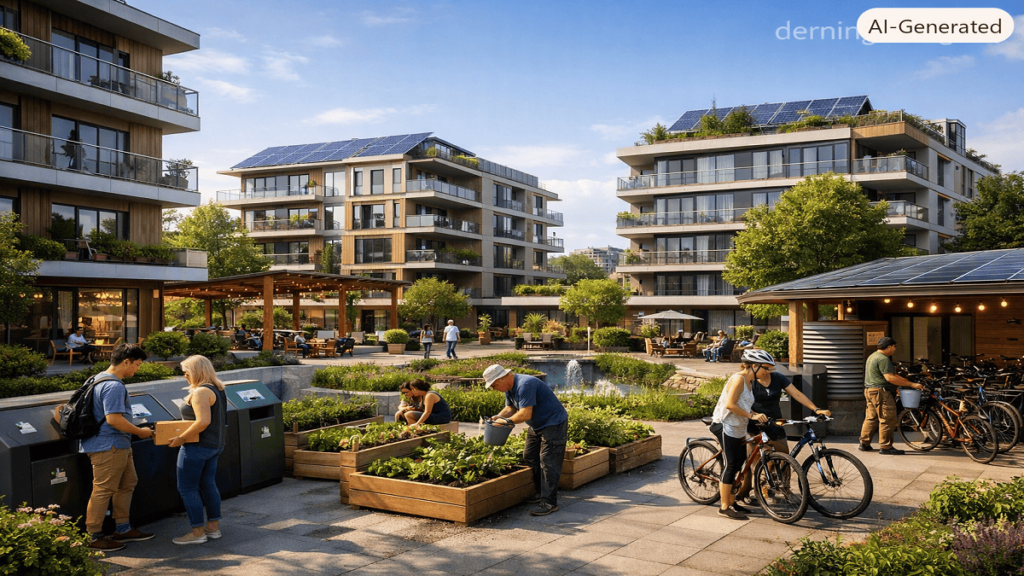
What Are the Benefits of Leasing Space in a Green-Certified Building?
Leasing space in a green-certified building provides businesses and organisations with several environmental, financial, and operational advantages. Green-certified buildings are designed and operated according to recognised sustainability standards that focus on energy efficiency, resource conservation, occupant health, and reduced environmental impact. Certifications such as U.S. Green Building Council (USGBC) LEED and other recognised rating systems help verify that a building meets specific sustainability performance criteria.
1. Lower Operating Costs
One of the biggest benefits of leasing space in a green-certified building is improved operational efficiency. Energy-efficient lighting, advanced heating and cooling systems, smart building controls, and water-saving technologies can reduce utility consumption. These improvements may help tenants lower monthly operating expenses while maintaining a comfortable working environment.
2. Improved Workplace Health and Productivity
Green-certified buildings prioritise indoor environmental quality through better ventilation, natural daylight, temperature control, and the use of low-emission materials. A healthier indoor environment can improve employee comfort, reduce exposure to pollutants, and support overall workplace wellbeing.
Research from organisations such as the International WELL Building Institute highlights the growing importance of healthy building environments in supporting occupant performance and satisfaction.
3. Stronger Corporate Sustainability Image
Businesses operating from green-certified buildings can demonstrate their commitment to environmental responsibility. Sustainable workplaces can support Environmental, Social, and Governance (ESG) objectives and strengthen brand reputation among customers, employees, investors, and stakeholders.
4. Enhanced Employee Attraction and Retention
Modern employees increasingly value workplaces that support health, sustainability, and responsible business practices. A green-certified office environment can help organisations create a positive workplace culture and improve employee satisfaction.
5. Better Resource Management
Green buildings often include systems that monitor and optimise energy, water, and waste management. Tenants benefit from efficient resource use while contributing to broader sustainability goals.
6. Increased Property Value and Market Advantage
Green-certified buildings often have stronger market appeal because they meet growing demand for sustainable workplaces. Tenants may benefit from improved business visibility, better-quality facilities, and alignment with future environmental regulations.
7. Support for Sustainable Operations
Green-certified spaces encourage tenants to adopt environmentally responsible practices through recycling programs, energy monitoring, sustainable transportation options, and green lease agreements.
Conclusion
Leasing space in a green-certified building offers benefits beyond environmental protection. It can reduce operational costs, improve employee wellbeing, strengthen corporate reputation, and support long-term business sustainability goals. By choosing sustainable facilities, tenants become active contributors to creating healthier, more efficient, and environmentally responsible built environments.
What Are the Benefits of Leasing Space in a Green-Certified Building?
Leasing space in a green-certified building provides businesses and organisations with several environmental, financial, and operational advantages. Green-certified buildings are designed and operated according to recognised sustainability standards that focus on energy efficiency, resource conservation, occupant health, and reduced environmental impact. Certifications such as U.S. Green Building Council (USGBC) LEED and other recognised rating systems help verify that a building meets specific sustainability performance criteria.
1. Lower Operating Costs
One of the biggest benefits of leasing space in a green-certified building is improved operational efficiency. Energy-efficient lighting, advanced heating and cooling systems, smart building controls, and water-saving technologies can reduce utility consumption. These improvements may help tenants lower monthly operating expenses while maintaining a comfortable working environment.
2. Improved Workplace Health and Productivity
Green-certified buildings prioritise indoor environmental quality through better ventilation, natural daylight, temperature control, and the use of low-emission materials. A healthier indoor environment can improve employee comfort, reduce exposure to pollutants, and support overall workplace wellbeing.
Research from organisations such as the International WELL Building Institute highlights the growing importance of healthy building environments in supporting occupant performance and satisfaction.
3. Stronger Corporate Sustainability Image
Businesses operating from green-certified buildings can demonstrate their commitment to environmental responsibility. Sustainable workplaces can support Environmental, Social, and Governance (ESG) objectives and strengthen brand reputation among customers, employees, investors, and stakeholders.
4. Enhanced Employee Attraction and Retention
Modern employees increasingly value workplaces that support health, sustainability, and responsible business practices. A green-certified office environment can help organisations create a positive workplace culture and improve employee satisfaction.
5. Better Resource Management
Green buildings often include systems that monitor and optimise energy, water, and waste management. Tenants benefit from efficient resource use while contributing to broader sustainability goals.
6. Increased Property Value and Market Advantage
Green-certified buildings often have stronger market appeal because they meet growing demand for sustainable workplaces. Tenants may benefit from improved business visibility, better-quality facilities, and alignment with future environmental regulations.
7. Support for Sustainable Operations
Green-certified spaces encourage tenants to adopt environmentally responsible practices through recycling programs, energy monitoring, sustainable transportation options, and green lease agreements.
Conclusion
Leasing space in a green-certified building offers benefits beyond environmental protection. It can reduce operational costs, improve employee wellbeing, strengthen corporate reputation, and support long-term business sustainability goals. By choosing sustainable facilities, tenants become active contributors to creating healthier, more efficient, and environmentally responsible built environments.
What Challenges and Future Trends Are Associated with Tenancy in Green Facilities?
Tenancy in green facilities is becoming increasingly important as businesses, organisations, and individuals seek sustainable spaces that support environmental responsibility and occupant wellbeing. While green facilities offer significant benefits such as energy efficiency, reduced operational costs, and healthier indoor environments, managing sustainable tenancy also presents several challenges. At the same time, emerging technologies and evolving sustainability practices are creating new opportunities for the future of green facility management.
Challenges in Green Facility Tenancy
1. Higher Initial Costs
One of the major challenges associated with green facilities is the higher upfront investment required for sustainable technologies, energy-efficient systems, and environmentally responsible materials. These costs can influence rental pricing and may create challenges for tenants with limited budgets.
2. Tenant Awareness and Engagement
The performance of a green building depends not only on its design but also on how tenants use the space. Lack of awareness about sustainable practices can reduce the effectiveness of energy-saving systems, waste management programs, and resource conservation initiatives.
Building owners and facility managers must provide education, training, and clear guidelines to encourage tenant participation.
3. Green Lease Management
Green lease agreements require collaboration between landlords and tenants regarding sustainability responsibilities. Establishing clear expectations for energy use, waste reduction, water conservation, and environmental reporting can sometimes be complex.
Successful green tenancy requires transparency, communication, and shared sustainability goals.
4. Measuring Sustainability Performance
Tracking the environmental performance of a facility can be challenging. Accurate monitoring of energy consumption, water usage, waste generation, and carbon emissions requires effective data collection systems and cooperation from tenants.
Future Trends in Green Facility Tenancy
1. Smart Building Technologies
Future green facilities will increasingly use artificial intelligence, Internet of Things (IoT) devices, and automated building systems to monitor and optimise resource consumption. Smart sensors can provide real-time data on occupancy, energy usage, indoor air quality, and operational efficiency.
2. Data-Driven Sustainability Management
Advanced analytics and digital platforms will help owners and tenants understand building performance and identify opportunities for improvement. Data-driven decision-making will become essential for achieving sustainability targets.
3. Greater Focus on Health and Wellbeing
Future green facilities will place stronger emphasis on occupant health through improved air quality, natural lighting, wellness-focused design, and comfortable indoor environments. Certifications focused on health and wellbeing will continue gaining importance.
4. Flexible and Sustainable Workspaces
As workplace requirements continue to change, green facilities will adopt flexible layouts, shared spaces, and adaptable designs that support changing tenant needs while maintaining sustainability performance.
5. Stronger ESG Integration
Environmental, Social, and Governance (ESG) goals will continue influencing business decisions. Companies will increasingly prefer green-certified spaces that support sustainability reporting and corporate responsibility commitments.
Conclusion
Tenancy in green facilities offers significant environmental, economic, and social benefits, but successful implementation requires overcoming challenges related to cost, tenant engagement, performance measurement, and collaboration. The future of green tenancy will be shaped by smart technologies, data-driven management, health-focused design, and stronger sustainability commitments.
Case Study: Tenancy in Green Facility – The Edge, Amsterdam
Introduction
The success of a green facility depends not only on sustainable building design but also on how tenants interact with and utilise the space. A strong example of effective green tenancy is The Edge, a highly sustainable office building in Amsterdam, Netherlands. Developed by OVG Real Estate and occupied by Deloitte, the building demonstrates how advanced technology, sustainable operations, and tenant participation can create an efficient workplace environment.
Background
The Edge was designed as a smart and sustainable office facility with a strong focus on energy efficiency, occupant wellbeing, and resource management. The building achieved one of the highest sustainability ratings under BREEAM, reflecting its advanced environmental performance.
The facility uses renewable energy systems, intelligent building controls, and data-driven management solutions to optimise daily operations. More information about sustainable building practices can be explored through BREEAM Official Website.
Tenant Engagement and Sustainable Operations
A key feature of The Edge is the active involvement of tenants in sustainable building performance. Employees use smart workplace applications that help them interact with the building environment. The system allows users to manage workspace preferences, lighting conditions, temperature settings, and meeting room availability.
This tenant-focused approach encourages responsible resource use while improving workplace comfort. Instead of treating sustainability as only a building management responsibility, the facility creates a partnership between technology, management, and occupants.
Energy Efficiency and Resource Conservation
The building incorporates solar panels, energy-efficient lighting, smart climate control systems, and occupancy sensors. These technologies adjust energy consumption according to actual usage patterns, reducing unnecessary resource consumption.
The integration of smart systems allows facility managers and tenants to monitor performance and make informed decisions about energy use and operational improvements.
Benefits for Tenants
The sustainable design of The Edge provides several benefits for occupants, including:
- Improved indoor environmental quality
- Better workplace comfort
- Efficient use of resources
- Enhanced employee experience
- Support for corporate sustainability goals
The building demonstrates that green facilities can contribute to both environmental responsibility and business performance.
Key Lessons
The Edge highlights several important lessons for green facility tenancy:
- Tenant involvement is essential for achieving sustainability targets.
- Smart technology can improve communication between occupants and building systems.
- Sustainable buildings perform best when owners and tenants share responsibility.
- Green workplaces can enhance productivity and occupant satisfaction.
Conclusion
The Edge represents a successful model of tenancy in a green facility where sustainable architecture, smart technology, and tenant participation work together. The case study demonstrates that achieving long-term sustainability requires more than efficient building systems; it requires active engagement from the people who use the space.
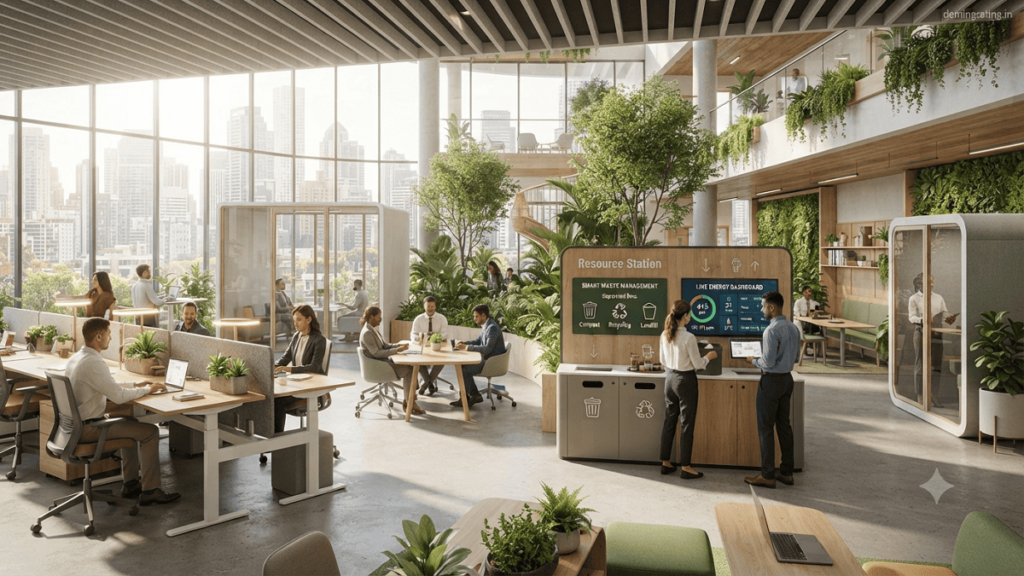
White Paper: Tenancy in Green Facilities – Creating Sustainable, Efficient, and Healthy Occupied Spaces
Executive Summary
Tenancy in green facilities represents a collaborative approach where building owners, facility managers, and occupants work together to achieve environmental sustainability, operational efficiency, and improved occupant wellbeing. Unlike traditional building occupancy models, green facility tenancy focuses on responsible resource use, sustainable practices, and active participation from tenants to maintain and enhance building performance.
As organisations increasingly adopt Environmental, Social, and Governance (ESG) strategies, demand for green-certified buildings is growing. Tenants are seeking spaces that provide lower operating costs, healthier indoor environments, improved workplace experiences, and alignment with sustainability objectives.
This white paper examines the concept of green facility tenancy, its importance, key features, challenges, industry applications, and future trends shaping sustainable occupancy.
1. Introduction
A green facility is a building designed and operated to reduce environmental impact while improving occupant health and efficiency. These buildings incorporate sustainable strategies such as energy-efficient systems, renewable energy, water conservation, waste management, and improved indoor environmental quality.
Tenancy in a green facility refers to how occupants use, manage, and interact with these sustainable environments. The success of a green building depends not only on its design and technology but also on tenant behaviour and cooperation.
Effective green tenancy creates a partnership between owners and occupants where both parties contribute to achieving sustainability goals.
2. Importance of Green Facility Tenancy
2.1 Environmental Benefits
Tenants play an important role in reducing the environmental impact of buildings through responsible energy use, waste management, and resource conservation.
Sustainable tenant practices can help:
- Reduce greenhouse gas emissions
- Lower energy consumption
- Improve waste recycling rates
- Conserve water resources
- Support climate-conscious operations
2.2 Economic Advantages
Green facility tenancy can provide financial benefits for both owners and occupants.
Key economic advantages include:
- Reduced energy and utility expenses
- Improved operational efficiency
- Lower maintenance requirements
- Higher property value
- Better tenant retention
Energy-efficient buildings often provide long-term cost savings through improved resource management.
2.3 Health and Wellbeing Benefits
Green facilities prioritise indoor environmental quality through:
- Improved ventilation
- Natural lighting
- Better temperature control
- Low-emission materials
- Health-focused design strategies
These features can contribute to improved comfort, productivity, and satisfaction among occupants.
3. Key Features of Green Facility Tenancy
3.1 Energy-Efficient Operations
Green facilities use advanced systems such as smart lighting, energy monitoring platforms, and efficient heating and cooling technologies. Tenants contribute by following energy-saving practices and using resources responsibly.
3.2 Water Conservation Systems
Water-efficient fixtures, rainwater harvesting, and smart irrigation systems help reduce water consumption. Tenant awareness and responsible usage are essential for achieving conservation targets.
3.3 Waste Reduction Programs
Green facilities encourage recycling, waste segregation, and responsible disposal practices. Tenant participation ensures that waste management systems operate effectively.
3.4 Sustainable Transportation Support
Many green facilities promote sustainable mobility through:
- Bicycle parking
- Electric vehicle charging stations
- Public transportation accessibility
- Pedestrian-friendly design
These features help reduce the carbon footprint associated with commuting.
4. Role of Green Lease Agreements
Green lease agreements are an important tool for managing sustainability responsibilities between landlords and tenants.
These agreements may include:
- Energy efficiency targets
- Waste management responsibilities
- Water conservation requirements
- Environmental reporting
- Sustainable operating practices
Green leases encourage cooperation and transparency between all stakeholders.
5. Industry Applications
Commercial Offices
Businesses increasingly choose green office spaces to support employee wellbeing, reduce operational costs, and demonstrate environmental responsibility.
Residential Developments
Green residential buildings provide occupants with healthier living environments and improved energy efficiency.
Healthcare Facilities
Hospitals and medical centres use sustainable design strategies to improve patient comfort and operational performance.
Educational Institutions
Schools and universities adopt green facilities to create healthier learning environments while teaching sustainability principles.
Hospitality Sector
Hotels and resorts use green building practices to reduce resource consumption and meet growing demand for sustainable experiences.
6. Challenges in Green Facility Tenancy
6.1 Initial Investment Costs
Green technologies and sustainable infrastructure may require higher upfront investment, which can influence rental costs.
6.2 Limited Tenant Awareness
Without proper education, tenants may not fully understand how their actions affect building sustainability performance.
6.3 Coordination Between Stakeholders
Successful green tenancy requires cooperation between owners, facility managers, and occupants. Miscommunication can reduce sustainability outcomes.
6.4 Performance Measurement
Tracking energy use, emissions, and resource consumption requires effective monitoring systems and accurate data collection.
7. Future Trends in Green Facility Tenancy
Smart Building Integration
Artificial intelligence, Internet of Things (IoT), and automated building systems will improve energy management and occupant experiences.
Data-Driven Sustainability
Real-time performance monitoring will allow owners and tenants to make better decisions regarding resource efficiency.
Health and Wellness Focus
Future green facilities will place greater emphasis on occupant health through improved air quality, natural environments, and wellness-oriented design.
ESG-Based Decision Making
Companies will increasingly select green-certified buildings to meet sustainability reporting requirements and corporate responsibility goals.
Flexible Sustainable Workspaces
Adaptable layouts and hybrid workplace models will influence the future design and management of green facilities.
8. Case Example: The Edge, Amsterdam
The Edge in Amsterdam demonstrates successful green facility tenancy through the integration of sustainable architecture, smart technology, and tenant engagement.
The building uses intelligent systems that allow occupants to interact with lighting, temperature controls, and workplace resources. This approach encourages responsible resource use while improving employee comfort.
The project demonstrates that green buildings achieve the best results when tenants actively participate in sustainability practices.
9. Recommendations for Successful Green Tenancy
To maximise the benefits of green facilities:
- Educate tenants about sustainable practices
- Establish clear green lease agreements
- Use smart monitoring technologies
- Encourage energy and water conservation
- Promote waste reduction programs
- Measure and communicate sustainability performance
Conclusion
Tenancy in green facilities represents a shift from passive occupancy to active participation in sustainable building management. The success of a green facility depends on collaboration between owners and tenants, where technology, responsible behaviour, and efficient operations work together.
As sustainability becomes increasingly important in real estate and business decisions, green facility tenancy will continue to play a vital role in creating healthier, more efficient, and environmentally responsible spaces. By adopting sustainable practices and embracing future innovations, tenants can contribute significantly to the development of a greener built environment.
Industry Application of Tenancy in Green Facilities
Introduction
Tenancy in green facilities is becoming increasingly important across industries as organisations seek sustainable spaces that reduce environmental impact, improve operational efficiency, and enhance occupant wellbeing. Green facility tenancy involves the responsible use and management of sustainable buildings by tenants while supporting goals such as energy conservation, waste reduction, resource efficiency, and healthier indoor environments.
Modern industries are adopting green facilities not only to meet environmental regulations but also to achieve cost savings, strengthen brand reputation, and support Environmental, Social, and Governance (ESG) objectives. Effective collaboration between building owners, facility managers, and tenants ensures that sustainable features deliver maximum value throughout a building’s lifecycle.
1. Commercial Office Industry
The commercial office sector is one of the largest applications of green facility tenancy. Businesses are increasingly choosing green-certified office spaces to improve workplace sustainability and employee experience.
Green office facilities provide tenants with:
- Energy-efficient lighting and cooling systems
- Improved indoor air quality
- Natural daylight access
- Smart building management systems
- Waste recycling programs
Companies benefit from reduced operational costs, improved employee productivity, and stronger corporate sustainability credentials.
2. Real Estate and Residential Development
Residential developers are integrating green tenancy principles into apartments, housing communities, and mixed-use developments. Sustainable residential facilities provide occupants with energy-efficient homes, water-saving systems, renewable energy solutions, and healthier living environments.
Green residential tenancy can increase property value, attract environmentally conscious residents, and reduce long-term utility expenses.
3. Healthcare Industry
Healthcare facilities require high-performance environments that support patient care, staff efficiency, and operational sustainability. Green hospitals and medical centres use sustainable tenancy practices to reduce energy consumption, improve indoor air quality, and create healthier environments.
Applications include:
- Efficient ventilation systems
- Sustainable waste management
- Water conservation strategies
- Energy-efficient medical facilities
These practices contribute to improved patient comfort and responsible healthcare operations.
4. Educational Institutions
Schools, colleges, and universities are increasingly adopting green facilities to create sustainable learning environments. Green tenancy practices help reduce operational costs while educating students about environmental responsibility.
Applications include:
- Energy-efficient classrooms
- Sustainable campus operations
- Recycling initiatives
- Renewable energy systems
- Smart resource monitoring
Green campuses also provide healthier environments that support learning and wellbeing.
5. Hospitality Industry
Hotels, resorts, and tourism facilities are adopting green tenancy models to meet increasing demand for sustainable experiences. Guests are becoming more environmentally conscious and prefer accommodations that demonstrate responsible practices.
Green hospitality facilities implement:
- Energy-efficient guest rooms
- Water-saving systems
- Sustainable materials
- Waste reduction programs
- Renewable energy solutions
These practices reduce operating costs while improving guest satisfaction.
6. Retail and Shopping Centres
Retail environments benefit from green facility tenancy by improving energy efficiency, customer experience, and operational performance. Shopping centres use sustainable systems such as efficient lighting, smart climate controls, and recycling facilities.
Tenants such as retailers and restaurants contribute through responsible waste management, efficient equipment use, and sustainable operational practices.
7. Industrial and Manufacturing Facilities
Manufacturing and industrial sectors are applying green tenancy principles to reduce resource consumption and improve workplace conditions.
Applications include:
- Energy-efficient production spaces
- Sustainable material management
- Waste reduction systems
- Renewable energy integration
- Improved worker safety and comfort
Green industrial facilities help companies achieve sustainability targets while improving operational efficiency.
8. Government and Public Buildings
Government offices and public facilities are increasingly adopting green tenancy practices to demonstrate environmental responsibility and reduce operational expenses.
Applications include:
- Sustainable office management
- Energy monitoring systems
- Resource conservation programs
- Green procurement policies
Public sector adoption also encourages broader sustainability awareness.
Role of Technology in Green Facility Tenancy
Technology plays a major role in improving tenant participation and building performance. Smart sensors, Internet of Things (IoT) systems, artificial intelligence, and digital monitoring platforms help track energy use, indoor conditions, and resource consumption.
These technologies allow tenants and facility managers to make informed decisions and improve sustainability outcomes.
Conclusion
Tenancy in green facilities has applications across commercial, residential, healthcare, education, hospitality, retail, industrial, and public sectors. By combining sustainable building design with responsible tenant practices, organisations can reduce environmental impact, improve efficiency, and create healthier spaces.
The future of green facility tenancy will depend on stronger collaboration between owners and occupants, supported by smart technologies and sustainability-focused management strategies. As industries continue to prioritise environmental responsibility, green tenancy will become an essential approach for creating efficient, resilient, and sustainable built environments.
Ask FAQs
What is tenancy in a green facility?
Tenancy in a green facility refers to the occupation and responsible use of a sustainable building by tenants while following environmentally friendly practices. It involves tenant participation in energy conservation, waste reduction, water efficiency, and maintaining healthy indoor environments. Green tenancy focuses on collaboration between building owners and occupants to achieve sustainability goals.
What are the benefits of renting space in a green facility?
Leasing space in a green facility provides several benefits, including lower energy costs, improved indoor air quality, enhanced occupant comfort, and better workplace productivity. Tenants can also strengthen their sustainability image by operating from environmentally responsible buildings that support corporate ESG objectives.
How can tenants support sustainability in a green facility?
Tenants can contribute by reducing energy consumption, conserving water, properly managing waste, using sustainable materials, and following green building guidelines. Simple actions such as switching off unused equipment, recycling, and choosing sustainable transportation options can improve overall building performance.
What is a green lease agreement?
A green lease agreement is a contract between building owners and tenants that defines shared responsibilities for maintaining sustainable building performance. It may include requirements related to energy efficiency, water conservation, waste management, environmental reporting, and responsible resource use.
Are green-certified facilities more valuable for tenants?
Yes, green-certified facilities often provide long-term value through improved operational efficiency, healthier indoor environments, and stronger sustainability credentials. They can help organisations reduce costs, attract employees, meet environmental goals, and demonstrate commitment to responsible business practices.
Table of Contents
Disclaimer:
The information provided is for general educational purposes only. Green facility practices, certifications, and tenancy benefits may vary based on location, building standards, and operational requirements. Consult qualified professionals for specific sustainability and facility management decisions.