
Dhanteras: The Festival of Wealth and Prosperity
Dhanteras, also known as Dhantrayodashi, is one of the most significant festivals celebrated in India and marks the beginning of the five-day Diwali festival. It is observed on the thirteenth day (Trayodashi) of the Krishna Paksha in the Hindu month of Kartik. The festival holds great importance as it is associated with wealth, prosperity, health, and new beginnings. On this auspicious occasion, people worship Lord Dhanvantari, the deity of Ayurveda and health, and Goddess Lakshmi, the goddess of wealth and prosperity.
The word “Dhanteras” is derived from two words: “Dhan,” meaning wealth, and “Teras,” referring to the thirteenth day of the lunar calendar. Traditionally, people consider this day highly favorable for purchasing valuable items such as gold, silver, utensils, and other household goods, as these purchases are believed to bring good fortune and prosperity. Many businesses also begin new financial activities or investments during this period, considering it an auspicious time for growth and success.
Dhanteras also carries cultural and spiritual significance beyond material wealth. The festival emphasizes the importance of health, cleanliness, and positive energy. Homes and workplaces are thoroughly cleaned and decorated with lamps, flowers, and colorful rangoli designs to welcome prosperity and happiness. Families perform special prayers and rituals in the evening, seeking blessings for financial stability, good health, and overall well-being.
In different regions of India, is celebrated with unique traditions and customs. Some communities worship Lord Kubera, the guardian of wealth, while others focus on traditional Ayurvedic practices associated with Lord Dhanvantari. The lighting of diyas and preparation for Diwali celebrations create a festive atmosphere filled with joy and togetherness.
In conclusion, is not only a festival celebrating wealth but also a reminder of the importance of health, gratitude, and spiritual prosperity. It brings families and communities together while promoting values of positivity, generosity, and new beginnings. As the first major celebration of Diwali, holds a special place in Indian culture and continues to be celebrated with devotion and enthusiasm across the country and by Indian communities worldwide.
What Is Dhanteras and Why Is It Celebrated?
Dhanteras, also known as Dhantrayodashi, is an important Hindu festival that marks the beginning of the five-day Diwali celebration. It is observed on the thirteenth day of the Krishna Paksha (dark fortnight) in the Hindu month of Kartik. The festival is associated with wealth, prosperity, health, and the welcoming of positive energy into homes and businesses. The word “Dhanteras” comes from two Sanskrit-derived words: “Dhan,” meaning wealth, and “Teras,” meaning the thirteenth day of the lunar calendar.
Dhanteras is primarily celebrated to worship Goddess Lakshmi, the deity of wealth and prosperity, and Lord Dhanvantari, the god of Ayurveda and health. According to Hindu traditions, Lord Dhanvantari emerged from the ocean during the Samudra Manthan carrying the sacred Ayurvedic knowledge and the nectar of immortality. Therefore, the festival represents the importance of good health along with material prosperity.
One of the most common traditions of is purchasing valuable items such as gold, silver, jewelry, utensils, or household goods. Many people consider these purchases auspicious and believe they bring good fortune and financial growth. Businesses often perform special prayers and begin new ventures during this period, seeking success and prosperity in the coming year.
The festival also emphasizes cleanliness and preparation for Diwali. People clean and decorate their homes and workplaces with lamps, flowers, rangoli designs, and traditional decorations to create a welcoming environment for Goddess Lakshmi. In the evening, families perform Lakshmi Puja and light diyas to remove negativity and invite happiness, abundance, and peace.
Dhanteras is celebrated differently across various regions of India. Some communities worship Lord Kubera, the divine treasurer associated with wealth, while others focus on health and wellness through the worship of Lord Dhanvantari. Despite regional differences, the central message of the festival remains the same: appreciation for prosperity, good health, and new beginnings.
In conclusion, is more than a festival of purchasing wealth-related items; it represents gratitude, financial well-being, health, and spiritual prosperity. It encourages people to value both material success and inner happiness while strengthening family bonds and cultural traditions. As the first celebration of Diwali, holds a special place in Indian heritage and continues to inspire millions of people with its message of hope, positivity, and abundance.
What Is the Significance of Buying Gold, Silver, and New Items on Dhanteras?
Buying gold, silver, and new household items on is one of the most popular traditions associated with the festival. This practice is considered highly auspicious and is believed to attract prosperity, good fortune, and positive energy into homes and businesses. The tradition is deeply connected with Hindu beliefs about wealth, abundance, and new beginnings, making an important occasion for purchasing valuable items and making financial decisions.
The word Dhanteras combines “Dhan,” meaning wealth, and “Teras,” meaning the thirteenth day of the lunar calendar. On this day, devotees worship Goddess Lakshmi, the goddess of wealth and prosperity, and seek blessings for financial stability and success. Purchasing precious metals such as gold and silver is considered a symbolic way of welcoming prosperity and honoring the blessings of wealth.
Gold and silver hold special cultural and spiritual importance in Indian traditions. Gold is often associated with purity, success, and long-term prosperity, while silver is considered a symbol of good fortune and positive energy. Many families purchase gold jewelry, silver coins, utensils, or other precious items on as a way of making an investment while following traditional customs. These purchases are often viewed as a symbol of preserving wealth for future generations.
Buying new items on is not limited to precious metals. Many people purchase kitchen utensils, appliances, vehicles, business equipment, and household goods. These purchases represent renewal, progress, and the beginning of a prosperous phase. Businesses often consider an ideal time to buy new tools, machinery, or assets that support future growth.
The tradition also has an economic and social significance. contributes to increased activity in markets, especially in the jewelry, retail, and consumer goods sectors. It provides an opportunity for families to celebrate together, support local businesses, and participate in cultural traditions passed down through generations.
However, the deeper meaning of buying items on goes beyond material wealth. The festival encourages responsible use of resources, gratitude for existing blessings, and the pursuit of both financial and spiritual well-being. It reminds people that true prosperity includes health, happiness, relationships, and positive values.
In conclusion, buying gold, silver, and new items on represents prosperity, good luck, and new beginnings. While the tradition has strong cultural and religious importance, it also reflects the values of growth, gratitude, and hope for a successful future.
What Are the Traditional Rituals and Customs Followed During Dhanteras?
Dhanteras, also known as Dhantrayodashi, is celebrated with various traditional rituals and customs that symbolize prosperity, health, cleanliness, and the beginning of the Diwali festival. The festival is observed with great devotion across India, and different regions follow unique practices while sharing common beliefs centered around welcoming wealth, happiness, and positive energy into homes and businesses.
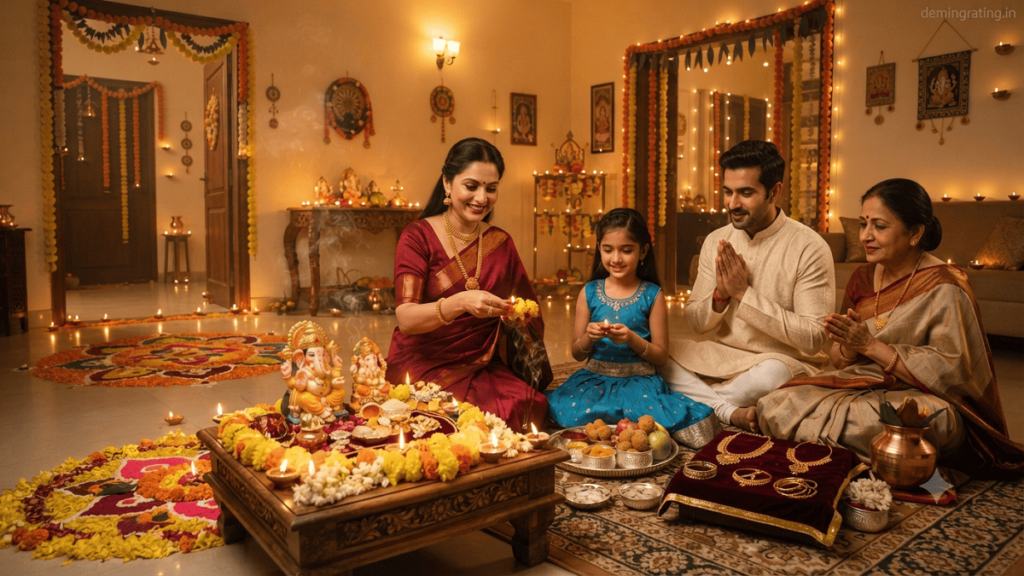
One of the most important customs of is cleaning and decorating homes and workplaces. People thoroughly clean their surroundings before the festival as cleanliness is considered essential for inviting prosperity and positive energy. Homes are decorated with flowers, colorful rangoli designs, decorative lights, and diyas (oil lamps). Many families create small footprints near the entrance, symbolizing the arrival of Goddess Lakshmi, the deity of wealth and prosperity.
A major ritual performed on is Lakshmi Puja, which takes place during the evening. Devotees worship Goddess Lakshmi by offering flowers, sweets, fruits, incense, and lighting lamps. Many people also worship Lord Kubera, the guardian of wealth, seeking blessings for financial stability and success. Special prayers are performed to remove negativity and invite abundance into life.
Another significant tradition is the worship of Lord Dhanvantari, the deity associated with Ayurveda and health. According to Hindu mythology, Lord Dhanvantari appeared during the Samudra Manthan carrying the nectar of immortality and the knowledge of Ayurveda. Therefore, is also considered a day to pray for good health and well-being.
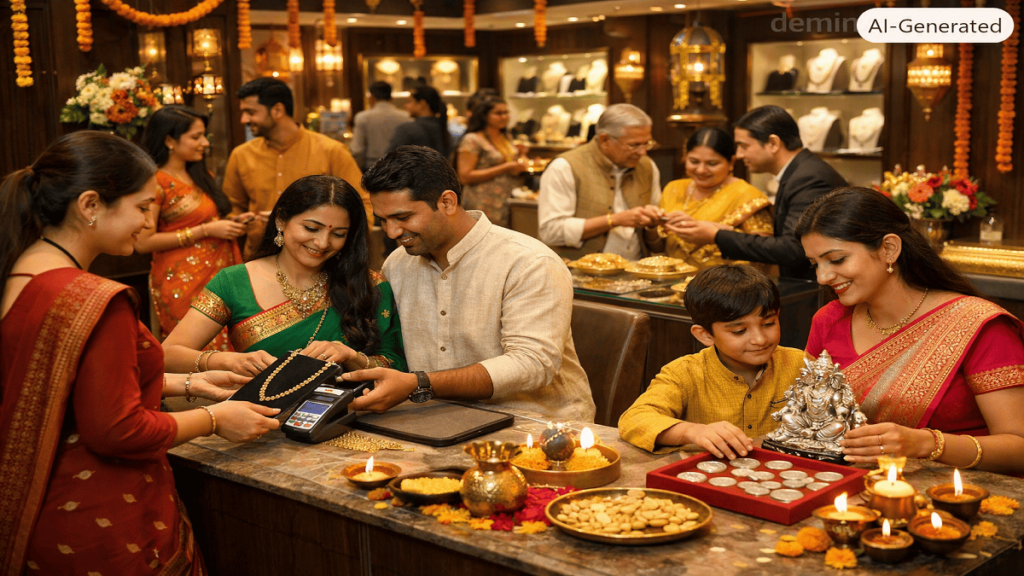
Purchasing new items is another widely followed custom. People often buy gold, silver coins, jewelry, utensils, vehicles, or household goods on this auspicious day. These purchases symbolize prosperity, good fortune, and the beginning of new opportunities. Businesses may also buy new equipment or start new financial activities during Dhanteras.
Lighting diyas is an important part of the celebration. Families place lamps around their homes, entrances, and temples to spread positivity and symbolize the victory of light over darkness. Some communities also follow the tradition of lighting a special lamp called Yam Deep, which is believed to protect the family from negative influences.
Food and sweets are also an important part of celebrations. Families prepare traditional dishes and share sweets with relatives, friends, and neighbors, strengthening social bonds and spreading happiness.
In conclusion, the rituals and customs of represent more than material prosperity. They reflect values such as cleanliness, gratitude, devotion, health, family unity, and hope for a prosperous future. Through prayers, decorations, purchases, and celebrations, continues to preserve India’s rich cultural and spiritual traditions.
How Do People Celebrate Dhanteras Across Different Regions of India?
Dhanteras, also known as Dhantrayodashi, is celebrated across India with great enthusiasm and devotion. While the central theme of the festival remains the worship of wealth, health, and prosperity, different regions of the country follow unique customs, traditions, and rituals based on their local cultures. The diversity in celebrations reflects India’s rich heritage while maintaining the common belief of welcoming good fortune and positivity.
North India
In North Indian states such as Uttar Pradesh, Rajasthan, Punjab, Haryana, and Delhi, is celebrated as the beginning of Diwali preparations. People clean and decorate their homes, create colorful rangoli designs, and light diyas to welcome Goddess Lakshmi. Evening prayers are performed with offerings of sweets, flowers, and lamps.
Buying gold, silver coins, jewelry, utensils, and new household items is a major tradition in these regions. Many business owners also perform Lakshmi Puja at their shops and offices to seek financial growth and success. Markets are decorated with lights, and there is increased activity in jewelry and retail sectors.
Western India
In states like Maharashtra, Gujarat, and Goa, holds special importance for business communities. Traders and entrepreneurs worship Goddess Lakshmi and Lord Kubera, seeking blessings for prosperity and success in their businesses. Many Gujarati families consider this period highly favorable for financial investments and purchasing valuable items.
In Maharashtra, people also worship Lord Dhanvantari and pray for good health. Traditional sweets and festive foods are prepared, and homes are decorated with lamps and flowers as part of Diwali celebrations.
South India
In Tamil Nadu, Karnataka, Andhra Pradesh, and Telangana, is associated with prosperity, health, and traditional values. Many families worship Lord Dhanvantari and perform rituals for good health and well-being. People clean their homes, purchase new items, and prepare traditional dishes.
In some South Indian communities, special importance is given to Ayurveda and wellness due to the connection of Dhanteras with Lord Dhanvantari, the deity of medicine and healing.
Eastern India
In states such as West Bengal, Odisha, and Bihar, is celebrated as part of the broader Diwali and Kali Puja preparations. People clean their homes, purchase new items, and light lamps to create a festive atmosphere. In some regions, special prayers are offered for prosperity and protection.
Central India
In states like Madhya Pradesh and Chhattisgarh, families celebrate by decorating homes, performing Lakshmi Puja, and buying utensils or precious items. Farmers and rural communities often consider the festival an opportunity to pray for prosperity, good harvests, and financial stability.
Modern Celebrations Across India
Today, Dhanteras celebrations have expanded beyond traditional rituals. Many people purchase electronic goods, vehicles, home appliances, and business equipment during this period. Online shopping platforms also offer special festive discounts, making the tradition accessible to a wider audience.
Despite regional differences, the core message of remains the same: welcoming prosperity, maintaining cleanliness, expressing gratitude, and beginning new ventures with positivity. The festival continues to unite people across India by celebrating the values of wealth, health, happiness, and cultural traditions.
What Are the Modern Trends and Importance of Dhanteras Celebrations?
Dhanteras, traditionally celebrated as a festival of wealth, health, and prosperity, has evolved significantly with changing lifestyles and modern consumer practices. While the core spiritual and cultural values of the festival remain unchanged, new trends have emerged that reflect advancements in technology, changing consumer behavior, and growing awareness of sustainability. Today, Dhanteras is celebrated not only through traditional rituals but also through modern approaches that combine cultural heritage with contemporary lifestyles.
One of the most noticeable modern trends is the increasing popularity of online shopping during Dhanteras. Many people now purchase gold, silver, electronics, home appliances, vehicles, and other valuable items through digital platforms. Online jewelry stores and e-commerce companies offer special discounts, digital payment options, and doorstep delivery, making festive shopping more convenient for consumers. This shift has expanded access to shopping beyond traditional markets.
Another important trend is the growing interest in digital gold and modern investment options. Along with buying physical gold and silver, many individuals are exploring digital gold, gold exchange-traded funds (ETFs), and other financial products as alternative ways to invest. These options allow people to participate in the tradition of wealth creation while adapting to modern financial practices.
Sustainability has also become an important aspect of contemporary celebrations. Many families are choosing eco-friendly decorations, energy-efficient lighting, reusable materials, and locally made products. This reflects a growing awareness of environmental responsibility while maintaining festive traditions. Businesses are also adopting sustainable packaging and environmentally conscious practices during the festival season.
Dhanteras has also gained importance as a time for business growth and new beginnings. Entrepreneurs, traders, and companies often consider the occasion auspicious for launching new ventures, purchasing equipment, expanding operations, or making strategic investments. The festival creates increased economic activity in sectors such as jewelry, retail, automobiles, real estate, and consumer goods.
Beyond material purchases, modern celebrations increasingly focus on health, family bonding, and emotional well-being. Since Dhanteras is associated with Lord Dhanvantari, many people use the occasion to prioritize health awareness, wellness practices, and gratitude. Families gather for prayers, share meals, exchange gifts, and strengthen relationships.
In conclusion, modern Dhanteras celebrations represent a blend of tradition, technology, sustainability, and economic development. While purchasing gold and valuable items remains an important custom, the festival’s deeper significance continues to focus on prosperity, health, positivity, and new opportunities. As society changes, Dhanteras continues to adapt while preserving its cultural and spiritual importance for future generations.
Case Study of Dhanteras: The Economic and Cultural Impact of Dhanteras Celebrations in India
Introduction
Dhanteras, also known as Dhantrayodashi, is one of the most important festivals in India and marks the beginning of the Diwali celebration period. Traditionally associated with wealth, health, and prosperity, Dhanteras has evolved into a major cultural and economic event. The festival influences consumer behavior, business activities, and social traditions across the country. This case study examines how Dhanteras contributes to cultural preservation, economic growth, and changing consumer trends in modern India.
Background
Dhanteras is celebrated on the thirteenth day of the Krishna Paksha in the Hindu month of Kartik. The festival is dedicated to Goddess Lakshmi, the deity of wealth and prosperity, and Lord Dhanvantari, the god of Ayurveda and health. Traditionally, people purchase gold, silver, utensils, and other valuable items on this day as these purchases are considered auspicious and symbolic of future prosperity.
Over time, Dhanteras has expanded beyond religious practices and has become an important period for industries such as jewelry, retail, automobiles, consumer electronics, and financial services.
Case Study: Growth of the Indian Jewelry and Retail Sector During Dhanteras
The jewelry industry provides one of the strongest examples of Dhanteras’ economic influence. Every year, millions of consumers purchase gold coins, silver items, jewelry, and investment products during the festival. Jewelry retailers prepare months in advance by launching festive collections, offering discounts, and introducing digital purchasing options.
Large jewelry brands and local jewelers use Dhanteras as an opportunity to strengthen customer relationships and increase sales. The tradition of buying precious metals continues because gold and silver are viewed not only as symbols of prosperity but also as long-term financial assets.
Digital Transformation of Dhanteras Shopping
A major change in recent years has been the growth of online shopping and digital payments. Consumers increasingly purchase gold, silver, electronics, and household products through e-commerce platforms. Digital gold investment options have also gained popularity, allowing people to participate in the tradition without physically purchasing gold.
This transformation has helped businesses reach customers in smaller cities and rural areas while providing greater convenience and transparency.
Impact on Businesses and Employment
Dhanteras creates significant economic activity across multiple sectors. Retailers, manufacturers, logistics companies, artisans, and service providers experience increased demand during the festive season. Jewelry makers, craftsmen, delivery workers, and retail employees benefit from seasonal employment opportunities.
Automobile companies, electronics manufacturers, and home appliance businesses also introduce special offers during Dhanteras, making it a major sales period for consumer markets.
Cultural Importance
Beyond economic benefits, Dhanteras plays an important role in preserving Indian cultural traditions. Families clean and decorate their homes, perform Lakshmi Puja, light diyas, and gather together to celebrate prosperity and happiness. The festival promotes values such as gratitude, generosity, family bonding, and hope for a successful future.
The connection with Lord Dhanvantari also highlights the importance of health and well-being, reminding people that true prosperity includes physical and mental wellness.
Challenges and Changing Trends
Although Dhanteras continues to grow in popularity, changing consumer habits have introduced new challenges. Increased consumerism can sometimes shift attention away from the spiritual meaning of the festival. Rising gold prices may also affect purchasing decisions for some families.
To address these changes, many consumers are adopting sustainable practices, choosing meaningful purchases, supporting local artisans, and exploring alternative investment options.
Conclusion
The case study of Dhanteras demonstrates how a traditional festival can influence both cultural identity and economic development. From jewelry and retail growth to digital transformation and sustainable celebrations, Dhanteras continues to adapt to modern lifestyles while maintaining its historical significance. The festival represents a balance between tradition and progress, celebrating prosperity, health, family values, and new beginnings.
Relevant External Resources:
- Ministry of Culture, Government of India: https://www.indiaculture.gov.in
- Incredible India – Indian Festivals: https://www.incredibleindia.gov.in
- World Gold Council – Gold Market Information: https://www.gold.org
- Reserve Bank of India – Financial Awareness: https://www.rbi.org.in
- Government of India – Digital India Initiative: https://www.digitalindia.gov.in
White Paper on Dhanteras: Cultural Significance, Economic Impact, and Modern Evolution
Executive Summary
Dhanteras, also known as Dhantrayodashi, is one of the most significant festivals in Indian culture and marks the beginning of the five-day Diwali celebration. Traditionally associated with wealth, prosperity, health, and new beginnings, Dhanteras has evolved into a festival that combines religious traditions with modern economic activities. The festival influences various sectors, including jewelry, retail, automobiles, consumer goods, financial services, and e-commerce.
This white paper explores the historical background, cultural importance, traditional practices, economic impact, modern trends, challenges, and future outlook of Dhanteras. It highlights how this festival continues to preserve cultural heritage while adapting to changing consumer behavior, digital transformation, and sustainable practices.
1. Introduction
Dhanteras is celebrated on the thirteenth day of the Krishna Paksha in the Hindu month of Kartik and marks the beginning of Diwali festivities. The word “Dhanteras” is derived from “Dhan,” meaning wealth, and “Teras,” meaning the thirteenth day of the lunar calendar.
The festival is dedicated to Goddess Lakshmi, the deity of wealth and prosperity, and Lord Dhanvantari, the deity associated with Ayurveda and health. People celebrate Dhanteras by cleaning homes, performing prayers, lighting diyas, purchasing valuable items, and seeking blessings for prosperity and well-being.
Over time, Dhanteras has transformed from a primarily religious celebration into a major cultural and economic event that impacts consumer markets across India.
2. Historical and Cultural Background
According to Hindu traditions, Lord Dhanvantari emerged during the Samudra Manthan (churning of the ocean) carrying the nectar of immortality and the knowledge of Ayurveda. This connection makes Dhanteras a symbol of health, longevity, and wellness.
The worship of Goddess Lakshmi during Dhanteras represents the desire for financial stability, abundance, and success. The tradition of purchasing gold, silver, and new items is based on the belief that acquiring valuable possessions on this auspicious day brings prosperity throughout the year.
The festival also emphasizes cleanliness and preparation, as homes and workplaces are decorated to welcome positive energy and divine blessings.
3. Traditional Practices and Rituals
Dhanteras celebrations include several important customs:
Cleaning and Decoration
Families clean their homes and workplaces before the festival. Entrances are decorated with rangoli, flowers, and diyas to create a welcoming atmosphere.
Lakshmi Puja
Devotees perform evening prayers dedicated to Goddess Lakshmi. Offerings such as flowers, sweets, fruits, and lamps are used during the rituals.
Worship of Lord Dhanvantari
Many people pray for good health and wellness by worshiping Lord Dhanvantari, highlighting the connection between prosperity and physical well-being.
Purchasing New Items
Buying gold, silver, utensils, vehicles, and household products is considered auspicious. These purchases symbolize growth, success, and new beginnings.
4. Economic Impact of Dhanteras
Dhanteras plays an important role in India’s festive economy. It generates significant business activity across multiple industries.
Jewelry Industry
The jewelry sector experiences increased demand during Dhanteras as consumers purchase gold coins, silver items, and ornaments. Jewelers introduce special collections, offers, and investment options to attract customers.
Retail and Consumer Goods
Retail businesses benefit from increased sales of electronics, appliances, home products, and lifestyle goods. Many companies launch festive campaigns and discounts during this period.
Automobile Sector
Dhanteras is considered an auspicious time for purchasing vehicles. Automobile companies often see increased bookings and sales during the festival season.
E-Commerce Growth
Digital platforms have transformed Dhanteras shopping by offering online purchasing options, digital payments, and doorstep delivery. Consumers can now buy gold, electronics, and other products through online marketplaces.
5. Modern Trends in Dhanteras Celebrations
Digital Gold Investment
Modern consumers are increasingly exploring digital gold and other investment options. These alternatives allow people to participate in traditional wealth-related practices with greater flexibility.
Online Shopping
E-commerce platforms have expanded access to Dhanteras shopping. Consumers from smaller cities and rural areas can now purchase products online with convenience.
Sustainable Celebrations
Environmental awareness has influenced modern celebrations. Many families are adopting eco-friendly decorations, energy-efficient lighting, and locally produced products.
Health and Wellness Focus
The association of Dhanteras with Lord Dhanvantari has encouraged greater focus on health awareness, wellness practices, and preventive healthcare.
6. Social and Cultural Importance
Dhanteras strengthens family relationships and community connections. Families gather for prayers, exchange gifts, share meals, and participate in traditional activities.
The festival promotes values such as:
- Gratitude for existing blessings.
- Responsible use of wealth.
- Respect for cultural traditions.
- Importance of health and happiness.
- Hope for future prosperity.
Dhanteras also provides opportunities for supporting local businesses, artisans, and traditional craftsmen.
7. Challenges and Changing Perspectives
Despite its cultural and economic importance, Dhanteras faces certain challenges:
Rising Consumerism
The increasing focus on expensive purchases can sometimes overshadow the spiritual meaning of the festival.
Changing Economic Conditions
Gold prices, inflation, and financial uncertainties may influence consumer purchasing decisions.
Environmental Concerns
Excessive use of decorations, packaging waste, and resource consumption highlight the need for more sustainable celebrations.
Preservation of Traditions
With changing lifestyles, maintaining traditional customs among younger generations requires awareness and cultural education.
8. Future Outlook
The future of Dhanteras will likely involve a balance between tradition and modernization. Digital platforms, sustainable practices, and innovative financial products will continue shaping how people celebrate the festival.
Future trends may include:
- Increased adoption of digital gold and online investments.
- Growth of sustainable festive products.
- Greater participation through digital platforms.
- Support for local artisans and handmade products.
- Integration of health and wellness themes.
As society evolves, Dhanteras is expected to remain a meaningful festival that combines cultural heritage with modern economic practices.
Conclusion
Dhanteras represents the connection between tradition, prosperity, health, and economic development. While its roots are deeply connected to Hindu culture and religious beliefs, the festival has expanded into a major social and commercial event. Through rituals, shopping traditions, business activities, and family celebrations, Dhanteras continues to influence Indian society in meaningful ways.
The future of Dhanteras lies in maintaining its cultural significance while embracing responsible consumption, digital innovation, and sustainable practices. By balancing material prosperity with spiritual values, the festival will continue to inspire generations with its message of health, happiness, and abundance.
References
- Ministry of Culture, Government of India: https://www.indiaculture.gov.in
- Incredible India – Festivals of India: https://www.incredibleindia.gov.in
- World Gold Council: https://www.gold.org
- Reserve Bank of India: https://www.rbi.org.in
- Digital India Initiative: https://www.digitalindia.gov.in
Industry Applications and Economic Impact of Dhanteras
Dhanteras is traditionally known as a festival celebrating wealth, prosperity, and new beginnings, but it also has significant applications across various industries. The festival creates increased economic activity and influences consumer behavior in sectors such as jewelry, retail, automobiles, banking, e-commerce, healthcare, and small businesses. As one of the most important shopping occasions in India, Dhanteras provides businesses with opportunities to increase sales, introduce new products, and strengthen customer relationships.
1. Jewelry Industry
The jewelry industry experiences one of the biggest impacts during Dhanteras. Buying gold, silver, coins, and jewelry is considered auspicious, making this period highly important for jewelers. Retailers launch festive collections, offer special promotions, and introduce investment-focused products to attract customers.
Gold and silver purchases during Dhanteras are not only linked to tradition but are also viewed as long-term investments. Jewelry brands use this occasion to build customer trust and increase market presence through personalized services, digital platforms, and festive campaigns.
2. Retail and Consumer Goods Industry
Dhanteras significantly boosts the retail sector as consumers purchase new household items, electronics, kitchen equipment, furniture, and lifestyle products. Many retailers offer festive discounts and special packages to encourage customer spending.
Home appliance companies, electronics brands, and consumer goods manufacturers consider Dhanteras an important sales period because customers often choose this occasion for upgrading household products and making valuable purchases.
3. Automobile Industry
The automobile industry benefits greatly from Dhanteras as many consumers consider purchasing vehicles on this auspicious day. Car and two-wheeler manufacturers introduce festive offers, financing schemes, and special deals to increase sales.
Vehicle purchases during Dhanteras are associated with prosperity and success, making the festival an important period for automobile dealerships and manufacturers.
4. Banking and Financial Services
Banks and financial institutions play an important role during Dhanteras by offering services related to wealth management, loans, investments, and digital payment solutions. Many customers explore financial products such as gold investment plans, fixed deposits, insurance policies, and digital investment options during the festive season.
Financial institutions also promote secure digital transactions and encourage responsible financial planning during this period.
5. E-Commerce Industry
The growth of online shopping has transformed Dhanteras celebrations. E-commerce platforms provide customers with convenient access to gold, electronics, home products, fashion items, and other festive purchases.
Digital payment systems, online discounts, and doorstep delivery services have expanded the reach of Dhanteras shopping. Businesses use data analytics and digital marketing campaigns to understand customer preferences and improve sales performance.
6. Healthcare and Wellness Industry
Dhanteras is also connected with health and wellness due to the worship of Lord Dhanvantari, the deity associated with Ayurveda and medicine. This connection creates opportunities for healthcare, Ayurveda, wellness, and pharmaceutical industries.
Many people use the occasion to purchase health products, wellness equipment, and traditional Ayurvedic items. Healthcare organizations also promote awareness about preventive care and healthy lifestyles during the festive period.
7. Small Businesses and Local Artisans
Dhanteras provides significant support to small businesses, craftsmen, and local sellers. Potters, decorative item makers, flower vendors, sweet shops, and traditional artisans experience increased demand during the festival.
Supporting local businesses during Dhanteras helps preserve traditional skills while contributing to local economic growth.
8. Marketing and Advertising Industry
Dhanteras has become a major marketing opportunity for brands across industries. Companies create festive advertising campaigns, promotional offers, and customer engagement strategies to connect with consumers.
Businesses use social media, influencer marketing, and digital advertising to increase brand visibility and attract customers during the festive season.
Conclusion
The industry applications of Dhanteras extend far beyond religious celebrations. The festival acts as a major economic driver by increasing demand across jewelry, retail, automobiles, finance, e-commerce, healthcare, and small businesses. It creates opportunities for businesses to grow while allowing consumers to celebrate prosperity and new beginnings.
As consumer behavior continues to evolve, Dhanteras will remain an important period for economic activity, combining traditional values with modern business practices and digital innovation.
Ask FAQs
What is the significance of Dhanteras?
Dhanteras, also known as Dhantrayodashi, is an important Hindu festival that marks the beginning of Diwali celebrations. It is associated with wealth, prosperity, health, and new beginnings. People worship Goddess Lakshmi, the deity of wealth, and Lord Dhanvantari, the god of Ayurveda and health. The festival symbolizes the importance of financial stability, well-being, gratitude, and positive energy.
Why do people buy gold, silver, and new items on Dhanteras?
Buying gold, silver, utensils, and other new items on Dhanteras is considered auspicious and is believed to bring prosperity and good fortune. Gold and silver are traditionally viewed as symbols of wealth, purity, and long-term financial security. Many people also purchase household goods, vehicles, or business equipment to mark new beginnings and invite success.
What rituals are performed during Dhanteras?
During Dhanteras, people clean and decorate their homes, create rangoli designs, light diyas, and perform Lakshmi Puja in the evening. Devotees offer flowers, sweets, fruits, and prayers to Goddess Lakshmi and Lord Dhanvantari. Many families also worship Lord Kubera, the guardian of wealth, and pray for financial growth, health, and happiness.
How does Dhanteras impact businesses and industries?
Dhanteras creates significant economic activity across industries such as jewelry, retail, automobiles, banking, e-commerce, and consumer goods. Jewelry stores experience increased demand for gold and silver products, while retailers offer festive discounts on electronics, appliances, and household items. The festival also supports small businesses, artisans, and local markets by increasing consumer spending.
How are modern Dhanteras celebrations changing?
Modern Dhanteras celebrations combine traditional customs with digital innovation and changing consumer habits. People increasingly purchase products through online platforms, invest in digital gold, use digital payment methods, and choose eco-friendly decorations. Businesses also use digital marketing, festive campaigns, and sustainable practices to connect with modern consumers while preserving the cultural importance of the festival.
Table of Contents
Disclaimer:
This content is for informational and cultural awareness purposes only. Traditions and customs of Dhanteras may vary across different regions and communities. Readers are encouraged to follow their personal beliefs and consult reliable sources for specific practices.