Mukesh Singh

green non toxic material design and development

green non toxic material design and development ? Designing and developing green, non-toxic materials is crucial in creating sustainable products that are safe for both people and the environment. The process typically involves several key considerations, ranging from material selection to production methods, with a strong focus on minimizing environmental impact. Here’s a guide to developing green, non-toxic materials: 1. Material Selection 2. Production Processes 3. Life Cycle Analysis (LCA) 4. Health and Safety Considerations 5. Innovation in Material Development 6. Certifications and Standards 7. Packaging and Disposal 8. Collaboration with Experts By focusing on these principles, businesses and designers can create materials that align with sustainability goals while contributing to a healthier environment What is green non toxic material design and development ? Green non-toxic material design and development refers to the process of creating materials that are environmentally friendly (green) and safe for human health (non-toxic) throughout their entire life cycle—from production to disposal. This approach prioritizes sustainability, minimizing harm to both people and the planet. Key Aspects of Green Non-Toxic Material Design and Development: Benefits of Green Non-Toxic Material Design and Development: Examples of Green Non-Toxic Materials: In summary, green non-toxic material design and development focuses on creating materials that are both environmentally responsible and safe for human health. This approach supports sustainable practices while minimizing the risks associated with toxic substances. Who is required green non toxic material design and development ? The development and use of green, non-toxic materials are required by various stakeholders across industries, organizations, and sectors that are committed to environmental sustainability, consumer health, and regulatory compliance. These requirements arise from both market demand and legal standards. Here’s who benefits from or is required to engage in green non-toxic material design and development: 1. Manufacturers and Product Developers 2. Government and Regulatory Bodies 3. Consumers 4. Retailers and Suppliers 5. Designers and Architects 6. Healthcare Industry 7. Environmental NGOs and Advocacy Groups 8. Academia and Research Institutions 9. Governments and Public Sector Projects 10. Investors and Financial Institutions In summary, green non-toxic material design and development is increasingly required by a diverse group of stakeholders, including manufacturers, consumers, regulatory agencies, designers, and even financial institutions. As awareness of environmental and health concerns grows, the demand for safer, sustainable materials continues to increase across various sectors. When is required green non toxic material design and development ? Green non-toxic material design and development is required at various stages in the product lifecycle, especially as businesses and industries become more aware of environmental issues, consumer health, and regulatory pressures. The need for such materials arises under the following circumstances: 1. At the Start of Product Design 2. When Developing New Products 3. For Regulatory Compliance 4. When Retrofitting or Renovating Existing Products or Infrastructure 5. When Pursuing Green Certifications or Eco Labels 6. When Addressing Environmental Impact and Sustainability Goals 7. When Facing Public Scrutiny or Legal Action 8. In Response to Market Trends 9. During Product Life Cycle Management 10. When Developing Eco-Friendly Packaging 11. When Dealing with Hazardous Chemical Substitution 12. During Crisis or Environmental Awareness Campaigns In summary, green non-toxic material design and development is required throughout the entire product life cycle — from the design phase to production, to meeting regulatory standards, to addressing market demand for safer and more sustainable products. This is an ongoing process as industries shift towards more sustainable and consumer-conscious practices. COURTESY : Going Green Where is required green non toxic material design and development ? Green non-toxic material design and development are required across a wide range of industries and sectors where materials and products impact both human health and the environment. These materials are used in various locations, including product manufacturing, construction, consumer goods, and more. Here’s where green non-toxic material design and development are particularly required: 1. Construction and Building Industry 2. Consumer Goods Manufacturing 3. Automotive Industry 4. Textile and Apparel Industry 5. Electronics and Electrical Industry 6. Healthcare Industry 7. Packaging Industry 8. Furniture and Interior Design 9. Agriculture and Food Industries 10. Industrial Applications 11. Transportation 12. Renewable Energy Sector 13. Public Sector Projects 14. Consumer Electronics and IT Products 15. Research and Education 16. Product Recycling and Disposal 17. Entertainment Industry In conclusion, green non-toxic material design and development are required across virtually all industries, from manufacturing to healthcare, construction, and transportation. It is essential wherever products or services have the potential to impact human health or the environment. The design and development of green non-toxic materials require a comprehensive approach that integrates sustainability, health safety, and environmental responsibility. The process involves several key steps, methodologies, and considerations to ensure that the materials used are safe, environmentally friendly, and non-toxic. Here’s an outline of how this can be achieved: How is required green non toxic material design and development ? 1. Material Selection 2. Design Process 3. Material Processing and Synthesis 4. Testing and Safety Standards 5. Sustainable Manufacturing Practices 6. Recyclability and End-of-Life Considerations 7. Collaboration and Innovation 8. Consumer Education and Transparency 9. Sustainability Certifications 10. Market Adoption and Scaling Conclusion: Green non-toxic material design and development is a multi-disciplinary process that requires innovation, careful material selection, sustainable manufacturing practices, safety testing, and compliance with regulations. The goal is to create products and materials that are safe for human health, environmentally friendly, and sustainable throughout their lifecycle. Collaboration between industry stakeholders, researchers, and consumers is critical for advancing this field. Case study is green non toxic material design and development ? Case Study: Green Non-Toxic Material Design and Development Project Title: Development of Eco-friendly, Non-Toxic Packaging Materials Company: GreenPack Solutions Pvt. Ltd. (Hypothetical company focused on sustainable packaging solutions) Background GreenPack Solutions Pvt. Ltd. is a company focused on creating sustainable packaging solutions using green, non-toxic materials. The company’s mission is to reduce environmental harm caused by conventional plastic packaging, which contains harmful chemicals such as phthalates, bisphenol A (BPA), and other toxic additives. Traditional packaging materials are difficult to recycle, contributing to significant plastic

green non toxic material design and development Read More »

 Green non -toxic material white paper

 Green non -toxic material white paper ? A “green non-toxic material white paper” typically refers to a detailed document (white paper) that outlines the properties, benefits, applications, and considerations of a green material that is non-toxic. This could cover a variety of materials that are environmentally friendly and safe for human health. Here’s a breakdown of what such a white paper might include: 1. Introduction 2. Definition of Green Non-Toxic Materials 3. Types of Green Non-Toxic Materials 4. Environmental Benefits 5. Human Health Benefits 6. Applications 7. Challenges and Considerations 8. Future Trends 9. Conclusion Would you like more details on any specific green materials or industries where they are used? What is Green non -toxic material white paper ? A “Green Non-Toxic Material White Paper” is a comprehensive report or document that discusses materials that are both environmentally friendly (“green”) and safe for human health (“non-toxic”). It provides in-depth information on these materials, their properties, benefits, and applications, often with a focus on promoting sustainable practices in industries and product manufacturing. Key Characteristics of a Green Non-Toxic Material White Paper: Common Features of a Green Non-Toxic Material White Paper: Purpose: The purpose of a green non-toxic material white paper is to educate stakeholders such as businesses, consumers, policymakers, and researchers about the importance of switching to safer and more sustainable materials. It serves as a guide for decision-making, policy development, and product innovation that supports both human health and environmental protection. Would you like more specific examples or a detailed breakdown of any section within such a white paper? Who is required Green non -toxic material white paper ? A Green Non-Toxic Material White Paper is typically required by various stakeholders who are involved in or influenced by the use of sustainable, non-toxic materials. These stakeholders are interested in the environmental, health, and economic benefits that such materials bring. Here are the key groups that may need or benefit from such a white paper: 1. Businesses and Manufacturers 2. Regulatory Authorities and Policymakers 3. Investors and Financial Institutions 4. Research and Development (R&D) Teams 5. Consumers and Consumer Advocacy Groups 6. Certification and Standards Organizations 7. Construction and Architecture Professionals 8. Retailers and Suppliers 9. Waste Management and Recycling Companies 10. Health and Wellness Experts Summary: In essence, the Green Non-Toxic Material White Paper is a vital resource for any organization, individual, or group working with, developing, or promoting materials that are both environmentally sustainable and safe for human health. It provides insights that help inform decisions in design, manufacturing, regulation, marketing, and investment, all of which contribute to building a more sustainable and healthier world. When is required Green non -toxic material white paper ? A Green Non-Toxic Material White Paper is required in various situations, particularly when there is a need to make informed decisions or guide the adoption of sustainable, non-toxic materials. The document serves as a resource in the following contexts: 1. Product Development and Design 2. Sustainability Initiatives and Corporate Responsibility 3. Regulatory Compliance 4. Marketing and Consumer Education 5. Research and Development 6. Industry Shifts and Trends 7. Supply Chain Management 8. Consumer Safety and Health Concerns 9. Environmental Impact Studies 10. Educational and Awareness Campaigns 11. Investor or Funding Decisions 12. Market Research and Feasibility Studies Conclusion: In summary, a Green Non-Toxic Material White Paper is required whenever there is a need for detailed, research-backed insights into green materials—whether for product development, sustainability initiatives, regulatory compliance, consumer education, or strategic decision-making. It is an essential document for organizations aiming to adopt safer, environmentally friendly materials in their products and processes. COURTESY : Tulika’s Handicrafts Where is required Green non -toxic material white paper ? A Green Non-Toxic Material White Paper is required in various industries, sectors, and organizations, particularly where the adoption of sustainable, eco-friendly, and non-toxic materials is crucial. Here’s a breakdown of where such a white paper is needed: 1. Manufacturing and Production Facilities 2. Retail and E-Commerce 3. Health and Safety Sectors 4. Government and Regulatory Agencies 5. Consumer Goods Industry 6. Construction and Architecture Firms 7. Educational Institutions and Research Centers 8. Product Development and R&D Teams 9. Environmental Consulting Firms 10. Investment and Funding Bodies 11. Waste Management and Recycling Facilities 12. Marketing and Communications Agencies 13. Product Certification and Standards Organizations Conclusion: A Green Non-Toxic Material White Paper is required in a wide range of sectors where the adoption of sustainable, safe, and eco-friendly materials is critical. This includes industries such as manufacturing, retail, construction, healthcare, environmental protection, and product development, as well as regulatory bodies, research institutions, and investment entities that focus on green and sustainable practices. The white paper serves as an essential resource for guiding decision-making, compliance, product design, and market strategies in these areas. How is required Green non -toxic material white paper ? A Green Non-Toxic Material White Paper is required to provide a comprehensive, research-backed document that outlines the benefits, applications, and guidelines for using non-toxic, eco-friendly materials. The white paper serves as a vital resource for decision-makers, stakeholders, and professionals in various industries who are exploring or transitioning to green, sustainable, and non-toxic materials. Here’s how the white paper is required and used across different sectors: 1. Research and Development 2. Policy Making and Regulatory Compliance 3. Corporate Strategy and Sustainability 4. Health and Safety Guidelines 5. Public Awareness and Education 6. Marketing and Communication 7. Industry and Sector-Specific Applications 8. Environmental and Waste Management 9. Business Risk Management 10. Investment and Funding Decisions Conclusion: A Green Non-Toxic Material White Paper is required to provide actionable, research-based insights on the use, benefits, and implementation of non-toxic, eco-friendly materials. It is necessary across a range of sectors including research and development, policy making, corporate sustainability, health and safety, marketing, and more. The white paper helps inform decisions, ensure compliance, build consumer trust, and drive the transition to sustainable practices within industries, thus making it a vital tool in the promotion of non-toxic, environmentally responsible materials. Case study is Green

 Green non -toxic material white paper Read More »

Green innovation white paper

Green innovation white paper ? A Green Innovation White Paper is a detailed document that presents and discusses sustainable technologies, practices, and ideas aimed at promoting environmental protection and reducing the ecological footprint of businesses, industries, or societies. It typically serves as a research or policy guide for decision-makers, stakeholders, and organizations seeking to integrate green innovations into their operations. The key elements typically covered in a Green Innovation White Paper include: 1. Introduction to Green Innovation 2. The Environmental and Economic Benefits 3. Technological Advancements and Green Innovations 4. Case Studies 5. Challenges and Barriers 6. Government Policies and Regulations 7. Strategic Recommendations 8. Conclusion 9. References and Resources Purpose: Green innovation white papers are often used by consultants, environmental organizations, research institutions, and governmental bodies to influence industry practices and foster a transition toward a sustainable economy. What is Green innovation white paper ? A Green Innovation White Paper is a comprehensive document that discusses sustainable technologies, practices, and strategies aimed at addressing environmental challenges and promoting sustainability. It is typically written by experts, research institutions, or organizations to inform and guide stakeholders, such as businesses, policymakers, and the general public, on the importance of adopting green innovations. Key Aspects of a Green Innovation White Paper: Purpose: In summary, a Green Innovation White Paper is an authoritative document that provides insights into how innovation can drive environmental sustainability, offering both theoretical frameworks and practical recommendations for organizations and governments to consider in their environmental strategies Who is required Green innovation white paper ? A Green Innovation White Paper is typically required by several stakeholders who are involved in or impacted by sustainability, innovation, and environmental practices. These stakeholders use the white paper to inform their decision-making, shape policies, or guide their corporate strategies. Key groups who may require or benefit from a Green Innovation White Paper include: 1. Government Agencies and Policymakers: 2. Corporations and Businesses: 3. Environmental Organizations and NGOs: 4. Investors and Financial Institutions: 5. Industry Associations and Trade Groups: 6. Academia and Research Institutions: 7. Consulting Firms: 8. Product Developers and Innovators: 9. Consumers and Community Groups: 10. Media and Journalists: 11. International Organizations and Trade Bodies: 12. Regulatory Authorities and Standardization Bodies: In summary, anyone involved in the development, regulation, investment, or implementation of sustainable practices and technologies may require a Green Innovation White Paper to inform their actions, decisions, and strategies for a greener future. When is required Green innovation white paper ? A Green Innovation White Paper is required at various stages depending on the goals of the organization, policy-making process, or project involved. Below are the key scenarios when a green innovation white paper is typically required: 1. Policy Development and Regulatory Planning 2. Corporate Sustainability Strategy 3. Research and Development (R&D) Initiatives 4. Investment and Funding Decisions 5. Environmental and Corporate Reporting 6. Public Awareness and Advocacy 7. International Collaboration and Agreements 8. Launching or Scaling Green Innovations 9. Industry Trend Analysis and Forecasting 10. Collaborative Research or Partnership Formation In Summary: A Green Innovation White Paper is required when there is a need for: It acts as a critical resource when navigating the complexities of integrating green innovations in various contexts, from policymaking and corporate strategy to R&D and investment. COURTESY : Green Paper Products Where is required Green innovation white paper ? A Green Innovation White Paper is required in various locations or sectors where green technologies, sustainable practices, and environmental innovation are being discussed, planned, or implemented. These include: 1. Government Offices and Regulatory Agencies 2. Corporate and Business Headquarters 3. Research Institutions and Universities 4. Investment and Financial Institutions 5. Environmental NGOs and Advocacy Groups 6. Consulting Firms and Advisory Services 7. Industry Associations and Trade Organizations 8. International Organizations and Global Bodies 9. Public and Private Sector Collaborative Projects 10. Conferences, Forums, and Industry Events 11. Corporate Sustainability Reports and Environmental Documentation 12. Technology Incubators and Accelerators 13. Green Innovation and Clean Tech Industry Hubs 14. Community and Public Engagement Initiatives In Summary: A Green Innovation White Paper is required wherever there is a need to address environmental issues, promote sustainability, or support the development and adoption of green technologies. This includes: In all these locations, a white paper provides a detailed, evidence-based framework for informed decision-making, policy development, and the implementation of green innovations. How is required Green innovation white paper ? The Green Innovation White Paper is required as a comprehensive, authoritative document that outlines critical information, research findings, strategic plans, and actionable recommendations on green innovations. The format and structure of such a white paper can vary depending on the target audience and purpose. However, the general requirements for a Green Innovation White Paper typically include the following: 1. Clear Objectives and Purpose 2. Comprehensive Research and Evidence 3. In-Depth Analysis of Green Innovations 4. Strategic Recommendations 5. Collaborative and Interdisciplinary Approach 6. Technological, Economic, and Social Feasibility 7. Practical Case Studies and Examples 8. Clear Structure and Presentation 9. Alignment with Global Goals and Frameworks 10. Executive and Expert Endorsements 11. Actionable Metrics and Follow-up In Summary: A Green Innovation White Paper is required to be: The white paper should ultimately serve as a catalyst for informed decision-making, guiding stakeholders on the adoption and scaling of green innovations to help address pressing environmental challenges. Case study is Green innovation white paper ? A case study can be an important component of a Green Innovation White Paper, but they are not the same thing. Here’s how they relate and differ: Green Innovation White Paper: Case Study: How a Case Study Fits in a Green Innovation White Paper: Example: If a Green Innovation White Paper is focused on promoting the adoption of solar energy, a case study within the paper could describe: Conclusion: COURTESY : Industrial Workshop UGM White paper on Green innovation white paper ? A White Paper on Green Innovation is a detailed, authoritative document that provides an in-depth analysis of green innovations and their role in addressing environmental challenges.

Green innovation white paper Read More »

green innovation design entrepreneur

green innovation design entrepreneur ? A green innovation design entrepreneur is someone who focuses on creating new products, services, or technologies that not only solve a problem but also contribute positively to the environment. They aim to integrate sustainability into their business models by utilizing renewable resources, reducing waste, or improving efficiency in energy use, manufacturing, and product life cycles. Here are some key aspects of such an entrepreneur: 1. Sustainable Design 2. Innovative Solutions 3. Circular Economy Approach 4. Collaboration and Impact 5. Examples of Green Innovation In summary, green innovation design entrepreneurs combine creativity, business acumen, and a deep commitment to sustainability to make a positive difference in the world while addressing key environmental challenges. They are often at the forefront of the transition toward more sustainable economies and lifestyles. What is green innovation design entrepreneur ? A green innovation design entrepreneur is an individual who creates, develops, and markets environmentally sustainable products, services, or technologies. Their focus is on green innovation—a term that refers to innovative solutions aimed at solving environmental challenges, such as climate change, resource depletion, and pollution, while also providing economic and social value. These entrepreneurs design new systems, products, or services that integrate sustainability into every aspect of their creation, from production to disposal, aiming to minimize negative impacts on the environment. Here’s a breakdown of what it entails: Key Features of a Green Innovation Design Entrepreneur: Examples of Green Innovation: Impact: Green innovation design entrepreneurs drive positive change by addressing environmental issues, creating market demand for sustainable products, and encouraging other businesses to adopt greener practices. Their work not only contributes to environmental protection but also opens up new business opportunities in emerging markets for green technologies. In essence, these entrepreneurs are a key part of the green economy, leading the way toward a more sustainable future. Who is required green innovation design entrepreneur ? A green innovation design entrepreneur is needed by a variety of stakeholders who are seeking to address pressing environmental challenges, meet sustainability goals, and promote green technologies. Here’s a breakdown of the groups and sectors that require the expertise and contributions of these entrepreneurs: 1. Government Agencies and Policy Makers 2. Businesses and Corporations 3. Consumers and Environmental Advocacy Groups 4. Investors and Green Investment Funds 5. Environmental and Sustainability-focused NGOs 6. Local Communities and Urban Planners 7. Educational Institutions and Research Organizations 8. Startups and New Enterprises 9. International Organizations and Climate Change Initiatives Conclusion: In summary, green innovation design entrepreneurs are required by governments, businesses, NGOs, investors, local communities, and startups—anyone with a vested interest in addressing environmental issues, driving sustainable development, and fostering a greener economy. Their work is essential in creating innovative solutions that balance environmental responsibility with economic growth, making them a critical part of the ongoing global transition to sustainability. When is required green innovation design entrepreneur ? A green innovation design entrepreneur is required at several crucial moments when businesses, governments, organizations, or society at large are facing specific environmental, economic, or technological challenges. These entrepreneurs play a pivotal role in helping to address the following situations: 1. When New Environmental Regulations Are Introduced 2. When Sustainability Goals Need to Be Achieved 3. When There Is a Rising Consumer Demand for Sustainable Products 4. When New Markets for Green Technologies Are Emerging 5. When Tackling Climate Change and Global Environmental Crises 6. When Businesses Want to Enhance Their Corporate Social Responsibility (CSR) Efforts 7. When Investment in Green Technologies Is Increasing 8. When Cities and Urban Areas Are Facing Sustainability Challenges 9. When There Is a Need for Disruptive Solutions in Traditional Industries 10. When Communities Are Struggling with Environmental Issues Conclusion: Green innovation design entrepreneurs are required: Their innovation is crucial at times when sustainability becomes a central focus for industries, governments, and society, driving the transition toward a more sustainable, eco-friendly future. COURTESY : Top Picks Network Where is required green innovation design entrepreneur ? A green innovation design entrepreneur is needed in a variety of sectors and regions where sustainability, environmental challenges, and economic development intersect. These entrepreneurs are required across multiple domains to address pressing environmental issues, meet growing demands for sustainable products and services, and contribute to the green economy. 1. Renewable Energy Sector 2. Urban Areas and Smart Cities 3. Agriculture and Food Industry 4. Waste Management and Circular Economy 5. Transportation and Electric Vehicles (EVs) 6. Manufacturing and Industrial Sectors 7. Building and Construction Industry 8. Healthcare and Medical Industry 9. Technology and IT 10. Water Conservation and Management 11. Eco-tourism and Sustainable Travel 12. Educational Institutions and Research Facilities 13. NGOs and International Organizations Conclusion: A green innovation design entrepreneur is required globally in regions where environmental challenges intersect with economic opportunities. These entrepreneurs are essential in both developed and developing regions, helping create solutions that contribute to a sustainable future through innovations in energy, agriculture, manufacturing, construction, transportation, waste management, and more. Their work is critical in advancing global sustainability goals and reducing humanity’s environmental impact. How is required green innovation design entrepreneur ? A green innovation design entrepreneur is required in a variety of ways to address environmental challenges, promote sustainability, and foster the development of eco-friendly products, services, and solutions. Their role and expertise are needed to drive innovation in several areas: 1. Sustainable Product Development 2. Implementing Circular Economy Models 3. Creating Green Technologies for Energy Efficiency 4. Developing Renewable Energy Solutions 5. Water Conservation and Management Solutions 6. Sustainable Agriculture Practices 7. Green Building and Construction Solutions 8. Waste Reduction and Recycling Technologies 9. Sustainable Transportation Solutions 10. Environmental Impact Assessment and Sustainability Planning 11. Raising Awareness and Educating Stakeholders 12. Developing Green Financing Models 13. Disrupting Traditional Industries Conclusion: A green innovation design entrepreneur is required to create, develop, and implement sustainable solutions across a wide range of industries, including energy, agriculture, transportation, manufacturing, and waste management. These entrepreneurs contribute by designing products, technologies, and systems that reduce environmental impact, improve efficiency, and support sustainable

green innovation design entrepreneur Read More »

Green innovation design education

Green innovation design education ? Green innovation design education focuses on teaching students and professionals how to create environmentally sustainable products, processes, and systems. This form of education emphasizes the integration of ecological principles, eco-friendly technologies, and innovative design solutions into various fields such as engineering, architecture, industrial design, and business. The goal is to promote sustainability while addressing global environmental challenges such as climate change, resource depletion, and pollution. Key components of green innovation design education include: Education in this field often involves interdisciplinary collaboration between design, engineering, business, and environmental science. It can be pursued through undergraduate and graduate programs, specialized courses, and certifications in areas such as sustainable design, green engineering, and environmental management. Would you like to explore specific programs or institutions offering such education? What is Green innovation design education ? Green innovation design education refers to an academic and professional approach that integrates sustainability principles into the design process to create environmentally friendly, resource-efficient, and sustainable solutions. It combines elements of innovation, design thinking, and environmental science to develop new products, systems, and services that reduce negative environmental impacts while promoting long-term ecological benefits. The core focus of green innovation design education is to equip students and professionals with the knowledge and skills to address the challenges posed by climate change, resource depletion, and pollution through innovative, sustainable designs. Key Concepts of Green Innovation Design Education: Importance of Green Innovation Design Education: In summary, green innovation design education prepares individuals to contribute to creating a more sustainable future by learning how to design solutions that are not only innovative and functional but also environmentally responsible. It is crucial for industries aiming to reduce their ecological footprint while fostering growth and innovation. Who is required Green innovation design education ? Green innovation design education is relevant and beneficial for a wide range of individuals and professionals across different sectors. Those who are involved in the development, production, or management of products, systems, or services can benefit from understanding sustainable practices, eco-friendly technologies, and innovative solutions for environmental challenges. Here are some of the key groups who may require green innovation design education: 1. Designers and Engineers 2. Entrepreneurs and Business Leaders 3. Environmental and Sustainability Consultants 4. Policy Makers and Government Officials 5. Manufacturers and Supply Chain Managers 6. Educators and Researchers 7. Consumers and Community Leaders 8. Corporate Social Responsibility (CSR) Professionals 9. Financial Analysts and Investors 10. Non-governmental Organizations (NGOs) and Environmental Activists 11. Government and Non-profit Funders In summary, green innovation design education is not limited to any single profession but is applicable to various sectors. It is essential for anyone involved in creating, developing, or managing products, services, or systems that interact with the environment. With the growing importance of sustainability, this education is increasingly important for a broad range of professionals, from designers and engineers to business leaders and policy makers. When is required Green innovation design education ? Green innovation design education is increasingly relevant at various stages of one’s career and within different contexts. Here are some key instances when it becomes particularly important: 1. During Educational Pursuit (Before Entering the Workforce): 2. As Industries Transition to Sustainability: 3. In the Workplace (Ongoing Professional Development): 4. When Developing New Products or Solutions: 5. When Implementing Green Technologies and Practices: 6. In Response to Climate Change Challenges: 7. When Entering the Green Jobs Market: 8. In Response to Consumer Demand for Sustainability: 9. During Organizational or Institutional Sustainability Transitions: 10. In Research and Innovation: In summary, green innovation design education is required at various stages in both personal and professional development. From education in academic institutions to ongoing training in the workplace, this knowledge is essential for individuals involved in designing, manufacturing, or managing environmentally sustainable products, services, and solutions. As sustainability becomes a central focus in every industry, green innovation design will continue to be a critical area of education and expertise. COURTESY : DBS Where is required Green innovation design education ? Green innovation design education is required in various settings across the world, particularly where sustainability and environmental concerns are being prioritized. This type of education is necessary in sectors, industries, and regions where sustainable practices and green technologies are being implemented, researched, or regulated. Here are some key places and contexts where green innovation design education is crucial: 1. Educational Institutions 2. Industries and Businesses 3. Government and Public Sector 4. Research and Development Centers 5. Non-governmental Organizations (NGOs) 6. Corporate Social Responsibility (CSR) Divisions 7. Green Job Training Centers 8. Environmental Policy and Advocacy Institutions 9. International Conferences and Workshops 10. Corporate Sustainability Programs 11. Community and Local Development 12. Environmental Education Programs for the Public In summary, green innovation design education is required in a wide array of settings—academic institutions, industries, government bodies, research centers, NGOs, and corporate environments—across the globe. This education is vital wherever environmental sustainability is a priority, helping to drive positive change through innovative and eco-friendly solutions. How is required Green innovation design education ? Green innovation design education is required in a systematic and multifaceted manner to effectively equip individuals and organizations with the knowledge, skills, and strategies necessary for sustainable innovation. The how of its requirement involves several key components, which include educational frameworks, methodologies, and collaborative efforts across different sectors. Here’s how green innovation design education is needed: 1. Integration into Formal Education Systems 2. Cross-disciplinary Collaboration 3. Practical Skill Building and Hands-on Training 4. Focus on Sustainable Design Methodologies 5. Incorporating Technology and Innovation 6. Encouraging Innovation and Problem Solving 7. Industry Partnerships and Real-World Experience 8. Incorporating Sustainability into Business and Management 9. Promotion of Global Sustainability Goals 10. Encouraging Continuous Learning and Adaptation 11. Policy and Advocacy Education 12. Cultural and Behavioral Change In conclusion, green innovation design education is required in diverse, multifaceted ways—spanning across academic institutions, industries, government sectors, and global initiatives. The goal is to equip individuals with the knowledge, skills, and mindset necessary to drive sustainable change, foster

Green innovation design education Read More »

Green home IN INDIA

Green home IN INDIA ? A green home in India refers to a residential building designed and constructed using environmentally friendly practices and sustainable materials to reduce its carbon footprint, conserve energy, and minimize waste. Green homes promote a healthier living environment and contribute to environmental protection. Key Features of Green Homes in India: Benefits of Green Homes: Examples of Green Home Projects in India: Would you like more information on green home certification or how to build one? What is Green home IN INDIA ? What is a Green Home in India? A Green Home in India refers to a residential building designed and built using sustainable and eco-friendly practices. The goal of a green home is to reduce the environmental impact of the building throughout its lifecycle—during construction, operation, and demolition. It focuses on energy efficiency, water conservation, waste management, and the use of sustainable building materials, contributing to a healthier environment and better living conditions. Key Aspects of a Green Home in India Green Home Certifications in India Several rating systems and certifications promote green building practices in India: Benefits of Green Homes Green Home Initiatives in India Would you like information on green home financing options, or how to build your own green home in India? Who is required Green home IN INDIA ? Who Requires a Green Home in India? A green home is ideal for anyone who values sustainability, energy efficiency, and healthier living conditions. In India, green homes are becoming increasingly relevant for various segments of the population, including: 1. Homeowners Seeking Lower Utility Bills Green homes are designed to reduce energy and water consumption. People who want to lower their electricity, water, and maintenance costs benefit greatly from green homes due to: 2. Environmentally Conscious Individuals People who are concerned about the environment and want to minimize their ecological footprint require green homes. These individuals prioritize: 3. Urban Dwellers in Polluted Cities In cities like Delhi, Mumbai, and Bangalore, where pollution is a major concern, green homes help improve indoor air quality through: 4. Developers and Real Estate Investors Developers who want to stay competitive in the real estate market increasingly require green home certifications (like IGBC, GRIHA, or LEED). Green homes attract environmentally aware buyers and can command a higher market value. 5. Government and Public Sector Organizations Government bodies and public sector organizations involved in housing projects are encouraged to incorporate green building concepts as part of India’s national sustainability goals and energy efficiency initiatives. 6. Commercial Builders Offering Affordable Housing Builders and companies involved in affordable housing schemes require green homes to meet regulatory and environmental standards while offering cost-effective housing solutions. 7. People in Drought-Prone Regions In regions facing frequent water scarcity, green homes with rainwater harvesting, greywater recycling, and water-efficient fixtures are essential to ensure long-term water availability. 8. Individuals with Health Concerns Families with members suffering from allergies, asthma, or other respiratory issues require green homes because they offer better air quality, reduced pollutants, and natural ventilation, which promote healthier living environments. 9. Institutions Promoting Green Living Educational institutions, non-profits, and NGOs advocating sustainable living practices may require green homes or green residential campuses to lead by example. 10. Luxury Home Buyers High-end luxury home buyers are increasingly demanding eco-friendly features as part of their premium homes. Green homes with smart home technology, energy-efficient systems, and sustainable designs add to the luxury appeal. Would you like guidance on green home certifications or financing options for building or buying a green home? When is required Green home IN INDIA ? When is a Green Home Required in India? A Green Home is required in India under various scenarios where sustainability, resource efficiency, and environmental responsibility are crucial. The need for green homes is driven by environmental, economic, and social factors, such as rising pollution, water scarcity, and increasing energy costs. 1. During High Energy Costs and Power Shortages Green homes are essential when: 2. In Areas Facing Water Scarcity Green homes are critical in regions with limited water availability. They help by: 3. During Urbanization and Rapid Construction Growth In rapidly growing urban areas, green homes are needed to: 4. To Combat Climate Change As India faces increasing challenges from climate change (rising temperatures, erratic monsoons, and severe pollution), green homes are required to: 5. When Applying for Green Building Incentives Green homes are necessary for individuals and developers who want to benefit from: 6. For Gated Communities and Smart Cities Green homes are essential when developing: 7. When Looking for a Healthier Living Environment Green homes are needed when: 8. For Regulatory Compliance in Certain Areas In some cities and states, regulations require new buildings to incorporate green features. For example: 9. When Building Long-Term, Cost-Effective Housing Green homes are required when homeowners want: 10. When Promoting Sustainable Development Green homes are a requirement when: Would you like to explore green home loan options, or need help in planning a green home in India? COURTESY : Going Green Where is required Green home IN INDIA ? Where is a Green Home Required in India? Green homes are increasingly becoming necessary across India due to regional environmental challenges, urbanization, and sustainability goals. Here’s a breakdown of where green homes are particularly required: 1. Metropolitan Cities Major cities in India, such as Delhi, Mumbai, Bangalore, Chennai, and Kolkata, require green homes due to: 2. Drought-Prone Regions Regions facing frequent water scarcity, like Rajasthan, parts of Maharashtra, and Gujarat, require green homes with: 3. Hill Stations and Eco-Sensitive Zones Hill stations like Shimla, Darjeeling, Ooty, and eco-sensitive zones such as the Western Ghats and Himalayan regions require green homes to: 4. Coastal Areas Coastal cities and towns like Mumbai, Goa, Chennai, and Kochi need green homes due to: 5. Industrial and Mining Areas Regions with high industrial activity, such as Jharkhand, Odisha, Chhattisgarh, and Andhra Pradesh, require green homes to: 6. Smart Cities and Planned Townships Green homes are essential in smart cities and newly planned townships, such

Green home IN INDIA Read More »

GREEN DESIGN AND DEVELOPMENT

GREEN DESIGN AND DEVELOPMENT ? Green Design and Development is a concept that focuses on creating products, buildings, and systems with minimal environmental impact throughout their life cycle. It integrates sustainability into design, construction, and development processes, ensuring that resources are used efficiently and responsibly, with a particular emphasis on reducing waste, conserving energy, and minimizing pollution. Here’s a more detailed breakdown: 1. Sustainability Principles in Green Design: Green design aligns with sustainability principles, aiming to reduce the overall environmental footprint while enhancing quality of life. Some of the key principles include: 2. Green Building Design: Green building design is one of the most visible forms of green development, and it often incorporates sustainable features such as: 3. Green Product Design: This focuses on developing consumer products with reduced environmental impacts. Some principles of green product design include: 4. Sustainable Urban Development: Green design and development also extend to the planning and development of cities and infrastructure. Key elements include: 5. Green Development in the Context of Business and Economy: In the corporate world, green design and development can also refer to the strategic integration of environmental sustainability into business practices: 6. Green Design Tools and Techniques: To implement green design, professionals use various tools and techniques, including: Benefits of Green Design and Development: Challenges: Conclusion: Green design and development is an essential approach for addressing the environmental challenges of today. It combines creativity, innovation, and environmental stewardship, offering significant long-term benefits for society, the economy, and the planet. By integrating sustainable practices into all stages of development, from conceptual design to construction and product life cycles, we can contribute to a more sustainable and resilient future. What is GREEN DESIGN AND DEVELOPMENT ? Green Design and Development refers to the practice of creating products, buildings, infrastructure, and systems that are environmentally sustainable and resource-efficient. It integrates ecological principles into the design, development, and construction processes to minimize negative impacts on the environment and enhance overall sustainability. The goal of green design and development is to meet present needs without compromising the ability of future generations to meet their own needs, by using renewable resources, reducing waste, and promoting energy efficiency. Key Components of Green Design and Development: Key Areas of Green Design and Development: Benefits of Green Design and Development: Challenges in Green Design and Development: Conclusion: Green design and development is a holistic approach to creating products, buildings, and systems that minimize negative environmental impacts while promoting sustainability and efficiency. Whether it’s through energy-efficient buildings, sustainable products, or eco-friendly infrastructure, the focus is on ensuring that human development works in harmony with the environment, both now and in the future Who is required GREEN DESIGN AND DEVELOPMENT ? Green Design and Development is relevant and necessary for a wide range of stakeholders across various industries and sectors. It involves everyone who plays a role in creating or influencing the built environment, products, and systems. The key groups that are required to adopt and implement green design and development include: 1. Architects and Designers 2. Engineers (Civil, Mechanical, Electrical, Environmental) 3. Developers and Builders 4. Manufacturers and Product Developers 5. Government and Regulatory Authorities 6. Building Owners and Property Managers 7. Investors and Financial Institutions 8. Consumers and End-Users 9. Educators and Researchers 10. Non-Governmental Organizations (NGOs) and Advocacy Groups 11. Sustainability Consultants Conclusion: Green Design and Development is required by a broad spectrum of stakeholders, including design professionals, builders, government bodies, consumers, and industry leaders. Everyone from architects and engineers to property managers and investors plays a critical role in ensuring that environmental sustainability is integrated into the development and lifecycle of buildings, products, and services. The collective effort of all these parties is essential to creating a more sustainable, resource-efficient, and eco-friendly world. When is required GREEN DESIGN AND DEVELOPMENT ? Green Design and Development is required whenever the creation, construction, or manufacture of products, buildings, or infrastructure occurs and there is a need to minimize environmental impact, conserve resources, and promote sustainability. The need for green design is not confined to specific times but applies at various stages of development and across multiple sectors. Below are key moments and scenarios when green design and development are particularly required: 1. At the Start of a New Project (Planning Phase) 2. When Updating or Renovating Existing Structures (Retrofit Phase) 3. During Construction or Manufacturing 4. When Introducing New Products to the Market (Product Design and Lifecycle) 5. When Updating Regulations, Codes, or Standards 6. When Building in Sensitive or High-Risk Environmental Areas 7. When There Is Growing Demand for Sustainable Products or Buildings 8. When Seeking Green Certifications or Incentives 9. When Reducing Operational Costs and Improving Efficiency 10. When Facing Climate Change and Environmental Impact Considerations 11. When Promoting Corporate Social Responsibility (CSR) 12. When Protecting Natural Resources and Biodiversity Conclusion: Green Design and Development are required at multiple stages of the design, construction, manufacturing, and operational processes. It is needed whenever a project or product is being created, renovated, or updated, particularly when there is an opportunity to reduce environmental impacts, improve efficiency, and contribute to long-term sustainability goals. Green practices are necessary when responding to consumer demand, regulatory requirements, environmental challenges, or when seeking financial incentives. Adopting green design at the right time ensures not only compliance and operational efficiency but also contributes positively to environmental protection and resource conservation. COURTESY : Arizona State University Where is required GREEN DESIGN AND DEVELOPMENT ? Green Design and Development is required in a wide range of settings and contexts where human activities have an impact on the environment. Essentially, it is applicable anywhere that products, buildings, infrastructure, or systems are being created, renovated, or operated. Below are key areas and specific locations where green design and development is particularly required: 1. In the Construction and Real Estate Sector 2. In Product Manufacturing 3. In Urban and Infrastructure Development 4. In Agriculture and Land Use 5. In Water Management Systems 6. In Renewable Energy Projects 7. In

GREEN DESIGN AND DEVELOPMENT Read More »

PM Modi greets India on New Year

Prime Minister Narendra Modi marked the beginning of 2025 by extending warm New Year greetings to the people of India. In his message, he reflected on the nation’s achievements over the past year and expressed hope for a brighter, more prosperous future. Key Highlights of PM Modi’s New Year Message: The message reflects the government’s optimism and strategic focus on development and inclusivity in the year ahead. Would you like to know more about his New Year plans or initiatives?

PM Modi greets India on New Year Read More »

green campus design and development

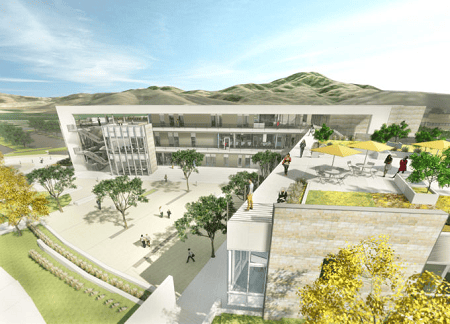
green campus design and development ? Green Campus Design and Development focuses on creating environmentally sustainable and energy-efficient campuses, often seen in educational institutions, workplaces, and other organizational settings. The goal is to reduce the carbon footprint, conserve natural resources, and promote eco-friendly practices in the design, construction, and operation of the campus. Here’s an overview of key components in green campus design and development: 1. Sustainable Architecture and Building Materials 2. Renewable Energy Sources 3. Water Conservation and Management 4. Waste Reduction and Recycling 5. Green Landscaping and Biodiversity What is green campus design and development ? Green Campus Design and Development refers to the creation of educational or institutional campuses that prioritize environmental sustainability, energy efficiency, and ecological balance. The aim is to minimize the environmental impact of the campus by implementing green practices and technologies throughout the design, construction, operation, and maintenance phases. This includes incorporating sustainable features into the campus infrastructure, promoting responsible resource use, and enhancing the overall well-being of students, faculty, and the surrounding community. Key Aspects of Green Campus Design and Development: Benefits of Green Campus Design: In conclusion, Green Campus Design and Development focuses on creating spaces that support sustainability and environmental stewardship, while also fostering a healthy, eco-friendly learning environment. Who is required green campus design and development ? Green Campus Design and Development is increasingly being adopted by various organizations and institutions that aim to align their operations with sustainable practices and environmental responsibility. While the specific stakeholders and decision-makers who require or benefit from green campus development can vary, key groups include: 1. Educational Institutions (Schools, Colleges, Universities) 2. Corporations and Businesses 3. Government Organizations 4. Non-Governmental Organizations (NGOs) 5. Developers and Architects 6. Healthcare Institutions 7. Research Institutes 8. Civic and Community Projects 9. Tourism and Hospitality Industry Conclusion: Green campus design and development is required by a wide range of stakeholders, including educational institutions, businesses, government bodies, healthcare organizations, and others who are committed to sustainability, resource conservation, and reducing their environmental impact. Each group benefits from the long-term advantages of green campuses, such as cost savings, improved reputation, and contributing to a healthier planet. When is required green campus design and development ? Green campus design and development is required at several points throughout an institution’s or organization’s lifecycle, from planning and construction to ongoing operations and renovation. The need for green campus initiatives can arise in various situations, including: 1. During the Planning and Design Phase 2. When Updating or Renovating Existing Facilities 3. During Ongoing Campus Operations 4. When Environmental Regulations or Standards Change 5. In Response to Environmental or Climate Change Concerns 6. When Seeking Financial and Operational Savings 7. When There is Growing Demand for Sustainability from Stakeholders 8. When Implementing Long-Term Sustainability Goals Conclusion: Green campus design and development is required at various stages of an institution’s or organization’s life cycle, including during initial construction, renovations, operations, or when addressing new sustainability mandates or climate-related concerns. It’s essential whenever there is a need to reduce environmental impact, comply with new regulations, achieve cost savings, or meet growing stakeholder demand for sustainability. COURTESY : Corpbiz Where is required green campus design and development ? Green campus design and development is required in various locations and settings, wherever institutions, organizations, or communities seek to integrate sustainability into their operations, infrastructure, and daily activities. Below are the key places where green campus design and development is needed: 1. Educational Institutions 2. Corporate Campuses and Offices 3. Government Buildings and Facilities 4. Healthcare Institutions 5. Research and Development Centers How is required green campus design and development ? The design and development of a green campus requires a systematic approach that integrates sustainable practices across various aspects of campus planning, construction, and operation. Here’s an overview of the key components and steps involved in creating a green campus: 1. Site Selection and Planning 2. Sustainable Architecture and Construction 3. Energy Efficiency and Renewable Energy 4. Water Conservation and Management 5. Waste Management and Recycling 6. Transportation and Mobility 7. Biodiversity and Landscaping 8. Indoor Air Quality and Human Health 9. Community Engagement and Education 10. Monitoring, Maintenance, and Improvement Conclusion: To successfully develop a green campus, institutions or organizations need to take an integrated, holistic approach. This includes careful planning, investment in sustainable technologies, engagement with the community, and continuous monitoring. The aim is not only to reduce the campus’s environmental footprint but also to create a sustainable, healthy, and inspiring space for students, staff, and the wider community. Case study is green campus design and development ? A case study of green campus design and development illustrates the practical application of sustainable design principles in creating an environmentally responsible, resource-efficient, and socially beneficial campus. Below is a real-world example of a green campus design, focusing on its planning, implementation, and results. Case Study: The University of California, Merced – Green Campus Design Background: The University of California, Merced (UC Merced) is one of the youngest campuses in the University of California system. In its commitment to sustainability, UC Merced has adopted green campus initiatives, focusing on environmental performance, energy efficiency, and student involvement. The campus, which opened in 2005, has since been recognized for its green initiatives and is considered a model for sustainable higher education campuses. Objectives: Key Features of the Green Campus Design: Results and Impact: Challenges: Conclusion: The UC Merced campus is a prime example of how universities and other institutions can successfully integrate green campus design and development principles. By incorporating sustainable technologies, promoting environmental awareness, and focusing on energy efficiency, UC Merced has not only created a sustainable campus but also set a precedent for future campus developments. This case study demonstrates that green campus design is both achievable and beneficial for educational institutions, providing environmental, economic, and social advantages. White paper on green campus design and development ? White Paper: Green Campus Design and Development Introduction As sustainability becomes an essential aspect of modern infrastructure, educational institutions

green campus design and development Read More »

 green campus design and development

 green campus design and development ? Green campus design and development focus on creating environmentally sustainable, energy-efficient, and ecologically responsible campuses for educational institutions, offices, and other organizations. The objective is to minimize environmental impact, promote the use of renewable resources, and enhance the overall quality of life for campus occupants. Here are key elements of green campus design and development: 1. Energy Efficiency 2. Water Conservation 3. Waste Management 4. Sustainable Transportation 5. Sustainable Construction Materials 6. Biodiversity and Green Spaces 7. Environmental Education and Engagement 8. Smart Technologies By incorporating these strategies, a green campus design helps reduce environmental impact, create healthier living and learning environments, and set a positive example for sustainability. What is green campus design and development ? Green campus design and development refers to the process of planning, designing, and constructing educational or institutional campuses with a focus on sustainability and environmental responsibility. The goal is to create campuses that reduce their ecological footprint, promote energy efficiency, conserve natural resources, and enhance the health and well-being of students, faculty, and staff. Green campus design integrates various sustainable practices and technologies into the physical infrastructure and day-to-day operations of the campus. Key aspects of green campus design and development include: 1. Sustainable Architecture 2. Water Conservation 3. Waste Reduction and Management 4. Sustainable Transportation 5. Landscaping and Biodiversity 6. Smart Technology Integration 7. Community Engagement and Education 8. Green Building Certifications Benefits of Green Campus Design: In essence, green campus design and development aim to make campuses more sustainable, eco-friendly, and resilient, contributing to environmental protection and the overall quality of life for all campus occupants. Who is required green campus design and development ? Green campus design and development is increasingly being adopted by various types of institutions and organizations, as the push for sustainability becomes a critical part of global environmental responsibility. The following groups are typically involved in or required to undertake green campus design and development: 1. Educational Institutions (Schools, Colleges, Universities) 2. Private and Public Organizations 3. Architects and Urban Planners 4. Government Authorities and Policymakers 5. Facility Managers 6. Environmental Organizations and Nonprofits 7. Students and Campus Communities 8. Builders and Contractors 9. Local Communities and Neighborhoods 10. Real Estate Developers Key Motivators for Green Campus Design and Development: In conclusion, green campus design and development is required for a variety of stakeholders, including educational institutions, government bodies, architects, facility managers, and communities, all working toward creating environmentally sustainable, efficient, and healthier campus environments. When is required green campus design and development ? Green campus design and development is required whenever a campus or institution is planning new construction, undergoing renovation, or looking to improve its environmental sustainability. Here are specific scenarios when green campus design and development is typically required or strongly recommended: 1. During New Campus Construction 2. During Major Campus Renovations or Expansions 3. When Institutions Set Sustainability Goals or Commitments 4. When Local or National Regulations Demand It 5. In Response to Climate Change and Environmental Concerns 6. To Improve Campus Health and Well-being 7. When Seeking Financial Benefits 8. When Attracting Students, Employees, or Tenants 9. During Facility and Space Management Reviews 10. When Developing Collaborative or Community-Based Campuses In summary, green campus design and development is required when: In essence, green campus development is not only about meeting immediate environmental requirements but also about planning for the future, ensuring the long-term sustainability of the campus, and contributing positively to the planet. Where is required green campus design and development ? Green campus design and development is required wherever campuses, institutions, or organizations are seeking to enhance their sustainability, reduce environmental impact, and improve the quality of life for their communities. Specifically, green campus design and development is necessary in the following types of locations: 1. Educational Institutions 2. Government Buildings and Offices 3. Corporate Campuses 4. Research and Development (R&D) Institutions 5. Healthcare Institutions 6. Mixed-Use Campuses and Urban Developments 7. Community Centers and Cultural Institutions 8. Military and Defense Campuses 9. Retail and Commercial Developments 10. Sports and Recreation Complexes 11. Tourism and Hospitality Industry 12. Agricultural and Rural Developments 13. Sustainable Housing Developments 14. International and Environmental Organizations Conclusion: Green campus design and development is required wherever institutions, businesses, or organizations want to integrate sustainability into their operations, reduce their environmental footprint, and improve the quality of life for people who use the campus. These can include educational campuses, corporate offices, healthcare facilities, research institutions, government buildings, mixed-use developments, and many others—essentially, any place where environmental sustainability is a priority. Courtesy : Southern University College How is required green campus design and development ? reen campus design and development is a multifaceted process that involves integrating sustainable practices into the architecture, infrastructure, and operations of a campus. The goal is to minimize environmental impact while improving the well-being of the occupants and the surrounding community. The process requires a combination of planning, design, and implementation strategies, as well as ongoing maintenance and monitoring. Here’s how it can be achieved: 1. Sustainable Site Planning and Design 2. Energy Efficiency and Renewable Energy 3. Water Conservation and Management 4. Sustainable Construction Materials 5. Waste Reduction and Management 6. Sustainable Transportation Systems 7. Indoor Environmental Quality (IEQ) 8. Green Technology Integration 9. Community Engagement and Education 10. Sustainable Campus Operations 11. Continuous Monitoring and Improvement Conclusion: Green campus design and development is required in a holistic, interdisciplinary approach, combining architecture, engineering, landscaping, resource management, and community involvement. This process involves the adoption of sustainable practices, from site planning to building construction, energy management, waste reduction, and transportation systems. By creating a green campus, institutions and organizations contribute positively to environmental sustainability while providing a healthier, more resource-efficient environment for their community. Case study is green campus design and development ? A case study in green campus design and development can provide valuable insights into how sustainability principles are applied in real-world settings. Here’s an example of a green campus case study: Case Study:

 green campus design and development Read More »
Translate »